Le Nez du Vin Aroma Kit Review: Which Kit to Pick (or DIY)

By the Sommy Team — AI-assisted, human-edited.
Updated Oct 21, 2026
Contents (6)
TL;DR
Le Nez du Vin sells wine aroma kits by colour and size: 6 aromas as a gift, 12 for red or for white, 24 for both, 54 in the master kit, plus 12-aroma faults and new-oak boxes. For a beginner, a kitchen DIY kit covers most of the gain for far less.
TLDR
Le Nez du Vin is a set of numbered vials, each holding one wine smell, first made by Jean Lenoir in 1981. Pick the 12-aroma kit for the colour you drink most, or the 24 for both, and start with kitchen jars. Buy a commercial kit only if you taste regularly and already know the basics.
What Is in Each Le Nez du Vin Aroma Kit?
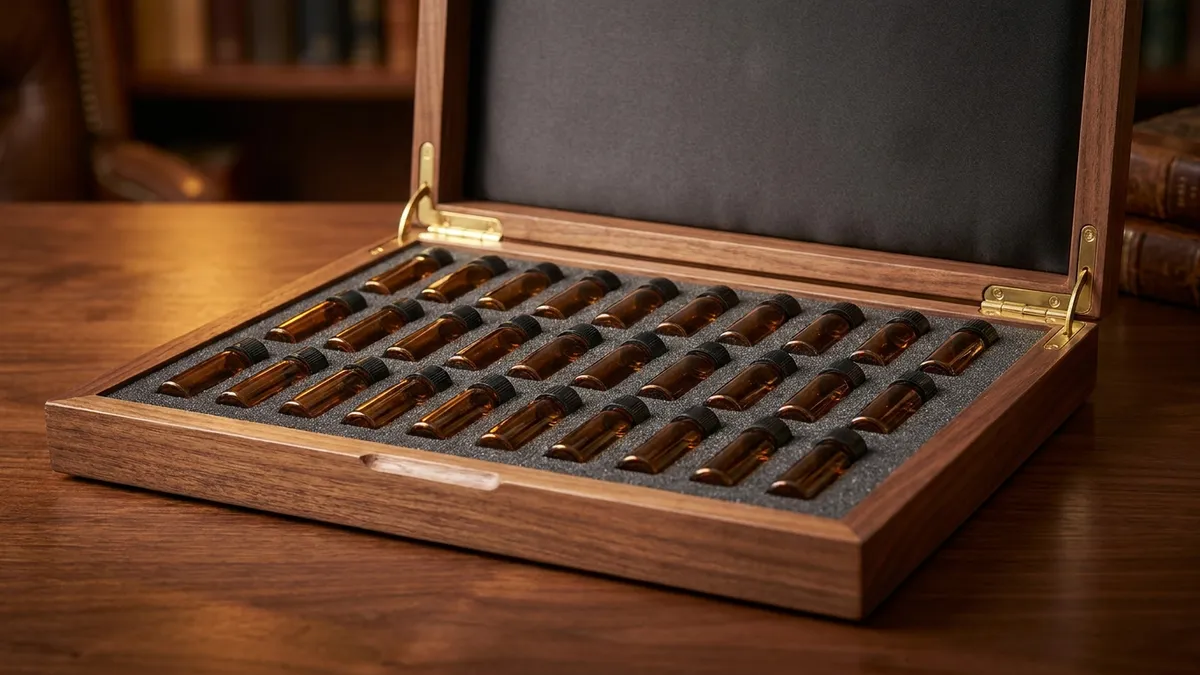
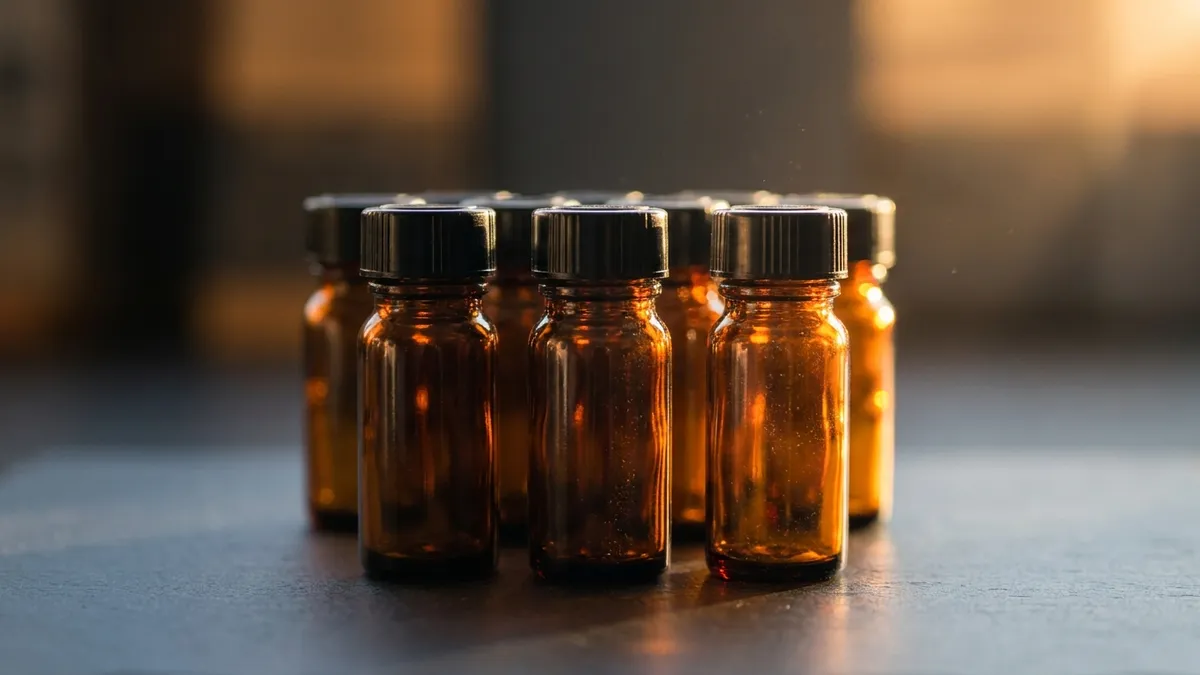
Le Nez du Vin sells its wine kits by colour and size. The 12-aroma red and white kits are drawn from the 54-aroma master kit and keep its vial numbers. The 24-aroma Duo combines the two, and faults and new oak come as separate 12-aroma boxes. The 12s ship with a booklet on where each aroma shows up in wine.
| Kit | What is inside | Who it suits |
|---|---|---|
| 6 aromas, introductory | Six wine aromas, sold as a gift | A present for a curious beginner |
| 12 aromas, red wines | Strawberry, raspberry, blackcurrant, blackberry, cherry, violet, green pepper, truffle, liquorice, vanilla, pepper, smoky | Mostly red drinkers: the best first kit |
| 12 aromas, white wines and Champagne | Lemon, grapefruit, pineapple, lychee, muscat, pear, hawthorn, honey, boxwood, butter, toast, roasted hazelnut | Mostly white and sparkling drinkers |
| 24 aromas, Duo | The red and white 12s together | Anyone who drinks both colours |
| 54 aromas, master kit | The full set the 12s are drawn from | Students on a long tasting course, trade tasters |
| 12 aromas, wine faults | Fault smells split off from the original 1981 set | Trade tasters who need to catch a bad bottle |
| 12 aromas, new oak | Common aromas from new oak barrels, sold as a companion to the master kit | Master-kit owners who taste a lot of oaked wine |
| Kitchen DIY kit | Fruit, spice, peel, honey, butter and toast in small jars | Every beginner, before any of the above |
For exam study there is also Napa Valley Wine Academy's 48-aroma TasteCoach kit, which the school says is built to match the WSET Systematic Approach to Tasting.

Quick check
One question on what you just read
You are new to wine and want to train your nose on a budget. What is the smart start?
Tap an answer to see how you did.
Is Le Nez du Vin Worth It?
Yes, if you taste often and keep missing the same smells. No, as a first step. Wine Spectator's Dr. Vinny says the kits pick aromas "closely related to the molecular composition of wine." The same answer adds that they are not "a complete replacement": a nose in a bowl of real strawberries makes a stronger memory.
What the money buys is consistency. Taittinger's profile of Le Nez du Vin says the aromas are "natural or synthetic depending on the case," and each vial smells the same every time it is opened. Retailers guarantee the vials for five years and say they can last up to ten with proper storage. A kitchen has no violet, hawthorn or boxwood at all.
Jean Lenoir's first box held 54 smells, including faults such as glue and rotten egg. Those faults now sit in their own box, aimed mainly at professionals. Buy it if you work with wine or return bottles often; otherwise start with the guide to spotting wine faults by smell.
If every kitchen jar below is easy to name with eyes closed and real wine still hides the same smells, buy the 12 for the colour you drink most. If a Cabernet and a Pinot Noir still smell alike, spend the money on wine and the deductive tasting method first.
How Do You Make a Wine Aroma Kit at Home?
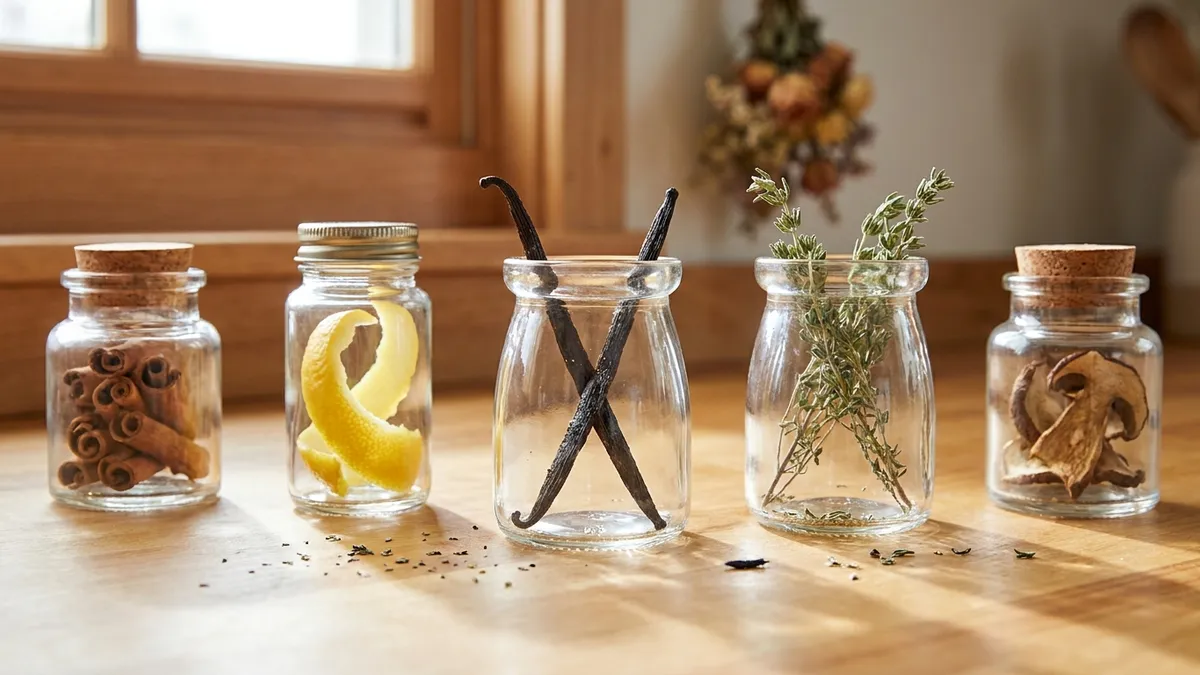
Fill small jars with kitchen stand-ins for the 24 aromas in Le Nez du Vin's red and white kits. Fruit, peel, spices, honey, butter and toast cover most of them. Violet, hawthorn and boxwood have no kitchen match, and those three gaps are the best reason to buy a kit later.
| Kit aroma | Kit | Kitchen stand-in |
|---|---|---|
| Strawberry, raspberry, blackberry, cherry | Red | Frozen berries and cherries, thawed |
| Blackcurrant | Red | A spoon of blackcurrant jam |
| Green pepper | Red | A slice of green bell pepper |
| Truffle | Red | Dried porcini soaked in a little water (close, not exact) |
| Liquorice | Red | A piece of liquorice root |
| Vanilla | Red | A split vanilla pod |
| Pepper | Red | Freshly cracked black pepper |
| Smoky | Red | A pinch of smoked paprika |
| Lemon, grapefruit | White | Strips of peel |
| Pineapple, lychee, pear | White | Tinned pineapple and lychees, a ripe pear |
| Muscat | White | Muscat grapes, in season |
| Honey, butter | White | A spoon of each |
| Toast, roasted hazelnut | White | Toasted bread, hazelnuts browned in a dry pan |
| Violet, hawthorn, boxwood | Red and white | None in a kitchen: buy the kit for these |
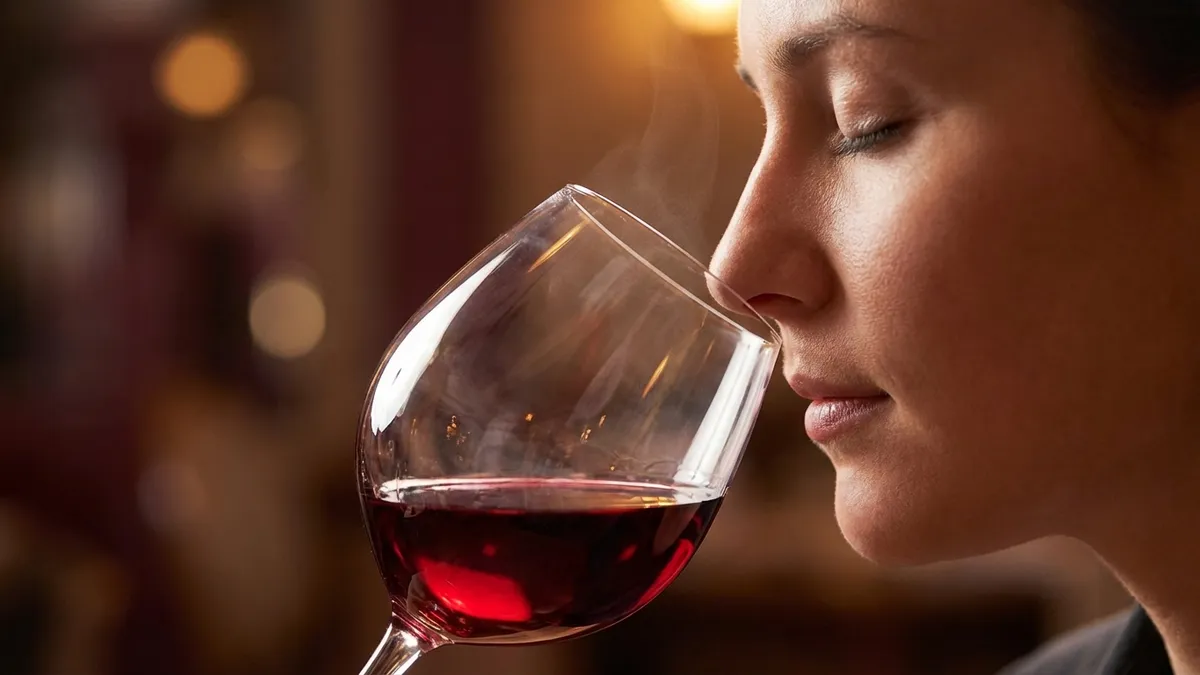
Sniff each jar with your eyes closed, in short sniffs, and say its name out loud twice. Keep sessions to five minutes, twice a day. The nose grows less sensitive to a smell it keeps sniffing, so short sniffs keep each jar clear. The full technique is in how to smell wine.
Fresh fruit lasts a few days in a jar, and dried spices last months. Wine Folly builds its home kit on dry spices for that reason: "they last longer." Replace anything that fades.
How Do You Practise With an Aroma Kit?
Train in three steps: name each smell blind, then pick two smells out of one jar, then find them inside a real wine. The guide to training your sense of smell explains why single named smells come before a full glass of wine.
- Blind single aroma. Shuffle the jars or vials, cover the labels, sniff and name each one, then check. Retest the misses the next day.
- Two-aroma blend. Put two references in one jar, such as a cinnamon stick and a coffee bean, and name both. Most beginners catch one and miss the other.
- Wine deconstruction. Smell a real wine and name the broad family first: fruit, floral, spice or earth. Then narrow to one fruit or spice and write the guess in a tasting notes template before reading the back label.
The blend drill trains the skill a glass of wine demands, where dozens of smells arrive at once. The wine aroma wheel guide gives the ladder from family to single smell, and how to describe wine turns the names into a sentence.
What Can an Aroma Kit Not Teach?
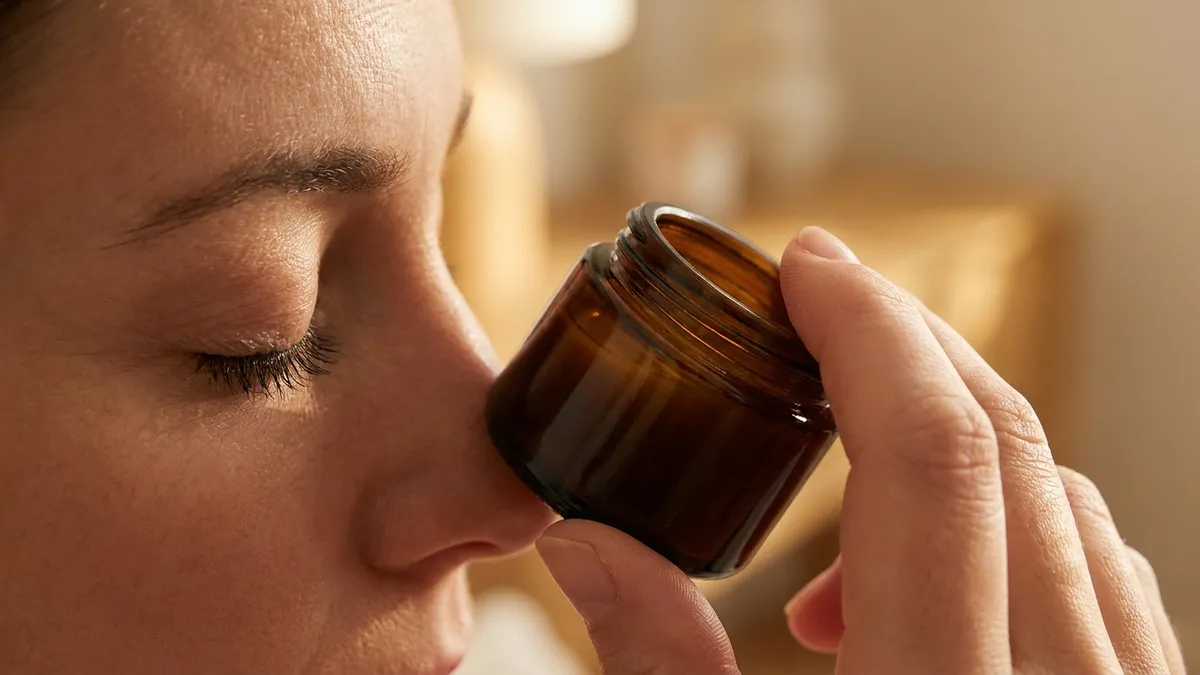
A kit teaches the names of single smells. It cannot teach structure, a grape's identity or a palate of your own, because each of those needs wine in the glass. Pair any kit with one or two practice wines a week.
- Structure. Acidity, tannin and body are what link a smell to a grape, and no vial carries them.
- A clear note. Turning smells into a tasting note takes a framework and the tasting vocabulary cheat sheet.
- A palate. Comparison drills across regions, ages and styles, set out in develop your wine palate, build it over months.
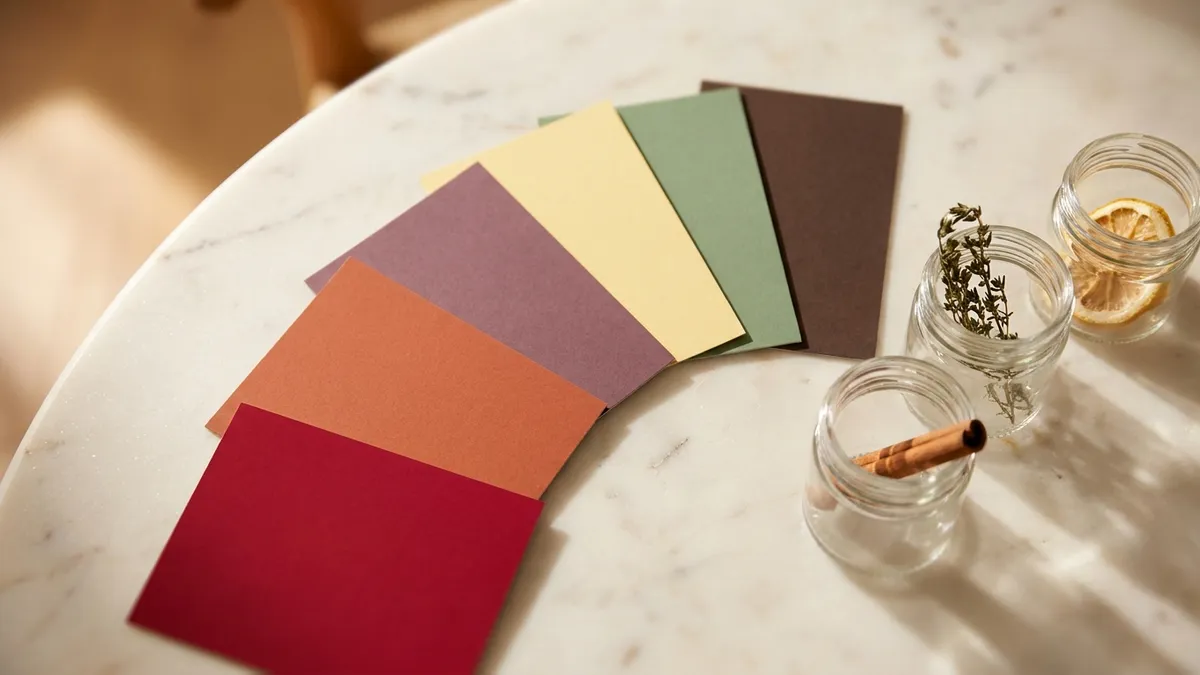
How to taste wine and primary, secondary and tertiary aromas show where each smell in a glass comes from, and the tasting hub collects the rest of the method.
In the Sommy app, the Wine 101 course has a bite-sized lesson on training your nose. Tonight, set out three jars of cherry, vanilla and cracked black pepper, sniff each with your eyes closed, then pour a red and look for one of them in the glass.
Sources
- Taittinger: Le nez du vin (Jean Lenoir, 1981; natural or synthetic aromas; the faults box)
- Napa Valley Wine Academy: Le Nez du Vin aroma kits and the TasteCoach 48 kit
- Wine Spectator: Is a wine aroma kit a good investment?
- Vinum Design: Le Nez du Vin, 12 aromas, red wines
- Rose Hill Wine Cellars: Le Nez du Vin white wine aroma kit, 12 aromas
- Wine Folly: Make your own wine aroma kit
Frequently Asked Questions
What is in the Le Nez du Vin 12 aroma kit?
The red wine kit holds strawberry, raspberry, blackcurrant, blackberry, cherry, violet, green pepper, truffle, liquorice, vanilla, pepper and a smoky aroma. The white wine and Champagne kit holds lemon, grapefruit, pineapple, lychee, muscat, pear, hawthorn, honey, boxwood, butter, toast and roasted hazelnut. Both sets are drawn from the 54-aroma master kit and keep its vial numbers.
Is Le Nez du Vin worth it?
It is worth it for someone who tastes several times a week and keeps missing the same smells. Wine Spectator's Dr. Vinny says the kits pick aromas closely related to the molecular makeup of wine but are not a complete replacement for real fruit. A beginner gets most of the early gain from a kitchen kit and can buy a 12-aroma kit once those jars are easy.
Which Le Nez du Vin kit should a beginner buy?
Buy the 12-aroma kit for the colour you drink most: red wines, or white wines and Champagne. The 24-aroma Duo combines both sets for anyone who drinks red and white equally. Leave the 54-aroma master kit, the faults kit and the new-oak kit for later study or trade work. The 6-aroma box is sold mainly as a gift.
Are Le Nez du Vin aromas natural or synthetic?
Both. Taittinger's profile of the kit says its aromas are natural or synthetic depending on the case. Each vial holds one aroma and smells the same every time it is opened, which fresh fruit cannot do. Checking the vials against real fruit and spice from the kitchen keeps each name tied to the smell of the real thing.
How long does a Le Nez du Vin kit last?
Retailers guarantee the aromas for five years and say they can last up to ten with proper storage. Wine Spectator also notes that the kits have a long shelf life. A kitchen kit is far shorter-lived: fresh fruit fades within a few days, while dried spices keep their smell for months.
Can I make my own wine aroma kit at home?
Yes. Fill small jars with kitchen stand-ins: thawed berries and cherries, blackcurrant jam, green bell pepper, soaked dried porcini, vanilla, cracked black pepper, smoked paprika, citrus peel, pineapple, a ripe pear, honey, butter, toast and toasted hazelnuts. Together they cover most of the 24 aromas in the Le Nez du Vin red and white kits. Violet, hawthorn and boxwood have no kitchen match.
Is an aroma kit a substitute for tasting wine?
No. A kit teaches the names of single smells, and only wine teaches how they sit together with acidity, tannin and body. Wine Spectator's Dr. Vinny calls the kits useful but not a complete replacement for real smells. Pair any kit with one or two practice wines a week, smelling first and reading the back label last.
Sommy Team
LinkedInFounder & Wine Educator
The Sommy Team is building the world's most approachable wine education app, helping beginners develop real tasting skills through structured courses and AI-guided practice.