Resveratrol in Red Wine: What the Science Actually Says

By the Sommy Team — AI-assisted, human-edited.
Updated Apr 29, 2026

Contents (14)
- TLDR
- Resveratrol in Red Wine, in 90 Seconds
- How a Plant Defense Compound Became a Wellness Empire
- What Resveratrol Actually Is
- Why Red Wine Has More Than White
- Resveratrol Concentrations by Wine Style
- The French Paradox, Reconsidered
- What the Modern Studies Actually Show
- The Dose Problem, Plain and Direct
- What Else Is in the Glass
- The Alcohol J-Curve, Now Mostly Debunked
- What Should Replace the Health Frame
- Where the Honest Verdict Lands
- Build Real Wine Skill Instead of Chasing Headlines
TL;DR
Resveratrol in red wine is real but the doses are tiny — 0.2 to 12 milligrams per liter, around 1 milligram per glass. The mouse studies that fueled the hype used the human equivalent of 7 to 14 grams. The 2014 Italian longevity study found no link to heart disease or mortality. Drink wine for enjoyment, not medicine.
TLDR
Resveratrol in red wine is real, but the famous resveratrol red wine benefits story does not survive contact with the dose math. A standard glass contains 0.5 to 1.5 milligrams. The mouse studies that launched the hype used the human equivalent of 7 to 14 grams. The 2014 Semba study found no link between dietary resveratrol and longevity. Wine has some polyphenols, but it is not medicine — drink it because you enjoy it.
Resveratrol in Red Wine, in 90 Seconds
Resveratrol in red wine is a polyphenol made by grape skins to fight fungal infection. Because red wine ferments with the skins, it extracts roughly 0.2 to 12 milligrams per liter, while white wine sits at 0.05 to 0.3 milligrams per liter. A 5-ounce glass therefore delivers about 0.5 to 1.5 milligrams. The animal studies behind every resveratrol red wine benefits headline used 100 to 200 milligrams per kilogram in mice, which scales to 7 to 14 grams in humans — over 1,000 glasses of wine. The 2014 Semba study in JAMA Internal Medicine followed 783 elderly Italians for nine years and found no link to heart disease, cancer, or mortality. The compound is real. The clinical promise, at wine doses, is not.
How a Plant Defense Compound Became a Wellness Empire
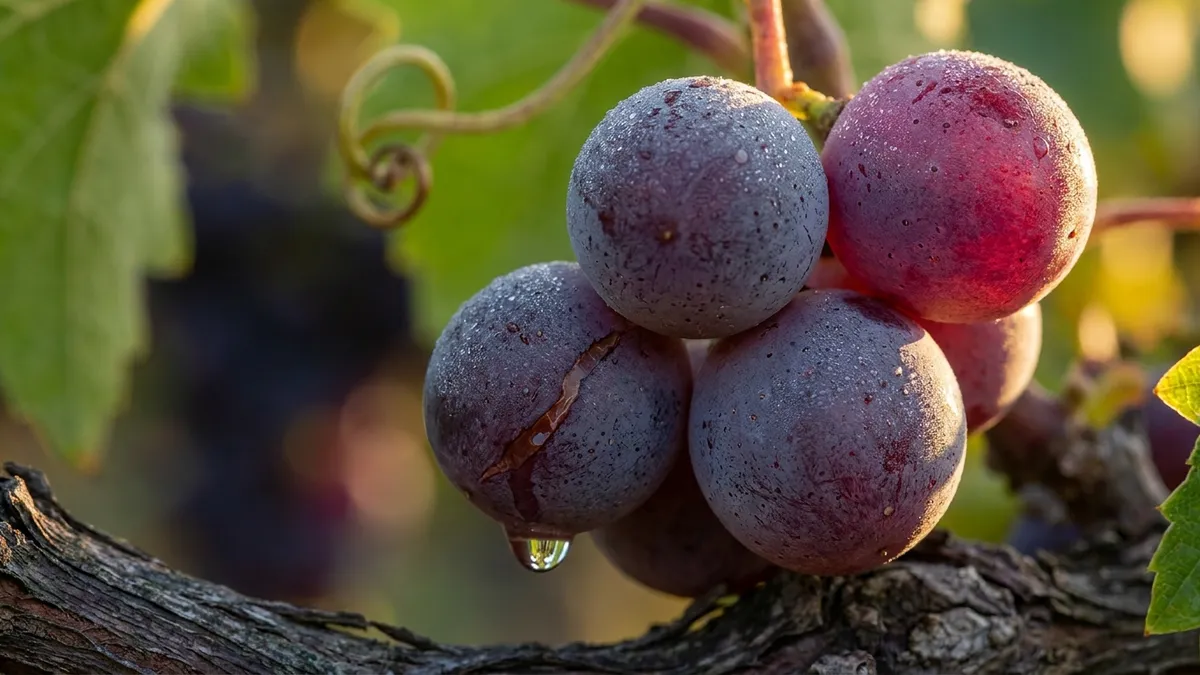
Resveratrol is a stilbene — a class of polyphenols that plants produce in response to stress. In grapevines, the molecule is a chemical immune response. When the vine is attacked by fungi like Botrytis cinerea or downy mildew, the leaves and skins produce resveratrol to slow the infection. Heat stress, ultraviolet light, and pruning wounds also trigger production.
In the 1990s, two events transformed it from chemistry-textbook footnote to wellness-industry darling. The first was the French Paradox — a 1992 observation that French populations ate saturated-fat-heavy diets, drank red wine regularly, and showed lower coronary heart disease rates than statistical models predicted. Researchers Serge Renaud and Michel de Lorgeril pointed to red wine as a possible explanation, and the phrase entered popular culture through a 60 Minutes segment.
The second was laboratory work in the 2000s showing that resveratrol activated SIRT1, a so-called longevity gene linked to caloric restriction in yeast and mice. Pharmaceutical company Sirtris was acquired by GlaxoSmithKline for $720 million in 2008. Headlines promised a pill that mimicked a starvation diet. The supplement industry moved fast — and then the science caught up.
What Resveratrol Actually Is
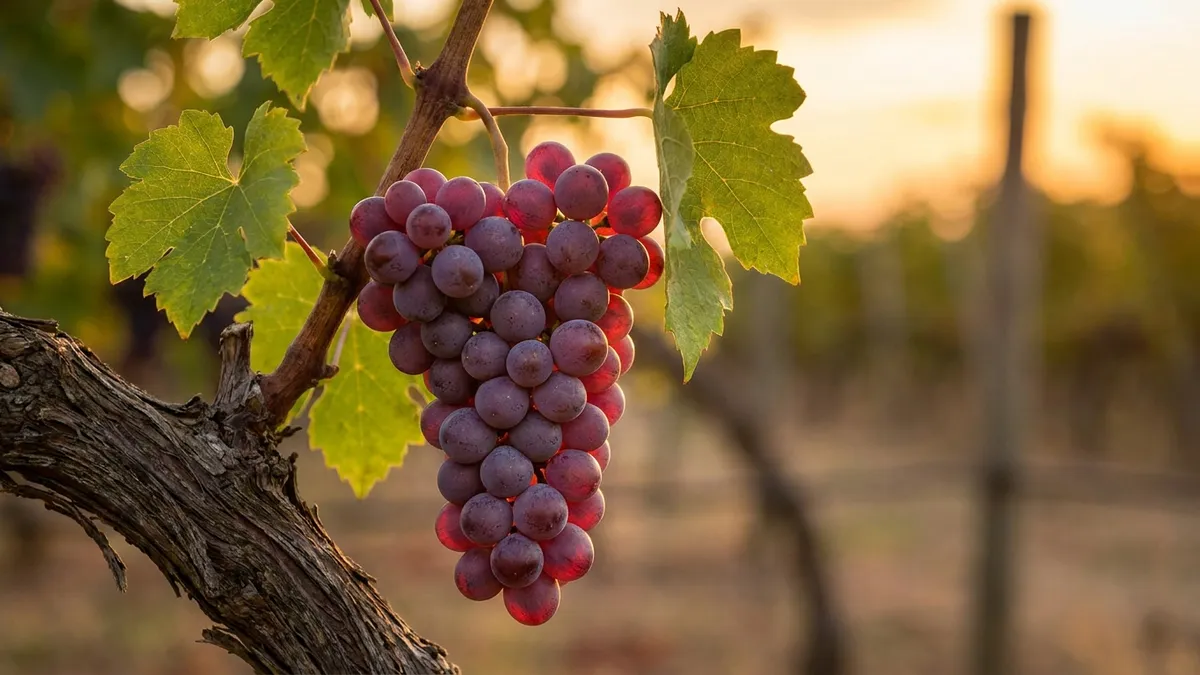
The compound's full name is trans-resveratrol. In a grapevine, it concentrates in the grape skins — especially the outer cell layers — with smaller amounts in vine leaves and seeds. The juice itself contains essentially none. This single fact explains why red wine has more resveratrol than white wine.
Why Red Wine Has More Than White
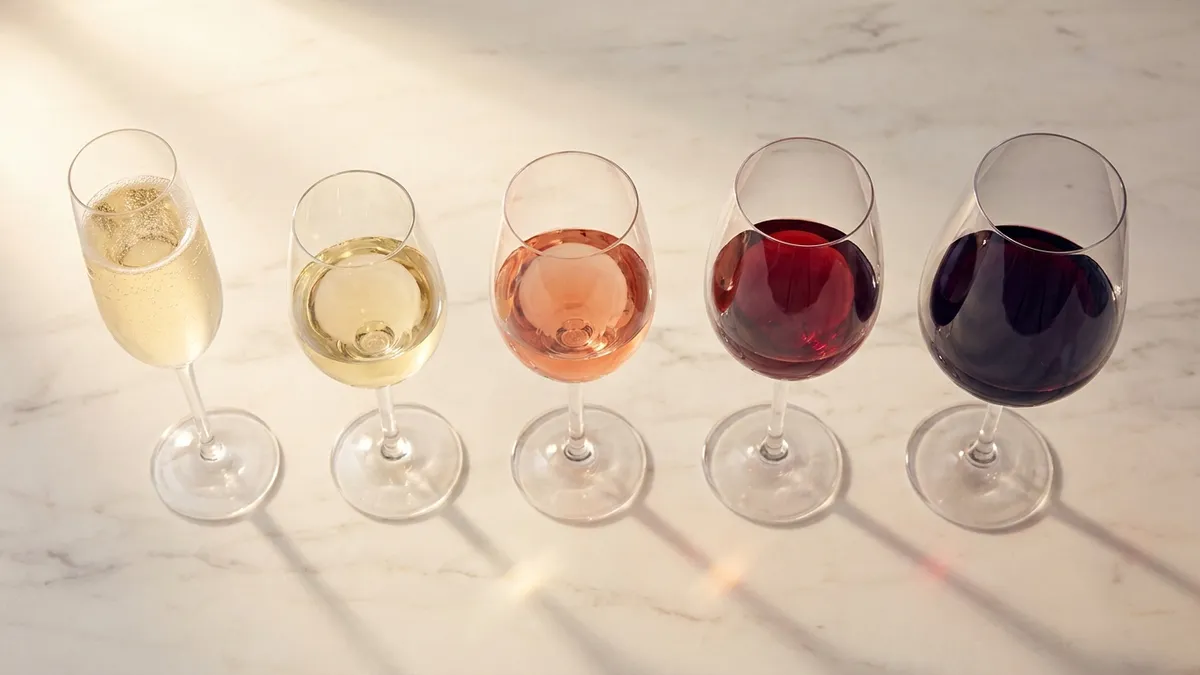
Wine style is decided in the first hours of fermentation. The structural difference between red wine and white wine is the presence of grape skins.
Red wine ferments with the skins for days or weeks, sometimes a month or more for tannic styles. During that time, alcohol and warmth extract pigments, tannin, and polyphenols from the skin cells into the liquid. Resveratrol comes along for the ride.
White wine works in reverse. The grapes are pressed and the juice is separated from the skins almost immediately. Fermentation happens in the clear juice, which contains very little resveratrol to extract. The result is a wine with only trace amounts — typically 10 to 50 times less than a comparable red.
Rosé sits in between. Skin contact times of 4 to 24 hours produce some color and a small fraction of the polyphenols of red wine, but resveratrol levels remain modest.
For more on how grape skins drive flavor and color, our guide to wine color and what it means covers the full pigment story. The same skins that color the wine carry the resveratrol.
Resveratrol Concentrations by Wine Style
Published studies measuring resveratrol in commercial wines show wide variation by grape, region, and vintage, but the broad ranges are well established:
- Pinot Noir — 1 to 5 milligrams per liter (often the highest of the common reds)
- Cabernet Sauvignon and Merlot — 0.5 to 2 milligrams per liter
- Syrah, Malbec, Tempranillo — 0.5 to 3 milligrams per liter
- Generic red wine average — 1 to 4 milligrams per liter
- White wine — 0.05 to 0.3 milligrams per liter
- Resveratrol supplement — 100 to 500 milligrams per capsule
A standard 5-ounce (150 ml) glass of red wine therefore contains roughly 0.5 to 1.5 milligrams of resveratrol. An entire bottle of an unusually rich red might reach 5 to 7 milligrams. A single supplement capsule delivers 100 times that.
Pinot Noir sits at the top of the red-wine resveratrol charts because of climate and skin biology. Pinot grows best in cool, damp regions like Burgundy, Oregon, and parts of New Zealand. Cool damp climates mean more fungal pressure, and the grape responds with more polyphenol defense. Even so, "highest in resveratrol" translates to about 1.5 to 5 milligrams per glass. The ceiling stays low. Our Pinot Noir guide covers the grape in detail.
The French Paradox, Reconsidered
The 1992 paper by Renaud and de Lorgeril noticed that French populations had lower coronary heart disease mortality than expected given their saturated-fat intake, and proposed red wine as a possible cause.
Three decades of follow-up work has complicated the picture. Several confounders likely contributed to the original observation:
- Diet pattern. The traditional French diet included more fresh vegetables, legumes, fish, and slow meals.
- Lower obesity rates. France in the 1990s had roughly half the obesity prevalence of the United States.
- Walking culture. European city design produces more incidental physical activity.
- Smoking trends. French cardiovascular outcomes were affected by different tobacco patterns.
- Reporting differences. French heart disease deaths may have been undercounted relative to American statistics.
When epidemiologists adjust for these factors, the wine-specific signal weakens dramatically. The compounds in red wine probably contribute something at the margin, but the headline gap between French and American heart health was driven by the whole lifestyle bundle — not by a glass of Bordeaux. Our guide to the Bordeaux blend grapes walks through the region's classic varieties.
What the Modern Studies Actually Show
The early 2000s produced a wave of laboratory studies on resveratrol that fueled the supplement market. Most used cell cultures or rodents and reported striking results — extended lifespan in yeast, improved metabolic markers in obese mice, reduced inflammation in rats. The scientific community ran with it, and so did the press.
Then the human studies started to arrive.
The 2014 Semba Study
The most cited human study is Semba et al. (2014), published in JAMA Internal Medicine. Researchers tracked 783 community-dwelling men and women aged 65 and older in the Chianti region of Italy for nine years. They measured urinary metabolites of resveratrol as a proxy for dietary intake — a population already eating a Mediterranean diet rich in red wine, grapes, and olive oil.
The results were sobering. Higher resveratrol metabolite levels showed no association with:
- All-cause mortality
- Cardiovascular events
- Cancer incidence
- Inflammatory markers like C-reactive protein
In a population that should have shown the strongest effect — long-term Mediterranean-diet adults consuming wine and grapes regularly — the study found nothing.
The 2018 Meta-Analysis and the Bioavailability Problem
A 2018 meta-analysis in Nutrients pooled randomized controlled trials of resveratrol supplements at 150 milligrams per day or higher. The results showed small reductions in inflammatory markers, minor fasting-glucose improvements for diabetic patients, no statistically significant mortality benefit, and no clear cardiovascular improvement. These were supplement doses — 100 to 200 times what a glass of wine delivers. Even at those concentrations, the benefit signals were modest and inconsistent.
Why did the laboratory hype never replicate? Resveratrol has poor oral bioavailability — most of what you swallow is metabolized in the gut and liver before reaching tissues. Mouse models often used direct injection or extreme oral doses. SIRT1 activation only kicks in at concentrations far higher than circulating blood can reach from food. The molecule does something in a petri dish. It does very little in a person eating dinner.
The Dose Problem, Plain and Direct
This is the calculation that every honest resveratrol article should run.
The classic mouse study from 2006 — Baur et al. in Nature — used 22 milligrams per kilogram of body weight to extend lifespan in obese mice. Later metabolic studies pushed up to 100 to 400 milligrams per kilogram. To translate animal doses to humans, researchers use a body-surface-area conversion that divides the rodent dose by roughly 12.
A 70-kilogram adult would therefore need:
- Lower mouse studies: ~130 milligrams per day
- Mid-range studies: ~600 milligrams per day
- High-end metabolic studies: ~7 to 14 grams per day
A glass of red wine contains about 1 milligram. Hitting even the lower number from wine alone would require 130 glasses per day. The high end would require over 1,000.
Long before the resveratrol could do anything beneficial, the alcohol would cause acute liver injury, severe dehydration, and potentially death. The dose math does not work, and no amount of grape skin chemistry changes that.
What Else Is in the Glass
Resveratrol is not the only polyphenol in red wine. Grape skins also contain anthocyanins (the pigments responsible for red and purple color), flavonoids like quercetin and catechins, tannins (astringent compounds with mild antioxidant activity), and proanthocyanidins from seeds and skins. None has accumulated convincing clinical evidence for the kind of effects originally claimed for resveratrol.
You can get most of the same compounds from foods that do not contain alcohol — green tea, dark chocolate, blueberries, pomegranates, and fresh grapes with the skins. If your goal is polyphenol intake, those sources are far more efficient. Our guide to understanding tannins, acidity, and body breaks down what each compound contributes to taste. Those same polyphenols are also what link red wine to the gut microbiome — though there, too, the food sources do the job better.
The Alcohol J-Curve, Now Mostly Debunked
For decades, observational studies suggested that light drinkers had lower all-cause mortality than abstainers — the so-called J-curve. Light to moderate alcohol looked protective; heavy drinking was clearly harmful. The shape of the curve became a popular justification for daily wine.
The J-curve has not aged well. Recent meta-analyses, particularly the 2022 JAMA Network Open study and the 2023 WHO statement, have shown that the protective signal at low doses largely disappears when researchers correct for sick-quitter bias — the tendency for people who quit drinking due to illness to be classified as "abstainers" in survey data. When healthy lifelong abstainers are properly identified, the J-curve flattens or reverses.
The current WHO consensus is direct: no level of alcohol consumption is safe from a population health perspective. That does not mean a single glass will harm you. It does mean the old "wine is good for your heart" framing has lost its scientific footing. With both legs of the pop-science argument now weak — resveratrol doses too low to matter, alcohol benefits not as protective as once believed — the case for drinking wine for health reasons has effectively collapsed.
What Should Replace the Health Frame
If wine is not medicine, what is it? It pairs with food, marks celebrations, structures meals, and rewards careful attention with real sensory pleasure. Those are the reasons to drink it.
Inside that frame, two practical habits matter much more than chasing antioxidants:
- Drink less, taste more. A single glass tasted carefully — color, aroma, palate, finish — produces more pleasure than a bottle drunk inattentively. The Sommy app's structured tasting flow walks you through each step.
- Pace and hydrate. Most "next-day" damage from wine comes from dehydration and sleep disruption, not from any single compound. A glass of water between glasses of wine fixes most of what beginners blame on sulfites or histamines.
Our develop your wine palate guide is the practical companion to this kind of slow drinking.
Where the Honest Verdict Lands
Pulling it together:
- Resveratrol exists in red wine, mostly extracted from grape skins during fermentation
- Concentrations average about 1 milligram per glass; supplements deliver 100 to 500 times that
- The original mouse studies used doses roughly 1,000 times higher than wine delivers
- The 2014 Semba study found no benefit to dietary resveratrol intake
- The French Paradox has dissolved into smaller lifestyle factors
- The alcohol J-curve was likely a methodological artifact
- Fresh grapes, blueberries, and dark chocolate give similar polyphenols without alcohol
This is not a doom-and-gloom verdict. Red wine remains one of the most culturally and sensorially rich drinks in the world. Drink it for the right reasons — flavor, pairing, ritual, conversation — not as a substitute for vegetables, exercise, or sleep.
Build Real Wine Skill Instead of Chasing Headlines
If the resveratrol red wine benefits story has taught the wine world anything, it is that headlines move faster than evidence. The compound is real. The dose is too small to matter at wine quantities. The clinical case has collapsed. What remains is the wine itself — its color, its aroma, its structure, and the centuries of craft that produced it.
That is what the Sommy app focuses on. Structured courses walk you through how to taste, how to describe, and how to pair, with the same evidence-based grounding this article tries to model. No magic compounds, no health promises — just the skills that make every glass more interesting. Visit sommy.wine to start building your own framework, one glass at a time.
For deeper reading on the chemistry and structure of red wine itself, the Cabernet Sauvignon vs Merlot comparison and our Chardonnay vs Sauvignon Blanc guide are useful next stops. The wine health pillar hub collects every article on what wine does — and does not do — for the body. Wine is for enjoyment, not medicine.
This article is not medical advice. Talk to your doctor about any decisions related to alcohol consumption, especially if you have a personal or family history of cardiovascular disease, cancer, or alcohol use disorder.
Frequently Asked Questions
What is resveratrol and why is it in red wine?
Resveratrol is a polyphenol stilbene compound that grape skins produce as a defense against fungal infections like Botrytis and downy mildew. Red wine ferments with the skins, which extracts the resveratrol into the liquid. White wine ferments without the skins, so it has only trace amounts. The compound itself is not made for human benefit — it is a plant immune response.
How much resveratrol is actually in a glass of red wine?
A 5-ounce (150 ml) glass of red wine contains roughly 0.5 to 1.5 milligrams of resveratrol. Pinot Noir typically delivers the most thanks to thicker skins, often 1 to 5 milligrams per liter. Cabernet Sauvignon and Merlot sit closer to 0.5 to 2 milligrams per liter. White wine has only 0.05 to 0.3 milligrams per liter. A single resveratrol supplement contains 100 to 500 milligrams.
Does resveratrol in red wine prevent heart disease?
The evidence does not support that claim. The 2014 Semba study in JAMA Internal Medicine followed 783 elderly Italian adults for nine years and found no association between dietary resveratrol levels and heart disease, cancer, inflammation, or mortality. Subsequent meta-analyses have shown only minor effects on inflammation markers, with no benefit on actual mortality outcomes.
What was the French Paradox and is it real?
The French Paradox was a 1992 observation by Renaud and de Lorgeril that French populations ate saturated fat, drank red wine, and had lower coronary heart disease rates than expected. The original hypothesis pointed to red wine. Modern epidemiology has identified many confounders — different overall diet patterns, lower obesity, walking culture, smoking trends, and likely undercounted heart disease deaths. The paradox has largely dissolved under scrutiny.
Why does red wine have more resveratrol than white wine?
Resveratrol lives in grape skins, not in the juice. Red wine fermentation includes the skins for days or weeks, which extracts the compound into the wine. White wine is pressed off the skins immediately and ferments as clear juice. The structural difference means red wine extracts roughly 10 to 50 times more resveratrol than white wine made from the same fruit.
Could you drink enough wine to match the doses used in resveratrol studies?
No. Mouse studies that suggested longevity and metabolic benefits used 100 to 200 milligrams per kilogram of body weight, which translates to roughly 7 to 14 grams of resveratrol for an average adult. A glass of red wine has about 1 milligram. Matching the research dose would require drinking more than 1,000 glasses of wine per day. The alcohol would kill you long before the resveratrol could help.
Are grapes a better source of resveratrol than wine?
Yes, in the sense that grape skins contain the compound directly without the alcohol. Eating fresh red grapes, especially with the skins, delivers resveratrol along with fiber and water. Peanuts, blueberries, and dark chocolate also contain related polyphenols. None of these foods deliver doses high enough to replicate lab studies, but they provide the compound without alcohol's downsides.
Should you drink red wine for the health benefits?
No. The World Health Organization's 2023 statement makes clear there is no safe level of alcohol consumption from a population health perspective. The earlier J-curve studies that suggested light drinking was protective have been largely debunked as methodological artifacts. Drink red wine because you enjoy it. Treat any antioxidant content as a small bonus, not a reason to pour.
Sommy Team
LinkedInFounder & Wine Educator
The Sommy Team is building the world's most approachable wine education app, helping beginners develop real tasting skills through structured courses and AI-guided practice.