Wine & Health
Evidence-based information about wine and wellness, including responsible drinking guidance.
8 articlesStart here
Standard Drink of Wine: Why It's Smaller Than You ThinkWhat a standard drink of wine really is: the official gram figures for the US, UK, Canada and Australia, a pour-size by ABV table, and why a restaurant glass is rarely one drink.
The relationship between wine and health is complicated, widely misunderstood, and frequently oversimplified in both directions. Some sources claim wine is a health food; others treat any alcohol consumption as inherently harmful. The truth, as with most things in nutrition science, is more nuanced than either extreme.
This section presents evidence-based information about wine and wellness. It does not advocate for drinking as a health strategy, nor does it moralize about personal choices. It provides the context you need to make informed decisions about how wine fits into your life.
What the Research Actually Says
The most widely cited health claim about wine involves resveratrol, a polyphenol found in grape skins that has shown anti-inflammatory and antioxidant properties in laboratory studies. However, the concentrations used in those studies are far higher than what you would consume by drinking wine. You would need to drink hundreds of glasses per day to match the doses used in resveratrol research — a quantity that would cause serious harm long before any benefit appeared.
Moderate alcohol consumption (generally defined as up to one drink per day for women and up to two for men) has been associated in some epidemiological studies with lower cardiovascular risk compared to both heavy drinking and complete abstinence. However, these findings are contested. More recent research suggests that earlier studies may have been confounded by the "sick quitter" effect — people who abstain from alcohol may include former heavy drinkers whose health is already compromised, making moderate drinkers look healthier by comparison.
The current scientific consensus, as reflected by the World Health Organization and major medical bodies, is that no level of alcohol consumption is completely risk-free. The benefits of moderate drinking, if they exist, are small and may not apply to everyone.
Responsible Drinking
Responsible drinking is not about following a rigid set of rules — it is about being honest with yourself about how alcohol fits into your life and making choices that align with your values and health goals.
Practical guidelines include: eating before and during drinking, staying hydrated by alternating wine with water, knowing your personal limits and respecting them, never driving after drinking, and being aware that alcohol interacts with many medications.
If you choose to drink wine, doing so as part of a meal rather than on an empty stomach slows absorption and reduces peak blood alcohol levels. This is how wine has traditionally been consumed in Mediterranean cultures, and it is the pattern most closely associated with positive health outcomes in the research.
Wine Education and Moderation
Learning about wine can actually support moderation. When you approach wine as something to study and appreciate rather than something to consume for its effect, your relationship with it changes. You sip more slowly, you pay attention to what is in your glass, and you find that a single well-chosen glass provides more satisfaction than several poured without thought.
Sommy's courses and tasting sessions are built around this philosophy. The structured tasting method encourages you to spend minutes with a single pour, examining its color, aroma, and flavor before forming an impression. It is the opposite of mindless consumption.
What This Section Covers
The articles here address specific questions about wine and health with reference to peer-reviewed research. They are written for adults who want honest, balanced information — not scare tactics and not endorsements.
We also include Sommy's responsible drinking commitment and links to external resources for anyone who wants to learn more about alcohol and health, or who needs support with their relationship to alcohol.
Wine is a beautiful and ancient product of human ingenuity. Enjoying it responsibly means understanding both its pleasures and its risks, and making choices that serve your well-being.
Articles in this topic
Standard Drink of Wine: Why It's Smaller Than You Think
What a standard drink of wine really is: the official gram figures for the US, UK, Canada and Australia, a pour-size by ABV table, and why a restaurant glass is rarely one drink.
Wine and Gut Health: What the Research Shows
The link between wine and gut health is real but narrow — red wine polyphenols feed gut bacteria, while alcohol works against them. Here is what the studies actually found.

Wine and Sleep: How Alcohol Affects Your Rest
Wine and sleep have a deceptive relationship. Alcohol helps you fall asleep faster but wrecks the back half of the night — here is the science on REM, rebound wakefulness, dehydration, and how to time your last glass.
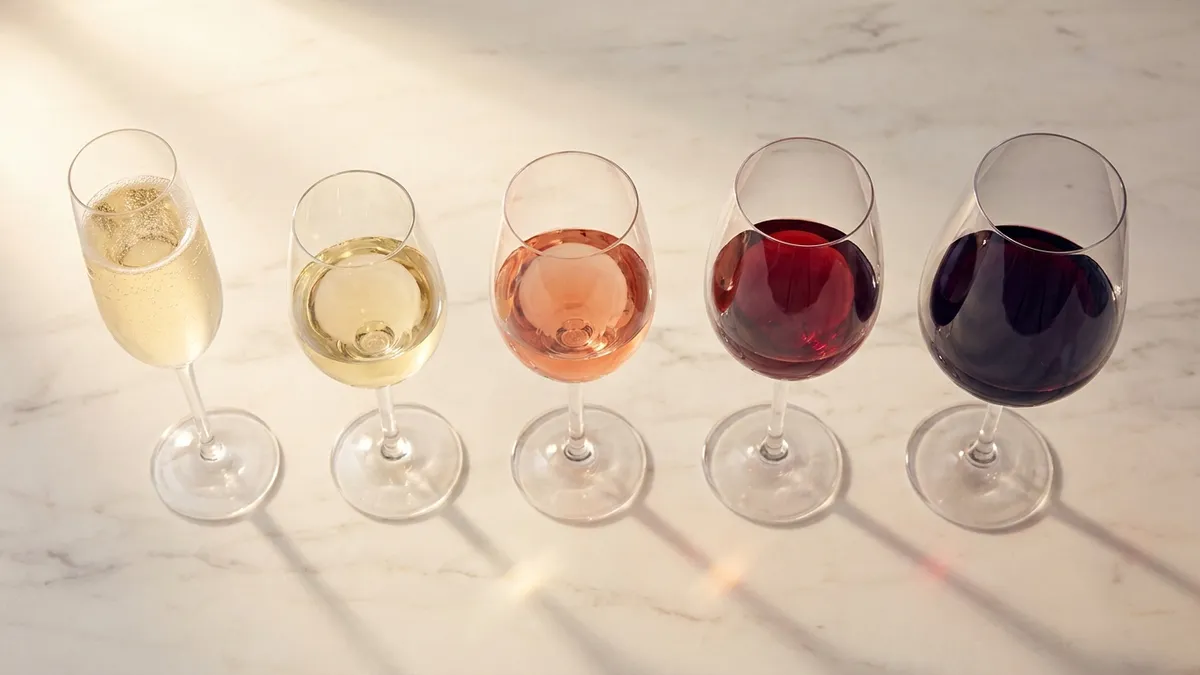
Calories in Wine: A Guide by Type, Glass, and Bottle
How many calories are in wine? A clear breakdown by type, pour size, and bottle — plus the two factors that drive every number on the chart.
Resveratrol in Red Wine: What the Science Actually Says
Resveratrol red wine benefits are the most overhyped claim in wine. Here is what the molecule actually does, how little is in your glass, and why the dose math does not work.
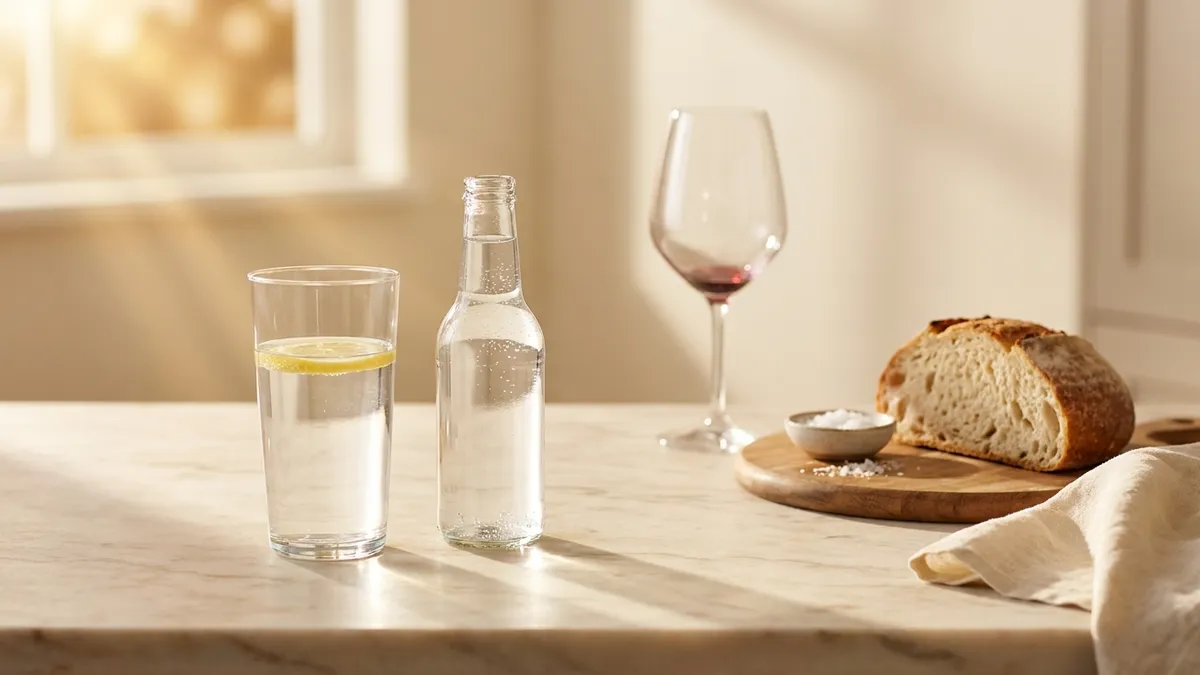
How to Prevent a Wine Hangover: What Actually Works
A practical, evidence-based guide to wine hangover prevention — what causes the next-morning misery, an 8-step protocol, which wines hurt least, and the recovery moves that actually help.

Why Does Wine Give Me a Headache? Causes and Prevention
Wine headache causes are rarely sulfites. Tannins, histamines, dehydration, and congeners do most of the damage. Here is what triggers a wine headache and how to prevent one.
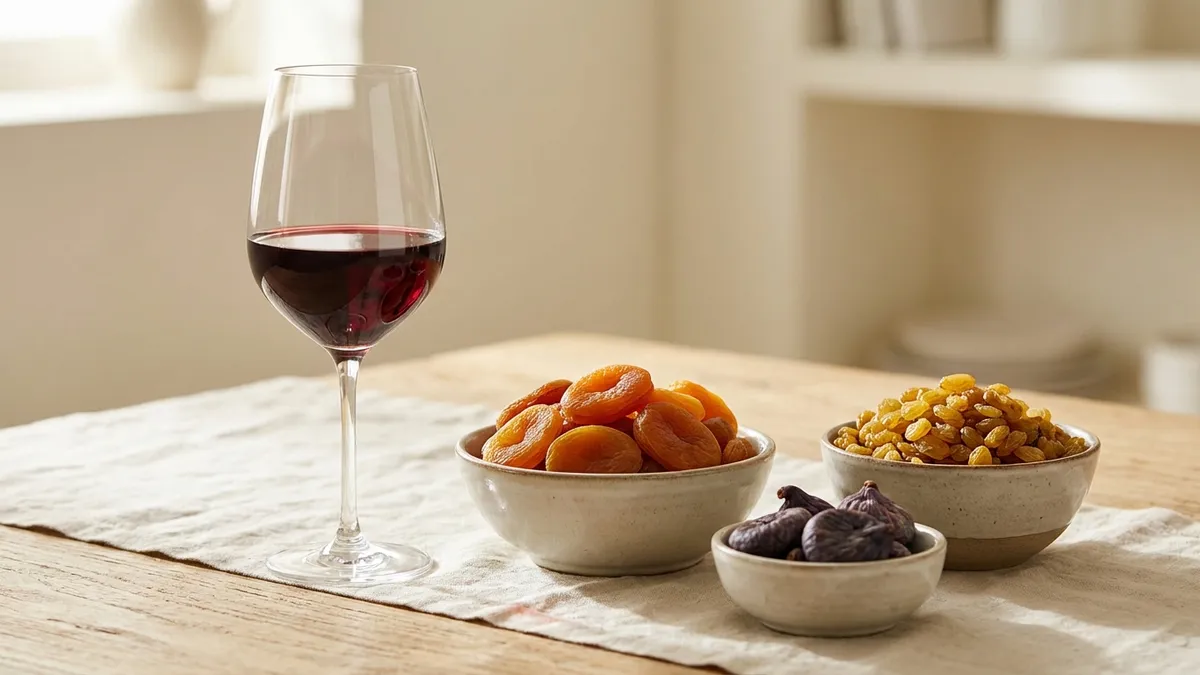
Sulfites in Wine: What They Are and Why They Are There
Sulfites in wine are misunderstood. Here is what sulfites actually do, how much is in your glass, who is really sensitive, and why dried apricots have ten times more than your Cabernet.