How to Prevent a Wine Hangover: What Actually Works

By the Sommy Team — AI-assisted, human-edited.
Updated Apr 29, 2026
Contents (11)
- Why Wine Hangovers Happen and What You Can Actually Do
- Wine Hangover Prevention, in 90 Seconds
- The Mechanisms Behind a Wine Hangover
- Why Wine Specifically Hits Harder Than Other Drinks
- The 8-Step Wine Hangover Prevention Protocol
- Wines That Hurt Least, Ranked
- Hangover Myths That Waste Your Time
- Recovery Moves That Actually Help the Morning After
- Age, Gender, and Genetics Change the Math
- A Practical Pre-Dinner Checklist
- The Honest Last Word
TL;DR
Wine hangover prevention comes down to six things: pre-hydrate, eat a real meal first, pace one drink per hour, alternate water glass for glass, choose lighter and drier wines under 13% ABV, and stop two to three hours before bed. The only fully reliable prevention is drinking less alcohol overall.
Why Wine Hangovers Happen and What You Can Actually Do
Wine has a reputation for hitting harder the next morning than other drinks, and that reputation is partly earned. A glass of red wine combines alcohol, tannins (the drying, gripping compounds extracted from grape skins), histamines, and trace impurities in a way few other drinks do. Effective wine hangover prevention is less about a single magic trick and more about stacking small, evidence-based habits that work together.
This guide walks through the science of why wine produces the next-morning misery, an 8-step protocol you can follow before and during a dinner, which wines tend to hurt least, what the popular hangover myths get wrong, and what to do the morning after when prevention was incomplete. None of this is medical advice — if alcohol regularly affects you in significant ways, talk to your doctor.
If you would rather understand wine deeply enough to drink less of it without missing it, the Sommy app teaches you how to slow down and taste rather than guzzle. That alone fixes most hangovers.
Wine Hangover Prevention, in 90 Seconds
Drink 16 to 24 ounces of water 30 to 60 minutes before your first glass. Eat a real meal with fat and protein before or with the wine — pasta, cheese, olive oil, eggs, or meat. Pace yourself at one drink per hour, since the average liver clears about one ounce of pure alcohol per hour. Alternate one glass of water for every glass of wine. Choose drier wines under 13% ABV (alcohol by volume). Stop two to three hours before bed and drink another 16 ounces of water with an electrolyte tablet before sleep. Six steps cover roughly 80 percent of the prevention available without simply drinking less.
The Mechanisms Behind a Wine Hangover
A hangover is not one problem. It is a stack of overlapping problems your body is trying to clean up at the same time. Understanding the mechanisms makes the prevention steps stop feeling like superstition.
1. Dehydration
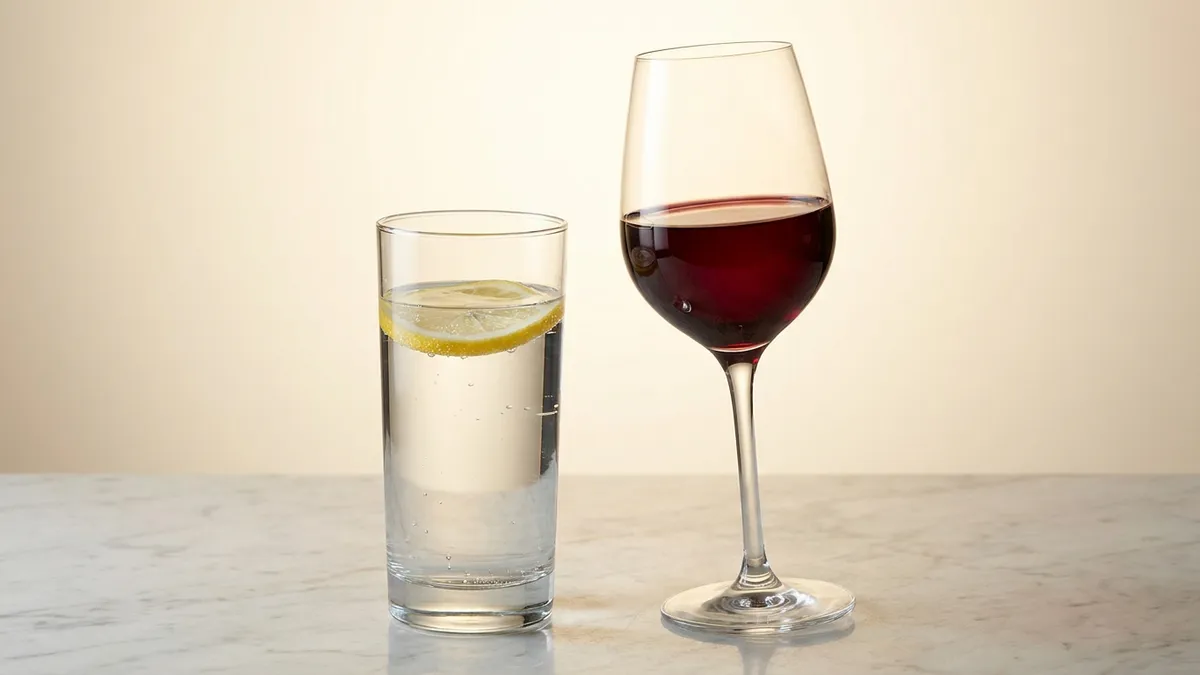
Alcohol suppresses vasopressin, the hormone that tells your kidneys to retain water. Each standard drink causes a net loss of roughly 4 ounces of water. Over four glasses across an evening, that adds up to a meaningful deficit by bedtime — a straightforward dehydration headache layered under everything else.
2. Acetaldehyde Buildup
Your liver breaks ethanol down in two stages: first into acetaldehyde, a more toxic compound, then into harmless acetate. When you drink faster than the second enzyme can keep up, acetaldehyde accumulates and causes nausea, headache, and that flushed, vaguely poisoned feeling. People with a genetic ALDH2 deficiency — common in many East Asian populations — clear acetaldehyde extremely slowly and can feel hangover-level effects from a single glass.
3. Inflammation and Sleep Disruption
Alcohol triggers a low-grade inflammatory response. Your immune system releases cytokines, signaling proteins that produce the fatigue, fog, and body aches that feel like a mild flu.
Alcohol also fragments the second half of the night and suppresses REM sleep (the dream stage where memory and mood consolidate). You can sleep eight hours after a heavy wine night and still wake up exhausted because almost none of those hours were restorative. Our guide to wine and sleep breaks down exactly how alcohol reshapes each stage of the night.
4. Congeners and Low Blood Sugar
Congeners are impurity compounds — methanol, acetone, fusel alcohols, tannins, histamines — that arise during fermentation and aging. Clear spirits like vodka have the lowest congener content, white wine is moderate, red wine is higher, and dark or sweet wines plus brandy are highest. Cheap red wines from less-controlled fermentations tend to have more congeners than carefully made fine wines.
Alcohol also disrupts the liver's ability to release glucose overnight. Blood sugar can dip by morning, producing shakiness, irritability, and fatigue. Sweet wines worsen this by causing a sharp insulin response while you drink, followed by a crash later.
Why Wine Specifically Hits Harder Than Other Drinks
Beer and clear spirits have their own problems, but wine has a trifecta beginners underestimate. Tannins can trigger headaches in sensitive drinkers, partly through serotonin release. Histamines — naturally present in fermented foods, including wine — affect about a quarter of the population, and red wines have far more than whites. Add congeners and you get an unusually broad set of triggers in a single glass. For a deeper look at the components, our guide to understanding tannins, acidity, and body explains what each one does in your glass.
The 8-Step Wine Hangover Prevention Protocol
These steps are ordered roughly by how much they help. The first four are non-negotiable if you want a clearer morning.
1. Pre-Hydrate Before You Open a Bottle
Drink 16 to 24 ounces of water 30 to 60 minutes before your first glass. You are not trying to cancel the dehydrating effect of alcohol. You are starting from a hydrated baseline so the deficit takes longer to develop.
A pinch of salt or an electrolyte tablet in that pre-drink water helps you actually retain it instead of immediately running to the bathroom.
2. Eat a Real Meal First
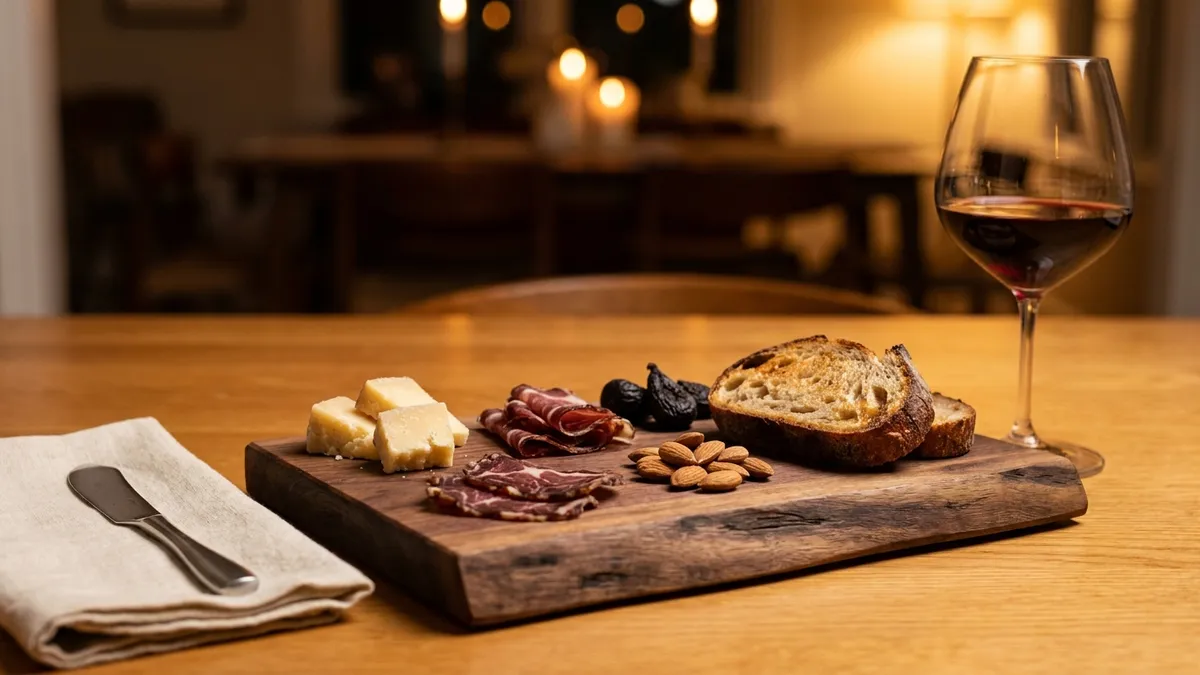
A meal containing fat and protein slows alcohol absorption by 30 to 50 percent. The food coats the stomach lining, slows gastric emptying, and gives your liver more time to process each unit of alcohol before the next arrives.
Good options include pasta with olive oil, cheese with bread, eggs, hard cheese with nuts, hummus, fatty fish, or any meal with meat. The worst option is no food at all. Wine on a truly empty stomach is the single biggest controllable hangover risk most people walk into voluntarily.
3. Pace at One Drink Per Hour
The average liver processes about one ounce of pure alcohol per hour, which is roughly one standard 5-ounce glass of 12% ABV wine. Drink faster than that and acetaldehyde starts to accumulate. Drink slower and you stay close to a steady state.
A useful trick is to put the glass down between sips. Sommy's tasting framework — see, smell, sip, think — naturally slows you down because you are spending real attention on each glass instead of using it as a backdrop for conversation.
4. Alternate Water Glass for Glass
For every glass of wine, drink one glass of water. This is the simplest hangover-prevention move available and the one most people skip because it interrupts the rhythm of a meal.
If you find a full glass between every wine glass disrupts a dinner, alternate a few sips of water between each pour. The exact volume matters less than the habit of drinking water steadily across the evening.
5. Choose Lighter, Drier Wines Under 13% ABV
ABV varies more than beginners realize. A cool-climate Pinot Noir might be 12.5% while a Napa Cabernet next to it is 15% — a 20 percent difference in alcohol per glass.
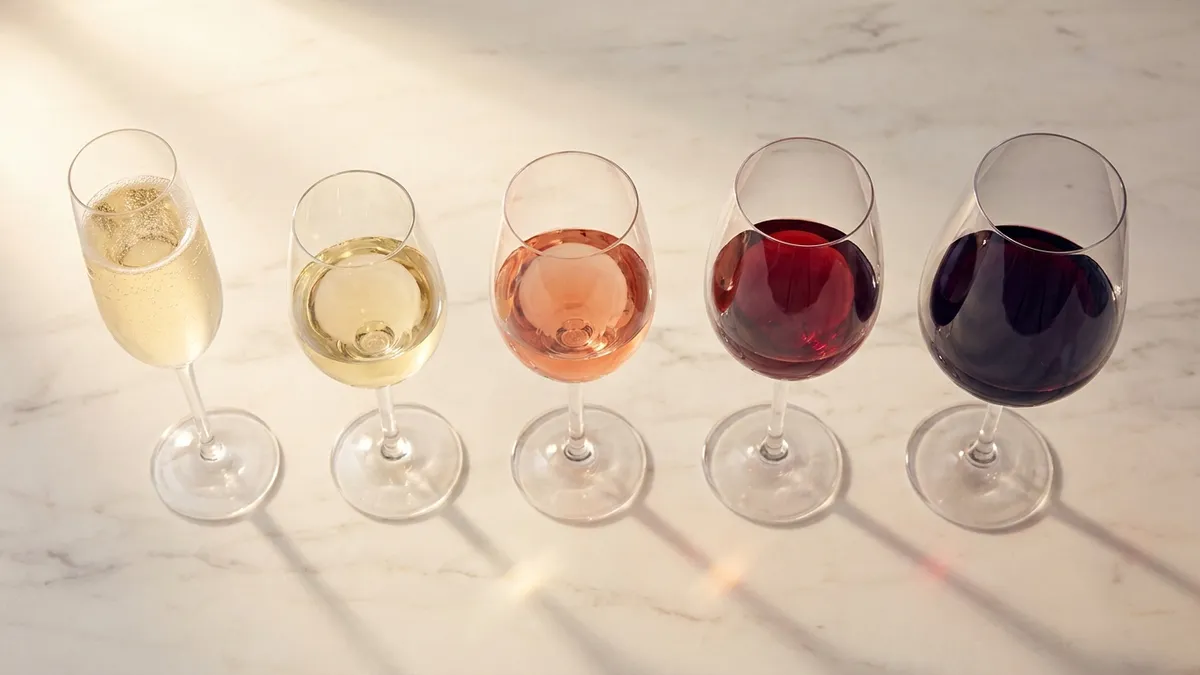
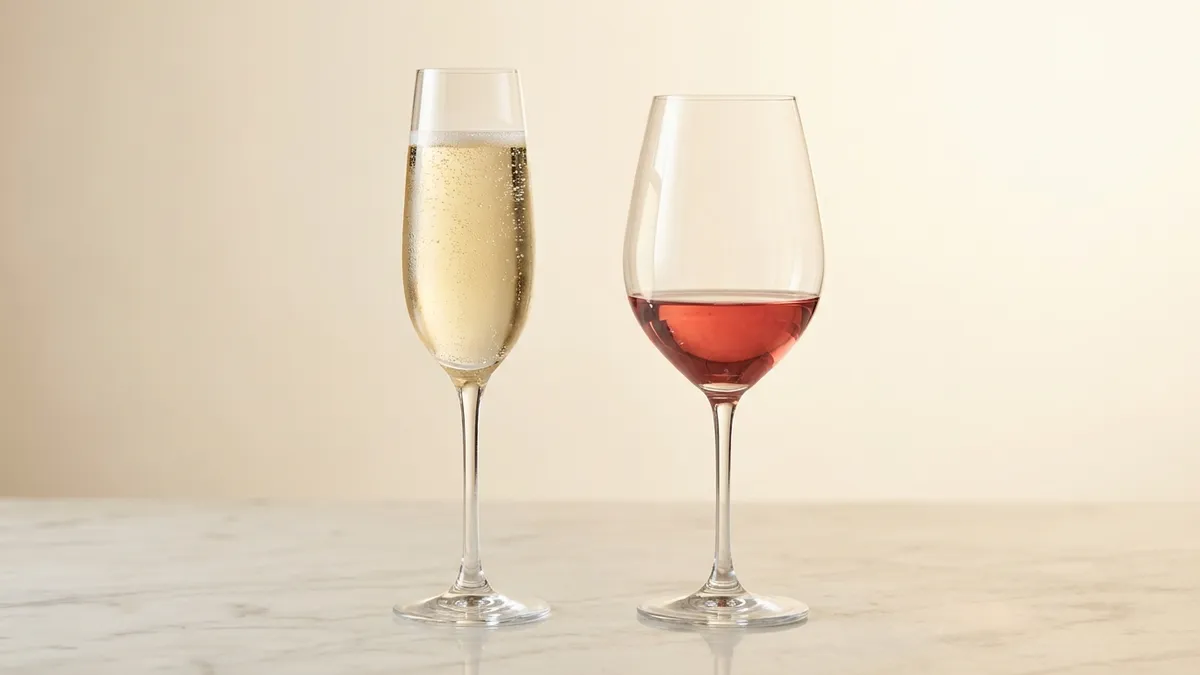
Lower-risk styles tend to be dry sparkling wines (Brut Champagne, Cava, Cremant), light dry whites (Pinot Grigio, Albarino, Vinho Verde), light reds (Beaujolais, cool-climate Pinot Noir), and dry rose. Higher-risk styles include sweet dessert wines, fortified wines like port and sherry, oaked Chardonnay, and the heaviest reds. Our deep dive on low-alcohol wines covers the under-11% category in detail.
6. Avoid the Cheapest Wines
Within a given style, more carefully made wines tend to have fewer congeners. A modest-but-not-bargain bottle is usually a better hangover gamble than a deeply discounted mass-produced one of the same color. If you are choosing between styles in a comparison like our Cabernet Sauvignon vs Merlot breakdown, both are fine choices when reasonably made.
7. Stop Two to Three Hours Before Bed
Alcohol still circulating in your blood when you fall asleep is the biggest single cause of fragmented sleep. Stopping two to three hours before bed gives your liver time to clear most of it, so you sleep through more of the night and get more REM.
Switch to water and food during that buffer window. The dessert course and the cheese plate are good places to make the hard pivot away from another pour.
8. Drink 16 Ounces of Water Plus an Electrolyte Tablet Before Sleep
The bedside water glass is a cliche because it works. Add an electrolyte tablet, sugar-free if possible, to give your body what it actually needs to retain that fluid through the night. Going to sleep already on the way back to hydrated dramatically reduces the morning headache.
Wines That Hurt Least, Ranked
A practical reference, lowest hangover risk to highest, holding total alcohol intake constant:
- Dry sparkling wines at 11.5 to 12.5% ABV — Brut Champagne, Cava, Cremant
- Light, dry whites under 13% ABV — Pinot Grigio, Albarino, dry Riesling, Vinho Verde
- Light reds and rose under 13% ABV — Beaujolais, lighter Pinot Noir, dry rose
- Medium-bodied wines at 13 to 13.5% ABV — many Sauvignon Blancs, Sangiovese, Tempranillo
- Full-bodied dry reds at 14% ABV and above — Napa Cabernet, Shiraz, oaked reds
- Sweet wines — Moscato, off-dry Riesling, and sweet rose add a sugar crash
- Fortified and dessert wines — port, sherry, Sauternes combine high alcohol with high congeners
- Cheap mass-produced reds of any style — these punch above their weight on next-day damage
For style-by-style comparisons within the lower-risk categories, our Champagne vs Prosecco vs Cava and Chardonnay vs Sauvignon Blanc guides are good starting points.
Hangover Myths That Waste Your Time
A few popular ideas worth letting go of:
- "Beer before liquor never sicker." Total alcohol is what matters, not order. Mixing styles does not cause hangovers — drinking too much does.
- "Greasy food the morning after fixes everything." Greasy food before drinking helps. The morning after, it mostly just sits heavily in an irritated stomach.
- "Hair of the dog cures a hangover." A morning drink delays the hangover by re-anesthetizing your nervous system. The hangover is still there waiting.
- "Activated charcoal absorbs alcohol." Once alcohol is in your bloodstream, charcoal in your stomach cannot reach it. The evidence is essentially zero.
- "Pickle juice or sports drinks fix it instantly." Electrolytes help with rehydration but they are not magical. The work is steady fluid replacement, not a single shot of anything.
- "Darker wine always means worse hangover." Partially true on average, but a well-made dark wine often hurts less than a poorly made pale one. Quality and quantity matter more than color alone.
Recovery Moves That Actually Help the Morning After
When prevention was incomplete — and it sometimes will be — these are the steps with the strongest practical case behind them.
Hydrate Aggressively on Waking
Drink 24 to 32 ounces of water with an electrolyte tablet within the first hour of waking. The combination of water plus sodium and potassium is what actually rebuilds plasma volume — plain water alone can flush rather than retain.
Eat Something With Protein and Carbs
Eggs are a classic recovery food because the cysteine they contain helps your liver clear residual acetaldehyde. Pair with bread or fruit for a glucose lift to address the low blood sugar from the night before. Avoid heavy greasy foods, which worsen nausea on an irritated stomach.
Move, Caffeinate Lightly, and Sleep More
Twenty minutes of easy walking increases circulation and lifts mood — avoid intense exercise. A small cup of coffee can help with lethargy, but a large dose worsens the dehydration. A 30 to 90 minute nap can restore some of the REM you missed.
Be Cautious With Painkillers
Ibuprofen and aspirin can irritate an already inflamed stomach lining. Acetaminophen is harder on the liver, especially after a heavy alcohol night. If you reach for pain relief, pick the smallest dose with food and water. If you have any liver, kidney, or stomach condition, ask your doctor before making this routine.
Age, Gender, and Genetics Change the Math
Three factors shift hangover severity in ways the protocol cannot fully cancel out.
After roughly age 25 to 30, the liver clears acetaldehyde more slowly, total body water decreases, and inflammation responses intensify. The same two glasses that produced nothing in your early twenties can leave you fogged a decade later. Women generally experience stronger hangovers per drink than men, partly because of proportionally less body water — so the same intake produces a higher blood concentration.
Some people inherit reduced acetaldehyde-clearing capacity, most commonly through ALDH2 variants. If a single glass of wine causes facial flushing, palpitations, or a strong headache, you may be in this group. Drinking less is the only meaningful response — there is no protocol that fixes a genetic enzyme deficiency.
A Practical Pre-Dinner Checklist
If you want a single-page version of the protocol to glance at before a wine-heavy evening:
- Sixty minutes before: 16 to 24 ounces of water with a pinch of salt
- Thirty minutes before: A real meal with fat and protein
- First glass: Small pour, sip slowly, water on the side
- Every wine glass: One full glass of water alongside or between
- Pace: Roughly one wine glass per hour, no faster
- Last call: Two to three hours before bed
- Before sleep: 16 ounces of water plus an electrolyte tablet
- On waking: 24 to 32 ounces of water, a real breakfast, a short walk
None of this requires special products, expensive supplements, or pre-game chemistry. It is just the basic physiology of how alcohol moves through your body, applied as a habit.
The Honest Last Word
The only fully reliable wine hangover prevention is drinking less alcohol. Everything in this guide can move the needle, sometimes meaningfully, but no protocol cancels the underlying biology. If you regularly find yourself relying on hangover prevention to function the next day, that is worth a conversation with your doctor.
The good news is that drinking better wine, more slowly, with food and water, is exactly what wine education encourages anyway. The Sommy app is built around the same idea — slow tasting, structured attention, and learning to enjoy a single glass deeply rather than several glasses absentmindedly. The develop your wine palate guide and the broader wine health hub are good places to keep going. When you are ready to dig into the courses, sommy.wine is the front door.
Frequently Asked Questions
What actually causes a wine hangover?
A wine hangover is the result of several overlapping mechanisms: dehydration (alcohol blocks the hormone that helps you retain water), acetaldehyde (a toxic byproduct your liver produces while breaking down alcohol), inflammation, fragmented sleep that suppresses REM, congeners (impurity compounds that are higher in dark and cheap wines), and low blood sugar. The headache, nausea, and fog you feel the next morning is the combined effect, not a single cause.
Does drinking water before wine prevent a hangover?
It helps but does not prevent one on its own. Drinking 16 to 24 ounces of water 30 to 60 minutes before your first glass starts you in a well-hydrated state, which softens the dehydrating effect of alcohol. The bigger payoff comes from alternating one glass of water for every glass of wine, plus another 16 ounces before bed. Hydration is necessary but not sufficient.
Which wines cause the worst hangovers?
Sweet dessert wines, fortified wines like port and sherry, and inexpensive red wines tend to produce the worst next-morning symptoms. Sweet wines combine high congeners with a sugar crash, fortified wines are simply higher in alcohol, and cheaper wines often contain more impurity compounds from less-controlled fermentation. Lighter, drier wines under 13% ABV typically cause less morning misery.
Does eating before drinking wine actually help?
Yes — significantly. A meal containing fat and protein eaten before or alongside wine slows alcohol absorption by 30 to 50 percent. That gives the liver more time to process each unit of alcohol and reduces the peak blood alcohol level. Pasta, cheese, olive oil, nuts, eggs, and meat are all good options. Drinking on an empty stomach is the single biggest hangover risk factor most people control.
Is mixing different wines or alcohols what causes hangovers?
No. The total amount of alcohol consumed is what determines hangover severity, not the order or variety. The old saying about beer before liquor is folklore, not chemistry. What does matter is total volume, how fast you drink, what is in your stomach, and how hydrated you are. Mixing wines of different colors or styles does not change this.
What works for hangover recovery the morning after?
Aggressive hydration with water plus electrolytes is the most useful single step — 24 to 32 ounces on waking. Eat something with protein and complex carbs (eggs and bread are classic for a reason), take a 20-minute walk if you can, and sleep more if possible. Avoid heavy caffeine, avoid more alcohol (the so-called hair of the dog only delays the hangover), and be cautious with ibuprofen on an irritated stomach.
Why do wine hangovers seem worse as I get older?
After roughly age 25 to 30, the liver clears acetaldehyde more slowly, total body water decreases, sleep quality declines, and inflammatory responses to alcohol intensify. The same two glasses that produced no hangover in your early twenties can leave you fogged out a decade later. This is normal physiology, not a problem with the wine. The fix is drinking less, not drinking differently.
Should I take supplements or pills to prevent a wine hangover?
The evidence for most hangover supplements is weak. Activated charcoal, dihydromyricetin (DHM), and prickly pear extract have been studied with mixed results at best. An electrolyte tablet in your bedtime water has the strongest practical case because it directly addresses dehydration. If you have any medical condition or take regular medication, talk to your doctor before adding new supplements to a drinking routine.
Sommy Team
LinkedInFounder & Wine Educator
The Sommy Team is building the world's most approachable wine education app, helping beginners develop real tasting skills through structured courses and AI-guided practice.