Organic Wine vs Conventional Wine: Is It Worth the Price?

By the Sommy Team — AI-assisted, human-edited.
Updated Apr 29, 2026
Contents (12)
- TLDR
- Organic Wine vs Conventional Wine, in 90 Seconds
- The Four Categories People Confuse
- The Sulfites Question, Settled
- What Organic Wine Cannot Do
- Can You Actually Taste the Difference?
- The Real Case for Organic Wine
- What Organic Wine Actually Costs
- How to Read an Organic Wine Label
- How Organic Affects Aging
- Building a Palate That Sees Through the Marketing
- The Honest Verdict
TL;DR
Organic wine is grown without synthetic pesticides and certified by bodies like USDA Organic or EU Organic. It usually costs 10 to 30 percent more than conventional wine. Most blind tastings cannot tell them apart, sulfites do not cause headaches, and the strongest case for organic is environmental, not sensory.
TLDR
Organic wine is grown without synthetic pesticides and certified by a body like USDA Organic or EU Organic. It usually costs 10 to 30 percent more than conventional wine. Most blind tastings cannot reliably tell them apart, sulfites do not cause headaches, and the strongest case for paying the premium is environmental rather than sensory.
Organic Wine vs Conventional Wine, in 90 Seconds
Organic wine is wine made from grapes farmed without synthetic pesticides, herbicides, or fertilizers, certified by an official body like USDA Organic, EU Organic, or an equivalent. Conventional wine is everything else — the vast majority of bottles on the shelf, made with the full toolkit of modern agriculture and cellar chemistry. Between those two poles sit sustainable, biodynamic, and natural wine, which are different categories with different rules.
The honest verdict is this: organic farming is genuinely better for the soil, the water, and the workers in the vineyard. But in a blind tasting, organic wine and conventional wine of the same grape and region are almost impossible to tell apart. The price premium is real, the environmental case is real, and the health case is mostly marketing. Pay extra if the planet matters to you, not because you expect a different glass.
The Four Categories People Confuse
Walk into any wine shop and you will find at least four terms used as if they meant the same thing. They do not. Getting the categories straight is the first step to deciding what is actually worth paying for.
Conventional
Conventional wine uses the full modern toolkit: synthetic pesticides, herbicides, and fertilizers in the vineyard, plus commercial yeast, fining agents, acid adjustments, and standard sulfite levels in the cellar. EU regulations permit more than 50 approved winemaking additives. Most of the world's wine is made this way, including many bottles that win awards.
There is nothing inherently wrong with conventional winemaking. Many of the world's most celebrated wines use most of these tools. The category is a default, not a flaw — it is simply what wine looks like without a specific certification on top.
Sustainable
Sustainable wine sits a step toward lower intervention. It is governed by third-party certifications like LIVE, Lodi Rules, SIP, Sustainable Winegrowing New Zealand, and Terra Vitis. These programs reduce chemical inputs, protect water and soil, and emphasize integrated pest management.
Sustainable wines may still use some synthetic chemicals, in lower quantities and only when needed. What each scheme's audit checks is set out in sustainable wine explained. The certification is less strict than organic but covers more producers, which is why many large estates choose this label.
Organic
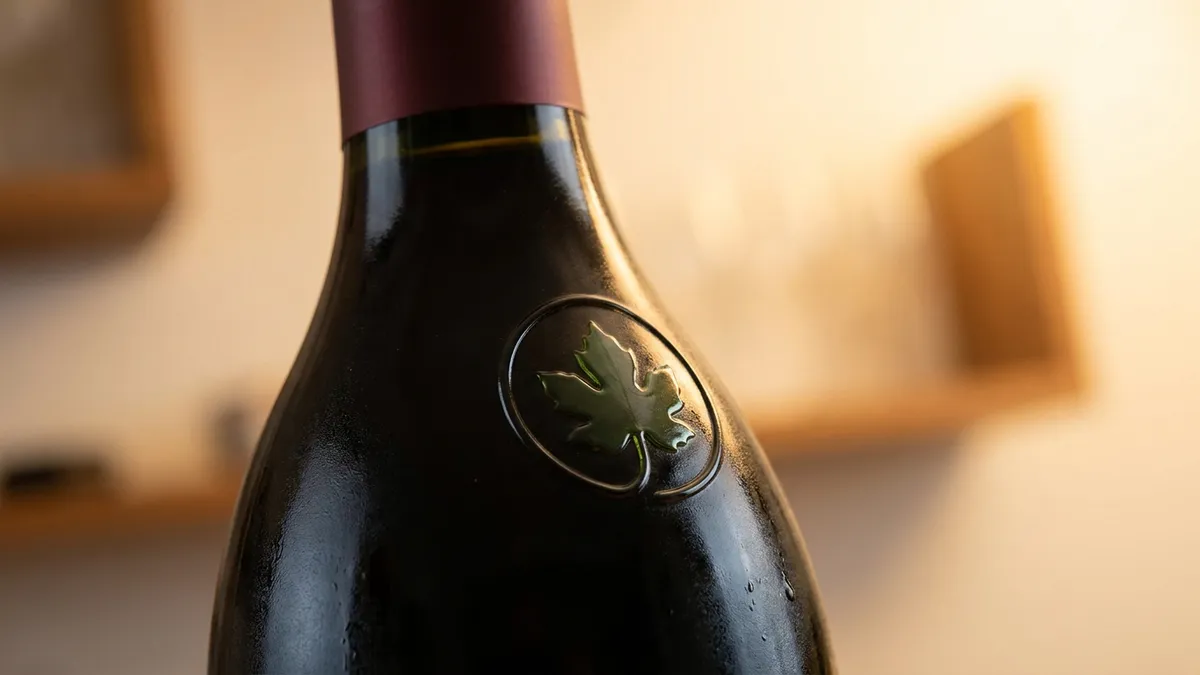
Organic wine is the term most people are asking about. The grapes must be farmed without synthetic pesticides, herbicides, or fertilizers for at least three years before certification. The two dominant standards are USDA Organic in the United States and EU Organic in Europe, marked by the green-leaf logo on the back of the bottle.
Cellar rules differ between regions. EU Organic limits added sulfites to 100 mg/L in red wine and 150 mg/L in white. USDA Organic goes further and permits no added sulfites at all. A third tier, made with organic grapes, allows organic farming with conventional sulfite levels up to 100 mg/L — real organic farming wearing a less strict label, often because the producer wants the wine to age well.
Biodynamic
Biodynamic wine layers extra practices on top of organic certification. The system was developed in the 1920s by Austrian philosopher Rudolf Steiner and is certified primarily by Demeter International. Beyond the organic baseline, biodynamic farming follows a lunar calendar and uses specific preparations — among them cow horns filled with manure buried in the vineyard over winter.
The cosmic calendar and the Steiner preparations have no robust scientific evidence behind them. What does have evidence is the underlying farming philosophy: cover crops, biodiversity, healthy soil microbiology, and very low intervention. Many prestigious estates farm biodynamically, partly because the obsessive attention required tends to produce excellent grapes regardless of whether the calendar moves the needle. For the full story on the numbered preparations, the lunar calendar, and what the science actually shows, see our guide to biodynamic wine explained.

Where Natural Wine Fits
Natural wine is its own category, parallel rather than ordered on a strict ladder. It has no formal certification and refers to a philosophy of minimal intervention with native yeast, no fining or filtering, and few or no added sulfites. Most natural wines start from organic or biodynamic grapes, but the term covers winemaking choices, not farming. For a deeper look at what natural wine actually means, see our guide to natural wine.
One thing organic certification does not cover is whether animal products were used to clarify the wine. An organic bottle can still be fined with egg white or gelatin, so if that matters to you, read our guide to vegan wine — a separate question about fining agents rather than farming.
The Sulfites Question, Settled
This is where most of the misunderstanding lives. Almost every bottle carries the words contains sulfites on its back label, and a lot of drinkers assume that organic wine avoids them. It does not.
Every wine contains some sulfites because yeast produces 5 to 20 mg/L of sulfur dioxide naturally during fermentation. That alone crosses the FDA's 10 mg/L labeling threshold, which is why even no-added-sulfite natural wines carry the warning.
What changes between categories is how much extra sulfite the winemaker adds:
- Conventional wine: up to 350 mg/L total in the US, though most bottles sit at 80 to 150 mg/L
- EU Organic wine: up to 100 mg/L for red, 150 mg/L for white
- Made with organic grapes (USA): up to 100 mg/L
- USDA Organic wine: no added sulfites, only the natural floor of about 10 mg/L
- Biodynamic wine (Demeter): stricter than EU Organic, around 70 to 90 mg/L
Sulfites do an unglamorous job: they suppress unwanted microbes, prevent oxidation, and protect color and aroma. A wine with no sulfite protection turns brown and vinegary much faster than one with a measured dose.
For a deeper look at who is genuinely sensitive and why dried fruit has up to ten times more than wine, see our sulfites in wine guide.
What Organic Wine Cannot Do
A few claims appear so often that it is worth naming them clearly and examining the evidence.
Organic Wine Does Not Prevent Headaches
The single most common reason people switch to organic is the hope of dodging the next-morning headache. The evidence is not on their side. Sulfites are very rarely the cause of wine headaches. The genuine triggers are well documented:
- Histamine — red wine carries 20 to 200 percent more histamine than white wine
- Tannin — astringent compounds that can release serotonin in sensitive drinkers
- Congeners — fermentation byproducts more concentrated in dark drinks
- Alcohol itself — a diuretic and a vasodilator
- Dehydration — the largest single factor in most wine headaches
Switching to organic does nothing to lower histamine, tannin, or alcohol. If anything, biodynamic wines tend to carry moderately higher histamine because of native yeast fermentation.
Sulfite Allergies Are Very Rare
A 1980s FDA study estimated that roughly 1 percent of the population is genuinely sulfite-sensitive, and most of those individuals are asthmatics. A real sulfite reaction is respiratory — wheezing, chest tightness, nasal congestion — not a headache. If dried apricots do not affect you, sulfites in wine almost certainly do not either.
Organic Wine Is Not Pesticide-Free
Organic vineyards are allowed to use copper sulfate and elemental sulfur to control mildew. These are naturally occurring compounds, but they are still pesticides. Studies have detected copper residues in organic wine, and over decades copper builds up in vineyard soils — its own ecological problem.
The honest framing is that organic farming uses fewer and gentler inputs than conventional, not zero inputs. Both leave trace residues. Both sit far below any drinking-safety threshold.
Can You Actually Taste the Difference?
This is the question most beginners care about, and the answer is the most interesting part of the whole conversation.
In controlled blind tastings, trained tasters and ordinary drinkers alike cannot reliably distinguish organic wine from conventional wine of the same grape, region, and vintage. Grape variety, climate, soil, vintage, and producer style account for far more of what you taste than the certification on the label.
There are two partial exceptions:
- Biodynamic wine is sometimes described as more "alive" in the glass, with a lifted aromatic intensity. Some studies find weak support; others do not. The effect, if real, is small relative to vintage variation.
- Natural wine does taste different — sometimes dramatically so. Native yeast, no filtration, and minimal sulfites produce funkier aromatics, hazier color, and a wider range of textures. When natural wine works, it can be electric. When it does not, it tastes faulty.
If you want to test this for yourself, the Sommy app walks you through structured side-by-side tastings so you can compare the same grape across different farming styles.

The Real Case for Organic Wine
If health and headaches are largely off the table and the sensory difference is small, why does organic wine exist at all? The answer is environmental, and it is genuinely strong.
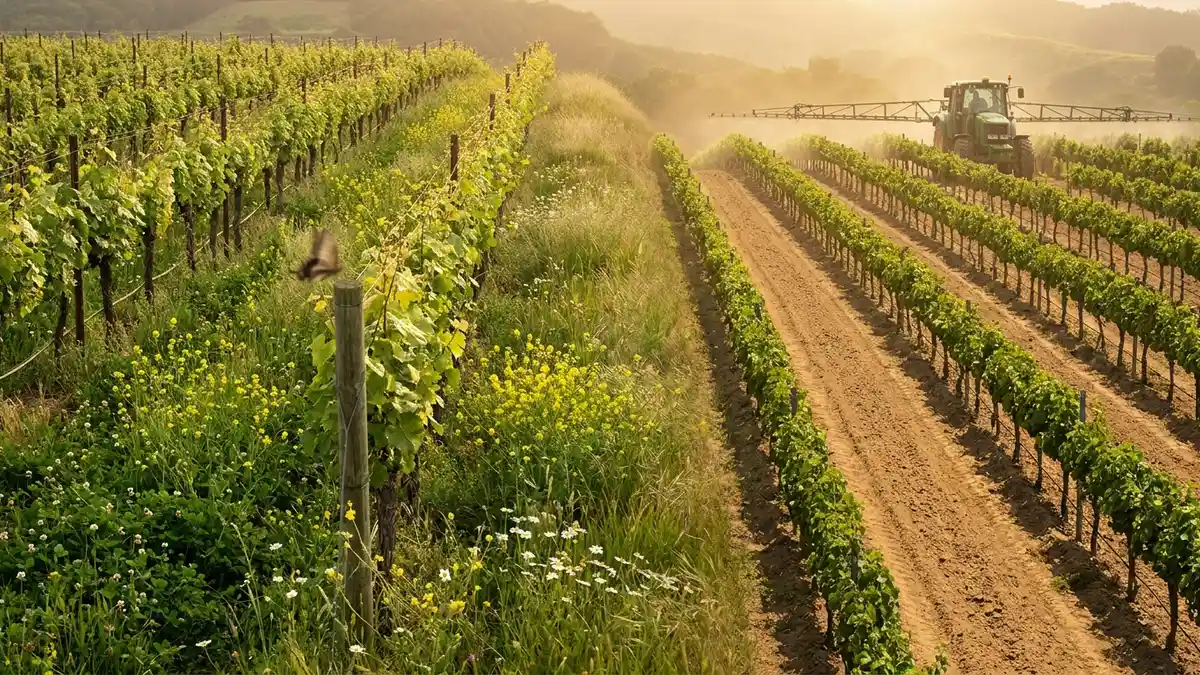
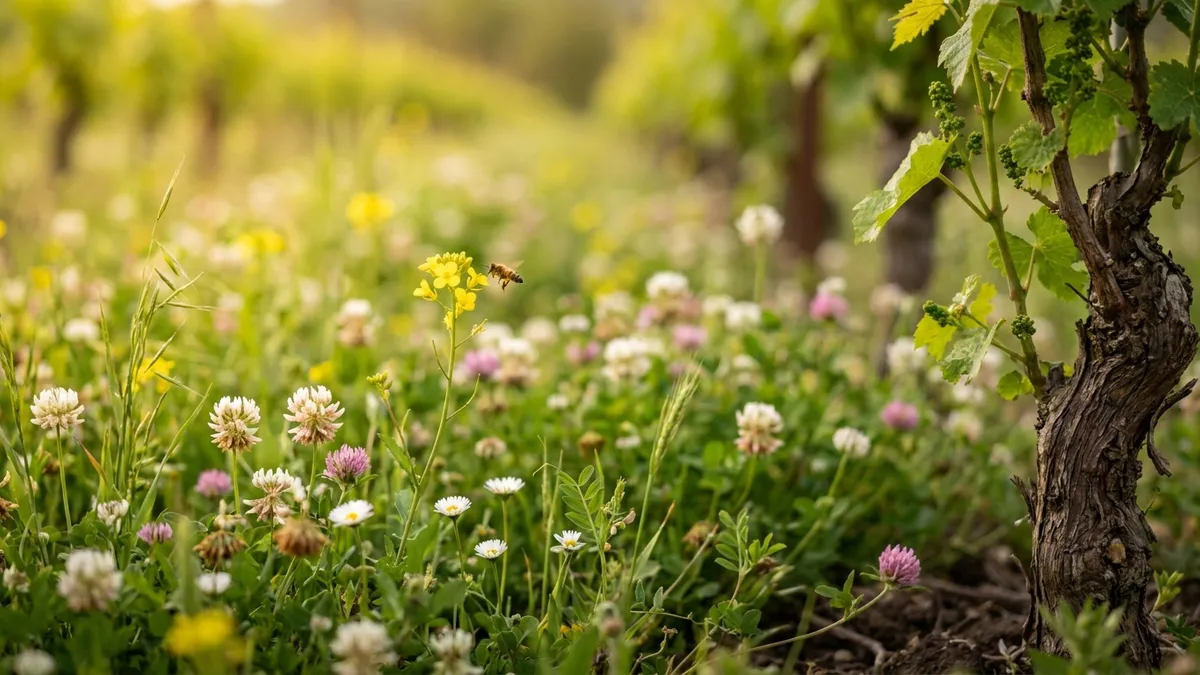
A well-run organic or biodynamic vineyard preserves soil microbiology, supports pollinator and bird populations, and reduces water and air pollution from chemical drift. Conventional vineyards using broad-spectrum herbicides tend to have lifeless soils between the rows and measurable runoff into nearby streams. Organic farming reverses much of that damage over the three-year certification window.
Workers benefit too. Vineyard workers in conventional regions face higher pesticide exposure during spraying and harvest. Organic farms reduce that exposure substantially. Carbon footprint per bottle is harder to measure cleanly, but most studies find organic and biodynamic wines come out modestly ahead.
That is the case worth paying for. Not the headache claim, not the implied health halo, but a more honest one: better soil, cleaner water, less pesticide drift, and safer working conditions in the vineyard.
What Organic Wine Actually Costs
Organic wine typically runs 10 to 30 percent more than its conventional counterpart, sometimes more for biodynamic. Three structural costs drive the premium:
- Higher labor. Manual or mechanical weed control replaces a single pass of herbicide and can double vineyard hours per acre.
- Lower yields. Organic vines without synthetic fertilizer typically produce 10 to 25 percent less fruit per acre.
- Certification fees. USDA Organic and EU Organic charge 1,500 to 3,000 dollars per producer per year, plus inspection costs.
There is also a scale effect. Most organic estates are smaller than the industrial producers they compete with, so fixed costs get spread over fewer bottles. The result on the shelf is the premium you actually pay.
How to Read an Organic Wine Label
The label is where many drinkers go wrong, because the words organic and natural mean very different things to a regulator.
Look for the certifying logo, not just the word:
- USDA Organic — green-and-white circular seal, US wines only
- EU Organic — green leaf with stars, all EU member states
- Demeter — biodynamic certification, used worldwide
- Bodyguard, Ecocert, Bio Suisse — regional organic equivalents
Then read the fine print. Organic wine in the US means no added sulfites. Made with organic grapes means organic farming with conventional sulfite levels — a perfectly good choice if you want a wine that ages. Natural wine is uncertified marketing, not a regulated category, so the back label tells you nothing official about how it was made.
For a fuller walkthrough of every panel on the bottle, see our how to read a wine label guide. And if you are working out which beginner styles to start with at any price point, our list of best wine for beginners covers the core ten.
How Organic Affects Aging
There is one practical drawback to organic and especially USDA Organic wine that beginners rarely hear about. Lower sulfite levels mean less oxidation protection. Most organic wines, particularly those with no added sulfites, are at their best within five years of vintage.
This is not a flaw — it is a tradeoff. If you want a Cabernet Sauvignon to cellar for fifteen years, look for made with organic grapes rather than full USDA Organic, or for a European producer under EU Organic rules with their 100 mg/L allowance. For everyday drinking, the shorter window is no issue.
For more on how tannin and acidity drive aging potential, see our guides to Cabernet Sauvignon vs Merlot and Pinot Noir.
Building a Palate That Sees Through the Marketing
The most useful skill for any wine drinker is learning to evaluate a wine on what is in the glass rather than what is on the label. Two glasses of the same Pinot Noir, one organic and one conventional, teach you more about your own palate than ten articles about certification ever could.
Start with structured side-by-side tastings, focused on the same grape across two or three farming styles. Note acidity, tannin, fruit ripeness, and finish length. Trust your palate over the marketing copy. Our develop your wine palate guide walks through the daily exercises that build this skill, and the Chardonnay vs Sauvignon Blanc comparison is a useful first contrast in whites.
The Sommy app structures this practice with guided side-by-side sessions and AI feedback that points out what your palate is learning. Many users find that within a month, certification stops mattering and balance, complexity, and drinkability come into focus instead.
The Honest Verdict
Organic wine is worth paying more for if and only if the environmental case matters to you. Soil health, lower pesticide drift, cleaner water, and safer working conditions in the vineyard are real and measurable benefits — but they are not benefits you taste.
Organic wine is not worth paying more for if you are hoping to dodge headaches, lower your sulfite intake meaningfully, or unlock some hidden health benefit. The science does not support those claims, and the premium goes toward farming costs, not toward your morning after.
The most useful question is not "organic or conventional," it is "is this a well-made wine of its style." A thoughtful conventional producer can make a more soulful bottle than a careless organic one, and vice versa. Learn the grape, learn the region, then let the certification be a tiebreaker.
For the buying decisions that come before certification — vintage, producer reputation, and price tier — visit our beginners buying pillar. And when you are ready to put structure to your tasting practice, Sommy is built to walk you through it.
Frequently Asked Questions
What is organic wine, exactly?
Organic wine is wine made from grapes farmed without synthetic pesticides, herbicides, or fertilizers, certified by an official body such as USDA Organic in the United States or EU Organic in Europe. The certification covers the vineyard, and in many regions also limits what additives a winemaker can use in the cellar.
Is organic wine healthier than conventional wine?
There is no strong evidence that organic wine is healthier in any meaningful way. Pesticide residues in conventional wine sit far below safety thresholds, and organic wine still contains alcohol and roughly the same calories. The honest answer is that organic farming benefits the soil and the workers more than the drinker.
Does organic wine have fewer sulfites?
It depends on the certification. EU Organic allows up to 100 mg/L of sulfites in red wine and 150 mg/L in white, lower than the 150 to 200 mg/L conventional ceiling. USDA Organic allows no added sulfites at all, while wines labeled 'made with organic grapes' permit up to 100 mg/L. Every wine contains some sulfites from fermentation regardless of the label.
Will organic wine give me fewer headaches?
Probably not. Sulfites are very rarely the cause of wine headaches. The actual triggers are histamines, tannins, congeners, alcohol, and dehydration, none of which are reduced by switching to organic. If you suspect sulfites, the test is simple: a handful of dried apricots contains far more sulfite than a glass of wine.
What is the difference between organic, biodynamic, and natural wine?
Organic wine follows a national or regional certification with no synthetic chemicals. Biodynamic wine adds Demeter-certified practices including a lunar calendar and special preparations. Natural wine has no formal certification and refers to a philosophy of minimal intervention with native yeast and few or no additives.
Can you taste the difference between organic and conventional wine?
In most blind tastings, trained tasters cannot reliably distinguish organic from conventional wine of the same grape and region. Biodynamic wines are sometimes perceived as more dynamic, though that finding is contested. The biggest sensory differences come from grape, region, and producer style, not certification.
Why does organic wine cost more?
Organic farming requires more manual labor, especially for weed control, and yields are usually lower than conventional vineyards. Producers also pay annual certification fees of 1,500 to 3,000 dollars and tend to operate at smaller scale. The result is a 10 to 30 percent premium on most organic bottles.
Does organic wine age as well as conventional wine?
Generally no. Organic wines, especially those with very low or no added sulfites, have less protection against oxidation and tend to peak earlier. Most are best within five years of vintage. Conventional wines with full sulfite protection can age longer when the structure supports it.
Sommy Team
LinkedInFounder & Wine Educator
The Sommy Team is building the world's most approachable wine education app, helping beginners develop real tasting skills through structured courses and AI-guided practice.