Buying Wine
Navigate wine shops, decode labels, and build a collection without breaking the bank.
34 articlesStart here
Wine Advent Calendar Guide — Are They Worth the Money?A wine advent calendar holds 24 small bottles but only six to twelve full bottles of wine. The price per full-bottle equivalent decides whether it is a fair deal.
Walking into a wine shop for the first time can feel overwhelming. Hundreds of bottles line the shelves, each with a label full of unfamiliar words, and the price range spans from a few dollars to several hundred. How do you choose? How do you know if a bottle is worth its price? And how do you find wines you actually enjoy without relying on whatever happens to be on sale?
This section is a practical guide to buying wine with confidence. It covers the strategies, shortcuts, and mindset shifts that turn a stressful shopping experience into an enjoyable one.
The Price Question
The relationship between price and quality in wine is real but nonlinear. Below a certain threshold (roughly $10 to $15), every additional dollar tends to buy a noticeable improvement in quality. Between $15 and $30, you are in the sweet spot where excellent wines live — bottles made with care from good vineyards, often offering more complexity and balance than their cheaper counterparts.
Above $30, the relationship flattens. You are paying for scarcity, prestige, aging potential, or the cost of prime vineyard land. A $50 bottle is not necessarily twice as good as a $25 bottle. It may be different — more concentrated, more complex, more suited to aging — but "better" is subjective at that level.
The takeaway: if you are learning, spend $15 to $25 per bottle. You will get wines that are interesting enough to study and good enough to enjoy, without the pressure of a big investment.
Reading Labels
Labels are easier to decode than they look, once you know what to look for. New World labels (Australia, the Americas, New Zealand, South Africa) typically list the grape variety prominently — "Pinot Noir," "Chardonnay," "Malbec." That tells you what the wine is.
Old World labels (France, Italy, Spain) typically list the region or appellation — "Bourgogne," "Chianti," "Rioja." That tells you where the wine is from, and the region implies the grape variety (or blend) because of strict appellation rules. Learning which grapes belong to which regions is the key to reading European labels.
Other useful label information: the vintage year tells you when the grapes were harvested, the alcohol percentage gives a rough indication of body (higher alcohol usually means fuller body), and terms like "Riserva" or "Gran Reserva" indicate wines that have been aged longer before release.
Where to Buy
Specialty wine shops with knowledgeable staff are the best resource for beginners. A good wine shop employee will ask what you usually drink, what you are pairing with, and how much you want to spend — and then make a recommendation tailored to your answers. Do not be afraid to say you are learning. Staff at good shops love introducing people to new wines.
Online retailers offer wider selection and sometimes better prices, but they require you to know what you want. Wine subscription services can be a useful discovery tool, especially those that include tasting notes and educational material with each shipment.
Grocery stores and supermarkets are convenient but tend to carry a narrower, more commercial selection. They are fine for everyday drinking but less useful for exploration.
Building a Collection
You do not need a cellar to start collecting wine. A cool, dark closet and a simple wine rack are enough for a dozen bottles. The key is to buy with intention: keep a few bottles for immediate drinking, a few for short-term aging (6 to 12 months), and one or two for longer experiments.
Track what you buy and what you think of each bottle. Sommy's tasting journal is designed for exactly this — recording your impressions so you can remember what you liked, what surprised you, and what you want to try again. Over time, your notes become a personalized buying guide.
Learning Through Buying
The articles in this section cover specific buying scenarios: navigating a wine list at a restaurant, choosing wine for a dinner party, evaluating wine apps and education tools, and making sense of wine ratings and reviews. Each one gives you actionable advice you can use immediately.
The best way to learn about wine is to drink it, and the best way to drink well on a budget is to buy smart. Start here.
Articles in this topic
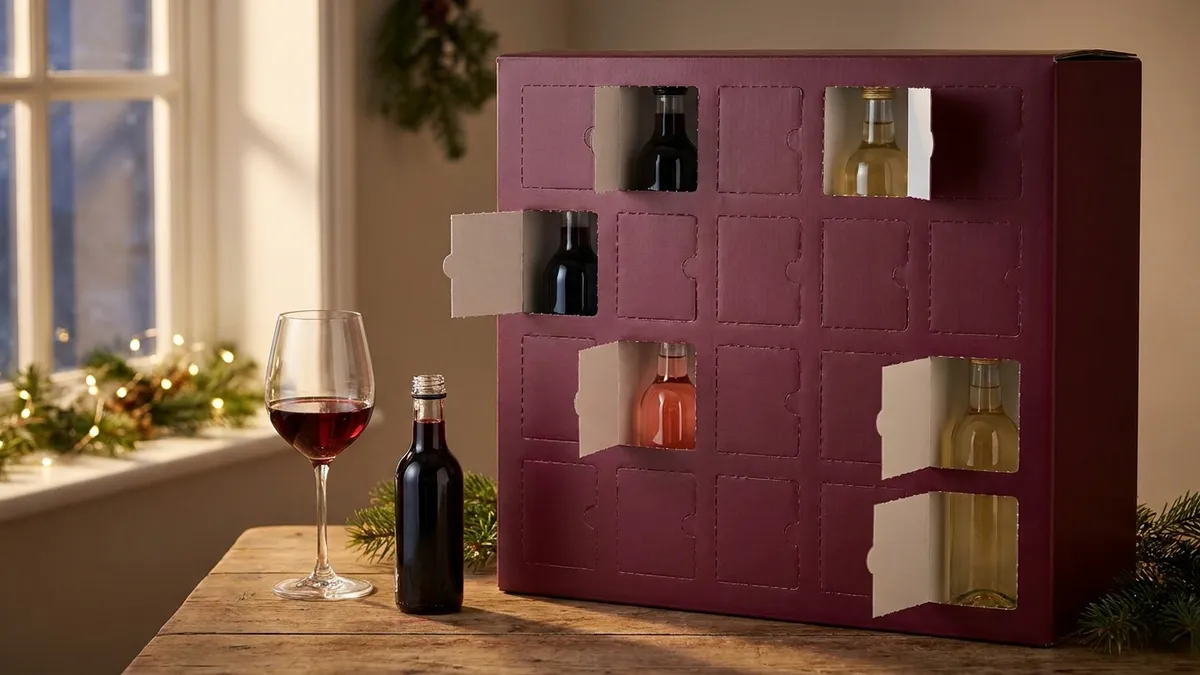
Wine Advent Calendar Guide — Are They Worth the Money?
A wine advent calendar holds 24 small bottles but only six to twelve full bottles of wine. The price per full-bottle equivalent decides whether it is a fair deal.
Wine Conversation Starters That Never Sound Snobby
The wine conversation starters that work are questions about what people taste, remember and like. Lines for dinner, shops, tasting rooms and the wine snob, plus answers to the four myths that always come up.
Best Online Wine Courses for Beginners, Matched to Your Goal
Online wine courses sorted by goal: free university and regional courses, WSET Level 1 and 2 hours and exams, when the Court of Master Sommeliers fits, and what you need to taste at home.
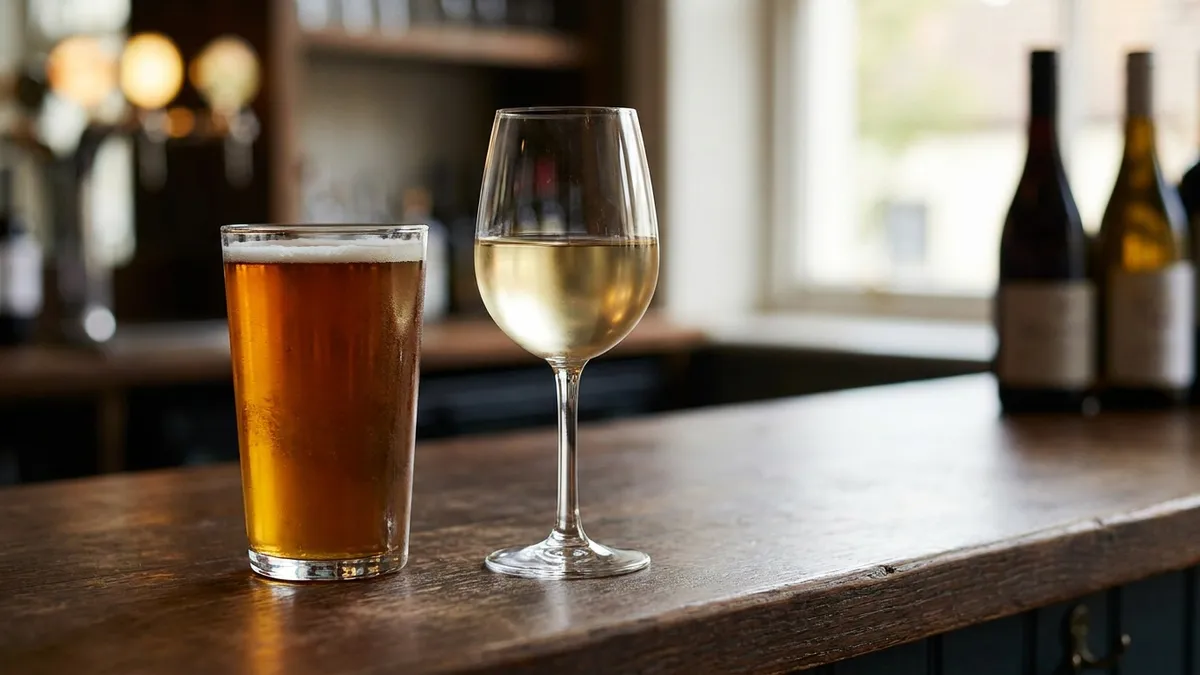
Wine for Beer Lovers: Crossover Picks for Every Beer Style
Wine for beer lovers, matched by what you enjoy in your glass: dry sparkling for lager fans, Sauvignon blanc and Riesling for IPA drinkers, high-acid whites for sour beer, oak-aged reds for stout.
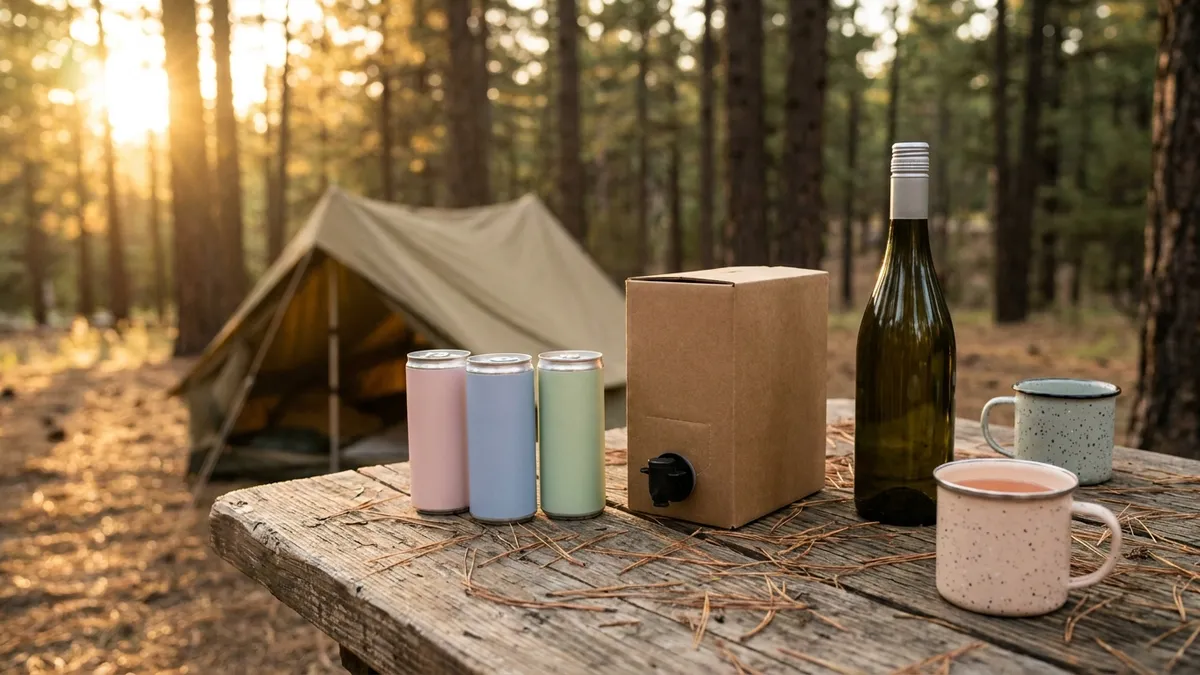
Wine for Camping: What to Pack, Chill and Carry Out
Choose wine for camping by how far it travels: screw-cap bottles for car camping, cans or a soft pouch for backpacking, a bag-in-box for a group staying several nights.
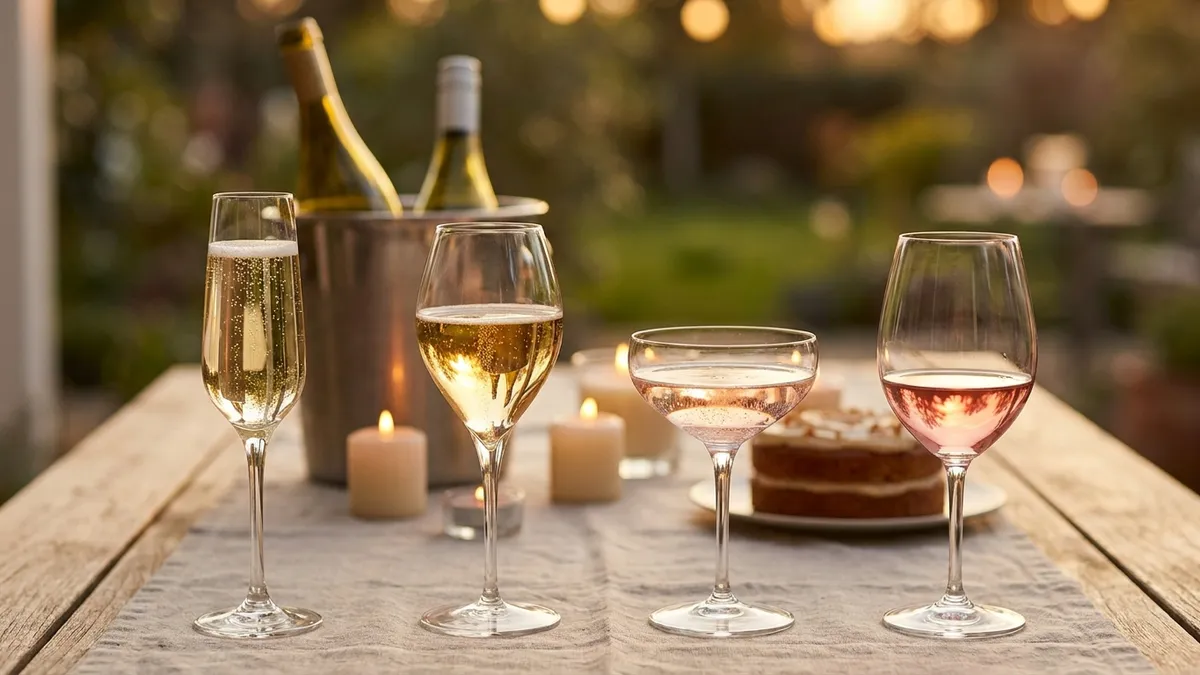
Wine for Celebrations: What to Pour Beyond Champagne
Wine for celebrations, matched to the moment: Crémant or Cava for small toasts, brut Prosecco for big ones, Moscato d'Asti for sweet tooths, and how to read brut, extra dry and demi-sec.
Best Wine Podcasts for Beginners — Learn on Your Commute
Pick a wine podcast by the length of your drive and your goal: short single-topic shows, funny host-led chats, long interviews and exam-level study, plus how to turn each episode into a tasting.
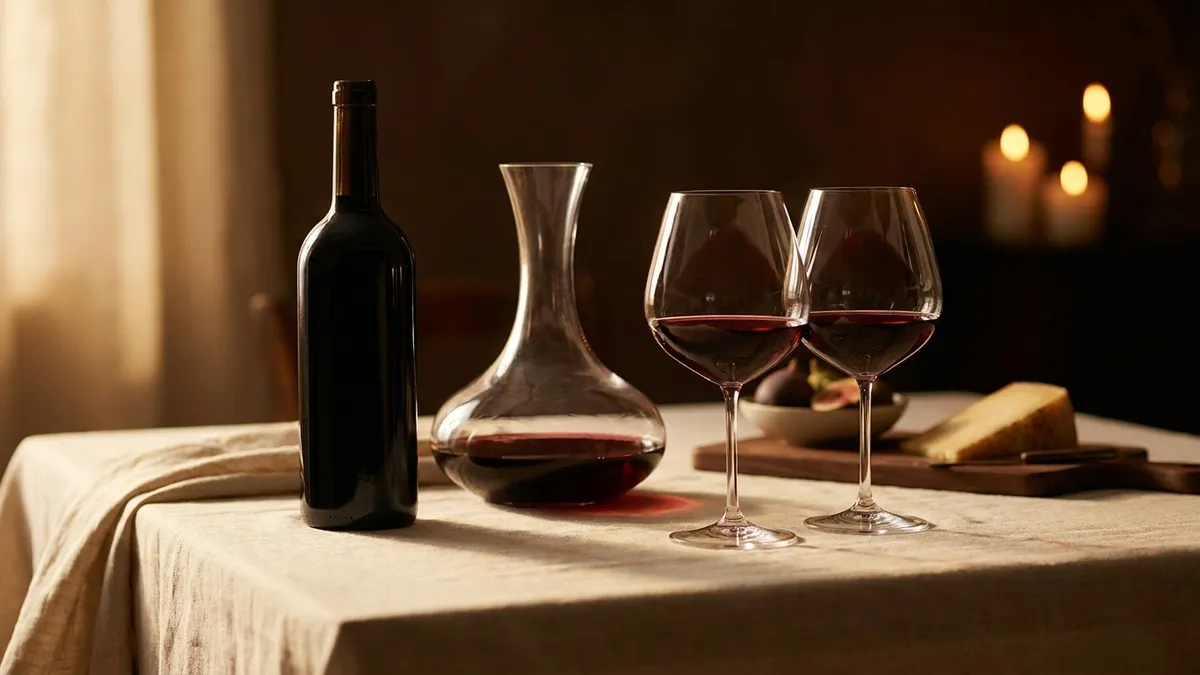
When to Spend More on Wine — and When to Save Instead
When to spend more on wine: the situations where extra money buys aging, oak and stricter rules you can taste, and the ones where a cheaper bottle does the job.
Wine Auction Guide: How to Bid, Buy and Avoid Bad Lots
A beginner's wine auction guide: how estimates, reserves and the buyer's premium work, how to read fill levels and condition reports, how to spot fakes, and what happens after you win.
Wine Budget Guide: How to Drink Better Without Spending More
A practical wine budget guide: how much to spend by occasion, where the money in a bottle goes, where to save without tasting the difference, and how to stop paying for wine you pour away.
Wine Back Label Information: What Each Line Tells You
Wine back label information decoded: which lines US law defines, from the alcohol tolerance to Estate Bottled and Contains Sulfites, and which words like Reserve nobody checks.
Wine List Types Explained: By the Glass, Flight or Bottle
Wine list types explained for beginners: how big a restaurant glass is, when a flight beats a glass, when a half or full bottle is cheaper, how corkage works, and what a reserve list is.
Buying Wine Online Tips: Shipping, Heat and Scam Checks
Buying wine online tips for US shoppers: which states allow shipping, how age checks work, why USPS can't carry wine, how to beat summer heat, and how to spot a fake seller.
Counterfeit Wine: How to Spot a Fake Bottle Before You Buy
Counterfeit wine explained for everyday buyers: who fraudsters target, the warning signs on a bottle, what appellation seals do and do not prove, and what to do if you suspect a fake.
What Makes Wine Expensive? The Factors Behind the Price Tag
What makes wine expensive, broken into real numbers: vineyard land prices in Napa, Burgundy, and Bordeaux, legal yield limits, oak aging, tax, and distribution markup.
Wine Certifications: WSET vs CMS, and Which to Choose
Wine certifications compared: the four WSET levels, the four Court of Master Sommeliers levels and the Master of Wine, with study hours, exam formats and the right starting point for each goal.
Wine Awards and Medals: How Much Do They Really Mean?
Wine awards and medals explained: what gold, silver and bronze stickers mean, how competitions judge, what the research on judge consistency found, and how to use a medal at the shelf.
Wine Markup at Restaurants: How Wine List Pricing Works
Why restaurant wine costs what it does: the three businesses paid before the bottle reaches you, the 2.5 to 3 times average markup, glass-versus-bottle maths, corkage, and how to spot value on a list.
Wine Price vs Quality: Does Expensive Wine Taste Better?
Wine price vs quality, explained with the actual studies: what blind tastings show, why a price tag changes how wine tastes, what really drives cost, and where each dollar of a bottle goes.
Wine for People Who Don’t Like Wine: Where to Start
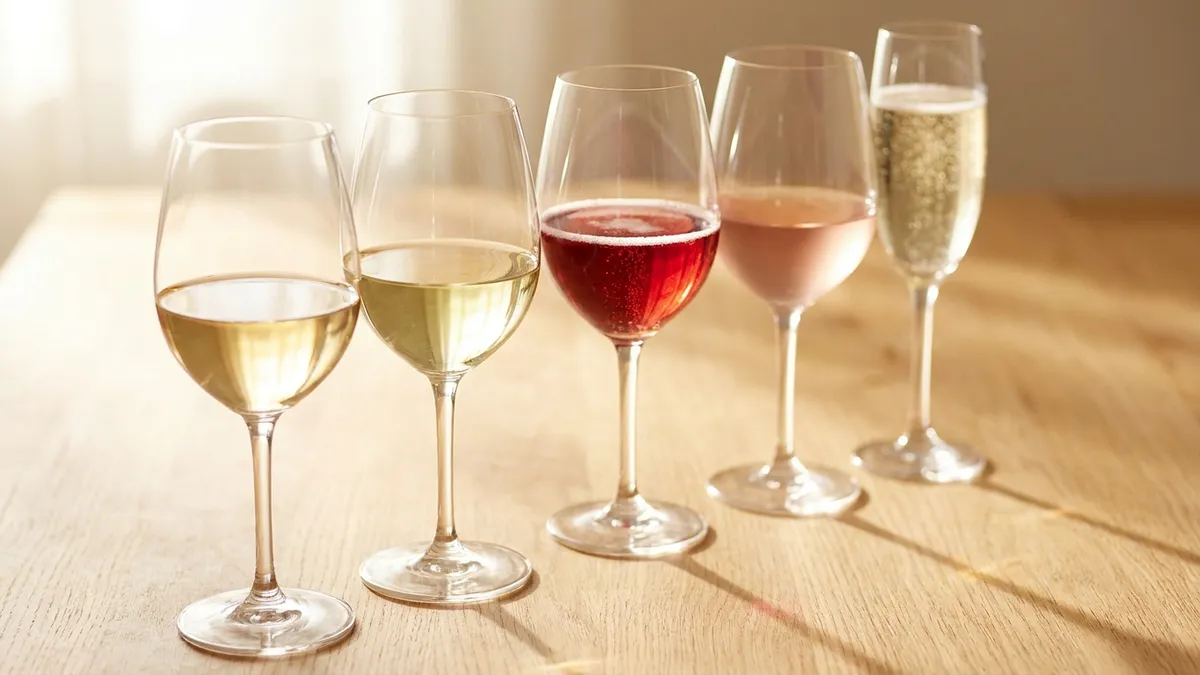
If you think you don’t like wine, you probably dislike one specific sensation, not wine itself. Here is how to find it and the sweeter, fizzier, lower-alcohol styles that fix it.
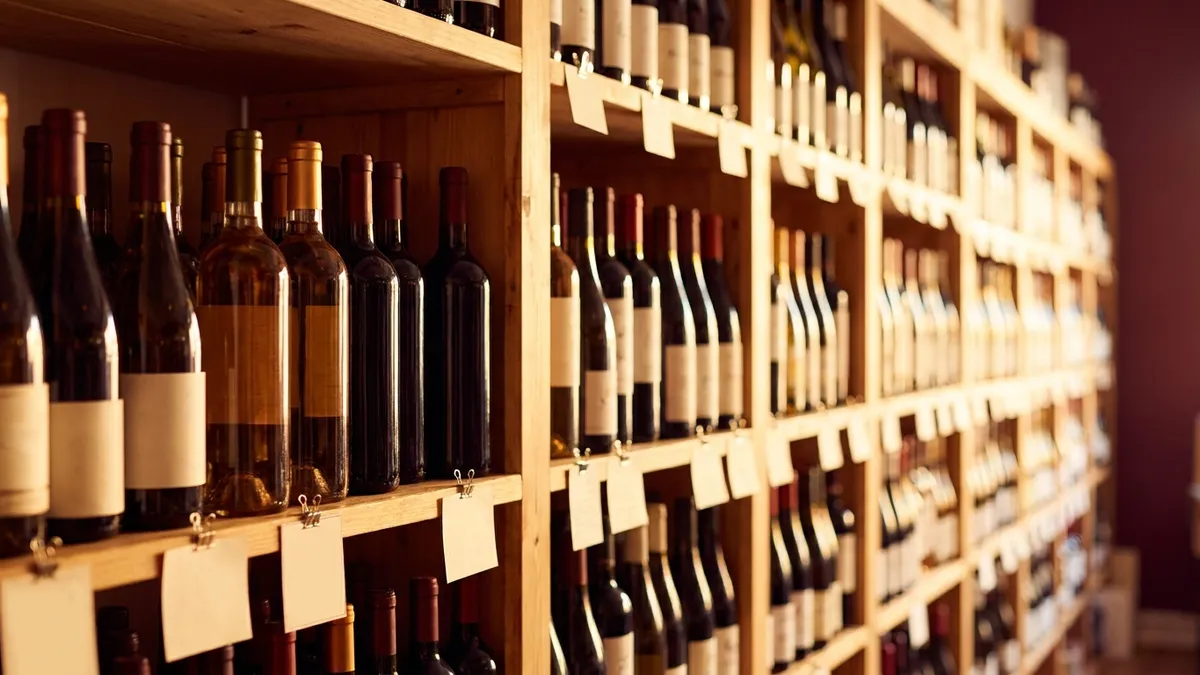
Wine Shop Guide: How to Buy Wine You'll Actually Like
A wine shop is not random — bottles are grouped by country, region, grape, and price. This guide shows you how to read the shelves, talk to the staff, and walk out with a bottle you will enjoy.
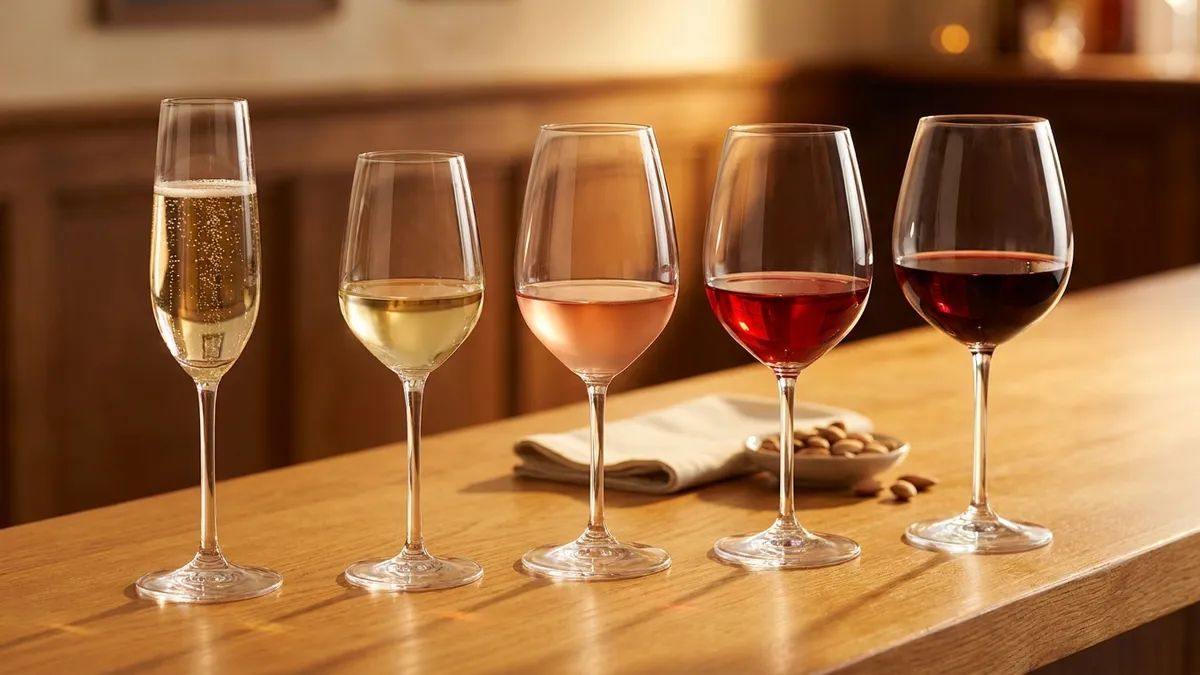
Best Wine for Beginners: 10 Approachable Styles to Try
The best wine for beginners is a short list of forgiving styles, not one bottle. Ten approachable wines compared, a six-bottle starter tasting case, and how to taste them.
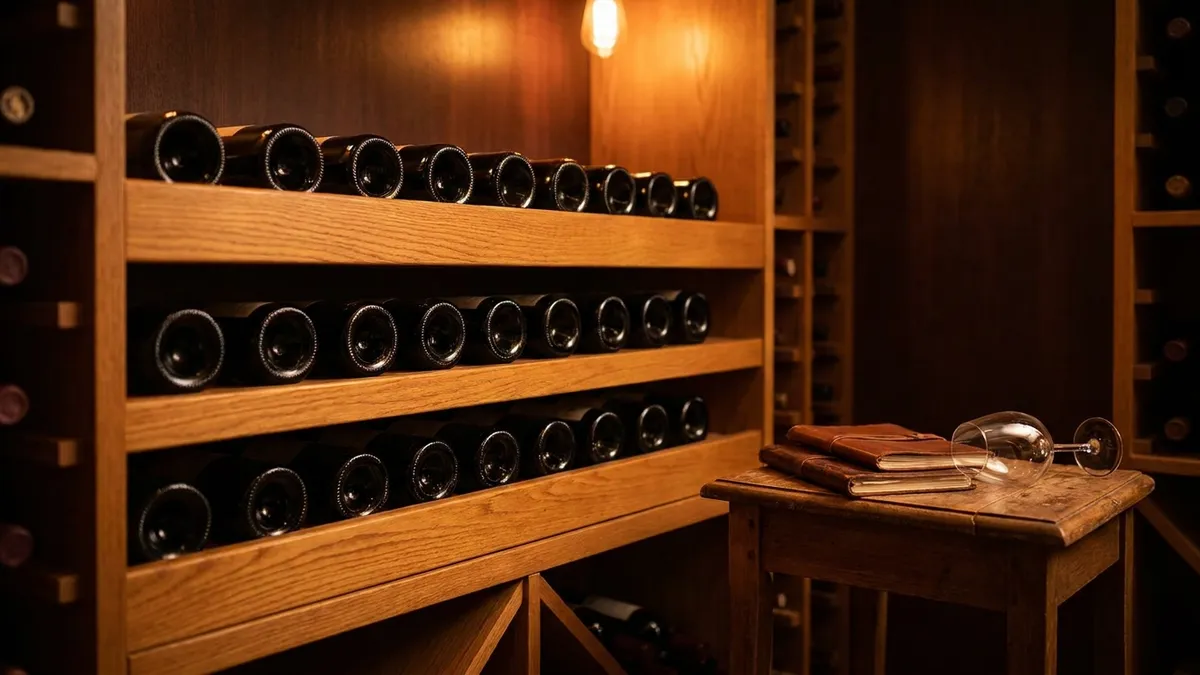
How to Build a Wine Collection on a Budget
How to build a wine collection on a budget — when to drink versus cellar, the 30-30-30-10 rule, which bottles age well, and a starter cellar plan that actually fits a real life.
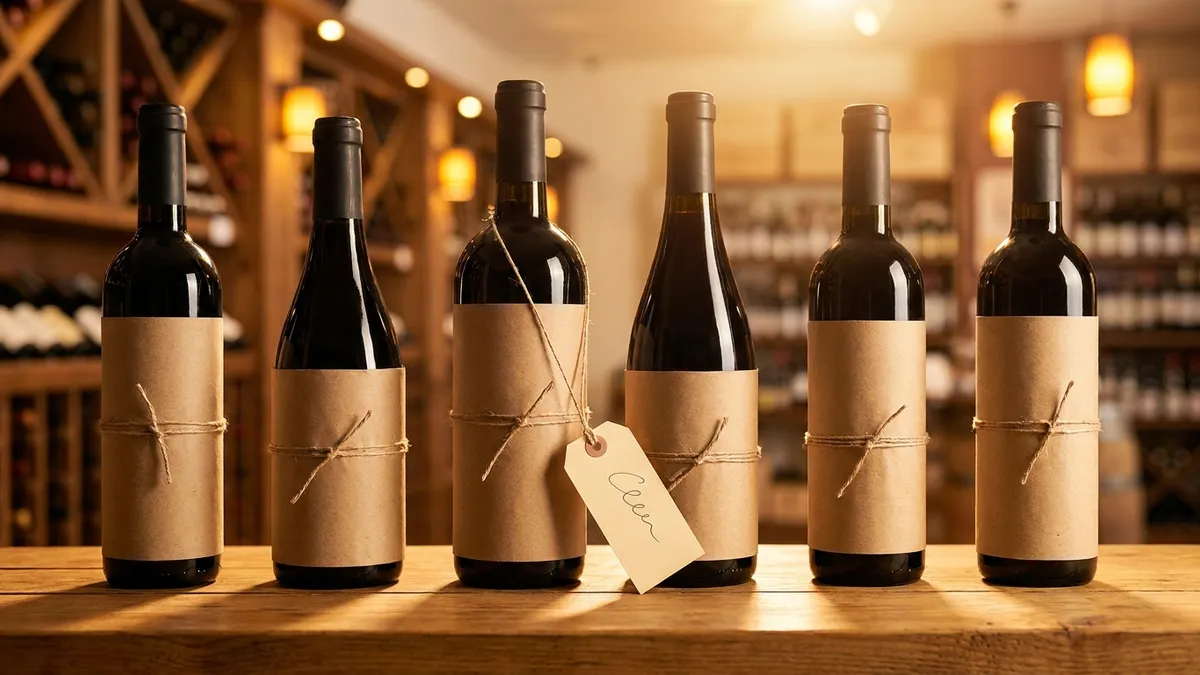
Good Wine Under $20: 12 Styles That Taste Expensive
Twelve wine styles under $20 that consistently overdeliver — from Argentine Malbec to Mosel Riesling. What to taste, how to pair, and how to spot real value on the shelf.
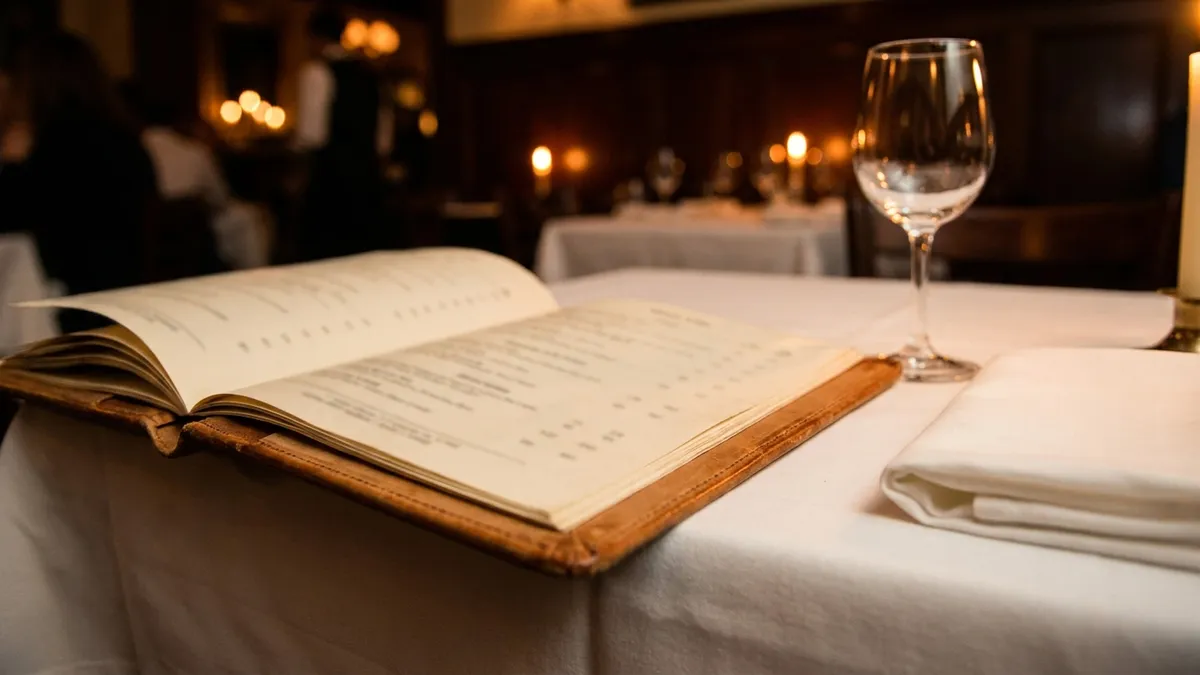
How to Order Wine at a Restaurant Without the Anxiety
How to order wine at a restaurant without panic — a 3-step script, the price-pointing trick, wine list anatomy, and pairing rules that actually fit on a napkin.
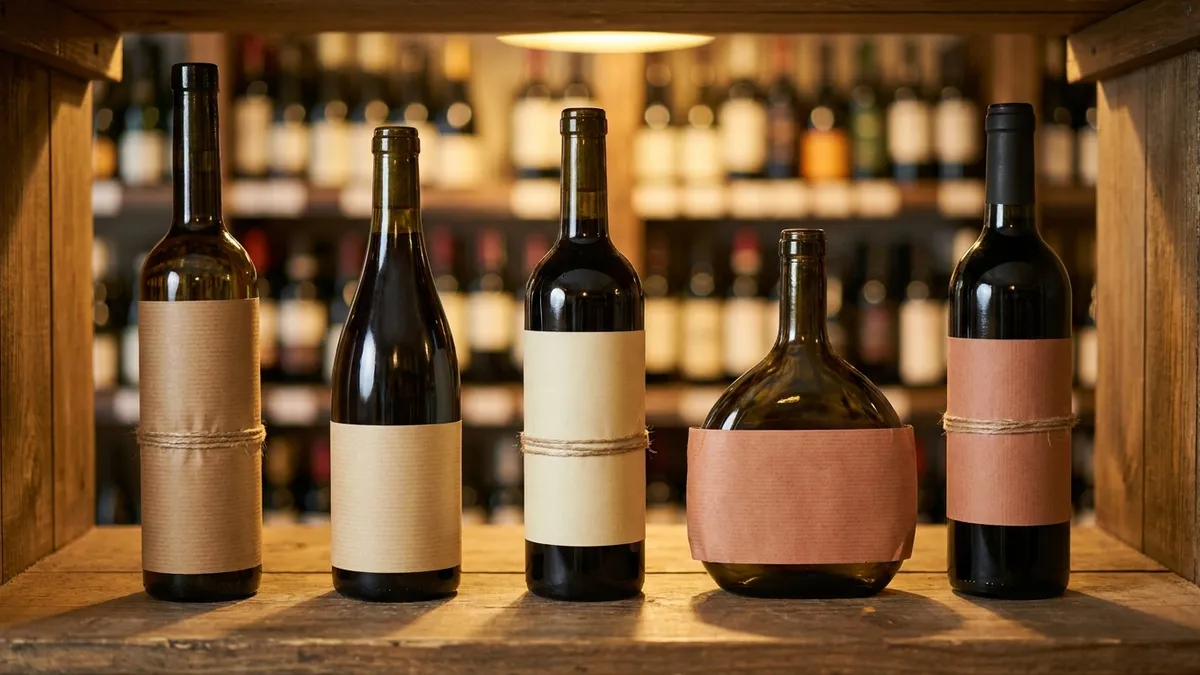
How to Read a Wine Label: Everything You Need to Know
Learn how to read a wine label from any country. Decode producers, regions, vintages, and classifications so you can shop with confidence.
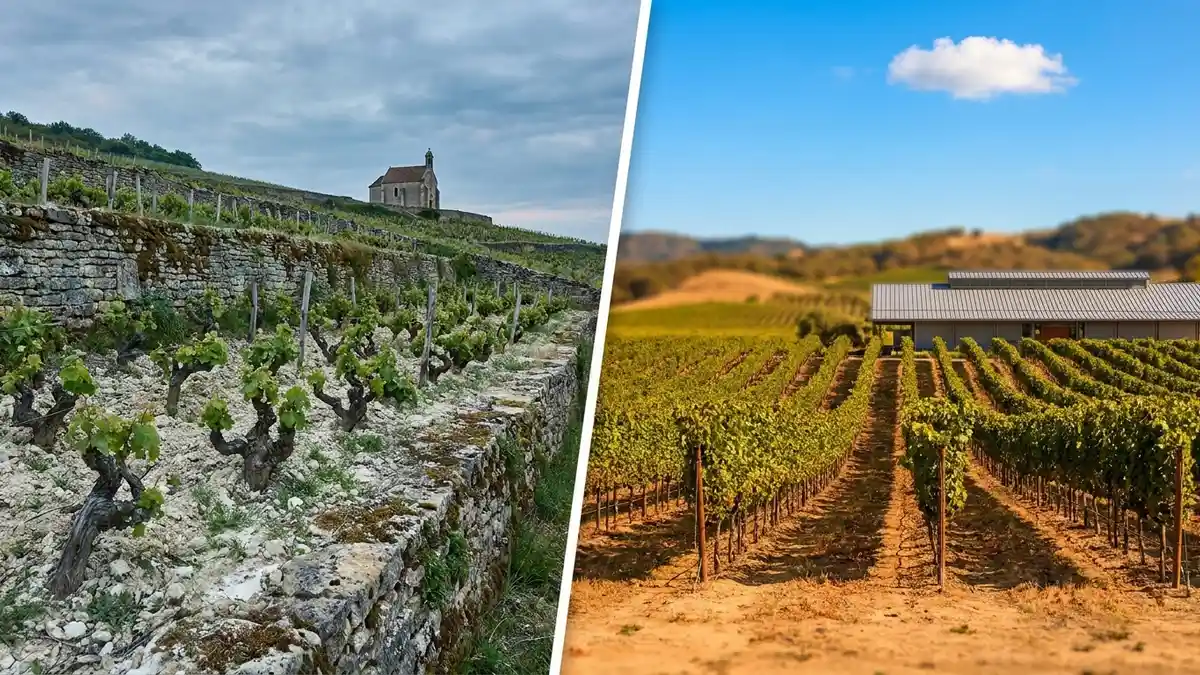
Old World vs New World Wine: What Is the Difference?
Old world vs new world wine is one of the most useful frames in wine. Here is what the terms actually mean — geography, climate, style, labeling — and how the differences show up in your glass.
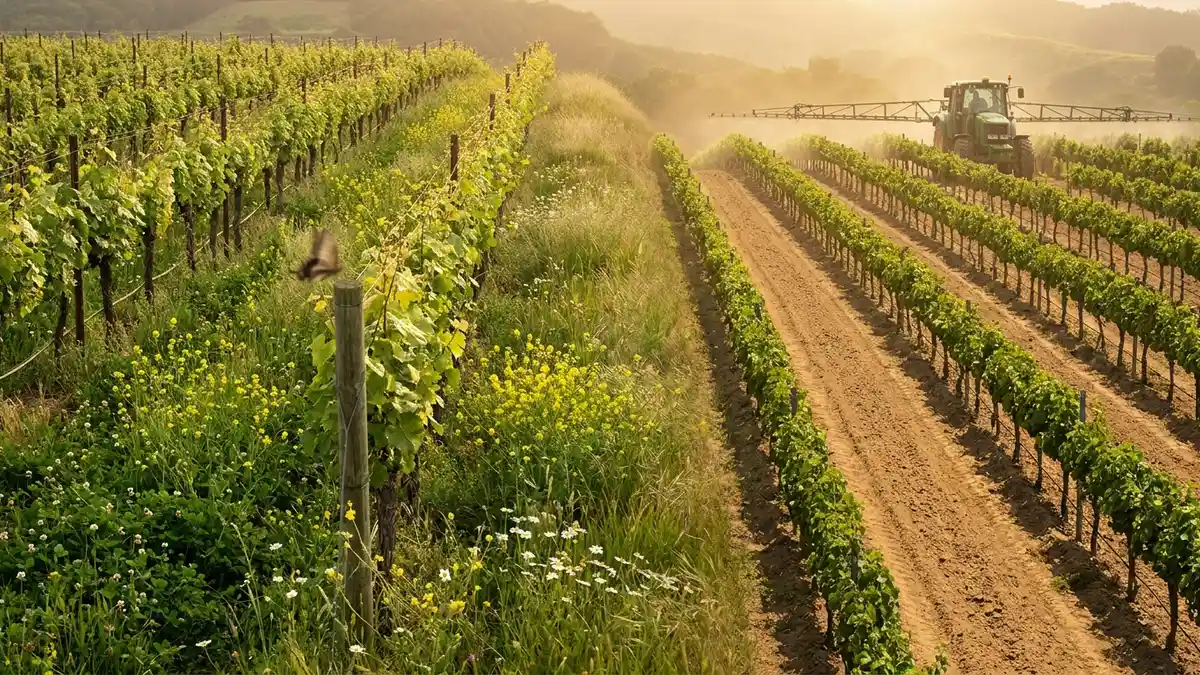
Organic Wine vs Conventional Wine: Is It Worth the Price?
Organic wine costs 10 to 30 percent more than conventional. Learn what the certification actually means, whether you can taste the difference, and when the premium is worth paying.
Wine Bar Etiquette: How to Order, Tip, and Not Look Lost
Wine bar etiquette without the snobbery — how to read the by-the-glass list, ask for a taste, order a flight, tip correctly, and walk in like a regular.
Wine Gift Guide: What to Buy for Every Type of Wine Lover
A practical wine gift guide that matches the right style, region, or accessory to every kind of wine lover — from beginners and adventurers to classics fans and collectors.
Wine as an Investment: A Beginner's Guide to Fine Wine Returns
An honest wine investment guide for beginners — how fine wine actually performs, what makes a bottle investment-grade, the five real routes in, hidden costs, and the red flags.
Wine Ratings Explained: What 90 Points Actually Means
Wine ratings explained without the snobbery — how the 100-point and 20-point systems work, what 90 points really signals, and how to use scores without being fooled by inflated shelf tags.
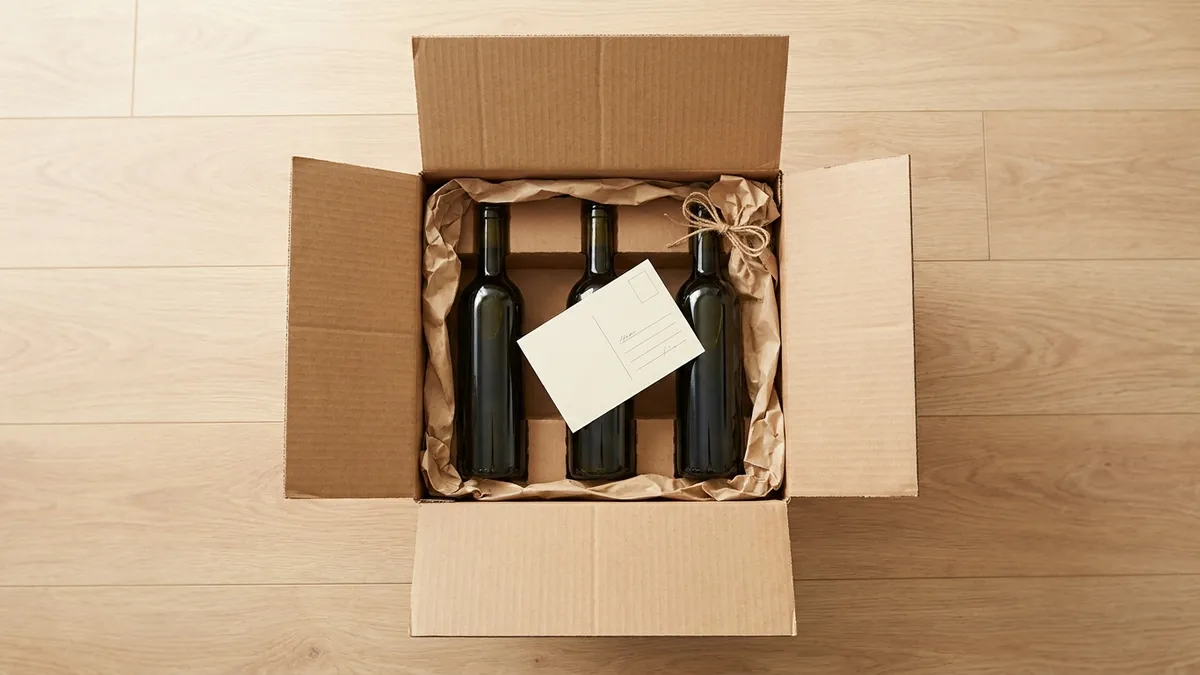
Best Wine Subscription Boxes: Are They Worth It?
An honest take on the wine subscription box — who benefits, who should skip it, what to look for in a good service, and the traps that make most boxes a mediocre deal.
Best Wine Learning Apps in 2026 — Tested and Compared
The best wine learning apps, compared: AI tasting coaches, flashcard apps, Udemy and Wine Folly courses, and label scanners — and which fits how you learn.