When to Spend More on Wine — and When to Save Instead

By the Sommy Team — AI-assisted, human-edited.
Updated Sep 25, 2026
Contents (9)
- When to Spend More on Wine, in One Paragraph
- When Is Spending More on Wine Worth It?
- When Should You Save Instead?
- Does More Expensive Wine Taste Better?
- What Does the Extra Money Actually Buy?
- Why Does Rioja Gran Reserva Cost More Than Crianza?
- Does an Appellation Name Guarantee a Better Wine?
- How Big Should a Splurge Be?
- What Should You Check Before Paying More?
TL;DR
Spend more on wine when the extra money buys something you will taste: years of aging, new oak, or a stricter place name, sipped slowly with food. Save when the wine is drunk cold, fast, mixed or blind, because in over 6,000 blind tastings untrained drinkers enjoyed pricier wine slightly less.
Knowing when to spend more on wine comes down to one test: extra money is worth it when it buys time, wood or a stricter place name that you will taste slowly with food. It is wasted on a bottle drunk fast, very cold, mixed with fruit, or poured while nobody is paying attention.
When to Spend More on Wine, in One Paragraph
Spend more on wine when the style relies on costly inputs, such as years of aging or new oak barrels, and when it will be sipped slowly with food by people who notice. In a study of more than 6,000 blind tastings, drinkers without wine training enjoyed pricier wines slightly less, while trained tasters showed a positive link. The cost gap is real: bulk grapes can cost about 49 cents per bottle, Napa Cabernet grapes about $12.34, and oak aging adds at least $2 a bottle. So pay for a label word that proves an input, such as Reserva, and save on everyday bottles drunk cold, fast or mixed.
When Is Spending More on Wine Worth It?
Spend more when three things line up. The style relies on a costly input such as long aging or new oak. The wine will be sipped slowly with food, and someone at the table has tasted enough to notice. Take away any one of the three and most of the extra money stays in the bottle.
The styles that reward extra money share one trait: their character takes years or expensive equipment to build. A red aged in oak (barrels that add vanilla, toast or spice) for years before release has costs a cheap wine cannot fake. So does a firm red with plenty of tannin (the drying grip on your gums), because tannin softens mainly with time. Fresh, fruity styles made to drink young gain much less from a higher price, since the costly steps are exactly the ones they skip.
| Situation | What extra money buys | Will most people taste it? | Your move |
|---|---|---|---|
| Long dinner, aged red with roast or steak | Years of barrel and bottle aging | Yes, sipped slowly with fat and protein | Spend: one aging tier up |
| Gift for someone who knows wine | A stricter appellation or aging word | Yes, trained tasters notice | Spend: pick a label word, not a heavy bottle |
| Side-by-side tasting with friends | A clear contrast to learn from | Yes, the pair makes it visible | Spend on one bottle, pair it with its cheaper sibling |
| Big party or barbecue | Mostly packaging and a name | Rarely, glasses are drunk fast | Save: buy a clean everyday bottle |
| Sangria, spritz or mulled wine | Nothing that survives fruit and sugar | No | Save: cheapest sound bottle of the style |
| Cooking | Nothing that survives heat | No | Save: cook with a wine you would drink |
If the wine will get an hour of your attention and a plate of food, spend on an aged or oaked red. If it will get neither, keep the money. Our guide to what makes wine expensive breaks down the full cost stack if you want the numbers behind each row.
When Should You Save Instead?
Save when the wine will be drunk fast, very cold, mixed, cooked, or alongside food loud enough to flatten it. In each of those cases the details a higher price pays for, like oak spice, softened tannin and a long finish, are hidden before anyone can taste them.
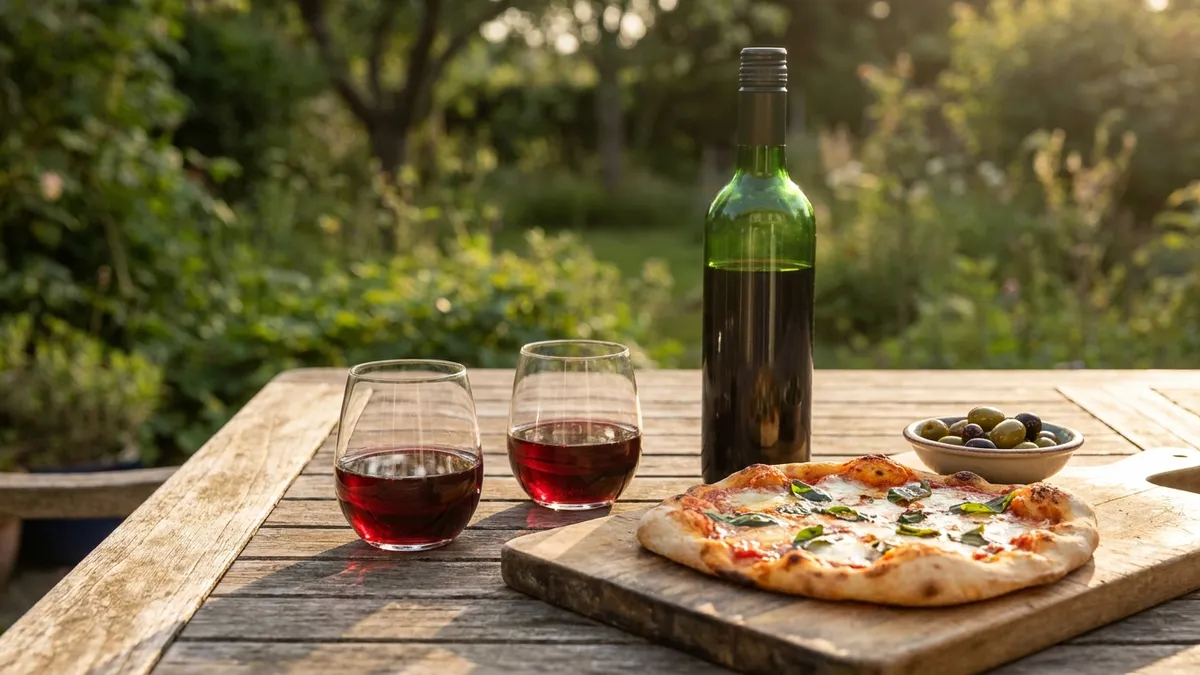
Cold is the first problem. Chilling a wine hard mutes its aromas, which is why a big white served icy tastes much like a cheap one. Crowds are the second: at a party, glasses are topped up and drunk while people talk. Strong chilli is the third, because heat makes alcohol burn and masks subtle flavour. Sugar and fruit are the fourth, since sangria and mulled wine bury the wine under the other ingredients.
Young styles built for freshness are also poor places to splurge. A crisp white or a pale rosé tastes of fresh fruit and acidity (the tartness that makes your mouth water), and both come from the grapes and a cool cellar. Years of storage add nothing to either. If you will add ice, fruit or heat to it, buy the cheapest clean bottle of the style. The best wines for beginners list plenty of styles that taste good at everyday prices.
Does More Expensive Wine Taste Better?
For most drinkers tasting blind, no: a study of more than 6,000 blind tastings found price and enjoyment were slightly negatively linked for people without wine training. The same researchers found a positive link for tasters with wine training. They concluded that both price and expert recommendations may be poor guides for non-expert drinkers.
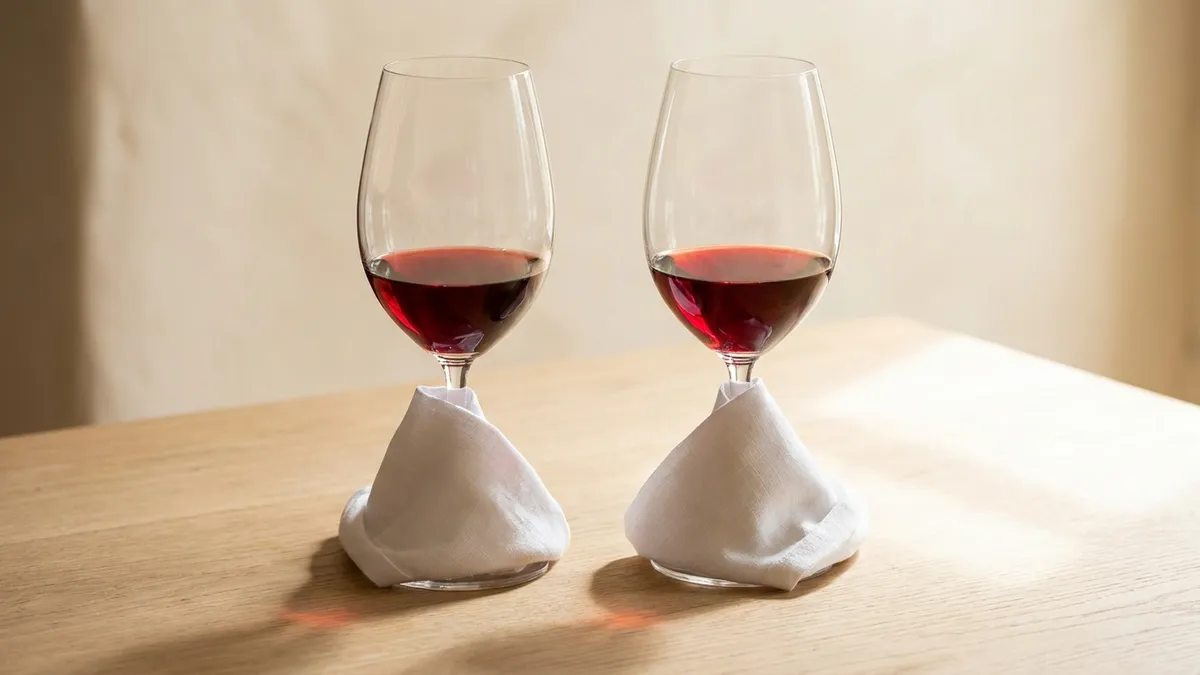
A blind tasting means tasting with the bottle hidden, so the label and price cannot shape your opinion. It is the fairest test of what is in the glass. The most famous one took place in Paris on May 24, 1976, when California wines were tasted blind against French ones. A California Chardonnay and a California Cabernet Sauvignon took the top places in their categories, against far more famous French names.
The split between trained and untrained drinkers is the useful part. Training teaches you to notice length, tannin texture and the flavours that come from age, which are the things extra money pays for. So the value of a splurge grows with tasting skill. If you are new to tasting, try a splurge blind against your usual bottle before buying it a second time. Our deeper look at wine price vs quality covers the study in detail, and these blind wine tasting tips show how to run a fair test at home.
What Does the Extra Money Actually Buy?
Up to a point it buys better grapes, oak barrels and time in the cellar; past that point it mostly buys packaging, tax, markup and a famous name. Wine Folly estimates bulk grapes from hot inland valleys at as little as 49 cents per bottle, and Napa Cabernet Sauvignon grapes at a weighted average of $12.34 per bottle.
That is roughly 25 times the fruit cost before anything else happens. By the same estimate, about $5 of grapes already buys decent quality juice. So the first few dollars of grape money make the biggest difference to what reaches the glass.
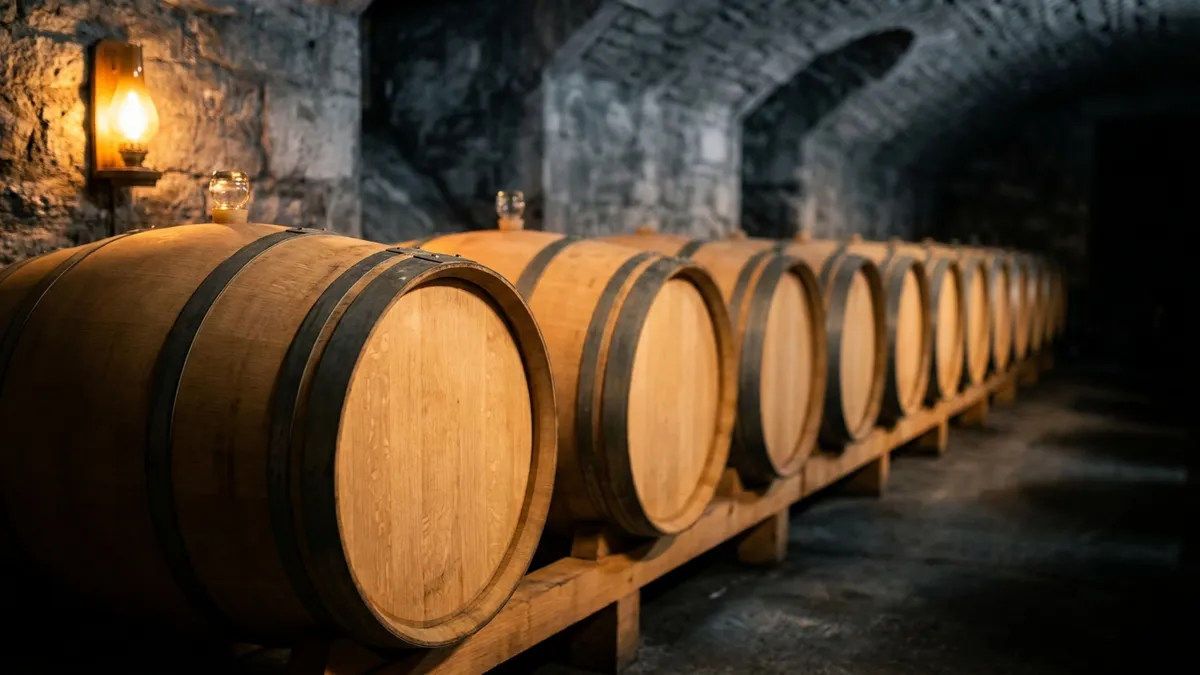
Oak is the next big cost. Barrels run from about $600 to $2,400 each, and French oak starts around $1,200. Aging in oak adds at least $2 to the cost of each bottle. Put the pieces together and Wine Folly's worked example shows a value wine, with American oak and simple packaging, costing about $5 a bottle to produce. A prestige wine with French oak and premium packaging costs about $16.
Much of the rest of the shelf price goes to tax, shipping, distributors and the shop. If a pricier bottle names no oak, aging or stricter place on its label, assume the extra is mostly markup. Packaging deserves a separate warning. A heavy bottle and embossed label tell you the size of the marketing budget, not the quality of the wine. For what new barrels do to flavour, see what "oaked" means.
Why Does Rioja Gran Reserva Cost More Than Crianza?
Because the law makes the producer hold the wine for years before selling it. Rioja, in northern Spain, prints its aging tier on the label, so the price ladder and the aging ladder are the same ladder. Each step up means more months of barrels, storage space and money tied up in unsold wine.
The red minimums are set in the region's rules:
- Crianza: at least two years of aging counted from October 1 of the harvest year, with at least one year in barrel.
- Reserva: at least 36 months of aging, with at least 12 months in oak barrels.
- Gran Reserva: at least five years of aging, with at least 24 months in barrel and 24 months in bottle.
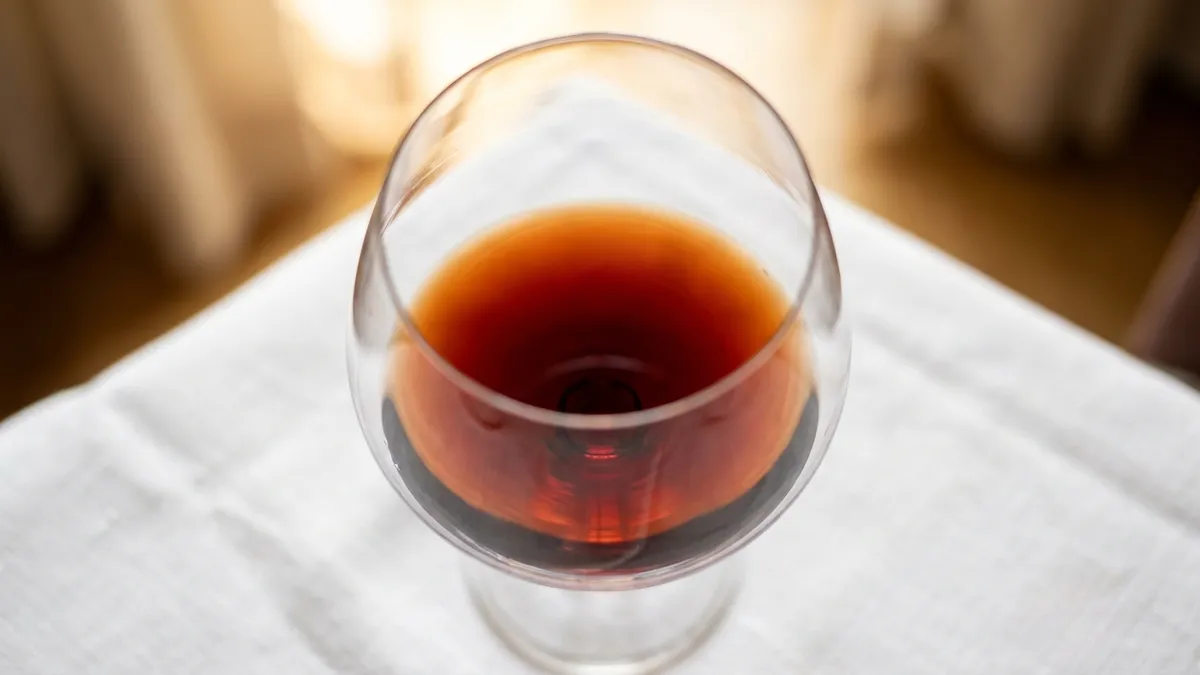
Those years change the glass in ways you can see and taste. Time in barrel lets small amounts of air soften the tannin, so an old Gran Reserva feels finer on the gums than a young Crianza. The colour moves from purple-red toward brick at the rim. Fresh cherry gives way to dried fruit, leather and spice, because slow oxidation and bottle age turn fruit flavours savoury.
If you want to taste what aging adds, buy a Crianza and a Reserva from the same producer. The Rioja wine guide explains the grapes and zones, and tasting young vs aged wine lists the clues to look for.
Does an Appellation Name Guarantee a Better Wine?
No; it guarantees where the grapes grew and which rules the producer followed, which is a floor under quality rather than a promise of it. An appellation is a protected place name on the label, backed by rules on grapes, yields and aging.
France set out its first law on wine designations of origin on August 1, 1905. Today's French system also requires that wines be aged at least partly inside their named area.
Some of those rules push the price up. Rioja caps red grape yields at 6,500 kilograms per hectare. Fewer grapes per vine usually means riper, more concentrated fruit, but it also means less wine to sell from the same land. That yield cap is one reason a bottle with a strict place name costs more than one labelled with a broad region.
What the rules cannot do is make a wine delicious. Two producers inside the same appellation can follow every rule and make very different wines. Treat the place name as proof of the inputs, then taste. Our explainer on what an appellation is covers how the systems differ from country to country.
How Big Should a Splurge Be?
One step up a ladder the label can prove, such as a single aging tier. Wine Folly's worked example put the production gap between a value wine and a prestige wine at about $11 a bottle. The price gap on the shelf is usually far larger than that, and the extra mostly pays for markup and reputation.
A step is easy to spot when it has a name. Crianza to Reserva is a step. A broad regional name to a named village inside it is a step. Unoaked to oak-aged is a step. If you usually buy a Crianza, the splurge is a Reserva. A Gran Reserva with a famous name is two steps plus a brand premium.
Restaurants change the maths. A bottle on a wine list often costs well above its shop price, so the same step up costs you more there. Read how restaurant wine markup works before you order the second-cheapest bottle. For presents, the wine gift guide matches the step to the person who will drink it. You can browse more buying guides in our beginners' buying hub.
What Should You Check Before Paying More?
Check for a word on the label that names the costly input you are paying for: an aging tier, an appellation, a vintage (the harvest year) or a mention of oak. If the extra money buys no word you can point to on the label, put the bottle back.
A short checklist for the shop shelf:
- Aging word: Crianza, Reserva, Gran Reserva, or the equivalent in other regions.
- Place name: a smaller, stricter appellation than the bottle beside it.
- Vintage: a named harvest year, which tells you how much bottle age the wine already has.
- Back label: mention of barrel aging, and for how long.
Our guide to how to read a wine label decodes the rest of the text.
One risk does not shrink with price. Cork taint comes mainly from TCA (2,4,6-trichloroanisole), a compound formed when mould grows on chlorine-bleached corks and barrels. A corked wine smells of wet cardboard and tastes flat, and it can happen to a bottle at any price. Learn how to tell if a wine is corked, so an expensive bottle can go back to the shop or the sommelier.
Tonight, pick the bottle you buy most often and find its one-step-up sibling on the same shelf. Taste the two together with dinner and write down which one is worth paying for again. For a guide while practising, the Sommy app at sommy.wine has bite-sized courses, including one on Spain, and a guided tasting mode that saves each glass to a tasting journal.
Sources
- Goldstein et al., Do More Expensive Wines Taste Better? Evidence from a Large Sample of Blind Tastings (American Association of Wine Economists)
- Wine Folly: Why Is Wine So Expensive?
- D.O.Ca. Rioja: Classification (official aging categories)
- Wikipedia: Rioja (wine), yield limits
- Wikipedia: Appellation d'origine contrôlée
- Wikipedia: Judgment of Paris (wine)
- Wikipedia: Wine fault (cork taint and TCA)
Frequently Asked Questions
Is it worth spending more on wine for a special occasion?
Yes, if the occasion means a long dinner where people will taste the wine slowly. That is where the extra cost of aging and oak shows. Choose a red with an aging word on the label, such as Reserva, and serve it with food that has fat and protein. For a loud party with a big crowd, a clean cheaper bottle works just as well.
Does expensive wine taste better?
Not to most people tasting blind. A study of more than 6,000 blind tastings found that drinkers without wine training enjoyed more expensive wines slightly less on average. Trained tasters showed a positive link between price and enjoyment. So training, not price alone, decides whether the extra money reaches your glass.
What makes one bottle of wine cost more than another?
Grapes, oak and time come first. Wine Folly puts bulk inland grapes at as little as 49 cents per bottle and Napa Cabernet Sauvignon grapes at about $12.34 per bottle. New oak barrels cost roughly $600 to $2,400 each. Beyond those, the price is packaging, tax, distribution markup and the value of a famous name.
How much should a beginner spend on a splurge bottle?
Spend one step above your usual bottle, on a step the label can prove. If you usually buy a young Rioja, try a Reserva from the same shelf. Tasting the two side by side teaches more than jumping to the most famous bottle in the shop, and it keeps the cost of a disappointing bottle low.
Is a heavy bottle a sign of better wine?
No. Heavy glass, thick labels and fancy closures are packaging costs the producer chose, and they reflect the marketing budget rather than the grapes or the aging. Look instead for words on the label that name a real cost: an aging tier, an appellation, a vintage or a mention of new oak.
Can an expensive wine be corked?
Yes. Cork taint comes mainly from a compound called TCA, which forms when mould grows on chlorine-bleached corks and barrels. It can turn up in a bottle at any price. A corked wine smells of wet cardboard or a damp basement and tastes flat. In a restaurant or a good shop, a corked bottle should be replaced.
Sommy Team
LinkedInFounder & Wine Educator
The Sommy Team is building the world's most approachable wine education app, helping beginners develop real tasting skills through structured courses and AI-guided practice.