Wine Markup at Restaurants: How Wine List Pricing Works

By the Sommy Team — AI-assisted, human-edited.
Updated Sep 24, 2026
Contents (8)
- How Restaurant Wine Markup Works, in One Paragraph
- Who Gets Paid When You Order a Bottle?
- Why Is a Glass of Wine Priced Almost Like a Bottle?
- Is There a Normal Wine Markup, or Does It Vary?
- What Does the Markup Actually Pay For?
- What Is Corkage, and When Is It Worth Paying?
- Who Sets the Prices on a Wine List?
- How Do You Find Good Value on a Restaurant Wine List?
TL;DR
Restaurants typically charge 2.5 to 3 times what they paid for a bottle, and the wine was already marked up once by a distributor. A glass is usually priced to recover the whole bottle's cost, so three or more glasses make the bottle cheaper. Corkage replaces the lost sale and follows local law.
How Restaurant Wine Markup Works, in One Paragraph
A restaurant usually charges 2.5 to 3 times what it paid for a bottle, and that is the third markup the wine has picked up since leaving the winery. Restaurant wine markup is the gap between the wholesale price (what the restaurant pays its supplier) and the price on the list. In the United States, a distributor has already added its margin before the restaurant buys. So a wine that costs $25 in a shop would sit at about $38 to $45 on a list at the average markup, and many lists charge more.
A single glass is typically priced to recover the cost of the full bottle. Corkage, the fee for opening your own bottle, is set to replace the sale the restaurant lost.
Who Gets Paid When You Order a Bottle?
Three businesses, in the United States: the winery, a distributor and the restaurant, each adding its own margin before the wine reaches your table. This chain is the three-tier system, a legal structure in which producers sell only to wholesalers, and wholesalers sell to retailers. A restaurant counts as a retailer, the same as a bottle shop.
The middle tier is the distributor, a licensed wholesaler that buys from wineries and importers and sells on to shops and restaurants. Distributors typically hold exclusive territorial rights to the brands they carry. In practice, a restaurant in a given region may have only one place to buy a particular wine, so it takes that supplier's price.
The trade outlet VinePair puts the producer-to-distributor step at roughly a 50 percent price increase, and the total markup a consumer pays at 150 percent or more. The table follows one bottle through the chain, using those averages and a winery price of $10.
| Stage | Price of the bottle | Who adds the margin | What you can check |
|---|---|---|---|
| Winery sells to the distributor | $10 | The producer | Nothing: this price never reaches you |
| Distributor sells to the shop or restaurant | About $15 | The distributor, roughly +50% | Nothing: shops and restaurants pay the same wholesale price |
| Shop shelf | About $25 or more | The shop, for a 150% total markup | Look the wine up on your phone at the table |
| Restaurant list | About $37.50 to $45 | The restaurant, at 2.5 to 3 times wholesale | Divide the list price by the shop price |
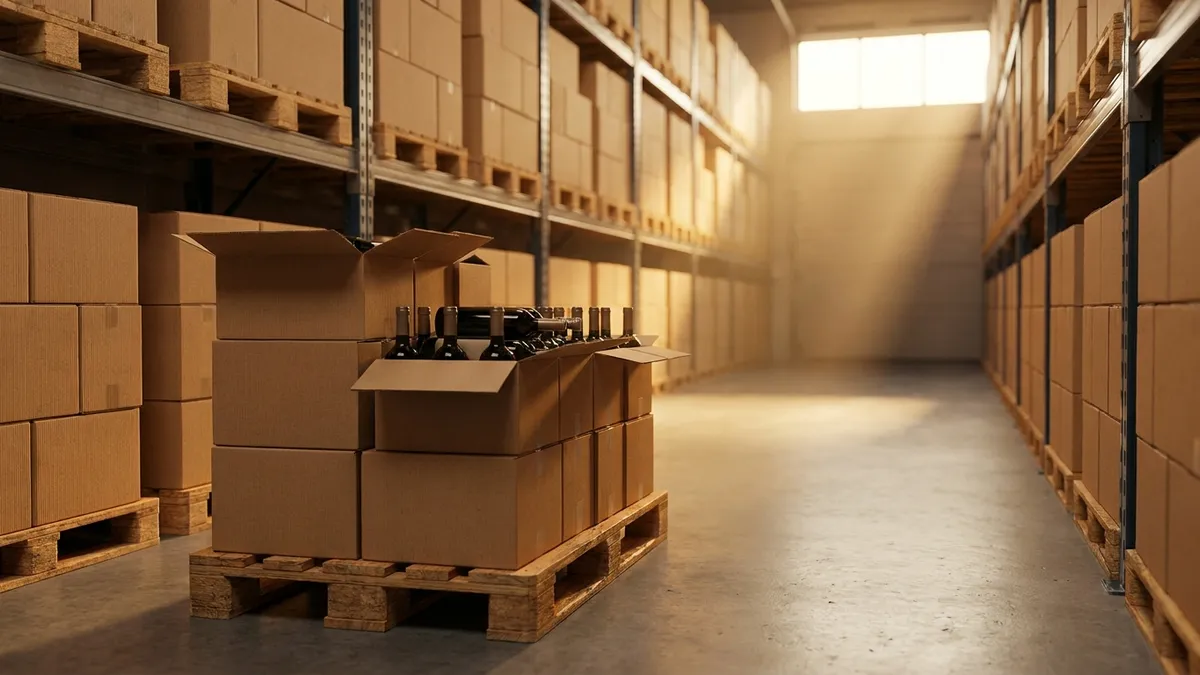
That shared wholesale price is why the shelf price makes a fair yardstick for the list. What the winery spends on grapes, oak and time is a separate question, covered in wine price vs quality. In the example above, the restaurant paid roughly 60 percent of the shop price, because both bought at the same wholesale price. The chain explains the gap between shop and table, and says nothing about how good the wine is.
Why Is a Glass of Wine Priced Almost Like a Bottle?
Because a restaurant typically prices one glass to recover what it paid for the full bottle. Any glass after the first is margin, provided the rest of the bottle sells before it spoils. That pricing protects the restaurant against bottles opened for one guest and poured down the sink two days later.
Wine by the glass is poured from a bottle opened behind the bar. A common US pour is 5 fluid ounces (150 ml), the size of one US standard drink, so a 750 ml bottle holds about five glasses. Put the two facts together with the table above. If the restaurant paid $15 for a bottle, one glass costs about $15, and five glasses cost about $75. The same bottle on the list costs $37.50 to $45.
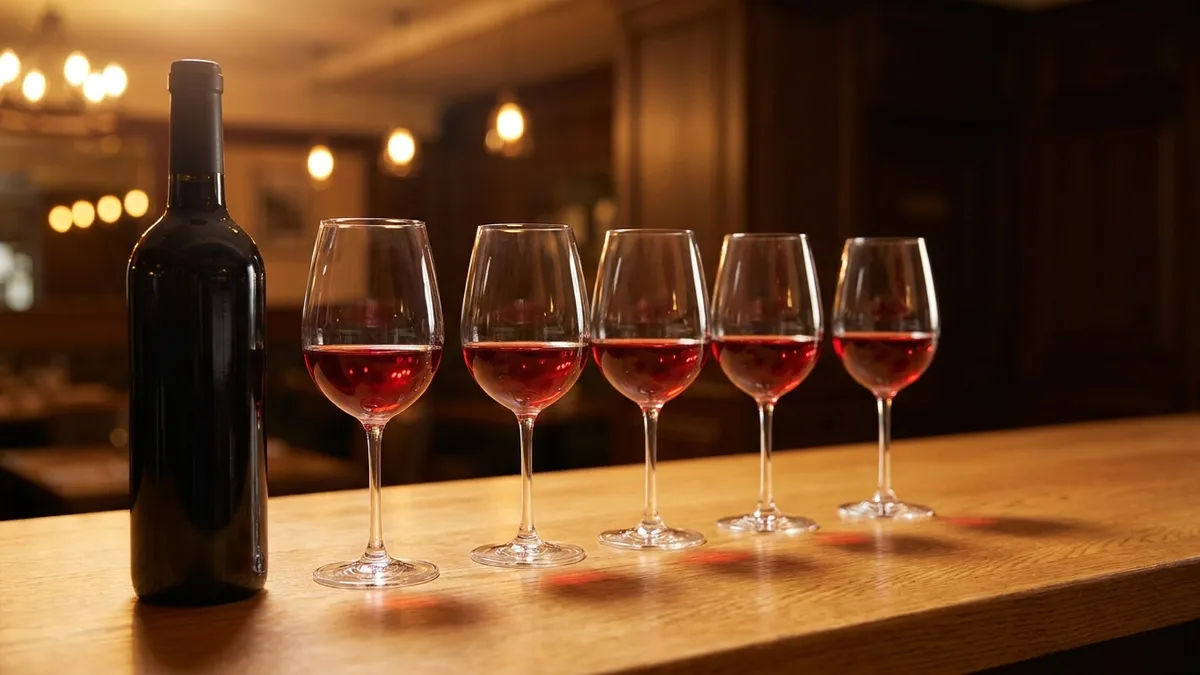
A glass is not always worse value, though. One diner who wants one glass pays a fraction of the bottle price and wastes nothing. The maths only turns against the glass once the table drinks more.
Divide the bottle price by the glass price. The answer is the number of glasses at which the bottle becomes the cheaper order. When the glass is priced to recover the bottle, that number lands between 2.5 and 3. If the table will drink three or more glasses of the same wine, order the bottle; if one person wants one glass, order the glass. Where local law allows a leftover bottle to be recorked and taken home, how long wine lasts after opening gives the number of days it keeps.
Is There a Normal Wine Markup, or Does It Vary?
The usual reference point is 2.5 to 3 times the restaurant's wholesale cost, but that figure is an industry average, not a rule. A fine-dining room that ages wine in its own cellar for years prices differently from a neighbourhood bistro that buys a short list from one distributor.
You will not see the wholesale price, but you can see the shop price, and the two averages above convert one into the other. In the example chain, a shop sells at roughly 1.7 times wholesale, though real shop markups vary. A restaurant at 2.5 to 3 times wholesale therefore sits at roughly 1.5 to 1.8 times the shop price. That gives a simple gut check against the shop price. If the list price is more than about twice the shop price, the markup is above the average; if it is under 1.5 times, the list is generous.
A single list can also mix gentle and steep prices. So check two or three wines at different price points before you judge the list.
Rarity is a separate cause of high prices. A scarce, older bottle costs more at every link in the chain, including the shop. The multiplier describes the restaurant's step; a high number on the list can also reflect an expensive wine.
What Does the Markup Actually Pay For?
Everything that happens between the delivery door and your glass: storage, glassware, staff training, opened bottles that go unsold, and the odd faulty bottle replaced for free. The markup is not pure profit. It is the restaurant's cost of running wine as a service rather than a shelf.
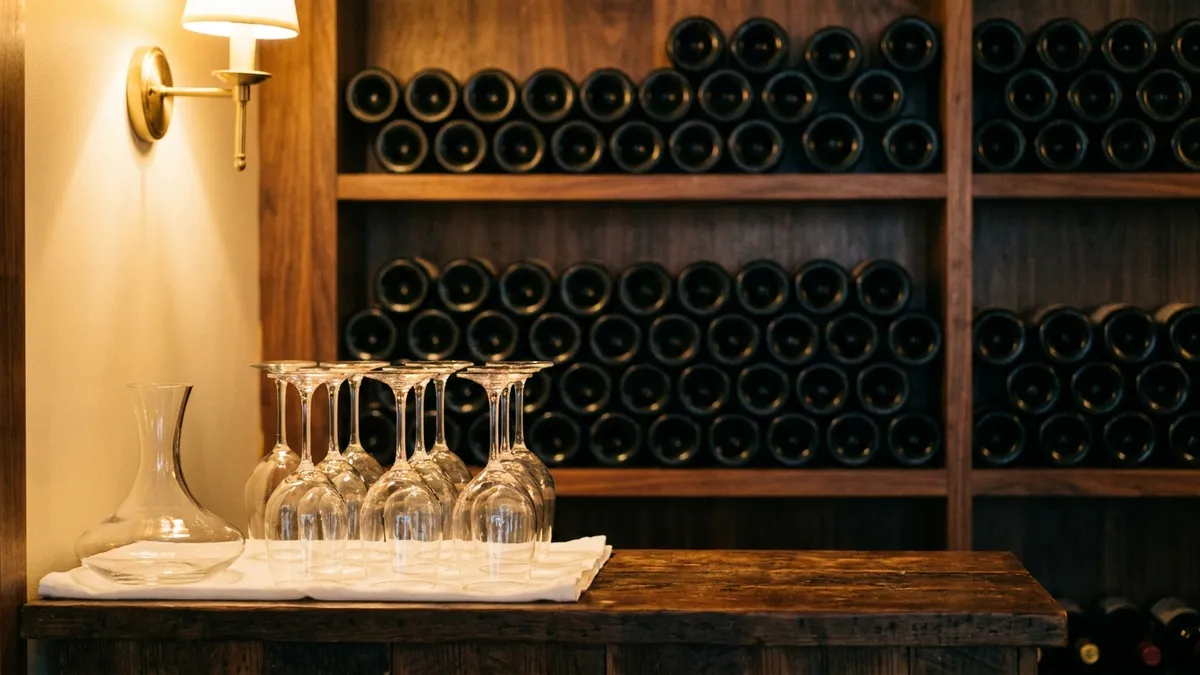
Each of those costs is real money a shop does not carry:
- Storage. Bottles bought ahead of service tie up cash and floor space, sometimes for years.
- Glassware. Stemmed glasses break in dishwashers and on busy trays and need regular replacing.
- Staff. Servers need training to describe, open and pour the wines on the list.
- Opened bottles. By-the-glass wine that does not sell within a few days is lost.
- Faulty bottles. A good restaurant replaces a wine sent back for cork taint; how to tell if wine is corked shows what a genuine fault smells like.
None of this makes every markup fair. It explains why a restaurant cannot charge shop prices and still keep a wine list.
What Is Corkage, and When Is It Worth Paying?
Corkage is the fee a restaurant charges to open and serve a bottle you brought yourself. It exists to replace the profit the restaurant would have earned by selling you a wine from its list. It is usually limited to bottles of wine, and the restaurant still supplies the glasses, the opening and the pouring.
Bringing your own, known as BYO or BYOB, is regulated by local liquor-control law and licensing as well as by each restaurant's own policy. Some places forbid it entirely. Others are built around it: Florida and Delaware, for example, offer a bottle club licence, which lets a business serve alcohol on the premises only when guests bring it from elsewhere. Restaurants in Melbourne were advertising themselves as BYO by the 1960s, and the style had spread to New Zealand by the late 1970s, so a BYO sign on the door is common in both countries.
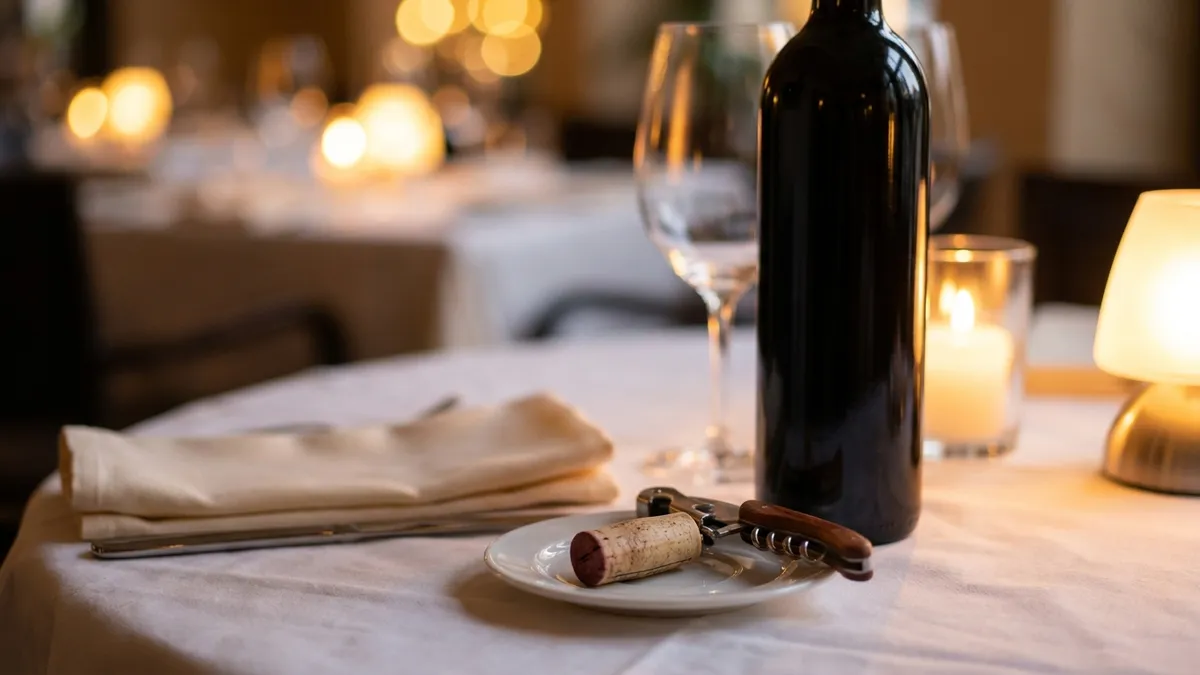
Corkage fees vary by restaurant and city, so call ahead for the figure. Then compare it with the list. If the fee is more than the extra you would pay to order a comparable bottle from the list, order from the list. Corkage makes the most sense for a bottle the restaurant does not sell: an older vintage, a gift or something from a trip. Bringing a wine that is already on the list takes a sale away and is widely seen as poor form.
Who Sets the Prices on a Wine List?
Usually the sommelier, the person in charge of assembling the wine list, training the staff about wine and helping guests choose. The sommelier works to the restaurant's target margins, so each price reflects the business model: what the bottle cost, how long it sat in storage and how fast it sells.
That matters at the table. The person who chose and priced the list knows which bottles carry a gentler markup and which ones drink above their price. Asking for "the best value on the list at around this price" is a normal request, and a good sommelier answers it directly. What is a sommelier covers the role, and how to order wine at a restaurant gives you the three-line script and the price-pointing trick for naming a budget without saying it out loud.
Where there is no sommelier, the owner or manager sets the prices, and the shop-price check in the next section works just as well.
How Do You Find Good Value on a Restaurant Wine List?
Price the list against the shop, do the glass-versus-bottle sum, and let the sommelier work inside a number you point at. Each step takes under a minute with a phone in hand. Together they turn a guess about the list into a comparison with prices you already know.
A short routine for any list:
- Check two bottles on your phone. Divide each list price by its shop price. Between 1.5 and 2 is normal, above 2 is steep, and under 1.5 is generous.
- Run the glass sum. Divide the bottle price by the glass price and compare it with the number of glasses your table will drink.
- Point, then ask. Tap a price on the list and ask for the best value near it.
- Ask about corkage before you pack a bottle. Check the fee against the list price of a similar wine.
- Read the label words. Grape, region and vintage on the list are the same words as on a shop label; how to read a wine label decodes them.
If the shop-price check turns up a steep list, the by-the-glass section is usually where the cheapest way to try something new sits. If the list is generous, it is a good night to trade up a step, because the restaurant's margin eats less of the difference.
Knowing what is in the glass makes the maths easier too, because a wine you can describe is a wine you can find again in a shop. For more buying basics, the beginners and buying hub collects guides such as the wine shop guide and the best wine for beginners.
Look up the shop price of one wine you like before your next dinner out. At the table, find that wine on the list and divide the two prices. The Sommy app can log your tasting notes once the wine arrives. Order the bottle if the answer is 2 or less, and taste it with the table.
Sources
- Wikipedia, Wine list (markup averages, by-the-glass pricing, corkage, sommelier role)
- VinePair, The Three-Tier System, Explained
- Wikipedia, Three-tier system (alcohol distribution)
- Wikipedia, Standard drink (US wine pour and servings per bottle)
- Wikipedia, Corkage (BYO history, liquor law and bottle club licences)
Frequently Asked Questions
How much do restaurants mark up wine?
The commonly cited industry average is 2.5 to 3 times the restaurant's wholesale cost for a bottle. Because a shop also marks up the same wholesale price, that lands a restaurant bottle at roughly 1.5 to 2 times the store price, and many lists go higher. Individual lists vary a lot: a deep cellar and a short list bought from one distributor price very differently.
Why is wine so expensive at restaurants?
The bottle has already passed through a winery and a distributor before the restaurant buys it, and each adds a margin. The restaurant then adds its own markup to pay for storage, glassware, trained staff, opened bottles that go unsold and faulty bottles it replaces. The menu price is the last of three markups, not the first.
Is it cheaper to order wine by the glass or by the bottle?
For a single glass, the glass is cheaper. For a table, the bottle usually wins, because restaurants typically price one glass to recover the cost of the whole bottle. Divide the bottle price by the glass price: if your table will drink more glasses than that number, order the bottle. With a standard 5-ounce pour, a bottle holds about five glasses.
What is a corkage fee?
Corkage is the fee a restaurant charges to open and serve a bottle of wine you brought yourself. It is meant to cover the profit the restaurant would have made by selling you a bottle from its own list. Whether you can bring wine at all is set by local liquor law and the restaurant's licence, so always call and ask first.
Is it rude to bring your own wine to a restaurant?
Not where the restaurant allows it and you pay the corkage fee. Call ahead to check the policy, since some places and some licences forbid it entirely. Bring a bottle that is not already on the list, ideally something special or older, because bringing a wine the restaurant sells takes a sale away for no reason.
Who decides wine prices at a restaurant?
Usually the sommelier, the person responsible for assembling the wine list, educating the staff about wine and helping guests choose. Where there is no sommelier, the owner or manager sets prices. Either way, the prices follow the restaurant's target margins, which is why the same wine can cost very different amounts in two places across the street.
Sommy Team
LinkedInFounder & Wine Educator
The Sommy Team is building the world's most approachable wine education app, helping beginners develop real tasting skills through structured courses and AI-guided practice.