Best Wine for Beginners: 10 Approachable Styles to Try

By the Sommy Team — AI-assisted, human-edited.
Updated Sep 10, 2026
Contents (19)
- Best Wine for Beginners, in 90 Seconds
- The 10 Beginner Wine Styles, Compared
- 1. Prosecco DOC: The Easiest Sparkling Entry Point
- 2. New Zealand Sauvignon Blanc: The Bright White Wake-Up
- 3. Argentine Malbec: The Plush Red Gateway
- 4. Beaujolais: The Light Red That Converts White-Wine Drinkers
- 5. Pinot Noir: The Versatile Pour for Any Meal
- 6. Spanish Albarino: The Coastal White Worth Knowing
- 7. Provence Rose: The Universal Social Wine
- 8. German Riesling Kabinett: The Zesty Slightly-Sweet Surprise
- 9. Chianti Classico: The Italian Food Wine
- 10. Australian Shiraz: The Full-Bodied Red That Earns Its Volume
- Same Wine, Two Notes: A Beginner's Pinot Noir vs a Trained Palate's
- How Do You Taste Wine as a Beginner?
- What Should a Beginner's Tasting Case Contain?
- Once You Have Tried These Ten: Where to Go Next
- How to Shop Without Memorizing Anything
- Common Beginner Mistakes to Avoid
- Final Thought
TL;DR
The best wine for beginners is a forgiving style, not a single bottle: low tannin, clear fruit, moderate alcohol. Ten styles fit that brief across sparkling, white, rose, and red: Prosecco, New Zealand Sauvignon Blanc, Argentine Malbec, Beaujolais, Pinot Noir, Albarino, Provence Rose, German Riesling Kabinett, Chianti Classico, and Australian Shiraz.
Best Wine for Beginners, in 90 Seconds
The best wine for beginners is a forgiving style: low to moderate tannin, generous fruit, and moderate alcohol. Ten styles fit: Prosecco DOC, Marlborough Sauvignon Blanc, Mendoza Malbec, Beaujolais, Pinot Noir, Spanish Albarino, Provence Rose, German Riesling Kabinett, Chianti Classico, and Australian Shiraz. Alcohol runs from about 8 percent in a Mosel Kabinett to 15 percent in a Barossa Shiraz, and only three of the ten carry noticeable tannin.
The 10 Beginner Wine Styles, Compared
Start with the row whose sensation you already enjoy. To turn these bottles into a three-month routine, follow the plan in how to get into wine.
| Style | Color | Body and tannin | Acidity | Alcohol (typical) |
|---|---|---|---|---|
| Prosecco DOC | Sparkling | Light, no tannin | High | 11% |
| New Zealand Sauvignon Blanc | White | Light, no tannin | High | 12.5 to 13.5% |
| Argentine Malbec | Red | Full, soft tannin | Medium | 13.5 to 14.5% |
| Beaujolais | Red | Light, low tannin | High | 12 to 13% |
| Pinot Noir | Red | Light to medium, low tannin | High | 13 to 14% |
| Spanish Albarino | White | Light to medium, no tannin | High | 12 to 13% |
| Provence Rose | Rose | Light, no tannin | High | 12.5 to 13.5% |
| German Riesling Kabinett | White, off-dry | Light, no tannin | Very high | 8 to 9.5% |
| Chianti Classico | Red | Medium, moderate tannin | High | 13 to 14% |
| Australian Shiraz | Red | Full, ripe round tannin | Medium | 14 to 15% |
Every style here costs twelve to twenty-five dollars, so choose by structure rather than price. Land, yield limits, oak, and markup push a bottle above that band (what makes wine expensive), and tannins, acidity, and body explains what each column feels like.
1. Prosecco DOC: The Easiest Sparkling Entry Point
Prosecco, the world's most-sold sparkling wine, is gently fizzy, with green apple, pear, and white peach over brisk acidity. Pour it as an aperitif or with salty starters such as prosciutto, olives, or fried calamari. It is also the base of an Aperol Spritz.
Look for Prosecco DOC for everyday quality and Prosecco Superiore DOCG (Conegliano Valdobbiadene or Asolo) for more character. Champagne vs Prosecco vs Cava compares the major sparklers.
2. New Zealand Sauvignon Blanc: The Bright White Wake-Up
Marlborough Sauvignon Blanc smells of grapefruit, passion fruit, and fresh-cut grass, with crackling acidity. That aroma and snap make it the usual first pick in wine for beer lovers who drink IPA. No oak hides the fruit, so the flavors are easy to name on the first sniff. Pour it with goat cheese, ceviche, or any dish with fresh herbs and citrus.
Look for Marlborough, Wairau Valley, or Awatere Valley; a screw cap is standard and a good sign. Chardonnay vs Sauvignon Blanc compares it with its rounder cousin.
3. Argentine Malbec: The Plush Red Gateway
Mendoza Malbec tastes of ripe plum and blackberry, with black pepper and cocoa. High-altitude vineyards give concentrated fruit and soft tannin (the drying grip on your gums). Pour it with grilled steak, lamb, or a sharp cheddar.
Look for Mendoza, Uco Valley, or Lujan de Cuyo. If you want a fresher, lighter Malbec, choose one from higher altitude. The Malbec wine guide covers the rest.
4. Beaujolais: The Light Red That Converts White-Wine Drinkers
If a guest says they "do not like red wine," pour Beaujolais. Made from Gamay in southeastern France, it is juicy and low in tannin, with red cherry, raspberry, and pepper. Serve it lightly chilled, and pour it with charcuterie, roast chicken, or salmon.
Look for Beaujolais Villages for everyday drinking and Cru Beaujolais (Morgon, Fleurie, Moulin-a-Vent) for more depth. Skip Beaujolais Nouveau if you want the serious style. For guests who dislike wine entirely, wine for non-wine drinkers starts from the sensation they dislike.
5. Pinot Noir: The Versatile Pour for Any Meal
Pinot Noir smells of red cherry, raspberry, and mushroom. California and Oregon versions taste fruitier; older European ones smell more of earth and damp leaves. It goes with roast chicken, duck, and mushroom dishes, and it is the rare red that works with fish such as grilled salmon.
Look for Willamette Valley (Oregon), Russian River Valley, or Sonoma Coast (California). The Pinot Noir guide has the full breakdown.
6. Spanish Albarino: The Coastal White Worth Knowing
Albarino from Rias Baixas in Galicia tastes like a weightier, saltier Sauvignon Blanc. It smells of lemon, white peach, and almond. Pour it with grilled shrimp, oysters, or paella.
Look for Rias Baixas DO on the label. The Albarino wine guide covers the grape in depth.
7. Provence Rose: The Universal Social Wine
Provence Rose is pale and bone-dry, and smells of strawberry, watermelon, and herbs. Pour it with grilled vegetables, salads, or herbed roast chicken. Look for Cotes de Provence or Coteaux d'Aix-en-Provence; Bandol Rose is a more serious style that ages.
Rose runs from bone-dry Provence to sweet white zinfandel. If you want a dry one, pick from southern France, northern Spain, or Italy, and favor a pale color: deep pink can mean sweeter.

8. German Riesling Kabinett: The Zesty Slightly-Sweet Surprise
Riesling Kabinett from the Mosel is off-dry on paper but tastes piercingly fresh: lime, green apple, slate, and sometimes a light petrol smell. High acidity balances the sugar, so most beginners do not register it as sweet. If a meal carries chili heat, such as Thai or Sichuan food, pour a Kabinett.
Look for Mosel or Rheingau with Kabinett on the label. The Riesling wine guide goes further.
9. Chianti Classico: The Italian Food Wine
Chianti Classico is made mainly from Sangiovese in the hills between Florence and Siena. It smells of sour cherry, dried herbs, and tomato leaf. If it tastes tight on its own, taste it again beside a tomato sauce: the food rounds it out. Pour it with pizza, lasagna, or aged Parmigiano.
Look for Chianti Classico DOCG and its black-rooster seal; the Riserva and Gran Selezione tiers are richer and age longer. The Cabernet Sauvignon vs Merlot guide explains how tannin shapes a red.
10. Australian Shiraz: The Full-Bodied Red That Earns Its Volume
Shiraz from Barossa Valley or McLaren Vale is the fullest, ripest red on this list. It smells of blackberry, blueberry jam, and black pepper. Pour it with barbecue, smoked brisket, or a winter stew. If the jammy style is too much, look for cooler-climate Heathcote or Yarra Valley, which show more pepper.
Same Wine, Two Notes: A Beginner's Pinot Noir vs a Trained Palate's
One glass of entry-level Oregon Pinot Noir, described by a first-time taster and by a taster trained by the Wine & Spirit Education Trust (WSET).
| Step | Beginner note | Trained note |
|---|---|---|
| Look | Red, but kind of see-through. | Pale ruby, clear, watery rim: a light-bodied, youthful red before the first sniff. |
| Smell | Cherries. Something earthy, like a forest. | Medium intensity: red cherry, raspberry, dried thyme, mushroom. Cool climate, little or no new oak. |
| Taste | Sour at first, then smooth. Not heavy. | Dry, high acidity, low tannin, light body, medium alcohol, medium finish of tart red fruit. |
| Verdict | I like this more than the last red I tried. | Balanced and correct for the style; drink now, with salmon or roast chicken rather than steak. |
The beginner's note holds every observation in the trained one; only the vocabulary is missing, and that takes weeks. How to describe wine turns "sour at first" into "high acidity" one term at a time.
How Do You Taste Wine as a Beginner?
In four moves: look, smell, sip, and decide whether you would pour a second glass. They are a short form of the WSET Systematic Approach to Tasting: appearance, nose, palate, conclusions. The Wine & Spirit Education Trust describes it as a method for building tasting skill progressively across its qualification levels.

- Look. Tilt the glass over a white napkin. A pale, see-through red is almost always light-bodied and low in tannin; one you cannot see through is usually fuller.
- Smell. Swirl once and name one thing, even if it is only "fruit" or "something green."
- Sip. Hold the wine for a few seconds. A watering mouth is reading acidity, a dry, gripped mouth is reading tannin, and warmth in the throat is alcohol.
- Conclude. Decide whether you would pour another glass, and with what food.
Keep pours small. The CDC defines one standard drink as 5 ounces of wine at 12 percent alcohol, so a two-ounce tasting pour is less than half of one. The six-step sommelier method adds swirl technique, and a home palate-training routine builds the habit.
What Should a Beginner's Tasting Case Contain?
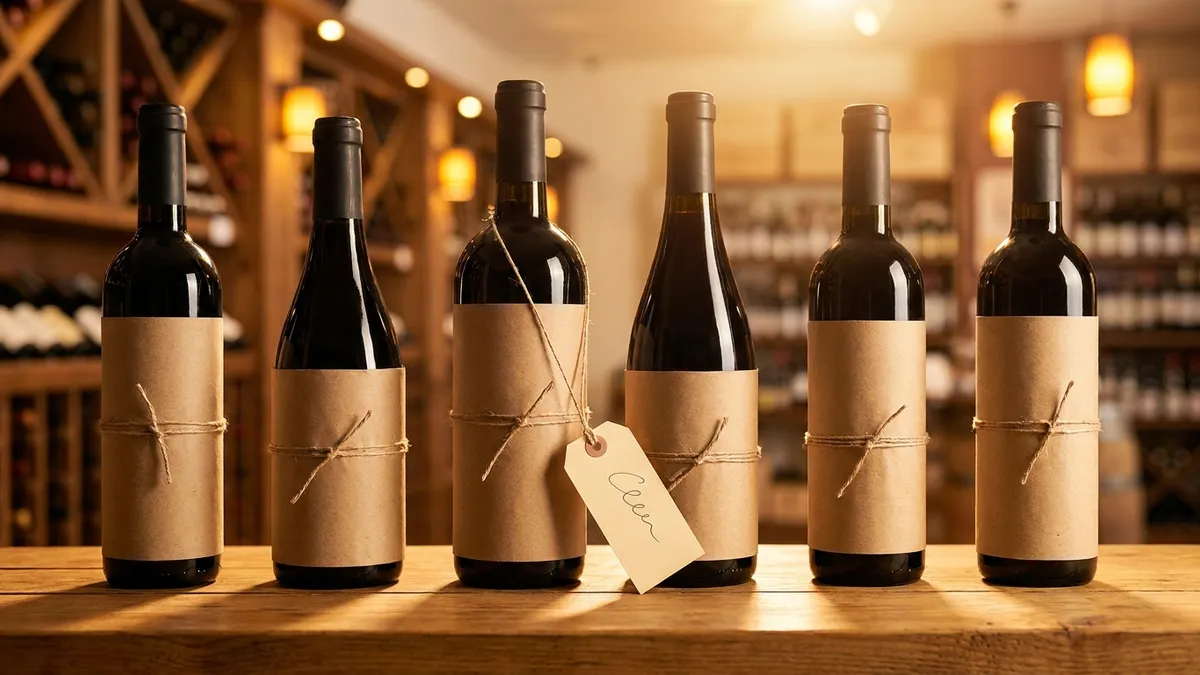
A beginner's tasting case should hold six bottles bought as contrasting pairs, because contrast teaches structure faster than any single bottle. It holds one sparkling wine, a bone-dry white beside an off-dry white, a light red beside a full red, and one food-driven red to finish.
| Slot | Style | What the contrast teaches |
|---|---|---|
| 1 | Prosecco DOC | Bubbles and acidity with zero tannin: the baseline for "fresh" |
| 2 | New Zealand Sauvignon Blanc | Bone-dry and loudly aromatic; calibrates "dry" and "high acidity" |
| 3 | German Riesling Kabinett | Off-dry beside slot 2; shows how sharp acidity hides sugar |
| 4 | Beaujolais | Light, low-tannin red served cool; red does not have to mean heavy |
| 5 | Australian Shiraz | Full body, ripe tannin, 14 to 15 percent alcohol: the opposite pole from slot 4 |
| 6 | Chianti Classico | Tannin and acidity built for food; taste it with and without tomato sauce |
Slots 2 and 3 do the most work. Under the OIV's International Code of Oenological Practices, a wine may be labelled dry only when it holds at most 4 grams per litre of residual sugar. The limit rises to 9 grams per litre when the wine's acidity is high enough to balance it. A Kabinett sits above that line and a Marlborough Sauvignon Blanc below it, so tasting them side by side shows what those numbers feel like.

What dry wine means covers the vocabulary, and the wine flight tasting guide covers pour sizes, order, and glassware. A subscription box can assemble the case for you; wine subscription boxes covers who should sign up and who should skip them.
Once You Have Tried These Ten: Where to Go Next
- Red Burgundy: Pinot Noir's home; the Burgundy wine guide explains its village system.
- Bordeaux blends: Cabernet Sauvignon, Merlot, and Cabernet Franc, the most-collected red style.
- Aged Barolo: Nebbiolo with fierce tannin in youth and layered aromas at twenty years old.
- Chablis: flinty, unoaked Chardonnay from northern France.
- Aged Riesling: German Spatlese and Auslese develop honey, beeswax, and dried apricot over decades.
How to Shop Without Memorizing Anything
Grape plus region names the style, and how to choose a wine shows which style the meal calls for. If you liked a bottle, give the staff its grape and region and ask for something close: a New Zealand Sauvignon Blanc leads to an Albarino, a Gruner Veltliner, or a coastal Chenin Blanc. Independent shops beat supermarkets because the staff have tasted the stock; the wine shop guide covers the rest.
Common Beginner Mistakes to Avoid
Six mistakes cost beginners the most.
- Buying by alcohol percentage alone. Alcohol is one of five interacting variables, with body, sweetness, acidity, and tannin.
- Spending too little. Below ten dollars, most wine comes from industrial production designed for consistency. The jump from eight to fifteen dollars is the biggest quality leap a beginner will taste.
- Spending too much too soon. To a new palate, a thirty-dollar wine is rarely twice as good as a fifteen-dollar one.
- Ignoring serving temperature. Warm white wine tastes flabby; hot red wine tastes alcoholic. Serve most reds at 60 to 65 degrees Fahrenheit and whites at 45 to 50. Fifteen minutes in or out of the fridge fixes it; the serving temperature chart covers every style.
- Tasting too many wines in one sitting. After a handful of glasses, the wines start to taste the same. Three well-chosen contrasts teach more than eight, and palate fatigue is easier to prevent than to reset.
- Trusting the back label. Back labels are marketing copy. Smell the wine instead.
Common wine tasting mistakes lists more habits that stall new tasters, and the learn hub puts every beginner topic in order.
Final Thought
Sommy's guided tastings run the four moves and the six-bottle case in five-minute sessions at sommy.wine. Pour a Sauvignon Blanc beside a Riesling Kabinett and taste where dry ends and off-dry begins.
Sources
- WSET Systematic Approach to Tasting (SAT) — Wine & Spirit Education Trust, Knowledge Centre
- International Code of Oenological Practices — Complementary definitions relating to sugar content — OIV (International Organisation of Vine and Wine)
- Standard Drink Sizes — U.S. Centers for Disease Control and Prevention
Frequently Asked Questions
What is the best wine for beginners to try first?
Start with Prosecco DOC or a New Zealand Sauvignon Blanc. Both have no tannin, friendly alcohol, and bright fruit, so they are easy to read while you are still learning to spot acidity, sweetness, and body. Once those feel familiar, move on to Pinot Noir, Malbec, and Chianti Classico.
Should I start with red or white wine?
Either works, but white and rose are easier early on because they have no tannin, the drying grip red wine leaves on the gums. Tannin can feel harsh before the mouth learns to read it. Start with sparkling and crisp whites to learn aroma and acidity, then add a light red like Beaujolais.
Which red wine is easiest to drink?
Beaujolais and Pinot Noir are the easiest reds for most beginners: light in body, low in tannin, bright with red-cherry fruit, and best served slightly chilled. If you already like full-bodied reds, Argentine Malbec is the friendliest full-bodied red because its tannin is soft and its plum fruit carries the alcohol.
What white wine is best for a beginner?
New Zealand Sauvignon Blanc is the easiest white to learn from because its flavors are loud and easy to name: grapefruit, passion fruit, lime, and fresh-cut grass with crackling acidity. Spanish Albarino is a slightly rounder alternative, and German Riesling Kabinett suits anyone who finds bone-dry whites too sharp.
How do wine subscription boxes work for beginners?
Most boxes start with a short taste quiz, then ship three to six bottles every month or two, chosen from your answers. You rate each bottle and the next shipment drifts toward what you liked. A box solves the choosing problem, not the learning problem, so pick a service that explains why each bottle was chosen.
Do you need to spend a lot on a first bottle?
No. Twelve to twenty-five dollars is the sweet spot for every style on this list. Below ten dollars the wine often comes from large industrial production and shows little character. Above thirty dollars the wine starts to demand context such as vintage, region, and producer style, which is harder to read without practice.
What if I don't like wine but want to learn to?
Most people who say they dislike wine dislike one sensation: usually tannin, high alcohol, or bone-dry sharpness. Off-dry Riesling Kabinett, Prosecco, and lightly chilled Beaujolais avoid all three. Name the sensation you dislike, choose styles without it, and widen from there one style at a time.
What temperature should red wine be served at?
Most red wines taste best slightly cooler than room temperature, around 60 to 65 degrees Fahrenheit. Give lighter reds like Beaujolais and Pinot Noir fifteen minutes in the fridge before serving. Warm red wine tastes flat and alcoholic, which makes it harder to enjoy and harder to learn from.
Sommy Team
LinkedInFounder & Wine Educator
The Sommy Team is building the world's most approachable wine education app, helping beginners develop real tasting skills through structured courses and AI-guided practice.