Good Wine Under $20: 12 Styles That Taste Expensive

By the Sommy Team — AI-assisted, human-edited.
Updated Apr 29, 2026
Contents (21)
- TLDR
- Good Wine Under $20, in 90 Seconds
- Why $20 Buys More Wine Than You Think
- 1. Argentine Malbec from Mendoza ($10–$15)
- 2. Spanish Cava from Penedès ($10–$15)
- 3. Portuguese Vinho Verde ($8–$12)
- 4. Côtes du Rhône from France ($10–$15)
- 5. Beaujolais Villages or Cru ($12–$18)
- 6. Spanish Garnacha from Calatayud or Campo de Borja ($10–$15)
- 7. South African Chenin Blanc from Swartland or Stellenbosch ($10–$18)
- 8. Italian Montepulciano d'Abruzzo ($10–$15)
- 9. Sicilian Nero d'Avola ($12–$18)
- 10. New Zealand Sauvignon Blanc from Marlborough ($12–$18)
- 11. Spanish Rioja Crianza ($12–$18)
- 12. German Riesling Kabinett from the Mosel ($14–$18)
- Where to Find These Wines
- How to Read the Value Clue on the Back Label
- What to Avoid Under $10
- The Price-Quality Truth
- Building a Value-First Cellar
- The Bottom Line
TL;DR
Good wine under $20 is mostly a question of where you look. Argentine Malbec, Spanish Cava, Portuguese Vinho Verde, Côtes du Rhône, Beaujolais, Garnacha, South African Chenin Blanc, Montepulciano d'Abruzzo, Nero d'Avola, Marlborough Sauvignon Blanc, Rioja Crianza, and Mosel Riesling Kabinett consistently outdrink wines twice their price.
TLDR
Good wine under $20 is one of the best-kept secrets in modern drinking. The right regions and styles consistently produce bottles that taste like $40 wine — sometimes more — because their land is affordable, traditions are mature, and producers compete on quality rather than marketing.
Good Wine Under $20, in 90 Seconds
Good wine under $20 is not a compromise — it is a strategy. The price-quality curve in wine flattens hard above $50, which means under $20 is where the variance lives, and that variance favors anyone who knows where to look. The twelve consistent winners: Argentine Malbec, Spanish Cava, Portuguese Vinho Verde, Côtes du Rhône, Beaujolais, Spanish Garnacha, South African Chenin Blanc, Montepulciano d'Abruzzo, Nero d'Avola, New Zealand Sauvignon Blanc, Rioja Crianza, and Mosel Riesling Kabinett. Each comes from a region where land, tradition, and producer competition deliver wine that tastes expensive without acting like it.
Why $20 Buys More Wine Than You Think
Most beginners assume price tracks quality the way it does for cars or watches. It does not (our wine price vs quality explainer walks through the studies). Blind tastings show that beyond about $50, the correlation between price and rated quality becomes statistically noisy — and below $20, the variance is so wide that careful picks routinely outperform random bottles costing twice as much.
A $40 bottle pays for marketing, prestige packaging, and famous-region land prices. A well-chosen $15 bottle pays mostly for grapes and labor in regions where land is still affordable. In many of those regions a wine cooperative spreads one cellar and one bottling line across hundreds of small growers, which keeps the price down further. The format can push the value further still: a bag-in-box strips out the cost of glass, corks, and heavy shipping, so at the everyday tier a well-made boxed wine delivers real value per glass when you pick a fresh, fruit-forward style. The twelve styles below come from places where competition keeps quality honest and the price tag has not yet caught up to the reputation. To learn how to evaluate any wine on the shelf, our guide to how to taste wine like a sommelier walks through the same framework retailers use.
1. Argentine Malbec from Mendoza ($10–$15)
The first stop on any good-wine-under-$20 list. Mendoza Malbec has plush, plummy fruit, soft tannins, and a velvety mouthfeel that reads as luxurious in the glass. Tannins — the drying, gripping sensation in red wines — are softer here than in almost any other full-bodied red, which makes the wine immediately approachable.
You will find dark plum, blackberry, a hint of violets, and a cocoa-mocha undertone in the better examples from the Uco Valley. High-altitude vineyards along the Andes give Mendoza Malbec its signature freshness — a savory edge that keeps the fruit from turning syrupy.
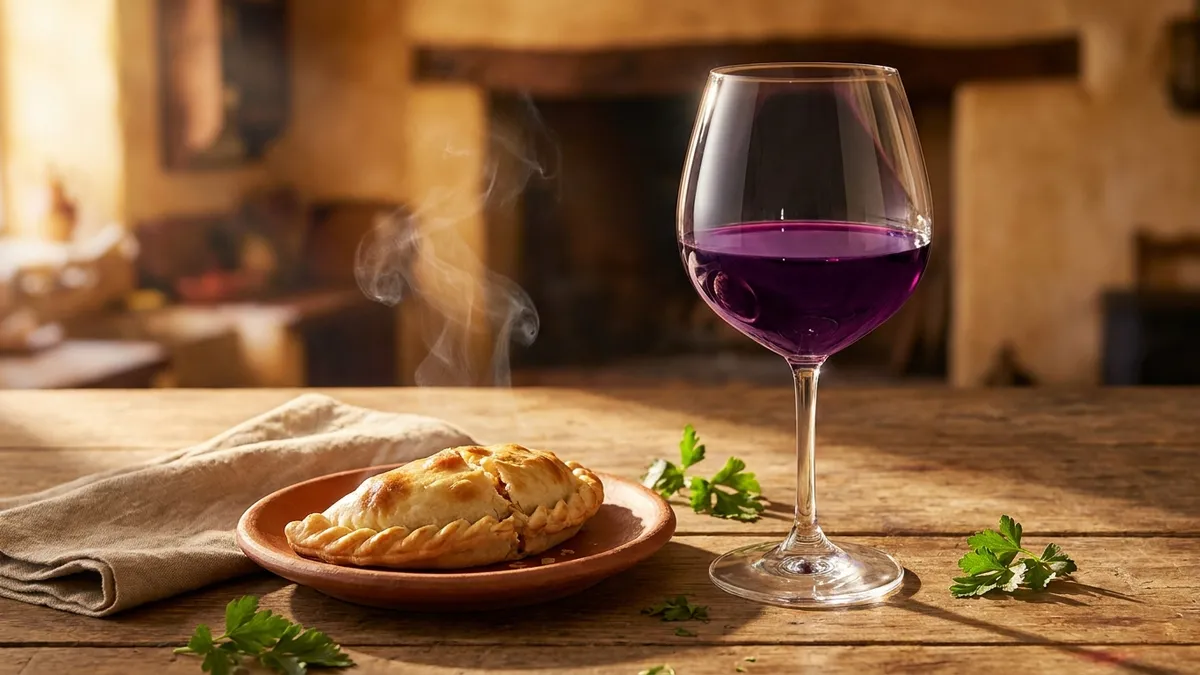
Pair with grilled steak, lamb, hard cheeses, or anything cooked over charcoal. The Sommy app's Argentine Malbec lesson walks through a guided side-by-side tasting that trains your palate to spot the high-altitude signature, and our Malbec wine guide covers the grape in detail.
2. Spanish Cava from Penedès ($10–$15)
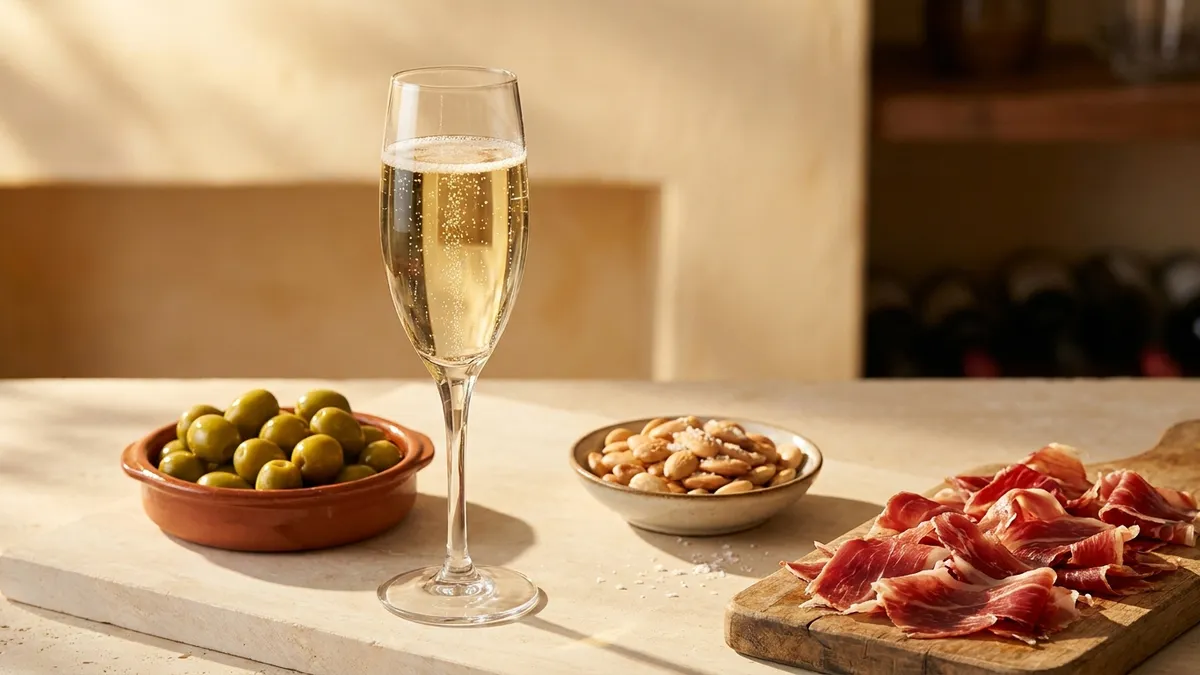
Cava is made in the same painstaking method as Champagne — the traditional method, where the second fermentation that creates bubbles happens inside the bottle — but typically sells for a third of the price.
Why so cheap? Land prices in Penedès are a fraction of those in Champagne, and the indigenous Spanish grapes (Macabeo, Xarel-lo, Parellada) are productive and well-adapted. The result is sparkling wine with biscuit and toasted-almond notes from extended lees aging — the time spent on spent yeast cells — at a price that lets you drink it on a Tuesday.
For the full breakdown of how Cava stacks up against Champagne and Prosecco, see our Champagne vs. Prosecco vs. Cava guide. Pair with salty tapas, fried foods, popcorn, or anything that calls for bubbles without ceremony.
3. Portuguese Vinho Verde ($8–$12)
Few wines deliver more pure refreshment per dollar than Vinho Verde. The name means "green wine" — a reference to the wine's youth, not its color. It is light, bone-dry, slightly spritzy, low in alcohol (often 9–11 percent), and tastes like a citrus salad with a sea breeze running through it.
Most Vinho Verde is a blend of native grapes — Loureiro, Arinto, Trajadura, Avesso — and producers ferment quickly to lock in freshness. The slight prickle of CO2 you sometimes feel is intentional. It keeps the wine lively even in summer heat.
It is the perfect porch wine, picnic wine, and seafood wine. Pair with grilled sardines, oysters, ceviche, salads, or anything you would bring outside on a hot day. Portugal is also worth exploring on the red side — Touriga Nacional and Douro field blends deliver remarkable value, often well under $20.
4. Côtes du Rhône from France ($10–$15)
A blend of Grenache, Syrah, and Mourvèdre — usually called GSM — Côtes du Rhône offers everything the famous Châteauneuf-du-Pape does, in miniature. Garrigue herbs, black pepper, raspberry, plum, and a savory edge.
The appellation covers a vast area in southern France, which keeps prices grounded. Step up to Côtes du Rhône Villages for $14–$18 and the concentration jumps noticeably — still well under $20, but with more depth, more grip, and longer finish.
Pair with roasted vegetables, lamb stew, herb-crusted pork, or any rustic Mediterranean dish. The peppery bite handles bold flavors that would crush a softer wine.
5. Beaujolais Villages or Cru ($12–$18)
Skip the Beaujolais Nouveau (a marketing exercise) and go straight to Beaujolais Villages or one of the ten named Crus — Morgon, Fleurie, Brouilly, and others. The grape is Gamay, and the wines are juicy, light-bodied, low in tannin, and lifted by mouth-watering acidity.
Slightly chilled, a good Beaujolais Cru drinks like a serious red wine with the refreshment of a rosé. The fruit is red — cherry, raspberry, cranberry — and the structure is light enough to pair with food that would normally call for a white.
Pair with roast chicken, charcuterie, mushroom dishes, salmon, or Thanksgiving turkey. Our guide to the Pinot Noir style walks through the broader category of light, food-friendly reds for readers who fall in love with Beaujolais and want to keep exploring.
6. Spanish Garnacha from Calatayud or Campo de Borja ($10–$15)
Spain's old-vine Garnacha (the same grape as French Grenache) is one of the great unsung values in red wine. The vines in Calatayud and Campo de Borja are often 50 to 100 years old, producing concentrated grapes with very little intervention required.
Expect plummy, smooth, full-bodied reds with notes of black raspberry, leather, dried herbs, and a warm baking-spice character. The tannins are present but soft, the alcohol can run a bit warm (14–14.5 percent), and the price-to-pleasure ratio is genuinely absurd.
Pair with grilled meats, paella, tagines, hard cheeses, or anything stewed long and slow.
7. South African Chenin Blanc from Swartland or Stellenbosch ($10–$18)
Chenin Blanc is the workhorse white grape of South Africa, where it covers more ground than any other variety. The best examples come from old, dry-farmed bush vines in the Swartland or hillside sites in Stellenbosch.
Expect honeyed apple, ripe pear, pineapple, beeswax, and a chalky minerality on the finish. The acidity is racy enough to cut through rich food, but the fruit is generous enough to drink on its own. Some examples see a touch of oak, which adds creamy texture without obscuring the fruit.
Pair with roast pork, creamy curries, soft cheeses, or grilled white fish. The grape's versatility makes it a secret weapon for awkward-to-pair foods like sushi, dim sum, and Thai cuisine.
8. Italian Montepulciano d'Abruzzo ($10–$15)
Not to be confused with the Tuscan town of Montepulciano (which actually makes Vino Nobile from Sangiovese), Montepulciano d'Abruzzo is a grape from Italy's Adriatic coast. The wines are deeply colored, juicy, and built around dark cherry and plum fruit with soft, dusty tannins.
The body is medium-full, the acidity is moderate, and the finish often shows a savory note of dried herbs and tomato leaf. It is one of the most reliable everyday red wines on the planet — and one of the cheapest.
Pair with pizza, pasta with red sauce, sausages, eggplant Parmesan, or any tomato-forward Italian dish. It is the bottle to keep on hand when friends come over for an unplanned weeknight dinner.
9. Sicilian Nero d'Avola ($12–$18)
Nero d'Avola — meaning "the black grape of Avola" — is Sicily's most-planted red and one of the great hot-climate values. The wines are bold, plummy, and warming, with notes of black cherry, fig, leather, and a touch of dried herbs.
What sets Nero d'Avola apart in this price range is its structure — a balance of acidity, tannin, and body that keeps a 14-percent-alcohol wine from tasting heavy. Better examples have real lift on the finish, and the savory edge keeps the fruit from going jammy.
Pair with grilled lamb, eggplant Parmesan, sausages with peppers, or aged sheep's milk cheese. For a parallel comparison with the heavier-tannin reds, our Cabernet Sauvignon vs. Merlot guide frames the choice between bold and approachable in detail.
10. New Zealand Sauvignon Blanc from Marlborough ($12–$18)
The Marlborough style — passion fruit, gooseberry, fresh-cut grass, and zingy lime — is so distinctive that wine students learn to identify it blind on the first day. The acidity is electric, the fruit is exuberant, and the finish snaps clean.
Marlborough produces enormous volumes of Sauvignon Blanc, which keeps prices honest, and the climate is so well-suited to the grape that even entry-level bottles deliver the signature flavor. Step up a few dollars and you get more concentration, longer finish, and occasionally a touch of oak or lees aging for texture.
Pair with goat cheese, oysters, ceviche, salads, asparagus, or any green-vegetable dish that defeats most other wines. Our Chardonnay vs. Sauvignon Blanc comparison lays out where Sauvignon Blanc shines and where another white wine might be the better call.
11. Spanish Rioja Crianza ($12–$18)
Rioja Crianza is Spain's classic affordable red, made primarily from Tempranillo. The Crianza designation requires at least one year in oak and one year in bottle before release — meaning the wine arrives at the shop already aged and ready to drink.
The flavor is unmistakable: ripe cherry and dried strawberry up front, vanilla and coconut from American oak, and a savory leather-tobacco edge from time in barrel. The structure is medium-bodied with moderate tannins and bright acidity.
Pair with roast lamb, grilled mushrooms, hard cheeses, or paella. For more on Tempranillo beyond Rioja, our Tempranillo wine guide covers the full geography. The closely related Bordeaux blend grapes and Rhône-style values are useful adjacent rabbit holes.
12. German Riesling Kabinett from the Mosel ($14–$18)
The most underpriced white wine in the world right now. Mosel Riesling Kabinett delivers aromatic precision and razor-sharp acidity that costs three times as much in almost any other style.
Kabinett is the lightest ripeness level in German wine — typically 8–10 percent alcohol, with a touch of natural sweetness balanced against bracing acidity. The flavor is electric: green apple, lime zest, white peach, slate minerality, and a flinty, almost smoky undertone.
Pair with Thai food, sushi, roast chicken with herbs, or anything sweet-and-spicy. Our Riesling wine guide and the parallel Albariño wine guide are essential follow-up reading for the aromatic-white rabbit hole.

Where to Find These Wines
Independent wine shops will always beat supermarkets at this price point. The selection is curated by people who taste constantly, and staff can point you toward genuine bargains based on what just arrived.
A useful approach: walk in, name your budget, and ask "what's a $15 wine that overdelivers right now?" Good staff will have an answer ready, and over a few visits you will trust the people behind the counter more than any rating site. Supermarkets are a different game — the big chains carry mostly mass-market labels with thin quality margins, with regional grocery stores in wine-friendly cities being the rare exception.
How to Read the Value Clue on the Back Label
At the under-$20 price level, the importer matters more than the producer. A good importer functions as a curator — they vet entire portfolios for quality and put their reputation on the back label. Read the small print on the back of any bottle: the importer name and city will be there. Over time, you will start recognizing which importers consistently deliver.
The other clue is region. Mendoza, Penedès, Vinho Verde, Côtes du Rhône, Beaujolais, Mosel, Calatayud, Marlborough, and Stellenbosch have all built reputations on consistent quality at affordable prices, even when the producer name is unfamiliar.
What to Avoid Under $10
Below $10, the cost of glass, shipping, distribution, and retail markup eats most of the budget, leaving little for grape quality. Specifically avoid:
- Cartoon-label brands and "critter wines"
- Mass-market moscato loaded with residual sugar to mask thin fruit
- Wines sold in plastic bottles or boxed wines from unfamiliar producers
- Generic "red blend" or "white blend" labels with no region listed
The exceptions are genuine regional values where the cost structure works at low prices: entry-level Vinho Verde, basic Cava, simple Côtes du Rhône, and everyday Italian reds.
The Price-Quality Truth
Blind tastings tell a consistent story. Under $50, the variance in quality is enormous and the correlation with price is weak. Above $50, the correlation tightens, but most of what you are paying for is land prestige and marketing rather than better juice.
The practical takeaway: $15 weekly bottles plus one $50 splurge a month delivers more pleasure, more learning, and more variety than a $100 bottle once a quarter. Wine is consumed, not collected — and consumption builds the palate. The Sommy app ships with a structured palate scorecard that logs your impressions of every wine you taste, so you can see patterns across price tiers and regions. Logging a $14 Rioja Crianza next to a $40 Bordeaux is one of the fastest ways to convince yourself that price is not the variable that matters most.
Building a Value-First Cellar
Stock your wine fridge with these twelve styles and you cover almost every drinking occasion: weeknight pasta, Saturday dinner party, Tuesday solo glass, Sunday roast. You do not need expensive wine to train a palate — a $15 wine teaches the same structural lessons as a $100 wine. To decide how much to spend on each kind of night, our wine budget guide sets out a simple three-tier plan.
For readers who want to go deeper, our beginner buying guide pillar collects every article about choosing, shopping for, and starting out with wine in one place.
The Bottom Line
Good wine under $20 is the rule, not the exception, if you know where to look. Twelve styles consistently outdrink their price tags and reward anyone willing to skip the famous names. Buy widely, taste deliberately, and keep a notebook.
Frequently Asked Questions
Can you really get good wine under $20?
Yes, and often the value is better than at higher price points. Blind tastings show that price-quality correlation flattens hard above $50, and under $20 has enormous variance — meaning smart picks routinely outperform random $40 bottles. The trick is choosing regions and styles where land is affordable and tradition keeps quality high.
What is the best red wine under $20 for beginners?
Argentine Malbec from Mendoza is the most beginner-friendly bet. It is plush, fruit-forward, low in green-tannin grip, and consistently good in the $10 to $15 range. Côtes du Rhône and Spanish Garnacha are close runners-up, both offering generous fruit with a savory edge.
What is the best white wine under $20?
Mosel Riesling Kabinett is the most underpriced white wine in the world right now. For around $14 to $18 you get electric acidity, low alcohol, and aromatic precision that costs three times as much in any other style. South African Chenin Blanc and New Zealand Sauvignon Blanc are close behind.
Are wines under $10 ever worth buying?
Occasionally — but the hit rate is low. Under $10 the cost of bottling, shipping, and distribution eats most of the budget, leaving little for grape quality. Vinho Verde and some entry-level Cava can succeed at this price. Most other wines under $10 are mass-produced commodity products and taste like it.
How do I know if a $15 wine will be good?
Read the back label. The importer name matters more than the producer at this price level — a few well-known importers vet entire portfolios for quality. The region also matters: Mendoza, Penedès, Vinho Verde, Côtes du Rhône, Beaujolais, Mosel, and Marlborough have built their reputations on under-$20 value.
Is more expensive wine actually better?
Not reliably. Studies show that price-quality correlation in wine is real but weak below $50, and most of the price above that point pays for marketing, packaging, and prestige rather than better juice. A $15 wine from a top region often outdrinks a $40 wine from a famous-but-coasting estate.
Should I buy wine at a supermarket or specialty shop?
Independent wine shops almost always beat supermarkets at the under-$20 price point. The selection is curated by people who taste constantly, and staff can point you toward the genuine bargains. Supermarkets carry mostly mass-market labels with thin margins for quality.
What wines should I avoid under $10?
Most US-grocery jug wines, big-brand moscato, generic blends with cartoon labels, and anything sold in plastic bottles. These wines are made for shelf stability and price points, not flavor. The exception is genuine regional value — entry-level Vinho Verde or Cava can be excellent under $10.
Sommy Team
LinkedInFounder & Wine Educator
The Sommy Team is building the world's most approachable wine education app, helping beginners develop real tasting skills through structured courses and AI-guided practice.