Wine List Types Explained: By the Glass, Flight or Bottle

By the Sommy Team — AI-assisted, human-edited.
Updated Sep 25, 2026
Contents (10)
- Wine List Types Explained, in One Paragraph
- What Serving Formats Does a Wine List Offer?
- How Big Is a Glass of Wine at a Restaurant?
- What Is a Wine Flight, and When Should You Order One?
- When Is a Half Bottle or Full Bottle the Better Order?
- How Do Restaurants Pour Expensive Wine by the Glass?
- What Is Corkage, and How Does Bringing Your Own Work?
- What Is a Reserve List?
- Why Does the Same Wine Cost More at One Restaurant Than Another?
- How Should You Order From the List Tonight?
TL;DR
A wine list sells the same wine in several sizes. A US restaurant glass is usually 150 ml, one fifth of a bottle. Flights are small tasting pours side by side. A glass is often priced to cover the bottle's cost, so a bottle wins once a table drinks about three glasses.
A wine list is a menu of serving sizes as much as a menu of wines. The same grape can reach the table as a tasting pour, a glass, a flight, a half bottle or a full bottle. With wine list types explained size by size, the pattern is simple: the format you order changes the price of each sip more than the grape does. That makes the format the first choice, and the wine the second.
Wine List Types Explained, in One Paragraph
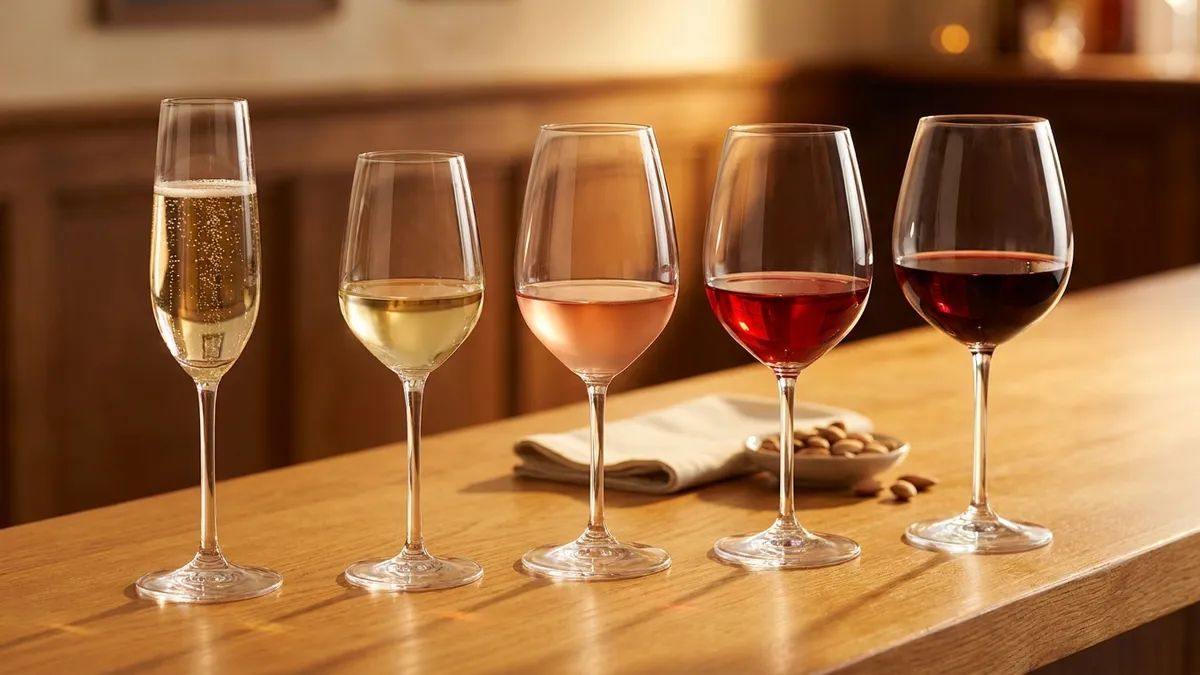
Most restaurant wine lists offer the same wines in five formats. A tasting pour is about 75 ml, half a glass. A standard US glass is 150 ml (5 fl oz), one fifth of a 750 ml bottle. A flight is three or so tasting pours served side by side. A half bottle is 375 ml, about two and a half glasses, and a full bottle is 750 ml, about five. A glass is often priced to recover the full bottle's cost, so the bottle becomes the cheaper order at roughly three glasses. Some venues also allow bring-your-own for a corkage fee.
What Serving Formats Does a Wine List Offer?
Most lists offer five ways to buy the same wine: a tasting pour, a glass, a flight, a half bottle and a full bottle. Some add a large bottle for groups and allow bring-your-own for a fee. The order of the list (by grape, region or style) is a separate question from these formats.
A list sorted by region helps once you know the places. A list sorted by style ("crisp whites", "full reds") helps from the first visit. Either way, the formats sit on top of that order, usually as two or three price columns next to each wine.
| Format | Typical size | About how many glasses | Best for | Order it when |
|---|---|---|---|---|
| Tasting pour | About 75 ml | Half a glass | Checking a wine before you commit | You are torn between two by-the-glass wines |
| Glass | 150 ml in the US; 125 or 250 ml in the UK | One | One diner, or a table eating very different dishes | You will drink one or two glasses of this wine |
| Flight | Three or so tasting pours | About one and a half | Comparing grapes or places side by side | You want to learn, and cannot choose one wine |
| Half bottle | 375 ml | Two and a half | Two people, one course | Two of you want a little more than one glass each |
| Bottle | 750 ml | Five | Two to four people drinking one style | The table will drink three or more glasses of it |
| Magnum | 1.5 litres | Ten | A group of six or more | Everyone agrees on one wine for a long dinner |
If a wine is new to you, order the smallest format that lets you taste it, then trade up. A tasting pour or a flight costs little and shows whether a full glass is worth it.
How Big Is a Glass of Wine at a Restaurant?
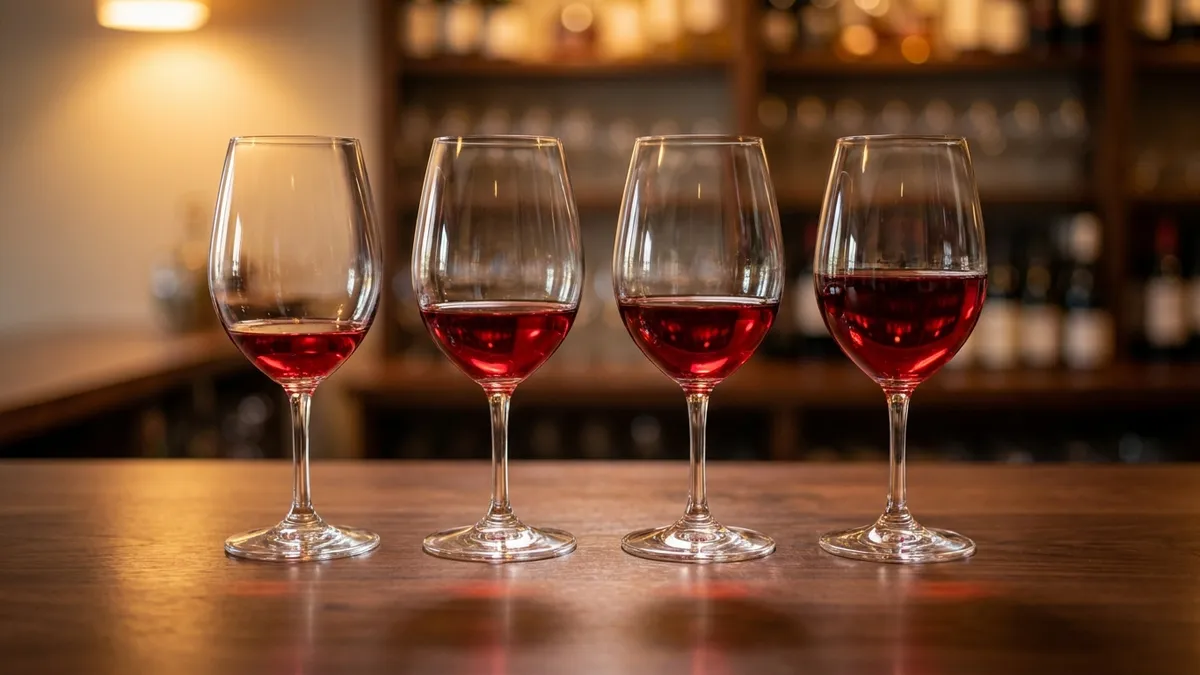
In the US a restaurant glass is usually 150 ml (5 fl oz), one fifth of a standard 750 ml bottle. No federal law fixes that size, so it is a trade habit rather than a rule, and a generous bar may pour more. That 150 ml figure also matches the US standard drink size for wine.
The UK works differently. The traditional glass there is 125 ml, and many pubs have moved toward a 250 ml glass, a third of a bottle. A code of practice added to the Licensing Act in 2010 requires venues in England and Wales to tell customers that smaller measures are available. In many EU countries, serving glasses must carry a fill line, so the pour you pay for is marked on the glass.
A bigger glass is not a better deal if the second half sits warming and losing its fruit while you finish dinner. A white poured at fridge temperature has warmed well past its best by the bottom of a 250 ml glass.
If the list shows two glass sizes and you plan a second wine later, pick the smaller one. You taste two wines instead of one, and each glass is gone before it warms.
The how many glasses in a bottle guide runs the same arithmetic for pouring at home.
What Is a Wine Flight, and When Should You Order One?
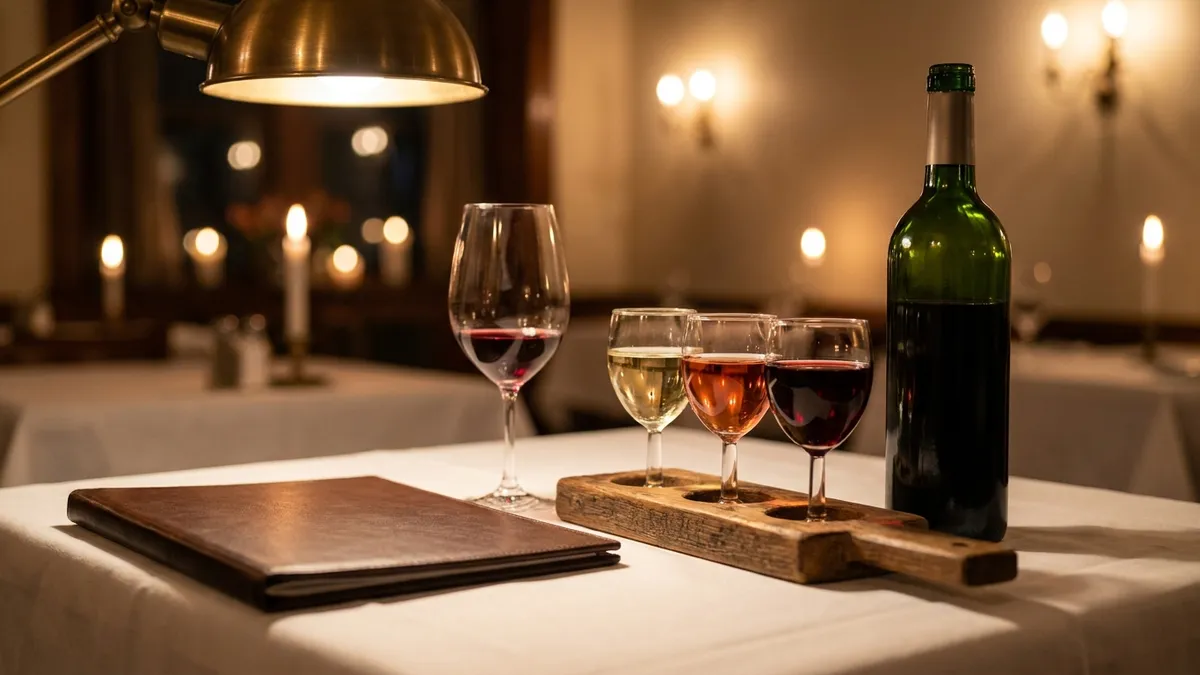
A flight is a set of small tasting pours, usually three, served side by side so you can compare them in one sitting. Each pour is about half a standard glass, so a three-wine flight adds up to roughly one and a half glasses. It costs more than one glass and less than three.
Flights are built around a theme. One grape from three countries, three sparkling wines, or one region's white, rosé and red are common. The theme holds most things constant, so the difference you taste comes from the one thing that changed.
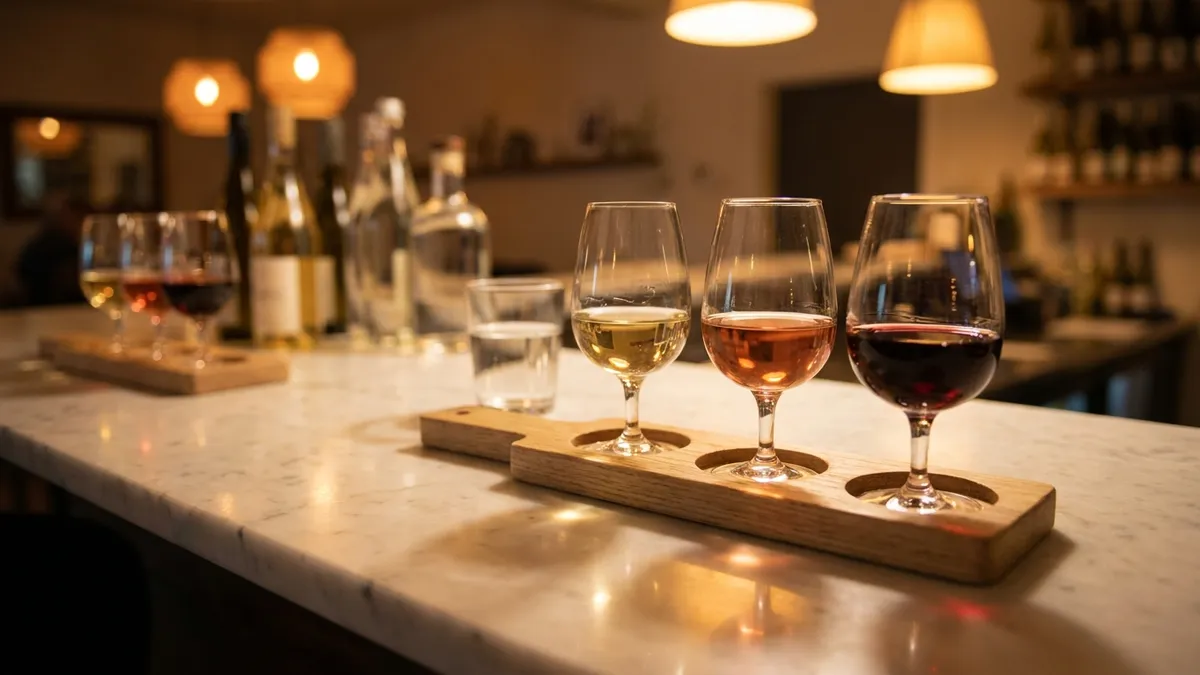
If you cannot choose between two grapes, order the flight that includes both. A flight is also the cheapest way to meet a grape for the first time. Skip it with a large main course, because three small pours run out before the plate does.
Pours sit on the tray in tasting order, usually lightest to fullest. The wine flight tasting guide covers the themes that teach the most, and wine bar etiquette covers asking for a small taste before ordering.
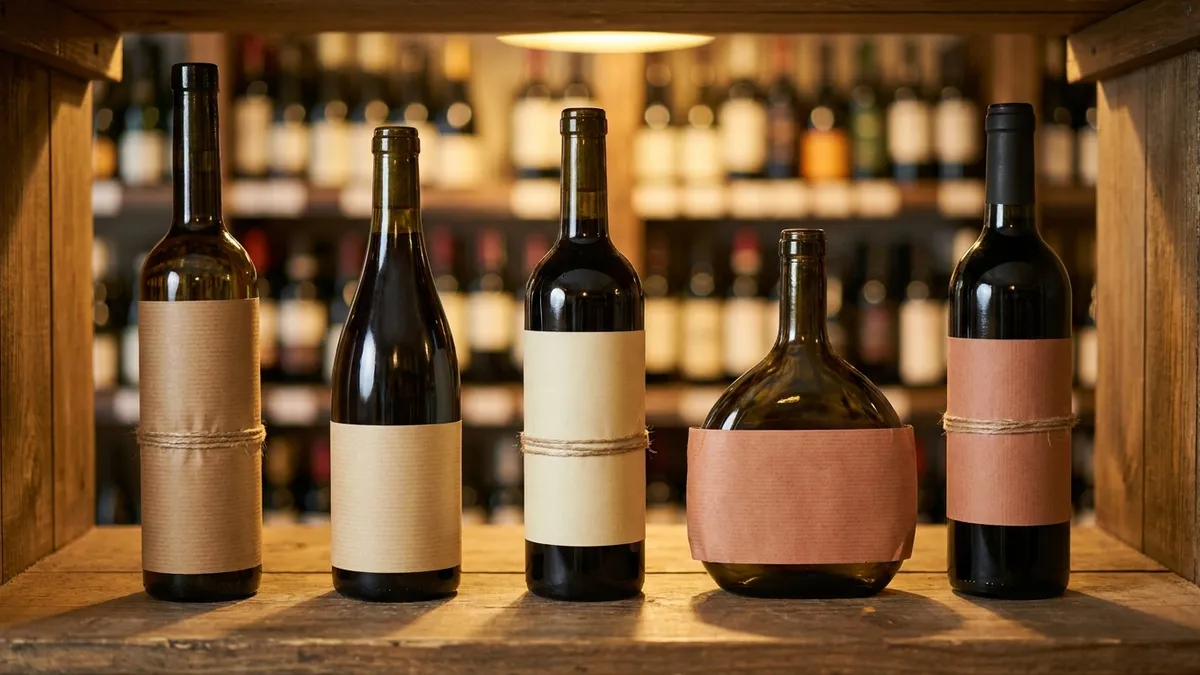
When Is a Half Bottle or Full Bottle the Better Order?
A full bottle becomes the cheaper order once the table will drink about three glasses of the same wine. Restaurants often set the price of one glass to recover what they paid for the full bottle. Every glass after that first one is margin.
The simple test is to divide the bottle price by the glass price. If the answer is 3 and the table will drink four glasses, the bottle wins. The restaurant wine markup guide walks through that sum with real prices and explains what the markup pays for.
A half bottle holds 375 ml, exactly half a standard bottle. Both 375 ml and 750 ml are legal standard sizes under US federal rules, along with 1.5 litres, the magnum. At a 150 ml pour, a half bottle gives two and a half glasses, a bottle five and a magnum ten.
Which Format Fits the Table?
- One diner, one glass: order by the glass.
- Two diners, one course each: a half bottle, if the list has one in a style you both like.
- Two to four diners, one style: a full bottle.
- Six or more on a long dinner: a magnum, or two bottles of different styles.
If two people want different wines, a glass each still beats a bottle neither of you loves. Half bottles are rarer on lists than full bottles, so scan for a separate section near the end of the list before you decide.
A bottle you do not finish is not always lost. In many places a restaurant may reseal it for you to take home. Ask first, since the rules on carrying an opened bottle vary by local law.
How Do Restaurants Pour Expensive Wine by the Glass?
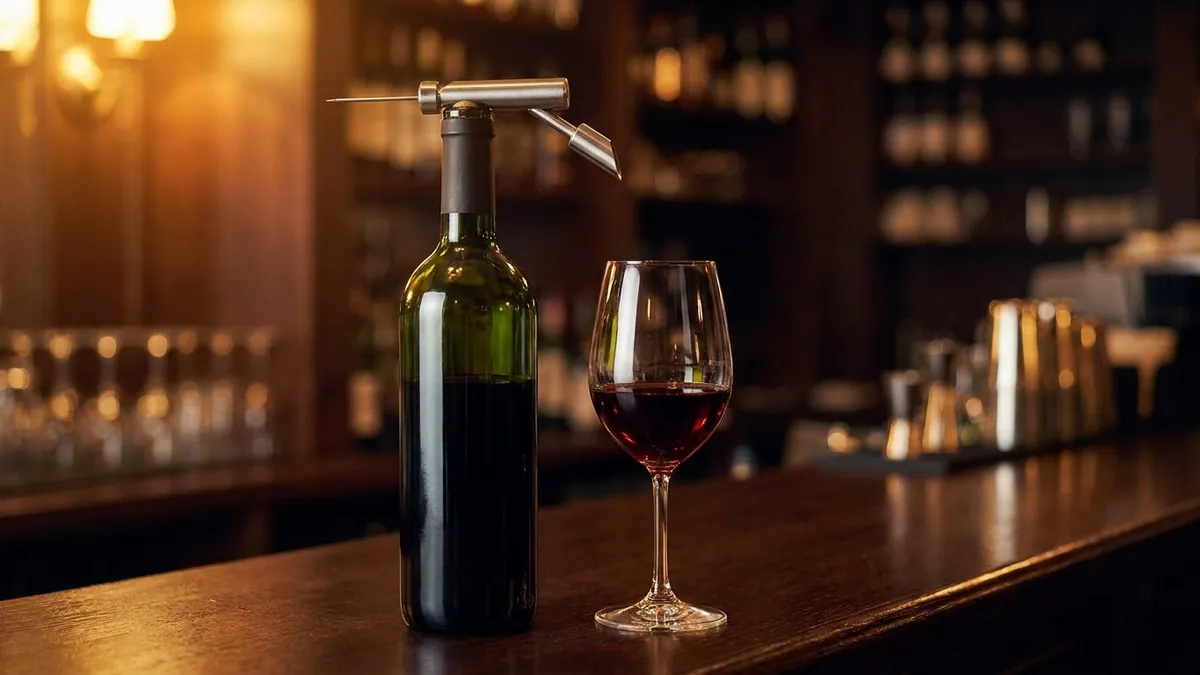
With a needle-and-argon device that pours through the cork, so the rest of the bottle stays sealed. The best known is the Coravin, invented by Greg Lambrecht, who founded the company in 2011. A hollow needle goes through the cork and fills the bottle with argon gas. The pressure pushes the wine out through the needle.
When the needle comes out, the cork reseals itself. No air has entered, so the remaining wine is protected from oxidation (the browning, flattening effect of air on wine). That is what lets a restaurant sell one glass of an old or costly bottle and keep the rest sealed.
Ordinary by-the-glass wines do not get this treatment. They are opened with a corkscrew, and each bottle has to sell within a few days before air flattens it. The how long wine lasts after opening guide gives the timelines by style, and wine preservation tools compares the home versions of these systems.
If a by-the-glass white smells of bruised apple or a red tastes flat and brownish, ask when the bottle was opened. A tired pour is a fair reason to ask for a fresh one, and when to send wine back explains how to do it politely.
What Is Corkage, and How Does Bringing Your Own Work?
Corkage is the fee a restaurant charges to open and serve a bottle you brought yourself. Local liquor licensing law decides whether bring-your-own is allowed at all, and then the house sets its own policy. Some places ban it, some charge a fee per bottle, and some waive it on certain nights.
The fee varies widely by city and by restaurant, so there is no fair national number to quote. The practical question is whether the fee plus your bottle beats the list price of a similar wine.
If you plan to bring a bottle, phone ahead and ask for the fee and any limit on bottles. Bring something the restaurant does not sell, such as an older vintage from your own storage. Bringing a wine that sits on their list at a markup is the one move that reliably annoys staff.
What Is a Reserve List?
A reserve list is a separate, shorter list of rarer, older or more expensive bottles, usually kept apart from the main list and priced higher. It is often not handed out with the menu. You ask the server or the sommelier (the trained wine professional who builds the list and runs wine service) whether one exists.
Reserve lists matter to beginners for one reason: the needle-and-argon system. A restaurant that owns one can pour a few reserve wines by the glass, which makes an older wine affordable to try once.
If you want to know what a mature wine tastes like, ask whether anything on the reserve list is poured by the glass. One 150 ml glass of a twenty-year-old red teaches more about age than a page of description. What a sommelier is covers the training behind the person who can answer that question.
Why Does the Same Wine Cost More at One Restaurant Than Another?
In the US, restaurants buy through distributors, and each applies its own markup. The three-tier system, set up after Prohibition ended in 1933, routes wine from producer to distributor to retailer, and a restaurant counts as a retailer. Producers often give one distributor exclusive rights in a territory, so buying prices differ by place.
A gap in list price between two restaurants reflects their costs and policies, not the wine in the glass. On top of that buying price, the average restaurant markup is 2.5 to 3 times what it paid.
If a list price looks steep, check the shop price of the same wine on your phone and divide: anything up to about 2 is a normal markup, since the 2.5 to 3 times figure is measured against the lower price the restaurant paid. The what makes wine expensive guide covers the costs that sit behind the shop price itself.
How Should You Order From the List Tonight?
Decide how much the table will drink first, pick the format second, and choose the wine last. Count the glasses around the table and let that number settle glass, half bottle or bottle. If the table splits between red and white drinkers, order two half bottles or a glass each instead of one bottle.
For the wine itself, the three-line script in how to order wine at a restaurant still works: point to a price, name the main dish and give one preference. More buying basics sit in the beginners' buying hub.
A by-the-glass list is the cheapest classroom in town, because each glass is a single lesson in one grape or place. The Sommy app pairs that with bite-sized courses, including Wine 101 and regional courses on Spain, Italy, France and California. Pick the format before the wine tonight: count the glasses your table will drink, then order what that number points to.
Sources
Frequently Asked Questions
How many ounces is a glass of wine at a restaurant?
In the US a restaurant glass is usually 5 fluid ounces, or 150 ml, which is one fifth of a standard 750 ml bottle. No federal law sets the size, so pours vary by venue. In the UK the traditional glass is 125 ml, and many pubs now also pour 250 ml, which is a third of a bottle.
What is a wine flight at a restaurant?
A wine flight is a set of small pours, usually three, served side by side on one tray. Each pour is tasting size, roughly half a standard glass, so the flight adds up to about one to one and a half glasses in total. Flights are built around a theme, such as one grape from three places, so the differences are easy to taste.
Is it cheaper to order wine by the glass or by the bottle?
The deciding factor is how much the table will drink. Restaurants often price one glass to recover what they paid for the full bottle, so the bottle usually becomes the cheaper order at about three glasses. One person drinking one glass should order by the glass. Two or more people drinking the same style through dinner should order the bottle.
What is corkage and how does it work?
Corkage is a fee a restaurant charges to open and serve a bottle you bring from home. Local licensing law and the restaurant's own policy decide whether it is allowed at all, and the fee varies widely from venue to venue. Phone ahead, ask the fee and any bottle limit, and avoid bringing a wine the restaurant already sells.
What is a reserve wine list?
A reserve list is a separate, shorter list of rarer, older or more expensive bottles that some restaurants keep apart from the main list. It is often not printed with the regular menu, so you usually have to ask for it. Restaurants with a needle-and-argon pouring system sometimes offer a few reserve wines by the glass.
What size is a half bottle of wine?
A half bottle holds 375 ml, exactly half of the standard 750 ml bottle, and both are legal standard sizes in US federal rules. At a 150 ml pour a half bottle gives two and a half glasses. It suits two people who each want a little more than one glass, or one diner who wants a second wine later in the meal.
Sommy Team
LinkedInFounder & Wine Educator
The Sommy Team is building the world's most approachable wine education app, helping beginners develop real tasting skills through structured courses and AI-guided practice.