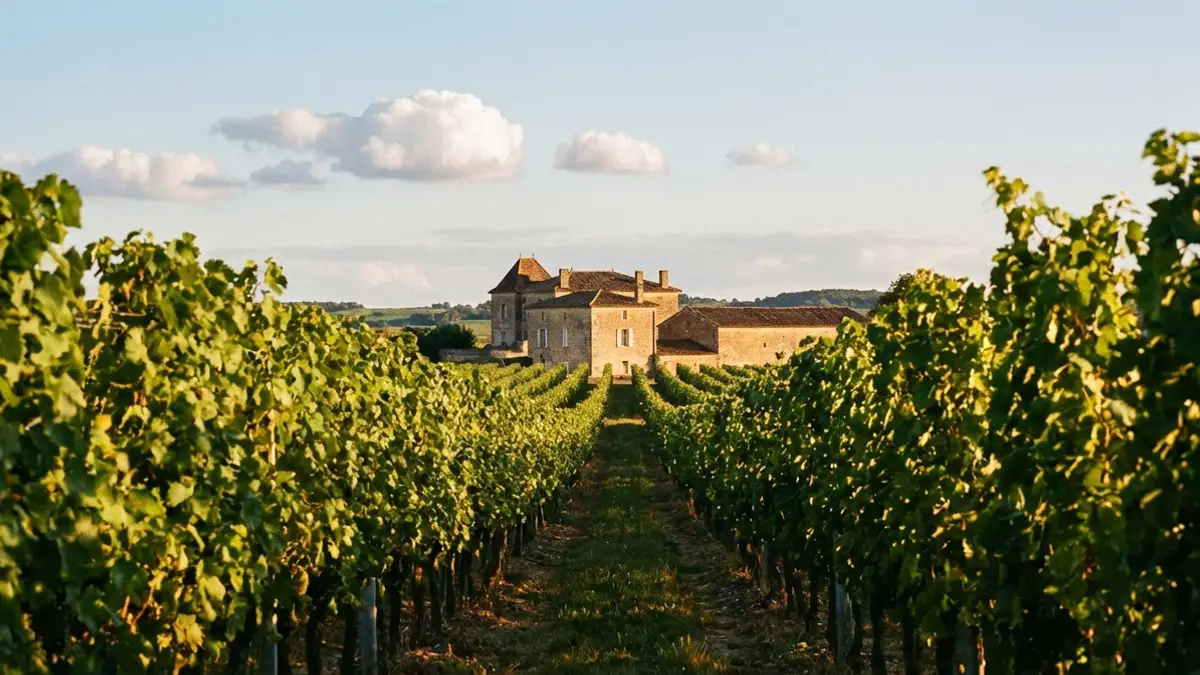
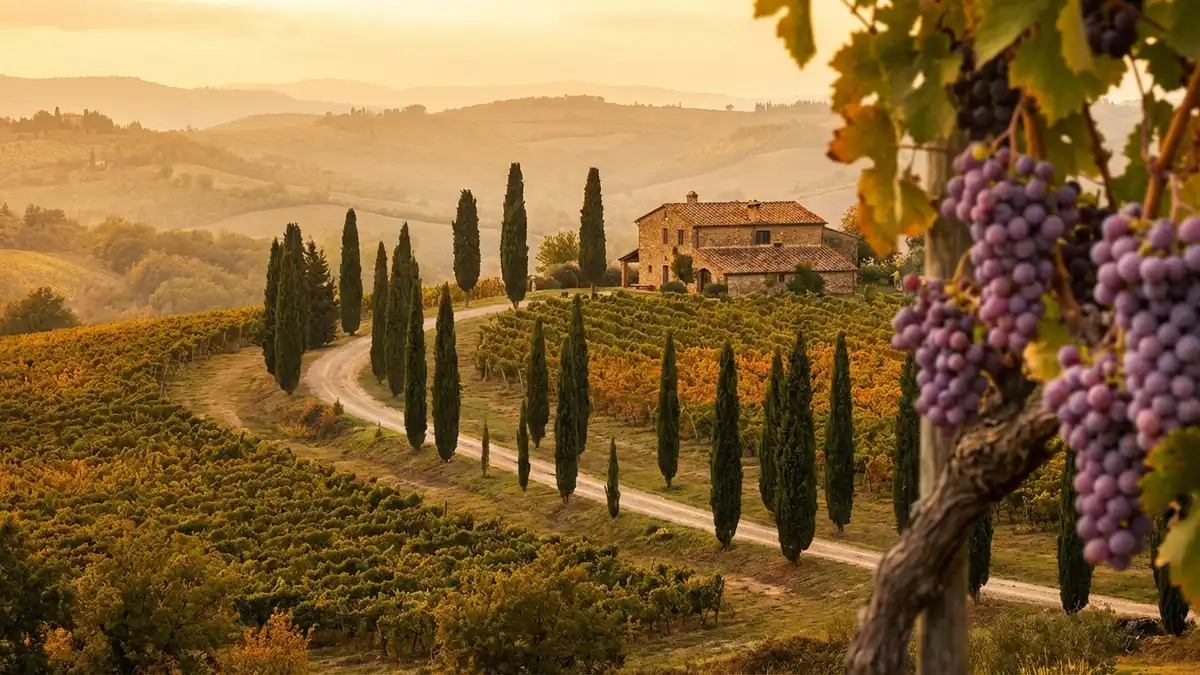
Rioja Wine Guide: Crianza, Reserva, and Gran Reserva

By the Sommy Team — AI-assisted, human-edited.
Updated Jun 17, 2026
Contents (11)
- What Is Rioja Wine?
- The Tempranillo-Led Blend Behind Rioja
- The Rioja Wine Guide to Crianza, Reserva, and Gran Reserva
- American vs French Oak: The Taste of the Barrel
- The Three Zones of Rioja
- Climate and Terroir: A Sheltered Valley
- White Rioja: The Viura Side of the Region
- Modern vs Traditional Rioja: Two Schools, One Region
- How a Beginner Should Start with Rioja
- Where Rioja Sits in the Wider Wine World
- The Reward of Learning Rioja
TL;DR
Rioja is northern Spain's most famous red wine region, built on Tempranillo blended with Garnacha, Graciano, and Mazuelo. Its labels rank wines by oak and bottle aging — Genérico, Crianza, Reserva, and Gran Reserva. This Rioja wine guide explains each tier, the three zones, and where to start.
What Is Rioja Wine?
This Rioja wine guide begins with the region that put Spanish red wine on the world map. Rioja sits in northern Spain, in a sheltered valley along the Ebro River, and makes mostly red wine from Tempranillo blended with Garnacha, Graciano, and Mazuelo. What makes Rioja unique is not the grape but the clock: bottles are classified by how long they age in oak barrels and in the cellar, climbing from young Genérico through Crianza and Reserva to Gran Reserva. Learn that ladder, plus the three zones and the split between traditional and modern styles, and a Rioja wine guide stops being a list of strange words and becomes a map of exactly what is in your glass.
The Tempranillo-Led Blend Behind Rioja
Rioja is a blending region at heart, and one grape leads the chorus. Tempranillo — Spain's flagship red variety — typically makes up the majority of a red Rioja, supplying red-cherry fruit, leather, and a savory backbone. Its name comes from temprano, meaning early, because it ripens ahead of most Spanish grapes.
Three supporting grapes fill out the classic blend, each with a defined job:
- Garnacha (Grenache): Adds body, ripe red fruit, and warmth, plus a touch more alcohol. It thrives in the warmer corners of the region. For the grape's wider story, see our Grenache wine guide.
- Graciano: A small but precious addition that brings high acidity, floral and herbal aromas, and freshness that helps the wine age. Our Graciano wine guide covers this aromatic grape in depth.
- Mazuelo (Carignan): Contributes deep color, firm tannins (the drying, gripping sensation in red wine), and structure that gives the blend its grip.
Because the wine is usually a blend, the label leads with the region and the aging tier rather than a single grape name. That is a key difference from much of the New World, where the grape is the headline. If you want the full picture of the lead variety beyond Rioja, our Tempranillo wine guide traces how it behaves across Spain and Portugal, where it also appears as Tinta Roriz.
Typical aromas of red Rioja: red cherry, plum, dried fig, leather, tobacco, vanilla, and coconut from oak. The savory, mellow character — rather than pure fruit — is the regional fingerprint.
The Rioja Wine Guide to Crianza, Reserva, and Gran Reserva
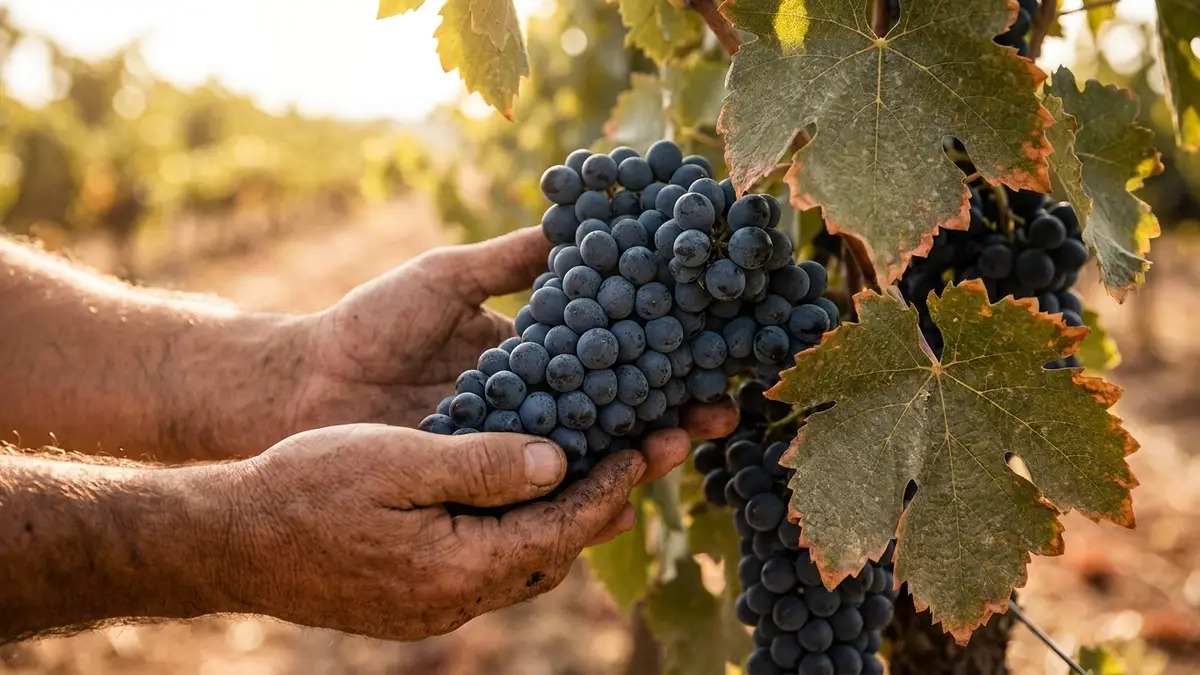
The single most useful thing to learn in any Rioja wine guide is the aging classification. Unlike Burgundy or Bordeaux, which rank wines by vineyard or estate, Rioja ranks them by time — how long the wine rests in oak barrels and in bottle before release. The tier appears on a small back label, often as a colored stamp, and it predicts both style and price. From youngest to oldest:
- Genérico (formerly Joven): The youngest tier, with little or no oak aging. These are bright, fruit-forward reds meant to be drunk soon after release. Expect fresh cherry and plum, soft tannins, and an easy, juicy character — the most approachable face of the region.
- Crianza: The everyday workhorse and the smartest starting point. Red Crianza ages at least two years, with a minimum of one year in oak. The result balances ripe fruit with gentle vanilla and spice — structured but still friendly.
- Reserva: A step up in concentration and aging, made only in better vintages. Red Reserva ages at least three years, with a minimum of one year in oak and the rest in bottle. These wines show more dried fruit, leather, and savory complexity, with smoother, integrated tannins.
- Gran Reserva: The summit, produced only in exceptional years. Red Gran Reserva ages at least five years, with a minimum of two years in oak and at least two more in bottle. Expect pale, brick-edged color, delicate dried-fruit and tobacco aromas, silky texture, and remarkable length — a wine that has done most of its evolving for you.
The pattern to remember: more time in oak and bottle means an older, mellower, more savory wine. A young Genérico tastes of fresh fruit; a Gran Reserva tastes of dried fruit, leather, and time. White and rosé Rioja follow shorter versions of the same ladder, with lower minimums for each tier.
American vs French Oak: The Taste of the Barrel
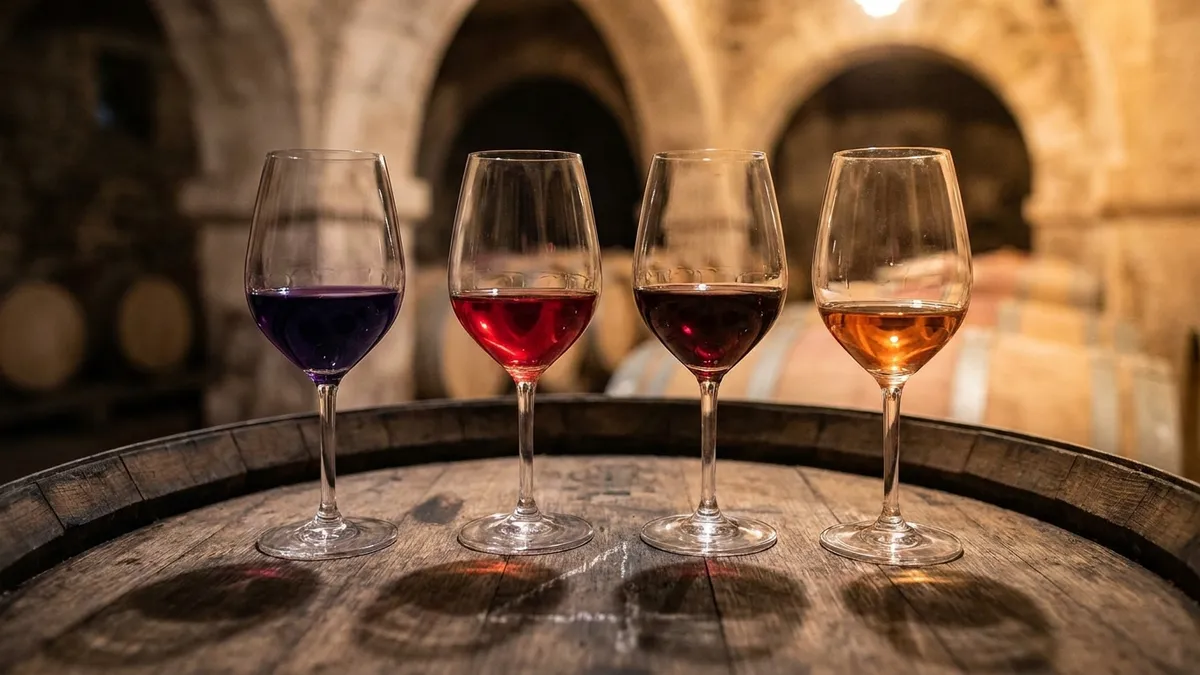
Because oak aging defines Rioja, the kind of oak matters as much as the time. The choice of barrel is one of the clearest dividing lines between traditional and modern producers, and you can taste it directly.
- American oak: The classic Rioja signature. It gives generous, sweet notes of vanilla, coconut, dill, and sweet spice, along with a softer, more open texture. Traditional Rioja leans on American oak, and that creamy vanilla-coconut edge is what many drinkers think of as the Rioja flavor.
- French oak: Subtler and tighter. It adds fine spice, cedar, and graphite rather than sweet vanilla, with firmer tannins and a more restrained polish. Many modern producers favor French oak for a darker, more internationally styled wine.
Neither is better — they are two different aesthetics. A traditional American-oak Reserva feels mellow, savory, and unmistakably Spanish; a modern French-oak wine feels denser and more structured. Tasting one of each side by side is one of the fastest ways to train your palate on the influence of oak, a skill that pays off across every region. The Sommy app turns exactly this kind of comparison into a guided exercise, prompting you to name the vanilla, the spice, and the texture as you go.
The Three Zones of Rioja
Rioja stretches along the Ebro River and divides into three official zones, each shaped by climate and altitude. Knowing them turns a single regional name into three distinct personalities.
- Rioja Alta: The cooler, higher western heart of the region, sheltered by the Sierra de Cantabria mountains. It produces the most elegant, age-worthy reds — bright acidity, red-fruit finesse, and the structure to mature for decades. Much of the region's classic, long-aged wine comes from here.
- Rioja Alavesa: A small, high-altitude zone on chalky clay soils, also cool and refined. Its wines are perfumed, fresh, and silky, often a touch more aromatic and lifted than those of Rioja Alta. Together with Rioja Alta, it anchors the elegant, traditional style.
- Rioja Oriental (formerly Rioja Baja): The warmer, lower, more Mediterranean eastern zone. The wines are riper, fuller-bodied, and higher in alcohol, with bolder fruit. Garnacha thrives here, and the zone's generous wine often adds body and warmth to blends from across the region.
Most traditional Rioja is a blend across zones, combining the elegance of the western highlands with the ripeness of the warmer east — a built-in balancing act that gives the region its harmony. To see how Rioja fits into the bigger picture of the country, our guide to Spanish wine regions maps it against Spain's other major areas.
Climate and Terroir: A Sheltered Valley
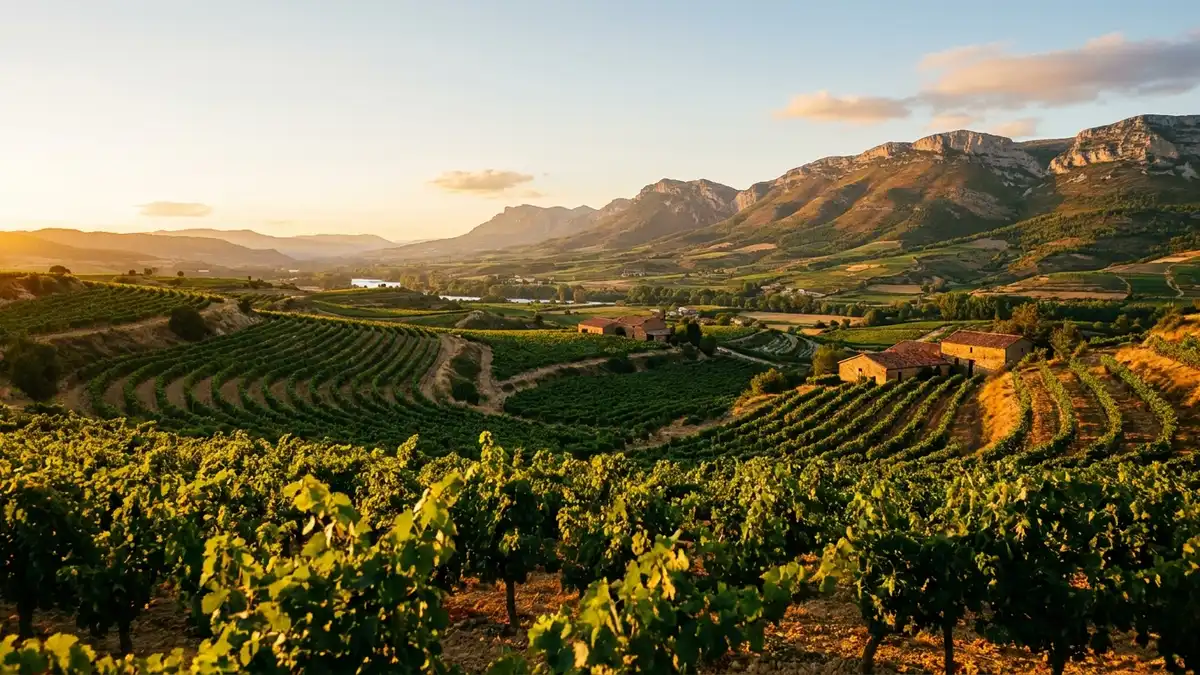
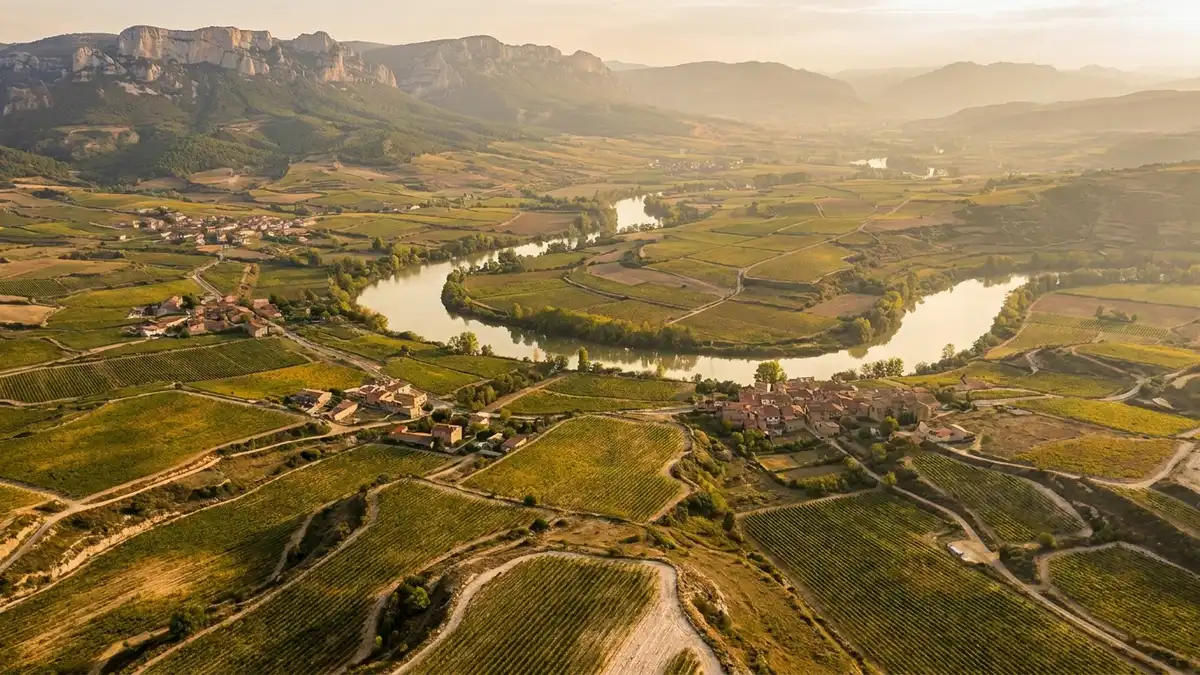
Rioja's quality comes from a fortunate position. The Sierra de Cantabria mountains to the north block the cold, wet weather rolling in from the Atlantic, creating a sheltered, moderately continental valley. That protection gives Tempranillo a long, even ripening season — warm enough to ripen fully, cool enough to keep the bright acidity that lets the wines age.
Altitude matters too. The western zones sit higher and cooler, preserving freshness, while the eastern Rioja Oriental dips lower and warmer toward the Mediterranean. Soils shift from chalky clay and limestone in the west to sandier, iron-rich clay further east. This patchwork is why a single region can swing from delicate and savory to ripe and powerful.
Rioja's genius is balance: mountains for shelter, altitude for freshness, and oak for grace. The valley does the work, and the barrel polishes it.
The result is a wine built for harmony rather than raw power — moderate alcohol, supple tannins, and the high acidity that makes it such a natural partner at the table. If the structural terms here feel slippery, our explainer on tannins, acidity, and body breaks down exactly what each one does in the glass.
White Rioja: The Viura Side of the Region
Rioja is famous for red, but its whites are a quiet specialty worth seeking out. White Rioja is built mainly on Viura (known as Macabeo elsewhere in Spain), sometimes blended with Malvasía and white Garnacha. There are two very different styles:
- Modern white Rioja: Fresh, unoaked, and bright, with green apple, citrus, white flowers, and a crisp finish. These are clean, easy whites meant to be drunk young — a refreshing contrast to the oaky reds.
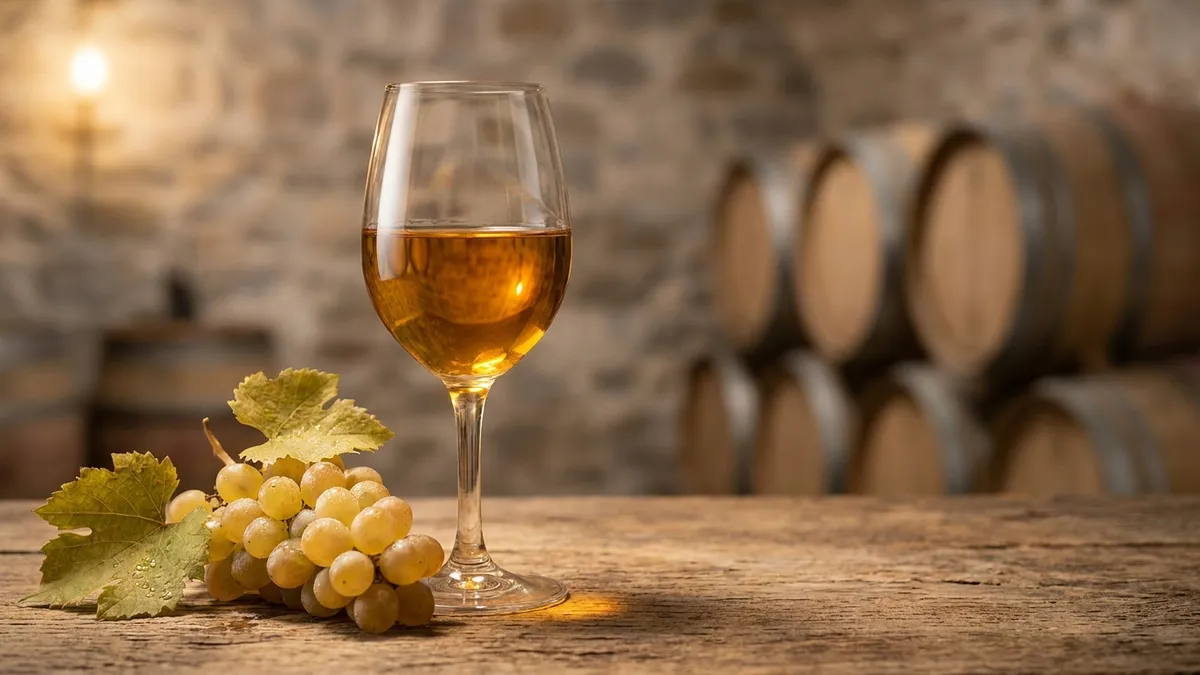
- Traditional barrel-aged white Rioja: A rare, distinctive style aged for years in oak. It turns deep gold, rich, and nutty, with notes of toasted almond, honey, dried fruit, and beeswax. The best examples can age for decades and rank among Spain's most singular whites.
White Rioja shows that the region's love of oak and aging extends beyond red wine. A barrel-aged white is one of the most unusual wines a beginner can taste — proof that white wine can be every bit as complex and long-lived as red.
Modern vs Traditional Rioja: Two Schools, One Region
The most rewarding contrast in Rioja is stylistic, and it shapes what you find on the shelf. Two philosophies coexist, and learning to spot them sharpens your palate fast.
- Traditional Rioja: Long aging in American oak, often with riper grapes left to mellow. The wines are pale, garnet-edged, savory, and delicate, with dried cherry, leather, vanilla, coconut, and a soft, mature texture. Reserva and Gran Reserva are the heartland of this style.
- Modern Rioja: Riper, darker fruit, shorter aging, and more French oak. The wines are deeper in color, bolder, more concentrated, and fruit-driven, with firmer structure and a polished, contemporary feel. Many are released younger and labelled Genérico or Crianza.
Neither style is the real Rioja — both are. The traditional camp prizes elegance and patience; the modern camp prizes power and fruit. Tasting a classic American-oak Reserva beside a modern French-oak Crianza is the single best lesson this region offers, and it teaches a truth that runs through all of wine: the same grape, in the same place, can be made into two very different drinks.
How a Beginner Should Start with Rioja
You do not need a Gran Reserva or a big budget to understand Rioja. The smartest path is to taste deliberately across the tiers and styles and notice what changes. Here is a practical order:
- Start with a Crianza. This is the everyday tier — gently oaked, balanced, and fairly priced. It is the clearest baseline for what Rioja tastes like, and the safest first bottle.
- Add a Reserva beside it. Taste them together to feel what extra aging does: more dried fruit, more leather, softer tannins, and greater length. The jump from Crianza to Reserva is Rioja's signature lesson.
- Try a fresh white Rioja. A young Viura white is a bright, low-cost detour that shows the region beyond its reds and resets your palate between heavier wines.
- Compare traditional and modern. Find one savory, American-oak wine and one fruit-driven, French-oak wine, and taste them side by side. The contrast makes the role of oak unmistakable.
- Save a Gran Reserva for last. Once your palate has a baseline, a traditional Gran Reserva shows where the region peaks: pale, delicate, dried-fruit complexity that only time can build.
As you taste, note the color (younger wines are deep purple, older ones brick-edged), the vanilla and coconut from American oak, and the savory, leathery edge that sets Rioja apart from fruit-bomb New World reds. Our guide to how to taste wine gives you the step-by-step method to make each comparison count.
Sommy turns these comparisons into guided exercises — naming the aromas, scoring the structure, and building the vocabulary to describe what you sense. You can start practicing free at sommy.wine, then bring the method to your next bottle of Rioja.
Where Rioja Sits in the Wider Wine World
Rioja is the best entry point to Spanish red wine, and it connects to grapes and regions worth exploring next. Its lead variety, Tempranillo, anchors several other Spanish areas and crosses the border into Portugal under the name Tinta Roriz, where it plays a starring role in Port and Douro reds — our Tinta Roriz wine guide follows that thread. The supporting grapes matter too: Graciano and Garnacha each have their own character beyond the blend, and understanding them deepens how you read any Rioja label.
Rioja also belongs to the small club of grapes every learner should know early. If you are building a foundation, our overview of the noble grapes places Tempranillo among the varieties worth meeting first, and the broader Spanish wine regions guide shows how Rioja's oak-aging logic compares with the rest of the country.
The Reward of Learning Rioja
Rioja asks less of a beginner than many famous regions and gives back a great deal. There is no maze of tiny vineyards to memorize — just one main grape, a handful of blending partners, and a clear ladder of aging tiers printed on every bottle. Once that ladder clicks, the back label stops being a riddle and becomes a precise description of the wine's age, style, and likely character.
Start with a Crianza, taste in pairs, and let the difference between young and aged, American and French oak, traditional and modern reveal itself one glass at a time. The Sommy app is built to make that habit stick — turning each bottle into a short, guided lesson so the next Rioja you open is a little clearer than the last.
Sources
Frequently Asked Questions
What grape is Rioja wine made from?
Red Rioja is led by Tempranillo, usually the majority of the blend. It is rounded out with Garnacha for body and warmth, Graciano for acidity and aroma, and Mazuelo for color and structure. White Rioja is built mainly on Viura. Most bottles are blends, so the label names the region and aging tier rather than a single grape.
What do Crianza, Reserva, and Gran Reserva mean?
They are aging classifications based on time in oak barrels and bottle. For reds, Crianza needs at least two years of aging with one in oak, Reserva needs three years with one in oak, and Gran Reserva needs at least five years with two in oak. Genérico is the youngest, fruit-forward tier with little or no oak.
What is the difference between American and French oak in Rioja?
American oak gives Rioja its classic signature: sweet vanilla, coconut, dill, and a softer, more open texture. French oak is subtler, adding fine spice, cedar, and tighter tannins. Traditional Rioja leans heavily on American oak, while many modern producers prefer French oak for a more polished, internationally styled wine.
What are the three zones of Rioja?
Rioja splits into Rioja Alta, Rioja Alavesa, and Rioja Oriental (formerly Rioja Baja). Rioja Alta and Rioja Alavesa are cooler and higher, giving elegant, age-worthy, acid-driven reds. Rioja Oriental is warmer and lower, producing riper, fuller, more alcoholic wines often used to add body and warmth to blends.
Is there white Rioja?
Yes. White Rioja is made mainly from Viura, sometimes with Malvasía and white Garnacha. Modern white Rioja is fresh, citrusy, and unoaked, while traditional barrel-aged white Rioja is rich, nutty, and golden, capable of aging for decades. White Rioja is a quiet specialty that rewards curious drinkers looking beyond the reds.
What is the difference between traditional and modern Rioja?
Traditional Rioja favors long aging in American oak, producing pale, savory, dried-fruit-and-vanilla wines that feel mellow and complex. Modern Rioja uses riper fruit, shorter aging, and more French oak, giving darker, bolder, fruit-driven wines. Both styles are authentic Rioja; the contrast is one of the most rewarding comparisons a beginner can taste.
How should a beginner start with Rioja?
Begin with a Crianza, the everyday workhorse tier that balances fruit and gentle oak at a fair price. Then taste a Reserva beside it to feel what extra aging does. Add a fresh white Rioja and, later, a traditional Gran Reserva to understand the full range. Note the vanilla, dried cherry, and savory edge as you go.
Sommy Team
LinkedInFounder & Wine Educator
The Sommy Team is building the world's most approachable wine education app, helping beginners develop real tasting skills through structured courses and AI-guided practice.