How to Get Into Wine: A Simple 90-Day Plan for Beginners
By the Sommy Team — AI-assisted, human-edited.
Updated Oct 9, 2026
Contents (9)
- How to Get Into Wine, in One Paragraph
- What Should You Taste First?
- How Do You Taste Wine Step by Step?
- What Five Words Describe Almost Any Wine?
- How Do You Find Out What You Like?
- What Temperature and Storage Matter at the Start?
- Do You Need a Course or Gadgets?
- What Is a Simple 90-Day Plan?
- What Should You Do After Three Months?
TL;DR
To get into wine, open contrasting styles in pairs, describe each glass by sweetness, acidity, tannin, alcohol and body, and write one line per bottle. Serve whites near 7-10°C and fuller reds at 15-18°C. After three months, go deep on the grape your notes keep returning to.
To get into wine, open two bottles that differ in one obvious way, taste them side by side, and write one line about each. Then buy more of whatever you wanted a second glass of. A shelf of gadgets and a memory full of regions come later, if at all, and many people never need them.
How to Get Into Wine, in One Paragraph
Taste in pairs, name what you feel, and follow the wine you wanted more of. Start with five styles: a dry sparkling, a crisp white, an oaked white, a light red and a fuller red. Look, swirl, smell and sip each one. Describe it with five structure words: sweetness, acidity, tannin, alcohol and body.
Serve whites cold, around 7-10°C, and fuller reds at 15-18°C, a little below a warm room. Write one line per bottle with a yes or no to a second glass. After about three months, the yes lines point to one grape or region, and that is the place to go deep. A course is optional; open bottles are not.
What Should You Taste First?
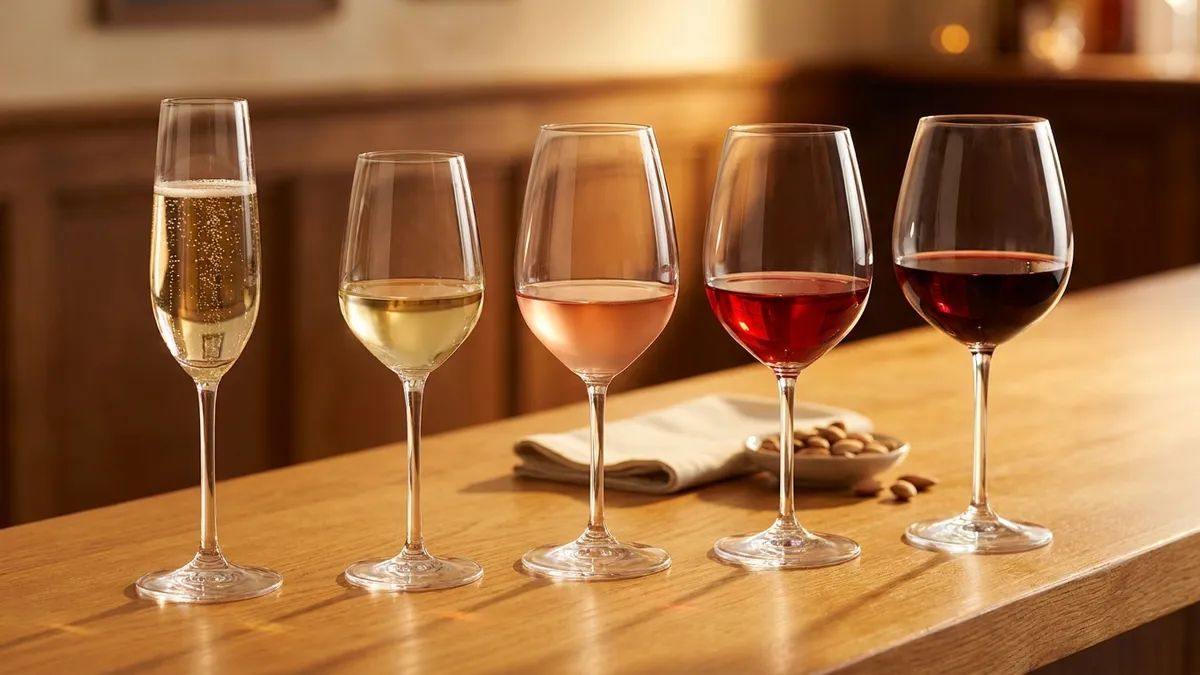
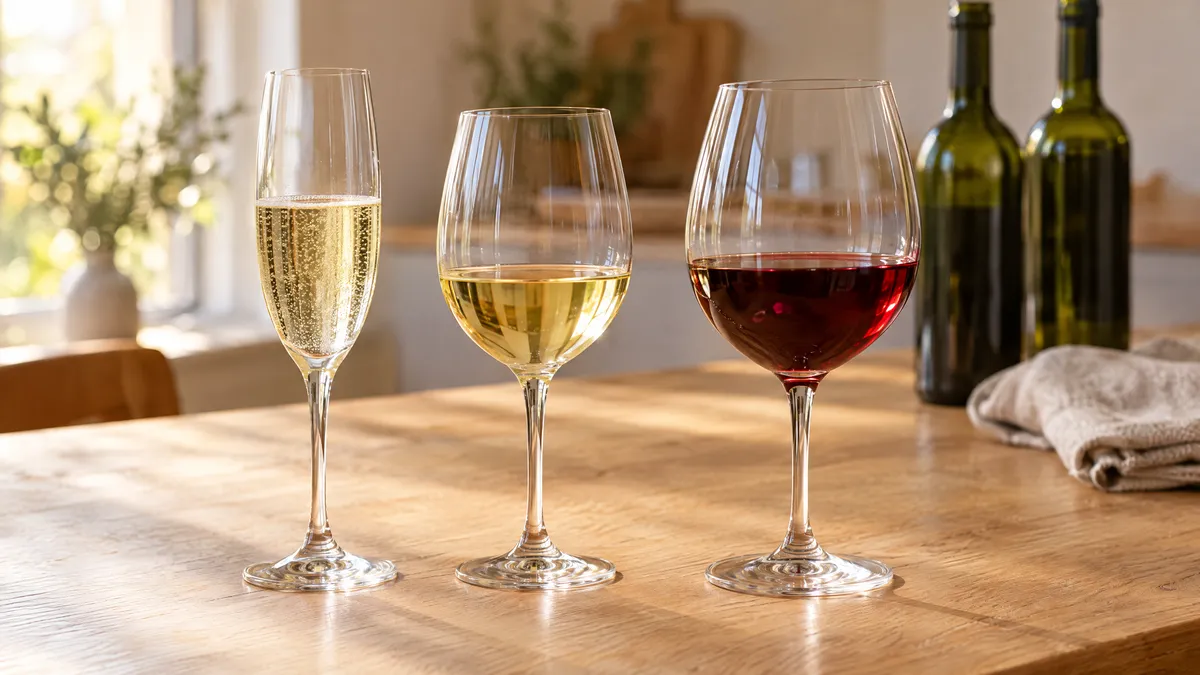
Start with five styles that each differ in one big way: a dry sparkling, a crisp unoaked white, an oaked white, a light red and a fuller red. Our list of the best wine for beginners names ten forgiving styles if you want more options.
Two terms first. Dry means no sugar you can taste; a wine can smell fruity and still be dry. Oak means the wine spent time in barrels, which add vanilla, toast or spice and a rounder feel.
| Style | Grapes or wines to look for | What to notice | Serve at | If you liked it, try next |
|---|---|---|---|---|
| Dry sparkling | Brut Prosecco, Cava | Bubbles and tartness that make your mouth water | 6-10°C (43-50°F) | Crémant, or a Champagne for a special night |
| Crisp unoaked white | Sauvignon Blanc, Pinot Grigio | Light weight, lime and green apple, high acidity | 7-10°C (45-50°F) | Albariño or dry Riesling |
| Oaked white | Oaked Chardonnay | Fuller body, vanilla and toast from the barrel | 10-13°C (50-55°F) | Chardonnay from a cooler region, for less weight |
| Light red | Pinot Noir, Gamay | Pale colour, cherry, little drying grip | About 13°C (55°F) | Beaujolais, or Pinot Noir from another country |
| Fuller red | Malbec, Shiraz | Dark colour, plum, drying grip on the gums, warmth | 15-18°C (59-64°F) | Cabernet Sauvignon or Syrah from France |
If you can buy only two bottles, buy a white and a red at the same price, so price is not the thing you end up tasting. Then pair the light red with the fuller red the next week: same colour, different weight. A wine label will tell you the grape on most New World bottles and the place on most European ones.
How Do You Taste Wine Step by Step?
Look, swirl, smell, sip, then wait. Wine tasting is often taught as five steps: colour, swirl, smell, taste and savour. Formal courses fold them into three headings: appearance (colour and clarity), nose (the smell) and palate (taste plus texture in the mouth).
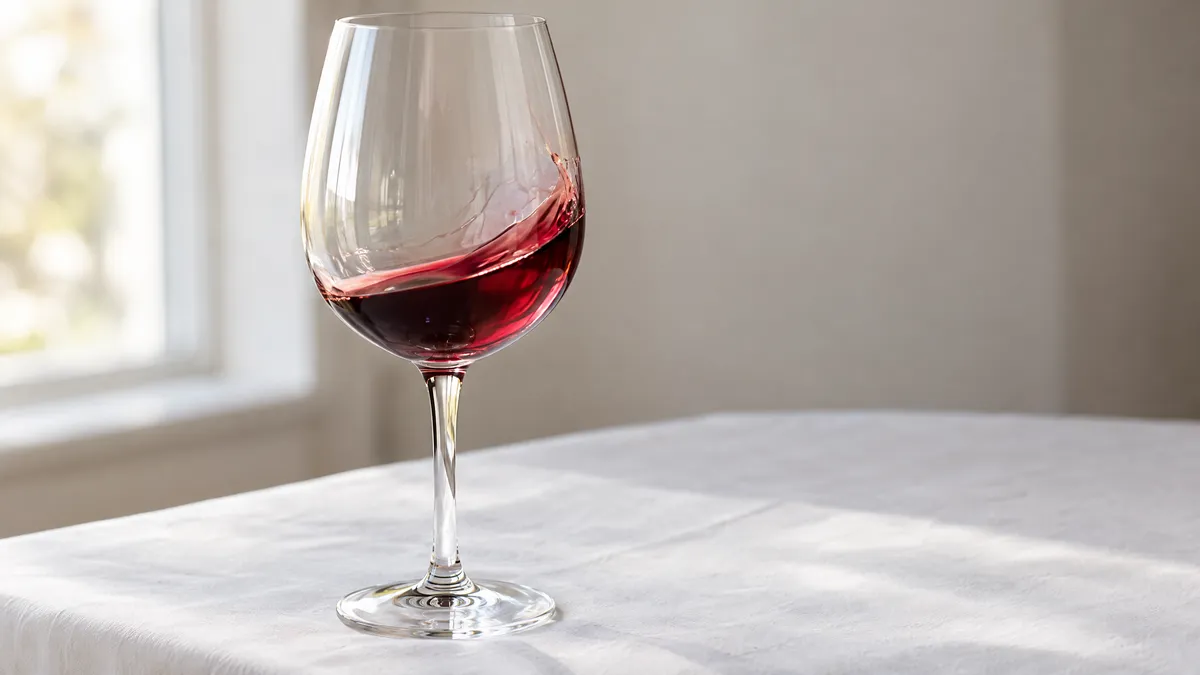
Pour about a third of a glass so there is room to swirl. Tilt it against something white and note the colour: pale or deep, and whether a red fades to a lighter rim. Swirl with the base on the table, which is steadier than swirling in the air. Smell with short sniffs and name one thing, even a broad one like "lemon" or "jam".
Sip a small amount and hold it for a few seconds before you swallow. Then count how many seconds the taste stays after you swallow. That lingering taste is the finish. Our full guide on how to taste wine adds detail to each step.
What Five Words Describe Almost Any Wine?
Sweetness, acidity, tannin, alcohol and body describe the structure of almost any glass, and they are the five structural words the Wine & Spirit Education Trust (WSET) teaches beginners. Aromas vary from taster to taster. Structure is something you feel, so two people usually agree on it.
- Sweetness: sugar you can taste. Most table wines are dry.
- Acidity: the tartness that makes your mouth water. High acidity feels fresh; low feels soft.
- Tannin: the drying grip on your gums, like strong black tea. It gives red wine its astringency and comes mostly from skins and seeds.
- Alcohol: the warmth at the back of the throat. A 14% wine feels warmer than a 12% one.
- Body: weight in the mouth, like skimmed milk against whole milk.
Rate each one low, medium or high. That three-step scale is enough for months. Our guide to tannin, acidity and body explains where each comes from in the vineyard and cellar.
How Do You Find Out What You Like?
Write one line after each bottle and follow the wines you wanted a second glass of. Long notes stop after a week. One line keeps going: the grape or style, dry or sweet, light or full, and yes or no to another glass.
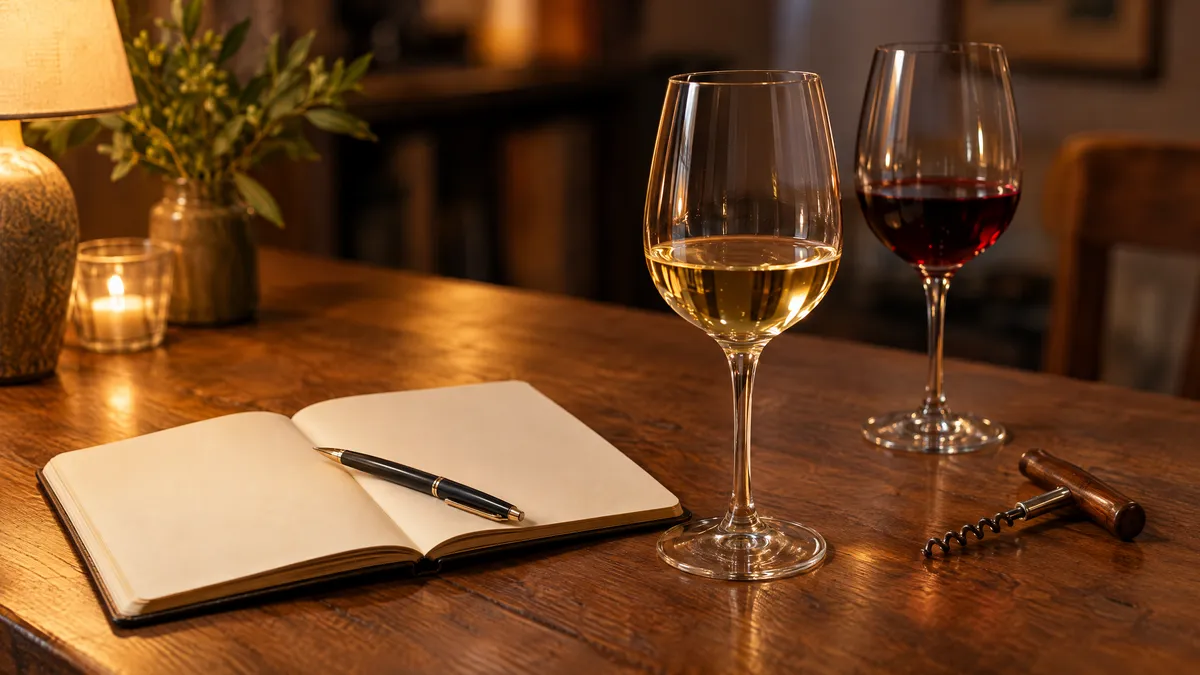
After about a dozen lines, read only the yes lines. They usually share a feature: high acidity, light body, low tannin or oak. That feature is your taste, and it is more useful in a shop than any grape name.
If you wanted a second glass, buy a neighbour next: the same grape from a different country, or a grape that tastes alike. The wine writer Henry Jeffreys gives the example that people who like Riesling often like Albariño too. If you said no, note which of the five words put you off, and avoid wines high in that one. Our wine tasting journal tips show how to grow the line into a fuller note once the habit sticks.
What Temperature and Storage Matter at the Start?
Temperature is the cheapest fix there is. Cold makes acidity and tannin stand out and mutes the smell, so a white straight from a very cold fridge tastes of little, and a chilled full red tastes harsh. The serve-at column in the table above gives the ranges.
The old advice to serve red at room temperature came from cooler houses. A heated living room sits above the 15-18°C range for fuller reds, and the extra warmth makes alcohol taste hot.
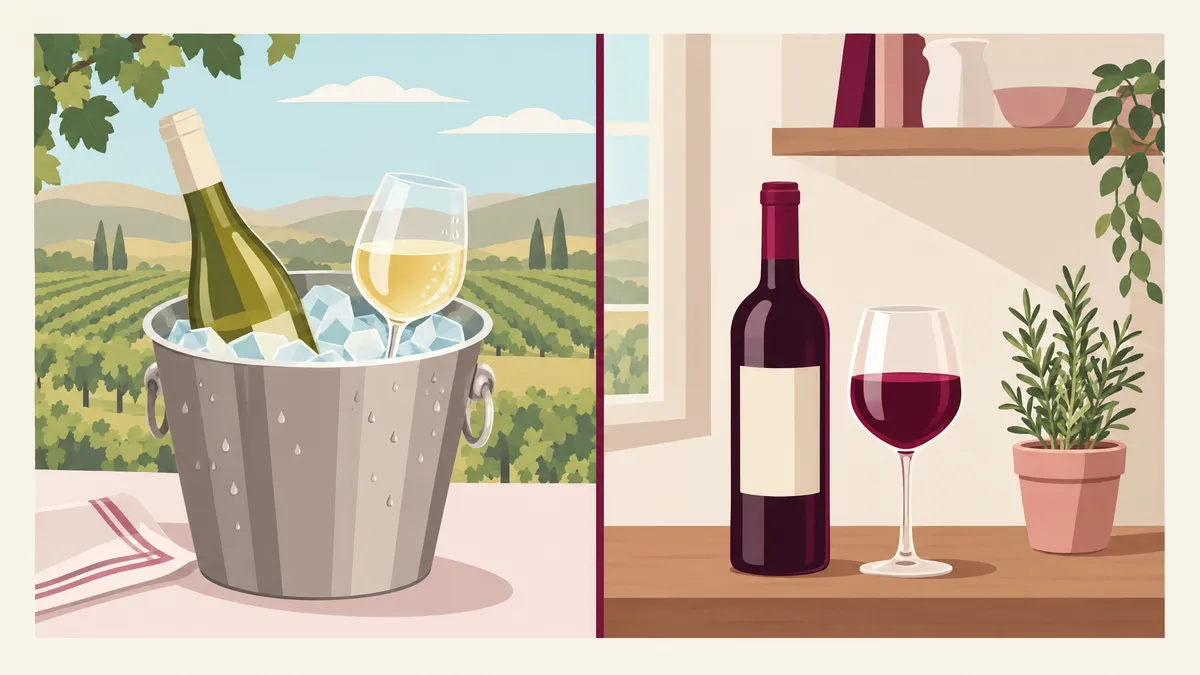
If a red tastes hot and flat, put it in the fridge for 20 minutes. If a white smells of nothing, cup the bowl in your hands for a minute and smell again. The wine serving temperature chart covers more styles.
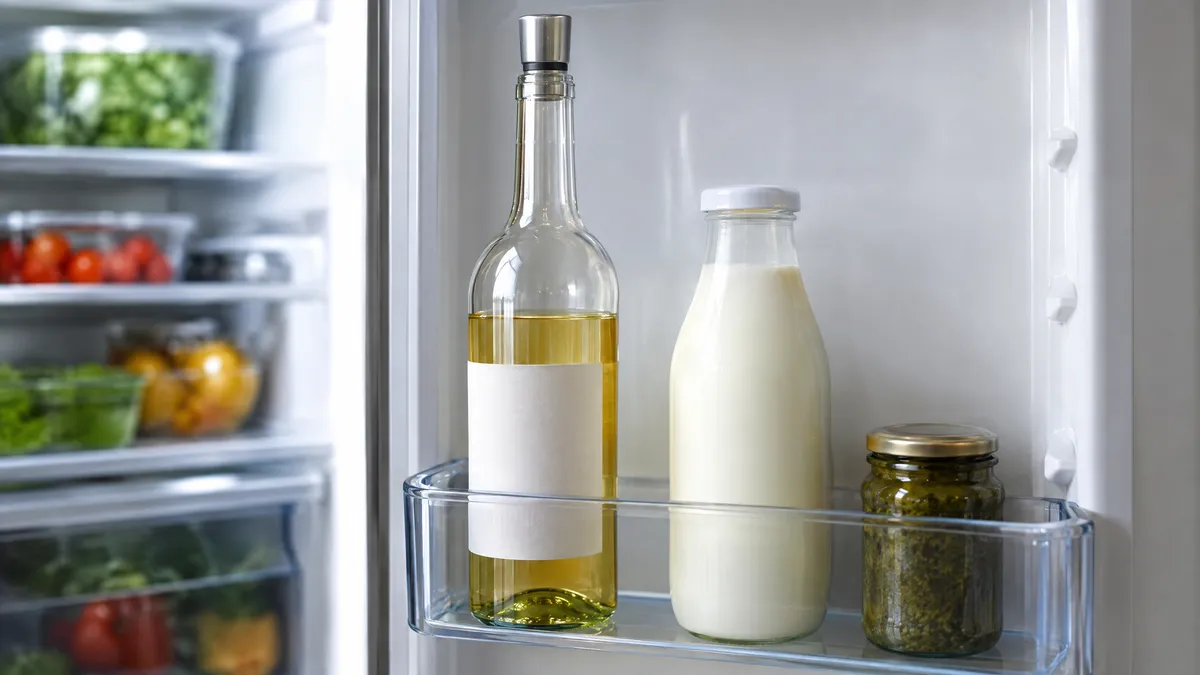
Opened wine needs a plan too. A white or rosé closed with a stopper keeps for at least two to three days in the fridge, and some last up to five. Some fortified wines, such as tawny port, keep for weeks. Our guide to how long wine lasts after opening covers reds and sparkling.
Do You Need a Course or Gadgets?
No. As the wine writer Henry Jeffreys puts it, you do not need to get into wine to enjoy wine, and paired bottles with short notes teach the same tasting frame at home. A course adds structure and a certificate: WSET Level 1 takes about six hours of study and ends with a 30-question multiple-choice exam.
Level 1 covers the same look, smell and taste frame, plus how to store and serve wine. Our comparison of online wine courses matches options to goals.
If you want a certificate or a teacher, take a course. If you want to enjoy wine more, spend the money on bottles. Things to skip in the first three months:
- A full set of glasses for each grape. One clear, tulip-shaped glass with a thin rim does the job; see the wine glass guide.
- Aerators and gadgets. A stopper and a corkscrew cover everything in this plan.
- Memorising regions. Style comes first, then maps once you know which styles you like.
- Chasing scores. A high score tells you what one critic liked; your yes lines tell you what to buy.
What Is a Simple 90-Day Plan?
Taste in pairs for a month, name the structure in the second month, and go deep in the third. Two or three bottles a week is enough, and an opened white keeps in the fridge long enough to finish a pair over a few evenings. Each step below builds on the notes from the one before.
- Week 1: open a crisp white and a light red together. Write one line each.
- Weeks 2-4: work through the five styles in the table, two at a time, changing one thing per pair: white or red, oaked or not, light or full.
- Month 2: rate all five structure words low, medium or high for every wine. Try one dry and one off-dry Riesling side by side to feel sweetness on its own; our sweet vs dry wine guide explains the label words.
- Month 3: pick the grape your yes lines point to and taste three versions from three countries.
Once the habit holds, the exercises in develop your wine palate build smell memory, and the 30-day plan for serious tasters adds blind tasting.
What Should You Do After Three Months?
Pick the grape or region your notes keep returning to and taste three versions of it side by side. Three Pinot Noirs from three countries show what the grape does everywhere and what each place changes: a cool place gives more acidity and lighter body, a warm one riper fruit and more alcohol.
From there, a structured course fills the gaps faster than random bottles. The Sommy app has bite-sized courses, from Wine 101 to regional courses on Spain, Italy, France and California, and more beginner guides sit in the beginners and buying hub. Pour one glass tonight, taste it, and write one line: dry or sweet, light or full, and yes or no to a second glass.
Sources
Frequently Asked Questions
How do I start learning about wine?
Open two different wines side by side, such as a crisp white and a light red, and taste them through look, smell and sip. Describe each with five words: sweetness, acidity, tannin, alcohol and body. Write one line per bottle, including whether you wanted a second glass, and buy more of the wines that earned one.
What wine should a beginner start with?
Start with five styles that each differ in one obvious way: a dry sparkling wine, a crisp unoaked white such as Sauvignon Blanc, an oaked Chardonnay, a light red such as Pinot Noir or Gamay, and a fuller red such as Malbec or Shiraz. Tasting them in pairs shows you which differences you care about.
Do I need to take a course to learn about wine?
No. A course gives you a structure and a certificate, and WSET Level 1 takes about six hours of study with a 30-question multiple-choice exam. You can learn the same tasting frame at home by opening bottles in pairs and keeping notes. Take a course if you want the credential or a teacher.
How long does it take to learn about wine?
About three months of steady tasting is enough to know the main styles and which ones you like. Taste in pairs for the first month, practise naming sweetness, acidity, tannin, alcohol and body in the second, and spend the third on one grape or region. Two or three bottles a week is plenty.
How do I keep notes on wine?
Keep them short enough that you actually write them. One line per bottle works: the grape or style, dry or sweet, light or full, and yes or no to a second glass. After a dozen lines, the wines you said yes to will share a pattern, and that pattern tells you what to buy next.
What temperature should wine be served at?
Sparkling wine is best at 6-10°C, light whites at 7-10°C, oaked whites at 10-13°C, light reds around 13°C and fuller reds at 15-18°C. Cold makes acidity and tannin stand out and mutes the smell, so an over-chilled white tastes of little, while a red served in a warm room tastes hot.
How long does opened wine last?
An opened white or rosé closed with a stopper keeps for at least two to three days in the fridge, and some last up to five. Some fortified wines, such as tawny port, keep for several weeks once opened. Close the bottle as soon as you have poured and put it in the fridge.
Sommy Team
LinkedInFounder & Wine Educator
The Sommy Team is building the world's most approachable wine education app, helping beginners develop real tasting skills through structured courses and AI-guided practice.