Wine for Beer Lovers: Crossover Picks for Every Beer Style

By the Sommy Team — AI-assisted, human-edited.
Updated Oct 1, 2026
Contents (8)
- Wine for Beer Lovers, in One Paragraph
- Which Wine Matches Your Favourite Beer?
- What Wine Should an IPA Drinker Try?
- What Wine Is Closest to a Crisp Lager or Pilsner?
- Is There a Wine for Sour Beer and Saison Fans?
- What Wine Suits Stout, Porter and Malty Beer Fans?
- Why Does Red Wine Taste So Dry When You Like Bitter Beer?
- How Should a Beer Drinker Pour and Serve Wine?
TL;DR
Beer lovers find wine easiest when they choose by the quality they already enjoy. Lager fans start with Brut sparkling, IPA drinkers with Sauvignon blanc or Riesling, sour fans with high-acid whites, and stout fans with oak-aged reds. Wine is roughly two to three times as strong, so pour smaller.
Wine for beer lovers works best when you choose by the quality you already enjoy in your beer, whether that is fizz, hop aroma, sourness or roast. The thrill of a hoppy IPA has a twin in white wine's sharp acidity. Red wine's drying grip is something else entirely, and it is the one to approach last.
Wine for Beer Lovers, in One Paragraph
Match the trait the beer gives, then find a wine with it. Lager and pilsner fans start with dry sparkling wine such as Brut Prosecco. IPA drinkers start with Sauvignon blanc or Riesling, whose acidity (the tartness that makes the mouth water) delivers the snap hops give. Sour beer fans take to high-acid whites and pet-nat. Stout and porter fans start with oak-aged reds, or port with dessert. Red wine's tannin (the drying grip on your gums) is a texture rather than a bitterness, so beer drinkers meet it last, with food. Most wine is 12.5 to 14.5% alcohol against beer's 4 to 6%, so pour smaller.
Which Wine Matches Your Favourite Beer?
Find your beer in the left column and buy the wine in the third. The last column tells you what to expect on the first sip. If your favourite beer sits between two rows, buy the wine from the lighter row first, since a light, fresh wine is the easier first bottle.
| If you love | What you enjoy | Wine to try | What the first sip does |
|---|---|---|---|
| Lager or pilsner | Cold, crisp, fizzy | Brut Prosecco | Fine fizz, green apple and pear, a lighter finish than beer |
| IPA or pale ale | Hop aroma and a bitter snap | Sauvignon blanc or Grüner Veltliner | Grass, grapefruit and passion fruit, sharp acidity in place of bitterness |
| Hazy or juicy IPA | Soft tropical fruit | Off-dry Riesling | Peach and lime over a touch of sweetness, very mouth-watering |
| Sour, gose or lambic | Tartness and a little funk | Dry Riesling or pet-nat | Lemon-sharp and dry; pet-nat can be cloudy and yeasty |
| Saison or Belgian ale | Dry, fizzy, spicy yeast | Cava or other traditional-method sparkling | Firm bubbles, citrus and a bread-crust note |
| Amber or brown ale | Malt, low bitterness | Gamay or Lambrusco, lightly chilled | Juicy cherry and very little grip |
| Stout or porter | Roast, coffee, chocolate | Oak-aged Malbec or Zinfandel; port with dessert | Blackberry, vanilla and toast, with some drying grip |
For more first bottles sorted by style, see the best wine for beginners, and for crossovers from coffee, cocktails and soft drinks, see wine for non-wine drinkers.
What Wine Should an IPA Drinker Try?
Start with Sauvignon blanc or a dry Riesling. Hop lovers chase sharp aroma and a bitter snap, and crisp white wine delivers that snap through acidity instead. Both are usually unoaked, and bottles from a cool climate (tarter, lighter wine), such as New Zealand or Germany, keep the snap high.
The bitterness number on an IPA can mislead you. IBU (International Bittering Units) measures the iso-alpha acids that hops leave in beer, not how bitter it tastes. IPAs run roughly 40 to 120 IBU, and past about 100 the number stops meaning much for flavour. Much of what IPA fans love is aroma, and brewers add it by dry hopping: putting hops in after the boil, while the beer ferments, when they give smell with little added bitterness.
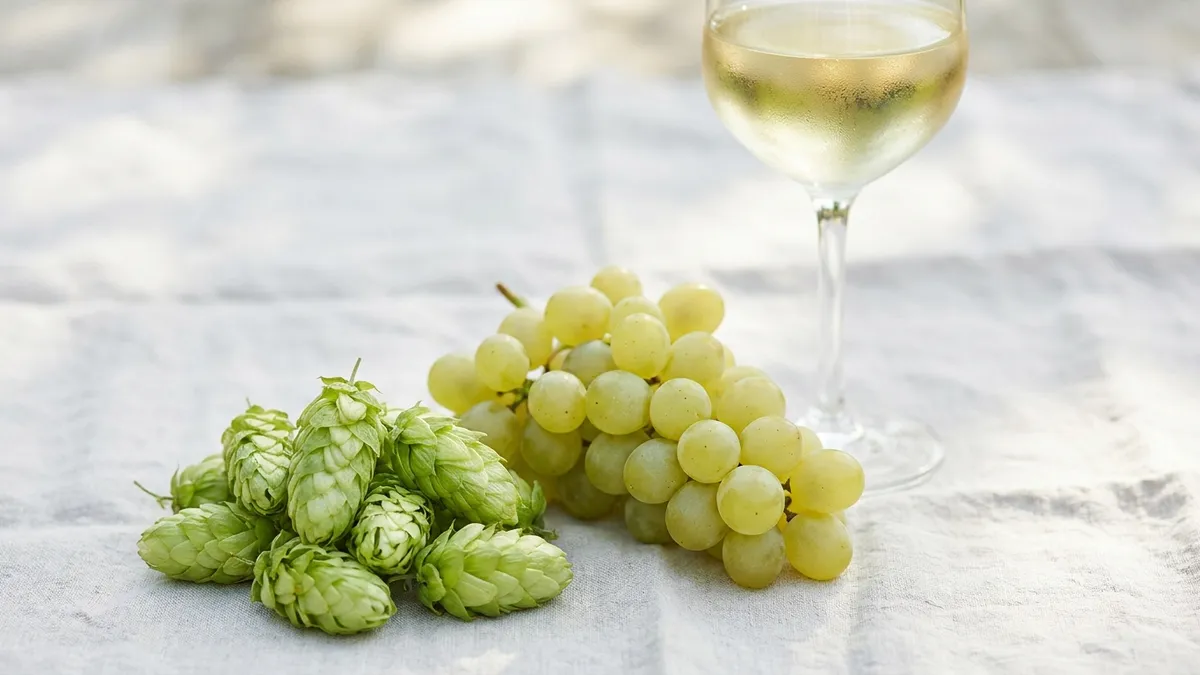
Sauvignon blanc carries that same green, tropical aroma from its own chemistry. Compounds called methoxypyrazines give it a cut-grass smell, and thiols give ripe examples their passion fruit. The acidity then makes your mouth water, which reads as freshness, much like a hop finish does.
If you like the classic bitter, piney IPA, pick a dry Sauvignon blanc. If you drink hazy, juicy IPAs, pick an off-dry (lightly sweet) Riesling, where peach and lime sit on top of a little sugar.
What Wine Is Closest to a Crisp Lager or Pilsner?
Dry sparkling wine is the closest match. Prosecco is light, cold, fizzy and fruity, and Brut on the label marks the driest common style. That covers most of what a lager drinker likes, and American lagers carry only about 8 to 26 IBU, so their fans rarely miss the bitterness.
Prosecco is made mainly from the Glera grape. It gets its bubbles in large stainless steel tanks, which keeps the green apple and pear fruit fresh rather than bready. The label word to read is the sweetness level, and the names run backwards. Dry in wine means no sugar you can taste, yet a Prosecco labelled Extra Dry holds 12 to 17 grams of residual sugar (grape sugar left unfermented) per litre. Brut holds up to 12, and Dry 17 to 32.
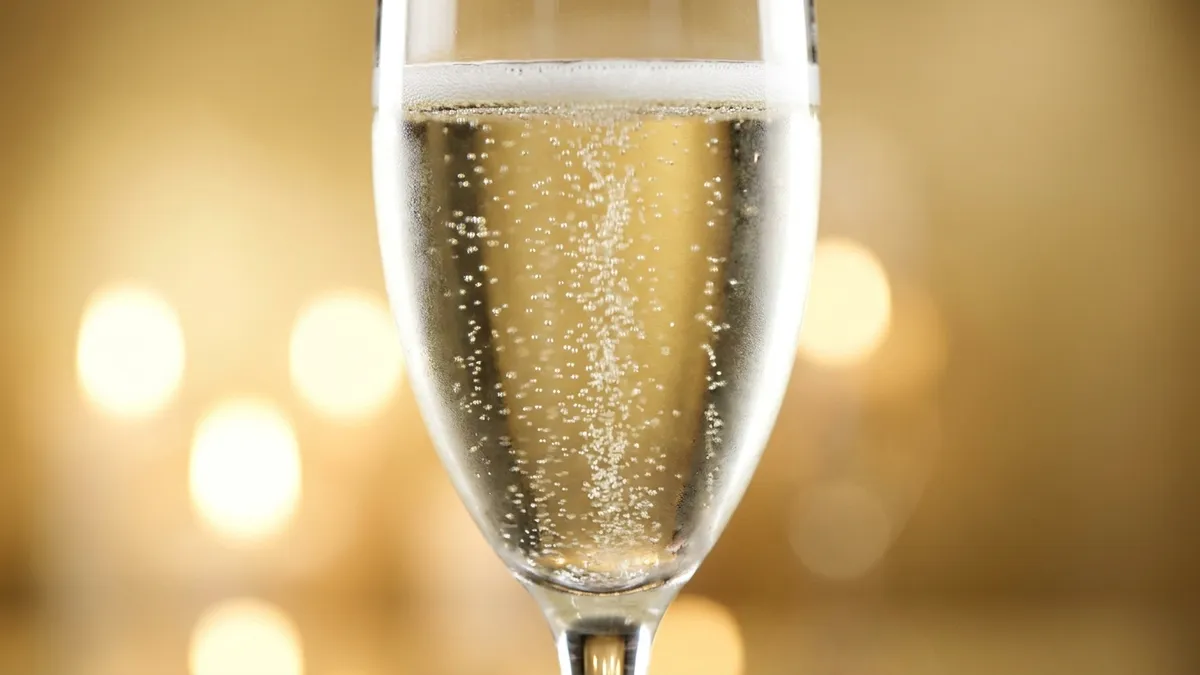
If the label says Brut, expect a crisp, lager-like finish. If it says Extra Dry, expect a softer, slightly sweet one. Lager fans who want no bubbles at all can try a still, high-acid white such as Muscadet, which is light and lemony. The wider sparkling family is compared in Champagne vs Prosecco vs Cava.
Is There a Wine for Sour Beer and Saison Fans?
Yes. Sour beer and high-acid wine share the same sharp, mouth-watering tartness, so dry Riesling, crisp sparkling and pet-nat are easy crossovers. Of all beer drinkers, sour fans need the least adjustment, because acidity is the very trait they order sour beer for.
Sour beer is tart on purpose. Brewers sour it with bacteria such as Lactobacillus and Pediococcus, and sometimes the wild yeast Brettanomyces. Gose adds coriander and salt. Berliner Weisse runs around 3% alcohol. Belgian lambic ferments spontaneously with wild microbes, and it is brewed with aged hops that have lost most of their bitterness. Lambic is often described as dry, cidery and vinous, meaning wine-like.
Riesling has pronounced acidity, sometimes balanced by a little sugar, and the German word trocken on the label means dry. If gose is your beer, pick a dry Riesling or a salty, crisp coastal white such as Albariño. If you love lambic's funk, try a pet-nat, a lightly sparkling wine bottled before fermentation finishes, which is often cloudy and yeasty.
Saison is pale, highly carbonated, dry, fruity and spicy. The classic saison yeast works best at a warm 29 to 35°C, which brings the spicy notes. If saison is your beer, pick a dry traditional-method sparkling such as Cava: firm bubbles, citrus and a bread note from lees (spent yeast left in the bottle).
What Wine Suits Stout, Porter and Malty Beer Fans?
Look for an oak-aged red. Oak barrels add vanilla, toast and spice, which echo roasted malt, so oaked Malbec or Zinfandel suits a stout fan at dinner. Choose a bottle whose back label mentions barrel ageing, or a warm-climate red (riper and stronger) at 14% or more, to get the weight a stout fan expects.
Stout fans are less bitter-trained than they think. A 50 IBU stout can taste less bitter than a 30 IBU lager, because roast and malt sweetness cover the hops. What they enjoy is weight and roast, and a full-bodied red carries both. Charred barrels also add some tannin, so expect a bit of drying grip.
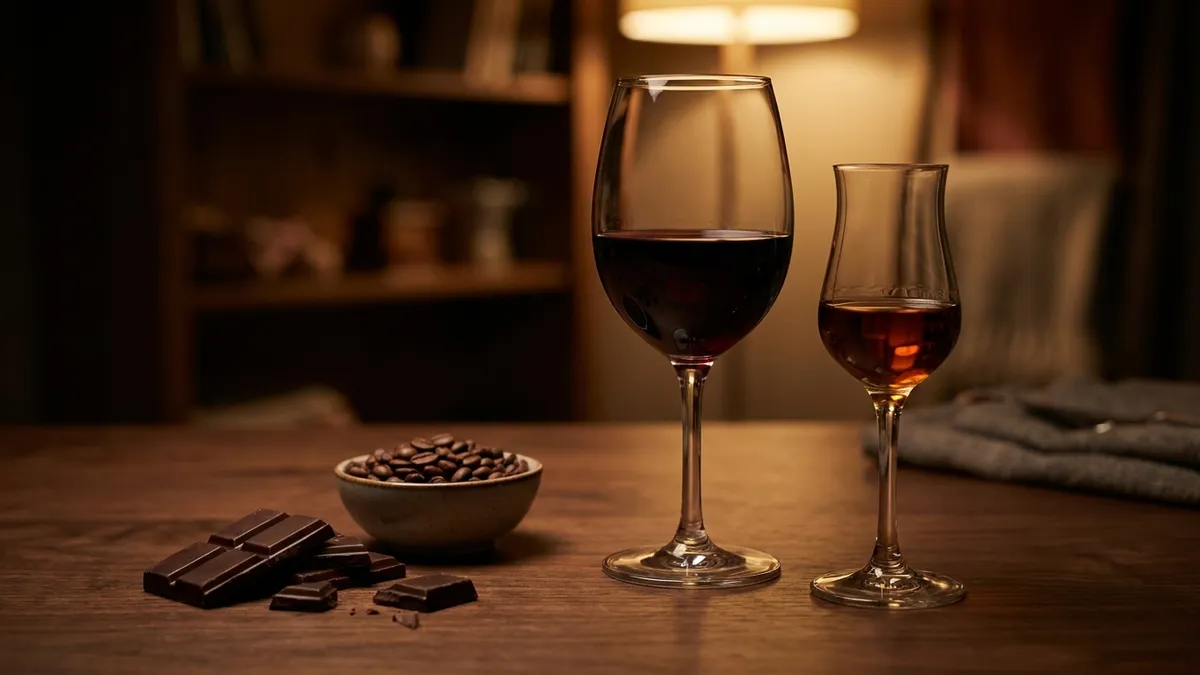
If your stout is a strong, sweet dessert style, pour a small glass of port instead. Port is fortified (spirit added, usually about 19 to 22% alcohol), which gives it the same rich, warm weight as a dessert stout. For amber and brown ale fans, who like malt with little bitterness, a lightly chilled Gamay or Lambrusco is the softer start.
Why Does Red Wine Taste So Dry When You Like Bitter Beer?
Because tannin and hop bitterness are different sensations. Hop bitterness is a taste, while tannin is a texture that dries your gums. A love of hoppy beer does not train you for tannin, which is why many IPA fans wince at their first big red.
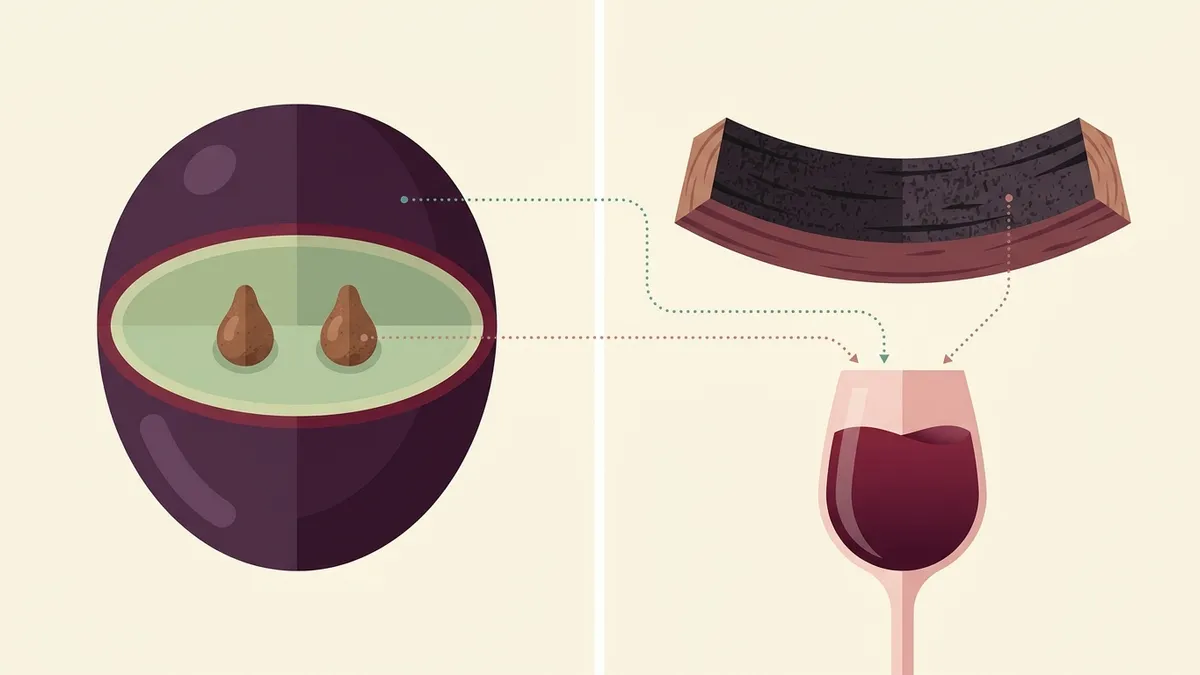
Tannins are astringent polyphenols that bind to proteins and pull them out of solution. In your mouth they bind the proteins in saliva, which leaves the gums rough and dry. They come from grape skins and seeds, and from oak barrels. The clearest test is touch: the drag of tongue on gums after a sip. More on how it forms is in what are tannins.
Colour does not warn you. Nebbiolo makes pale, light-coloured reds with high acidity and high tannin, so a beer drinker who judges by colour gets a shock.
If the drying grip bothers you, start with low-tannin Gamay or Pinot noir and eat while you drink. Protein and fat in food give tannin something to bind besides your saliva, so cheese or a burger makes a firm red feel softer.
How Should a Beer Drinker Pour and Serve Wine?
Pour smaller and slower than you would beer, serve whites and sparkling cool rather than ice cold, and drink red wine with food. Strength explains the first habit: beer usually sits at 4 to 6% alcohol by volume and most wine at 12.5 to 14.5%, so wine is roughly two to three times as strong.
If you would drink a pint over half an hour, give a glass of wine at least as long. The alcohol in wine by type guide shows which styles run lighter.
Temperature matters less than with beer, in the opposite direction. Fridge-cold wine hides its fruit, while warm red tastes of alcohol. If a white or sparkling bottle comes straight from the fridge, let it stand for a few minutes before pouring. If a red feels hot and heavy, give it a short spell in the fridge. Target ranges for each style are in the wine serving temperature chart.
Use a stemmed glass filled about a third, which leaves room to swirl and smell. At a bar or restaurant, describe the beer you like to the staff and ask for the wine that shares it; the guide to ordering wine covers the wording. Every other first bottle sits in the beginners and buying hub.
Tonight, pick your row in the table, buy that one bottle, and pour it beside the beer you already love. If you want to keep going, Sommy has a bite-sized Wine 101 course and an AI-guided tasting mode: photograph the label, then taste it step by step.
Sources
Frequently Asked Questions
What wine is closest to beer?
Dry sparkling wine comes closest for most beer drinkers. Brut Prosecco is cold, fizzy, light and fruity, much like a crisp lager, and pet-nat adds a cloudy, yeasty side that saison and sour beer fans recognise. Neither tastes like beer, because wine is made from grapes rather than grain, but both share beer's bubbles and refreshing finish.
What wine should an IPA drinker try?
Sauvignon blanc is the usual first pick, because it smells of cut grass and passion fruit and has sharp acidity that gives the same wake-up snap as hops. Fans of hazy, juicy IPAs often prefer an off-dry Riesling, where peach and lime sit over a touch of sweetness. Leave tannic reds until later.
Why does red wine taste so dry when I like bitter beer?
Because tannin and hop bitterness are different sensations. Hop bitterness is a taste on the tongue from iso-alpha acids. Tannin is a texture: polyphenols from grape skins, seeds and oak bind to the proteins in saliva, which leaves the gums dry and rough. Loving hops does not prepare you for that grip. Start with low-tannin reds and eat with them.
Is wine stronger than beer?
Yes, by volume. Most beer sits around 4 to 6% alcohol, while most wine falls between 12.5 and 14.5%, so a glass of wine is roughly two to three times as strong as the same amount of beer. Wine is poured in smaller glasses for that reason. Pour less than you would of beer and sip it more slowly.
What wine goes with stout or porter?
An oak-aged red is the best match for stout and porter fans. Barrels add vanilla, toast and spice that echo roasted malt, so look for oaked Malbec or Zinfandel with dinner. For a sweet, strong dessert stout, a small glass of port works better, since port is fortified and carries the same rich, warm weight.
Are sour beers like wine?
Sour beers share wine's most important feature: high acidity. Brewers make them tart on purpose with bacteria such as Lactobacillus, and Belgian lambic is often described as dry and vinous, meaning wine-like. Sour beer fans usually enjoy crisp, high-acid wines such as dry Riesling, Muscadet or pet-nat from the very first glass.
Sommy Team
LinkedInFounder & Wine Educator
The Sommy Team is building the world's most approachable wine education app, helping beginners develop real tasting skills through structured courses and AI-guided practice.