Gamay Wine Guide: The Grape Behind Beaujolais

By the Sommy Team — AI-assisted, human-edited.
Updated Apr 29, 2026
Contents (9)
- The Grape That Burgundy Tried to Kill
- What Is Gamay Wine, in 100 Words
- Why Gamay Looks and Tastes Like It Does
- Carbonic Maceration: The Beaujolais Signature
- What Gamay Actually Tastes Like
- The 10 Beaujolais Crus
- Beaujolais Nouveau: The Cultural Phenomenon
- How to Pair Gamay With Food
- Build Your Gamay Vocabulary
TL;DR
Gamay is the red grape behind every bottle of Beaujolais. It produces pale ruby wines with juicy red cherry, raspberry, violet, and bubblegum notes from carbonic maceration. Low tannin, zippy acidity, and 12-13% alcohol make it the most food-friendly red in France. The 10 Beaujolais Crus offer Burgundy-quality wines at half the price.
The Grape That Burgundy Tried to Kill
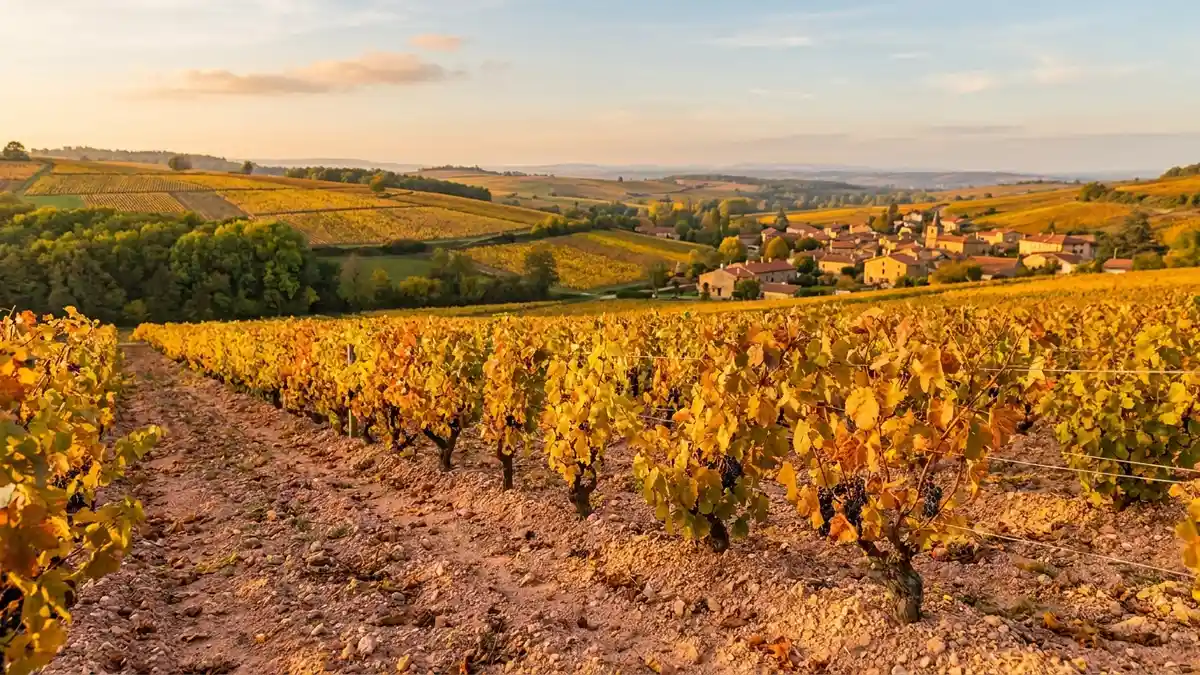
In 1395, Philip the Bold, Duke of Burgundy, issued an edict banishing Gamay from the prestigious slopes of the Côte d'Or, calling it a "very bad and disloyal plant." His reason: Gamay yielded too generously, ripened too easily, and threatened the reputation of his beloved Pinot Noir. The exiled grape rolled south, took root in the granite hills of Beaujolais, and built an entirely separate empire. Six hundred years later, that exile turned out to be one of the luckiest events in French wine history — Gamay found exactly the soil it was meant for.
This gamay wine beaujolais guide walks through everything you need to know about the grape and the region: what makes the flavor profile so distinctive, how carbonic maceration shapes every bottle, the difference between Beaujolais Nouveau and the 10 Crus, why Cru Beaujolais might be the best value in French wine, and how to pair Gamay with food. By the end, you will understand why sommeliers who love Burgundy keep a case of Morgon in the cellar — and why "light red" does not mean "simple wine."
What Is Gamay Wine, in 100 Words
Gamay is the red grape behind Beaujolais, France. It produces pale ruby, translucent wines with juicy red cherry, raspberry, violet, and bubblegum notes (from carbonic maceration), low to medium tannin, zippy acidity, light to medium body, and 12-13% alcohol. It grows on granite and schist soils in Beaujolais, just south of Burgundy. The style range runs from simple Beaujolais Nouveau (released the third Thursday of November) through village Beaujolais-Villages to the 10 Beaujolais Crus — Burgundy-quality reds at half the price. Most Gamay drinks young (1-3 years); Cru Beaujolais ages 5-10.
Why Gamay Looks and Tastes Like It Does
Pale Ruby Color
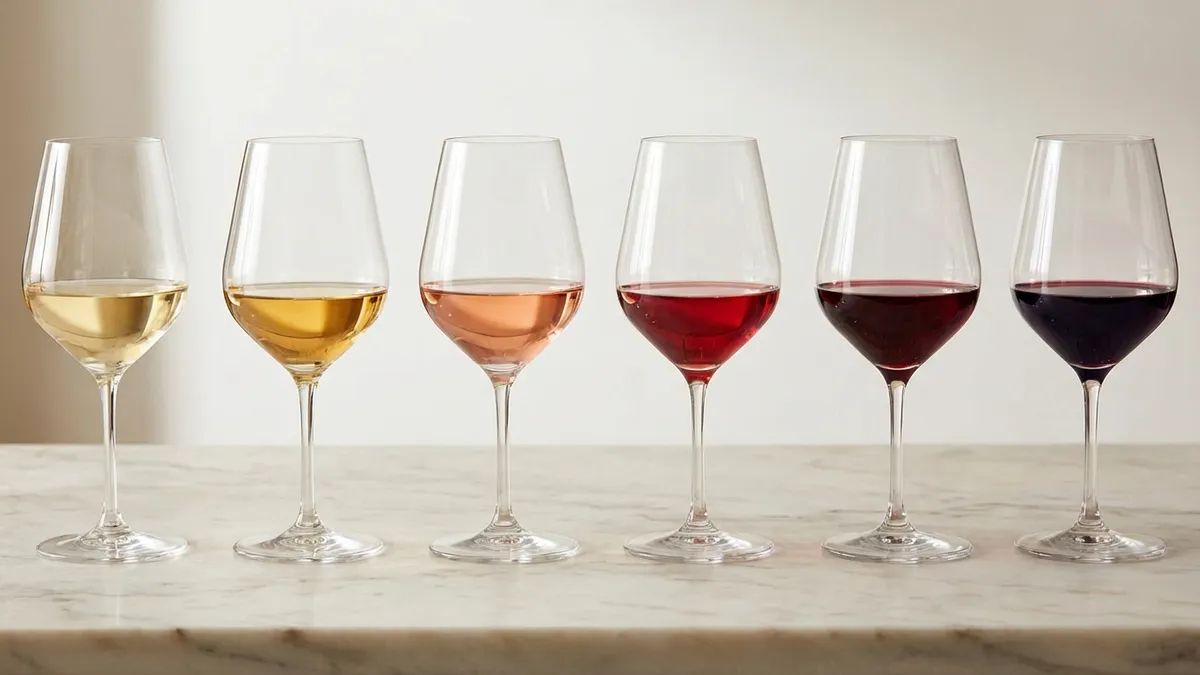
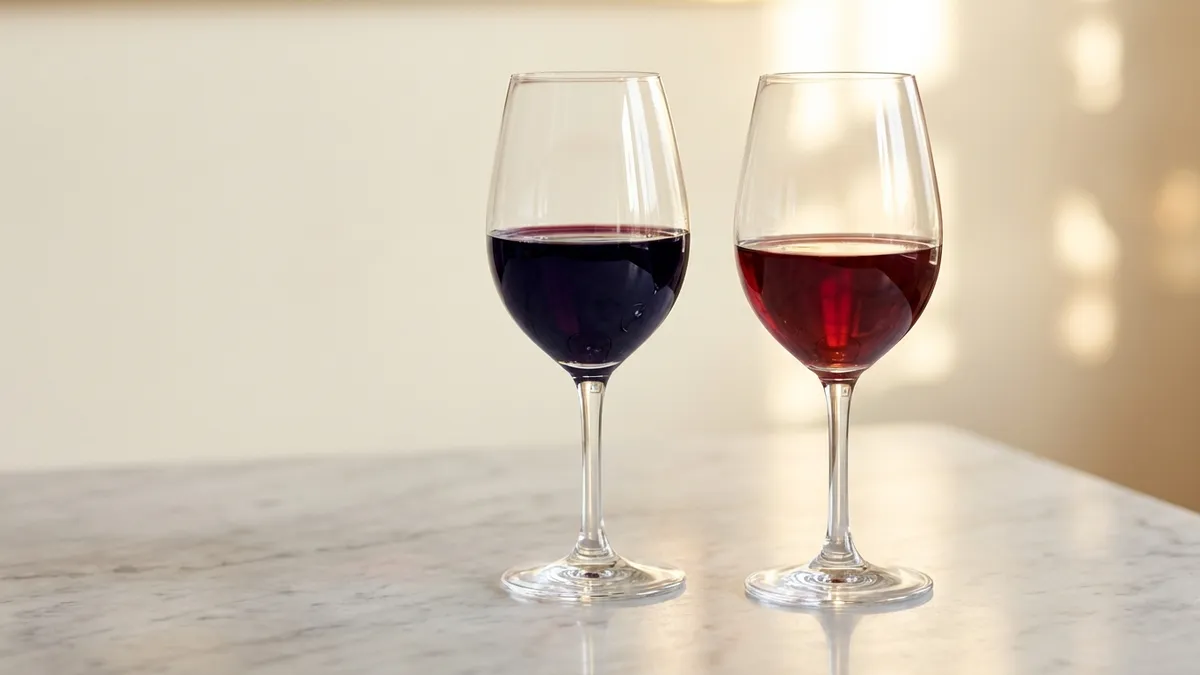
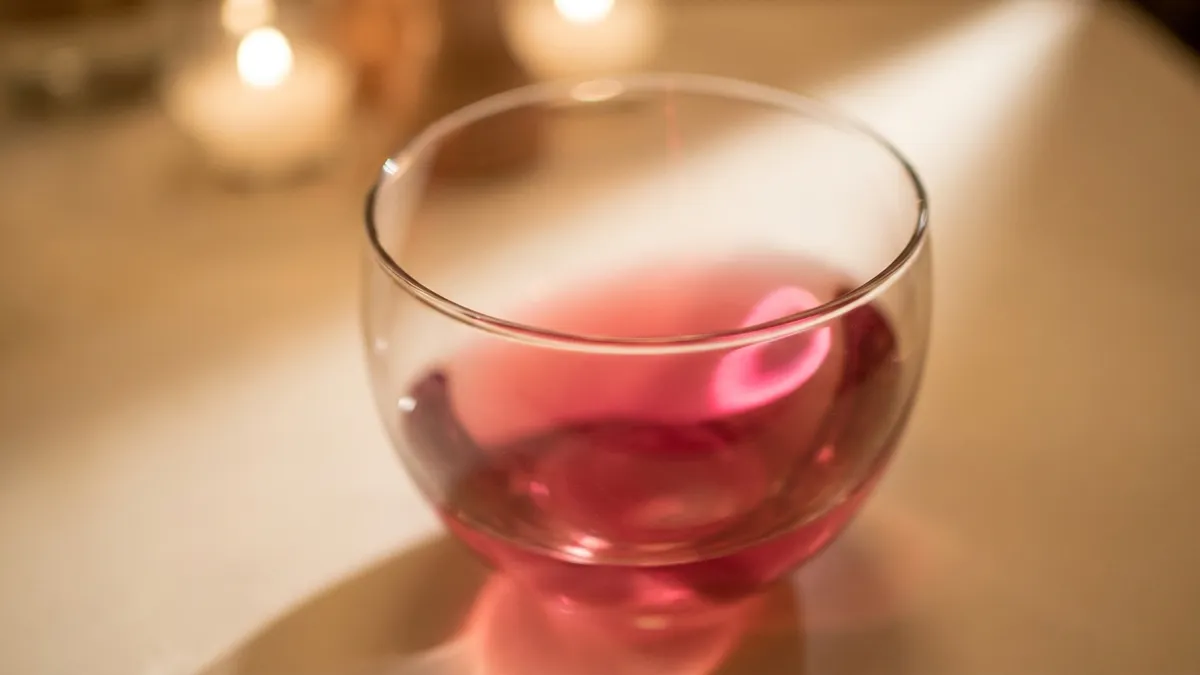
Gamay shares a structural trait with Pinot Noir — relatively thin skins. The anthocyanin pigments that darken red wine come from the skins, so Gamay wines emerge from the cellar pale ruby, often translucent enough to see through when held against a white background. This is why people sometimes mistake young Beaujolais for Pinot Noir in a blind tasting. For a deeper look at how color reveals grape and age, see our guide to wine color meaning.
Low Tannin, High Acidity
Less skin contact means less tannin extraction. Where Cabernet Sauvignon grips and dries the palate, Gamay glides across it with fine, almost invisible tannins. The grape compensates with bright, zippy acidity — the kind that makes your mouth water and demands a second sip. This combination is why Gamay is the most food-friendly red in France: it never overwhelms a dish. For more on how tannin and acidity build a wine's structure, see our guide to understanding tannins, acidity, and body.
The Bubblegum Signature
Pour a glass of young Beaujolais and you will smell something most red wines do not have: a distinctive bubblegum-and-banana note alongside the cherry and raspberry. That aroma is not a flaw — it is the chemical signature of carbonic maceration, the winemaking technique that defines the entire region.
Carbonic Maceration: The Beaujolais Signature
Conventional red winemaking crushes the grapes, releases the juice, and lets yeast convert sugar to alcohol over a week or two. Carbonic maceration does something stranger.
Whole, uncrushed bunches of Gamay go into a sealed tank flooded with carbon dioxide. The CO2 displaces all the oxygen. With no yeast and no oxygen available, the grapes start fermenting inside their own skins — a process called intracellular fermentation. Enzymes inside each berry slowly convert sugar to alcohol, breathe out more CO2, and produce a unique set of aroma compounds: isoamyl acetate (banana, bubblegum), benzaldehyde (cherry, almond), and ethyl cinnamate (strawberry, kirsch).
After about a week, the grapes are pressed and finished with a normal yeast fermentation. The result is a wine with vivid primary fruit, almost no harsh tannins, and that unmistakable Beaujolais-bubblegum perfume.
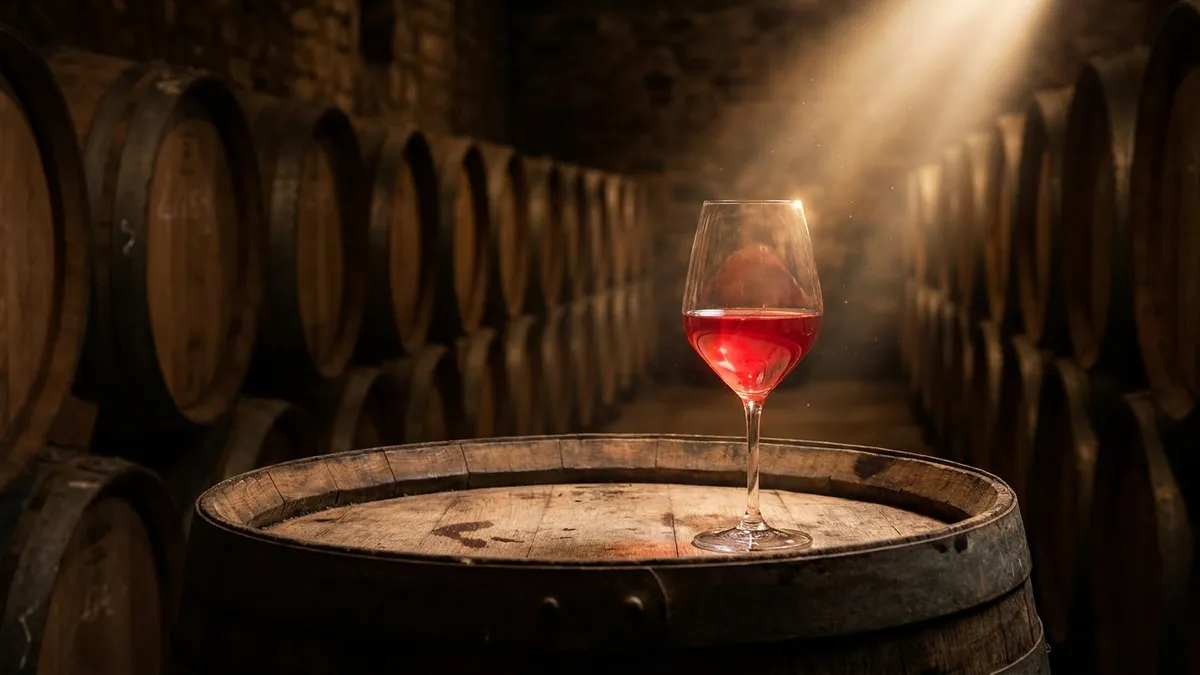
Most modern Beaujolais uses semi-carbonic maceration, a hybrid where some grapes at the bottom of the tank get crushed by the weight above them and ferment normally, while the upper grapes ferment intracellularly. This gives a touch more structure without losing the signature aromatics.
The Sommy app teaches the aroma logic of carbonic maceration as part of its primary-aroma module — once you can name the bubblegum-banana-strawberry combination on the nose, identifying Beaujolais in a blind tasting becomes almost automatic.
What Gamay Actually Tastes Like
The Core Flavor Profile
Across every village and every vintage, Gamay shares a recognizable aromatic signature:
- Red fruit: red cherry, raspberry, strawberry, red currant, pomegranate
- Floral: violet, peony, dried rose
- Carbonic markers: bubblegum, banana, cotton candy (in young, Nouveau-style wines)
- Spice: white pepper, allspice, cinnamon (in cooler vintages)
- Earth: wet stone, granite, forest floor (in Cru Beaujolais)
- Aged notes: leather, mushroom, dried cherry, gamey notes (in mature Cru)
If you smell juicy red cherry alongside violet and a faint bubblegum lift, and the wine looks pale and translucent, the odds are very high that you are holding a glass of Gamay. For more on how to develop your aroma identification skills, see our guide to how to smell wine.
How Style Changes With Each Tier
Beaujolais Nouveau — young, fruity, simple, designed to be drunk within 6 months. Bubblegum and banana dominate. A celebration wine, not a contemplation wine.
Beaujolais AOC — entry-level, bright cherry and raspberry, easy and refreshing. Drink within 1-2 years.
Beaujolais-Villages — sourced from 38 specific villages in the north of the region. More concentration, more spice, more structure. Drinks well at 1-3 years.
Cru Beaujolais — the top tier, from 10 named villages on granite soils. Real depth, real structure, real ageability. The ceiling for Gamay.
The 10 Beaujolais Crus
The 10 Crus sit in the northern half of Beaujolais, where pink granite and schist replace the heavier clay of the south. Each Cru produces a distinct style of Gamay. Confusingly, Cru Beaujolais wines almost never put the word "Beaujolais" on the label — they use only the village name, which leads new drinkers to miss them on the shelf.
Going roughly south to north:
- Brouilly — the largest Cru. Soft, fruity, accessible. Cherry, raspberry, gentle structure.
- Côte de Brouilly — vines on the slopes of Mont Brouilly. More mineral, more concentrated.
- Régnié — the youngest Cru (promoted in 1988). Light, floral, juicy.
- Morgon — bold, structured, age-worthy. Dark cherry, plum, schist minerality. Often called "the Cru that ages like Burgundy."
- Chiroubles — the highest-altitude Cru. Delicate, floral, pale, almost feminine.
- Fleurie — "the queen of Beaujolais." Floral, silky, perfumed. Rose petal and red berry.
- Moulin-à-Vent — "the king." The most powerful, most age-worthy Cru. Iron-rich soils give it Pinot-Noir-like complexity at 10+ years.
- Chénas — the smallest Cru. Structured, woody, less famous than its neighbors but excellent value.
- Juliénas — spicy, structured, with a savory edge. Pepper, cherry, dried herbs.
- Saint-Amour — the northernmost Cru. Fragrant, romantic, often released around Valentine's Day.
For a broader look at French wine geography, see our guide to French wine regions — Beaujolais sits at the crossroads of Burgundy and the Rhône, which explains its hybrid character.
Why Cru Beaujolais Is the Best Value in French Wine
Cru Beaujolais sits 30 minutes south of Burgundy. The northern Crus share growing conditions and stylistic ambitions with village-level Burgundy. The wines are produced by the same kind of small, family-owned domaines. And yet a top Morgon or Moulin-à-Vent typically costs one-third to one-half what a comparable Burgundy village wine costs.
The reason is reputational drag. The Beaujolais Nouveau marketing wave of the 1980s and 90s flooded the world with cheap, simple Gamay and convinced a generation of drinkers that Beaujolais was a gimmick. Cru Beaujolais — which has nothing to do with Nouveau — got dragged down by association. The market is slowly correcting, but the price gap is still wide. For drinkers who love Pinot Noir but cannot afford serious Burgundy, Cru Beaujolais is the most reliable substitute on the shelf. See our Pinot Noir guide for the side-by-side comparison.
Burgundy banished Gamay in 1395. Six hundred years later, the exiled grape produces some of the best-value wines in France, on the same kind of granite soils that make great Burgundy great.
Beaujolais Nouveau: The Cultural Phenomenon
Every year on the third Thursday of November, just weeks after the Gamay harvest, Beaujolais Nouveau is released around the world at one minute past midnight. The phrase "Le Beaujolais Nouveau est arrivé!" lights up café windows from Tokyo to Paris to New York.
The wine itself is a young Gamay fermented quickly using full carbonic maceration. It is light, fruity, low in tannin, and full of bubblegum-banana aromatics. It is not meant to be a great wine. It is meant to be a celebration of the new vintage and a quick cash flow for producers between harvest and the longer-aging Cru releases.
Treat Nouveau as a fall ritual, not a quality benchmark. It should be drunk within 6 months of release, lightly chilled, with charcuterie or roast chicken. Anyone who judges Beaujolais by Nouveau alone is missing 95 percent of what the region offers.
How to Pair Gamay With Food
Gamay's combination of low tannin, high acidity, and bright fruit makes it the most versatile red wine in the French canon. It works with nearly everything that Pinot Noir works with, plus several dishes Pinot Noir struggles with — like grilled vegetables and weeknight pasta.
Classic Gamay Pairings
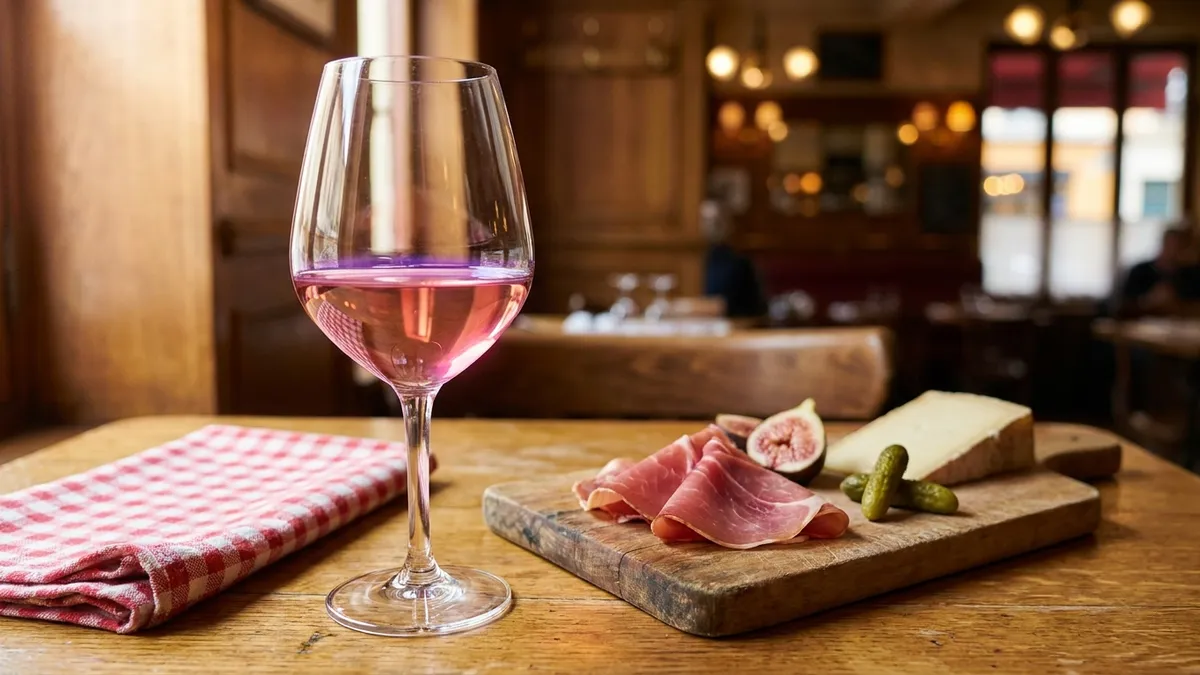
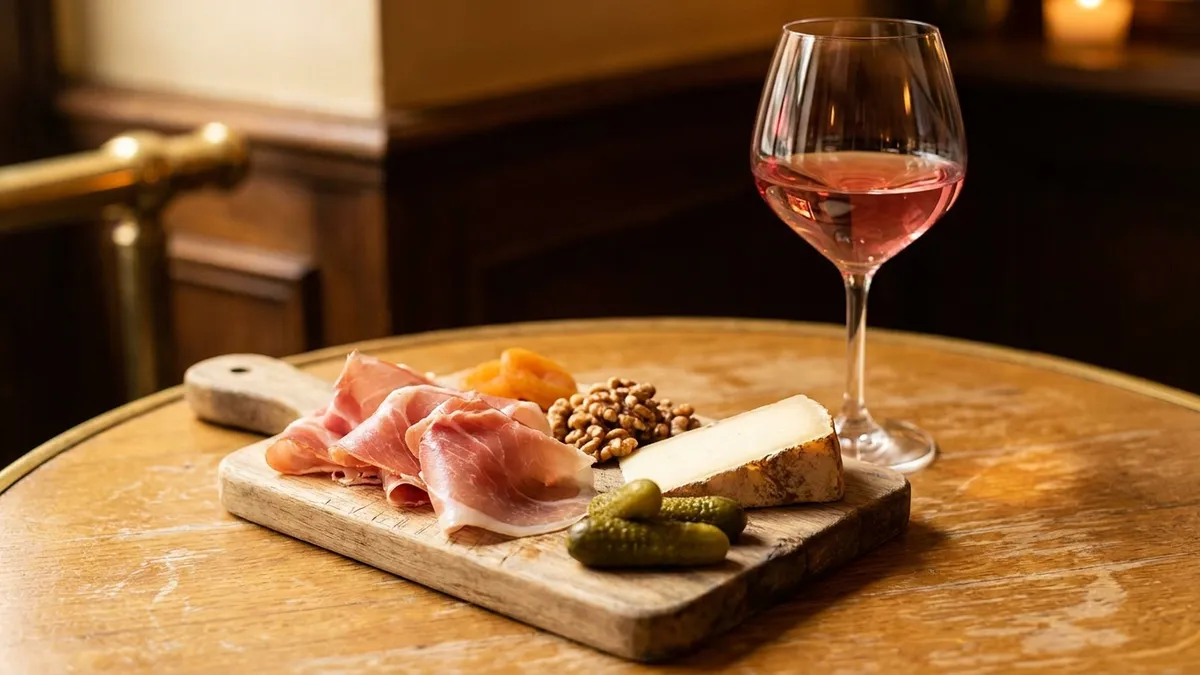
- Charcuterie — the definitive pairing. Salami, prosciutto, pâté, rillettes. Gamay's acidity cuts through the fat, and the fruit complements the cured meat.
- Roast chicken — the classic French Sunday lunch. Crispy skin, herby seasoning, light red wine. Few combinations are simpler or more satisfying.
- Mushroom risotto — earthy, creamy, savory. Cru Beaujolais especially shines here, mirroring the mushroom with its own forest-floor undertones.
- Grilled salmon — Gamay handles fatty fish even better than Pinot Noir because of its lighter body and brighter acidity.
- Soft cheeses — Brie, Camembert, Saint-Marcellin. The silky texture of Gamay matches the creamy richness without crushing it.
- Lentil dishes — French lentils with bacon and herbs. The earthy savory profile lines up perfectly.
- Pizza margherita — the acidity refreshes after each bite of melted cheese and tomato sauce.
- Roast pork or duck — especially with cherry or mustard sauce.
Serving Tips
- Chill it lightly. Gamay is best at 55°F to 60°F (13°C to 16°C) — cooler than most reds. A 15-minute stint in the fridge from room temperature is enough. See our wine serving temperature chart for the full range.
- Use a medium-bowled glass. Gamay's aromatics benefit from a wide bowl but do not need a full Burgundy-shaped glass. A standard red wine glass works fine.
- Do not decant young Gamay. The bright primary fruit is what you came for; decanting just lets it dissipate. Cru Beaujolais after 5+ years can benefit from a 30-minute decant.
- Drink most Gamay young. Beaujolais Nouveau within 6 months. Beaujolais and Beaujolais-Villages within 2-3 years. The exception is Cru Beaujolais, which can age 5-10 years and reward patience.
When in doubt about which red to bring to a casual dinner, bring chilled Cru Beaujolais. It surprises everyone, pairs with everything, and costs less than the wine they were planning to open.
The Sommy app includes structural pairing logic for every grape variety, including Gamay, so you can build the intuition for why low-tannin, high-acid reds work where bigger reds fail. Visit sommy.wine to start training your palate on the grape that proves "light red" does not mean "simple wine."
Build Your Gamay Vocabulary
Gamay is one of the most rewarding grapes for beginners because its structural profile is so distinct. Once you can recognize the pale-ruby-cherry-violet-bubblegum signature, you can start identifying Beaujolais in a blind lineup and hearing the regional accents — the silkiness of Fleurie, the structure of Moulin-à-Vent, the floor-level fruit of Brouilly. Each Cru is a different chapter in the same story.
The Sommy app builds grape-variety recognition into its structured tasting courses, with Gamay as one of the early case studies in how winemaking technique (carbonic maceration) shapes flavor as much as the grape itself. Compare a Gamay tasting to our guide on how to taste red wine to see how the same five-step framework adapts to a low-tannin, high-acid variety. For an even broader lens on how growing conditions shape flavor, see how soil affects wine taste — the granite of Beaujolais is half the reason Cru Gamay exists at all.
Frequently Asked Questions
What does Gamay wine taste like?
Gamay tastes of red cherry, raspberry, strawberry, violet, and a distinctive bubblegum note that comes from carbonic maceration. The texture is light to medium-bodied with low to medium tannin, zippy acidity, and 12-13% alcohol. Cooler vintages add black pepper and earth. Cru Beaujolais shifts toward darker fruit, granite minerality, and structure that resembles entry-level Burgundy.
Is Gamay the same as Beaujolais?
Gamay is the grape; Beaujolais is the region in eastern France where 98 percent of the world's serious Gamay is grown. Almost every red wine labeled Beaujolais is 100 percent Gamay. The full name is Gamay Noir à Jus Blanc — a black grape with white juice. You will also find smaller plantings in the Loire Valley, Switzerland, and Oregon, but Beaujolais defines the global style.
What is carbonic maceration and why does Gamay use it?
Carbonic maceration is a winemaking technique where whole, uncrushed grape clusters ferment inside their own skins in a CO2-saturated tank. The intracellular fermentation produces fruity, low-tannin wines with a signature bubblegum-strawberry-banana aromatic profile. Beaujolais adopted carbonic maceration to make Gamay accessible and drinkable young — the technique is now synonymous with the grape and the region.
What are the 10 Beaujolais Crus?
The 10 Crus are Brouilly, Côte de Brouilly, Régnié, Morgon, Chiroubles, Fleurie, Moulin-à-Vent, Chénas, Juliénas, and Saint-Amour. Each comes from a specific village in northern Beaujolais where granite soils produce structured, age-worthy Gamay. Cru Beaujolais wines never carry the Beaujolais name on the label — they use the village name alone, which can confuse new drinkers.
What is Beaujolais Nouveau?
Beaujolais Nouveau is a young Gamay wine released the third Thursday of November, just weeks after harvest. It is fermented quickly using carbonic maceration to produce a light, fruity, easy-drinking style meant to celebrate the new vintage. It is a cultural event more than a serious wine, and should be drunk within months of release. It does not represent the quality range of Beaujolais.
How long does Gamay age?
Most Gamay is meant to be drunk young — 1 to 3 years from the vintage — because its low tannin and bright fruit are at their best when fresh. Beaujolais Nouveau should be drunk within 6 months. Cru Beaujolais is the exception: wines from Moulin-à-Vent, Morgon, and Fleurie can age 5 to 10 years and develop secondary notes of leather, mushroom, and dried cherry that resemble mature Pinot Noir.
What food pairs best with Gamay?
Gamay is the most food-friendly red in France. Classic pairings include charcuterie, roast chicken, mushroom risotto, grilled salmon, soft cheeses, lentil dishes, and pâté. Its low tannin and high acidity refresh the palate without overwhelming the food. Lightly chilled, Gamay also works beautifully with picnic spreads, pizza, and weeknight pasta — anywhere a heavier red would feel out of place.
Why is Cru Beaujolais such good value?
Cru Beaujolais sits geographically between Burgundy and the Rhône but commands a fraction of Burgundy's prices because Gamay still carries the reputation of Beaujolais Nouveau. The granite soils in villages like Morgon and Moulin-à-Vent produce serious, structured Gamay that drinks like village-level Burgundy. For drinkers who love Pinot Noir but cannot afford it, Cru Beaujolais is the most reliable substitute on the shelf.
Sommy Team
LinkedInFounder & Wine Educator
The Sommy Team is building the world's most approachable wine education app, helping beginners develop real tasting skills through structured courses and AI-guided practice.