Wine for People Who Don’t Like Wine: Where to Start

By the Sommy Team — AI-assisted, human-edited.
Updated Jul 24, 2026
Contents (8)
- Why "I Don't Like Wine" Is Almost Never True
- Wine for Non-Wine Drinkers, in 90 Words
- The Four Sensations That Make People Think They Hate Wine
- Match What You Already Drink to a Wine Style
- The Five Friendliest Starter Styles
- Serve It in a Way That Removes the Barriers
- Common Mistakes That Ruin a First Impression
- You're Not Broken — Your Palate Is Just New
TL;DR
Wine for non-wine drinkers usually comes down to one disliked sensation, not wine itself. If tannin feels bitter, dryness feels harsh, or alcohol feels hot, a sweeter, fizzier, or lower-alcohol style removes the barrier. Moscato, off-dry Riesling, Lambrusco, and dry rosé are the friendliest places to start.
Why "I Don't Like Wine" Is Almost Never True
Plenty of people are convinced they dislike wine. They tried a glass of something dry and tannic at a wedding, pulled a face, and quietly filed wine under "not for me." But wine for non-wine drinkers is one of the most solvable problems in all of drinking, because the phrase hides a much smaller, more fixable truth: you do not dislike wine. You dislike one specific sensation inside some wines — and there are whole categories of wine that do not contain it.
Wine is not a single flavor. It is a spectrum that runs from bone-dry and bitter to lightly sweet and fizzy, from bracingly sour to soft and round, from 5.5 percent alcohol to 15 percent. Landing on the wrong end of that spectrum for your palate feels like proof that wine is not your thing. It is actually just proof that one style is not your thing.
This guide helps you find the exact sensation that turns you off, match what you already enjoy drinking to a friendlier wine, and pick a first bottle that gives your palate an honest chance.
Wine for Non-Wine Drinkers, in 90 Words
Wine for non-wine drinkers works best when you start from what you dislike, not what an expert loves. Most people who reject wine are reacting to one of four things: tannin (a drying, bitter grip in reds), high acidity (a sour bite), dryness (no sweetness at all), or alcohol warmth. Pick a style that softens your specific culprit — lightly sweet Moscato d'Asti at 5.5 percent, off-dry Riesling, fizzy Lambrusco, or dry rosé — and serve it cold. Nine out of ten "I hate wine" drinkers simply started on the wrong style.
The Four Sensations That Make People Think They Hate Wine
Before you buy anything, figure out what actually went wrong last time. Almost every "I don't like wine" reaction traces back to one of four sensations. Naming yours turns a vague dislike into a shopping list.
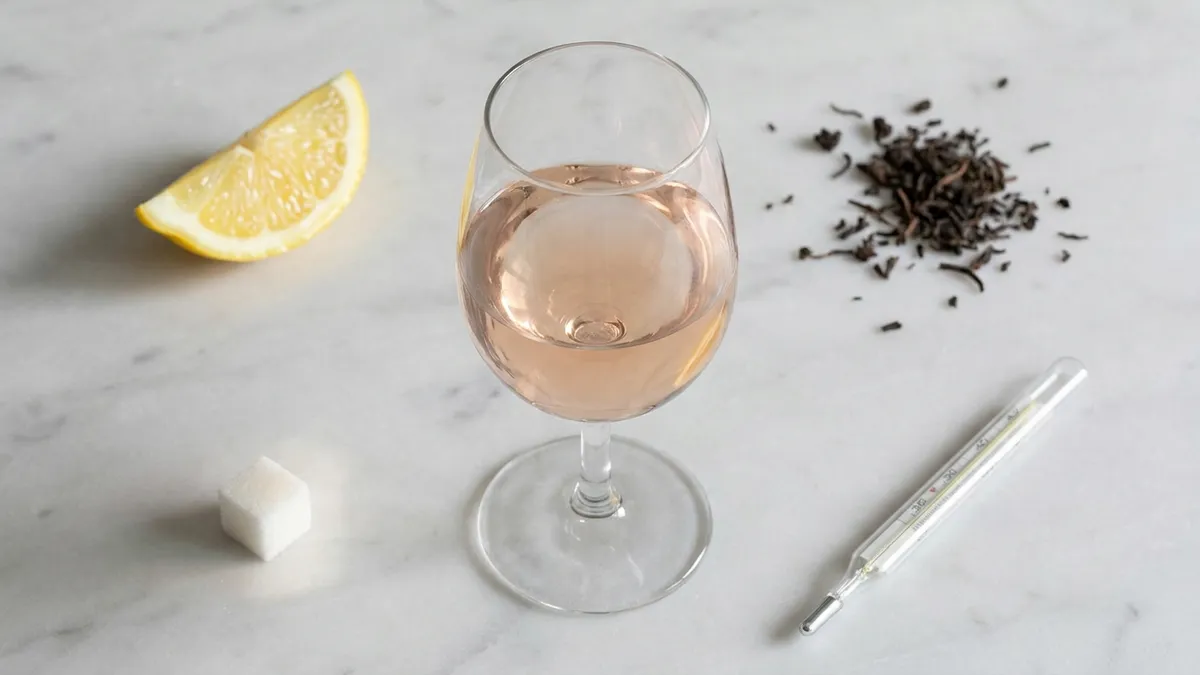
Tannin is the drying, slightly bitter, cheek-gripping feeling you get from big red wines and over-steeped black tea. It comes from compounds in grape skins and seeds that bind to the proteins in your saliva, which is why your mouth feels stripped and rough. If your bad wine memory is a heavy red that felt bitter and furry, tannin is your culprit — and the fix is to avoid tannic reds entirely at first.
Acidity is the sharp, mouth-watering sourness in the wine, the same tang you get from lemon or green apple. A little is refreshing; too much, too early, reads as sour and aggressive. If a crisp white made you wince, you are acid-sensitive right now, and you want styles where sweetness or softness balances the sourness out.
Dryness trips up more beginners than any other single thing. A dry wine simply has no perceptible sugar left — the yeast ate it all during fermentation. If you grew up on soda, sweet tea, and fruit juice, a dry wine can taste like it is missing something, even hollow. That is not a flaw in the wine or in you; it is a mismatch. A little sweetness bridges it instantly.
Alcohol is the last one — the warm, slightly burning sensation at the back of the throat in higher-strength wines. Bold reds and rich whites can hit 14 to 15 percent, and that heat is a genuine barrier for a new drinker. Low-alcohol styles in the 5.5 to 9 percent range sidestep it completely.
A Note on Supertasters
There is a real, physical reason some people find wine harsher than their friends do. Sensory scientist Linda Bartoshuk's research on taste sensitivity established that roughly a quarter of people are supertasters — they have more taste buds (fungiform papillae) on the tongue and are markedly more sensitive to bitterness. Another 50 percent are medium tasters, and about 25 percent are relatively insensitive.
If you are a supertaster, tannin and bitterness in dry wine genuinely hit you harder. That is not fussiness. It is biology, and it means starting sweeter and softer is not a beginner's crutch — it is the correct move for your palate. To understand the grip itself, our guide to what tannins are breaks down where it comes from and why it fades with the right food.
Match What You Already Drink to a Wine Style
The fastest way to find a wine you like is to stop thinking about wine and think about what is already in your fridge. Every everyday drink has a natural wine cousin. Use the drink you reach for now as a bridge to the style most likely to win you over.
| What you already enjoy | Start with this wine style | What it tastes like |
|---|---|---|
| Soda, sweet tea, fruit juice | Moscato d'Asti (lightly sweet, fizzy) | Fresh peach, orange blossom, soft bubbles, only ~5.5% alcohol |
| Lemonade, iced tea, seltzer | Dry rosé or Prosecco | Strawberry and citrus, crisp, clean, refreshing |
| Cocktails and spritzes | Prosecco or a wine spritz | Bright and bubbly, easy to lengthen with soda water |
| Beer | Lambrusco or Beaujolais (light red) | Juicy red fruit, a soft fizz or chill, very little grip |
| Coffee, dark chocolate | Off-dry Riesling now, bold reds later | Sweet-sour lift now; roast and tannin once your palate adjusts |
The logic is simple. If you love sweet drinks, sweetness is your on-ramp. If you love the bitterness of black coffee or hoppy beer, you already tolerate more bitterness than most beginners and can move toward light reds sooner. If you love long, refreshing, fizzy drinks, sparkling wine keeps that exact sensation. You are not starting from zero — you are translating a preference you already have.

The Five Friendliest Starter Styles
These five styles convert more skeptics than anything else. None of them requires special glassware, vocabulary, or a sommelier on standby. Each softens one of the four culprit sensations, and none of them is a specific bottle — learn the style plus region and any reputable version will land in the right neighborhood.
Moscato d'Asti — The Sweet, Gentle On-Ramp
Made from the Moscato grape in northern Italy's Piedmont, Moscato d'Asti is lightly sweet, softly fizzy, and floral, tasting of ripe peach, apricot, orange blossom, and honeysuckle. Its defining trick is alcohol: under the Asti DOCG rules it sits around 5.5 percent, roughly a third of a bold red. That makes it one of the lowest-pressure ways to drink wine on earth.
It works because the gentle sweetness cushions any bitterness or acidity, the bubbles keep it fresh, and the low alcohol means no throat burn. Serve it very cold. The full picture is in our Moscato wine guide.
Off-Dry Riesling — Sweetness With a Backbone
German Riesling in the off-dry, Kabinett style is the wine that quietly wins over people who "don't do sweet wine." It carries a touch of residual sugar, but it is balanced by razor-sharp acidity, so it reads as vibrant and quenching rather than sugary. Expect lime, green apple, white peach, and a mineral edge, usually at a low 8 to 9 percent alcohol.
If Moscato feels too sweet, Riesling is the next step. It is also the single best partner for spicy food. See our Riesling wine guide for how to read the label, and sweet vs dry wine for where "off-dry" actually sits on the spectrum.
Lambrusco — The Red for People Who Only Like Beer
If red wine has always felt bitter and heavy, Lambrusco rewrites the rules. It is a lightly sparkling red from Emilia-Romagna, often made in an off-dry (amabile) style, bursting with juicy blackberry and cherry and served chilled. The fizz and the chill strip away the seriousness, and the low tannin means none of the drying grip that puts beginners off reds.
Beer drinkers tend to love it because it keeps the cold, refreshing, faintly bitter-fruity quality of a good lager or amber ale while adding real fruit sweetness.
Provence-Style Dry Rosé — The Refreshing Middle Ground
Pale, dry rosé from southern France sits between white and red without committing to either. Expect strawberry, watermelon, pink grapefruit, and a herbal snap, all with bright acidity and no tannin. It is bone-dry, so it suits people who like their drinks refreshing rather than sweet — think lemonade or unsweetened iced tea.
Because there is no grip and no residual sugar, rosé is remarkably food-flexible and easy to sip cold on its own. Our rosé wine guide covers how color hints at style.
Prosecco — Bubbles Do the Heavy Lifting
Prosecco is the easiest sparkling entry point in the world: light, gently fizzy, and full of green apple, pear, and white peach at around 11 percent alcohol. The bubbles and brisk acidity make it feel celebratory and clean, and there is no tannin to decode. For anyone who loves a spritz or a cocktail, Prosecco keeps the exact same bright, effervescent feeling.
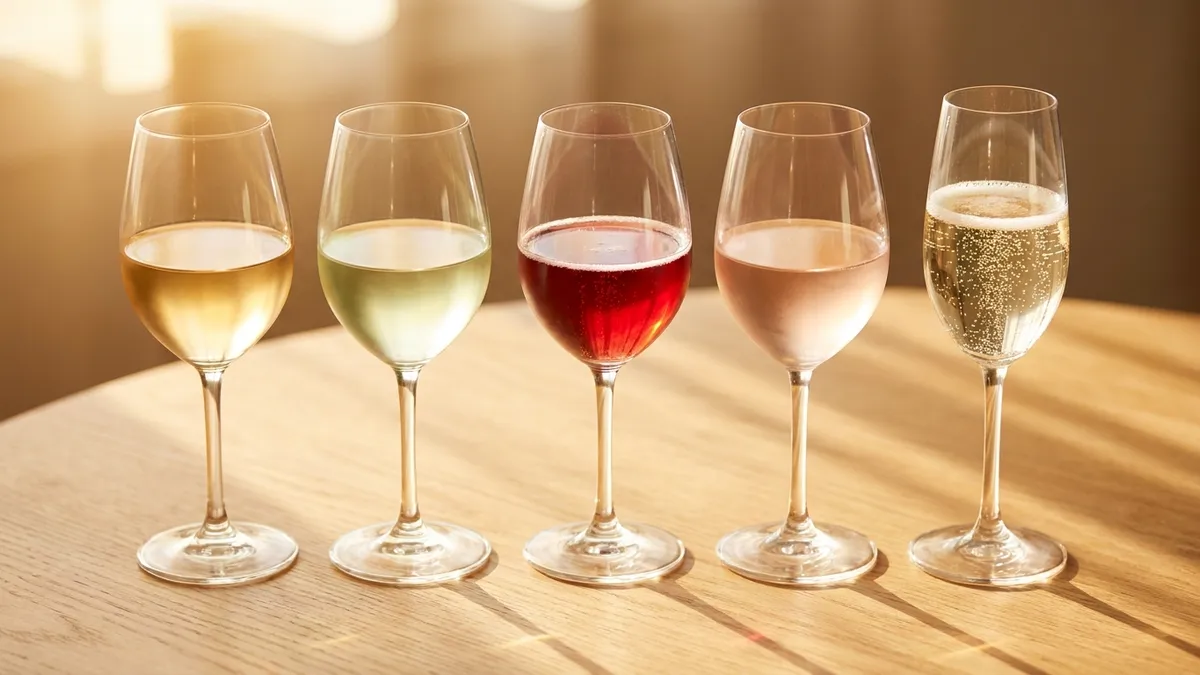
Serve It in a Way That Removes the Barriers
Half of a beginner's bad wine experiences are not the wine — they are the serving. Two changes make almost any starter style easier to love.
| Style | Serve at | What it does |
|---|---|---|
| Moscato, Prosecco, rosé, whites | 45–50°F (fridge-cold) | Mutes bitterness and alcohol, lifts fresh fruit |
| Light reds (Lambrusco, Beaujolais) | 55°F (20 min in the fridge) | Tames grip and heat, keeps the wine juicy |
| Bold reds | 60–65°F | Best saved until your palate has adjusted |
Cold temperatures suppress our perception of bitterness and the burn of alcohol while making fruit and freshness pop. That is exactly the trade a new drinker wants. Warm white wine tastes flabby and sweetish; hot red wine tastes alcoholic and flat. Fifteen minutes in or out of the fridge is the simplest correction in all of wine.
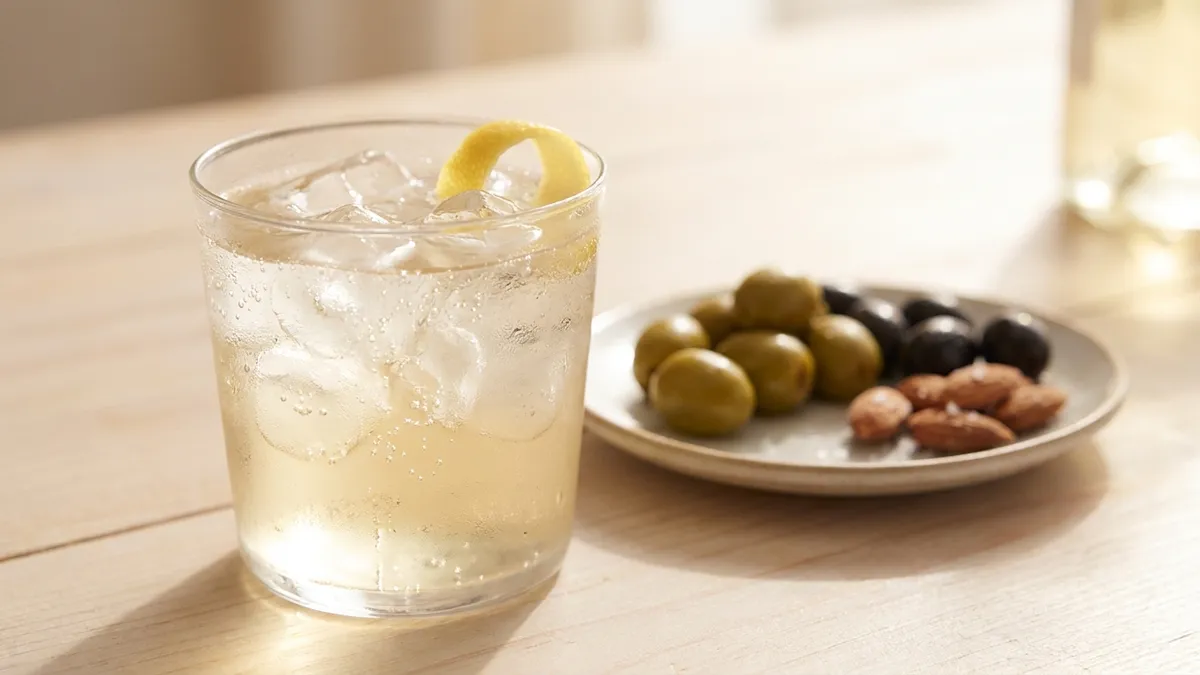
The second lever is food and dilution. A wine spritz — wine topped with soda water over ice — is a legitimate, centuries-old way to drink, and it lowers both the alcohol and the intensity that can overwhelm a beginner. Pairing a tannic style with fatty, salty, or protein-rich food softens the grip too, because fat and protein neutralize tannin on the palate.
Common Mistakes That Ruin a First Impression
A few avoidable patterns are behind most "I tried wine and hated it" stories. Sidestep these and give the next bottle a fair shot.
- Starting with a big, dry red. Cabernet Sauvignon and other tannic reds are the least beginner-friendly wines that exist. They are an acquired taste, not a starting point. Begin sweet, light, or fizzy.
- Drinking it warm. A red served at a warm room temperature tastes hot and bitter. Almost every starter style here wants to be genuinely cold.
- Buying the cheapest bottle on the shelf. Below a certain price, wine is industrial and charmless. The jump from the very bottom shelf to a modest mid-shelf bottle is the biggest quality leap a beginner ever tastes.
- Judging on the first sip. The first sip recalibrates your palate; the second is the honest one. Give any wine two or three sips before deciding.
- Drinking it with nothing. Many wines that feel harsh alone turn friendly the moment food hits the table. Don't judge a style in a vacuum.
You're Not Broken — Your Palate Is Just New
The most reassuring fact in this whole subject is that palates change, reliably and fairly quickly. Bitterness aversion is not fixed. It fades with repeated, low-pressure exposure — the same well-documented process by which people grow into black coffee, dark chocolate, IPAs, and olives. None of those tasted good the first time either.
That means the styles here are a starting point, not a ceiling. Drink the sweet and fizzy ones you enjoy now, pay a little attention to what you are tasting, and within a few months dry rosé starts to taste crisp instead of empty, and a light red starts to taste juicy instead of bitter. The palate that rejected wine at a wedding is not the palate you are stuck with.
Structured practice speeds this up more than white-knuckling through bottles you dislike. The Sommy app breaks tasting into the same five elements a sommelier uses — color, aroma, sweetness, acidity, and finish — in short five-minute sessions, so you build a real vocabulary instead of a vague sense of like or dislike. It pairs well with a simple home palate-training routine and our broader roundup of beginner-friendly wine styles.
For the full beginner path — what to buy first, how to read a label, and when to graduate from one style to the next — our buying-wine learn hub lays it out in order. And the whole structured journey, with courses and AI-guided tastings that meet a new palate exactly where it is, lives at sommy.wine.
The truth behind "wine for non-wine drinkers" is quietly encouraging: you were never the problem, and neither was wine. You just needed the right glass, served the right way, at the right point on a spectrum that is far wider than one bad memory suggested.
Sources
- Sweetness, acidity, tannin and the Systematic Approach to Tasting — Wine & Spirit Education Trust (WSET)
- Supertasters, PROP sensitivity and fungiform papillae density — Bartoshuk et al., Yale School of Medicine sensory science research
- Moscato d'Asti, Lambrusco, Riesling and residual sugar entries — The Oxford Companion to Wine, Jancis Robinson & Julia Harding (eds.), Oxford University Press
- Serving temperature and sensory perception of bitterness and alcohol — Understanding Wine Chemistry, Waterhouse, Sacks & Jeffery, Wiley
Frequently Asked Questions
What is the best wine for someone who doesn't like wine?
Start with a lightly sweet, low-alcohol style like Moscato d'Asti or an off-dry German Riesling. Both trade the bitterness and heat that turn beginners off for gentle fruit and bright freshness. Serve them cold. If you prefer something less sweet, a dry Provence-style rosé or a chilled Prosecco is the next easiest step.
Why do I dislike the taste of wine?
Almost always because of one sensation, not the whole drink. The usual culprits are tannin (a drying, bitter grip in reds), high acidity (a sour bite), the absence of sweetness in dry wine, or the warmth of alcohol. Roughly a quarter of people are also bitterness-sensitive supertasters, so wine can genuinely taste harsher to you.
Is sweet wine a good place to start?
Yes. Slightly sweet styles are among the most beginner-friendly wines in the world because sugar softens the bitterness and acidity that new palates find harsh. Moscato d'Asti sits around 5.5 percent alcohol and tastes like fresh peach. Off-dry Riesling balances its sweetness with sharp acidity, so it reads as vibrant rather than cloying.
What wine should I try if I only drink beer or cocktails?
Beer drinkers who like a little bitterness often enjoy light, juicy reds like Lambrusco or Beaujolais, served slightly chilled with low tannin. Cocktail and spritz drinkers usually take to Prosecco or a simple wine spritz, which keep the bright, bubbly, refreshing quality without the sweetness or strength of a mixed drink.
Does chilling wine make it taste better for beginners?
Often, yes. Cold temperatures mute bitterness and the burn of alcohol while sharpening fruit and freshness, which is exactly what a new palate wants. Serve whites and rosés at 45 to 50 degrees Fahrenheit, and even try light reds like Lambrusco or Beaujolais lightly chilled. Warm wine tastes flat, sweet, and alcoholic by comparison.
Can your palate change so you start liking wine?
Yes, and it usually does. Bitterness aversion fades with repeated, low-pressure exposure — the same way people grow into coffee, dark chocolate, and hoppy beer. Starting with forgiving styles and paying attention to what you taste trains your palate faster than forcing yourself through bottles you dislike. Most people move toward drier styles within a few months.
Is it fine to add ice or soda to wine?
For casual drinking, yes. A wine spritz — wine topped with soda water over ice — is a legitimate, centuries-old way to enjoy wine, and it lowers both the alcohol and the intensity that can overwhelm a beginner. Purists reserve ice for lighter, less expensive styles, but there is no real harm in making wine taste good to you.
Sommy Team
LinkedInFounder & Wine Educator
The Sommy Team is building the world's most approachable wine education app, helping beginners develop real tasting skills through structured courses and AI-guided practice.