Moscato Wine Guide: Sweet, Fizzy, and Surprisingly Complex

By the Sommy Team — AI-assisted, human-edited.
Updated Apr 29, 2026

Contents (11)
- What Is Moscato Wine
- The Three Italian Moscatos, in 100 Words
- A Very Short History of Moscato
- The Three Italian Styles in Detail
- How the Asti Method Works
- What Moscato Smells and Tastes Like
- Pairing Moscato with Food
- Drink Young — The Moscato Rule
- The American Moscato Boom
- Moscato vs Other Sweet Sparklers
- Why Moscato Belongs in a Tasting Library
TL;DR
Moscato is the Italian name for Muscat Bianco, most famous as Moscato d'Asti DOCG — a low-alcohol semi-sparkling wine from Piedmont. Three Italian styles dominate: Moscato d'Asti, Asti Spumante, and Moscato di Pantelleria. The 2010s American Moscato boom transformed perception of the category. Best drunk young, within one to three years.
What Is Moscato Wine
Moscato wine is the Italian expression of the Muscat grape family — most often the noble Muscat Bianco, called Moscato Bianco in Italian. The name covers a small group of distinctive Italian styles, from the gently fizzy, low-alcohol Moscato d'Asti DOCG in Piedmont to the rich dried-grape dessert wines of Moscato di Pantelleria off the coast of Sicily. Across all of them, the signature is the same — fresh grape and orange-blossom aromatics, soft sweetness, and an unmistakable lift on the nose that almost no other wine grape can match.
For years, Moscato sat quietly at the back of Italian wine lists. Then the 2010s American Moscato boom dragged it onto the front page, briefly typecast it as a sweet beginner wine, and then, paradoxically, gave producers the leverage to invest in quality. Today the category has more depth than its reputation suggests.
The Three Italian Moscatos, in 100 Words
Moscato is the Italian name for Muscat Bianco (Muscat Blanc à Petits Grains), most famous as Moscato d'Asti DOCG — a semi-sparkling Piedmontese wine at 5 to 6.5 percent alcohol with fresh peach, grape, and orange blossom. Three main Italian styles dominate: Moscato d'Asti (low-alcohol, frizzante), Asti Spumante DOCG (fully sparkling, around 7 percent alcohol), and Moscato di Pantelleria DOC (a passito-style sweet Sicilian dessert wine made from sun-dried Zibibbo grapes). The 2010s American Moscato boom — driven by hip-hop culture — pushed it from niche to global. Best drunk young, within one to three years.
A Very Short History of Moscato
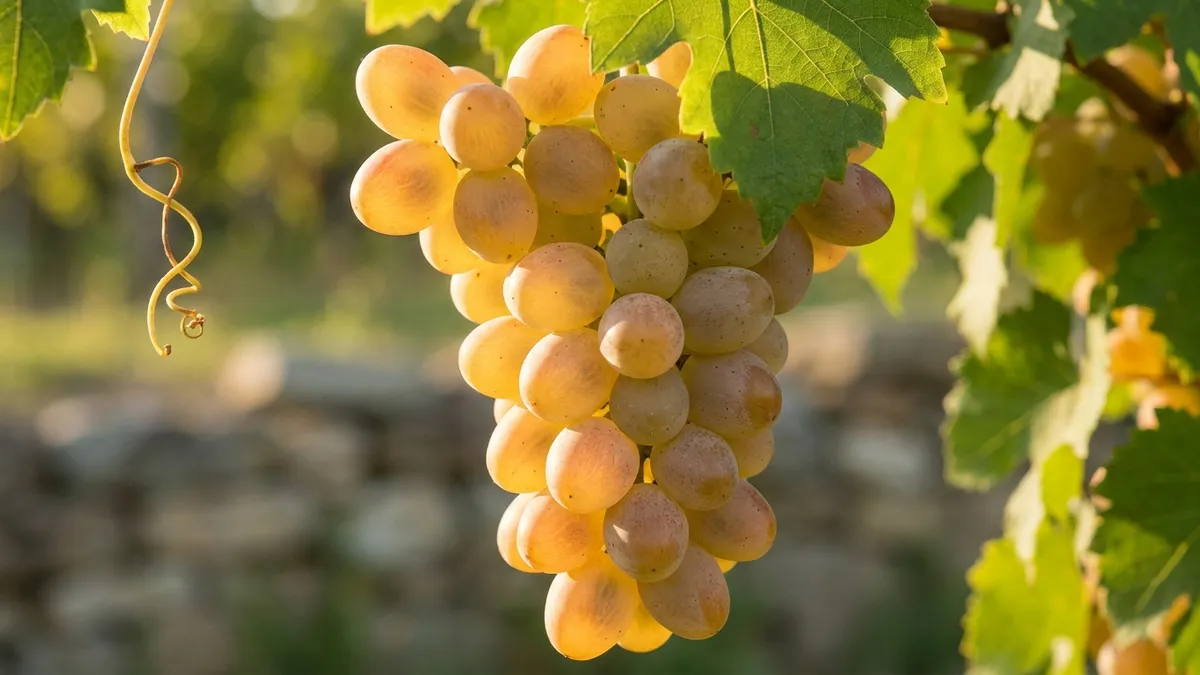
Muscat is the oldest cultivated wine grape family on earth, with at least 3,000 years of recorded history around the Mediterranean. Greek and Phoenician traders carried it across the sea, and Italian growers were among the first to develop distinctive regional expressions of the grape.
By the 19th century, two Italian Moscato traditions were already well established. In Piedmont, growers in the hills around Asti made a lightly sweet, lightly fizzy wine from Moscato Bianco that was meant for end-of-meal sipping rather than aging. On the volcanic island of Pantelleria, between Sicily and Tunisia, growers worked with the larger-berried Muscat of Alexandria — known locally as Zibibbo — and dried the grapes on mats in the sun before pressing them into intensely concentrated dessert wines.
Both traditions still anchor the category. To see how Moscato fits inside the wider extended family of Muscat grapes, see our Muscat wine guide.
The Three Italian Styles in Detail
Moscato d'Asti DOCG
Moscato d'Asti is the artisanal flagship — a frizzante (gently semi-sparkling) wine from the hills of southeastern Piedmont, made from Moscato Bianco. By DOCG rules, alcohol must sit between roughly 4.5 and 6.5 percent, residual sugar around 100 to 130 grams per liter, and pressure under 2.5 atmospheres — about half what you would find in a bottle of Champagne.
The result is one of the most distinctive low-alcohol wines in the world. Pale straw, a soft mousse rather than aggressive bubbles, a fragrant nose of fresh white grapes, ripe peach, apricot, and orange blossom, and a finish that is sweet without ever being heavy. Moscato d'Asti is meant to be drunk in the year of release while its aromatics are at peak intensity.
For more context on where it sits among other low-alcohol options, see our low-alcohol wines guide.
Asti Spumante DOCG
Asti Spumante — increasingly labeled simply Asti — is the fully sparkling sister to Moscato d'Asti. Same grape, same region, same DOCG umbrella, but made to a different specification. Alcohol around 7 to 7.5 percent, full sparkling pressure of about 5 atmospheres, foamier bubbles, and a slightly drier impression on the palate despite similar residual sugar levels.
Asti is the volume-driven half of the partnership, with millions of bottles produced each year, often as a celebratory and gift wine. It pairs especially well with light pastries, fruit tarts, and Italian Christmas cakes like panettone and pandoro.
To compare Asti to other sparkling traditions, see our guide to sparkling wine types and Champagne vs Prosecco vs Cava.
Moscato di Pantelleria DOC
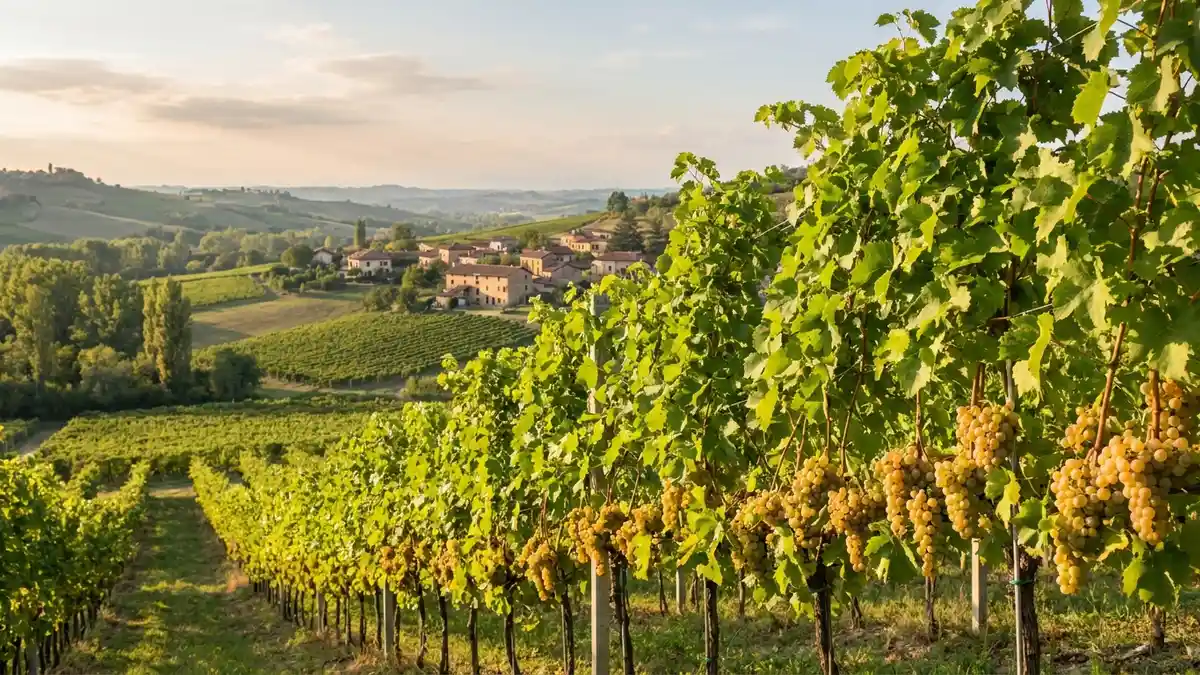
Moscato di Pantelleria is the wildcard of the family — a Sicilian dessert wine made on the windswept volcanic island of Pantelleria from Zibibbo, the local name for Muscat of Alexandria. The wine comes in two main forms. The simpler version is a still or lightly fizzy Moscato. The famous version, Passito di Pantelleria, is made from grapes dried in the sun for two to three weeks before pressing.
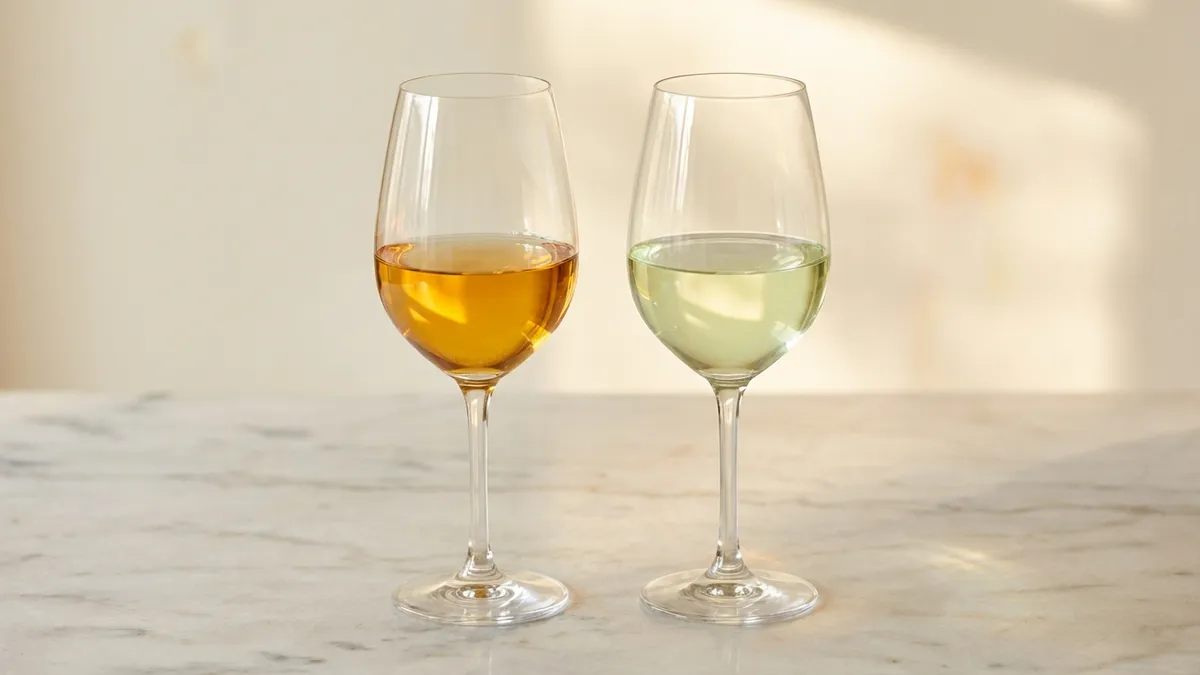
Drying concentrates sugar, acid, and aromatics in one shot. The resulting wine is amber-gold, viscous on the palate, and intensely fragrant — dried apricot, fig, orange peel, honey, and a savory mineral edge from the volcanic soil. Alcohol sits around 14 to 15 percent, residual sugar can exceed 150 grams per liter, and unlike most Moscato, the best Passito di Pantelleria can age gracefully for a decade.
For a broader tour of the dessert wine world, see our dessert wine guide.

How the Asti Method Works
Most sparkling wines fall into one of two camps. The traditional method (Champagne, Cava, Franciacorta) ferments the wine twice — once in tank, once in bottle — to produce bubbles. The Charmat method (Prosecco) ferments twice as well, but the second fermentation happens in a sealed pressurized tank rather than in the bottle.
Asti uses neither. The Asti method — also called the Metodo Asti — is a single fermentation. Fresh Moscato Bianco juice is chilled to near-freezing and held in pressure tanks, where the winemaker starts and stops fermentation in carefully controlled bursts. The carbon dioxide produced by that one fermentation is captured under pressure, and the process is halted while there is still significant residual sugar and modest alcohol in the wine. No yeast aging on lees, no second fermentation, no liqueur d'expédition.
The result is a wine that is intentionally simple — fresh fruit, low alcohol, soft bubbles, and youthful aromatics preserved exactly as they came off the vine. Almost no other sparkling category in the world is made this way, which is why Moscato d'Asti tastes nothing like Champagne or Prosecco even though all three are bubbly Italian or French whites.
What Moscato Smells and Tastes Like
Moscato is one of the most aromatic wines you will ever encounter. The grape carries an exceptionally high concentration of terpenes (naturally occurring aromatic compounds in the grape skin), particularly linalool, the same compound found in lavender and bergamot. That is what gives Moscato its trademark perfume.
Across the three Italian styles, the core aromatic profile includes:
- Fresh white grapes — the unmistakable signature
- Ripe peach and apricot — soft stone fruit notes
- Orange blossom and honeysuckle — bright floral lift
- Lychee and rose petal — in warmer-climate examples
- Citrus zest and fresh herbs — supporting the floral notes
Sweet styles like Passito di Pantelleria add layers of:
- Dried apricot, fig, and raisin
- Honey and candied orange peel
- A subtle savory edge from volcanic soils
On the palate, Moscato d'Asti and Asti both lead with a soft, creamy mousse and a sweetness that is balanced by the grape's natural acidity. The finish is clean rather than cloying — a textbook example of sweetness held in check by structure. To go deeper on how that balancing act works, see our guide to wine balance explained and the wine sweetness scale.
Pairing Moscato with Food
Moscato is often introduced as a dessert wine, but the two lighter Italian styles are far more versatile than that label suggests. The combination of low alcohol, high acidity, and gentle sweetness makes Moscato d'Asti and Asti two of the most food-friendly aromatic whites in the world.
A short field guide:
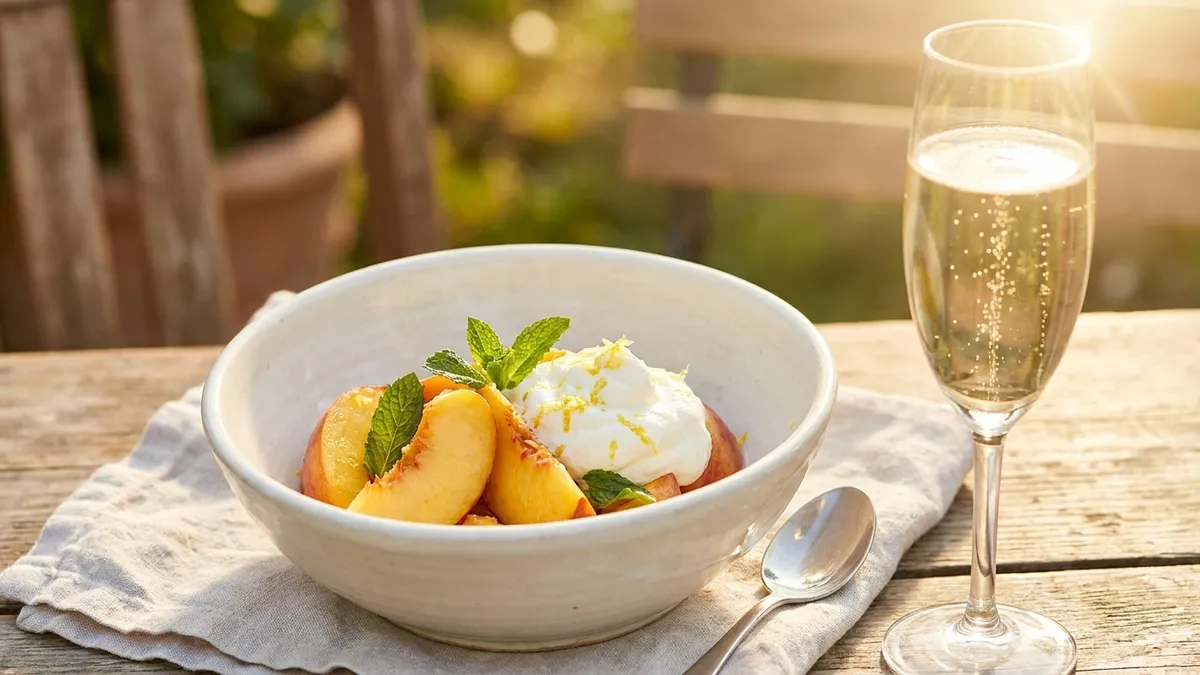
- Fresh fruit desserts — peach cobbler, fruit tarts, berry pavlovas, summer fruit salads. The wine's grape-and-peach core mirrors and amplifies the fruit on the plate.
- Italian holiday cakes — panettone, pandoro, colomba pasquale. Moscato d'Asti and Asti are the traditional Italian Christmas wines for exactly this reason.
- Brunch dishes — pancakes with maple syrup, French toast, fresh fruit and ricotta. Low alcohol means you can pour at 11 a.m. without derailing the day.
- Spicy Asian food — Sichuan, Thai, Vietnamese, Indian curries. The slight residual sugar tames chili heat the way water cannot.
- Soft cheeses with fruit — fresh ricotta with honey, Stracchino with figs, Robiola with pears.
- Passito di Pantelleria pairings — almond biscotti, ricotta-based pastries, dried-fruit-and-nut plates, and stronger blue cheeses like Gorgonzola Piccante.
The general rule — match the sweetness of the wine to the dish, and let the aromatics support the food rather than fight it. For a deeper look at how sweetness shapes pairings, see our wine and food pairing guide and the broader Italian wine guide.
Drink Young — The Moscato Rule
Moscato is one of the clearest examples in wine of a category built to be drunk young. The aromatic profile — fresh grape, peach, orange blossom, jasmine — depends on volatile compounds that fade with bottle age. A two-year-old Moscato d'Asti is at peak aromatic intensity. A six-year-old Moscato d'Asti is faded and dull.
A practical rule:
- Moscato d'Asti — drink within one to two years of vintage
- Asti Spumante — drink within two years of vintage
- Moscato di Pantelleria (still) — drink within three years
- Passito di Pantelleria — can age ten years or more thanks to high sugar and extract
Always check the vintage on the back label. Bottles that have been sitting on a shop shelf for three or four years are not bargains — they are tired.
The American Moscato Boom
The 2010s Moscato boom is one of the strangest cultural moments in modern wine. Around 2009, Moscato began appearing in hip-hop lyrics — Drake, Kanye West, Lil Kim, and others name-dropped the wine in songs and interviews. By 2011, US Moscato sales had tripled. By 2013, Moscato was outselling Sauvignon Blanc in some American supermarkets.
The boom briefly created two perceptions of Moscato that were both wrong. The first was that it was a low-quality starter wine for people who could not handle dry Chardonnay. The second was that all Moscato was a single mass-market style. Both ignored that the underlying category — Moscato d'Asti DOCG in particular — was already a serious, traditional Italian wine with strict production rules and centuries of history.
The lasting effect has been positive. Sales gave Italian producers the leverage to invest in better viticulture, gentler pressing, and longer-lived vines. Moscato today is a richer, more diverse category than it was twenty years ago — and the boom is part of the reason. To zoom out on how wine perception shifts across cultures and decades, see our guide on why wine tastes different every time and the wine tasting myths debunked piece.
Moscato vs Other Sweet Sparklers
Moscato d'Asti often gets compared to other off-dry or sweet sparkling wines. The differences matter:
- Moscato d'Asti — 5 to 6.5 percent alcohol, semi-sparkling, single fermentation, intensely floral, drink young
- Demi-Sec Champagne — 12 percent alcohol, fully sparkling, traditional method, brioche and citrus notes, can age
- Off-dry Prosecco — 11 percent alcohol, fully sparkling, Charmat method, green-apple and pear notes
- German Sekt — 11 to 12 percent alcohol, fully sparkling, often Riesling-based, citrus and stone fruit
- Spanish Cava Semi-Seco — 11 to 12 percent alcohol, fully sparkling, traditional method, lightly bready
What sets Moscato d'Asti apart is the combination of low alcohol, gentle pressure, and grape-driven aromatics. No other sparkling category lets you sip something so fragrant and so light at the same time. Compare against the sweet vs dry wine primer to see why category labels can mislead.
Why Moscato Belongs in a Tasting Library
For anyone learning to taste, Moscato is one of the most useful grapes in the world. It teaches three lessons that almost no other grape teaches as cleanly.
First, it isolates the impact of terpenes on aroma. Once you have the linalool-driven floral note locked in from a Moscato d'Asti, you will start spotting it in dry Gewurztraminer, Riesling, Torrontés, and Viognier — all wines that share parts of Moscato's aromatic toolkit.
Second, it shows how winemaking changes a single grape into wildly different finished wines. A side-by-side flight of Moscato d'Asti, Asti Spumante, and Passito di Pantelleria — all from the Muscat family — tells a clearer story about how pressure, alcohol, and sugar concentration shape a wine than almost any other comparison.
Third, it disproves the assumption that sweet means simple. The best Moscato d'Asti and Passito di Pantelleria carry more aromatic complexity than most dry whites on the market.
Sommy walks beginners through Moscato as part of its aromatic-grape modules — the same kind of structured side-by-side tasting that turns confusion into pattern recognition. After two or three sessions, the family becomes recognizable on any wine list. Its gentle sweetness and low alcohol also make Moscato d'Asti one of the best entry points in our guide to wine for non-wine drinkers. To pair Moscato study with a wider toolkit, see primary, secondary, tertiary aromas and how to taste white wine.
Moscato is the rare wine that smells exactly like the fruit it is made from. Once that aroma is locked in your memory, you will recognize the family across every label, every producer, and every style for the rest of your drinking life.
Frequently Asked Questions
What does moscato wine taste like?
Moscato tastes like fresh white grapes, ripe peach, apricot, orange blossom, and honeysuckle, with a soft sweetness balanced by lively acidity. Most styles are gently fizzy and low in alcohol. The aromatics are unusually loud — even a small pour can perfume the table. Sweetness levels run from delicately off-dry in Moscato d'Asti to richly concentrated in dried-grape Moscato di Pantelleria.
Is moscato the same as muscat?
Yes and no. Moscato is the Italian word for the Muscat grape family, and most Italian Moscato is made from Muscat Bianco — also called Moscato Bianco — which is the same grape as Muscat Blanc à Petits Grains in France. So Moscato is a subset of Muscat, focused on Italian styles. Outside Italy, the same wine is usually labeled Muscat or Muskateller.
How much alcohol is in moscato?
Most Moscato is unusually low in alcohol. Moscato d'Asti is the lightest, at 5 to 6.5 percent alcohol by volume. Asti Spumante runs slightly higher, around 7 to 7.5 percent. Sweet fortified styles like Moscato di Pantelleria climb to around 15 percent. For comparison, a dry table wine typically sits between 12 and 14 percent alcohol.
What is the difference between moscato d'asti and asti spumante?
Both come from Piedmont and are made from Moscato Bianco, but they differ in pressure, alcohol, and intensity. Moscato d'Asti is frizzante — gently semi-sparkling at around 2.5 atmospheres of pressure, 5 to 6.5 percent alcohol, and lightly sweet. Asti Spumante is fully sparkling at about 5 atmospheres, 7 percent alcohol, with foamier bubbles and a more festive, fruit-forward profile.
What food pairs well with moscato?
Moscato d'Asti is a textbook match for fresh fruit desserts, panettone, almond pastries, fruit tarts, and brunch dishes like pancakes with berries. The slight sweetness and low alcohol also tame spicy Asian food — Sichuan, Thai, and Indian curries all sing alongside it. Sweet Moscato di Pantelleria pairs with blue cheese, almond biscotti, and dried-fruit desserts.
Why did moscato become so popular in the 2010s?
American hip-hop artists name-dropped Moscato in lyrics from around 2009 onward, turning it into a cultural moment. Sales jumped by triple-digit percentages over a few years. The boom briefly typecast Moscato as a sweet beginner wine, but the underlying category — particularly Moscato d'Asti DOCG — was always serious, and producers used the spotlight to invest in quality.
How long does moscato keep?
Most Moscato is built to drink young — ideally within one to three years of vintage. The grape's defining floral and fresh-fruit aromatics fade with age, so an old Moscato d'Asti is a faded version of itself. The exception is dried-grape Moscato di Pantelleria Passito, which can mature gracefully for ten years or more thanks to its high concentration of sugar and extract.
Is moscato a dessert wine?
Some styles are, some are not. Moscato d'Asti and Asti Spumante are off-dry rather than fully sweet — they sit on the lighter end of the wine sweetness scale and are versatile enough for brunch or aperitif. Moscato di Pantelleria Passito is a true dessert wine, with high residual sugar and concentrated dried-fruit flavors built for the end of the meal.
Sommy Team
LinkedInFounder & Wine Educator
The Sommy Team is building the world's most approachable wine education app, helping beginners develop real tasting skills through structured courses and AI-guided practice.