Nebbiolo Wine Guide: The Grape Behind Barolo and Barbaresco

By the Sommy Team — AI-assisted, human-edited.
Updated Apr 29, 2026
Contents (10)
- What Is Nebbiolo Wine?
- Nebbiolo, in 60 Seconds
- Why Nebbiolo Is Inseparable From Piedmont
- The Five Zones of Nebbiolo Wine
- Nebbiolo Tasting Notes and Flavor Profile
- Modern vs Traditional Barolo: The Barolo Wars
- How to Pair Nebbiolo Wine With Food
- Serving Nebbiolo Wine
- How to Recognize Nebbiolo Blind
- Building Your Nebbiolo Tasting Skills
TL;DR
Nebbiolo is the noble red grape of Piedmont in northwestern Italy, behind Barolo, Barbaresco, Roero, Gattinara, and Ghemme. Pale brick-orange in the glass yet ferociously tannic and acidic, it shows tar, rose, dried cherry, leather, and truffle. Plant it elsewhere and it loses its magic — terroir defines this variety.
What Is Nebbiolo Wine?
Nebbiolo is the noble red grape of Piedmont in northwestern Italy, and the variety behind some of the most celebrated wines in the world. If you have ever heard of Barolo — often called "the King of Wines" — you have already heard of nebbiolo wine, because Barolo is 100 percent Nebbiolo by law. The same is true of Barbaresco, slightly more elegant, and of three less famous but equally serious zones: Roero, Gattinara, and Ghemme.
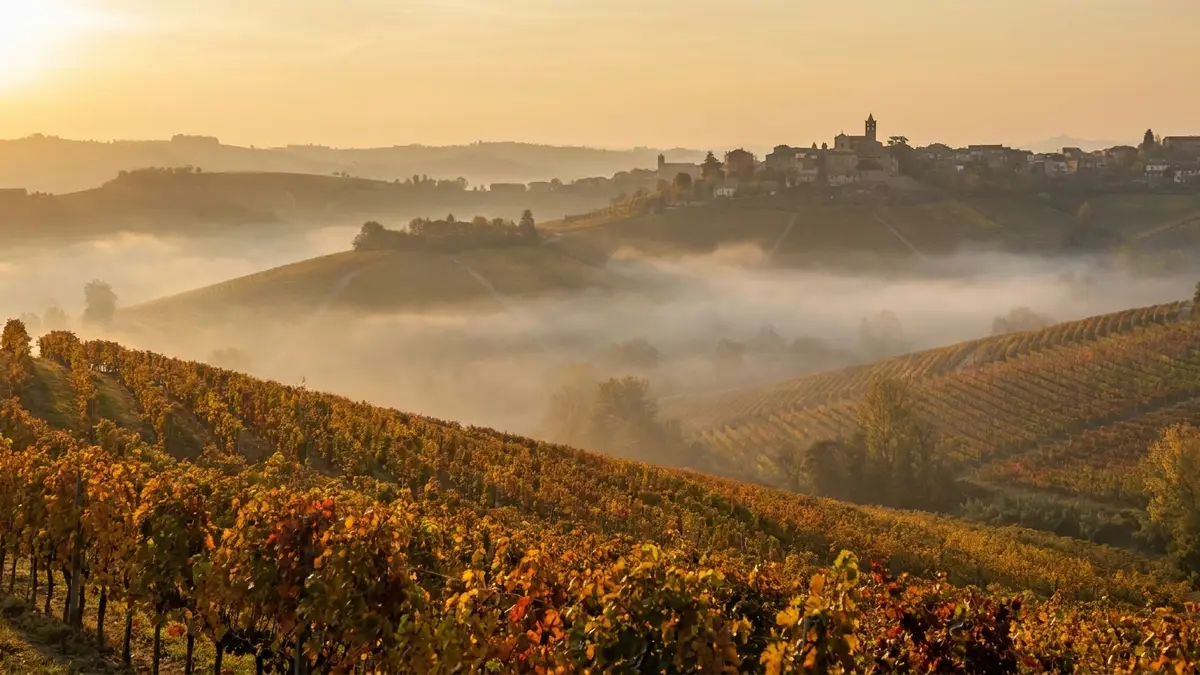
Despite its reputation, Nebbiolo is rare. Roughly 5,500 hectares are planted globally, almost all in northwestern Italy. The grape is famously picky, demanding calcareous marl (a limestone-clay soil) on south-facing slopes and the autumn fog that gives the variety its name — nebbia is Italian for fog. Move it a few valleys away and the magic fades.
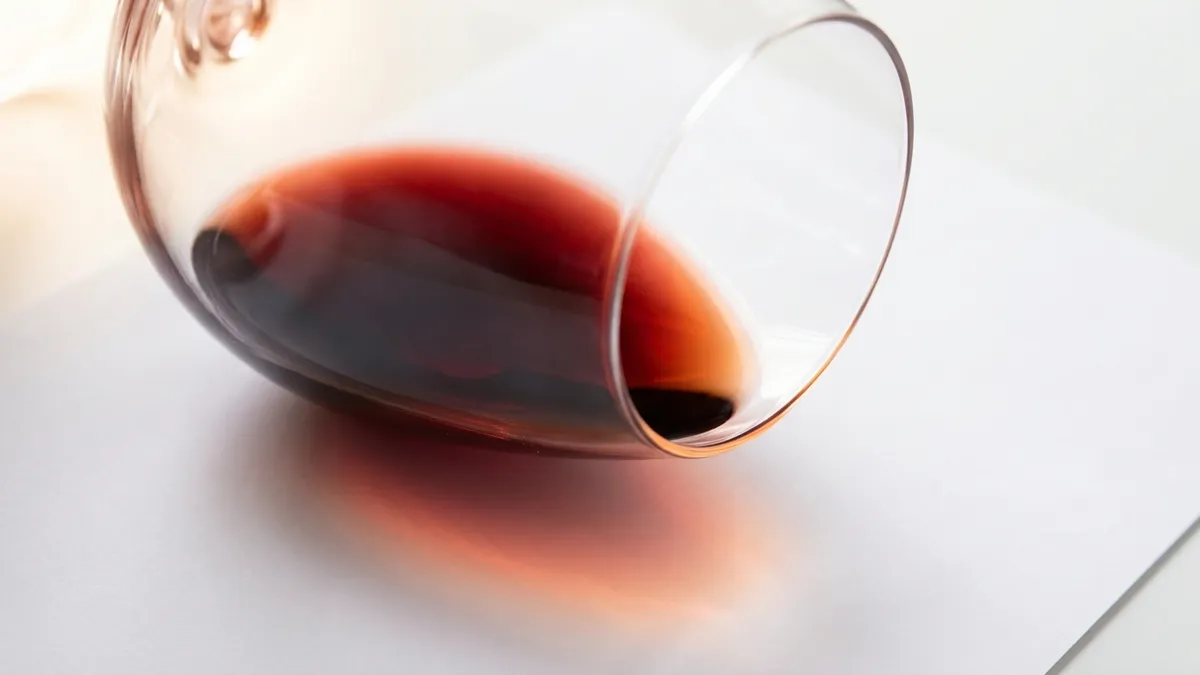
What makes Nebbiolo unforgettable is the contrast in the glass. It pours a pale, almost translucent garnet — the color of a Pinot Noir — and then hits the palate with the tannin and acidity of a heavyweight Cabernet. Tar, rose, dried cherry, leather, anise, and white truffle weave through the aroma. It is one of the most distinctive grapes on earth.
Nebbiolo, in 60 Seconds
Nebbiolo is a thin-skinned red grape native to Piedmont, the region surrounding Turin in northwestern Italy. The five flagship zones are Barolo (the most famous and longest-aging), Barbaresco (slightly more elegant), Roero (sandy soils, earlier-drinking), and the alpine zones of Gattinara and Ghemme in northern Piedmont. Aromas reach for tar, rose, dried cherry, leather, anise, and truffle. The structure is extreme — very high acidity, very high drying tannins, medium body, and 13 to 14 percent alcohol. Color is deceptively pale, fading to brick-orange at the rim with age. Top Barolos need 10 to 15 years to soften, and the best can age 30 years or more. Terroir matters: Nebbiolo grown outside the limestone-marl hills of the Langhe rarely captures its native fragrance.
Why Nebbiolo Is Inseparable From Piedmont
Nebbiolo has been documented in the Langhe hills since the 13th century, with written records from 1266 referring to "nibiol" wine. By the 19th century, French oenologists working in Piedmont — most famously Louis Oudart, hired by the Marchesa Giulia di Barolo — helped transform the local style from a sweet, often oxidized red into the dry, age-worthy wine that built the modern reputation of Barolo.
What ties Nebbiolo to Piedmont is geology and weather. The Langhe and Roero hills sit on a complex mosaic of calcareous marl soils, weathered from an ancient seabed. Vintage by vintage, the soils give Nebbiolo its trademark perfume and acidic backbone. The region's autumn fog cools the grape during the long ripening season, helping the variety hold its acidity even at full phenolic ripeness.
This is why the same grape struggles elsewhere. New World producers in California, Mexico, Argentina, and Australia have tried Nebbiolo with respectable results, but the wines tend to be heavier, less fragrant, and missing the high-toned rose and tar that define the original. As with terroir generally, place is doing most of the work.
The Five Zones of Nebbiolo Wine
Barolo
Barolo DOCG is Nebbiolo's most famous expression and one of the world's great long-lived reds. Eleven communes south of the town of Alba make up the zone — the best known are La Morra, Barolo, Castiglione Falletto, Serralunga d'Alba, and Monforte d'Alba. Each commune has a distinctive personality, much like the villages of Burgundy.
- Aging requirements — minimum 38 months from harvest, of which 18 must be in wood (Barolo Riserva: 62 months minimum)
- Style — full-bodied, dried cherry, rose, tar, leather, smoke, very firm tannins
- Aging potential — 15 to 30 years for typical vintages, longer for great years
Barolo is to Nebbiolo what Brunello is to Sangiovese — the grape pushed to its maximum expression of structure and longevity.
Barbaresco
Barbaresco DOCG sits across the Tanaro river from Barolo, a smaller and warmer zone. The wines are also 100 percent Nebbiolo but typically show a slightly more elegant, perfumed profile, with finer tannins and earlier drinkability.
- Aging requirements — minimum 26 months, of which 9 must be in wood (Riserva: 50 months)
- Style — medium to full-bodied, fragrant rose, red cherry, tea leaf, refined tannins
- Aging potential — 10 to 25 years
The historical reputation places Barolo above Barbaresco, but in modern hands the two are peers. They are, in many ways, two different translations of the same poem.
Roero
Roero DOCG lies on the opposite bank of the Tanaro from Barolo, on lighter, sandier soils. The wines are typically softer, more approachable, and ready earlier than Barolo or Barbaresco. Roero is required to be at least 95 percent Nebbiolo.
This is the zone to explore when you want to learn the grape's profile without committing to a 15-year cellar wait. Roero shows the rose-and-cherry side of Nebbiolo with friendlier tannins.
Gattinara and Ghemme
In northern Piedmont, near the foothills of the Alps, Gattinara DOCG and Ghemme DOCG make Nebbiolo on volcanic-influenced soils. Locally the grape is called Spanna. The wines are leaner and more mineral than their Langhe cousins, with sharper acidity and a wiry, almost alpine character.
These zones nearly disappeared in the 20th century but have seen a quiet revival. They offer some of the best value in serious Nebbiolo wine today.
Langhe Nebbiolo
You will also see the broader Langhe Nebbiolo DOC designation, which covers Nebbiolo wines from the Langhe area that do not meet the strict Barolo or Barbaresco rules — often younger vines, declassified barrels, or experimental sites. These wines are excellent introductions to the grape at gentler prices, and they are the best way to start training your palate without a hundred-euro outlay.
Nebbiolo Tasting Notes and Flavor Profile
Nebbiolo has one of the most recognizable flavor signatures in wine. Once you have tasted it carefully two or three times, you will rarely miss it in a blind tasting.
Core Aromas
- Floral — rose petal, dried roses, violet, potpourri
- Fruit — dried cherry, sour cherry, red plum, pomegranate, sometimes orange peel
- Earth — tar, leather, forest floor, dried tobacco, white truffle, mushroom
- Spice — anise, fennel, star anise, dried herbs
- Oak (when present) — sweet vanilla, baking spice from large old casks (botti) or smaller barriques
The pairing of rose and tar is the giveaway combination. Few other red grapes produce both at the same time. When you smell that pairing in a pale, garnet-rimmed wine, you are almost certainly in Nebbiolo territory.
Structure on the Palate
- Acidity — very high. Saliva floods the mouth, the wine feels lifted and bright
- Tannins — very high. Drying, gripping, sometimes almost chewy in young wines
- Body — medium. The grape rarely tastes heavy despite its power
- Alcohol — typically 13 to 14 percent
- Length — long. A great Barolo can echo for 30 seconds or more
For a deeper map of these terms, see the guides to tannin and acidity and wine structure.
How Nebbiolo Looks in the Glass
Nebbiolo is one of the most visually deceptive red wines you will ever pour. Even young Barolo can already show a slight orange tint at the rim. By 10 years of age, the wine often looks almost garnet-brick across the whole glass. The color and age relationship in Nebbiolo is unusually fast — much quicker than in Cabernet or Syrah. Inexperienced tasters often guess Pinot Noir from the color and miss the gripping tannin entirely until the first sip.
Modern vs Traditional Barolo: The Barolo Wars
In the 1980s and 1990s, Barolo went through an internal civil war that shaped what is in your glass today.
The traditional style favored long fermentations on the skins (sometimes 30 to 60 days), aging in large neutral Slavonian oak casks (botti), and a famously austere young profile that demanded decades of cellaring before drinking. What that long time on the skins does to tannin and colour is covered in extended maceration explained.
The modern style, championed by a younger generation of producers, used shorter fermentations, smaller French oak barriques for richer texture, and more accessible early drinking. Critics rewarded the modern wines with high scores.
By the 2010s, the two camps had largely converged. Most top producers today blend the lessons — careful tannin extraction, mostly large-format aging, restrained use of new oak, and respect for site. The "Barolo Wars" left Nebbiolo more diverse and arguably more drinkable than it has ever been.
How to Pair Nebbiolo Wine With Food
Nebbiolo's tannin and acidity demand richness and savory depth. The local cuisine of Piedmont evolved alongside the grape, which is why classic pairings still feel inevitable.
Iconic Piedmont Pairings
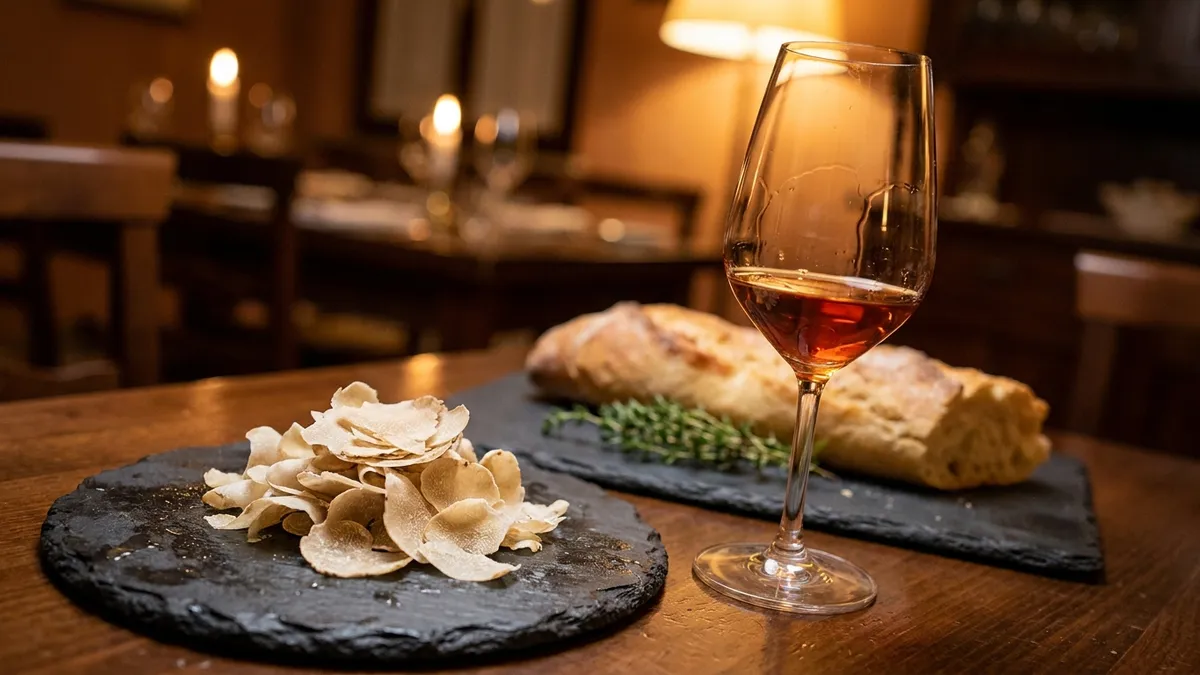
- White truffle — risotto al tartufo, fresh tajarin pasta with butter and shaved truffle. Nebbiolo's earthy, mushroomy notes echo the truffle aroma directly. For black truffle, truffle oil and truffled eggs, see wine with truffles.
- Brasato al Barolo — beef braised slowly in Nebbiolo wine. Classic Sunday cooking in Piedmont.
- Agnolotti del plin — small stuffed pasta with roasted meat fillings, often dressed with butter and sage.
- Bagna càuda — anchovy-garlic dipping sauce served warm with vegetables. The umami softens Nebbiolo's grip beautifully.
- Wild boar ragu — gamey, slow-cooked, fatty. Nebbiolo's acidity cuts the richness while its tannins bind to the protein.
- Aged hard cheeses — Castelmagno, Bra, Parmigiano-Reggiano, aged Toma. The salt and umami amplify the savory side of the wine.
Beyond Piedmont
- Roasted lamb with rosemary and garlic
- Mushroom risotto with porcini or mixed forest mushrooms
- Hard sheep's milk cheeses with honey
- Grilled steak with herbs (the rule of thumb from the wine pairing rules guide holds — match weight and intensity)
- Slow-braised short ribs in red wine and stock, or a lighter Nebbiolo with braised veal shank (wine with veal)
For a broader treatment of the tannin-fat principle at work here, the wine and food pairing guide covers the science.
What to Avoid
Nebbiolo's structure overwhelms light, delicate dishes. Skip raw fish, light salads, and anything sweet — the tannins clash badly with sugar. Spicy food also amplifies the wine's bitterness, so save the harissa for another bottle.
Serving Nebbiolo Wine
Temperature
Serve Nebbiolo at 16 to 18°C (60 to 65°F). Slightly cooler dulls the perfume; warmer pushes the alcohol forward and softens the structure too much. The wine serving temperature chart covers temperature ranges for every red style if you want a deeper reference.
Decanting
- Young Barolo or Barbaresco — 60 to 120 minutes in a decanter. The wine genuinely opens up.
- Mature Barolo (15 years and older) — decant gently for sediment, but taste early. Old Nebbiolo can fade fast in the glass.
- Roero, Langhe Nebbiolo — 30 minutes is usually enough.
Glassware
A large, tulip-shaped glass works well — something close to a Burgundy bowl. The wide bowl gives Nebbiolo's perfume room to develop. A narrow glass mutes the aromatics and is the single most common reason new tasters miss what makes the grape special.
Aging Potential by Style
- Langhe Nebbiolo: 3 to 8 years
- Roero: 5 to 12 years
- Barbaresco: 10 to 25 years
- Barolo: 15 to 30 years (Riserva: 25 to 40+ years)
- Gattinara and Ghemme: 8 to 20 years
How to Recognize Nebbiolo Blind
If you are training your palate, Nebbiolo is one of the most rewarding grapes to learn because the signature is so specific. The telltale combination is pale color plus huge tannin — almost no other red grape produces that contrast. A Pinot Noir would look similar but feel light and silky. A Cabernet would have the tannin but pour deep purple-black. A Sangiovese would have the acidity but more fruit-forward red cherry, less tar and rose.
Tasted alongside a Sangiovese of similar age, Nebbiolo will show more rose, more tar, more leather, and grippier tannins. The Barolo vs Chianti comparison turns that contrast into a choice for dinner. Against a Pinot Noir of the same color, the structure will give it away on the first sip.
The Sommy app's blind tasting drills are built around exactly these comparisons — the deductive tasting method trains you to use color, structure, and aroma together rather than guessing from any one signal.
Building Your Nebbiolo Tasting Skills
Start with two bottles tasted side by side: a Langhe Nebbiolo and a young Barolo from the same vintage. The Langhe Nebbiolo is the fragrance and structure of the grape in entry form; the Barolo is the same grape with longer aging, more concentration, and tighter tannin. Tasting them together is the fastest route to internalizing what Nebbiolo does.
If you can stretch to three bottles, add a Barbaresco to the lineup. The contrast between Barolo and Barbaresco from comparable producers will teach you more about Piedmont in one evening than any book chapter.
The Sommy app walks through Italian grape comparisons exactly like this, with structured prompts that train you to notice the rose-and-tar signature, the brick-rim color shift, and the gripping tannin profile that define great nebbiolo wine. Pair that with a chapter on Italian wine and the vocabulary in the wine tasting cheat sheet, and you have everything you need to taste Piedmont with confidence.
Nebbiolo rewards patience — both in the bottle and in the taster. Drink slowly, pair generously, and give the wine the food and time it asks for. The grape returns the favor.
Frequently Asked Questions
What does Nebbiolo wine taste like?
Nebbiolo tastes of dried cherry, rose petal, tar, leather, anise, and white truffle, with a smoky, earthy undercurrent. The structure is unmistakable — high acidity, drying high tannins, medium body, and 13 to 14 percent alcohol. Young examples can taste austere and grippy, but with age the wine softens into something layered and perfumed.
Is Barolo always made from Nebbiolo?
Yes. Barolo DOCG must be 100 percent Nebbiolo grown within the eleven communes of the Barolo zone in Piedmont. Barbaresco DOCG is also 100 percent Nebbiolo from a smaller neighboring zone. Roero, Gattinara, and Ghemme are likewise Nebbiolo-dominant, though some allow small amounts of other local grapes for blending.
Why is Nebbiolo so pale in color?
Nebbiolo's grape skins are thin and contain less stable anthocyanin pigments than thick-skinned varieties like Cabernet Sauvignon or Syrah. As the wine ages, those pigments shift quickly from ruby to brick-orange at the rim. This is why a five-year-old Barolo can look almost like an aged Pinot Noir in the glass, while still having huge tannins.
How long should you age Nebbiolo wine?
Most Barolos need at least 8 to 10 years from the vintage to show their best, with great vintages drinking beautifully for 20 to 30 years or more. Barbaresco is slightly more approachable and often opens at 6 to 8 years. Roero, Gattinara, and Ghemme typically peak between 5 and 15 years depending on the producer's style.
What is the difference between Barolo and Barbaresco?
Both are 100 percent Nebbiolo from neighboring zones in Piedmont. Barolo comes from larger, more varied terrain and ages longer by law — 38 months minimum, 18 of those in wood. Barbaresco ages 26 months minimum and tends to feel slightly more elegant and earlier-drinking. The same producer can make both with very different personalities.
What food pairs best with Nebbiolo?
Nebbiolo's huge tannins and acidity demand rich, savory, fatty food. Classic Piedmont pairings include white truffle risotto, brasato al Barolo (beef braised in Nebbiolo), tajarin pasta with butter and sage, agnolotti, wild boar ragu, and aged hard cheeses like Castelmagno or Parmigiano-Reggiano. Game, mushroom dishes, and slow-roasted lamb all work brilliantly.
Why is Nebbiolo not grown more outside Italy?
Nebbiolo is famously fussy. It demands a long growing season, calcareous marl soils, south-facing slopes, and the cool autumn fog of the Langhe and Roero hills. Plantings exist in California, Argentina, Australia, and Mexico, but the wines rarely match Piedmont in fragrance or structure. Only about 5,500 hectares of Nebbiolo are planted globally, and most are in Italy.
Sommy Team
LinkedInFounder & Wine Educator
The Sommy Team is building the world's most approachable wine education app, helping beginners develop real tasting skills through structured courses and AI-guided practice.