Wine Quiz: 24 Questions in 3 Levels, With a Score Chart

By the Sommy Team — AI-assisted, human-edited.
Updated Nov 10, 2026
Contents (8)
TL;DR
Twenty-four wine quiz questions in three levels: beginner, enthusiast and exam-ready. Each answer carries a one-line reason. Score every level on its own: 7 or 8 means you own it, 4 to 6 means one topic is missing, and 3 or under means that level is where to start learning.
A wine quiz earns its time when the score points to what to learn next. These 24 questions come in three levels of eight, and the weakest level names your next topic.
Wine quiz24 questions
How much wine do you really know?
Three levels of eight questions. You get a score after each level, so stop whenever you like.
How Does This Wine Quiz Work, in One Paragraph?
Play it in the quiz above: tap an answer to see if it is right and why, and get a score after each level. Or read the questions below and check them against the answer table under each level. Each correct answer scores one point, and each level keeps its own score. Level 1 covers grapes and label words you meet in a shop. Level 2 covers how styles are made, from Champagne to Port. Level 3 covers the details a wine exam asks about. Every answer comes with a one-line reason, so a miss still teaches the fact. The score chart further down names the article to read for each level.
Level 1: Beginner Questions
These are the label words and grapes you meet on a supermarket shelf. Pick A, B or C for each, then check below.
| # | Question | Options |
|---|---|---|
| 1 | Pinot Grigio and Pinot Gris are... | A) two grapes B) one grape with two names C) a grape and a region |
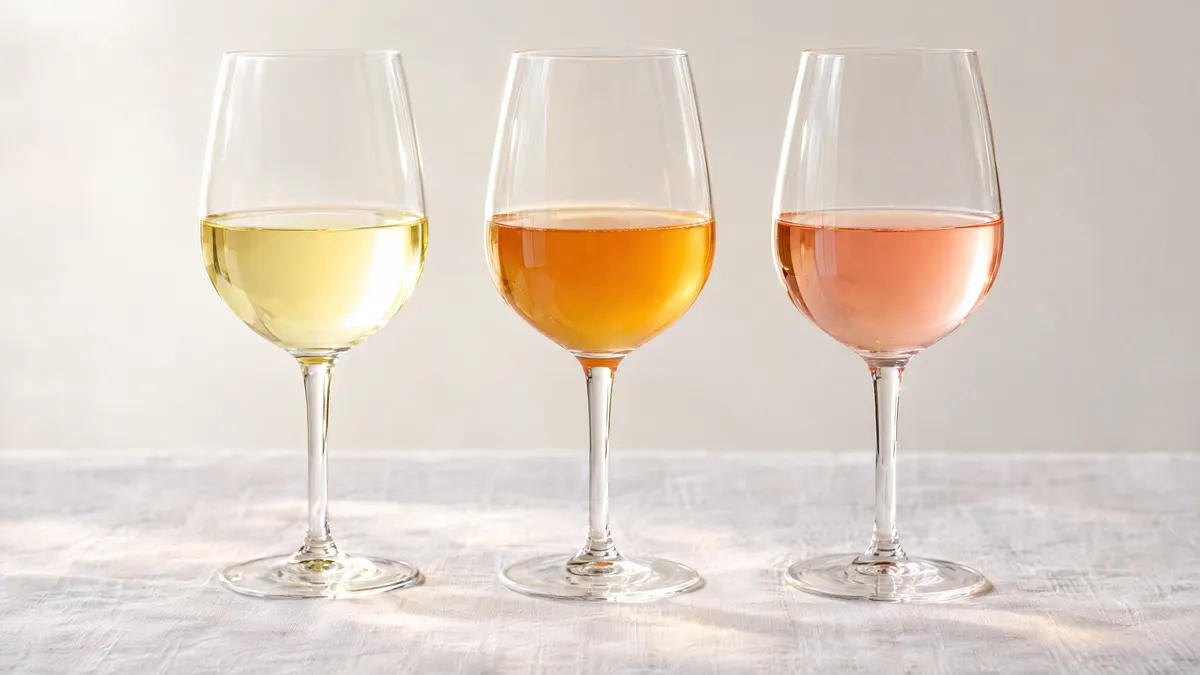
| 2 | How does most rosé get its pink colour? | A) red and white wine mixed B) added colouring C) red grape skins left in the juice for a short time |
| 3 | Orange wine is made from... | A) oranges B) white grapes left on their skins C) red grapes pressed quickly |
| 4 | What does NV mean on a sparkling wine label? | A) non-vintage B) new vintage C) not for ageing |
| 5 | Malbec is the most planted red grape in which country? | A) France B) Chile C) Argentina |
| 6 | Riesling is believed to come from which country? | A) Germany B) Spain C) Italy |
| 7 | Chianti is made mainly from which grape? | A) Nebbiolo B) Sangiovese C) Merlot |
| 8 | Why pour an old red into a decanter? | A) to chill it B) to make it sweeter C) to leave the sediment in the bottle |
| # | Answer | Why |
|---|---|---|
| 1 | B | Pinot Grigio is the grape's Italian name. Its skin is a pinkish grey, which gives both names. |
| 2 | C | The skins of red grapes stay in the juice for typically two to twenty hours, then come out. |
| 3 | B | The skins of white grapes stay in the juice for days or even months, which turns it amber. |
| 4 | A | Non-vintage: usually a blend of wines from two or more harvests. |
| 5 | C | Argentina, where Mendoza grows more Malbec than any other region. |
| 6 | A | Germany's Rhine Valley. Its trademark is high acidity, the tartness that makes your mouth water. |
| 7 | B | Chianti is made principally from Sangiovese. |
| 8 | C | Decanting leaves the sediment behind and lets air into the wine. |
Level 2: Enthusiast Questions
This level asks how styles are made. A fortified wine is one with grape spirit added, which matters for Question 14.
| # | Question | Options |
|---|---|---|
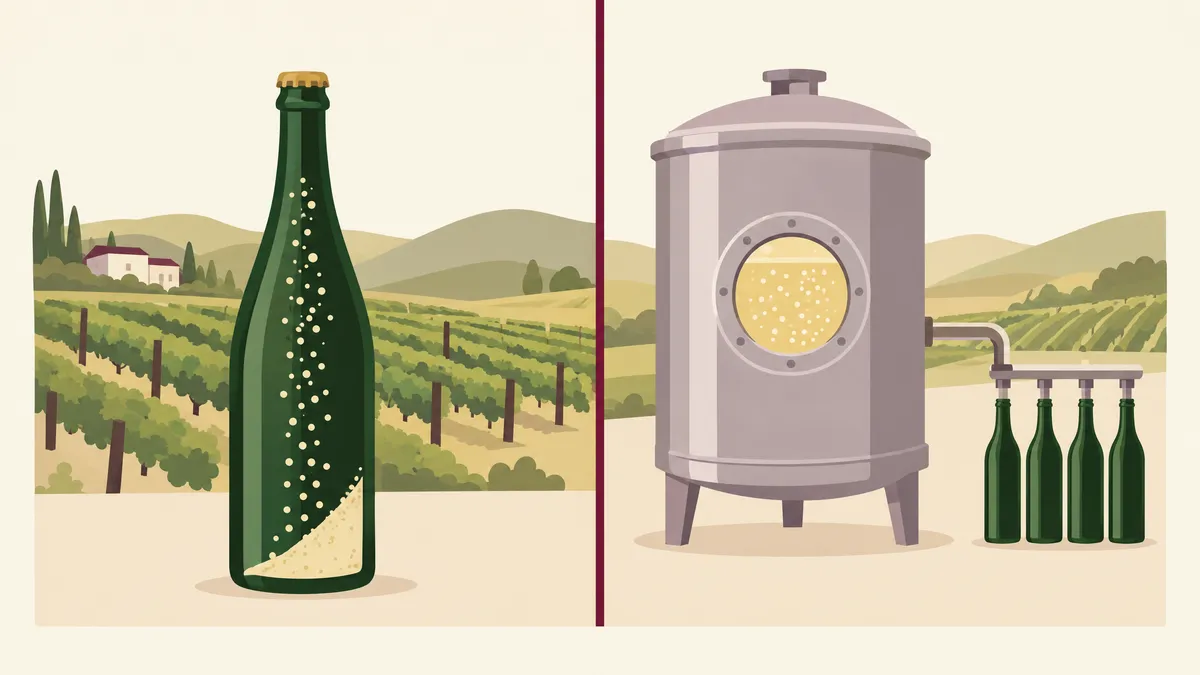
| 9 | Where does the second fermentation that makes Champagne sparkle happen? | A) in each bottle B) in a large steel tank C) in oak barrels |
| 10 | California's Zinfandel is the same grape as which Italian grape? | A) Barbera B) Sangiovese C) Primitivo |
| 11 | In France, most Malbec now grows around which place? | A) Sancerre B) Cahors C) Chablis |
| 12 | Red Beaujolais is made mainly from which grape? | A) Pinot Noir B) Gamay C) Syrah |
| 13 | When is Beaujolais Nouveau released? | A) the first day of spring B) New Year's Day C) the third Thursday of November |
| 14 | What keeps Port sweet? | A) grape spirit that stops the fermentation B) added sugar C) late-picked grapes |
| 15 | Sherry is made mainly from which grape? | A) Palomino B) Tempranillo C) Albariño |
| 16 | A wine smells musty and mouldy, like mushrooms. The likely cause? | A) too much sulfur B) serving it too warm C) cork taint |
| # | Answer | Why |
|---|---|---|
| 9 | A | Champagne ferments a second time in the bottle. Prosecco does it in large stainless steel tanks. |
| 10 | C | Studies confirmed Primitivo and Zinfandel are clones of the same variety. |
| 11 | B | Cahors, in southwest France, holds most of the country's Malbec today. |
| 12 | B | Gamay is the grape of red Beaujolais. |
| 13 | C | The third Thursday of November, by a fixed release date. |
| 14 | A | A grape spirit called aguardente stops the yeast, so grape sugar stays in the wine. |
| 15 | A | Palomino. The wine is then aged in the solera system. |
| 16 | C | Cork taint, most often caused by a compound called TCA. |
Level 3: Exam-Ready Questions
These are the rules and methods a wine exam tests. Lees are the dead yeast cells left after fermentation, which Question 20 asks about.
| # | Question | Options |
|---|---|---|
| 17 | Which is the only red grape allowed in northern Rhône crus such as Hermitage? | A) Grenache B) Syrah C) Mourvèdre |
| 18 | Only one Chianti may show the black rooster seal. Which one? | A) Chianti Classico B) Chianti Rufina C) Chianti Colli Senesi |
| 19 | Grassy, green smells in Sauvignon Blanc come from which compounds? | A) esters B) tannins C) methoxypyrazines |
| 20 | In traditional-method sparkling wine, what is disgorging done to remove? | A) the sugar B) the lees C) the grape skins |
| 21 | In sparkling wine, what is the dosage? | A) the amount of yeast B) the pressure in the bottle C) a final addition of sugar |
| 22 | Which region became Spain's first DOCa, its top quality tier, in 1991? | A) Rioja B) Priorat C) Ribera del Duero |
| 23 | Which technique is the traditional way to make Beaujolais? | A) solera ageing B) semi-carbonic maceration C) drying the grapes |
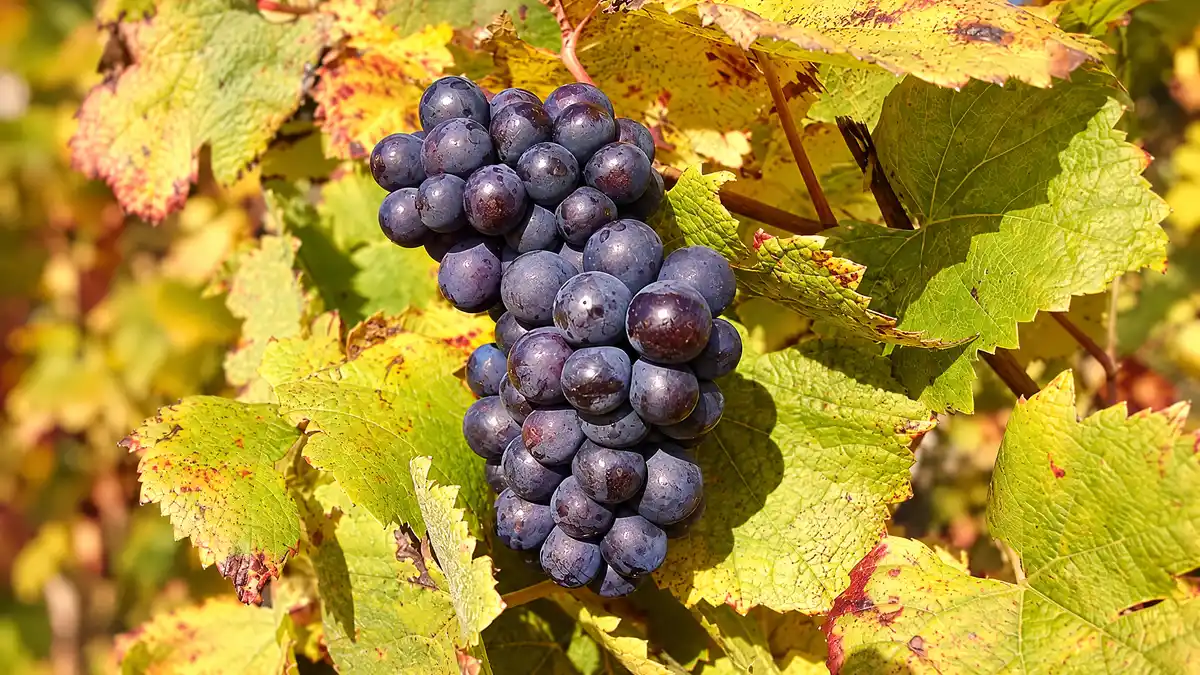
| 24 | Why is Pinot Noir hard to grow? | A) its vines live only a few years B) it needs desert heat C) its thin skin makes it prone to rot |
| # | Answer | Why |
|---|---|---|
| 17 | B | Syrah is the only red grape in northern Rhône cru reds; some allow a little white grape. |
| 18 | A | Only Chianti Classico may carry the black rooster (gallo nero) seal. |
| 19 | C | Methoxypyrazines give Sauvignon Blanc its grassy, green character. |
| 20 | B | Disgorging is the step that removes the lees from the bottle. |
| 21 | C | Dosage is the small addition of sugar, usually dissolved in wine, made after disgorging. |
| 22 | A | Rioja was the first Spanish region given the DOCa, or Qualified Designation of Origin, in 1991. |
| 23 | B | Whole bunches fermenting partly inside the berry: the classic Beaujolais method. |
| 24 | C | Thin skins leave Pinot Noir open to bunch rot and other fungal diseases. |
What Does Your Wine Quiz Score Mean?
Read each level on its own: 7 or 8 means you own it, 4 to 6 means one topic is missing, and 3 or under means that level is where to start. If two levels score 3 or under, study the lower level first, because Level 2 assumes the grapes in Level 1.
| Level | Your score | What it means | Learn next |
|---|---|---|---|
| Level 1 | 0 to 3 | Label words and the main grapes are still new | The noble grapes, then how to read a label |
| Level 1 | 4 to 6 | A few grapes or label words are missing | The noble grapes or how to read a label, by what you missed |
| Level 1 | 7 or 8 | You own the basics | Level 2 of this quiz |
| Level 2 | 0 to 3 | Styles are names to you, not methods | Champagne vs Prosecco vs Cava, then Port vs Sherry |
| Level 2 | 4 to 6 | One method or region is missing | The grape guide for each question you missed |
| Level 2 | 7 or 8 | You know how the main styles are made | Level 3 of this quiz |
| Level 3 | 0 to 3 | Ready to start exam-style study | WSET Level 2 overview |
| Level 3 | 4 to 8 | You know exam detail on these topics | WSET Level 3 overview |
The articles behind that column: the noble grapes, how to read a wine label, Champagne vs Prosecco vs Cava, Port vs Sherry, WSET Level 2 and WSET Level 3. For tasting words, start with tannin, acidity and body.
Which Wine Quiz Answers Are Easiest to Get Wrong?
Three beginner answers are easy to miss, because a label or a colour points the wrong way: Pinot Grigio, rosé and orange wine. Each one looks like it should be two things, or a mix, or a fruit. Each one is a single grape or a single method.
- Pinot Grigio (Question 1). The two names suggest two grapes. The difference is style, set out in Pinot Grigio vs Pinot Gris.
- Rosé (Question 2). Rosé is not red wine mixed with white. In France, blending is banned for still rosé; rosé Champagne is the well-known exception.
- Orange wine (Question 3). Orange wine is not made from oranges. The colour comes from white grape skins, as the orange wine guide shows.
A fourth trap sits in Question 16: a musty smell is a fault, and how to tell if wine is corked gives the sniff test.
Should You Take a Wine Course After This Quiz?
Take a course for a certificate or a teacher; to buy and taste better, the Learn next articles above are enough to start. If Level 3 scored 4 or more and a certificate is the goal, look at Level 2 or 3 of WSET. If half of Level 1 was wrong, Level 1 is the right start.
| Course | Guided learning | Exam | Entry |
|---|---|---|---|
| WSET Level 1 Award in Wines | About 6 hours | 30 multiple-choice questions, closed book, 1 hour | No requirements; legal drinking age for tasting |
| WSET Level 2 Award in Wines | 16 hours plus 11 hours of study | 50 multiple-choice questions | No requirements |
| WSET Level 3 Award in Wines | 30 hours plus 54 hours of study | 50 multiple-choice questions, a short written paper and a blind tasting of two wines | Level 2 recommended |
The WSET Level 1 guide covers what that first course teaches. Apps are compared in the best wine education apps, and the beginners and buying hub lists more starting points. For a team game rather than a self-test, use the wine trivia questions.
Sommy, the app we build
Sommy is a wine learning app for iPhone, made by the team that writes this blog. Lessons are short and built on picture questions and quizzes. It is independent and is not an official prep course for any exam.
You pick a goal, such as enjoying wine more, ordering with confidence or passing a level 1 or level 2 wine exam, and Sommy lays its more than 20 courses out as one path. Guided tasting takes a photo of the label and walks through look, smell and taste, then saves the note to a tasting journal. It suits someone who learns in short sessions on a phone. Pick a classroom course instead if you want a teacher to taste with. Free to start on iPhone at sommy.wine.
What to Do Tonight
Open the bottle you have at home and find its grape, its place and whether it shows a vintage or NV. Then read the Learn next article for your lowest level and retake that level in a week.
Sources
- WSET Level 1 Award in Wines — Wine & Spirit Education Trust
- WSET Level 3 Award in Wines — Wine & Spirit Education Trust
- The designation: Rioja, Spain's first Qualified Designation of Origin — Consejo Regulador DOCa Rioja
- Rosé — Wikipedia
- WSET Level 2 Award in Wines — Wine & Spirit Education Trust
Frequently Asked Questions
How do I know my level of wine knowledge?
Score yourself on three levels of questions and read each level on its own. A total hides gaps: 16 out of 24 can mean two strong levels and one weak one. The lowest level where you score 3 or under is where to start learning, and 7 or 8 on a level means you can move past it.
Are Pinot Grigio and Pinot Gris the same grape?
Yes. Pinot Grigio is the Italian name for Pinot Gris, a grape with greyish-pink skin. The name on the label changes with the country and the style the producer wants to signal, but the grape in the bottle is the same variety either way, so the two are one answer in any quiz.
How is rosé wine made?
Most rosé is made from red grapes whose skins stay in the juice for a short time, typically two to twenty hours, and are then removed. The skins hold the colour, so a short soak gives pink rather than red. Mixing red and white wine is uncommon, and in France it is banned for still rosé, with rosé Champagne the exception.
What is the difference between Champagne and Prosecco?
Where the second fermentation happens, and the grapes. Champagne gets its bubbles from a second fermentation inside each bottle, and almost all of it is made from Pinot Noir, Meunier and Chardonnay. Most Prosecco does its second fermentation in large stainless steel tanks, and is made from the Glera grape, which was renamed from Prosecco in 2009.
Is WSET Level 1 worth it after a wine quiz?
It is worth it if you want a certificate or a structured start. WSET Level 1 is about six hours of guided learning and a closed-book exam of 30 multiple-choice questions, with no entry requirements. If you scored well on the beginner level here, Level 2, with 16 guided hours and 50 questions, may suit you better.
What does NV mean on a wine label?
NV means non-vintage. The wine is usually a blend of wines from two or more harvests, rather than grapes picked in one year. It is common on Champagne and other sparkling wines, where blending years lets a producer keep the same house style every year. A vintage on the label names the one harvest year.
Sommy Team
LinkedInFounder & Wine Educator
The Sommy Team is building the world's most approachable wine education app, helping beginners develop real tasting skills through structured courses and AI-guided practice.