Wine Budget Guide: How to Drink Better Without Spending More

By the Sommy Team — AI-assisted, human-edited.
Updated Sep 25, 2026
Contents (10)
- The Wine Budget Guide, in One Paragraph
- How Much Should You Spend on a Bottle of Wine?
- Where Does the Money in a Bottle Actually Go?
- Where Can You Save Without Tasting the Difference?
- Is Boxed Wine a Smart Way to Save?
- Is Expensive Wine Actually Better?
- How Do You Stop Wasting Wine You Paid For?
- How Do You Save on Wine at a Restaurant?
- Why Does US Wine Pass Through Three Sellers?
- What Should You Buy This Week?
TL;DR
Drinking better on the same budget means moving money out of fame, markup, packaging and waste and into grape and place. Grapes, oak and packaging cost about $5 to $16 a bottle, closures and boxes are not quality signals, blind tastings have humbled famous wines, and a corked or oxidised bottle is money lost.
The first rule of a wine budget guide is simple: drinking better on the same money comes from where the money goes, far more than from how much you spend. A bottle's price pays for fame, packaging, oak, several sellers and the bottles you pour away. Only part of it pays for the grape and the place, which are what you taste.
The Wine Budget Guide, in One Paragraph
Keep most of your bottles in an everyday tier you can repeat, move up only for dated occasions, and spend on grape and place rather than fame. In Wine Folly's worked example, grapes, oak and packaging come to roughly $5 to $16 a bottle before labour and facilities, and the grapes alone range from 49 cents to over $12 a bottle. The rest of the price pays the winery's running costs, the sellers, tax and brand.
Screw caps and boxes are not quality signals: New Zealand moved 70% of its wine under screw cap in three years, and a bag-in-box keeps air off the wine after opening. In the blind 1976 Judgment of Paris, California wines outscored famous French ones. The cheapest wine is the one you finish, so stop losing bottles to oxidation and cork taint.
How Much Should You Spend on a Bottle of Wine?
Spend by occasion. Keep most bottles at an everyday price you can repeat each week without a second thought. Buy one clear notch up for guests or a weekend meal, and hold the bigger money for a few nights a year worth remembering.
Set it up as three price tiers:
- Everyday bottle: the one for a Tuesday pasta, at a price that feels boring.
- Step-up bottle: for guests or a weekend meal, one clear notch above.
- Occasion bottle: for an anniversary, a promotion or a wine to study closely.
If the wine is for a weeknight with food, buy from the everyday tier; if it marks a date you will remember, move up.
The everyday tier does most of the work, so it deserves the most care. For many drinkers the sweet spot sits under $20, where our list of good wine under $20 shows which grapes and regions reliably overdeliver. A consistent everyday price also makes the tiers comparable, so a step-up bottle has to earn its gap.
Writing the three prices down helps. Overspending tends to happen at the shelf, when a label looks impressive and there is no number in your head to measure it against.
Where Does the Money in a Bottle Actually Go?
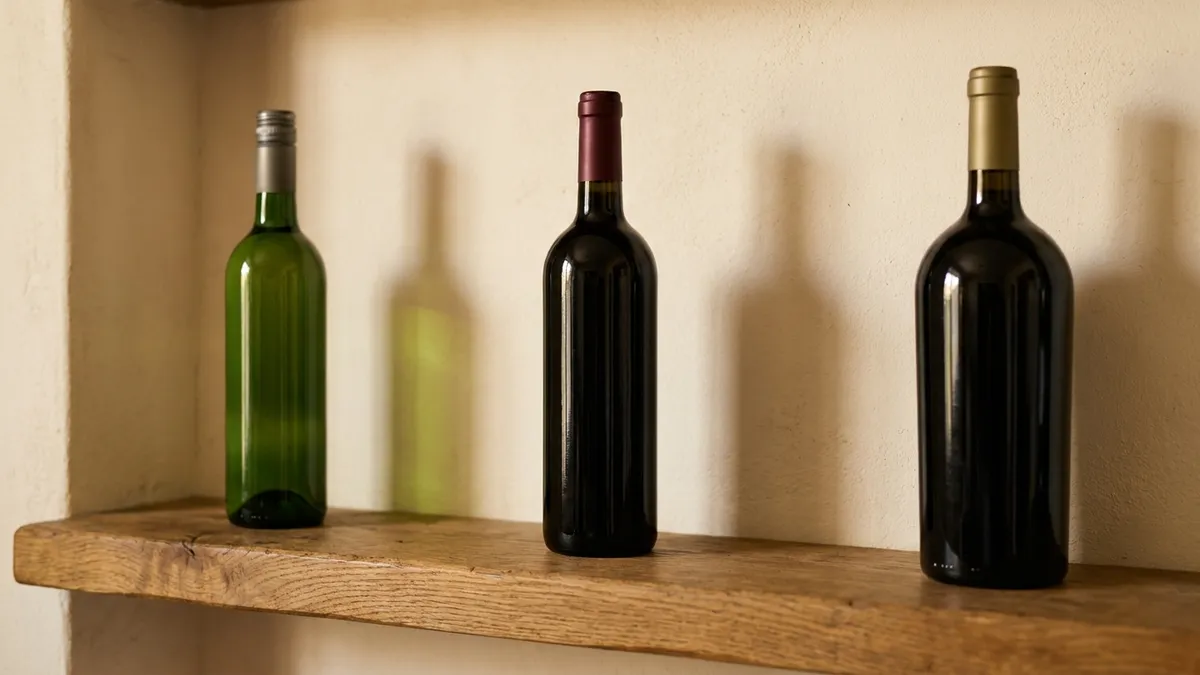
Far less of the price is wine than most shoppers assume. The grapes, the barrels and the glass make up the build cost, and in the United States three separate businesses then add their margins before the bottle reaches you.
Wine Folly's cost breakdown puts numbers on the build. Grapes for a Napa Cabernet Sauvignon cost a weighted average of $12.34 per bottle, while producers buying inland valley fruit can pay as little as 49 cents. Oak (barrels that add vanilla, toast or spice) costs $600 to $2,400 a barrel, at least $2 per bottle. Put Merlot with American oak into value packaging and those three cost around $5 a bottle. Choose Cabernet Franc, French oak and prestige packaging, and they cost around $16, before labour and facilities.
| Cost layer | What it adds | What it means for your budget |
|---|---|---|
| Grapes | $0.49 per bottle for inland valley fruit, $12.34 on average for Napa Cabernet | Famous place names cost more before a single barrel is bought; look next door |
| Oak barrels | $600 to $2,400 a barrel, at least $2 per bottle | If you like fresh fruit flavours, choose unoaked styles and skip the barrel cost |
| Glass and packaging | Part of the $5 to $16 build range | Heavy bottles and fancy capsules add cost, not flavour |
| Distributor and retailer | Two more margins in the US three-tier system | Compare shops for the same bottle; the margin varies |
| Restaurant | The steepest markup of all, with no fixed multiplier | Order the lesser-known grapes on the list |
After the winery, the US three-tier system (the legal chain of producer, distributor and retailer) adds two more businesses, each taking a cut. No source gives a fixed percentage, because margins vary by state and shop. For the full breakdown, including land prices and yield limits, see what makes wine expensive.
Where Can You Save Without Tasting the Difference?
Save on fame, oak and the closure, because none of them is the reason a weeknight bottle tastes good. The grape, the climate and the winemaker's care are what reaches the glass. All three turn up at modest prices, in regions and styles that carry no famous name.
Fame is the biggest line to cut. A famous village or estate name pushes grape prices toward the top of the range in the table above. If the label names a famous village or estate, look one step down to the wider regional name, often made from the same grape nearby. The regional bottle will usually be simpler, and it will cost a fraction.
Oak is the second line. A barrel-aged wine carries at least $2 per bottle before any margin is added on top. Styles made in steel tanks, such as crisp Sauvignon Blanc, dry Riesling or juicy young Grenache, put the money into fruit instead. Most are made to drink young, so there is no ageing premium to pay.
Does a Screw Cap Mean Cheap Wine?
A screw cap is a closure choice, not a price tier. New Zealand went from 1% to 70% of its wine under screw cap between 2001 and 2004, and a leading Chablis estate has bottled premium wine under screw cap since 2001. In the UK, shopper acceptance rose from 41% in 2003 to 85% in 2011.
Screw caps also reduce two faults, oxidation and cork taint, with a much lower failure rate than natural cork. If two bottles are the same price and one has a screw cap, choose on grape and place, never on the closure. Our screw cap vs cork comparison covers the ageing debate in full.
Is Boxed Wine a Smart Way to Save?
Yes, for wine you drink young and slowly. A bag-in-box is a plastic bladder with a tap, packed inside a cardboard box. Once open, it protects the wine better than a bottle, because the bag collapses as you pour and no air replaces the wine.
An open bottle works the other way. Every glass you pour lets air into the space it leaves, and that air starts to flatten the wine within days. In the bag, the wine is not touched by air until it leaves the tap.
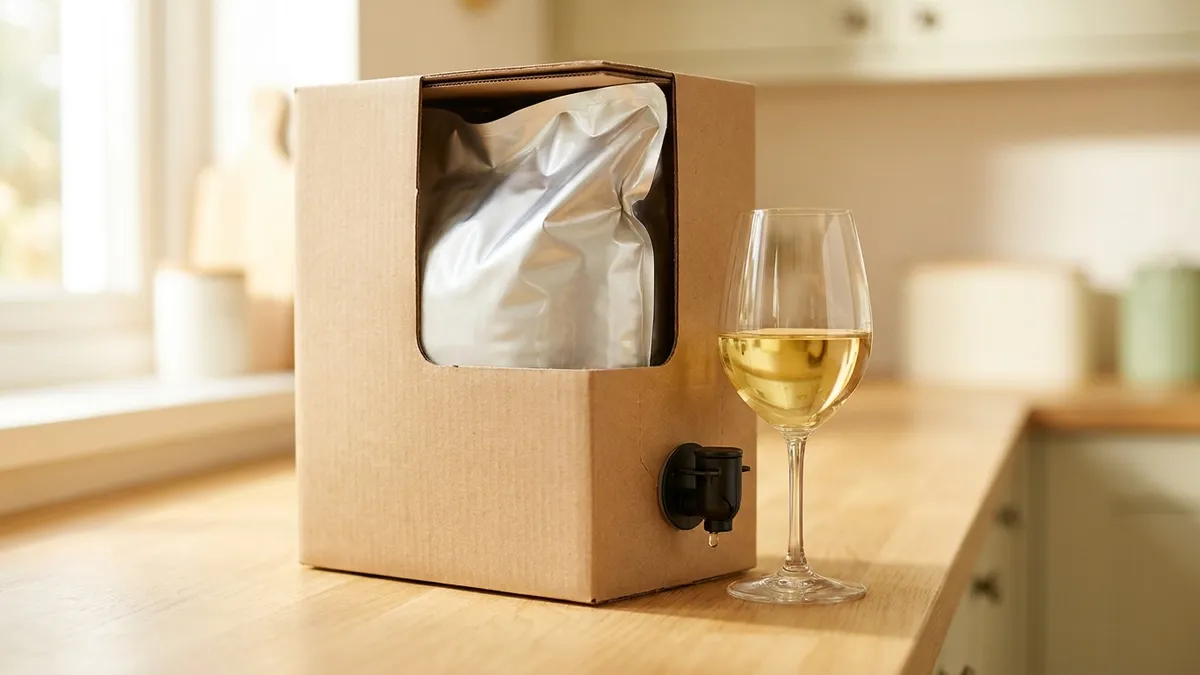
The box also needs less packaging per litre than a row of glass bottles. The quality of the wine inside still varies, so apply the same grape and place rules as on the shelf. If a bottle usually goes unfinished in your house, buy the box. The boxed wine guide lists the styles that suit the format best.
Is Expensive Wine Actually Better?
Sometimes, but far less reliably than the price gap suggests. Blind tasting (tasting with the labels hidden) strips out the expectations a price tag creates. Blind results have embarrassed famous, expensive names before, and the best-known upset is now fifty years old.
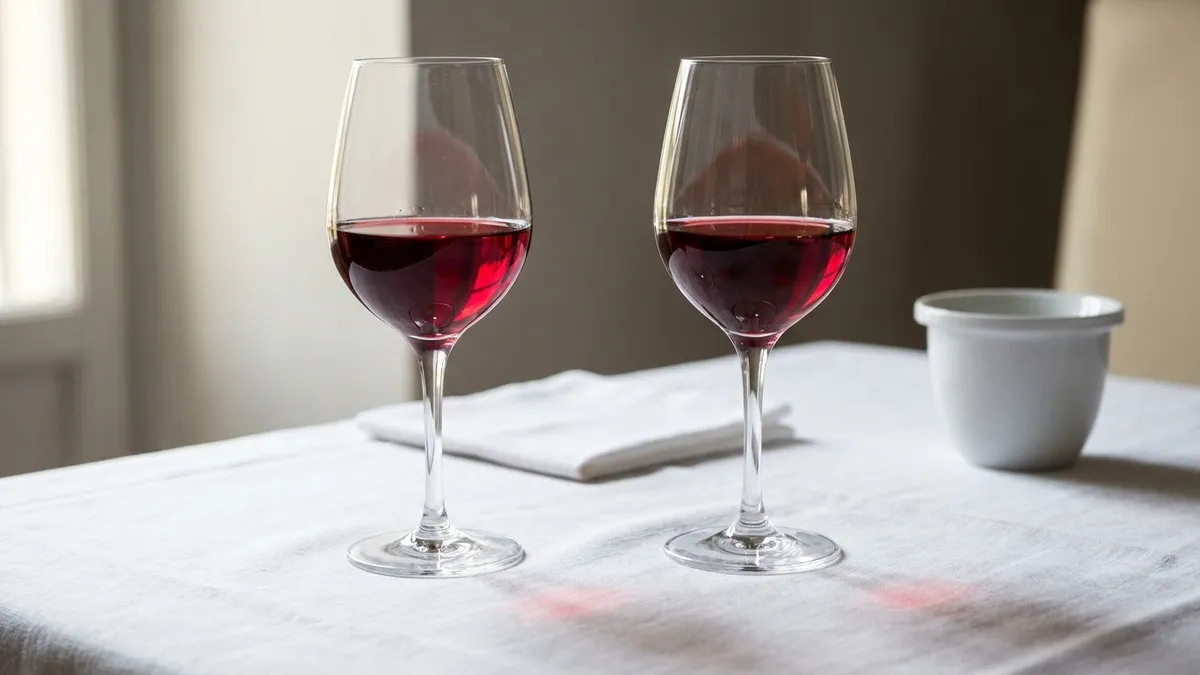
That upset is the 1976 Judgment of Paris. French judges, scoring blind, gave a 1973 California Cabernet 127.5 points against 126 for a famous 1970 Bordeaux. In the white flight, a 1973 Napa Chardonnay scored 132 against 126.5 for a top white Burgundy. With the labels hidden, French experts put the California wines on top.
Price does buy real things. It pays for scarce land, for oak, for small harvests and for wines built to age for a decade or more. If you plan to age a wine or taste it slowly and closely, paying up makes sense; if it is for pizza with friends, it does not. The evidence on price and enjoyment is laid out in wine price vs quality, and blind wine tasting tips show how to run the test at home.
How Do You Stop Wasting Wine You Paid For?
Treat a spoiled or half-finished bottle as money lost, because it is. The two common leaks are oxidation after opening and cork taint before opening. Both are cheaper to prevent than to replace, and a corked bottle can usually be returned for a new one.
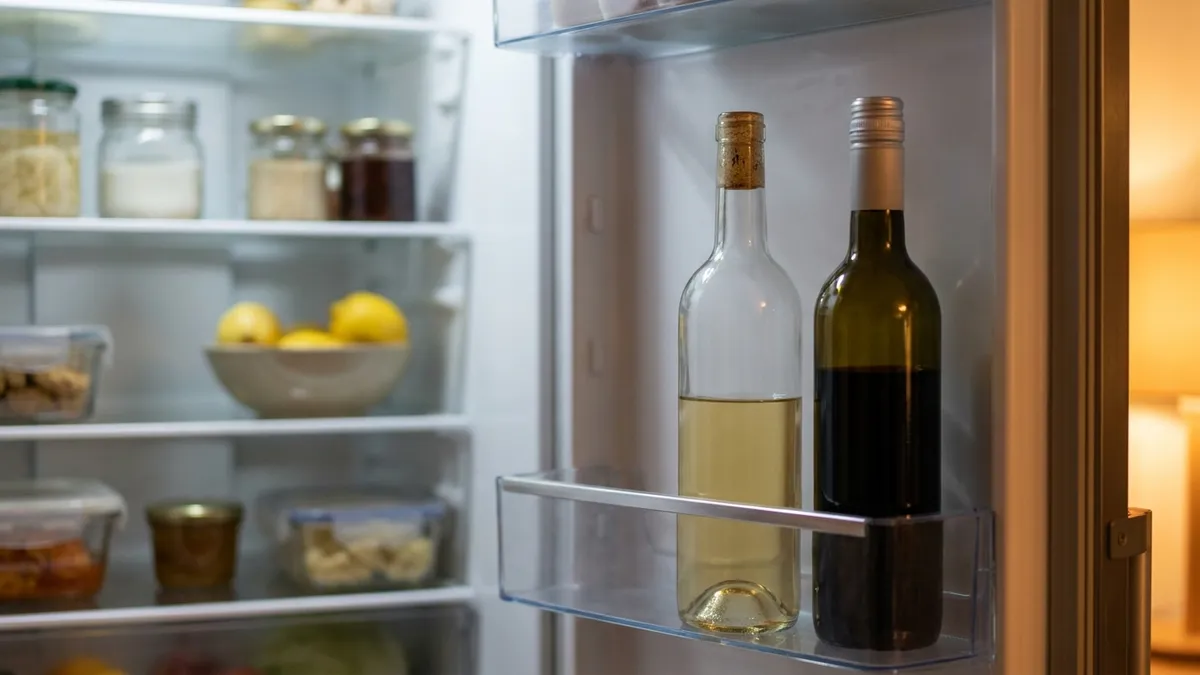
Oxidation (air slowly flattening the fruit and turning it brown and nutty) is perhaps the most common wine fault, since oxygen and a catalyst are all it needs. Recork an open bottle straight after pouring, stand it in the fridge, and finish it within a few days. The timing for each style is in how long wine lasts after opening.
Cork taint, also called TCA, is a mould-related compound that makes wine smell of damp cardboard. Estimates disagree. Industry figures put it at 1 to 5% of cork-sealed bottles, a cork-industry study found 0.7 to 1.2%, and a 2005 Wine Spectator blind test of 2,800 bottles found 7%. Specially trained tasters have detected it as low as 0.3 nanograms per litre.
Storage matters for the bottles you have not opened yet. Heat and light speed up ageing and can cook a wine, so keep bottles somewhere cool and dark. How to store wine at home covers the simple setup, and how to tell if wine is corked shows the smell test in detail.
How Do You Save on Wine at a Restaurant?
Restaurant wine carries the steepest markup of anywhere you buy it, so the savings come from what you order. No reliable single multiplier exists. The price gap against a shop is still large.
Famous names on a list are priced to match their fame. If the list has a lesser-known grape or region, order it. A Portuguese white, a southern Italian red or a Spanish Garnacha usually gives more wine per dollar than the Burgundy one line above. Many restaurants also allow corkage (a fee to open a bottle you bring), which suits a special bottle from home.
Why restaurants mark up wine explains the costs behind the list, and how to order wine at a restaurant covers what to say to the server.
Why Does US Wine Pass Through Three Sellers?
Because the law says so, and has since 1933. When the 21st Amendment ended Prohibition, it handed alcohol rules to the states. Most built a three-tier system in which a producer may sell only to a distributor, and only a retailer may sell to you, with exceptions such as sales at the winery.
That chain is why the same bottle can cost noticeably more in one state or shop than another. The winery's own price and the shelf price near you are rarely the same number. Compare two or three shops before buying any step-up bottle.
What Should You Buy This Week?
Buy two bottles of the same grape at two prices and taste them blind. It is the fastest way to find where an everyday tier should sit. It also turns a vague budget into a number you trust, based on a wine you have actually tasted.
Pick a familiar grape, such as Malbec or Sauvignon Blanc. Buy one bottle from the everyday tier and one from the step-up tier. Ask a friend to pour them into two identical glasses, hidden. If the cheaper one wins, or the two are hard to tell apart, the everyday tier is set. If the pricier one wins clearly, note what it had that the other lacked. Our wine for beginners picks and the beginners and buying hub are good places to choose the grape. For a map of the shop itself, read the wine shop guide.
Once the pair is tasted, write the three tier prices on your phone. The Sommy app at sommy.wine can photograph each label and log the notes as you go. Then buy this week's everyday bottle at the price you just proved.
Sources
Frequently Asked Questions
How much should I spend on a bottle of wine?
Spend by occasion. Keep most bottles in an everyday price you can repeat every week without thinking, buy a step-up bottle for weekends or guests, and save the biggest spend for a few dated nights a year. Above the everyday tier, much of the extra money pays for fame, oak, packaging and distribution rather than for what reaches the glass.
Is expensive wine better than cheap wine?
Not reliably. In the blind 1976 Judgment of Paris, French judges scored a California Cabernet at 127.5 points against 126 for a top Bordeaux, and a Napa Chardonnay at 132 against 126.5 for a white Burgundy. Price does buy scarcity, oak and the ability to age, but it is a weak predictor of how much you will enjoy a bottle tonight.
Does a screw cap mean a wine is cheap?
No. New Zealand moved from 1% to 70% of its wine under screw cap between 2001 and 2004, and premium Chablis has been bottled under screw cap since 2001. Screw caps also cut the rate of cork taint and oxidation compared with natural cork. Choose on grape, place and price, and ignore the closure.
Is boxed wine worth buying?
Yes, for wine you drink young and over several days. In a bag-in-box the plastic bladder collapses as you pour, so air never touches the wine left inside. An open bottle lets air in with every glass, which is why it fades within days. The box format uses less packaging per litre, though the wine inside still varies in quality.
How common is corked wine?
Estimates disagree. Industry figures put cork taint at 1 to 5% of cork-sealed bottles, a cork-industry study found 0.7 to 1.2%, and a 2005 Wine Spectator blind test found 7% of 2,800 bottles tainted. A corked wine smells of damp cardboard or a wet basement. Put the cork back in and return the bottle to the shop with your receipt.
Why is wine so expensive at restaurants?
A restaurant buys from a distributor at wholesale, then prices each bottle to cover glassware, storage, staff and the table, so the markup is far higher than a shop's. No single multiplier holds everywhere. Save by ordering a lesser-known grape or region from the list, and ask about corkage if you would rather bring a bottle from home.
Sommy Team
LinkedInFounder & Wine Educator
The Sommy Team is building the world's most approachable wine education app, helping beginners develop real tasting skills through structured courses and AI-guided practice.