Boxed Wine: Is Box Wine Actually Good Now?

By the Sommy Team — AI-assisted, human-edited.
Updated Jul 26, 2026
Contents (10)
- Boxed Wine Has Grown Up — Here Is the Honest Verdict
- Is Boxed Wine Good? The 60-Second Answer
- What Boxed Wine Actually Is: Bag-in-Box, Explained
- Why Boxed Wine Stays Fresh for Weeks
- The Sustainability Case: Boxed Wine's Carbon Footprint
- When Boxed Wine Is Genuinely Good — and When It Isn't
- Boxed Wine vs Bottle: A Side-by-Side
- How to Store and Serve Boxed Wine
- Where Boxed Wine Shines: Parties, Picnics, and Everyday Pours
- The Bottom Line on Boxed Wine
TL;DR
Boxed wine is real wine in a collapsing bag-in-box that keeps air out, so an opened box stays fresh for three to six weeks instead of days. It carries a fraction of a bottle's carbon footprint and costs less per glass. The quality is genuinely good for fresh, everyday styles, though not for aging.
Boxed Wine Has Grown Up — Here Is the Honest Verdict
Boxed wine spent decades as the punchline of the wine world — cheap, sweet, and shorthand for a student party. That reputation is now badly out of date. The bag-in-box format has quietly become one of the smartest ways to package fresh, everyday wine, and a growing list of serious producers have embraced it. The wine inside is real wine, the freshness advantage is genuine, and the environmental case is strong. What has not changed is where a box stops making sense, which is exactly what this guide sorts out.
Is Boxed Wine Good? The 60-Second Answer
Boxed wine is genuinely good for what it is built to do: deliver fresh, everyday wine that stays drinkable long after you open it. A standard three-liter box holds four bottles' worth, stays fresh for three to six weeks once tapped, and carries a fraction of a bottle's carbon footprint. The best candidates are juicy, fruit-forward reds, crisp whites, and dry rosé meant to drink young. Where a box falls down is aging — the bladder lets in a trickle of oxygen over months, so structured, cellar-worthy wines still belong in glass. Judge the wine by its grape and style, not by its container, and the box earns its place.
What Boxed Wine Actually Is: Bag-in-Box, Explained
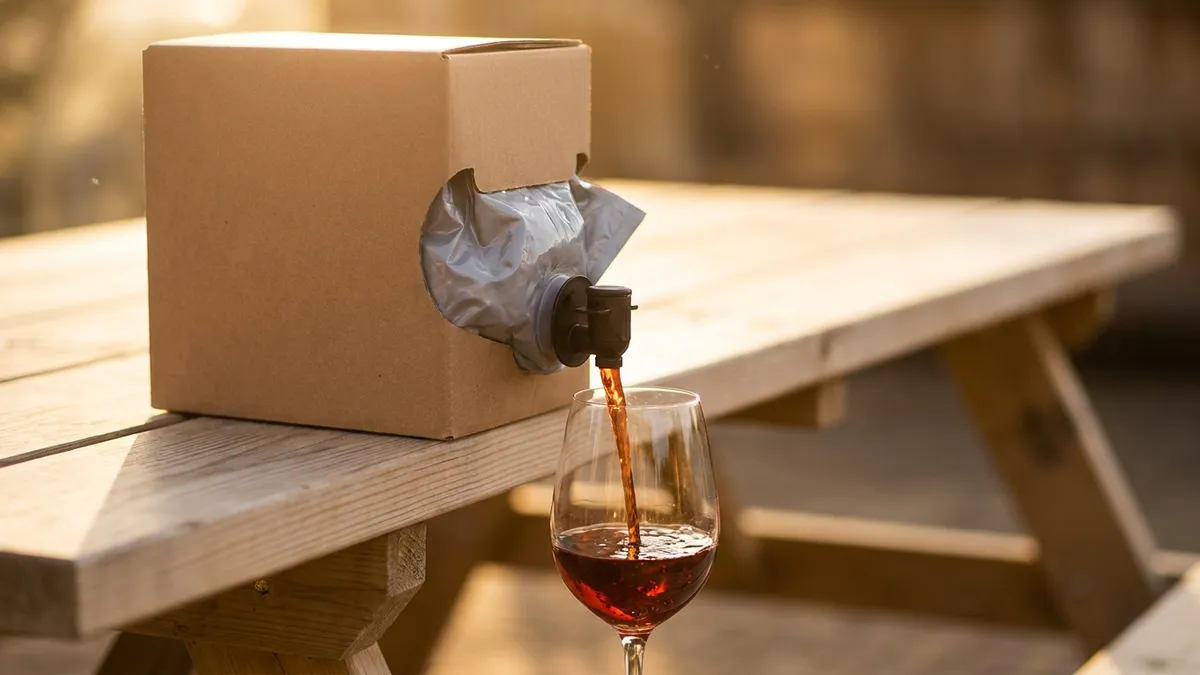
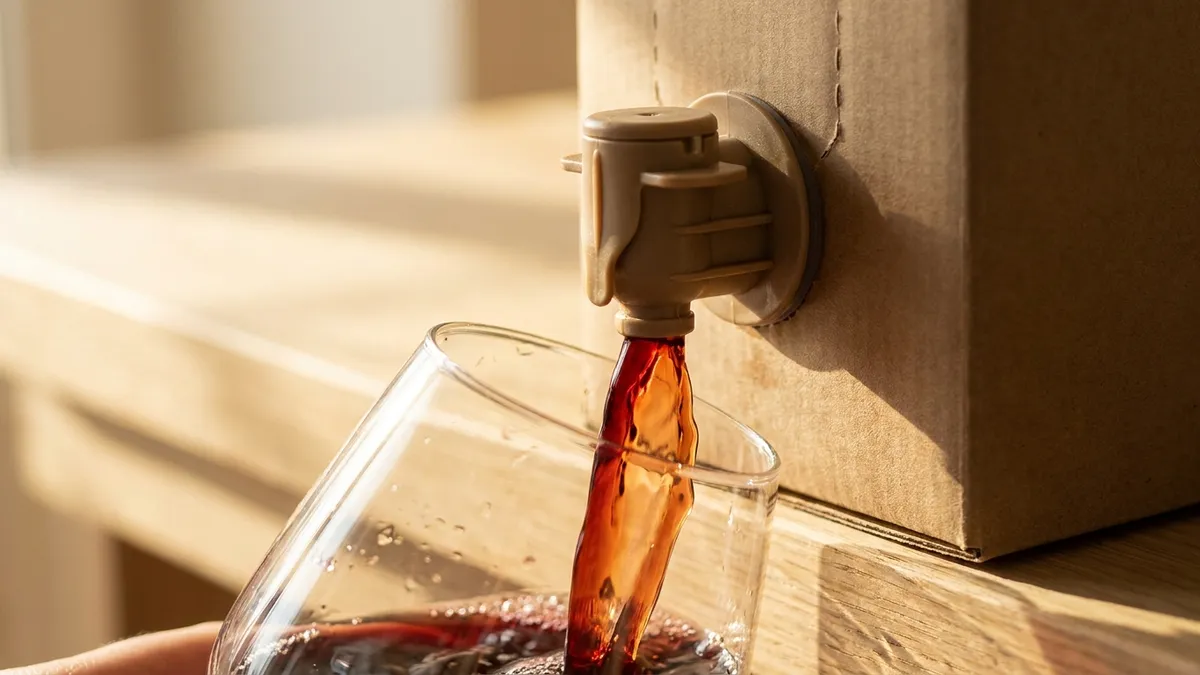
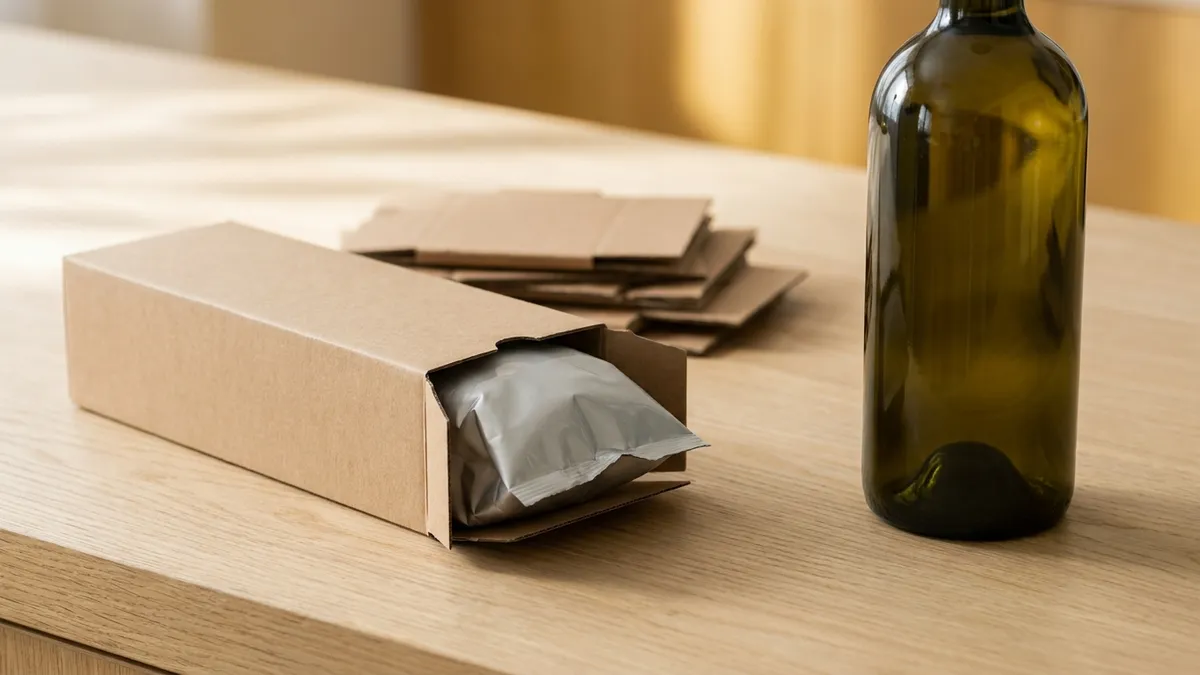
A box of wine is not a novelty container — it is a two-part system. Inside the printed cardboard sits a bag-in-box (BiB), a flexible plastic bladder, usually built from several layers of film with a metallic barrier to slow oxygen. A plastic tap, or spigot, is welded into the bag so you can pour without ever opening it to the air.
The cardboard is only there for structure, stacking, and printing. All the real work happens in the bladder and the tap. That design is the whole reason boxed wine behaves so differently from a bottle once it is open.
A short history: from the goon bag to the shelf
The format is an Australian invention. In 1965, winemaker Thomas Angove patented the original "wine cask" — a one-gallon polyethylene bladder inside a corrugated box — as a modern take on the half-gallon jug. Early versions made you cut a corner and reseal it with a peg. Two years later, an airtight welded tap solved that problem, and the modern bag-in-box was born.
It caught on fast at home. By the 1990s, roughly two-thirds of the wine Australians drank came out of a box, affectionately known as the "goon bag." A three-liter box holds the equivalent of four standard 750-milliliter bottles, or about twenty glasses, which tells you exactly who the format is for: households and gatherings that drink a glass at a time rather than finishing a bottle in one sitting.
Why Boxed Wine Stays Fresh for Weeks
This is the box's superpower, and it comes down to simple physics. When you pour from a bottle, air rushes in to replace the wine you removed. That oxygen immediately starts oxidizing the wine — flattening the fruit, dulling the aromas, and eventually turning it flat and vinegary within a day or two.
A bag-in-box works the opposite way. As wine leaves through the tap, the bladder collapses in on itself, so the wine is never exposed to a pocket of air. No air pocket means far slower oxidation. The result is a wine that stays fresh for three to six weeks after opening, provided you keep it cool and the tap clean.
For anyone who wants a single glass on a weeknight without committing to a whole bottle, that changes the math entirely. If you have ever poured half a bottle down the sink two days later, the box is aimed squarely at you. Our guide to how long wine lasts after opening explains why bottles fade so quickly and how to slow it down.
The Sustainability Case: Boxed Wine's Carbon Footprint
The environmental argument for boxed wine is the strongest single reason it is being taken seriously again. Glass is heavy and energy-intensive to produce, and it is heavier still to ship — a full bottle is mostly the weight of the glass, not the wine.
A life-cycle assessment measures the total environmental cost of a product from raw material to disposal. One widely cited Scandinavian study found that bag-in-box packaging carries as little as 12 to 29 percent of a glass bottle's carbon footprint, and comes out ahead on nearly every other ecological measure too. Lighter packaging means fewer emissions per glass shipped, and a box ships flat-packable and stackable in a way a round bottle never can.
There is one honest caveat. The cardboard box is widely recyclable, but the multi-layer plastic bladder and the tap usually are not, so pull them out before you flatten the box for recycling. Even with that limitation, the packaging math still favors the box by a wide margin. If sustainability guides your buying, it pairs naturally with the questions in our guide to organic and conventional wine.
When Boxed Wine Is Genuinely Good — and When It Isn't
The format is a tool, and like any tool it is excellent for some jobs and wrong for others. The dividing line is aging.
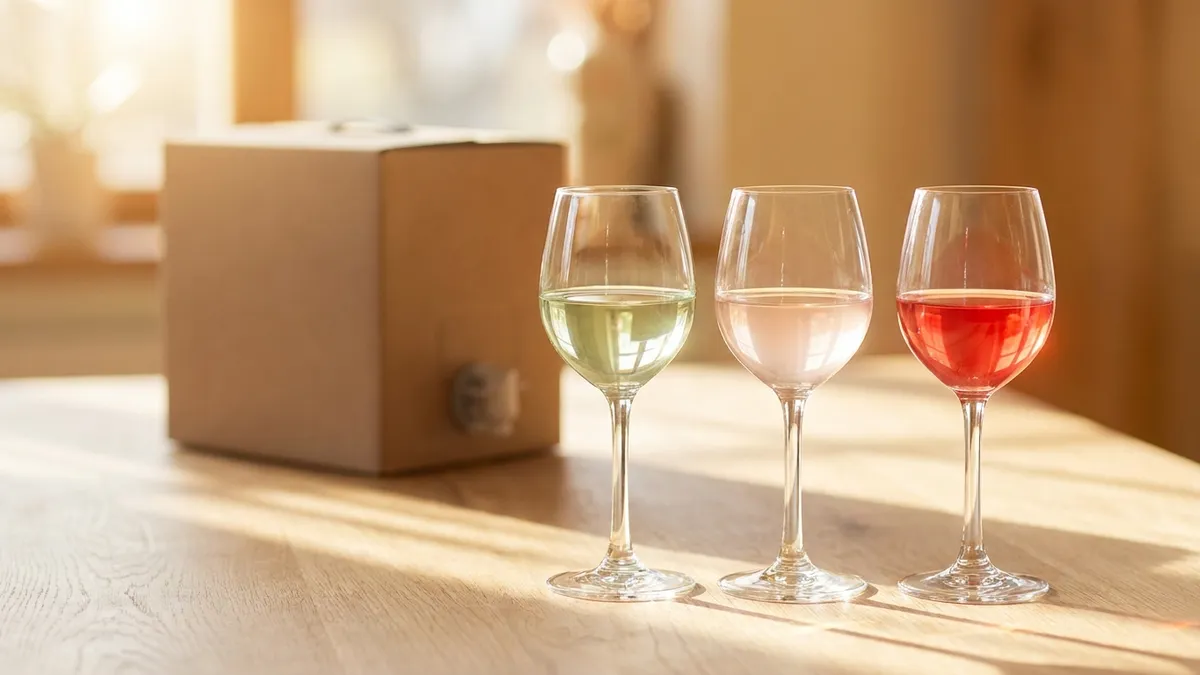
Boxed wine is at its best with fresh, fruit-forward styles built to drink young:
- Crisp whites — Pinot Grigio, Sauvignon Blanc, and unoaked whites whose whole appeal is bright, immediate fruit.
- Juicy, low-tannin reds — Grenache, Merlot-based blends, and easygoing everyday reds that never needed a decade in a cellar.
- Dry rosé — perhaps the ideal box wine, since it is meant to be drunk cold, young, and often.
Where the box struggles is with age-worthy, structured wine. Because the bladder admits a slow trickle of oxygen, an unopened box lasts only six to twelve months and carries a best-by date. A tannic red built to soften over fifteen years simply cannot do that inside a bag. For those wines, glass and cork remain the right container.
So the honest rule is this: if a wine is meant to be enjoyed within a year or two of release, a box serves it beautifully. If it is meant to evolve for a decade, buy the bottle. To sharpen the distinction between drink-now and lay-down wines, see our explainer on vintage and non-vintage wine.
Boxed Wine vs Bottle: A Side-by-Side
The clearest way to see where each format wins is to line them up. Neither is "better" outright — they are built for different purposes.
| Factor | Bag-in-box (3L) | Standard bottle (750ml) |
|---|---|---|
| Freshness after opening | 3 to 6 weeks — bag keeps air out | 1 to 3 days before oxidation dulls it |
| Shelf life unopened | 6 to 12 months; drink by the best-by date | Years — age-worthy styles improve |
| Carbon footprint | As low as 12 to 29% of a bottle's | Highest — glass is heavy to make and ship |
| Cost per glass | Lower — less packaging, bulk fill | Higher, especially with prestige packaging |
| Best styles | Fresh, fruit-forward reds, whites, rosé | Everything, including structured, age-worthy wines |
| Aging potential | None — meant for early drinking | Strong in tannic reds and structured whites |
| Portability | Light, unbreakable, no corkscrew needed | Heavy, breakable, needs an opener |
How to Store and Serve Boxed Wine
A box rewards slightly different handling than a bottle, and getting it right is what keeps that three-to-six-week window honest.
- Keep it cool. Heat is the enemy of freshness. Store an opened box in the fridge whenever you can — yes, even reds. A cool red from a box can sit out for fifteen minutes to warm toward serving temperature before you pour.
- Watch the best-by date. Because boxed wine is made to drink young, buy what you will finish within a few months and check the printed date on the box.
- Keep the tap clean. Dried wine around the spigot can pick up odors and bacteria. A quick wipe keeps every pour tasting clean.
- Mind the light and the shelf. Avoid a sunny windowsill or the warm cabinet above the oven, the same way you would protect any wine.
Serving temperature still matters as much as it does with any bottle — an over-warm red or an ice-cold white loses its shape regardless of the packaging. Our guide to storing wine at home covers the temperature and light principles that apply to boxes and bottles alike.
Where Boxed Wine Shines: Parties, Picnics, and Everyday Pours
Beyond freshness and footprint, the box wins on sheer practicality. It is light, unbreakable, and needs no corkscrew — which makes it the obvious choice for the places glass is a liability.
- Gatherings and crowds. One three-liter box pours around twenty glasses and stays fresh if the party runs long, so nothing gets wasted. If you are hosting, our wine tasting party guide shows how to build a spread around a couple of well-chosen styles.
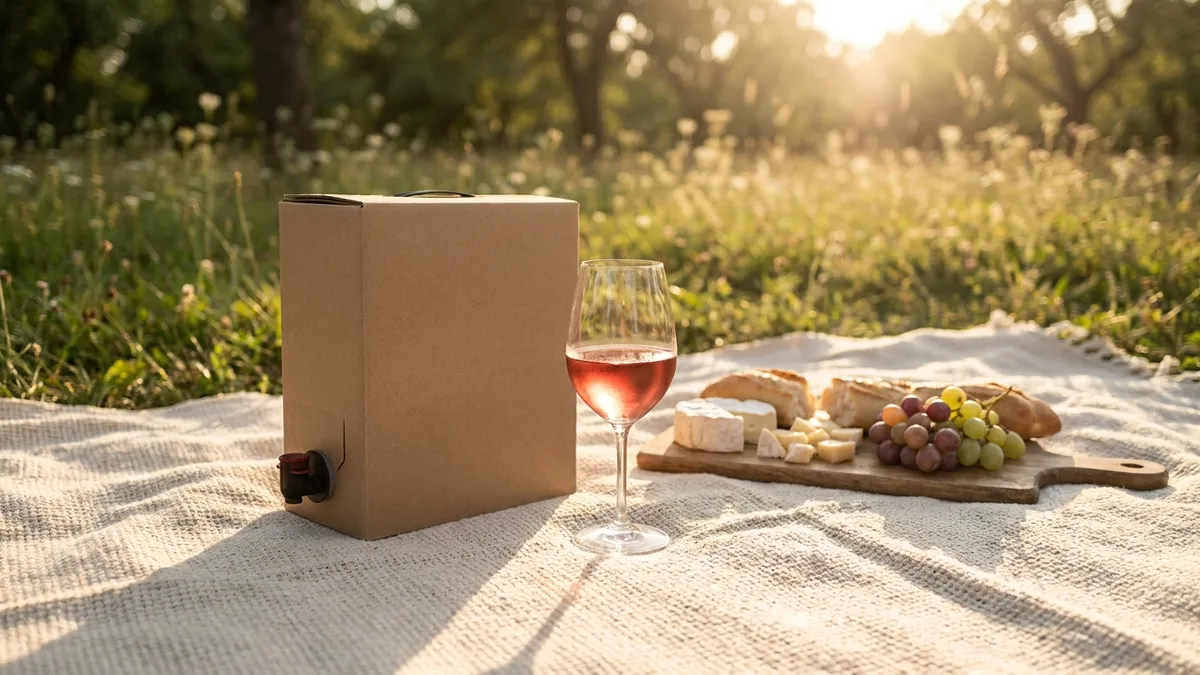
- Picnics, boats, and the outdoors. No broken glass, no heavy bottles, no corkscrew to forget. A box travels where a bottle should not.
- Everyday by-the-glass drinking. The single strongest use. A glass with dinner, then the box back in the fridge, fresh for weeks.
- Value. Because a box strips out the cost of glass, corks, and heavy freight, the everyday tier delivers real value. Our roundup of good wine under twenty dollars applies the same logic to bottles.
Boxed wine is also a low-stakes way to explore a grape you have not tried, since you are not committing a whole bottle to the experiment. Match it to dinner the same way you would any wine — the principles in our wine and food pairing guide do not change just because the wine comes from a tap.
The Bottom Line on Boxed Wine
Boxed wine has genuinely earned its second look. The bag-in-box keeps an opened wine fresh for weeks, carries a fraction of a bottle's carbon footprint, and delivers real value on the fresh, everyday styles that most of us drink most of the time. Its one true limit is aging, and that limit is easy to respect: reach for a box when the wine is meant to be enjoyed young, and reach for a bottle when it is meant to evolve.
The best way to settle the debate for yourself is to taste with attention. The Sommy app guides you through structured, step-by-step tastings so you learn to read what is actually in the glass — the acidity, the fruit, the balance — instead of the marketing on the outside. Start with the free how to taste wine framework, and the next time someone dismisses a box on sight, you will know exactly when they are right and when they are years behind.
Sources
Frequently Asked Questions
Is boxed wine good quality?
For everyday, early-drinking wine, yes. Modern bag-in-box packaging protects fresh, fruit-forward styles very well, and many respected producers now use it. The format is not built for age-worthy, structured wines, so a serious cellar bottle still belongs in glass. Judge the wine inside by grape, region, and style rather than by the box around it.
How long does boxed wine last after opening?
An opened box commonly stays fresh for three to six weeks if you keep it cool and the tap clean. The bag collapses as you pour, so almost no air reaches the wine, unlike a bottle where air fills the space above the wine. That is the format's single biggest advantage over glass for casual, by-the-glass drinking.
How long does an unopened box of wine last?
Usually six to twelve months from filling, and every box carries a best-by date. The plastic bladder lets a small amount of oxygen through over time, so boxed wine is made to drink young and fresh, not to cellar. Check the printed date and treat boxed wine as something to enjoy within a few months rather than store for years.
Is boxed wine cheaper than bottled wine?
Almost always, per glass. A standard three-liter box holds the equivalent of four bottles, and the packaging costs far less than glass, corks, and heavy shipping. Producers pass some of that saving on. The value is strongest at the everyday tier, where you are paying for the wine and not for a prestige bottle or a long aging window.
Is boxed wine better for the environment?
Its carbon footprint is much lower. A life-cycle study found bag-in-box packaging carries as little as 12 to 29 percent of a glass bottle's footprint, because glass is heavy to manufacture and ship. The cardboard is widely recyclable, though the plastic bladder and tap usually are not, so separate them before recycling the box.
Does boxed wine taste different from bottled wine?
The same wine in a box and a bottle tastes essentially the same when both are fresh. Boxed wine is not a different product, only a different container. Any real difference comes from the styles chosen for boxes, which tend to be fruit-forward and early-drinking, rather than from the packaging itself changing the flavor in the glass.
How much wine is in a box?
The standard bag-in-box holds three liters, the equivalent of four 750-milliliter bottles or about twenty glasses. Smaller 1.5-liter boxes and larger five-liter boxes also exist. Because the bag keeps the wine fresh for weeks after opening, a three-liter box suits a household that drinks a glass or two at a time far better than an open bottle would.
Sommy Team
LinkedInFounder & Wine Educator
The Sommy Team is building the world's most approachable wine education app, helping beginners develop real tasting skills through structured courses and AI-guided practice.