Best Wine Podcasts for Beginners — Learn on Your Commute

By the Sommy Team — AI-assisted, human-edited.
Updated Oct 1, 2026
Contents (9)
- Best Wine Podcasts, in One Paragraph
- Which Wine Podcast Should a Beginner Start With?
- Which Wine Podcasts Fit a Short Commute?
- Which Wine Podcasts Are Funny and Not Snobby?
- Which Shows Tell Stories From Winemakers?
- Which Podcasts Help With WSET or Sommelier Study?
- Can You Learn to Taste Wine From a Podcast?
- How Do You Remember What You Hear?
- When Is a Podcast Not Enough?
TL;DR
Wine for Normal People and Wine Blast are the easiest wine podcasts to start with. Matthew's World of Wine and Drink fits a 15 to 20 minute drive, and the Guild of Sommeliers Podcast suits exam study. Audio teaches words and places, not smell, so follow each episode with one bottle.
The best wine podcasts teach the words and the map of wine: which grapes grow where, why one bottle tastes tart and another soft. Smell is learned only from a glass. Pick a show by the length of the drive and the goal, then turn each episode into one bottle tasted that week.
Best Wine Podcasts, in One Paragraph
For a complete beginner, start with Wine for Normal People (about 45 to 50 minutes) or Wine Blast (from a few minutes to about 50). For a 15 to 20 minute commute, Matthew's World of Wine and Drink covers one topic per episode. For winemaker and trade stories, I'll Drink To That and Unreserved Wine Talk are long-running interview shows. For certification study, the Guild of Sommeliers Podcast goes deepest but assumes the basics. None of them can teach smell, so follow each episode with one wine it named.
Which Wine Podcast Should a Beginner Start With?
Start with Wine for Normal People if you have 45 minutes, or Wine Blast if you have less. Sommelier Elizabeth Schneider hosts Wine for Normal People, which aims to translate wine "into terms that anyone can relate to". Some episodes spend an hour on a single grape.
Wine Blast is hosted by Susie Barrie and Peter Richards, husband and wife and both Masters of Wine (holders of the trade's hardest wine qualification). Wine 101 from VinePair, hosted by Keith Beavers, covers the basics, including regions across France and Spain.
| Show | Hosts | Typical episode | Level | Play it when |
|---|---|---|---|---|
| Wine for Normal People | Elizabeth Schneider, sommelier | 45-50 min | Beginner | A long drive, and you want one grape explained start to finish |
| Wine Blast | Susie Barrie and Peter Richards, Masters of Wine | About 5-50 min | Beginner | You want tips, food and a laugh |
| Wine 101 (VinePair) | Keith Beavers | Varies | Beginner | You want the basics of a region, such as France or Spain |
| Matthew's World of Wine and Drink | Matthew Gaughan, DipWSET | 15-20 min | Intermediate | A short commute, one topic |
| Unreserved Wine Talk | Natalie MacLean, journalist | 20-40 min | Beginner | A medium drive and a guest's story |
| Swirl Suite | Four co-hosts | 45-75 min | Intermediate | A long walk, and you want trade talk with humour |
| I'll Drink To That | Levi Dalton, former sommelier | 60 min or more | Intermediate | A road trip and in-depth interviews |
| Guild of Sommeliers Podcast | Chris Tanghe, Master Sommelier | About 50 min | Advanced | You already know the basics and study for an exam |
If you have under 30 minutes, play Wine Blast. If you have 45 minutes or more, play Wine for Normal People. Once a few episodes have stuck, our guide to the best wine for beginners turns the grapes you heard about into a shopping list.
Which Wine Podcasts Fit a Short Commute?
Matthew's World of Wine and Drink fits a 15 to 20 minute drive, with one region, style or grape per episode. Host Matthew Gaughan holds the DipWSET, the Diploma of the WSET (Wine & Spirit Education Trust, which runs graded wine courses). Wine Folly says it caters primarily to wine students, so start with episodes on grapes already tasted.
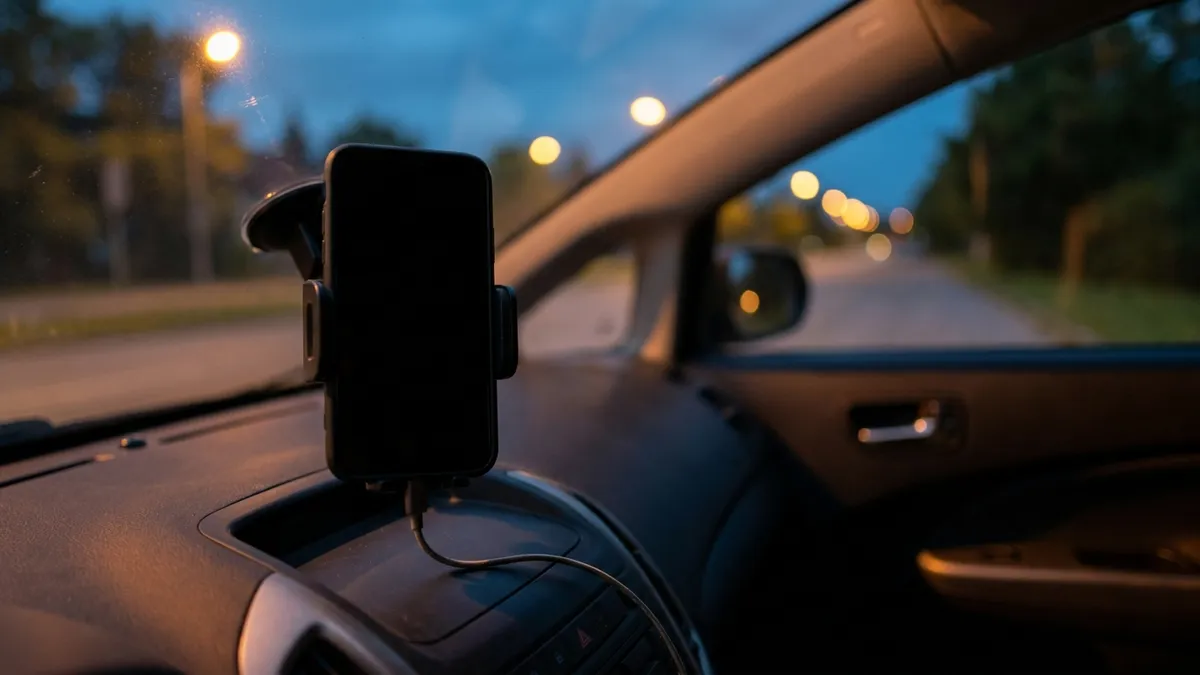
Unreserved Wine Talk runs about 20 to 40 minutes. Wine Blast's archive includes clips of about five minutes, short enough for the school run.
Download episodes at home so the car has no signal problems. If the drive is under 20 minutes, queue Matthew's; if it runs 30 to 40, Unreserved Wine Talk fits end to end. If a host names a region you cannot place, note it with a voice memo when parked and look it up on a map at home. Never handle a glass, a notebook or your phone screen while driving.
Which Wine Podcasts Are Funny and Not Snobby?
Wine Blast and Swirl Suite are the two that laugh at themselves. Wine Blast describes its own mix as interviews, food, tips, listener questions and "gentle bickering" between the hosts. It has run since 2020, and its show page lists 146 episodes.
Swirl Suite has four hosts, Sarita, Tanisha, Leslie and Glynis, who cover the wine industry with "equal parts style, substance, and humor", in Wine Folly's words. At 45 to 75 minutes it suits a long walk more than a short drive.
Humour helps a beginner because a relaxed host explains the terms a stiff one skips. If an episode spends ten minutes on trade news you do not care about, skip ahead: the grape and region segments are what you will taste later. Our piece on wine tasting without snobbery explains why plain words beat fancy ones at the table too.
Which Shows Tell Stories From Winemakers?
Interview shows are where winemakers and importers explain the choices behind a bottle. I'll Drink To That, hosted by former sommelier Levi Dalton since 2012, runs an hour or more of long conversation with well-known wine people. Unreserved Wine Talk has journalist Natalie MacLean in conversation with guests from across the industry.
The Wine List (formerly The Grape Nation) with Sam Benrubi runs from about 45 minutes to two hours and features winemakers, importers and wine journalists. Real Wine People, hosted by Ben Gould, has a short archive of hour-long talks with Australian wine professionals, with no new episodes since 2021. Somm Women Talk Wine, with Charisse Henry and Kristi Mayfield, covered topics from non-alcoholic wine to alternative packaging until late 2024.
These shows assume you know a few basics, which is why they come after the beginner picks. If a guest names a grape or a region twice, buy a bottle from it this week: a winemaker's story sticks better once you have tasted the wine it explains. A sommelier guest makes more sense after you know what a sommelier actually does.
Which Podcasts Help With WSET or Sommelier Study?
The Guild of Sommeliers Podcast is the one built for serious study, and it assumes you know the basics. Its current host, Chris Tanghe, is a Master Sommelier (the top title of the Court of Master Sommeliers), and the show has run since 2011, with episodes of about 50 minutes. Wine Folly pitches it at listeners with previous wine knowledge.
Exam study needs order, and podcasts follow the host's interests. A first WSET course gives that order. WSET Level 1 is six hours of tuition with tutored tasting of nine wines in class. It teaches the WSET Systematic Approach to Tasting, laid out in our WSET tasting method guide. The exam is 30 multiple-choice questions in 45 minutes, with 70% needed to pass.
If you cannot yet describe the acidity and tannin of a wine in your glass, wait on the Guild show and start with a course. Use exam-level episodes as revision for topics your course has already covered. Our comparison of WSET and Court of Master Sommeliers certifications sets out which path fits which goal.
Can You Learn to Taste Wine From a Podcast?
A podcast teaches the facts and the vocabulary, but not the smell of a wine. A host can say that cool-climate Sauvignon Blanc smells of cut grass and grapefruit. Until a listener has sniffed one, those words have nothing to attach to.
Audio teaches grape names, where they grow, how a wine is made and the structure words well. Acidity is the tartness that makes the mouth water. Tannin is the drying grip on the gums, strongest in red wines. With those two words, a host's description of a wine becomes a prediction to test at home.
If a description in an episode surprises you, that is the wine to buy. Our wine tasting vocabulary cheat sheet lists the words hosts use most, with plain meanings.
How Do You Remember What You Hear?
Turn each episode into one bottle and three written words within a day. A fact heard once in a car fades by the weekend. A fact you smelled in a glass stays, because the episode gave you the expectation and the wine gave you the proof.
The ten-minute follow-up has four steps:
- Pick one wine the episode named, by grape or by region, at a price you would pay anyway.
- Pour one glass at home, never in the car, and smell it before you sip.
- Write three words for what you notice: one for smell, one for acidity, one for tannin or body.
- Compare your three words with what the host said, and note where they differ.
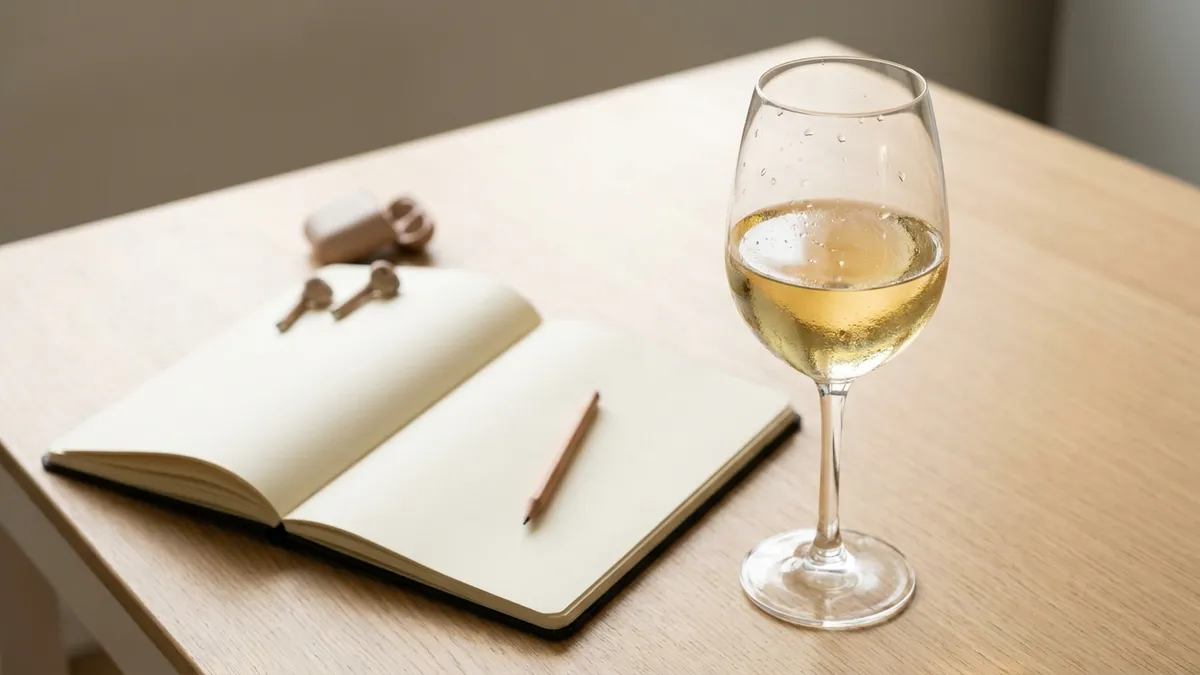
If you cannot find three words, smell the wine again after a minute in the glass. The notes from those evenings are worth keeping together: our wine tasting journal tips show how to log them so you can compare bottles later.
When Is a Podcast Not Enough?
A podcast stops being enough when you want a structure and feedback on what you taste. Shows wander from topic to topic and cannot hear an answer. A course runs in order, from basic tasting to regions, and checks each step.
There are two ways to add that structure. A classroom course such as WSET Level 1 tastes nine wines with a tutor. An app fits around a commute the same way a podcast does; our guide to the best wine education apps compares the main options. Sommy has bite-sized courses, including Wine 101 and regional courses on France, Italy, Spain and California, so a region you heard about in the car has a lesson waiting. More starting points sit in the beginners and buying hub.
Tonight, queue one episode on a single grape for tomorrow's drive. Buy a bottle of that grape on the way home, and taste it with the steps in how to taste wine before you hear the next episode.
Sources
Frequently Asked Questions
What is the best wine podcast for beginners?
Wine for Normal People is the safest first pick: sommelier Elizabeth Schneider sets out to translate wine into everyday terms, in episodes of about 45 to 50 minutes. If you have less time, Wine Blast, hosted by two Masters of Wine, runs from a few minutes to about 50 and mixes tips, food and gentle bickering between the hosts.
Can you learn about wine from a podcast?
Yes for facts and vocabulary: grapes, regions, how wine is made and the words to describe it. No for smell and taste, which only a glass can train. The fix is to follow an episode with a bottle of the grape or region it covered, and write three words about it the same day or the next.
Are there wine podcasts for WSET or sommelier exam study?
The Guild of Sommeliers Podcast, running since 2011 and now hosted by Master Sommelier Chris Tanghe, is built for serious students and assumes you know the basics. Matthew's World of Wine and Drink, from a host who holds the WSET Diploma, covers one region, style or grape per episode. Neither replaces the tasting practice a course requires.
Which wine podcasts are short enough for a commute?
Matthew's World of Wine and Drink runs about 15 to 20 minutes per episode, one topic each. Unreserved Wine Talk runs about 20 to 40 minutes. Wine Blast episodes vary from about five minutes for short archive clips to around 50. Long-form interview shows such as I'll Drink To That run an hour or more.
Do I need to taste wine while I listen to a wine podcast?
No, and never while driving. Listen on the commute, then taste later the same day or the next. Pick one wine the episode named, by grape or region, pour a glass at home, and check whether the description you heard matches what you smell and taste. That one step turns a fact you heard into something you recognise.
What is the difference between a wine podcast and a wine course?
A podcast follows the host's interests and gives no feedback. A course has an order, tastes wine with you and checks what you learned. WSET Level 1, for example, is six hours of tuition with nine wines tasted in class and a 30-question exam. A podcast is a good companion to a course, not a replacement for one.
Sommy Team
LinkedInFounder & Wine Educator
The Sommy Team is building the world's most approachable wine education app, helping beginners develop real tasting skills through structured courses and AI-guided practice.