Wine Tasting Without the Snobbery: A Relaxed Approach

By the Sommy Team — AI-assisted, human-edited.
Updated Apr 29, 2026
Contents (10)
- TLDR
- What Wine Tasting Without the Snobbery Actually Looks Like
- Where the Snobbery Comes From
- What to Keep: Four Things That Actually Improve a Glass
- What to Drop: Seven Snob Behaviours and What to Do Instead
- How to Be Confident Without Faking It
- How to Ask Questions in a Wine Shop
- Practising at Home Without Performing
- When the Snob Voice Gets Loud Anyway
- The Bottom Line
TL;DR
Wine tasting does not need to be a performance. Drop the rituals you do not understand — violent swirls, two-finger stem grips, sommelier vocabulary — and keep the four things that actually help: serving temperature, a decent tulip glass, a slow sip, and one or two honest aromas in plain words. Pleasure and curiosity beat performance every time.
TLDR
Wine tasting does not need to be a performance. Drop the rituals you do not understand — violent swirls, two-finger stem grips, sommelier vocabulary — and keep the four things that actually help: serving temperature, a decent tulip glass, a slow sip, and one or two honest aromas in plain words. Pleasure and curiosity beat performance every time.
What Wine Tasting Without the Snobbery Actually Looks Like
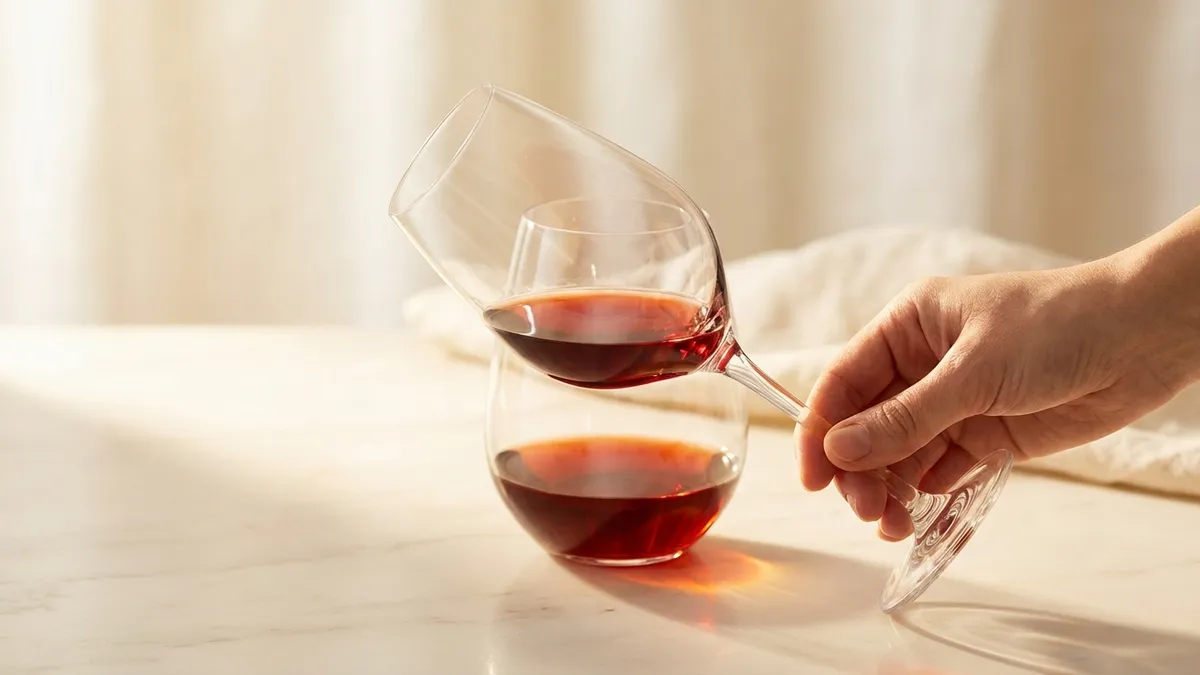
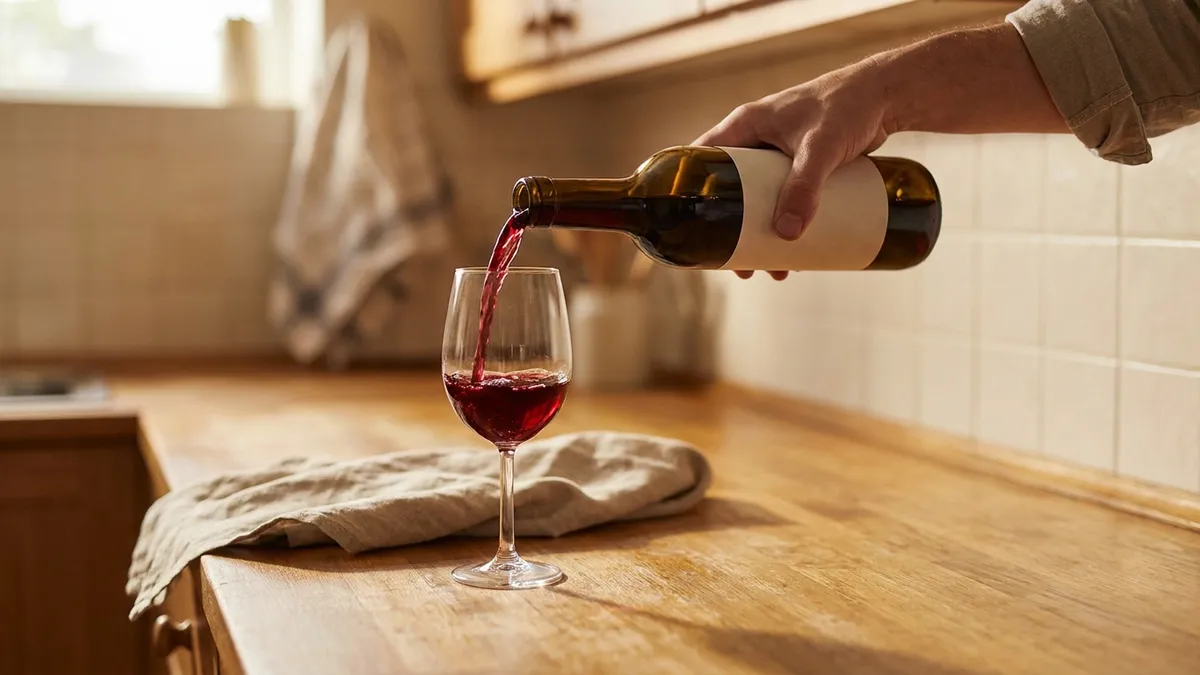
Wine tasting for beginners with no snobbery is short. Pour a wine at the right temperature into a normal tulip-shaped stemmed glass. Take a slow sip. Notice one or two things you smell or taste in plain words — cherries, a bit of pepper, lemon zest, vanilla. Write them down if you feel like it. That is the whole technique. Everything else — the dramatic swirls, the two-finger stem grips, the borrowed sommelier vocabulary — is optional theatre. Some of it is helpful in tiny doses. Most of it is performance designed to make the person doing it look serious. The serious work, if you care about getting better, is paying slow attention to one bottle a week.
Where the Snobbery Comes From
Wine snobbery has a specific source: the world of professional sommelier exams, which require candidates to identify grape, region, and vintage from a blind glass in front of a panel. That is a job interview, not a way to enjoy wine. The vocabulary, the rituals, the speed-sniffs, the violently agitated swirl — they all serve that exam.
Most of it leaked into ordinary wine culture and got mistaken for taste. People started copying the gestures without the purpose. Holding the glass in a particular way to look like a sommelier became more common than holding it in a way that helps you taste.
The fix is not to do the opposite of everything sommeliers do. Some sommelier habits are genuinely useful. The fix is to keep the parts that help you and skip the parts that do not.
What to Keep: Four Things That Actually Improve a Glass
The honest list of things worth doing is short.
Serve It at the Right Temperature
The biggest difference between a wine that sings and a wine that flattens is temperature, and most people get it wrong. Refrigerator-cold whites at 4 °C lock their aromas in the glass. Reds in a warm 22 °C apartment taste hot and flabby.
A simple rule: take whites out of the fridge fifteen minutes before drinking, and put reds in the fridge fifteen to twenty minutes before drinking. That is the whole adjustment. Our serving temperature chart goes deeper if you want exact numbers per style, and how temperature affects wine taste explains the physiology.
Use a Decent Tulip-Shaped Glass
You do not need a different glass for every grape. The marketing claims that a Burgundy bowl unlocks Pinot Noir while a Bordeaux flute is required for Cabernet are mostly that — marketing. A medium-bowled tulip with a slightly narrowed rim works for ninety-five percent of wines you will ever drink.
A six-pack of decent tulips costs less than dinner out. Skip the $50-per-glass tier unless you genuinely enjoy collecting glassware. The shape matters; the price tag does not. Does wine glass shape affect taste covers what actually changes when the bowl narrows.
Take a Slow Sip
A slow sip is not a sommelier ritual. It is just paying attention for three seconds longer than usual. Hold the wine in the middle of your mouth, let it touch the front and back of your tongue, then swallow.
That is enough. The aggressive mouth-swishing some people do — the slurping, the gargling, the exaggerated chewing — actually deadens the palate by coating it in alcohol. Slow and gentle gives you more, not less.
Name One or Two Things in Plain Words
The single most underrated tasting habit is naming one or two specific things you smell or taste, in everyday words. Cherries. Pencil lead. Lemon peel. Buttered toast. Wet stone. Black pepper. A bit of soy sauce.
Do not reach for words like elegant, structured, or expressive. Those are professional words for professional reports. They mean almost nothing in a personal context. How to describe wine walks through everyday vocabulary that beats sommelier-speak every time, and the wine aroma wheel guide gives you a starter list of plain-language descriptors.
What to Drop: Seven Snob Behaviours and What to Do Instead
These are the rituals you can quietly skip without losing anything.
"You Must Smell Before Tasting"
The defensible version: smelling before tasting can give you a preview of aromas and help you spot a corked wine before you commit. The snob version: you must always do it, every glass, every time, with the same theatrical depth.
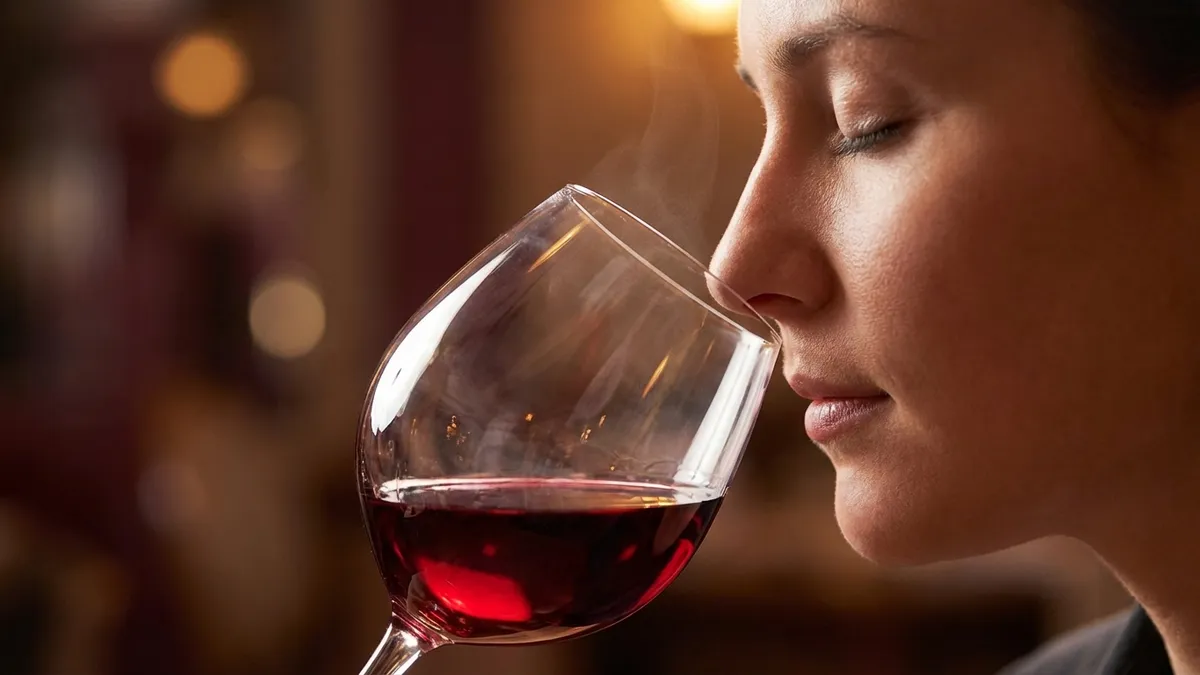
Do this instead: Smell if you feel like it, especially on the first pour. Skip it if you forgot. The retronasal route, where aromas reach your nose from the back of your mouth as you swallow, picks up most of the same information. How to smell wine and the retronasal smell guide cover the technique.
"White Before Red, Light Before Heavy, Dry Before Sweet"
Mostly true, mostly unimportant for ordinary drinking. The order of wines matters at a serious tasting because palate fatigue is real, but at home dinner, you can pour what fits the food and not stress about the sequence.
Do this instead: If you are tasting more than three wines back to back, follow the rough order. If you are just having a glass with dinner, ignore it. Wine tasting order explains when it matters.
"You Need a $50+ Glass"
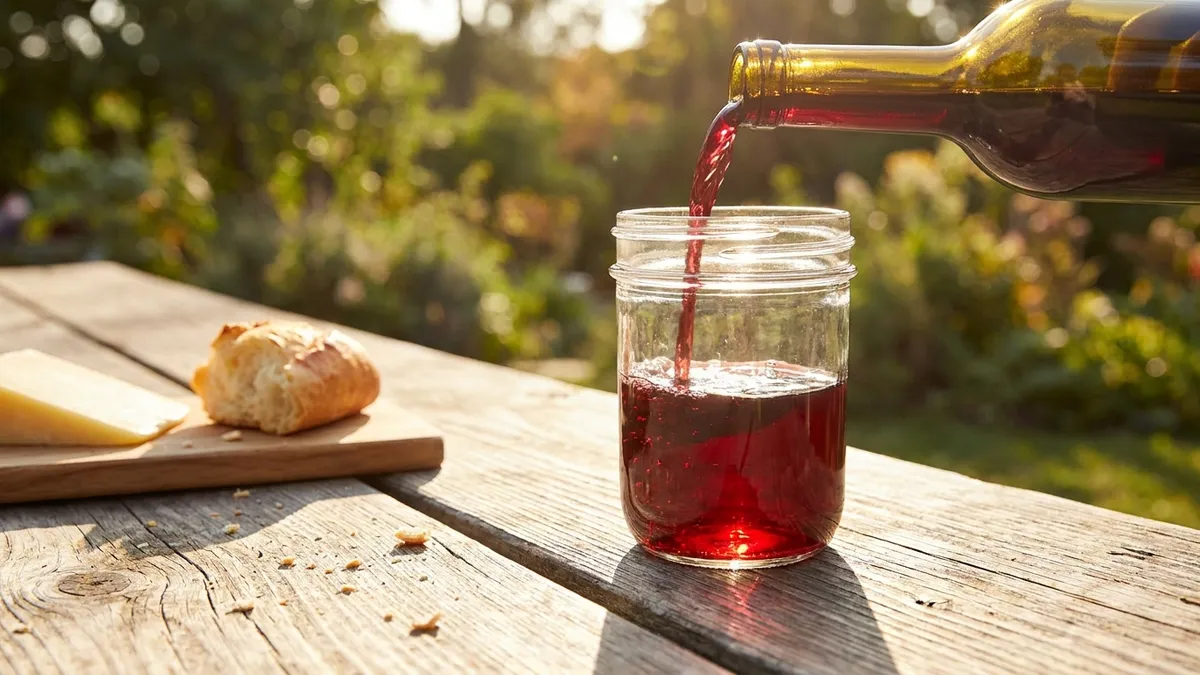
A specific type of snob will tell you that crystal stemware shaped for a single grape changes your life. It does not. You can taste a perfectly good wine out of a tulip glass that costs four dollars. You can taste it out of a jam jar in a pinch.
Do this instead: Buy six decent tulips. Use them for everything. Spend the saved money on better wine.
"Vintage Always Matters"
Vintage matters for cellar-worthy wines that age for decades — top Bordeaux, top Burgundy, top Barolo, top Champagne. For ninety-five percent of the wine you will buy, vintage is the year on the label and that is it.
Do this instead: Ignore vintage unless you are buying something built to age. The wine vintage guide explains which wines actually change year to year and which do not.
"Hold the Stem with Two Fingers"
A stylized two-finger pinch grip is sommelier theatre. The reason to hold the stem is to keep your hand off the bowl, which would warm the wine. Any grip that does that works.
Do this instead: Hold the stem however feels comfortable. Three fingers, four fingers, the whole hand at the base. Just keep your palm off the bowl.
"You Must Use Sommelier Vocabulary"
Words like complex, expressive, elegant, opulent, and structured are professional shorthand. In casual conversation they mostly hide what you mean. A bottle that tastes like cherries, vanilla, and a hint of clove is more honest than a bottle that tastes "elegant."
Do this instead: Use kitchen and produce words. Stone fruit, citrus, herb, baking spice, smoke, leather, tar, mushroom. Specific everyday descriptors train your palate faster than borrowed ones. The wine tasting vocabulary cheat sheet gives you a working starter list.
"Real Wine Drinkers Never Add Ice"
Adding ice to wine is fine. So is mixing it with soda. So is pouring it over a sliced peach. The grape-growing regions of Spain, Portugal, and southern France have been making wine spritzers and mixing wine with water for centuries. The "no ice ever" rule is a recent invention.
Do this instead: If a wine is too warm and the only fix is an ice cube, drop one in. The wine police do not exist. Low alcohol wines and rose wine guide have notes on light wines that take well to a spritz.
How to Be Confident Without Faking It
Confidence at a tasting or in a wine shop comes from being honest about what you know and what you do not. The least confident-sounding people are the ones pretending. Three small habits help.
Use Your Real Reaction
If a wine smells like cherries to you, say cherries. If it tastes a bit like soy sauce, say soy sauce. People who use their real reaction sound more credible than people who reach for vocabulary they read in a book the day before.
Ask the Question You Actually Have
The best questions in wine shops, restaurants, and tasting rooms are simple. "What does this taste like?" "Is this a dry one?" "What would you eat with it?" "I usually like soft reds — would I like this?" Specialists love specific, honest questions. They get tired of customers performing.
Know Two or Three Things You Like
You do not need to know everything. You need to know what you like — roughly. "I usually drink soft reds with a lot of fruit." "I like crisp whites, nothing oaky." "I like rosé, the dry kind." That is enough information to ask for a recommendation in any shop in the world. Sweet vs dry wine and the pinot noir guide are good starting points if you want to firm up your default preferences.
How to Ask Questions in a Wine Shop
A friendly, specific brief gets you a great recommendation every time. The format is short:
- What you usually like. "Soft reds." "Crisp whites." "Lightly sparkling things."
- What you are eating. "Pasta with tomato." "A roast chicken." "Just snacks."
- Your budget. "Around $15." "Up to $30."
Three sentences and a good shop assistant will hand you a bottle they actually believe in. Pretending to know more than you do is the single most common reason people end up with a bottle they do not like.
If you want to learn more on the way home, the wine and food pairing guide and the wine pairing rules cover the basic shape of which wines suit which foods. None of it is hard.
Practising at Home Without Performing
The home tasting habit that produces the most progress is also the least flashy. Pour a glass of one bottle a week. Take three slow sips, ten minutes apart. Notice one or two things each time. Write a short note if you remember.
That is the whole practice. People who do this for twelve months quietly outpace people who memorise the official tasting grid but never sit with a single glass. The Sommy app prompts the right temperature, structures the palate rating as discrete one-to-five scores, and asks for two specific aromas instead of vague adjectives — which is essentially this habit, made automatic.
If you want a more structured version on weekends, develop your wine palate walks through a deliberate four-week practice plan. If you want a simple journal template to copy into a notebook, the wine tasting journal tips post has one.
When the Snob Voice Gets Loud Anyway
Sometimes you will be at a dinner where someone makes a show of identifying the grape from the smell, or corrects your glass grip, or sniffs disapprovingly at a chilled red. The temptation is to either freeze up or compete.
A better move is curiosity. "Oh, what made you guess that grape?" "What do you taste in it?" Most performative wine talk collapses gently when invited to be specific, and the people who actually know things turn out to be generous teachers when asked plainly. More lines for these moments are in our wine conversation starters. The performers will move on. The teachers will pour you another glass.
That is the truth at the core of this whole approach. Wine education at its best is collaborative — people sharing what a glass tastes like to them, in everyday words, with no scoring panel and no exam. The Sommy app is built around that idea: small, structured prompts that pull out the specific things you are tasting without any of the performance.
The Bottom Line
A relaxed approach to wine tasting is not lazier than the snob version. It is just more honest. Keep the four things that genuinely help — temperature, a decent glass, a slow sip, plain-language notes — and skip the seven rituals that mostly serve to make the person performing them look serious. Stay curious. Ask the questions you actually have. Trust your real reaction.
A year from now, you will know more about wine than ninety percent of the people who took the snob route, and you will have enjoyed every bottle along the way.
Frequently Asked Questions
What is the simplest way to taste wine without feeling like a snob?
Pour the wine at the right temperature into any tulip-shaped stemmed glass. Take a slow sip. Notice one or two things you smell or taste in plain language — cherry, vanilla, lemon zest, a bit of black pepper. That is a complete tasting. Anything beyond that is optional, and only worth doing if it adds to your enjoyment of the glass.
Do you really need to swirl wine before drinking it?
Swirling helps release aromas, but a gentle three-rotation swirl is all you need. The dramatic over-the-shoulder swirl that some people perform is theatre, not technique. If you forget to swirl, the wine is not ruined. Take a sip, enjoy it, and try a swirl on the next pour if you are curious whether the aromas change.
Is it rude to drink red wine slightly chilled or white wine slightly warm?
Not at all. The classic rule of room-temperature red and fridge-cold white was written for European cellars and modern fridges that no longer exist. Most reds taste better at around 15 to 17 °C — cooler than most apartments — and most whites taste better at 8 to 13 °C, warmer than the back of a fridge. Trust your tongue, not the rule.
Do I need to use sommelier vocabulary to describe wine?
No. Plain words work better than borrowed ones. If a wine smells like cherries and a bit of pencil, write down cherries and pencil. If it tastes like sour candy and grass, write that. Specific everyday language is more useful than vague sommelier adjectives like elegant, structured, or expressive — and it is honest, which trains your palate faster.
How do I ask questions in a wine shop without sounding clueless?
Tell the staff what you usually drink, what you are eating tonight, and your budget. That is enough. A line like ‘I usually like soft reds, I am cooking pasta with tomato, around 15 dollars’ is a perfect brief. Good shop staff love specific, honest requests. Pretending to know more than you do is the only thing that backfires.
Is it bad to add ice to wine or mix it with soda?
Not bad — just a different drink. A spritz of soda over a light white is how plenty of European countries drink wine on hot afternoons. An ice cube in a too-warm rosé saves the bottle from being undrinkable. Wine snobs may wince, but the people who grow these grapes have been mixing them with water and soda for centuries.
Should I always smell a wine before tasting it?
Only if you want to. Smelling first does add information, because much of what we call taste is actually smell. But if you forget, the world does not end — your nose still works while you sip. The retronasal route, where aromas reach your nose from the back of your throat, gives you most of the same information after the first swallow.
What is the one thing I should keep doing if I want to taste better?
Pay slow attention to one bottle a week. Pour, take three slow sips, and ask yourself what it tastes like in everyday words. Write down two notes if you remember. That is the entire practice. People who do this for a year quietly outpace people who memorise sommelier vocabulary but never sit with a single glass.
Sommy Team
LinkedInFounder & Wine Educator
The Sommy Team is building the world's most approachable wine education app, helping beginners develop real tasting skills through structured courses and AI-guided practice.