Wine Certifications: WSET vs CMS, and Which to Choose

By the Sommy Team — AI-assisted, human-edited.
Updated Sep 24, 2026

Contents (9)
- Wine Certifications WSET vs CMS, in One Paragraph
- Which Wine Certification Should You Start With?
- What Do the Four WSET Levels Cover?
- What Does the Court of Master Sommeliers Test That WSET Does Not?
- How Hard Is It to Become a Master Sommelier?
- Master Sommelier vs Master of Wine: What Is the Difference?
- How Much Time and Money Does Each Path Take?
- Do You Need a Certification to Enjoy or Sell Wine?
- What Should You Do Before Booking a Course?
TL;DR
WSET teaches wine knowledge and tasting through four levels, from a six-hour award to a 500-hour Diploma. The Court of Master Sommeliers adds restaurant service to theory and blind tasting. The Master of Wine requires a Diploma first and ends in a research paper. Pick the path by the job you want.
WSET teaches what is in the glass, the Court of Master Sommeliers tests whether a candidate can serve it to a guest, and the Master of Wine demands research into the trade behind it. That is the short version of wine certifications WSET vs CMS, and it decides which course to book. The three bodies are often lined up as one ladder. They are three different tools, and the job the knowledge is for picks the first step.
Wine Certifications WSET vs CMS, in One Paragraph
The Wine & Spirit Education Trust (WSET) runs four wine levels, from a six-hour Level 1 award to a Diploma that needs at least 500 study hours and usually 18 months to 3 years. Its exams are written papers plus, from Level 3, blind tasting. The Court of Master Sommeliers (CMS) also has four levels, Introductory to Master Sommelier, and from the Certified level it marks restaurant service too. Around 3 to 8 percent of candidates pass the Master Sommelier exam. The Master of Wine (MW) sits apart: candidates need a Diploma-level qualification and three years in the trade, and they finish with a 6,000 to 10,000-word research paper.
Which Wine Certification Should You Start With?
If you want to understand wine for yourself or for a shop job, start with WSET Level 2; if you want to work a restaurant floor, start with the Court's Introductory course. Past those first steps, the career goal sets the next course, and the table maps each goal to its entry point.
| Credential | Body | What is tested | Minimum time | Start here if you want to |
|---|---|---|---|---|
| WSET Level 1 | WSET | 30 multiple-choice questions | 6 hours of study | Try a first structured class |
| WSET Level 2 | WSET | 50 multiple-choice questions | 28 hours of study | Enjoy wine with real knowledge, or work in a shop |
| WSET Level 3 | WSET | Theory plus blind tasting of 2 wines | 84 hours of study | Buy, sell or teach wine seriously |
| WSET Level 4 Diploma | WSET | Six units, 12-wine blind tasting, 3,000-word essay | 500 hours, 18 months to 3 years | Build a trade career or aim for the MW |
| Introductory Sommelier | Court of Master Sommeliers | 70 multiple-choice questions after a 2-day course | 2 days of class | Start working a restaurant floor |
| Certified Sommelier | Court of Master Sommeliers | Theory, blind tasting of 4 wines, service | Self-paced study | Prove you can run wine service |
| Master Sommelier | Court of Master Sommeliers | Theory, 6 wines blind before a panel, service | Years, after the Advanced level | Reach the top of restaurant wine |
| Master of Wine | Institute of Masters of Wine | Theory, practical, 6,000 to 10,000-word paper | At least 3 years, after a Diploma | Lead in the wider wine trade |
The two paths are not rungs of one ladder, and that is the most common mix-up in wine education. WSET never examines service, and the Court does not ask for WSET certificates. Many professionals hold both, taken in whichever order their job needed. If you already hold a Diploma and three years in the trade, the Master of Wine is the next door, covered further down.
What Do the Four WSET Levels Cover?
The four WSET wine levels climb from a six-hour beginner award to a Diploma that takes at least 500 hours and usually 18 months to 3 years. Each level has a published minimum of study time, so the effort is known before you book.
- Level 1 needs at least six hours of study and ends in a closed-book exam of 30 multiple-choice questions. There are no entry requirements beyond being of legal drinking age.
- Level 2 needs at least 28 hours: 16 hours of teaching, 11 of your own revision and a one-hour exam of 50 multiple-choice questions. It covers eight principal grapes (Chardonnay, Pinot Grigio, Sauvignon Blanc, Riesling, Cabernet Sauvignon, Merlot, Pinot Noir and Syrah) plus 22 more across over 70 regions, with the basics of sparkling and fortified wine.
- Level 3 needs at least 84 hours, 30 of them in class or online. The exam has 50 multiple-choice questions, a short-answer paper and a blind tasting (wines served with the bottle hidden) of two wines.
- Level 4, the Diploma, requires Level 3 and at least 500 hours: 116 of teaching and 370 of personal study.
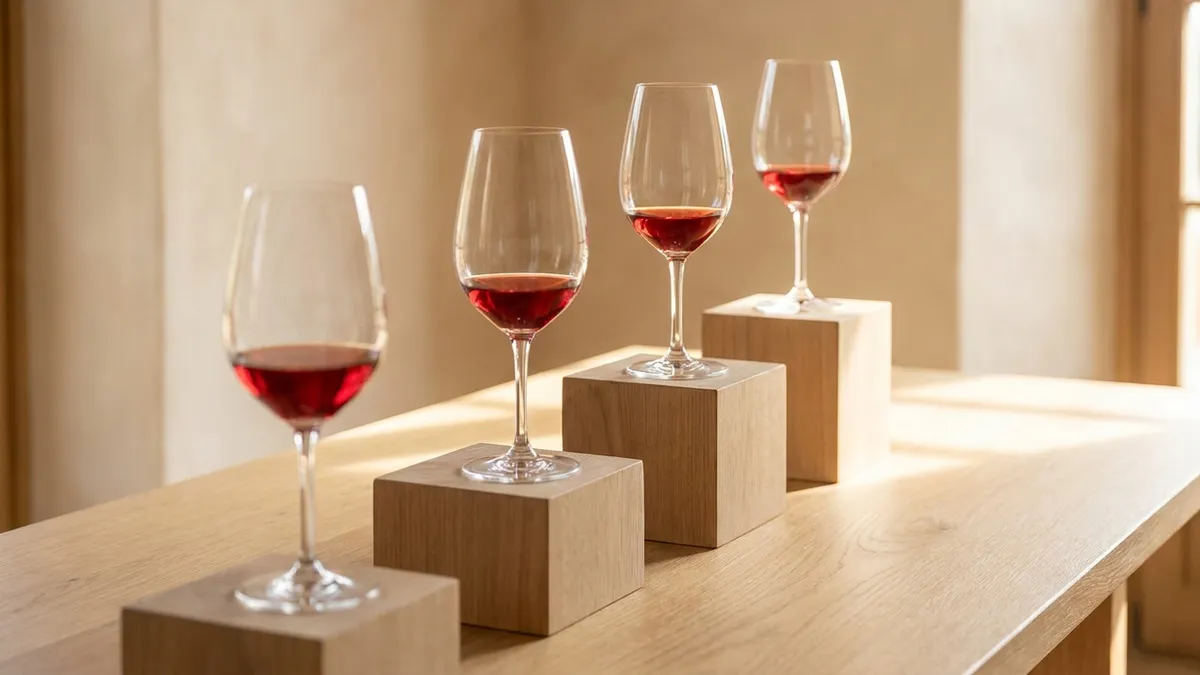
Level 3 is where tasting becomes an exam skill. Students describe each wine on the WSET Systematic Approach to Tasting, a fixed grid of appearance, nose, palate and conclusions. That grid rewards structure first: the tartness of acidity (the part that makes your mouth water) and the drying grip of tannin on your gums.
The Level 4 Diploma
The Diploma is a different scale of commitment. It has six units, and the largest, Wines of the World, carries half the marks. That unit ends in a two-day exam with 3 hours 20 minutes of theory and a blind tasting of 12 wines. A separate unit is a 3,000-word research assignment. Graduates may write DipWSET after their name, a post-nominal (letters that signal a qualification).
What Does the Court of Master Sommeliers Test That WSET Does Not?
The Court adds service: from the Certified level up, candidates are marked on how they open, pour and present wine to a guest, as well as on theory and blind tasting. That makes it a qualification for restaurant work, while WSET suits shops, importers, writers and curious drinkers.
The Court's program runs in four levels:
- Introductory Sommelier is a two-day course covering grape growing, winemaking, grape varieties, major regions, food pairing and blind tasting, with the basics of beer, sake and spirits. Most participants pass.
- Certified Sommelier, created in 2006, has a theory paper, a written blind tasting of four wines (two white, two red) and a service test. The pass mark is 60 percent, and on average about 66 percent of candidates pass.
- Advanced Sommelier has a written theory exam, a spoken blind tasting of six wines in 25 minutes and a practical service test. Candidates need 60 percent in each section.
- Master Sommelier is the oral top exam, covered in the next section.
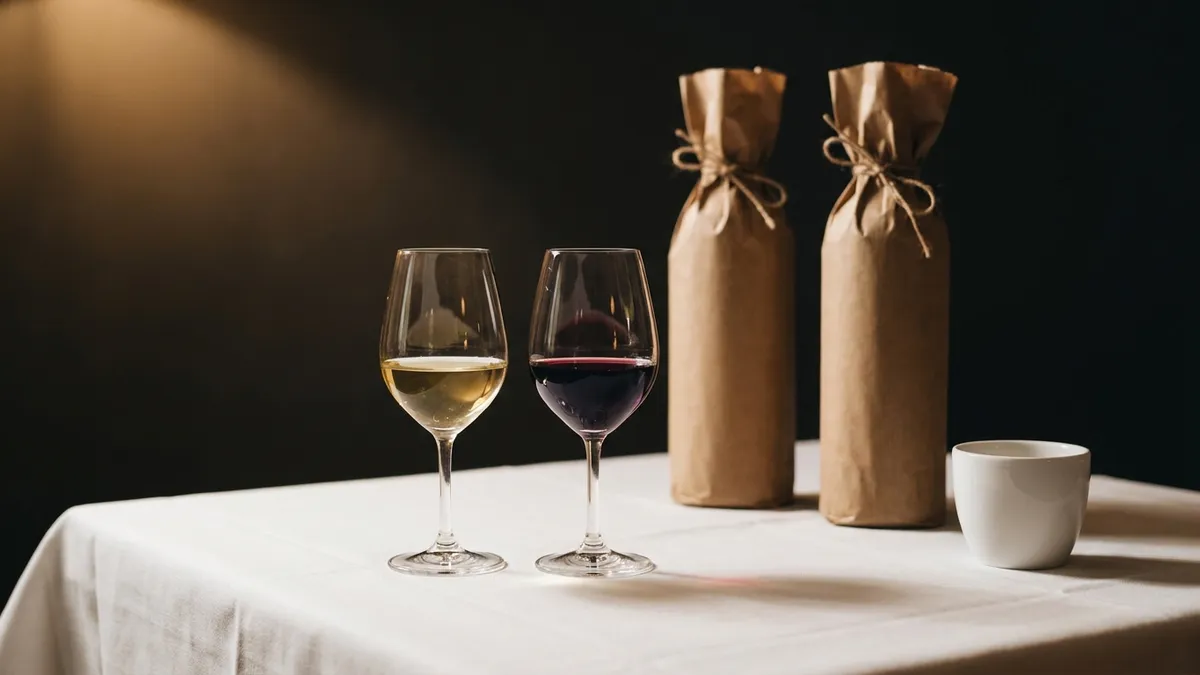
Service here means the floor craft of a sommelier: presenting the bottle, opening it cleanly, decanting and pouring in the right order. Examiners play demanding guests, so the test checks calm under pressure as much as knowledge. What a sommelier actually does covers the day job this ladder prepares you for.
The Court's tasting also has a different goal from WSET's. Its deductive tasting method ends with a call on grape, region and age. WSET's grid ends with a verdict on quality and readiness to drink.
How Hard Is It to Become a Master Sommelier?
Very hard: the Master Sommelier exam passes around 3 to 8 percent of the candidates who sit it, and only 282 people had earned the title from the Court's founding through 2018. Only 14 of those 282 passed at their first attempt.
The exam has three parts: an oral theory exam, a blind tasting of six wines before a panel, and service. Candidates need at least 75 percent in each, so a strong tasting cannot carry a weak service score. In 1984 Fred Dame became the first person to pass all three parts at once.
The Court was founded in 1977, though the first Master Sommelier exam ran in the UK in 1969. Its recent record includes two episodes worth knowing before you enrol. In 2018 its American chapter invalidated the tasting results and rescinded the titles of 23 of 24 newly passed Master Sommeliers, after a board member shared wine details with candidates. In 2020, investigations into harassment led six Master Sommeliers to lose their titles, and the organisation replaced its leadership.
None of this touches the lower levels, which stay within reach of any engaged learner. The Introductory level passes most of its participants, and the Certified level about two in three.
Master Sommelier vs Master of Wine: What Is the Difference?
A Master Sommelier is examined on service, tasting and theory by the Court. A Master of Wine is examined by a separate body, the Institute of Masters of Wine, and must finish with a research paper of 6,000 to 10,000 words.

The MW has the stricter entry gate. Candidates need at least a Diploma-level qualification, such as the WSET Diploma, three years of professional work in wine and a reference from a Master of Wine or another senior wine trade professional. The study program lasts at least three years and combines theory and practical work before the final paper.
The title is also older. Exams were first arranged in 1953, and the Institute was founded in 1955. Until 1983 only UK wine professionals could sit it, and the first Master of Wine from outside the UK qualified in 1988. As of March 2021 there were 416 Masters of Wine in 31 countries, 208 of them in the UK and 45 in the US.
For a reader, the letters after a name tell you what the writer was trained to do. MS points to someone who can taste blind and serve at the highest level. MW points to someone trained to analyse grape growing, winemaking and the business of wine.
How Much Time and Money Does Each Path Take?
WSET publishes minimum study hours for every level but no fees, because each approved course provider sets its own price. WSET's qualification pages show no price at all, so the same course costs different amounts in different countries and formats.
In calendar terms, the WSET levels in the table fit a day, a few weeks and a few months, and the Diploma takes 18 months to 3 years. The Court's Introductory level is two days of class, while the Advanced and Master levels usually take years of study around a working job. A Master of Wine adds at least three years on top of a Diploma and three years of trade work.
Money follows the same shape. Early levels are one course and one exam. Higher levels add tasting samples, because blind-tasting skill comes only from pouring many wines side by side. If a provider's quote does not say the exam fee, study pack and tasting samples are included, ask before paying, because some list them separately.
Online and classroom formats both lead to the same WSET exam. If you learn by tasting with others, choose a classroom; if your schedule is irregular, online teaching with a local exam works.
Do You Need a Certification to Enjoy or Sell Wine?
No. None of these certificates is a licence to drink, buy or sell wine; each is proof of study that employers and customers recognise. The skills they test, structured tasting and a map of grapes and regions, can be practised at home long before any exam.
For a drinker, the payoff of study shows up in the shop and the restaurant. Level 2's eight principal grapes are the names printed on most shelf labels, and how to order wine at a restaurant turns that knowledge into a better bottle. For exam students, flashcards handle facts well; the roundup of the best wine education apps sorts them by goal.
Sommy sits at the pre-course stage. Its bite-sized courses, including Wine 101 and regional courses on France, Italy, Spain and California, build the grape and region map. Its AI-guided tasting mode starts from a photo of the label, walks through look, smell and taste, and logs each note to a journal.
What Should You Do Before Booking a Course?
Taste two wines blind at home first. If you cannot tell two very different grapes apart with the bottles hidden, start at WSET Level 2 rather than Level 3, because Level 3 grades a blind tasting of two wines. Level 2, with its multiple-choice exam alone, is the safer first booking.
Set it up simply. Wrap two bottles in paper bags, pour a small glass of each, and follow these blind tasting tips for order and note-taking. Use the words in the wine tasting vocabulary cheat sheet so your notes match what an examiner expects. The beginners and buying hub has the next steps once you know your level.
The Sommy app can hold these notes for comparison after your first class. Pour a Sauvignon Blanc and a Chardonnay tonight, side by side with the bottles covered, then taste both and write down acidity, body and two aromas for each before you look.
Sources
- WSET Level 1 Award in Wines — Wine & Spirit Education Trust
- WSET Level 2 Award in Wines — Wine & Spirit Education Trust
- WSET Level 3 Award in Wines — Wine & Spirit Education Trust
- WSET Level 4 Diploma in Wines — Wine & Spirit Education Trust
- Court of Master Sommeliers (levels, pass rates, history) — Wikipedia
- Master of Wine (entry requirements, numbers, history) — Wikipedia
Frequently Asked Questions
What is the difference between WSET and the Court of Master Sommeliers?
WSET is an education body that examines wine knowledge and tasting through written papers and blind tasting. The Court of Master Sommeliers examines sommeliers, so from its Certified level upward it also marks practical service: opening, decanting and pouring for a guest. WSET never tests service. Neither is a prerequisite for the other, and many wine professionals hold certificates from both.
Which wine certification is best for a beginner?
For most beginners, WSET Level 2 is the best first certificate. It needs at least 28 hours of study, has no tasting exam, and covers eight principal grapes plus 22 more across over 70 regions. Choose WSET Level 1 if you want a six-hour taster first, or the Court's two-day Introductory course if you plan to work a restaurant floor.
How long does it take to get WSET Level 3?
WSET sets a minimum of 84 hours of study for Level 3, of which 30 hours are classroom or online teaching and the rest is your own reading and tasting. Many students spread that over several weeks or a few months. The exam has 50 multiple-choice questions, a short-answer paper and a blind tasting of two wines.
What is DipWSET?
DipWSET is the post-nominal, the letters after a name, that graduates of the WSET Level 4 Diploma in Wines may use. The Diploma needs Level 3 as an entry requirement, a minimum of 500 study hours, six units and a 3,000-word research assignment. It usually takes 18 months to 3 years, and it is the standard entry qualification for the Master of Wine.
What is a Master Sommelier vs a Master of Wine?
A Master Sommelier passes the Court of Master Sommeliers' top exam in theory, blind tasting and service, with at least 75 percent in each part. A Master of Wine is awarded by the Institute of Masters of Wine after at least three years of study that end in a research paper of 6,000 to 10,000 words. The first is built for restaurant service, the second for the wider trade.
How much does WSET Level 2 cost?
WSET does not publish one price. Fees are set by each approved course provider, so they vary by country, by city and by whether the course is taught in a classroom or online. When you compare quotes, check whether the exam fee, the study pack and the tasting samples are included, because some providers price them separately.
Can you become a sommelier without a certification?
Yes. No wine certificate is a legal licence to work with wine, and many sommeliers learn on the job first. A certificate is proof of study that employers recognise. The Court of Master Sommeliers' Introductory course is the usual first credential for restaurant work, while WSET Level 2 or 3 is common for shop, import and distribution jobs.
Sommy Team
LinkedInFounder & Wine Educator
The Sommy Team is building the world's most approachable wine education app, helping beginners develop real tasting skills through structured courses and AI-guided practice.