WSET Systematic Approach to Tasting: Grids Side by Side

By the Sommy Team — AI-assisted, human-edited.
Updated Oct 21, 2026
Contents (7)
TL;DR
The WSET Systematic Approach to Tasting (SAT) is the grid WSET students use to describe a wine: appearance, nose, palate, then conclusions. WSET publishes wine versions for Levels 2, 3 and 4. Level 2 uses mostly three-step scales and ends on quality; Level 3 adds five-step scales and readiness; Level 4 asks for written reasons.
The WSET Systematic Approach to Tasting (SAT) is the grid Wine & Spirit Education Trust students fill in for every wine: appearance, nose, palate, then conclusions. WSET's own SAT page lists a wine grid for Levels 2, 3 and 4. The order stays the same at every level; the scales get finer at Level 3 and the conclusions get longer.
The WSET Tasting Grid by Level, Side by Side
| Grid line | Level 2 (Issue 2, 2023) | Level 3 (Issue 2, 2022) | Level 4 (Issue 1.2, 2023) |
|---|---|---|---|
| Look: clarity, depth, colour | Yes; whites lemon-green to brown, reds purple to brown, rosé pink to orange | Yes; salmon replaces pink-orange for rosé | Yes, as Level 2 |
| Look: other observations (legs, deposit, bubbles) | No | Yes, as prompts | Yes, as prompts |
| Nose: condition | Clean or unclean | Same | Same |
| Nose: intensity | 3 steps | 5 steps | 5 steps |
| Nose: development | No | 4 steps, youthful to tired | No |
| Palate: sweetness | 4 steps, dry to sweet | 6 steps, dry to luscious | 6 steps, dry to luscious |
| Palate: acidity, tannin, body, flavour intensity, finish | 3 steps each, low to high | 5 steps each, adding medium(-) and medium(+) | 5 steps each |
| Palate: alcohol | 3 steps | 3 steps | 3 steps |
| Palate: mousse (sparkling) | No | 3 steps, delicate to aggressive | No |
| Palate: tannin nature and texture | No | No | Yes, as prompts |
| Conclusion: quality | 6 steps, faulty to outstanding | Same | Same, with a written reason |
| Conclusion: readiness | No | 4 steps, too young to too old | Suitable for bottle ageing or not, with a written reason |
If your course is Level 2, practise on three-step scales and stop at the quality call. If it is Level 3, add the half steps, the development line and a readiness call. At Level 4, add written evidence under the quality and ageing calls. Where WSET lists two issues of a grid, its SAT page tells students to ask their course provider which one the course runs.
Where Can You Download the Official WSET SAT PDFs?
WSET posts each wine grid as a free PDF on its Systematic Approach to Tasting page. The current files are the Level 2 grid (Issue 2, valid from August 2023), the Level 3 grid (Issue 2, 2022) and the Level 4 grid (Issue 1.2, 2023). Page two of each PDF is the Wine-Lexicon, a list of aroma words.
A 2019 Level 2 copy is out of date: WSET kept it valid only for first-attempt exams until January 2024. The grid may be reproduced only with WSET's written permission, which WSET says is usually free, so print it from WSET's own page.
The Four Sections of the WSET SAT
Every grid line is one of two kinds, and the notes printed under the Level 3 and Level 4 grids say how to treat each. On a scale line, such as acidity, the taster picks exactly one option. On a line that starts with "e.g.", such as aroma characteristics, the words are prompts to consider, and not every one needs a comment for every wine.
Section 1: Appearance
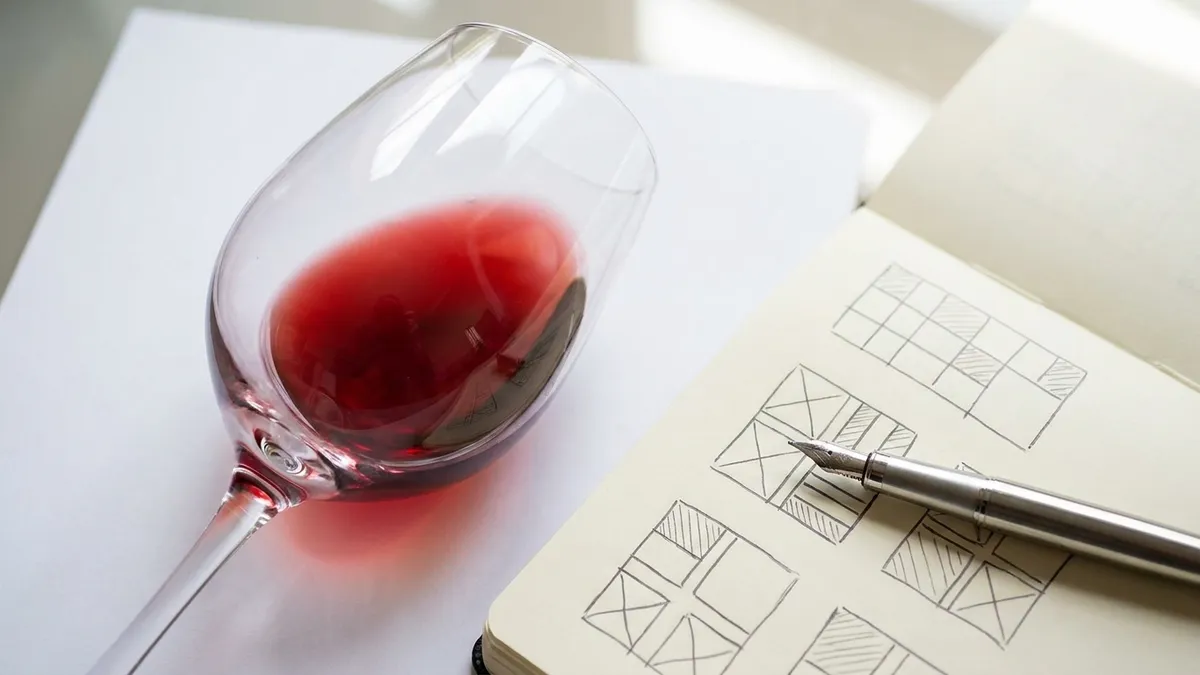
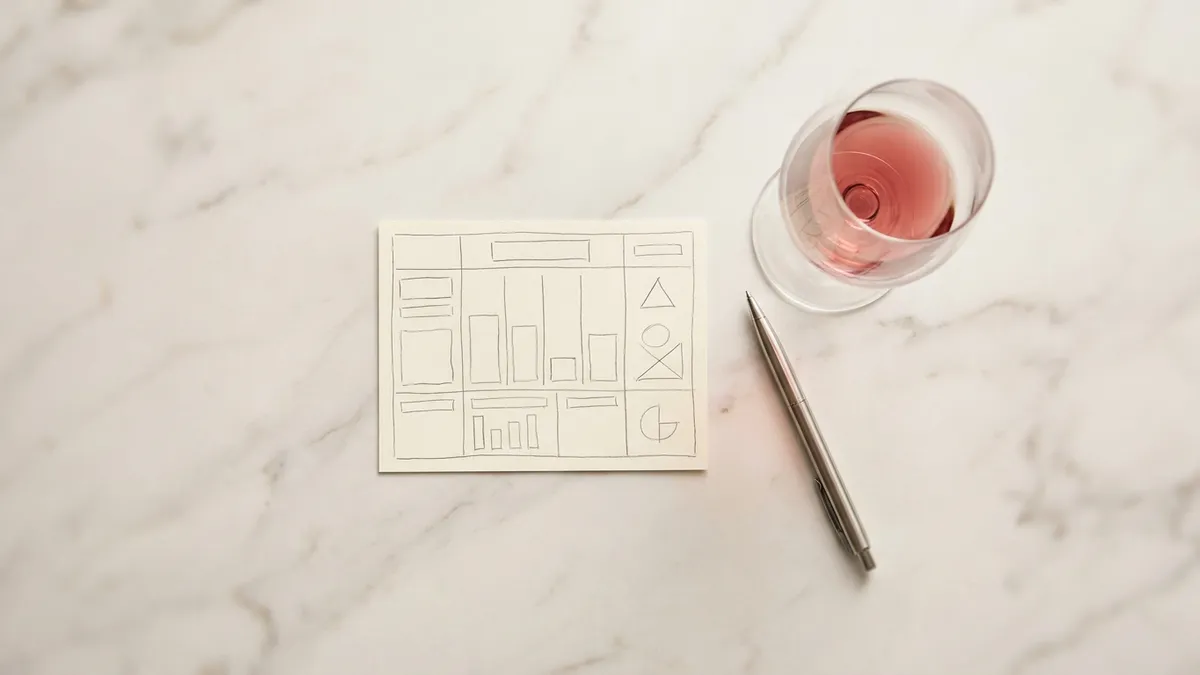
Tilt the glass over a white surface and read clarity, depth of colour and the colour itself. A hazy wine gets a question mark for a fault before anything else. Colour shifts with age: whites move from lemon-green towards amber and brown, reds from purple towards tawny and brown. The wine appearance guide covers each colour word.
Section 2: Nose
Check condition first, because an unclean smell, such as wet cardboard or vinegar, flags a possible fault before any other note. Then rate intensity and sort the aromas into three groups: primary (from the grape and fermentation), secondary (from winemaking, such as oak or lees) and tertiary (from age). Level 3 adds a development call, from youthful to tired, based on how far tertiary aromas have taken over from fresh fruit.
WSET's note on the Level 3 and Level 4 lexicons says students do not need to memorise the list, and examiners accept other descriptors so long as they are accurate. A loose word like rustic needs a feature behind it, such as earthy aromas or coarse tannin, and the same goes for polished-sounding praise words. The wine tasting vocabulary cheat sheet and the guide to primary, secondary and tertiary aromas cover the words themselves.

Section 3: Palate
Take a small sip and rate structure before flavour. Start with sweetness, acidity (the tartness that makes your mouth water), tannin (the drying grip on your gums), alcohol and body. Then rate flavour intensity, flavour characteristics and finish, which is how long the flavour lasts after swallowing. Understanding tannins, acidity and body and what wine body means explain each scale.
Calibration is the slow part. Telling medium from medium(+) acidity takes reference wines tasted side by side, ideally with a tutor confirming the call.
Section 4: Conclusions
The conclusions draw on the lines above: quality on balance, finish and intensity, readiness on structure and development. Level 2 stops at quality, Level 3 adds readiness, and Level 4 wants a written reason for each call.
How Do You Judge Quality on the WSET Grid?
Every WSET wine grid includes a six-step quality call, running from faulty at the bottom to outstanding at the top. Tutors and study guides commonly reach that call with the shorthand BLIC: balance, length, intensity and complexity. The acronym appears on none of the grids, though the Level 4 grid asks for a written explanation of the quality call.
- Balance: sweetness, acidity, tannin, alcohol and fruit sit together, with none sticking out, such as hot alcohol over gentle acidity. See wine balance explained.
- Length: the finish line on the grid, from short to long. What wine length means shows how to time it.
- Intensity: the flavour intensity line, rated apart from length, so a wine can be intense and short.
- Complexity: the number of distinct aromas, whether from one of the primary, secondary and tertiary groups or from several.
The I and the C are the pair beginners mix up. A loud wine with two aromas is intense but simple; a quieter wine with eight aromas in layers is subtle but deep.
What Does Readiness for Drinking Mean?
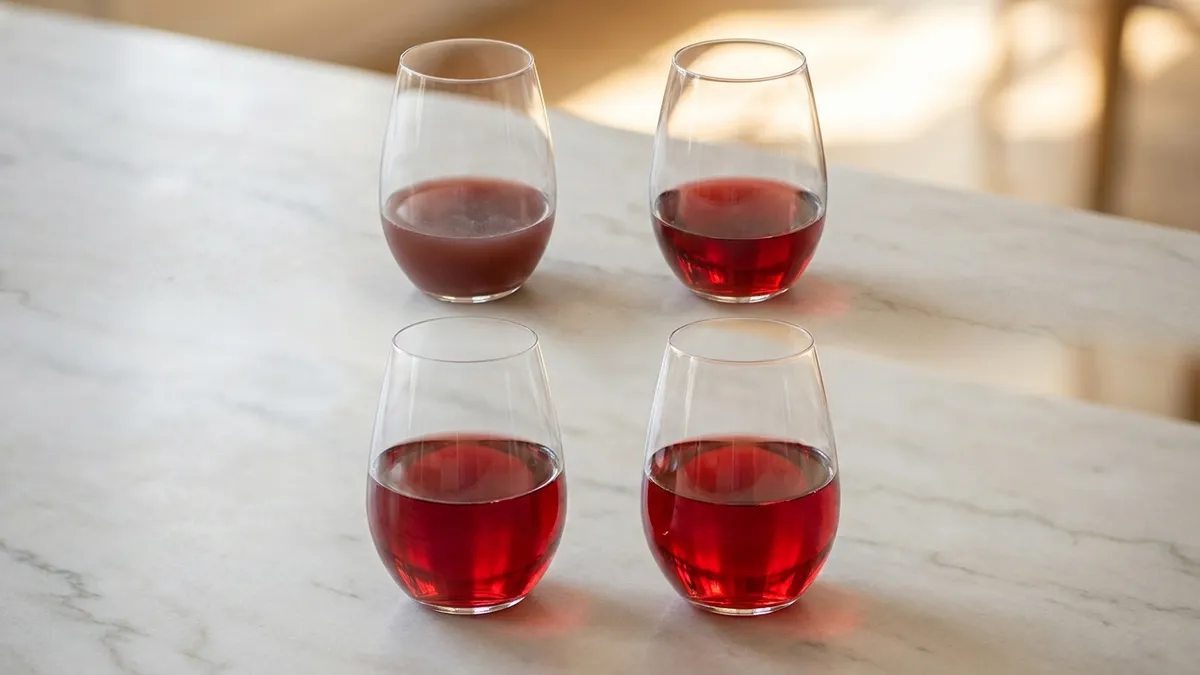
Readiness for drinking is a Level 3 conclusion with four options, running from too young, through ready now with room to age and ready now but not for keeping, to too old. The Level 2 grid has no readiness line. Level 4 swaps it for one yes-or-no question, suitable for bottle ageing or not, with a written explanation.
The call rests on structure, fruit and the development line. High acidity, firm tannin and fresh primary fruit point to potential for ageing. Soft structure with tertiary aromas crowding out the fruit points to drinking now. Tasting young vs aged wine shows what each stage tastes like.
WSET SAT vs the Sommelier Deductive Method
Sommelier exams from the Court of Master Sommeliers use a deductive grid. It works from the same look, smell and taste toward a conclusion about the wine's identity. The deductive wine tasting method walks through that grid, and what a sommelier is explains the job behind it. The wine certifications guide compares the two bodies' levels. If the goal is restaurant service, start with the deductive grid; if it is a WSET exam or a structured note at home, start with the SAT.
How to Practise the WSET SAT at Home
Practise one scale at a time before running the full grid. Taste two wines that differ on one line, such as acidity, until the call comes quickly, then move to the next line. Once a week, run the full grid on one wine and write every line.
Pour two wines blind now and then: blind wine tasting tips covers the setup, and common wine tasting mistakes lists the habits that skew a note. How to taste wine like a sommelier adds a quicker everyday routine, a wine tasting notes template gives each note a fixed layout, and more guides sit in the how to taste wine hub.
The Sommy wine-education app is independent, with no link to WSET, and it is not a prep course. Its AI-guided tasting mode walks you through look, smell and taste after you photograph a label, and saves each note to a tasting journal.
Tonight, print the Level 2 grid, pour one glass and fill in every line in order before reading the back label. Then pour a second, different wine and see which lines changed.
Sources
Frequently Asked Questions
What is the WSET Systematic Approach to Tasting?
It is the tasting grid the Wine & Spirit Education Trust teaches on its wine courses. The taster works through appearance, nose, palate and conclusions in a fixed order, choosing from set scales, so two notes on the same wine can be compared line by line. WSET publishes separate wine grids for Levels 2, 3 and 4, and each level adds detail.
Where can I download the WSET SAT PDF?
WSET posts the wine grids as free PDFs on its Systematic Approach to Tasting page: Level 2 (Issue 2, 2023, valid from August 2023), Level 3 (Issue 2, 2022) and Level 4 (Issue 1.2, 2023). Each PDF carries the grid on page one and the Wine-Lexicon of aroma words on page two. Reproducing the grid needs WSET's written permission.
What is the difference between the WSET Level 2 and Level 3 tasting grid?
Level 2 rates acidity, tannin, body and finish on three steps, sweetness on four, and ends on a quality call. Level 3 adds medium(-) and medium(+) to those scales, takes sweetness to six steps, and adds a development line on the nose, mousse for sparkling wine, other observations on appearance and a readiness-for-drinking conclusion.
What does BLIC stand for in WSET tasting?
BLIC stands for balance, length, intensity and complexity. Tutors and study guides use it as shorthand for the evidence behind the quality call, which runs from faulty to outstanding. The acronym appears on none of WSET's printed grids. The Level 4 grid asks for a written explanation of quality, and BLIC is a common way to organise that explanation.
Do you have to memorise the WSET Wine-Lexicon?
No. WSET's own note on the Level 3 and Level 4 lexicons says the list is a prompt and a guide that students do not need to memorise, and examiners accept other descriptors as long as they are accurate. The lexicon still helps, because it sorts aromas into primary, secondary and tertiary clusters, the same groups the grid asks for.
What does readiness for drinking mean in the WSET SAT?
Readiness is a Level 3 conclusion with four options, running from too young, through ready now with room to age and ready now but not for keeping, to too old. The Level 2 grid has no readiness line. Level 4 replaces it with one question, whether the wine is suitable for bottle ageing, and asks for a written explanation of the answer.
Can beginners learn the WSET SAT before taking a course?
Yes. The grids are free to download, so anyone can practise the order at home: look, smell, taste, then decide on quality. Start with the Level 2 grid, because its three-step scales are easier to call. A course adds what home practice lacks, which is a tutor who confirms whether a wine's acidity is medium or high.
Sommy Team
LinkedInFounder & Wine Educator
The Sommy Team is building the world's most approachable wine education app, helping beginners develop real tasting skills through structured courses and AI-guided practice.