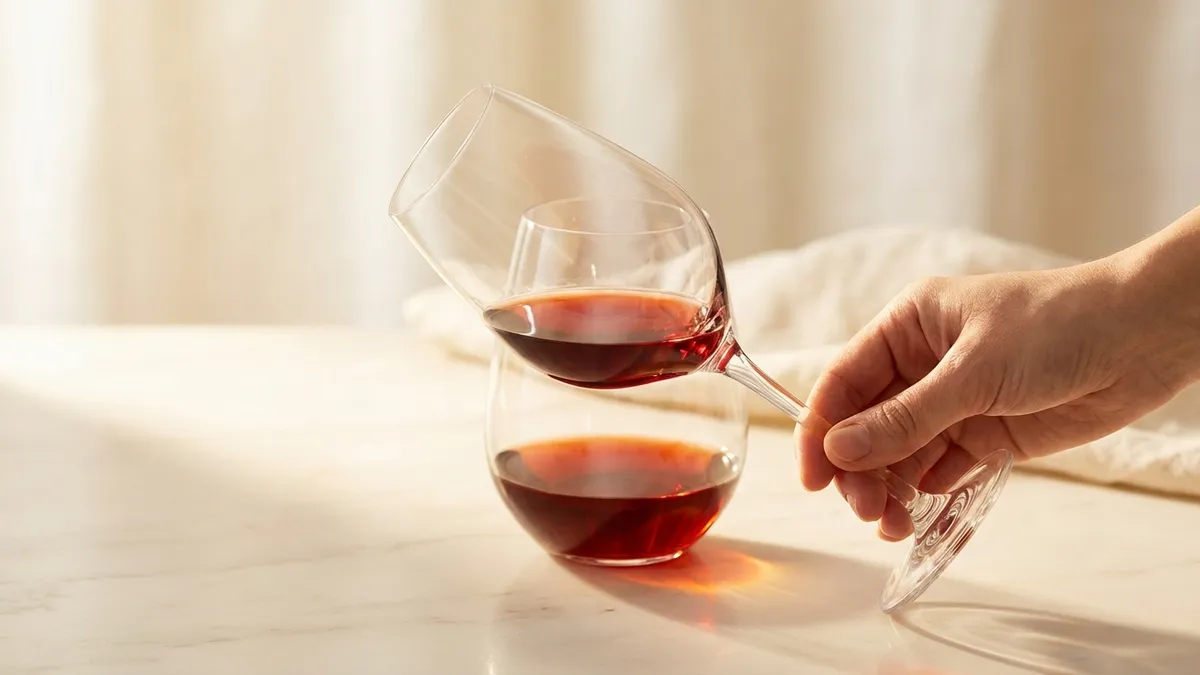
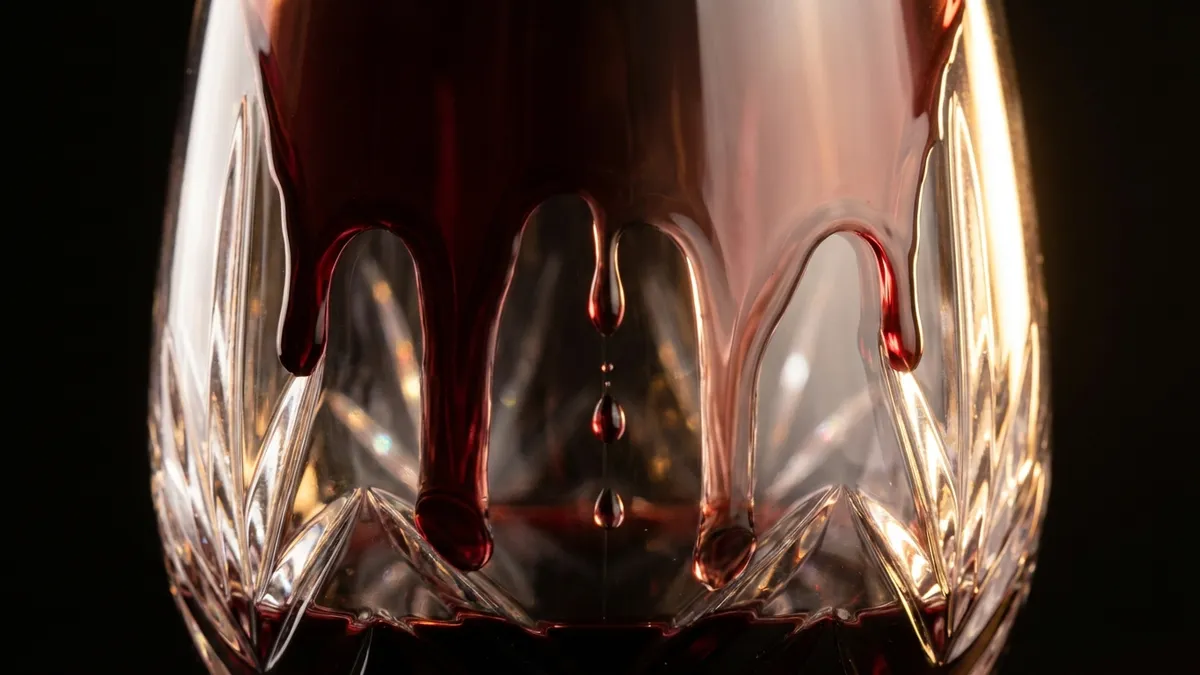
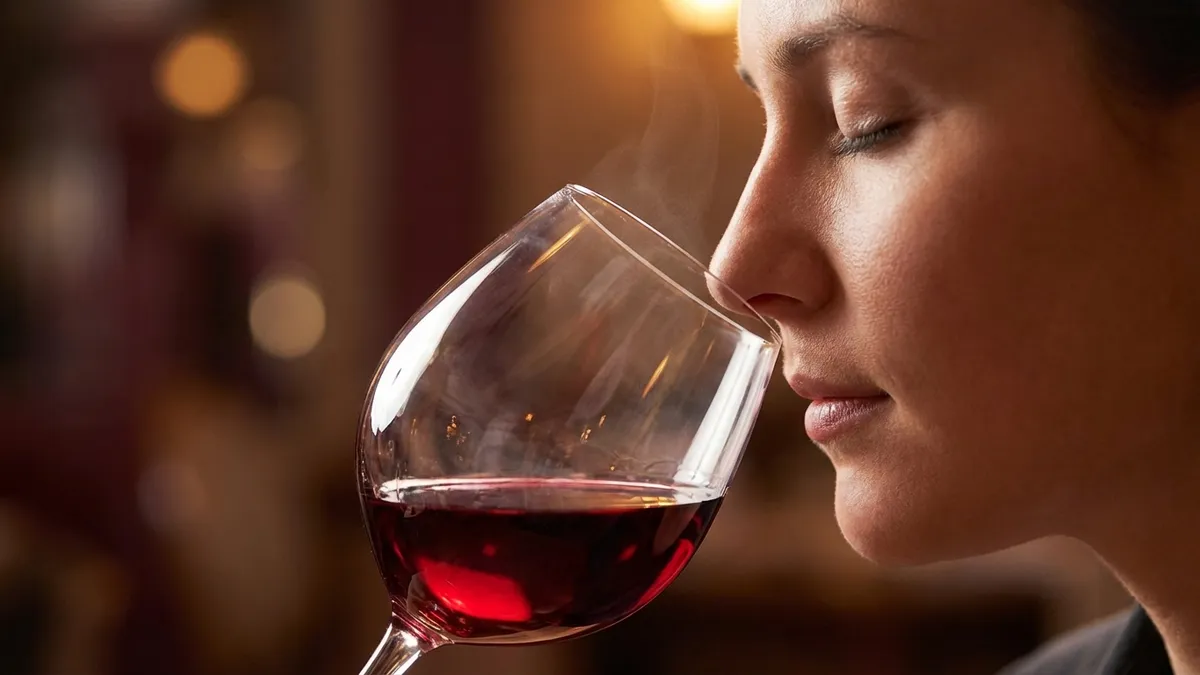
What Does "Rustic" Mean in Wine? Charm or Fault?

By the Sommy Team — AI-assisted, human-edited.
Updated Apr 29, 2026
Contents (10)
- The Word That Means Two Opposite Things
- Rustic Wine, in 100 Words
- What "Rustic" Actually Describes
- The Spectrum: Charming Rustic to Flawed Rustic
- Regions Where Rustic Is the Point
- Where Rustic Crosses Into Faulty
- How to Recognize Honest Rusticity
- How Rustic Compares to Other Tasting Words
- Why Beginners Should Drink Rustic Wines
- The Bottom Line
TL;DR
Rustic wine is a tasting term that sits between charm and fault. It signals rough-edged tannins, a slight oxidative lift, gentle barnyard or leather notes, and clear village character rather than polish. Critics use rustic to mean rough or borderline faulty, while appreciators read it as honest, of-a-place wine. Context, dose, and region decide which reading is right.
The Word That Means Two Opposite Things
Few wine words split a tasting room faster than rustic. One drinker pours a Chianti, swirls it, and says the wine is "lovely and rustic" — meaning savory, honest, alive with place. Another drinker pours the same bottle, frowns, and says it tastes "kind of rustic" — meaning rough, slightly faulty, not quite right.
Both readings are real. Rustic in wine is a tasting term that lives between charm and fault, and the same bottle can earn both labels depending on who is holding the glass. To use the word well, you have to understand the spectrum it points at — and the regions, grapes, and styles where rustic is the entire point.
This guide walks through what rustic wine actually means, the sensory markers that define it, the regions that celebrate it, and the line where rustic crosses from feature into defect.
Rustic Wine, in 100 Words
A rustic wine is one that prioritizes village character over technical polish. The tannins are rough-edged or slightly grainy, the texture feels country rather than seamless, and there is often a soft oxidative lift, a hint of leather, a whisper of barnyard funk, or a savory earth note that sits alongside the fruit. Rustic wines come most reliably from older Italian traditions — Chianti, Aglianico, Sagrantino — Portuguese Dão, Tannat from Madiran, country Côtes du Rhône, and many low-intervention natural wines. Critics use rustic euphemistically to mean rough or borderline faulty. Appreciators use it to mean honest, of-a-place, character-driven. Context decides the reading.
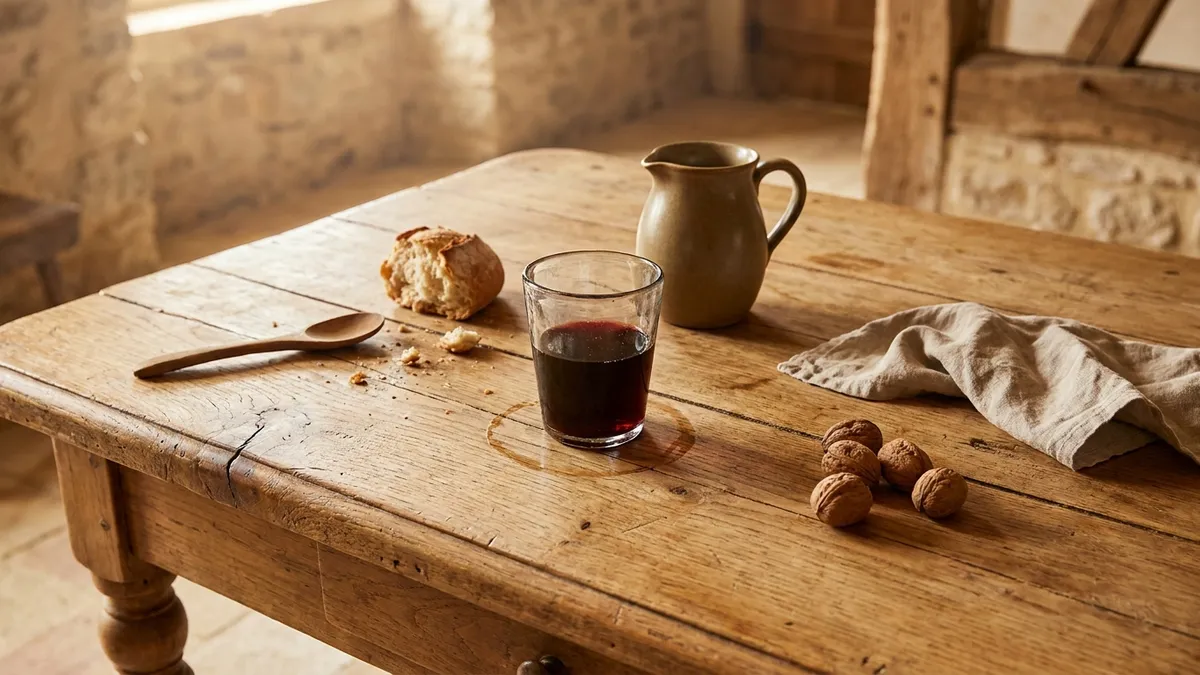
What "Rustic" Actually Describes
Rusticity is a cluster of impressions, not a single chemistry. When experienced tasters call a wine rustic, they usually mean some combination of the following sit together in the glass.
- Rough or grainy tannins that feel sandy on the gums rather than silky.
- A slight oxidative warmth — soft nutty edges, dried fruit lift, a hint of warmth where a polished wine would feel taut.
- Subtle animal or leather notes — gentle barnyard, a whiff of saddle, a savory edge that points at low-dose brett.
- Earth and dried-herb character that often outshines fresh fruit.
- A finish that feels village rather than international — straightforward, food-friendly, not sculpted.
None of those qualities, on its own, makes a wine rustic. It is the cluster, and the sense that the winemaker prioritized place and tradition over polish. A precise, minerally Chablis is not rustic even though it is austere. A modest Chianti from a small producer with a touch of leather and rough tannin almost certainly is.
For the underlying vocabulary, see the wine tasting vocabulary cheat sheet and the structured guide to understanding tannins, acidity, and body.
The Spectrum: Charming Rustic to Flawed Rustic
Rusticity sits on a continuum. At one end, it adds character. At the other, it tips into territory that more polished tasters would call defective. Knowing where on the spectrum a particular bottle sits is the whole skill.
Charming rustic
Charming rustic wines feel authentic without feeling broken. The fruit is present even if not pristine. The savory or earthy notes layer rather than dominate. The tannins grip but they do not drag. After ten minutes in the glass, the wine opens and the place comes through — Tuscan hills, southwest France, the Douro valley.
This is the wine an old-world sommelier would call "honest" or "village" with affection. It is also the wine a polished modern palate might find a touch wild on first sip and adore by the second glass. The Sommy app's tasting drills include several rustic reference styles so the contrast against international styles becomes muscle memory.
Borderline rustic
In the middle, the wine still works as wine but the rough edges have started to demand attention. Tannins are noticeably grainy. The barnyard or oxidative note has grown from a whisper to a clear thread. Fruit sits behind savor rather than alongside it. Whether you call this charming or flawed depends almost entirely on what you came in expecting.
A drinker raised on bright, fruit-forward New World wines is likely to read borderline rustic as a defect. A drinker raised on traditional Italian or French country wines is likely to read it as classic. Both are honest readings — see the new world vs old world tasting style guide for the deeper split.
Flawed rustic
At the far end, rusticity has tipped into actual fault. Brett has overrun the wine and the fruit has gone missing. Volatile acidity has crossed from lift into vinegar. Oxidation has collapsed the freshness instead of warming the edges. Tannins are not just rough but harsh and bitter.
This is where the polite use of "rustic" as a euphemism becomes dangerous. A wine writer who calls a clearly faulted bottle "rustic" is sparing the producer's feelings at the reader's expense. For the framework that separates honest character from real defects, see wine flaws vs faults and how to identify wine faults by smell.

Regions Where Rustic Is the Point
Some wine regions consistently produce rustic styles by design. The character is part of the regional identity, not a flaw the winemaker is trying to scrub out.
Traditional Italy
Older Chianti from Sangiovese, especially producers who skip extensive new-oak treatment, sits squarely in charming-rustic territory. Aglianico from Campania and Basilicata builds on grippy tannin and savory earth. Sagrantino di Montefalco is one of the most tannic and rustic reds in the wine world, almost demanding food. Nero d'Avola from Sicily can read warm and country in traditional bottlings.
The pattern across Italy is consistent: many regional grapes carry naturally high tannin or acidity, traditional cellars are not always temperature-controlled, and the goal is a wine that pairs with regional food rather than impresses a critic at a blind tasting. For broader context, see the Italian wine guide and the Sangiovese guide.
Portugal
Portuguese Dão and Douro reds — built on indigenous grapes like Touriga Nacional, Tinta Roriz, and Baga — are some of the most reliably rustic country reds in Europe. They show grippy tannin, savory dried herb, and a soft warmth from sun-drenched vineyards. Even at modern producers, the regional fingerprint is clearly old-world.
The Portuguese wine guide goes deeper into the regional breakdown.
Country France
Northern Rhône Syrah and southern Rhône blends from villages outside the famous appellations often carry honest rustic character — savory smoke, leather, a touch of green stem from whole-cluster fermentation. Madiran, made from the high-tannin Tannat grape in southwest France, is the textbook rustic French red. Cahors from Malbec on the same lines.
These are wines built around food and place rather than international style. The French wine regions guide maps the broader territory.
Natural and low-intervention wines
Many natural wines — those made with native yeasts, minimal or zero added sulfites, and no fining or filtration — read as rustic because the winemaking choices push them away from polish. Some are exquisite expressions of place. Others tip across the line into faulty territory through mousiness, sharp volatile acidity, or runaway brett. The natural wine explained guide unpacks the category.
Old-school Spain
Traditional Rioja Gran Reserva from Tempranillo aged for years in American oak develops dried tobacco, leather, and savory earth that older drinkers call classical and younger drinkers sometimes call rustic. The same arc applies to old-school Ribera del Duero and traditional Priorat.

Where Rustic Crosses Into Faulty
Rusticity earns its place when it sits alongside the fruit and the grape. It crosses into fault when the off-notes have eaten the wine. A few signposts mark the line clearly.
- The fruit has gone missing. A rustic Chianti still tastes like Sangiovese. A faulted one tastes only of barnyard or vinegar with no Sangiovese underneath.
- The off-note dominates rather than supports. Leather adds. Sweaty saddle takes over.
- The wine smells one-note. Honest rustic wines are layered. Faulty ones flatten into a single dominant smell.
- Air does not help. Twenty minutes of swirling should wake an honest rustic wine up. If it deepens into a heavier off-note, the bottle is broken.
- Mousiness is on the finish. A stale popcorn or mouse-cage aftertaste is a fault, not a flaw, even in low-intervention wines that lean rustic by design.
This is the same framework that runs through the wine flaws vs faults guide. The rustic label is a useful shorthand only when the wine still works as wine.
Rusticity adds. Faults replace. If the off-note is sitting beside the fruit, the wine is rustic. If it has eaten the fruit, the wine is broken.
How to Recognize Honest Rusticity
A short, repeatable check for any wine that smells or tastes country.
- Find the grape. Can you taste Sangiovese, Tempranillo, Tannat, or whatever the bottle says? If the grape character is intact under the rough edges, the wine is honest.
- Check the place. Does the wine taste like its region — Tuscan hills, the Douro valley, southwest France? Place character is a strong honest-rustic signal.
- Check the layering. Are there at least two or three different impressions in the glass — fruit and earth, fruit and leather, fruit and dried herb? Layering signals character. One-note rustic signals fault.
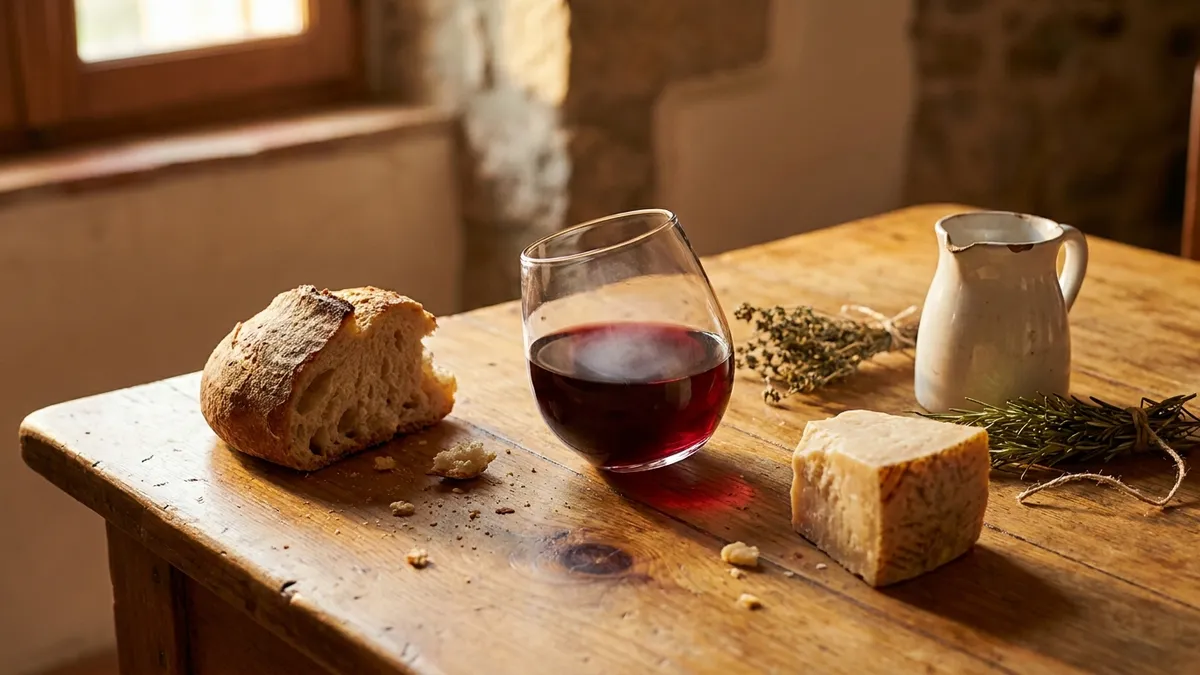
- Eat with it. Rustic wines are built for food. A wine that feels rough on its own and turns silky with the right plate is doing exactly what village wine is supposed to do.
- Wait ten minutes. Air is the cheapest test. If the wine opens into something more layered and inviting, it is rustic. If it closes or worsens, the bottle is faulty.
Pair this routine with the broader how to taste wine framework and the common wine tasting mistakes checklist. Rusticity stops being intimidating once you have a method for reading it.
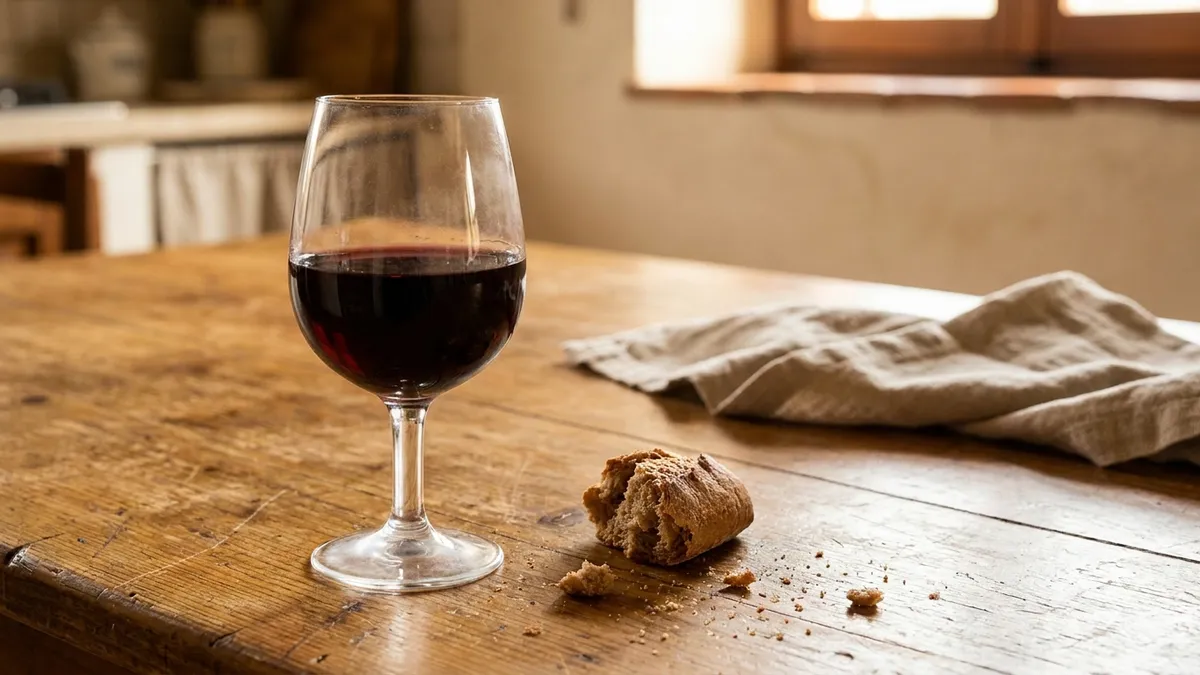
How Rustic Compares to Other Tasting Words
Rustic gets confused with several adjacent terms. A few quick distinctions sharpen the vocabulary.
- Rustic vs earthy. Earthy describes specific aromas — forest floor, mushroom, leather, damp soil — that can sit in any wine. Rustic describes a whole-wine impression of village character. An earthy wine is not always rustic, and a rustic wine is not always earthy. See earthy flavors in wine.
- Rustic vs old-world. Old-world is geographic, rustic is stylistic. Burgundy at the highest level is old-world but rarely rustic. Country Côtes du Rhône is both.
- Rustic vs natural. Natural is a winemaking choice — minimal intervention, native yeasts, low sulfites. Rustic is a sensory result. Many natural wines are rustic, and many rustic wines are not natural.
- Rustic vs structured. Structure refers to balance and grip, especially tannin and acidity. A wine can be highly structured and elegantly polished, or structured and rustic. See wine structure explained and wine balance explained.
- Rustic vs funky. Funky points at specific brett or fermentation aromas. Rustic is broader, and a rustic wine may have very little funk if its character comes from rough tannin and traditional aging.
Why Beginners Should Drink Rustic Wines
A palate trained only on polished international styles tends to read every off-note as a defect. That stance closes off some of the most interesting categories in the wine world. Old-world village wines, traditional Italian reds, southwest French country wines, and most of the natural wine category are all built around character rather than precision.
A short progression works well for newer drinkers. Start with cleaner rustic styles — Chianti Classico, modest Côtes du Rhône, Portuguese Dão — and pair them with the foods their regions are built around. Move to grippier examples like Madiran or older Aglianico once the village character feels familiar. Add a few low-intervention natural wines into the mix, with the natural wine framework in hand to spot the faulty ones.
Side-by-side tastings against polished international wines speed up the learning. The Sommy app supports this directly with comparative tasting drills, and pouring a country Tempranillo next to a polished modern Cabernet teaches more in twenty minutes than weeks of reading. To structure these comparisons, see how to compare two wines and visit sommy.wine for a guided route into rustic and structured styles.
The Bottom Line
Rustic in wine is one of the most useful tasting words in the language and one of the most easily abused. Used precisely, it points at honest, of-a-place, village wines built around character rather than polish — older Italian reds, Portuguese country wines, Tannat from Madiran, traditional Spanish bottlings, and many low-intervention natural wines. Used loosely, it covers up wines that have crossed into actual fault.
The skill is reading the dose. A whisper of leather, a soft oxidative warmth, and a touch of grainy tannin sitting alongside clear grape and place character is rustic in the best sense. The same notes overrunning the fruit and obliterating the variety are signals of poor winemaking, not heritage.
For the next layer of vocabulary, work through the wine flaws vs faults guide, the how to taste red wine framework, and the primary, secondary, and tertiary aromas reference. Once those pieces fit together, rustic wines stop feeling rough and start feeling honest — and the polished international style stops feeling like the only way wine is supposed to taste.
Frequently Asked Questions
What does rustic mean in wine?
Rustic in wine describes a tasting profile that prioritizes village character over technical polish. The wine shows rough-edged tannins, a slight oxidative or animal note, gentle leather or earth, and a sense of farmhouse winemaking rather than precision. The term lives between flaw and fault — used as a compliment for honest, of-a-place wines and as a polite criticism for ones that feel rough or under-controlled.
Is rustic wine a good thing or a bad thing?
It depends on who is using the word. Wine writers who love old-world village wines use rustic as a compliment for honesty, character, and place. Critics writing about international styles often use rustic as a euphemism for rough, dirty, or borderline faulty. The same bottle can earn both readings, so the meaning lives in the context, the region, and the dose of any off-note.
What does a rustic wine taste like?
A rustic wine usually shows rough-textured or slightly grainy tannins, a touch of oxidative warmth, hints of leather, earth, dried herbs, or low-level barnyard funk, and a finish that feels country rather than polished. The fruit is often there but not pristine — sometimes dried, sometimes a little stewed. Acidity tends to feel bright and food-friendly rather than seamless.
Which wine regions are known for rustic styles?
Traditional Italian regions deliver some of the clearest rustic profiles — older Chianti, Aglianico from the south, Sagrantino, and Nero d'Avola often carry rough-edged tannins and savory earth. Portuguese Dão and Douro reds, country Côtes du Rhône, Madiran from Tannat in southwest France, and many low-intervention natural wines also sit in rustic territory. Old-world regions with smaller producers and longer traditions over-index on the style.
How is rustic different from a wine fault?
Rusticity is character, a fault is a defect. A rustic wine still tastes like wine, still tastes like its grape and place, and still rewards drinking. A faulty wine has lost the fruit to cork taint, mousiness, hard oxidation, or severe brett, and the character has been overwritten. The line is whether the off-note is sitting alongside fruit and place, or replacing them entirely.
Are natural wines always rustic?
Many are, but not all. Low-intervention winemaking — minimal sulfites, native yeasts, no fining or filtration — tends to produce wines that read as rustic to a polished palate, especially in early bottles. The best natural wines are clean and expressive without being sterile. The weakest ones cross from rustic into faulty with mousiness, sharp volatile acidity, or strong brett. Style and execution both matter.
How can you tell honest rusticity from poor winemaking?
Honest rusticity carries the grape and the place clearly under the rough edges — you can still taste Nebbiolo, Sangiovese, or Tannat. Poor winemaking buries the grape under generic funk, hard tannin, or oxidation, and any wine of that style would taste similar. If the rustic notes feel layered and food-friendly, the wine is doing its job. If they feel one-note and rough without character, the winemaking missed.
Should beginners drink rustic wines?
Yes, with intent. Rustic wines train the palate to recognize structure, savor, and place rather than fruit alone, and they teach you the line between character and defect. Start with cleaner rustic styles like Chianti Classico, country Côtes du Rhône, or Portuguese Dão before moving to more challenging examples like older Aglianico or low-intervention natural wines. Side-by-side comparisons with polished modern wines speed up the learning.
Sommy Team
LinkedInFounder & Wine Educator
The Sommy Team is building the world's most approachable wine education app, helping beginners develop real tasting skills through structured courses and AI-guided practice.