How to Build a Wine Collection on a Budget

By the Sommy Team — AI-assisted, human-edited.
Updated Apr 29, 2026
Contents (15)
- The First Question Is Not What to Buy
- How to Build a Wine Collection, in 90 Seconds
- Why Most People Should Be Drinkers, Not Collectors
- The 30-30-30-10 Cellar Rule
- Wines That Age Well — and the Ones That Do Not
- Realistic Budget Tiers
- Storage: Buy It Before More Bottles
- Buying Tactics Beyond the Wine Shop
- Vintage Charts: When They Matter and When They Are Noise
- The Drink-by Mindset
- Aging Windows by Style
- Common Mistakes That Drain a Young Cellar
- Inventory Tracking: Spreadsheets vs Apps
- A Practical 12-Month Starter Cellar Plan
- Build a Cellar That Serves Your Drinking, Not the Other Way Around
TL;DR
To build a wine collection on a budget, start with the 30-30-30-10 rule — 30 percent drink-now, 30 percent mid-term, 30 percent long-term, 10 percent curiosity. Buy storage before bottles, focus aging budget on Bordeaux, Barolo, Riesling, vintage Champagne, and Brunello, and aim to drink the cellar half-empty. Most wine peaks earlier than collectors think.
The First Question Is Not What to Buy
If you searched for how to build a wine collection on a budget, you have already pictured a wall of bottles, a gentle hum from a wine fridge, and a Saturday spent rearranging vintages. Pause that image for a moment. The most useful question is not what to buy. It is why you want to collect at all.
There are three honest reasons to build a cellar. First, drink-as-you-acquire — you simply enjoy wine, and a small standing inventory means a good bottle is always within reach. Second, cellaring for aging — you want to taste how time changes structured wines you bought young. Third, investment — you want bottles to appreciate in value. Each motive demands a different cellar, a different budget, and a different mindset.
Most beginners are happier as drinkers than collectors. Roughly one wine in ten genuinely improves with age, and the patience required to hold the right ones for the right length of time is its own skill. This guide covers all three paths, but most readers will land on a small drink-and-hold cellar — and that is the right answer.
How to Build a Wine Collection, in 90 Seconds
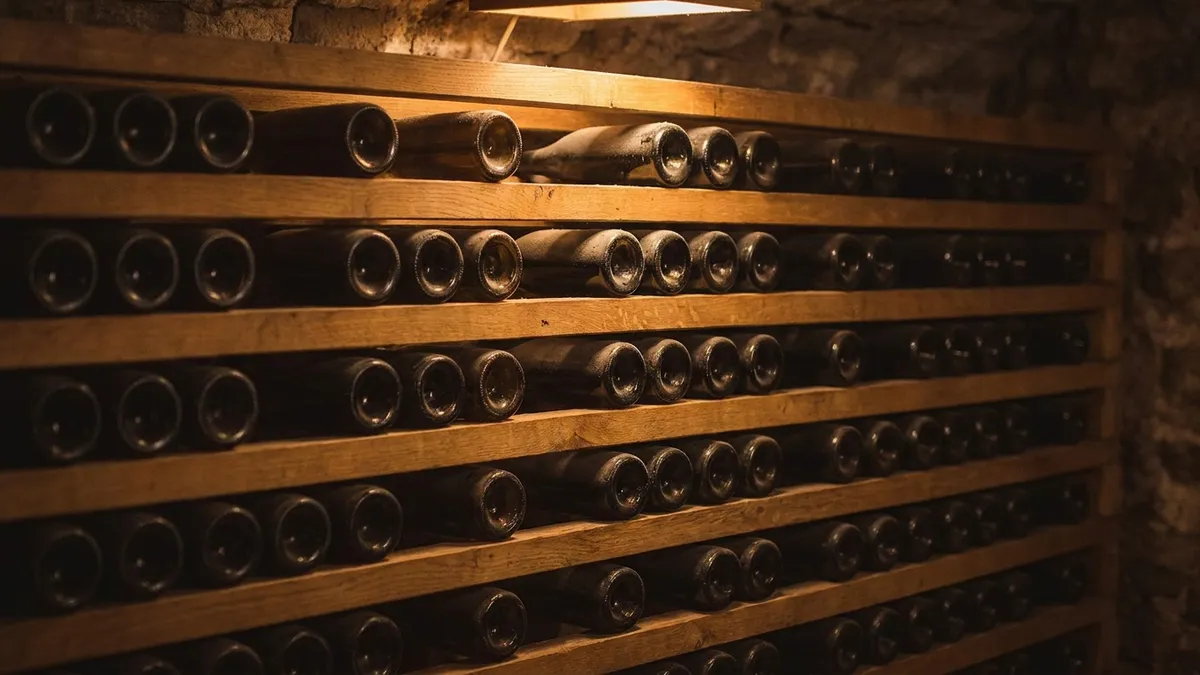
Start by deciding why you are collecting and what storage you have. Most readers want a small drink-and-hold cellar, not an investment portfolio. Plan for 30 bottles in year one at a repeatable average price — 25 to 40 euros works for most budgets. Split using the 30-30-30-10 rule: thirty percent drink-now, thirty percent mid-term holds, thirty percent long-term aging, ten percent curiosity. Focus aging budget on Bordeaux, Barolo, age-worthy Riesling, vintage Champagne, vintage Port, Sauternes, Brunello, and Northern Rhône. Buy storage before more bottles. Track inventory with a spreadsheet or app. Pull bottles slightly before you think they are ready — most age-worthy wines peak earlier than collectors expect.
Why Most People Should Be Drinkers, Not Collectors
The wine media glamorizes cellars. The reality is that most home wine drinkers buy more than they drink, hold longer than they should, and lose more bottles to forgotten peaks than they ever gain in flavor.
A drinker buys two to four bottles a week, drinks within a month, and rarely owns more than 12 bottles at a time. A collector buys in cases, holds for years, and accepts that some percentage will be opened too early or too late. The drinker's path is cheaper, simpler, and gives more pleasure per euro for the first five years of any wine journey.
If you are just discovering you love wine, spend year one as a drinker. Taste widely, take notes, and let your palate stabilize before committing money to ten-year holds. The Sommy app's structured tasting practice helps that palate development happen faster, so when you do start collecting you know what you actually want to drink in 2036.
The 30-30-30-10 Cellar Rule
Once you decide to collect, the single best framework is a balanced split across drinking timelines. Stacking only ten-year reds creates a cellar with nothing to open tonight. Stacking only ready-to-drink bottles is a wine rack, not a collection.
The split that keeps a young cellar usable looks like this.
- 30% drink-now — bottles ready within one to two years. These are your weekday wines, the ones you reach for when friends come over without warning.
- 30% mid-term — three to seven year holds. Wines with enough structure to improve modestly, but not so much that they need a decade.
- 30% long-term — eight to twenty year holds. The classics that reward patience: structured Bordeaux, Barolo, age-worthy Riesling, vintage Champagne.
- 10% curiosity — wines outside your usual taste, or producers you want to track over time. The experimental tier protects the cellar from becoming an echo chamber of your current preferences.
A 30-bottle starter cellar under this rule means roughly 9 drink-now, 9 mid-term, 9 long-term, and 3 curiosity bottles. That mix gives you something to open tonight, something to look forward to in five years, and something to taste alongside your future self in fifteen.
Wines That Age Well — and the Ones That Do Not
The most expensive mistake a new collector makes is laying down wines that were never built to age. Here is the honest split.
Wines worth holding
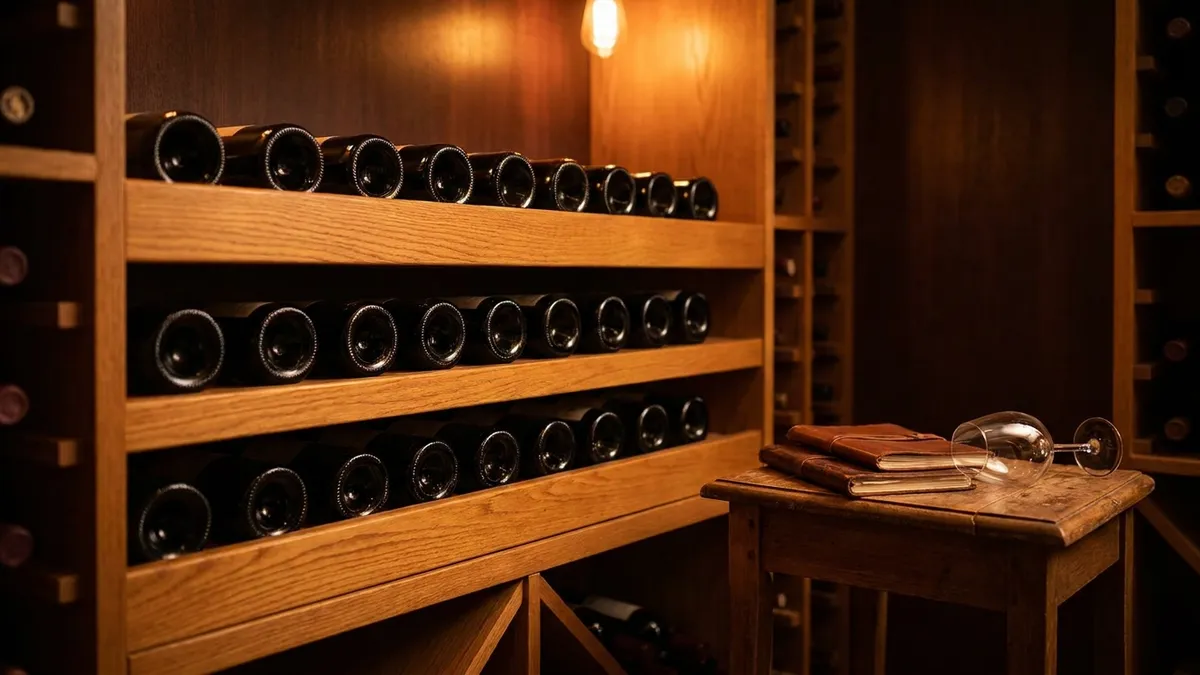
These categories reliably reward patience when stored properly. Specific aging windows assume good provenance and stable storage at 12-14°C with 60-70% humidity.
- Classified Bordeaux and Cru Bourgeois — 10 to 30 years, with the top growths regularly drinking well at 20+
- Barolo and Barbaresco — 10 to 25 years; Nebbiolo (the grape behind both) softens slowly and builds tertiary complexity beautifully
- Aged Mosel Riesling — 10 to 30 years, the dark horse of aging white wine, gaining honey, petrol, and beeswax notes while keeping its acid spine
- Vintage Champagne — 10 to 20 years, with the wine trading youthful citrus for toasted brioche and roasted nut
- Vintage Port — 20 to 50 years, the longest-aging category in mainstream wine
- Sauternes — 15 to 50 years, with botrytis (the noble rot that concentrates sugar and aromatics) carrying these wines through decades
- Brunello di Montalcino — 10 to 25 years, built on Sangiovese with extra ripeness and oak
- Northern Rhône Syrah (Côte Rôtie, Hermitage, Cornas) — 10 to 25 years
For deeper background on the structural backbone these wines share, our Bordeaux wine guide and Barolo wine guide cover the grape, soil, and winemaking choices that drive long aging.
Wines that age poorly
These should be drunk within two to three years of release. Holding them is not a strategy — it is just delay.
- Most New World whites under 30 euros — they fade rather than mature
- Most rosés — fresh fruit is the entire point, and it disappears fast
- Most Pinot Grigio and Sauvignon Blanc — built for energy, not endurance
- Beaujolais Nouveau — designed to drink within months
- Most wines under 15 euros — production economics rarely allow age-worthy structure
- Most New World Pinot Noir under 30 euros — light frames lose fruit before they gain complexity
The key signal for aging potential is structural balance: high acid, firm tannin or strong sweetness, concentrated fruit, and producer track record. Without those four pillars in place, time only takes; it does not give.
Realistic Budget Tiers
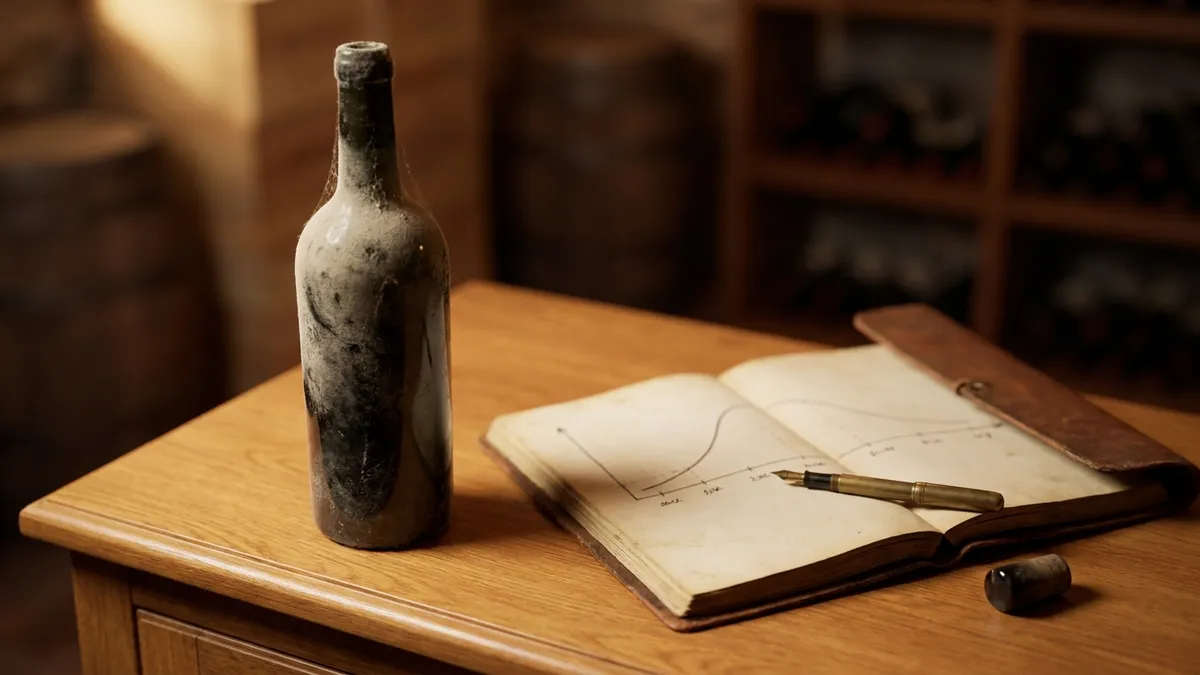
Cellars scale by what you can repeat without strain, not by what you can spend in a heroic month. Pick the tier you can sustain for three years, not three weeks.
- 200 euros per year — roughly 12 bottles at 15 euros average. Drink-now territory only. Skip aging entirely; this budget is for joyful Tuesday wines, not cellar projects.
- 1,000 euros per year — 30 to 40 bottles at 25 to 30 euros average. The first tier where the 30-30-30-10 split works honestly. About a third can be cellar candidates.
- 3,000 euros per year — 60+ bottles spanning 25 to 100 euros. Real cellar building. Mid-term holds become routine; long-term holds enter without strain.
- 10,000+ euros per year — serious cellar territory. Allocations from sought-after producers, vintage Champagne in cases, primeur Bordeaux purchases, auction buying for aged inventory.
The budget you pick is also a storage decision. A 200-euro drinker rarely needs a wine fridge. A 1,000-euro mixed cellar benefits from one. A 3,000-euro cellar usually requires it.
Storage: Buy It Before More Bottles
Nothing destroys collection value faster than bad storage. A 50-euro bottle held for three years in a warm pantry tastes worse than a 12-euro bottle from the supermarket. Storage is not optional past 12 bottles or one year.
The pragmatic tiers look like this.
- Cool dark closet with a 30-euro thermometer and hygrometer — fine for under 30 bottles held under two years
- 32-bottle wine fridge — 300 to 600 euros, the right move for most home collectors crossing into multi-year holds
- 120-bottle free-standing cabinet — 800 to 1,500 euros, the workhorse for serious drinkers who buy by the case
- Built-in cellar room — 5,000+ euros, the territory of dedicated collectors with floor space to spare
Whichever tier you choose, the targets are the same: 12 to 14°C steady, 60 to 70% humidity, no UV light, no vibration. Our wine fridge guide breaks down compressor versus thermoelectric and the trade-offs at each capacity, and our how to store wine at home walks through the closet-and-thermometer setup before you spend on a fridge.
Buying Tactics Beyond the Wine Shop
Wine shops handle the first 80 percent of any collection. The remaining 20 percent — rare wines, aged inventory, allocations from sought-after producers — flows through different channels.
Producer mailing lists unlock allocations from fine Burgundy, top California Cabernet, and cult producers in regions like Northern Rhône. Sign up early, buy what is offered every year for two or three vintages, and you stay on the list. Skip a year and you fall off.
Auction buying is the practical way to acquire aged inventory. A reputable house regularly offers 10 to 20 year-old bottles at 40 to 100 euros each — younger you would have paid that much new and waited a decade. Bid on lots with documented storage history rather than chasing every label that excites you. Our wine auction guide explains fill levels, fees and absentee bids. Old, famous bottles are also where counterfeit wine turns up most often.
Library releases are wines a producer has held back and re-released years later at a higher price. The premium pays for storage and provenance — the wine has been aged in perfect conditions you do not have at home. Worth it for special bottles, overpriced for everyday drinkers.
The phrase to internalize at auction is OG versus OR — original cork (or original release) versus rebottled or reconditioned. Pristine provenance, a clean fill level, and an unmarked label matter more than the lowest price on a hammer.
Vintage Charts: When They Matter and When They Are Noise
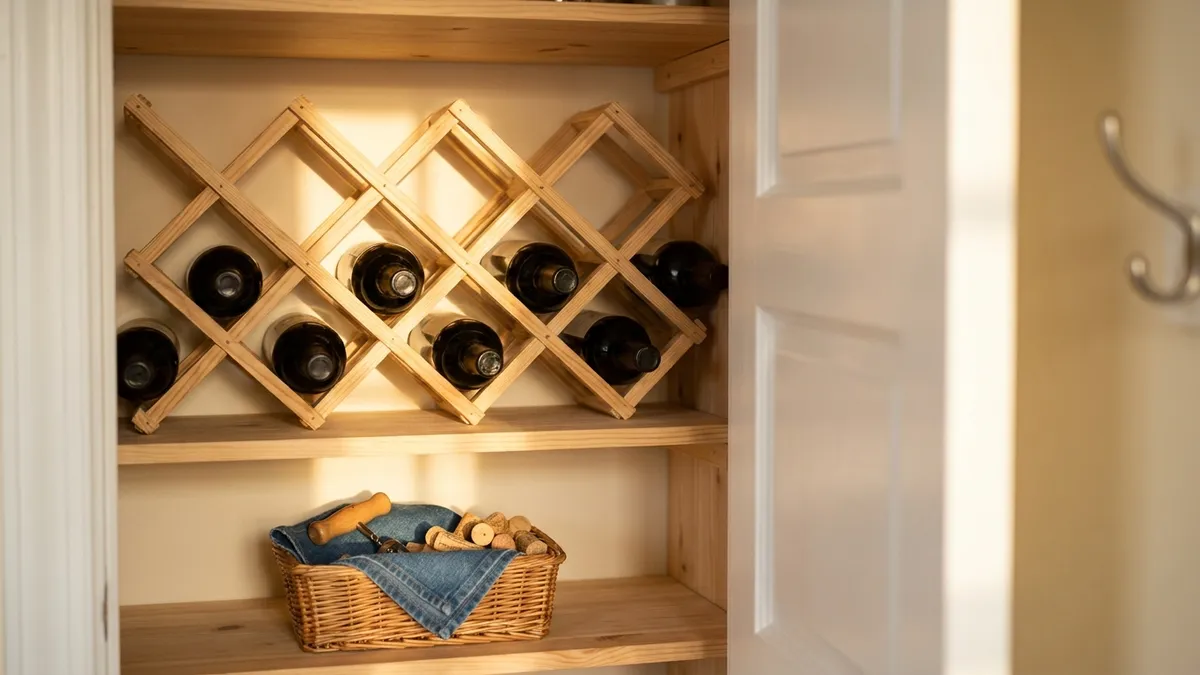
A vintage chart scores the quality of each year's harvest in a given region — 2010 Bordeaux as legendary, 2013 as challenging, and so on. They feel authoritative, but the right way to use them depends entirely on the wine.
For age-worthy regions, vintage matters significantly. Bordeaux, Burgundy, Barolo, Northern Rhône, vintage Champagne, and top Rieslings all show real swings between great and weak years. A weak vintage from a top producer can still be a sound wine — just one with shorter aging potential and lighter structure than a great year.
For most everyday wines, vintage charts are noise. A New Zealand Sauvignon Blanc, a supermarket Malbec, or an entry-level Chianti shows almost no year-to-year variation that matters at the dinner table. Spending time on vintage research for those bottles is wasted effort.
Use vintage charts only for the long-term tier of your cellar — the 30 percent you intend to hold eight to twenty years. For everything else, focus on producer reputation and current drinking pleasure.
The Drink-by Mindset
The single mindset shift that separates good collectors from frustrated ones is this. A cellar is not a museum. It is a delivery system for wine drunk at peak.
Most age-worthy wines peak earlier than producers and collectors suggest. A Bordeaux marketed for 20-year aging often drinks best at 12 to 15 years. A Brunello marketed for 25 years often peaks at 15. The "drink-by" window on a producer note is a marketing date, not a flavor truth.
The practical rule: drink the cellar half-empty. Pull a wine slightly before you think it is ready. If you taste it and it is still tight, you have one more year of patience and 11 more bottles to hold. If you wait until you are sure, you wait too long. Our guide on tasting young vs aged wine shows exactly what tertiary character looks like and how to tell when a bottle has crossed from peak into decline.
The Sommy app's tasting courses train this judgment one glass at a time, building the sensory shorthand you need to call peak when you taste it instead of trusting a label.
Aging Windows by Style
For practical planning, here are realistic aging windows for the categories worth holding. These assume good provenance, stable 12 to 14°C storage, and bottles laid horizontal.
- White Burgundy — 5 to 15 years, with the best Premier and Grand Cru reaching the upper end
- Old Riesling (Mosel, Rheingau) — 10 to 30 years
- Aged red Burgundy — 8 to 20 years for village-level, longer for Premier and Grand Cru
- Bordeaux Cru Bourgeois — 5 to 15 years, the best-value entry into Bordeaux aging
- Classified Bordeaux — 10 to 30 years, with the top growths going longer
- Barolo and Barbaresco — 10 to 25 years
- Brunello di Montalcino — 10 to 25 years
- Northern Rhône Syrah — 10 to 25 years
- Vintage Champagne — 10 to 20 years
- Vintage Port — 20 to 50 years
- Sauternes — 15 to 50 years
Your cellar inventory should map every long-term bottle to a specific drink-by window. Without that mapping, the wine sits forgotten until you find it dead in a corner.
For underlying grape structure context, our Cabernet Sauvignon vs Merlot and Pinot Noir guide explain how grape choice shapes aging potential, and our Champagne vs Prosecco vs Cava covers why only one of the three rewards long aging.
Common Mistakes That Drain a Young Cellar
Five mistakes account for most wasted euros in starter collections.
Buying too much in year one. Your palate will shift across the first two years of serious tasting. The Cabernet you love today may bore you in three years; the Riesling you skipped may become your favorite. Build slowly and let your evolving taste guide future buys.
Holding too long. Most age-worthy wines peak before their official drink-by date. Pulling a wine three years early teaches you more about peak than waiting three years late.
Buying without storage capacity. Stacking 50 bottles in a hot apartment closet is not collecting; it is timed flavor destruction. Solve storage first, starting with a rack that suits the room (see the wine rack guide).
Cellaring industrial wine. Mass-market wines under 15 euros lack the structural backbone aging requires. Time only fades them. If a bottle is meant to drink now, drink it now.
Forgetting what you have. A cellar you cannot find or remember is a cellar you do not drink at peak. Track inventory from bottle one — even three columns in a spreadsheet beat memory. The seven fields worth recording are listed in our guide to wine inventory apps and tracking.
For the underlying tasting skills that make all of this matter, the beginners-buying learning path collects every related Sommy guide on choosing, storing, and serving wine in one structured sequence.
Inventory Tracking: Spreadsheets vs Apps
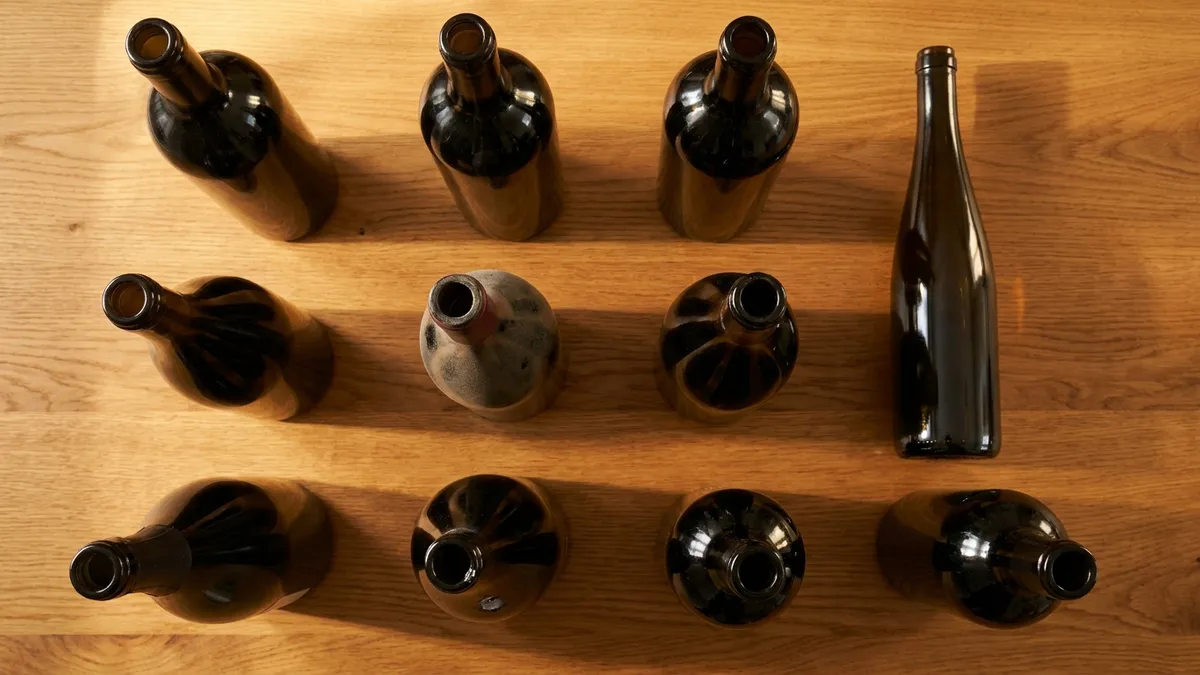
A collection you cannot find is a collection you do not drink. Inventory tracking is non-optional past 20 bottles.
Spreadsheets work fine for under 50 bottles. The minimum useful columns are vintage, region or producer category, drink-by window, location in the rack, purchase price, and short tasting note from the most recent open. Five minutes of upkeep per purchase saves hours of bottle hunting later.
Dedicated apps become worth it past 50 bottles. CellarTracker is the long-running standard, with deep vintage data and community drink-by notes. Vivino doubles as a label scanner and informal community. Vinopass focuses on serious collectors. All three sync across devices and offer drink-by alerts when bottles enter their peak window.
Whichever tool you pick, the discipline matters more than the platform. Write the wine in when it arrives, write the note in when you drink it, and check drink-by alerts monthly. A cellar reviewed regularly is a cellar that delivers wine at peak.
A Practical 12-Month Starter Cellar Plan
Here is a concrete starter plan for a reader committing roughly 1,000 to 1,200 euros over a year. Thirty bottles at 35 to 40 euros average, split using the 30-30-30-10 rule.
- 9 drink-now bottles — current-vintage reds and whites you already enjoy, opened within the year
- 9 mid-term bottles — Cru Bourgeois Bordeaux, entry Barolo or Barbaresco, age-worthy Mosel Riesling, decent Brunello — held three to seven years
- 9 long-term bottles — classified Bordeaux from a strong vintage, top Barolo, vintage Champagne, Brunello Riserva, Northern Rhône Syrah — held eight to twenty years
- 3 curiosity bottles — orange wine, Sauternes, vintage Port, an unusual native grape — outside your normal taste
Buy in three quarterly tranches of ten bottles rather than one heroic spree. Each tranche teaches you what you actually want more of. By month twelve, you have a working cellar, a developing palate, and a clear sense of which categories you want to expand in year two.
For a deeper dive on which long-term holds reward patience most, our dessert wine guide and develop your wine palate walk through both the stylistic territory and the tasting skill that makes any cellar worth building.
Build a Cellar That Serves Your Drinking, Not the Other Way Around
The wine collections that bring lasting pleasure are the ones built around real drinking habits, not the ones built around someone else's idea of what a cellar should hold. Start small, store well, drink the cellar half-empty, and let your palate guide growth.
If you are still building the underlying tasting skill that makes any of this work, the Sommy app turns each bottle you open into a structured practice session — a notes-first workflow that builds the sensory shorthand you need to call peak, recognize tertiary character, and remember what a wine tasted like five years from now. Visit sommy.wine to start training your palate one glass at a time, and let your cellar do the quiet work of holding each bottle until the moment it shines brightest.
Frequently Asked Questions
How do I start a wine collection on a budget?
Start with a clear purpose, not a target bottle count. Most beginners are better off as drinkers than collectors. If you still want a small cellar, plan for 30 bottles in the first year at an average price you can repeat — around 30 to 40 euros per bottle is a sensible starting point. Split them across drink-now, mid-term, and long-term aging using the 30-30-30-10 rule, and buy storage before you buy more bottles.
What is the 30-30-30-10 cellar rule?
It is a simple split that keeps a young cellar usable. Thirty percent drink-now bottles ready in one to two years, thirty percent mid-term bottles for three to seven year holds, thirty percent long-term bottles for eight to twenty year holds, and ten percent experimental wines outside your usual taste. The mix prevents the classic mistake of stacking only age-worthy reds and ending up with nothing to open on a Tuesday.
Which wines actually age well?
Roughly one wine in ten on the shelf truly improves with age. The reliable categories are classified Bordeaux and Cru Bourgeois, Barolo and Barbaresco, age-worthy Mosel Riesling, vintage Champagne, vintage Port, Sauternes, Brunello di Montalcino, and Northern Rhône Syrah. Most New World whites, rosés, Beaujolais Nouveau, and wines under 15 euros are designed to drink within two years.
Do I need a wine fridge to start a collection?
Not for the first 30 bottles. A cool, dark interior closet with a basic thermometer and hygrometer works fine for under-30-bottle collections held for a year or two. A wine fridge becomes worth the cost once you regularly hold 12 or more age-worthy bottles for several years, or live in a climate that runs warm in summer.
How much money do I need to start collecting wine?
You can build a meaningful starter cellar for around 1,000 euros over a year — roughly 30 to 40 bottles at 25 to 30 euros average. A modest 200-euro yearly budget supports drink-now bottles only. Around 3,000 euros per year unlocks real cellar building with a mix of mid-term and long-term holds. Above that, allocations and auction buying enter the picture.
What is a vintage chart and do I need one?
A vintage chart rates the quality of each year's harvest in a given region — for example, scoring 2010 Bordeaux higher than 2013. For age-worthy regions like Bordeaux, Burgundy, Barolo, and Northern Rhône, vintage matters significantly. For most everyday wines, vintage charts are noise. Use them only for the long-term tier of your cellar.
What is the biggest mistake new wine collectors make?
Buying too much in year one. Your palate will shift dramatically across the first two years of serious tasting, and a cellar built around your beginner taste rarely matches your maturing taste. Add slowly, drink frequently, and let real preferences guide future purchases. The second biggest mistake is holding wines past their peak — most age-worthy bottles peak earlier than producers suggest.
Should I track my wine collection in a spreadsheet or app?
Either works. A simple spreadsheet covering vintage, producer category, drink-by window, location in the rack, and tasting notes is fine for under 50 bottles. Once a collection grows past that, dedicated apps like CellarTracker or Vinopass save time on inventory, vintage data, and drink-by alerts. The point is the same — a collection you cannot find or remember is a collection you do not drink at peak.
Sommy Team
LinkedInFounder & Wine Educator
The Sommy Team is building the world's most approachable wine education app, helping beginners develop real tasting skills through structured courses and AI-guided practice.