Bordeaux Left Bank vs Right Bank: A Beginner Wine Guide

By the Sommy Team — AI-assisted, human-edited.
Updated Oct 2, 2026
Contents (6)
TL;DR
Left Bank Bordeaux, west of the Garonne and Gironde, grows Cabernet Sauvignon on warm gravel and makes firm reds that improve with age. Right Bank Bordeaux, east of the Dordogne around Libourne, leads with Merlot on clay and limestone for plusher reds that drink well sooner. Taste one of each side by side.
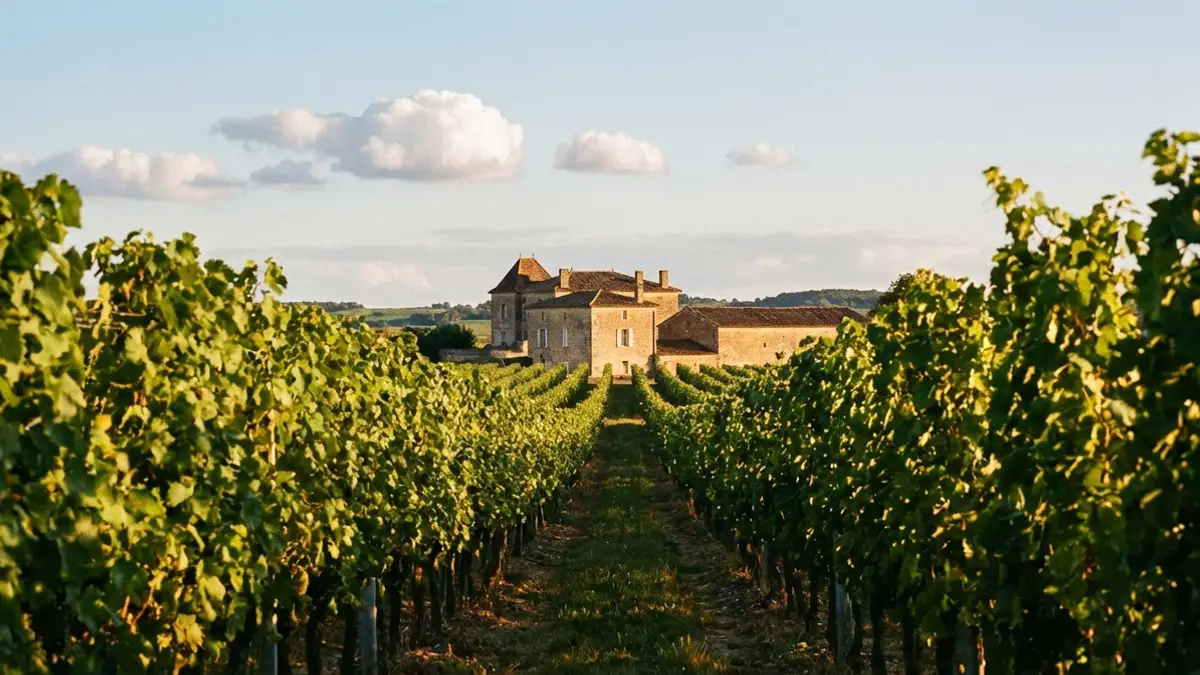
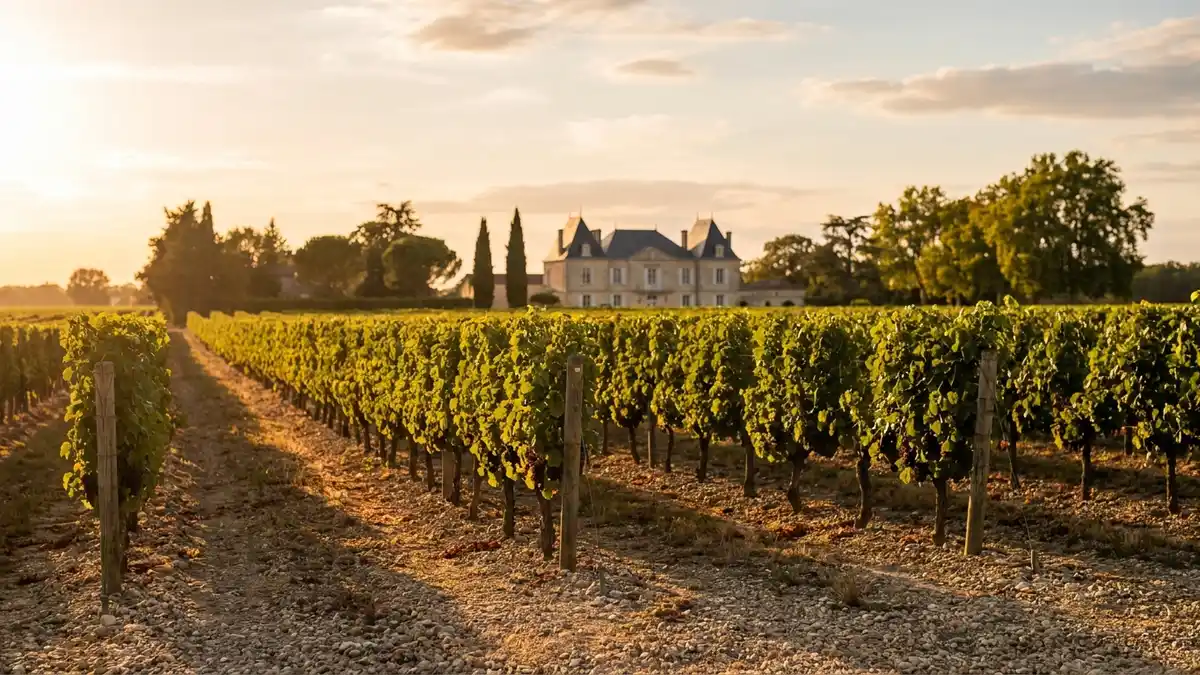
Left Bank Bordeaux grows on gravel west of the Garonne and Gironde rivers, so its red blends lead with Cabernet Sauvignon and taste firm, savory and slow to soften. Right Bank Bordeaux grows mostly on clay and limestone east of the Dordogne, around the town of Libourne, so its blends lead with Merlot and drink plusher and sooner.
| Left Bank | Right Bank | |
|---|---|---|
| Where | West of the Garonne and Gironde: Médoc, Haut-Médoc, Graves | East of the Dordogne, around Libourne: Saint-Émilion, Pomerol, Fronsac |
| Soil | Deep gravel that stores the day's heat | Mostly cool clay and limestone, with gravel and sand in places |
| Lead grape | Cabernet Sauvignon, about 70% of a typical blend | Merlot, about 70% of a typical blend |
| Taste | Blackcurrant, cedar, pencil shavings; firm tannin, high acidity | Ripe plum, black cherry, cocoa; rounder tannin |
| Drinking window | Tight when young; better after some years in bottle | Ready younger; the gentler first bottle |
| Classification | 1855 Growths, First to Fifth | Saint-Émilion's own list, revised about every 10 years; Pomerol has none |
| Buy it when | Steak or lamb is on the plate, or the bottle can wait | Dinner is tonight and you want a softer red |
Between the two rivers lies a third zone, Entre-Deux-Mers ("between two seas"), which belongs to neither bank and is best known for crisp dry whites. If a red label names a Médoc or Graves commune, expect a Cabernet-led wine that wants air or a few years. If it names Saint-Émilion, Pomerol or Fronsac, expect Merlot and a wine that is ready sooner.
Why Does a River Split Bordeaux Into Two Styles?
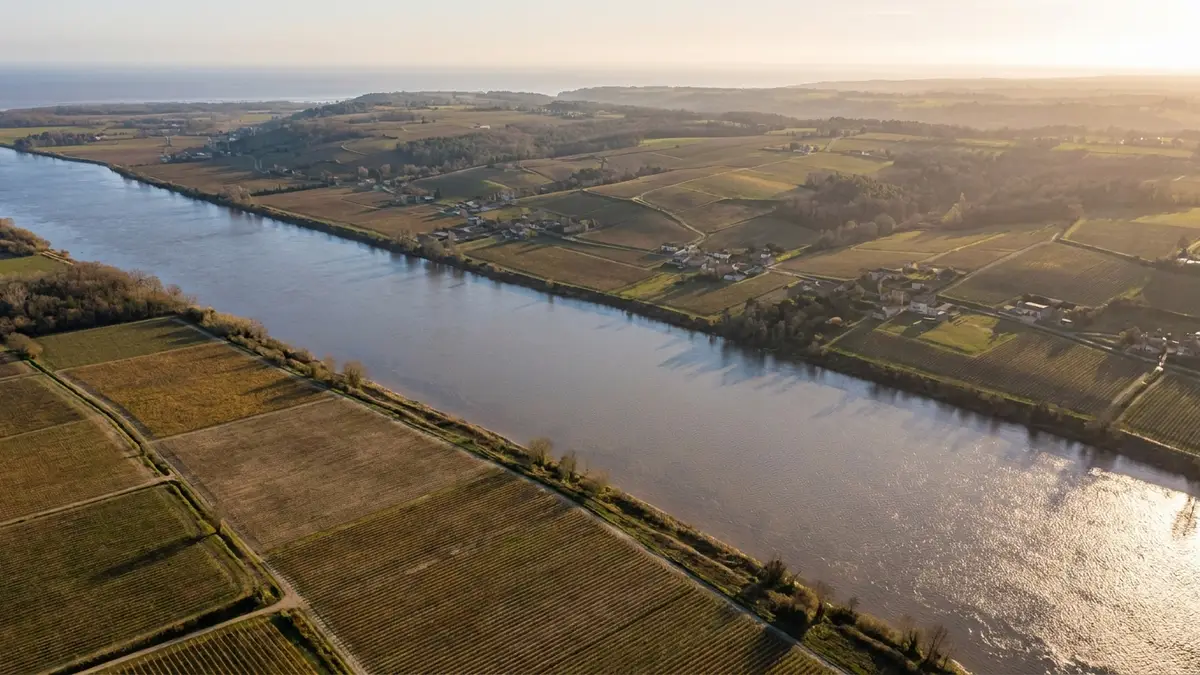
Each bank's soil ripens a different grape. Left Bank gravel stores heat, which helps ripening and pushes roots deep, so late-ripening Cabernet Sauvignon gets fully ripe. The Right Bank's cooler, water-holding clay suits Merlot, which ripens earlier and gives a fleshier wine.
The gravel effect is one case of a wider rule, set out in how soil affects wine taste.
The Gironde estuary and its two tributaries give Bordeaux an Atlantic, or oceanic, climate: mild winters, warm summers and rain that changes sharply from one year to the next. So the vintage (the harvest year) on a Bordeaux label tells you more than it does for wine from sunnier regions.
What Grapes Go Into a Bordeaux Blend?
Almost every red Bordeaux is a blend of Cabernet Sauvignon, Merlot and Cabernet Franc, with small roles for Petit Verdot, Malbec and Carménère. Grapes that ripen at different times protect the grower against a bad year, and each adds a different part of the structure.
Burgundy works the other way, bottling one grape from one named plot, as the Burgundy wine guide shows, and Bordeaux vs Burgundy puts the two regions side by side.
- Cabernet Sauvignon: the Left Bank backbone. Firm tannin (the drying grip on your gums), high acidity, and the smell of blackcurrant and cedar.
- Merlot: the Right Bank leader and the most-planted grape in Bordeaux. Softer tannin and plum flesh that fill the middle of the wine.
- Cabernet Franc: the aromatic seasoning, more prominent on the Right Bank. It smells of raspberry and violet, with a peppery lift.
- Petit Verdot: a small dose on the Left Bank for deep color and spice in warm years.
- Malbec and Carménère: now minor here, though both found fame elsewhere, Malbec in Argentina and Carménère in Chile.
The Bordeaux blend grapes breakdown follows each variety into the glass, and Cabernet Sauvignon vs Merlot puts the two leaders head to head.
The Left Bank: Médoc, Graves and the 1855 Classification
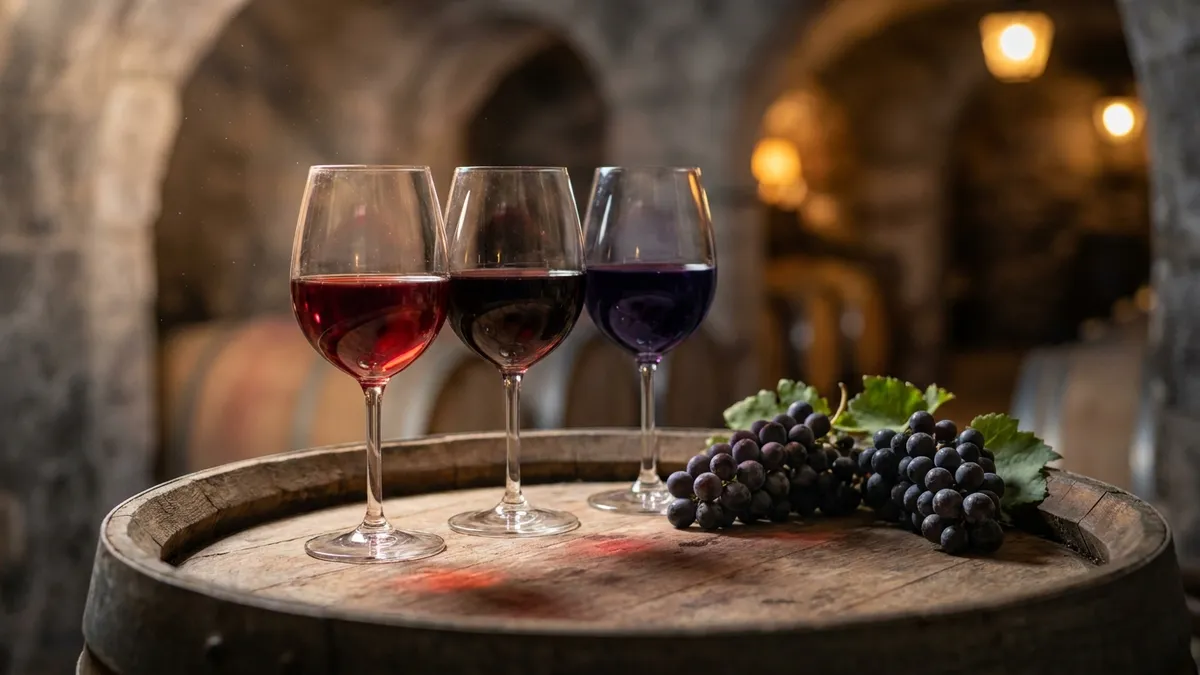
The Left Bank is the structured, age-worthy side of Bordeaux. Its blends lead with Cabernet Sauvignon and are fleshed out with Merlot. The key areas:
- Médoc: the flat gravel peninsula north of the city, on the left bank of the Gironde estuary.
- Haut-Médoc: the southern part of that peninsula, bordering the city. It holds the famous communes of Margaux, Saint-Julien, Pauillac and Saint-Estèphe, which use their own names on the label.
- Graves: south of the city and named for its gravel. It makes serious reds and fine dry whites, and its top zone is Pessac-Léognan.
A young Left Bank red smells of blackcurrant and cedar, with tannin firm enough to dry the gums for several seconds. That grip softens with years in bottle. The structure under the fruit is explained in understanding tannins, acidity and body, and the grape's wider story in the Cabernet Sauvignon wine guide.
What the 1855 Classification Actually Ranks
Emperor Napoleon III asked for a ranking of Bordeaux wines for the 1855 Exposition Universelle in Paris. Wine brokers ranked the estates by reputation and trading price. The red list holds 61 estates in five tiers, from First Growth (Premier Cru) to Fifth Growth (Cinquième Cru). Apart from one estate added soon after publication, its only change came in 1973, when one estate moved up from second to first growth. A separate 1855 list ranks 27 sweet white estates in Sauternes and Barsac.
- It is Left Bank only. Every red estate is in the Médoc except one in Graves. Saint-Émilion and Pomerol sit outside it.
- It ranks the estate. The unit is the château, an estate that owns its land and sells one flagship wine under its own name.
- It records 1855 prices, not today's taste. A Fifth Growth in a great vintage can beat a higher tier in a weak one.
The Right Bank: Saint-Émilion, Pomerol and Their Neighbors
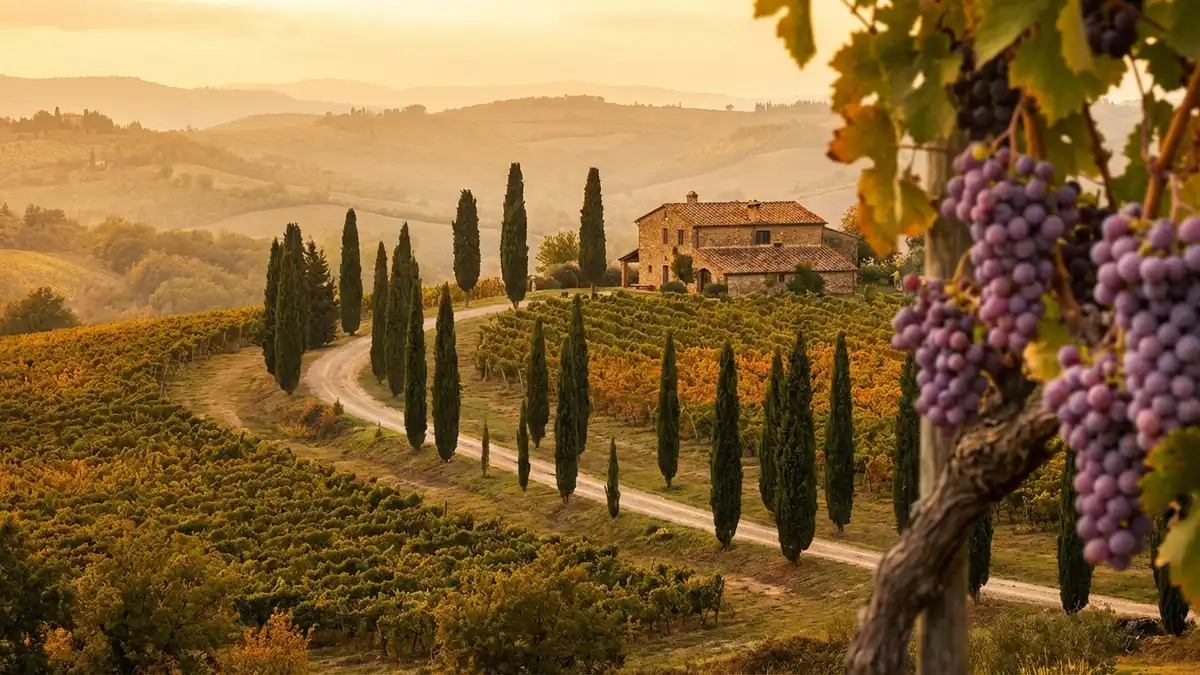
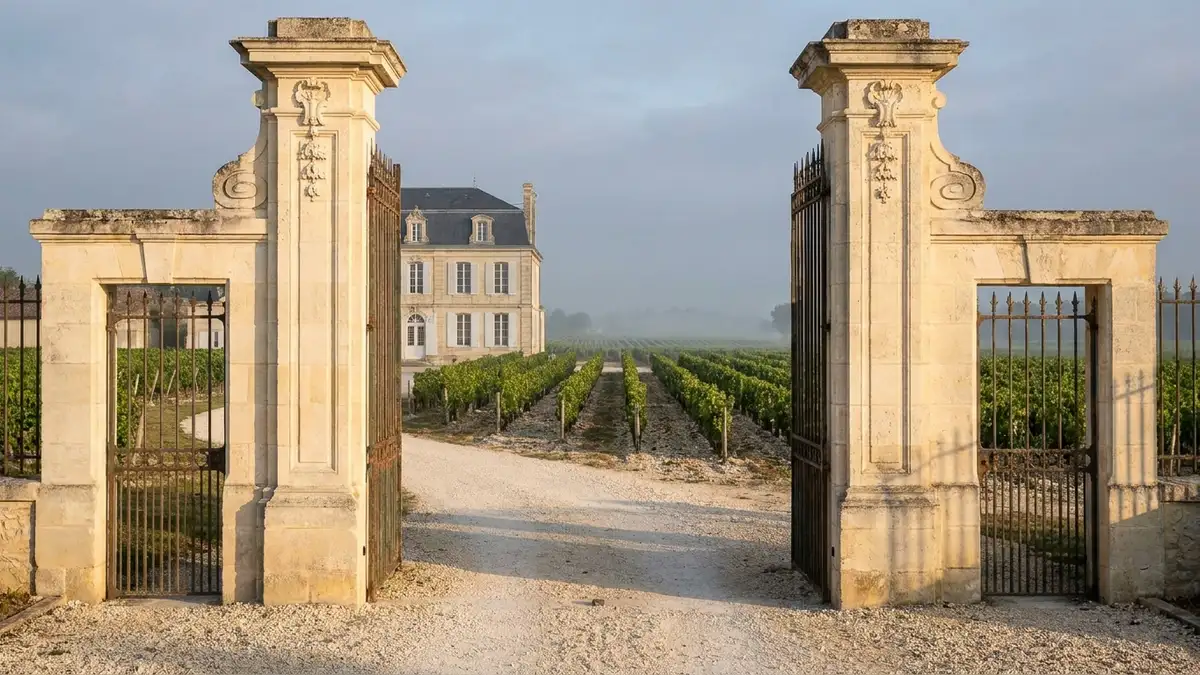
The Right Bank leads with Merlot and Cabernet Franc, which makes its reds rounder and readier young. Expect ripe plum and black cherry with a cocoa edge, because Merlot ripens early, with thinner skins and softer tannin than Cabernet Sauvignon. Cabernet Franc adds the perfume, explained in the Cabernet Franc wine guide, and the Merlot wine guide covers the flesh.
- Saint-Émilion: 5,400 hectares around a hilltop town whose church is carved from a limestone cliff. Its own classification is revised about every 10 years, and the top tier is Premier Grand Cru Classé A.
- Pomerol: at 800 hectares, one of the smallest famous names in Bordeaux. It has no official classification at all, yet its clay and iron-rich subsoil give some of the most sought-after Merlot anywhere.
- The satellites: Montagne-, Lussac-, Puisseguin- and Saint-Georges-Saint-Émilion, Lalande-de-Pomerol, Fronsac, Canon-Fronsac, and Castillon and Francs Côtes de Bordeaux. They grow the same grapes on similar ground for far less money.
If a Saint-Émilion or Pomerol is over budget, buy a satellite named after it. The hyphenated village name on the label tells you which star it borders.
Bordeaux Whites: Dry Blends and Sweet Sauternes
Bordeaux whites rest on two grapes, Sauvignon Blanc and Sémillon, and run from bone dry to very sweet.
Dry whites are strongest in Graves and Pessac-Léognan, where tart Sauvignon Blanc meets rounder Sémillon, sometimes with a little Muscadelle. Young ones smell of grapefruit and cut grass. Oak-aged examples turn waxy and nutty after a few years. The Sauvignon Blanc wine guide follows the lead grape around the world.
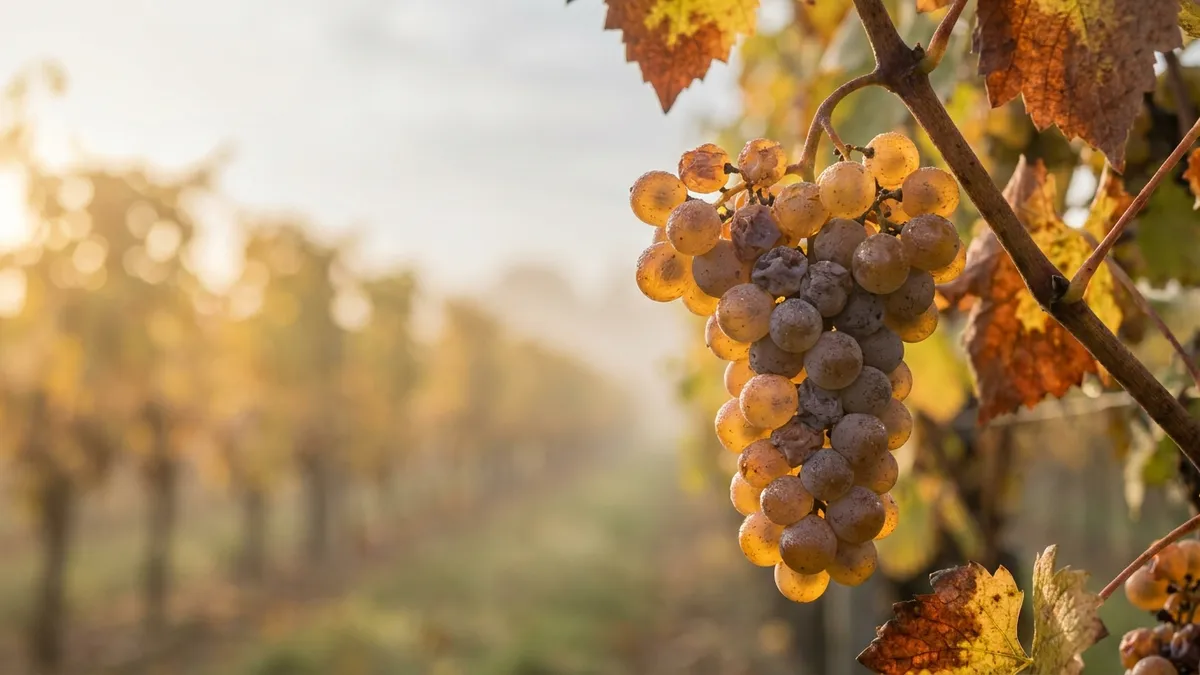
South of the city, autumn mists, where the cool Ciron river meets the warmer Garonne, encourage noble rot (Botrytis cinerea), a mold that shrivels ripe grapes and concentrates their sugar and acid. Pickers pass through the vines several times for these raisined berries, which make Sauternes: golden, tasting of apricot, marmalade and honey, with acidity that stops the sweetness from cloying. The Sauternes wine guide covers the villages and how to serve it.
Where Should a Beginner Start With Bordeaux?
Start with a Merlot-led Right Bank red or a Bordeaux Supérieur, which drinks well young and costs little. Then open a Left Bank Médoc beside it and feel the firmer, more savory grip on your gums. Neither step needs a famous château; regional bottles show the same contrast between the banks.
- Right Bank first. A satellite Saint-Émilion or a Bordeaux Supérieur is plush, plummy and forgiving.
- Left Bank beside it. A Médoc or Haut-Médoc red tastes tighter and drier on the gums.
- One dry white. A dry white Graves shows the citrus-and-grass side of the region.
- A small glass of Sauternes. A half-bottle shows how acidity keeps sweetness in balance.
If a Left Bank red is young, pour it into a jug or decanter an hour before dinner, because air softens young tannin. Serve it with steak or lamb: fat and protein coat the mouth and tame the grip. A Right Bank red has softer tannin, so it also suits roast chicken, duck or a mushroom dish.
Bordeaux labels name the place and rarely the grape. A narrower place usually means more ambition: plain Bordeaux, then a sub-region such as Médoc, then a commune within it. The word cru ("growth") signals a classification, such as the 1855 list on the Left Bank or Saint-Émilion's own list on the Right. The how to read a wine label walkthrough decodes the rest, and the French wine regions overview and wine regions hub place Bordeaux beside its neighbors.
Keep notes on color, smell and grip each time, using the step-by-step method in how to taste wine and the wider family in noble grapes. The Sommy app's France course covers both banks and the 1855 list in bite-sized lessons. Tonight, open one bottle from each bank and photograph both labels in Sommy. The AI-guided tasting walks you through look, smell and taste, and saves your notes to your tasting journal so the two banks sit side by side.
Sources
- Wikipedia: Bordeaux wine (banks, Entre-Deux-Mers, typical blends, climate)
- Wikipedia: Bordeaux Wine Official Classification of 1855
- Wikipedia: Médoc (gravel soils and ripening)
- Wikipedia: Haut-Médoc AOC (location and communal appellations)
- Wikipedia: Saint-Émilion AOC (area and classification)
- Wikipedia: Pomerol (area, soils, no classification)
Frequently Asked Questions
What is the difference between Left Bank and Right Bank Bordeaux?
The Left Bank, west of the Garonne and Gironde, leads its blends with Cabernet Sauvignon grown on gravel, giving firmer reds that need time. The Right Bank, east of the Dordogne around Libourne, leads with Merlot on clay and limestone, giving plusher reds that drink well younger. A typical blend uses about 70% of the lead grape.
What are the main Right Bank Bordeaux appellations?
Saint-Émilion and Pomerol are the two famous names. Around them sit the satellites: Montagne-, Lussac-, Puisseguin- and Saint-Georges-Saint-Émilion, Lalande-de-Pomerol, Fronsac, Canon-Fronsac, and Castillon and Francs Côtes de Bordeaux. They grow the same Merlot-led blends on similar soils and cost much less, which makes them the easiest way to learn the Right Bank style.
What grapes are in a Bordeaux blend?
Red Bordeaux blends Cabernet Sauvignon, Merlot and Cabernet Franc, with smaller roles for Petit Verdot, Malbec and Carménère. The mix shifts by bank: Cabernet Sauvignon leads on the Left Bank, Merlot on the Right. Dry white Bordeaux blends Sauvignon Blanc with Sémillon, sometimes with a little Muscadelle, and the same two main grapes make sweet Sauternes.
What is the 1855 Classification of Bordeaux?
It is a ranking of 61 red estates into five tiers, First Growth to Fifth Growth, made by Bordeaux brokers from reputation and trading prices for the 1855 Paris Exposition. All are in the Médoc except one in Graves. Apart from one estate added soon after, it changed only in 1973, when one estate moved from second to first growth. It does not cover the Right Bank.
Is Bordeaux always red wine?
No. Red wine dominates, but Bordeaux also makes crisp dry whites from Sauvignon Blanc and Sémillon, especially in Graves, Pessac-Léognan and Entre-Deux-Mers. It makes rosé and sparkling Crémant too. In Sauternes, noble rot shrivels Sémillon grapes to make one of the world's great sweet wines, tasting of apricot and honey with bright acidity.
Where should a beginner start with Bordeaux?
Start with an affordable Right Bank satellite or a Bordeaux Supérieur, which leads with softer Merlot and is approachable young. Then taste a Left Bank Médoc beside it to feel the firmer, more structured Cabernet style. Add a dry Bordeaux Blanc and a small glass of Sauternes to see the region's full range without a big budget.
How does Bordeaux differ from Burgundy?
Bordeaux blends several grapes and sells branded estates, called châteaux, that own their land. Burgundy uses single grapes, Pinot Noir and Chardonnay, and ranks the named vineyard rather than the producer. Bordeaux reds are structured blends built to age, while Burgundy aims to show one grape from one plot of ground as clearly as possible.
What does Bordeaux wine taste like?
Left Bank reds smell of blackcurrant, cedar and pencil shavings, with firm tannins and high acidity that soften with age. Right Bank reds lean toward ripe plum and black cherry with a cocoa edge and rounder tannin. Dry whites smell of grapefruit and cut grass when young, waxier with age. Sauternes tastes of apricot and honey, kept fresh by acidity.
Sommy Team
LinkedInFounder & Wine Educator
The Sommy Team is building the world's most approachable wine education app, helping beginners develop real tasting skills through structured courses and AI-guided practice.