Sauternes Wine Guide: Bordeaux's Legendary Sweet Wine

By the Sommy Team — AI-assisted, human-edited.
Updated Jul 26, 2026
Contents (12)
- What Is Sauternes Wine?
- Sauternes in 60 Words: The Short Answer
- Where Sauternes Grows: Five Villages South of Bordeaux
- Noble Rot: The Fungus That Makes Sauternes
- The Grapes: Sémillon, Sauvignon Blanc, and Muscadelle
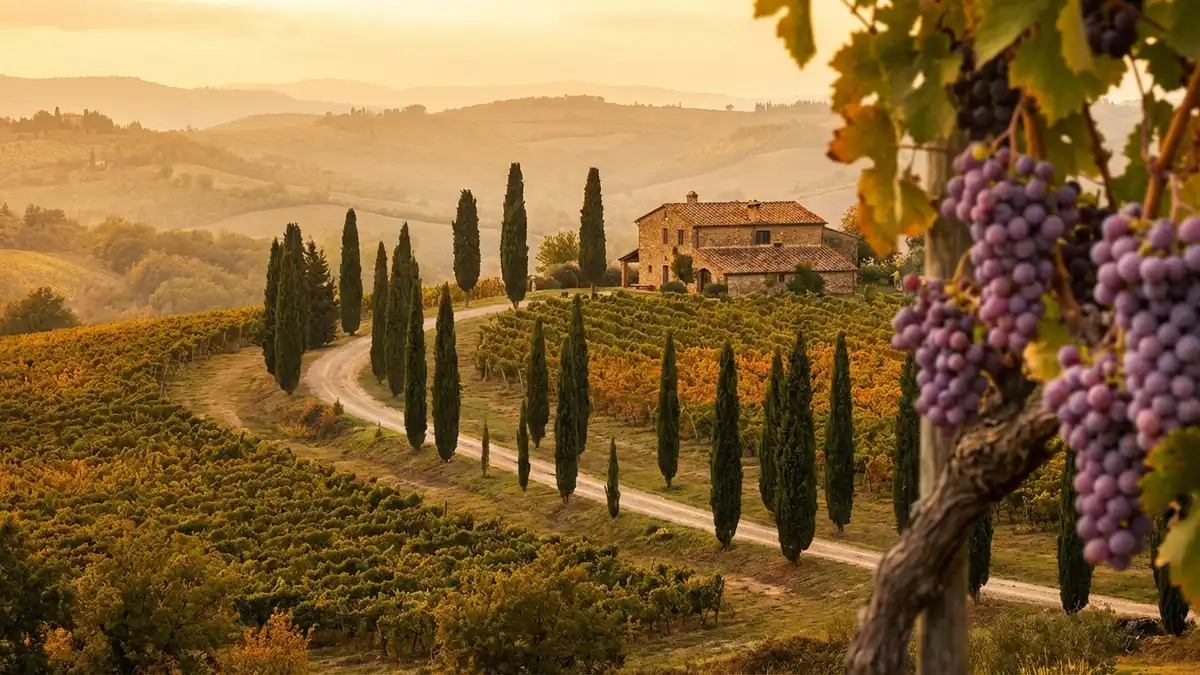
- How Sauternes Is Made: Picking Berry by Berry
- What Does Sauternes Taste Like?
- Sauternes vs Other Sweet Wines
- The 1855 Classification and Barsac
- How to Serve Sauternes
- Sauternes and Food: Beyond Dessert
- How a Beginner Should Start With Sauternes
TL;DR
Sauternes is Bordeaux's most famous sweet wine, made from Sémillon, Sauvignon Blanc, and Muscadelle grapes shrivelled by noble rot. This Sauternes wine guide explains how the Ciron river's autumn mists trigger botrytis, why the wine tastes of honey and apricot without cloying, how to serve it, and what to pair.
What Is Sauternes Wine?
This Sauternes wine guide starts with the essentials: Sauternes is a sweet white wine from a small district in the south of Bordeaux, France, made from grapes shrivelled by noble rot (a beneficial fungus that concentrates sugar and flavor). It is deep gold in the glass, rich and honeyed on the palate, yet held together by enough acidity (the tart, mouth-watering freshness in a wine) to keep it from feeling heavy. The blend is led by Sémillon, backed by Sauvignon Blanc and a splash of Muscadelle. Because every drop depends on the weather and on picking grapes berry by berry, Sauternes is one of the most labour-intensive — and long-lived — wines in the world.
Sauternes in 60 Words: The Short Answer
Sauternes is Bordeaux's benchmark sweet wine, grown in five villages on the left bank of the Garonne. Autumn mists from the cool Ciron river coat the vines, letting noble rot (Botrytis cinerea) shrivel the grapes and concentrate their sugar to roughly 120 to 150 grams per litre. Pickers harvest berry by berry across several passes, so yields are tiny — a legal maximum of 25 hectolitres per hectare. The result is a golden, honeyed wine of Sémillon, Sauvignon Blanc, and Muscadelle that ages for decades.
Where Sauternes Grows: Five Villages South of Bordeaux
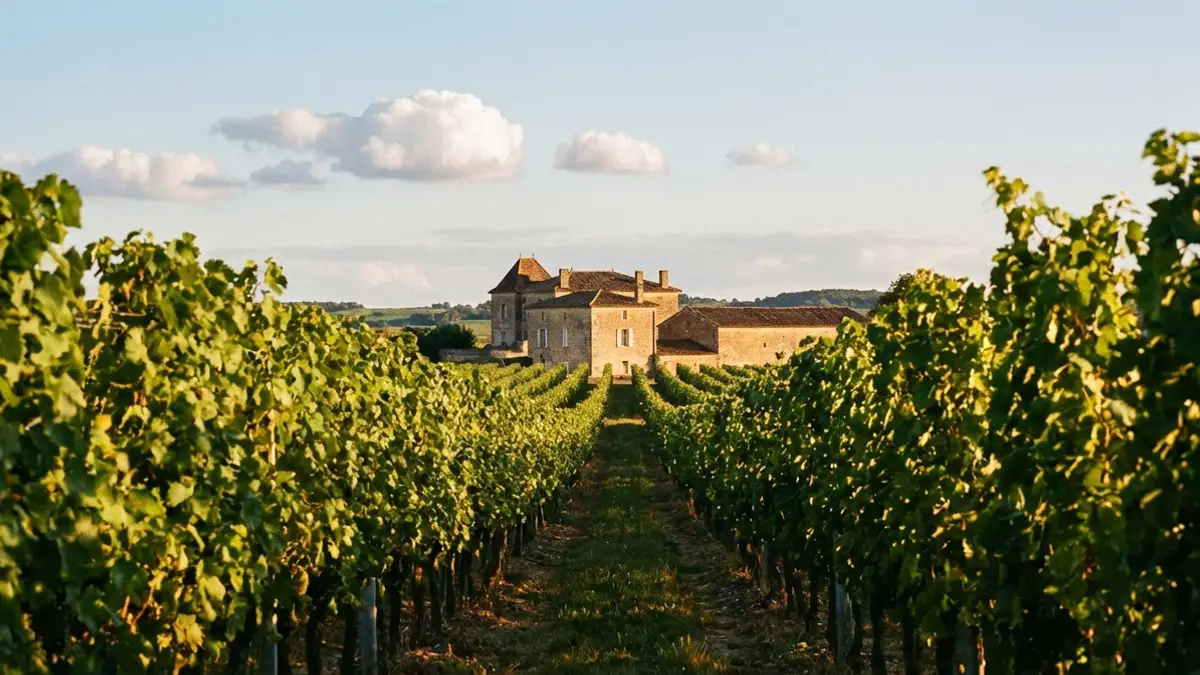
Sauternes sits about 40 kilometres southeast of the city of Bordeaux, on the left bank of the Garonne river, inside the larger Graves sub-region. The name covers five communes: Sauternes itself, plus Barsac, Bommes, Fargues, and Preignac. Wines from Barsac may be labelled either as Barsac or as Sauternes, so the two names overlap on the shelf.
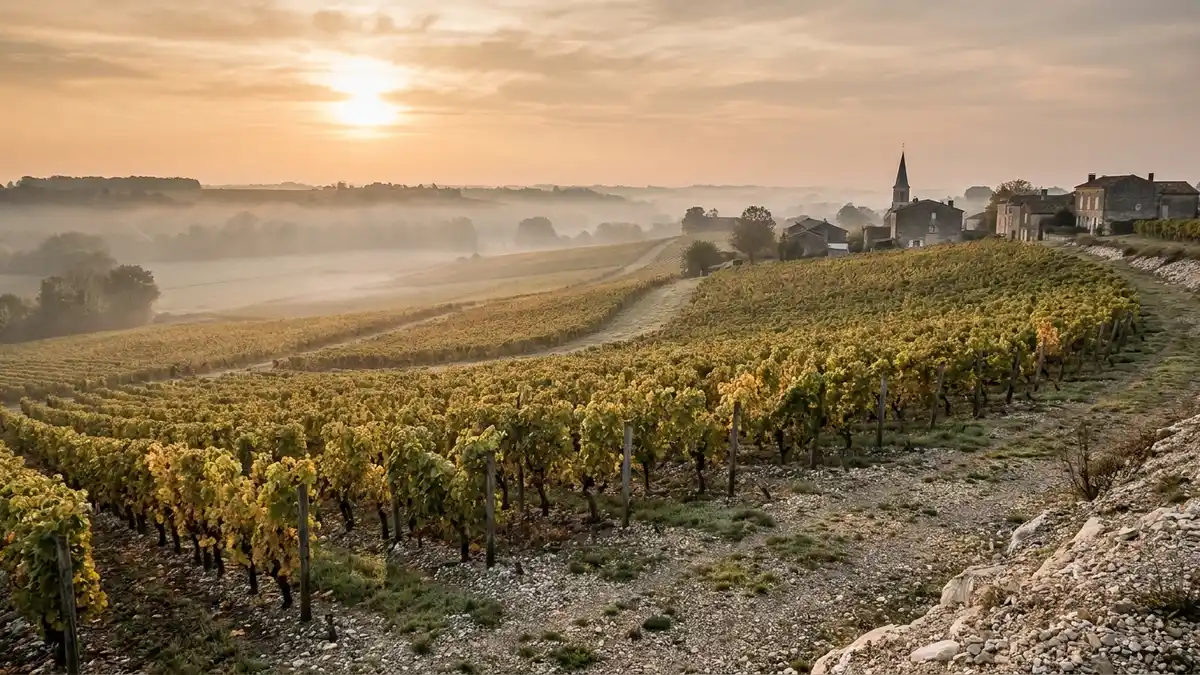
The whole district is small and gently rolling, a patchwork of gravel, clay, and limestone slopes. What makes it special is not one grand hill but a river. A cool tributary called the Ciron flows down through shaded forest and empties into the warmer Garonne right at the edge of the appellation.
That meeting of cold and warm water is the engine of the entire style. To see how Sauternes fits into the wider region, our Bordeaux wine guide maps the left bank, right bank, and everything in between, and our tour of French wine regions places it on the national map.
Noble Rot: The Fungus That Makes Sauternes
The secret behind Sauternes is a fungus most winemakers dread. Botrytis cinerea usually spoils grapes as grey rot, but in the right conditions it becomes noble rot — the good version — and transforms the fruit instead of destroying it.
Here is how it works in Sauternes. On autumn mornings, cold air off the Ciron settles over the warmer Garonne valley and blankets the vines in mist. That damp encourages Botrytis to take hold on the ripe grapes. Then the afternoon sun burns the mist away, drying the fruit so the fungus dehydrates the berries rather than rotting them.
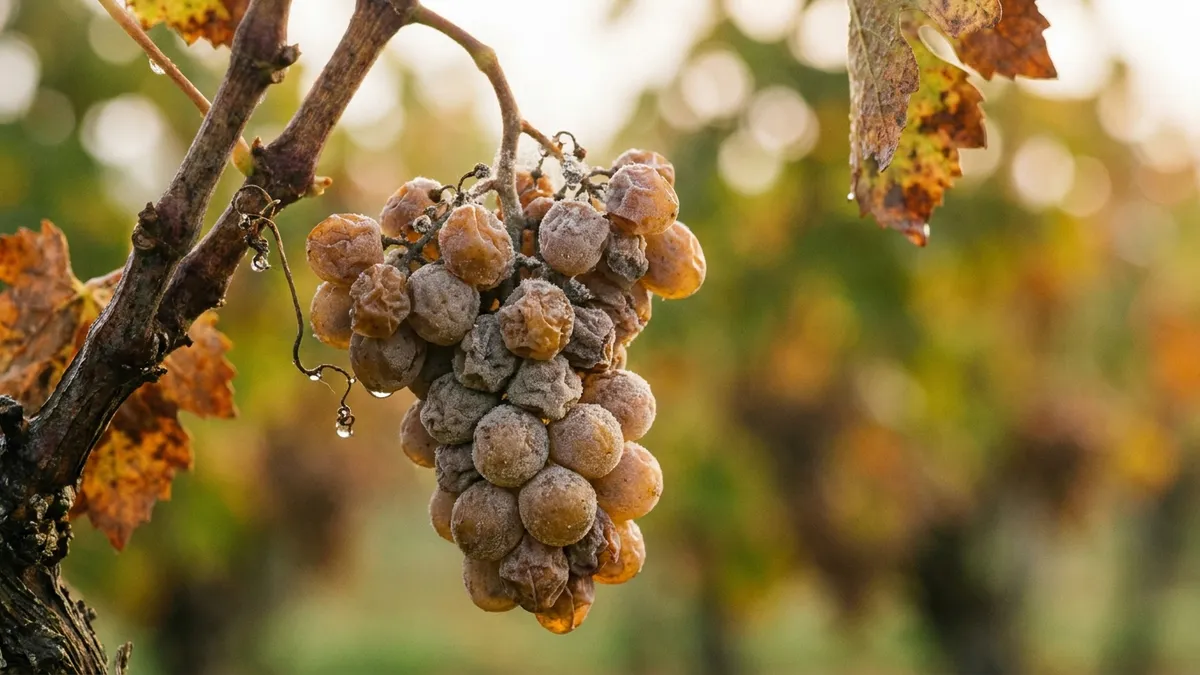
As the grapes shrivel, water evaporates through the punctured skins and the natural sugar, acid, and aroma concentrate inside. Botrytis also adds its own signature — glycerol for a silky texture, plus notes of saffron, ginger, honey, and beeswax you will not find in an ordinary white. The berries end up looking like ugly, brown raisins, which is exactly what a picker wants to see.
This is terroir (the way a specific place shapes a wine) at its most dramatic: no Ciron, no mist, no noble rot, no Sauternes. For the bigger idea, see our explainer on what terroir is.
The Grapes: Sémillon, Sauvignon Blanc, and Muscadelle
Three white grapes are permitted in Sauternes, and each plays a clear role in the blend.
- Sémillon is the star, usually the large majority of the blend. Its thin skin makes it especially prone to Botrytis, and it brings body, honey, and a waxy richness. Learn more in our Sémillon wine guide.
- Sauvignon Blanc is the sharpener. It ripens with high acidity and adds citrus and green, aromatic lift, keeping the sweetness from turning flabby. Our Sauvignon Blanc wine guide covers the grape in full.
- Muscadelle appears only in small amounts, adding a floral, grapey perfume around the edges.
That balance of ripe Sémillon and zippy Sauvignon Blanc is the reason great Sauternes tastes lush without ever collapsing into syrup. The acidity is doing quiet, essential work under all that honey.
How Sauternes Is Made: Picking Berry by Berry
Sauternes is one of the most painstaking wines to produce anywhere. Because noble rot spreads unevenly — one bunch may be fully shrivelled while its neighbour is still plump — the fruit cannot simply be harvested in one sweep.
Instead, pickers move through the vineyard in successive passes called tries, taking only the berries that have reached the perfect state of noble rot on each visit. A single vineyard might be picked five or more times over several weeks, always racing the weather.
The math is brutal. The appellation's legal maximum yield is just 25 hectolitres per hectare, roughly half of what a dry white vineyard is allowed, and top estates pick far less than that. The often-quoted figure is that the finest properties make only about one glass of wine per vine.
Because so much depends on the vintage, some years simply do not deliver enough noble rot. In poor vintages, producers may declassify their crop or skip their top wine entirely rather than release something sub-par — one reason vintage matters so much for this style.
What Does Sauternes Taste Like?
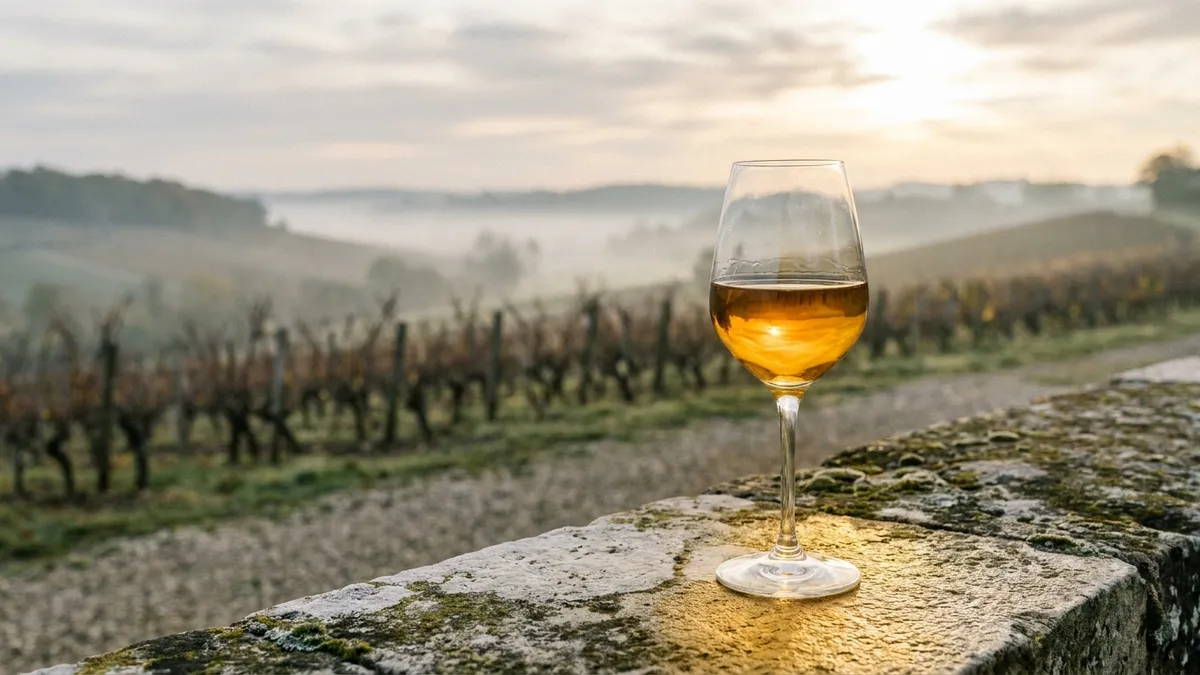
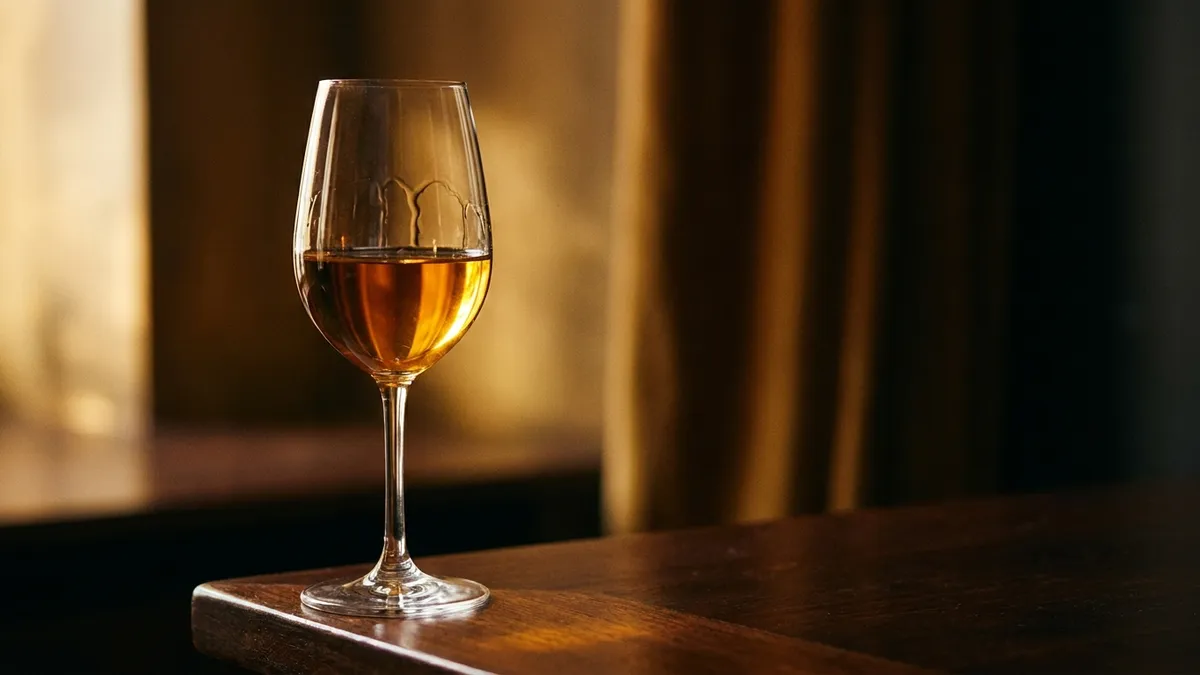
Pour a young Sauternes and the first impression is color: a bright, deep gold, often with a faint green rim, deepening toward amber as the wine ages. On the nose and palate, expect a layered mix of sweet and savory notes.
- Fruit: apricot, peach, candied orange, marmalade, and pineapple
- Botrytis character: honey, saffron, ginger, and a waxy, lanolin note
- Structure: rich and unctuous, yet lifted by fresh acidity so it finishes clean
- With age: caramel, toffee, dried apricot, barley sugar, and a nutty, savory depth
The residual sugar sits in the range of roughly 120 to 150 grams per litre — very sweet — but the wine should never taste one-dimensional. If you want to understand how sweetness reads on the palate, our guides to tasting residual sugar in wine and the wine sweetness scale are a good next step, and our sweet vs dry wine explainer puts Sauternes at the far sweet end of the spectrum.
Sommy can help you name these aromas as you sniff them, turning "it smells sweet" into a precise vocabulary of honey, apricot, and saffron. It is exactly the kind of complex, layered wine that rewards slowing down.
Sauternes vs Other Sweet Wines
Sweet wines get their sugar in very different ways, and the method shapes the flavor. Here is how Sauternes compares to three other famous sweet styles.
| Wine | How the sugar concentrates | Typical alcohol | Flavor signature |
|---|---|---|---|
| Sauternes | Noble rot shrivels the grapes on the vine | About 13–14% | Honey, apricot, saffron, marmalade |
| Ice wine | Grapes freeze on the vine; frozen water is pressed out | About 7–12% | Pure, laser-fresh citrus and stone fruit |
| Port | Fermentation stopped early by adding grape spirit | About 19–20% | Rich red and black fruit, spirit warmth |
| Late-harvest | Grapes left to over-ripen and raisin in the sun | About 11–14% | Ripe, jammy fruit, usually simpler |
Tasting these side by side is one of the fastest ways to learn how winemaking shapes sweetness. For the neighbours in this table, see our guides to ice wine and Eiswein, Port wine, and the wider world of dessert wine.
The 1855 Classification and Barsac
Sauternes carries real historical weight. In the famous 1855 Classification — drawn up for the Paris Exposition Universelle — the sweet wines of Sauternes and Barsac were ranked alongside the great reds of the Médoc. The wines were sorted into First and Second Growths, with a single estate elevated above all others as the sole Premier Cru Supérieur. That ranking still shapes the district's reputation today.
Barsac deserves its own note. It sits on a flatter limestone plateau just north of Sauternes proper, and its wines tend to be a touch lighter, fresher, and more mineral, while the richest, most unctuous examples usually come from the gravel and clay slopes nearer the Ciron. Both share the noble-rot signature; they simply dial the weight up or down. The whole framework of ranked, named vineyards is what wine people mean by an appellation — our guide to what an appellation is unpacks the system.
How to Serve Sauternes
Sauternes is easy to serve well once you know a few basics.
- Temperature: chill it to around 8–11°C (46–52°F). Too warm and the sweetness dominates; a proper chill keeps it fresh and lets the acidity shine. Our wine serving temperature chart has the full range.
- Pour size: small. This is a wine to sip, not to fill a glass with — a modest pour shows it at its best.
- Glass: a standard white-wine glass is perfect; no special stemware needed.
- Aging: you can drink it young for its fresh fruit, but fine Sauternes rewards patience, developing caramel and dried-fruit depth over decades.
- After opening: thanks to its sugar and acidity, an opened bottle keeps in the fridge for a week or two — far longer than a dry white. See how long wine lasts after opening for the details.
Sauternes and Food: Beyond Dessert
The biggest mistake with Sauternes is treating it only as a wine to serve with sugary dessert. Its real gift is contrast — the sweetness plays brilliantly against salt and fat.
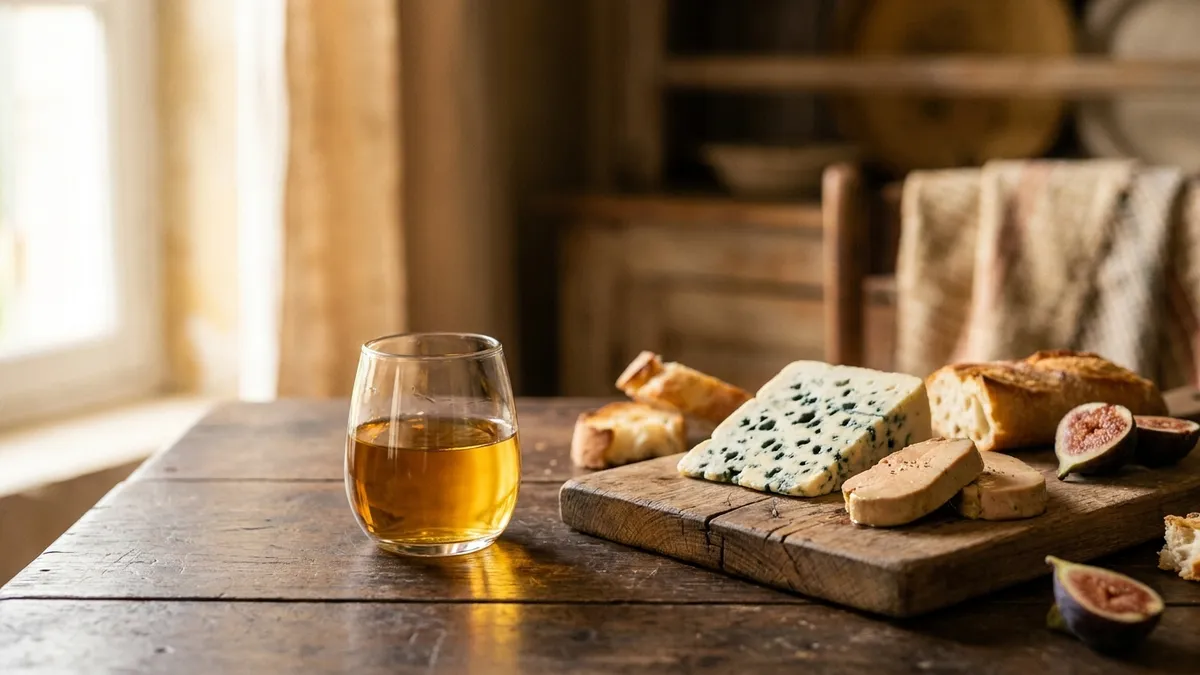
- Foie gras: the classic Bordeaux pairing. The rich, fatty liver and the honeyed wine are a textbook match, each making the other taste cleaner.
- Blue cheese: Roquefort and other salty blues are a revelation with Sauternes; the sweetness tames the salt and the funk. Our wine and cheese pairing guide goes deeper.
- Spicy dishes: the sugar cools the heat of a mild curry or spiced Asian food.
- Dessert, done right: fruit tarts, crème brûlée, and almond cakes work because they echo the wine rather than out-sweeten it.
- As an aperitif: a small chilled glass before dinner is an underrated, very French way to drink it.
The one thing to avoid is a dessert sweeter than the wine, which makes the Sauternes taste thin and sour. Keep the food a shade less sweet than the glass and the pairing sings.
How a Beginner Should Start With Sauternes
You do not need a rare old bottle to get to know this style. The smartest way in is to taste with intention and build a few reference points.
- Start with a young, accessible Sauternes or Barsac. Chill it well and taste it on its own first, before any food, so you learn its pure character.
- Look for the balance. Note the sweetness, then wait for the acidity on the finish. That push and pull is the whole point of the wine.
- Try it with a contrast pairing. A wedge of blue cheese next to a sip of Sauternes teaches the sweet-versus-salt lesson in one bite.
- Compare it to another sweet style. Open an ice wine or taste it after reading about dessert wines to feel how noble rot differs from freezing or fortification.
- Build the tasting habit. Run every glass through the same method — look, swirl, sniff, sip. Our step-by-step guide to how to taste wine gives you the routine.
Sommy turns those tastings into short, guided lessons, naming the aromas and scoring the structure so a complex wine like Sauternes becomes readable rather than intimidating. You can start practising free at sommy.wine, then bring the method to your next golden glass.
The reward for learning Sauternes is a benchmark for balance. Once your palate knows how honey and acidity can hold each other up, every other sweet wine you meet has a reference to measure against — and the whole category stops being a mystery.
Sources
Frequently Asked Questions
What is Sauternes wine?
Sauternes is a sweet white wine from a small district in the south of Bordeaux, France. It is made from Sémillon, Sauvignon Blanc, and Muscadelle grapes that have been shrivelled by noble rot, a beneficial fungus that concentrates their sugar and flavor. The result is a rich, golden, honeyed dessert wine with enough acidity to stay fresh rather than cloying.
Why is Sauternes so sweet?
Its sweetness comes from noble rot, not added sugar. A fungus called Botrytis cinerea attacks ripe grapes in the region's misty autumns, pierces their skins, and lets water evaporate. That shrivels each berry and concentrates the natural grape sugar. Winemakers stop fermentation while plenty of that sugar remains unfermented, leaving a lush, sweet wine of roughly 120 to 150 grams of sugar per litre.
What does Sauternes taste like?
Young Sauternes tastes of honey, apricot, candied orange, and marmalade, often with saffron, ginger, and a waxy, lanolin note from Botrytis. Despite the sweetness it should feel balanced, because Sauvignon Blanc keeps the acidity bright. With age it turns toward caramel, toffee, dried fruit, and barley sugar, growing deeper and more savory over decades in the bottle.
What is noble rot?
Noble rot is the good form of the fungus Botrytis cinerea. In dry, sunny conditions after morning mist, it dehydrates ripe grapes and concentrates their sugar, acid, and aroma instead of spoiling them. The same fungus in wet weather becomes destructive grey rot. Only certain places with the right microclimate, like Sauternes, reliably produce noble rot for great sweet wine.
What food pairs with Sauternes?
Sauternes shines against salty and rich foods rather than sugary desserts. The classic matches are foie gras and blue cheese such as Roquefort, where the wine's sweetness balances the salt and fat. It also works with fruit tarts, crème brûlée, roast chicken, and spicy Asian dishes, and a chilled glass makes an elegant aperitif before a meal.
How long does Sauternes last?
Fine Sauternes is one of the longest-lived wines in the world. Its high sugar and acidity act as natural preservatives, and top vintages can age gracefully for 30, 50, or even 100 years. Once opened, a bottle keeps far longer than dry wine — up to a week or two in the fridge with a stopper, because the sugar slows oxidation.
Sommy Team
LinkedInFounder & Wine Educator
The Sommy Team is building the world's most approachable wine education app, helping beginners develop real tasting skills through structured courses and AI-guided practice.