Sémillon Wine Guide: Bordeaux's Secret White Grape

By the Sommy Team — AI-assisted, human-edited.
Updated Apr 29, 2026
Contents (11)
- Why Sémillon Deserves a Closer Look
- What Is Sémillon, in 90 Words
- A Short History of Sémillon
- The Sémillon Flavor Profile
- The Three Roles of Sémillon
- Other Notable Sémillon Regions
- How to Taste Sémillon Wine
- Pairing Sémillon with Food
- How Sémillon Ages — A Drinking Window Cheat Sheet
- Building a Sémillon Tasting Comparison
- A Quiet Grape Worth Knowing
TL;DR
Sémillon is a thick-skinned white grape with three signature roles: the backbone of Sauternes botrytis dessert wines, the rounding partner to Sauvignon Blanc in white Bordeaux, and the star of Hunter Valley's bone-dry, low-alcohol style that ages for decades into honey, toast, and lanolin.
Why Sémillon Deserves a Closer Look
Sémillon is one of the wine world's most underrated grapes. It rarely shouts for attention on a wine list, yet it quietly anchors three of the most distinctive white wines on earth — sweet Sauternes, classic white Bordeaux, and Hunter Valley's age-worthy dry style from Australia. If you have ever sipped a glass of Bordeaux Blanc, a Sauternes alongside foie gras, or a 15-year-old Australian semillon wine that smelled like toast and beeswax, you have already met this grape — even if no one introduced you.
This guide covers what sémillon is, the three styles that define it, where the best examples come from, and how to taste and pair it like someone who actually understands the grape rather than just the label.
What Is Sémillon, in 90 Words
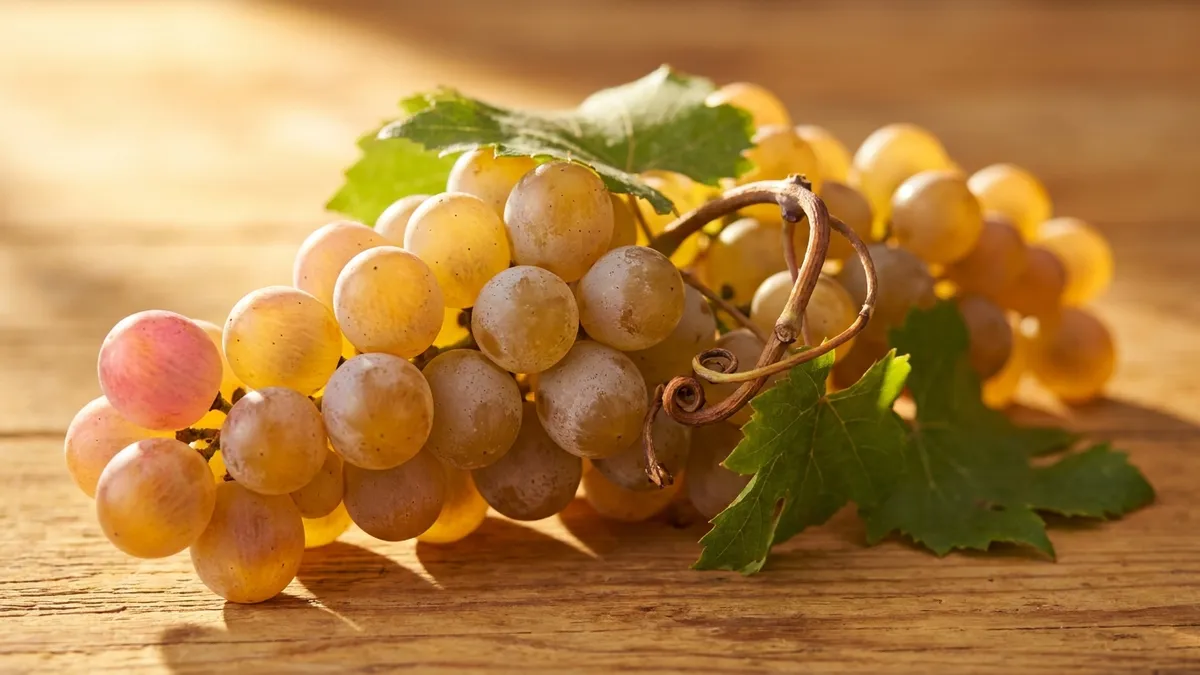
Sémillon is a thick-skinned white grape originally from Bordeaux. It plays three signature roles. First, it is the backbone of Sauternes, the legendary French dessert wine made from grapes affected by noble rot, blended with Sauvignon Blanc and Muscadelle. Second, it is the rounding partner to Sauvignon Blanc in most Bordeaux Blanc and Pessac-Léognan whites. Third, in Australia's Hunter Valley, it is bottled bone-dry at very low alcohol — around 10 to 11 percent — and ages for decades into a wine with honey, lanolin, beeswax, and toast notes that no other grape produces.
A Short History of Sémillon
Sémillon is an old grape with deep ties to Bordeaux. By the early nineteenth century, it was the most widely planted white variety in the region, and well into the 1820s it accounted for the majority of white plantings in France's southwest. It traveled with French settlers to South Africa, where it was once so dominant that locals simply called it "wyndruif" — the wine grape — and to Australia, where Scottish settler James Busby planted cuttings in the Hunter Valley in 1832.
Today its global footprint is far smaller than it once was, eclipsed by the rise of Chardonnay and Sauvignon Blanc. But the regions that kept faith with sémillon — Sauternes, Pessac-Léognan, Hunter Valley, and pockets of South Africa, Washington State, and Argentina — have preserved a grape that, in the right hands, makes some of the most distinctive whites in the world.
The Sémillon Flavor Profile
Sémillon's character changes more dramatically with age than almost any other white grape. That arc is the key to understanding it.
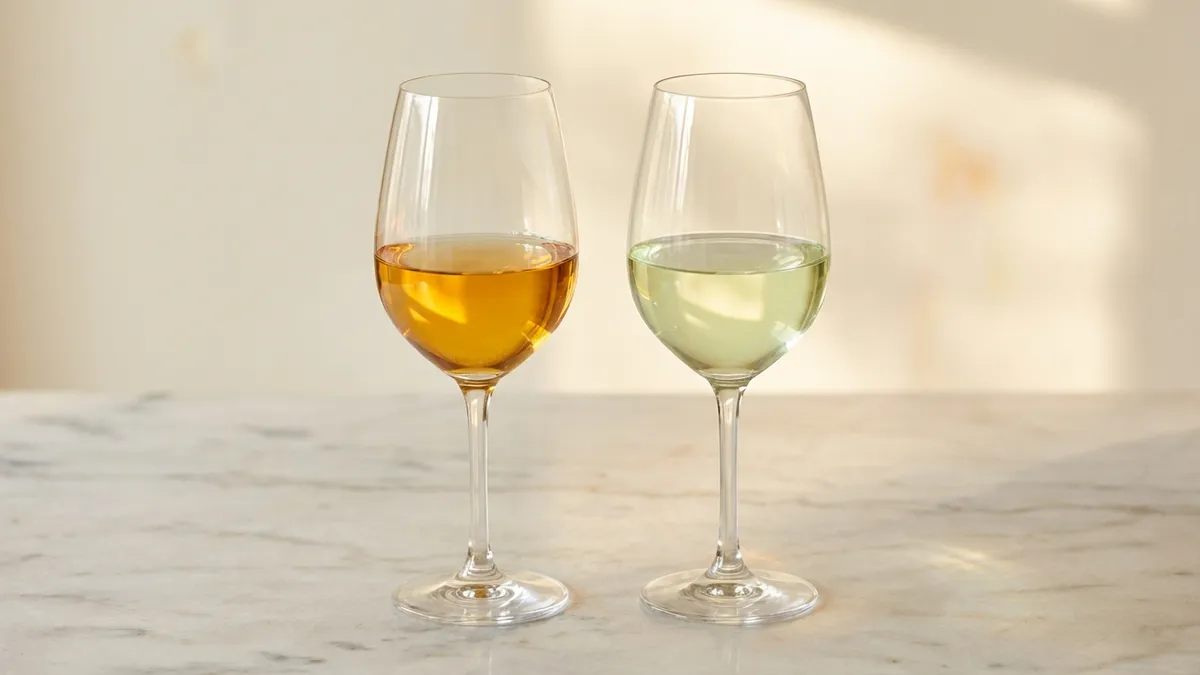
Young sémillon is pale lemon in color, with low aromatic intensity. Expect subtle notes of lemon, green apple, pear, fresh fig, and a touch of dried herb. The texture is rounder than Sauvignon Blanc, with moderate acidity and a slightly waxy or lanolin (an oily, faintly waxy aroma reminiscent of natural sheep's wool) note even in youth.
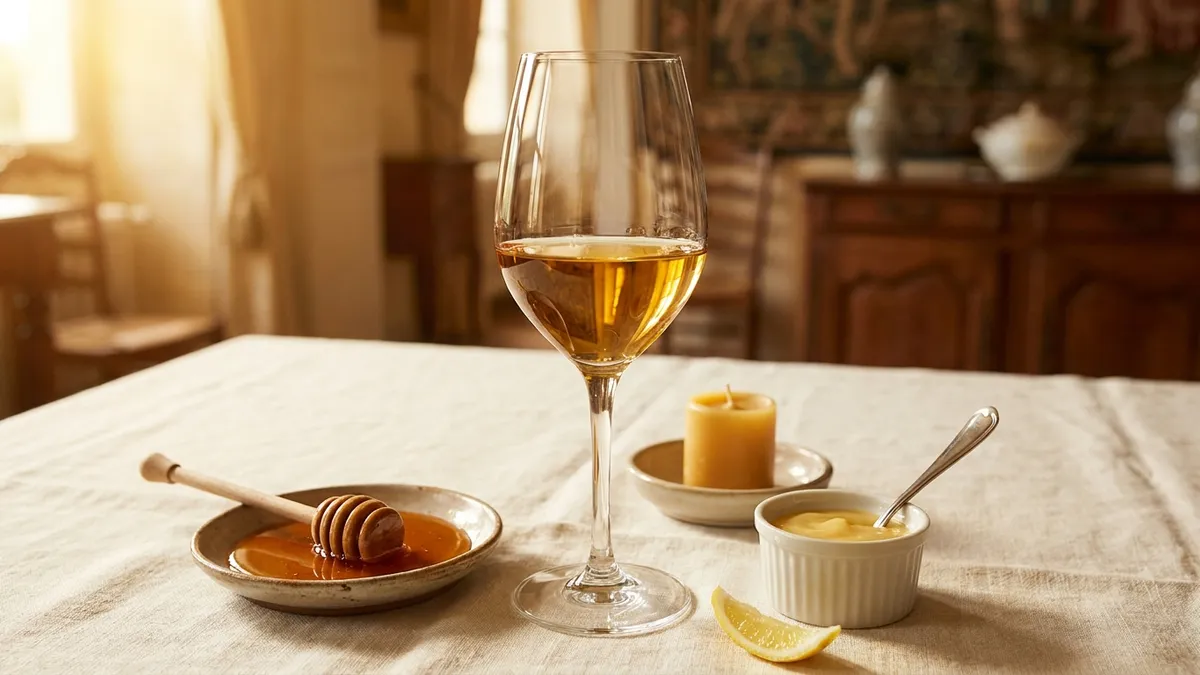
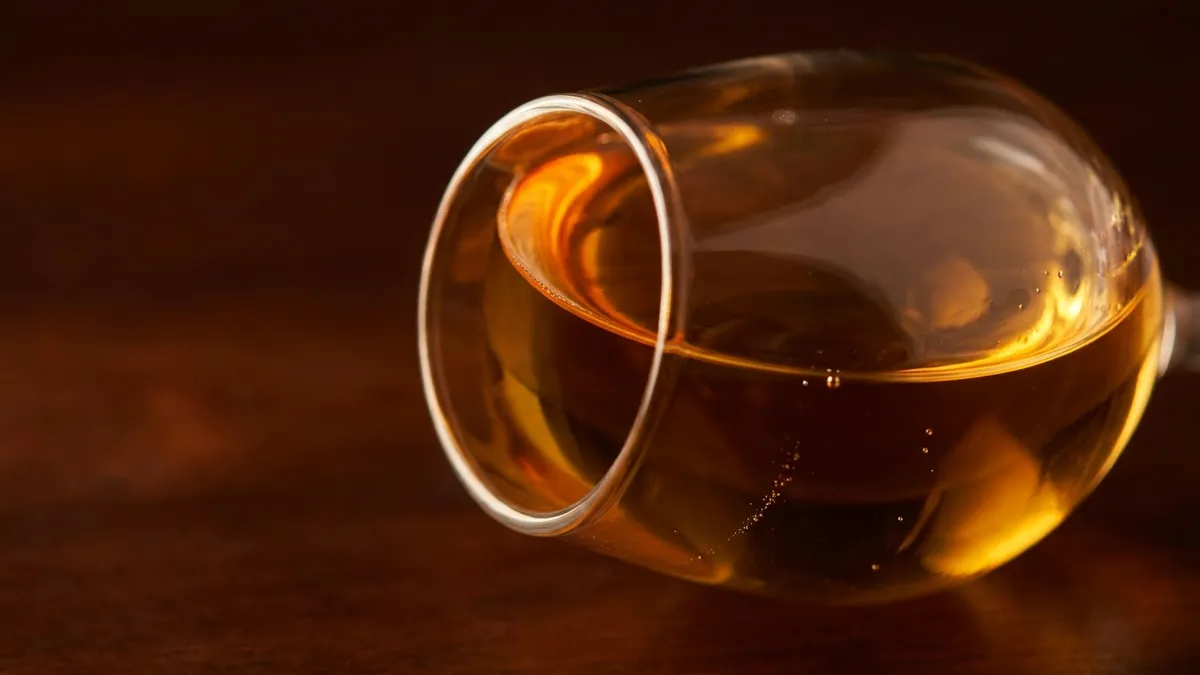
Aged sémillon turns deep gold to amber. The aromatics blossom into honey, beeswax, toasted bread, lemon curd, hazelnut, and dried apricot. The texture becomes richer, the acidity remains, and the wine takes on an unmistakable complexity. The honey-and-lanolin combination is the telltale signature of mature sémillon — once you have smelled it, you will recognize it forever.
Botrytised sémillon in Sauternes adds another dimension entirely — saffron, dried orange peel, ginger, marmalade, candied apricot, and a thick, almost viscous texture balanced by piercing acidity.
If you want to train this kind of pattern recognition systematically, the primary, secondary, and tertiary aromas framework is the cleanest way to understand how a young wine evolves into something that smells nothing like its starting point.
The Three Roles of Sémillon
1. Sauternes and the Magic of Noble Rot
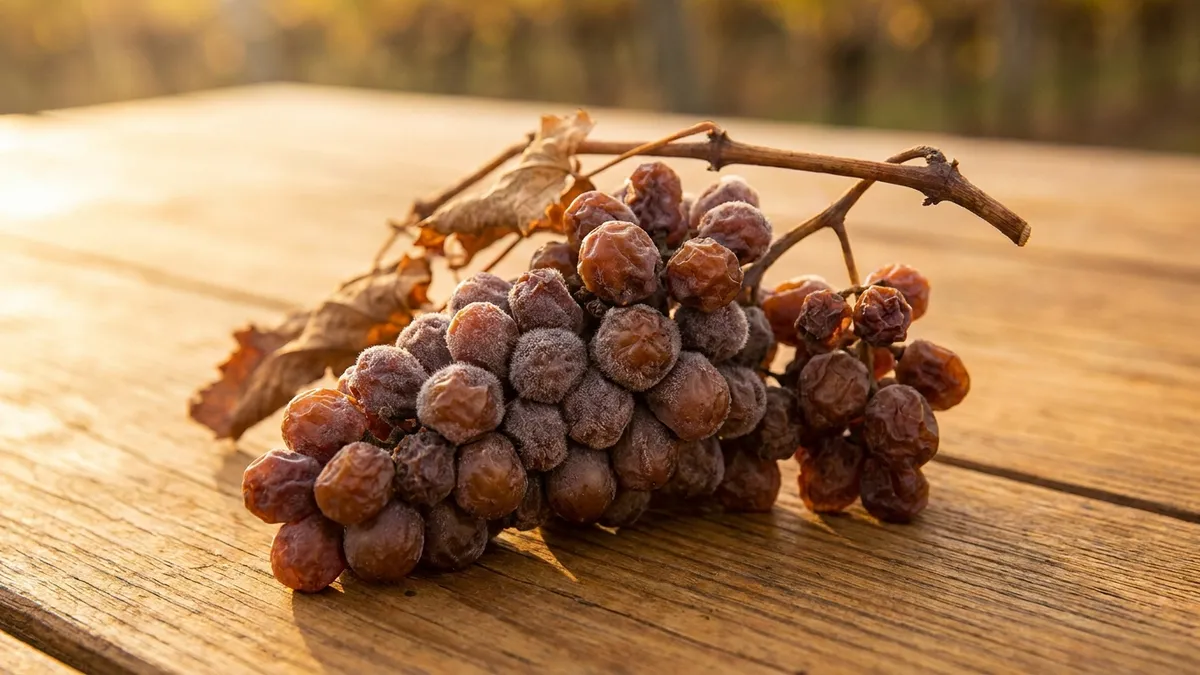
Sauternes is the most famous expression of sémillon. The wines are made from grapes deliberately affected by botrytis cinerea (a fungus that, in the right humid-then-dry conditions, dehydrates grapes and concentrates their sugar and flavor while developing complex new aromas). On most grapes, botrytis is a destructive disease. On sémillon's thin layer of waxy skin, it becomes noble rot — and a transformation begins.
Picked berry by berry over multiple passes through the vineyard, the shrivelled grapes yield tiny amounts of intensely sweet juice. The finished wine is golden, luscious, and built to age for decades. Sémillon typically makes up 70 to 90 percent of a Sauternes blend, with Sauvignon Blanc adding lift and Muscadelle contributing perfume.
The neighboring appellation of Barsac makes a slightly leaner style of the same wine, often a touch fresher and more citrussy. Cérons, Loupiac, and Sainte-Croix-du-Mont produce more affordable versions in the same family. Our full Sauternes wine guide digs into the five villages, the Ciron river microclimate, and the 1855 classification. If you want to understand the broader category, the dessert wine guide covers how Sauternes fits among the world's other late-harvest, ice, and fortified styles.
2. White Bordeaux — The Quiet Co-Star
In dry white Bordeaux, sémillon plays a supporting role to Sauvignon Blanc, but a vital one. Most Bordeaux Blanc and the great whites of Pessac-Léognan and Graves are blends, and the proportion of sémillon often determines the wine's weight and aging arc.
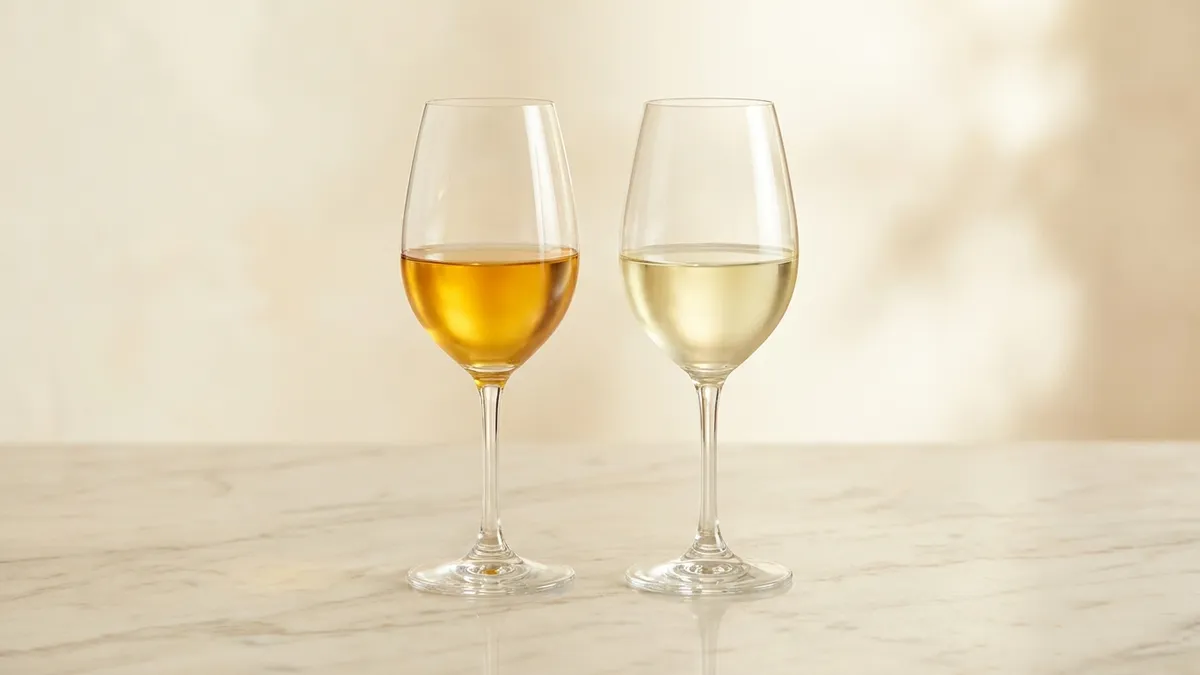
Sauvignon Blanc brings aromatic intensity — citrus, grass, gooseberry, blackcurrant leaf. Sémillon brings body, texture, and the capacity to age for ten or fifteen years in the best examples. Without sémillon, white Bordeaux would be a leaner, more typical Sauvignon. With it, the wines develop a roundness and slow-evolving complexity that puts them in their own category.
The contrast is worth tasting directly. A side-by-side comparison of a young Pessac-Léognan and a pure Sauvignon Blanc from Sancerre reveals exactly what sémillon adds — that extra middle weight, the waxy roundness, the sense that the wine is built for the long haul.
3. Hunter Valley — Australia's Singular Style
Then there is the Hunter Valley in New South Wales, where sémillon does something it does almost nowhere else on earth. The story is part of the broader Australian wine tradition, but Hunter sémillon deserves its own chapter.
Hunter winemakers harvest sémillon early, at very low ripeness — usually around 10 to 11 percent potential alcohol. There is no oak. There is no malolactic fermentation. The wine is bottled young, often within a few months, and looks unimpressive at first glance: pale, lean, citrussy, almost stark.
Then it goes into the bottle and waits.
Over 5 to 15 years, the wine transforms. The lemony freshness deepens into lemon curd. A toasty, brioche-like character develops without any oak ever touching the wine. Beeswax and lanolin emerge. The color shifts from pale lemon to deep gold. The texture rounds out while the acidity stays bright.
This is one of the wine world's quiet miracles — a grape, picked at low sugar, with no winemaking tricks, that still produces a thirty-dollar bottle capable of evolving into something that drinks like an aged grand cru. No other region or grape behaves quite this way.
Other Notable Sémillon Regions
While Bordeaux and the Hunter Valley dominate the conversation, sémillon shows up in several other quietly excellent corners of the wine world.
- Margaret River, Australia — Often blended with Sauvignon Blanc in a fresher, more aromatic Bordeaux-inspired style.
- Barossa Valley, Australia — A handful of producers make a richer, oakier sémillon, sometimes called "Barossa-style" to distinguish it from the lean Hunter version.
- South Africa — Old-vine sémillon from Franschhoek and the Western Cape can be remarkable, with a few vineyards dating back over a century.
- Washington State, USA — Cool-climate sémillon, often blended with Sauvignon Blanc in a Bordeaux model.
- Argentina — Small plantings in Mendoza producing fresh, mineral whites at the edge of the Argentine wine tradition better known for Malbec and Torrontés.
- Provence and Languedoc, France — Minor blending grape, occasionally bottled solo.

How to Taste Sémillon Wine
Sémillon rewards close attention because so much of its character lives in texture and slow-developing aroma rather than upfront fruit. A few tasting habits help.
- Serve at the right temperature. Young dry sémillon is best around 8 to 10 degrees Celsius. Aged sémillon and Sauternes show better at 10 to 12 degrees, where the aromatics open up. Too cold and you lose the honey and lanolin.
- Use a generous glass. Sémillon's aromatics are subtle and reward the larger surface area of a standard white-wine glass over a small flute or tulip.
- Swirl, then wait. Young sémillon is famously shy on the nose. Give it a minute in the glass — sometimes much more — to reveal itself. Aged examples open faster but evolve over an hour.
- Pay attention to texture. The grape's signature is mouthfeel — that slightly waxy, rounded weight that makes it sit differently on the palate than crisper whites. Pairing this with a primer on wine mouthfeel helps put the sensation into words.
- Note the acidity. Despite its rounder texture, sémillon — especially the Hunter Valley version — keeps surprising acidity into old age. That tension between richness and freshness is what makes the grape ageable.
The Sommy app's tasting flow walks you through these steps in order — sight, swirl, smell, sip — with prompts that help you separate acidity (the freshening, mouthwatering sensation that makes a wine feel alive) from body and texture, which is exactly the distinction that unlocks sémillon for most beginners.
Pairing Sémillon with Food
Sémillon is one of the most versatile pairing whites once you match the style to the dish.
Young Dry Sémillon
- Oysters and shellfish — Especially with a Hunter Valley sémillon under five years old, the lean citrus and mineral notes are a textbook match.
- Grilled white fish — Sea bass, snapper, or hake with lemon and herbs.
- Sushi and sashimi — The wine's restraint lets the fish lead.
- Goat cheese and summer salads — A classic Bordeaux Blanc pairing.
Aged Hunter Valley Sémillon
- Crab and lobster — The richness of the meat meets the wine's beeswax-and-toast complexity.
- Roast chicken with butter and herbs — A pairing that rewards both wine and dish.
- Hard cheeses — Aged Gouda, Comté, and similar nutty styles.
- Asian seafood — Steamed fish with ginger, scallops with soy and butter.
Sauternes and Sweet Sémillon
- Foie gras — The textbook pairing, with the wine's acidity cutting the richness.
- Blue cheese — Roquefort or Stilton plus Sauternes is one of the great pairings of the wine world. The wine and cheese pairing guide goes deeper on why sweet plus salty works.
- Apricot or peach desserts — Match the fruit notes in the wine.
- Crème brûlée and caramel desserts — The botrytis notes echo the cooked sugar.
- Spicy Asian dishes — Sweetness tames heat brilliantly, a trick the wine with spicy food guide covers in more detail.
How Sémillon Ages — A Drinking Window Cheat Sheet
| Style | Best Drinking Window | What Changes With Age | |---|---|---| | Inexpensive Bordeaux Blanc blend | 1 to 3 years | Stays fresh and citrus-driven; loses fruit after 3 years | | Pessac-Léognan / Graves white | 5 to 15 years | Develops honey, hazelnut, toast; texture rounds | | Hunter Valley sémillon | 5 to 15 years (top examples 20+) | Lemon curd, beeswax, lanolin, toast — without oak | | Sauternes (Barsac, Sauternes proper) | 10 to 50 years | Marmalade, saffron, dried apricot, intensified texture |
Tracking how a wine evolves over time is one of the most rewarding parts of the hobby. A simple notebook or the Sommy tasting journal works fine — the practice is more important than the format. The wine tasting journal tips guide covers what to record so the notes are still useful five years later.
Building a Sémillon Tasting Comparison
The fastest way to understand sémillon is to taste three styles side by side.
- A young dry Bordeaux Blanc — sémillon plus Sauvignon Blanc, fresh and crisp.
- A Hunter Valley sémillon with at least 8 years of bottle age — the toast-and-lanolin transformation in action.
- A young Sauternes or Barsac — the botrytis-affected sweet style.
You will see, smell, and taste a single grape doing three completely different jobs in the same flight. Few comparative tastings teach more about how climate, picking decisions, and winemaking shape a finished wine than this one.
If you are building this kind of muscle memory, horizontal wine tasting — comparing the same grape across regions or producers — is the format most professionals use, and it works just as well at a kitchen table as it does in a tasting room.
A Quiet Grape Worth Knowing
Sémillon will probably never be a household name the way Chardonnay or Sauvignon Blanc are. Its aromatics are too subtle when young, its magic too slow to reveal. But for drinkers who learn to recognize the honey-and-lanolin signature, who taste a 12-year-old Hunter sémillon for the first time, or who sit down to a glass of Sauternes with a wedge of blue cheese — the grape rewards curiosity in a way few others can match.
The Sommy app includes guided tastings for white Bordeaux blends and aged white wines so you can build the recognition skills that turn sémillon from a footnote on the back label into one of your favorite whites. Once it clicks, you will spot it on wine lists where you would never have noticed before — and you will reach for it more often than you ever expected.
Frequently Asked Questions
What does sémillon wine taste like?
Young sémillon tastes mild and waxy, with subtle lemon, pear, and dried herb notes — its aromatic intensity is low. With age, the grape transforms dramatically, developing rich notes of honey, lanolin, beeswax, toast, and lemon curd. In sweet Sauternes, botrytis adds apricot, marmalade, saffron, and ginger over a luscious, full-bodied palate.
Is sémillon a sweet or dry wine?
Sémillon is made in both styles. Dry sémillon dominates white Bordeaux blends and Australian Hunter Valley bottlings, where it produces lean, food-friendly whites. Sweet sémillon is the foundation of Sauternes, Barsac, and other late-harvest wines — where botrytis cinerea concentrates the grape's sugar and aromas into one of the world's most prized dessert wines.
What is the difference between sémillon and sauvignon blanc?
Sauvignon Blanc is highly aromatic, with grass, gooseberry, and citrus notes, and it usually has high acidity with a lean body. Sémillon is much less aromatic when young, with a rounder, waxier texture and lower acidity. The two are blended in Bordeaux precisely because they complement each other — Sauvignon brings aromatic lift, Sémillon brings weight and aging potential.
Why does Hunter Valley sémillon taste so different?
Hunter Valley sémillon is picked early at low sugar, around 10 to 11 percent potential alcohol, and is bottled unoaked with no malolactic fermentation. Drunk young it tastes lean and citrusy. Over 5 to 15 years in bottle, it transforms into a rich, complex wine with toast, honey, beeswax, and lanolin — without ever seeing a barrel.
What is Sauternes and how does it relate to sémillon?
Sauternes is a French sweet wine from Bordeaux made primarily from sémillon, with smaller proportions of Sauvignon Blanc and Muscadelle. The grapes are affected by noble rot, a beneficial fungus called botrytis cinerea that dehydrates the berries and concentrates their sugar and flavor. Sémillon's thin layer of waxy skin makes it especially receptive to botrytis.
How long does sémillon wine age?
Aging potential depends on the style. Inexpensive dry sémillon blends are best within two to three years. Hunter Valley sémillon famously rewards 5 to 15 years of cellaring, and top examples can age 20 years or more. Sauternes is one of the longest-lived wines on earth, with great vintages drinking beautifully at 30 to 50 years and beyond.
What food pairs with sémillon wine?
Young dry sémillon pairs with oysters, grilled white fish, sushi, and summer salads. Aged Hunter Valley sémillon shines with hard cheeses, roast chicken, and rich seafood like crab. Sauternes is famously matched with foie gras and blue cheese, but it also works beautifully with apricot tarts, crème brûlée, and spicy Asian dishes.
Is sémillon the same grape as sauvignon vert?
No. Sémillon and Sauvignon Vert are distinct grapes, despite the similar name. Sauvignon Vert is also known as Friulano in Italy, and was once mistakenly grown as Sauvignon Blanc in Chile. Sémillon is its own variety, with thick skin, low aromatic intensity when young, and a strong genetic link to Sauvignon Blanc as a parent of Cabernet Sauvignon.
Sommy Team
LinkedInFounder & Wine Educator
The Sommy Team is building the world's most approachable wine education app, helping beginners develop real tasting skills through structured courses and AI-guided practice.