How to Taste Dessert Wines: Sweetness, Acidity, and Balance

By the Sommy Team — AI-assisted, human-edited.
Updated Apr 29, 2026
Contents (8)
TL;DR
Tasting dessert wine well hinges on balance — without bright acid, sugar feels cloying. Use 1-2 oz pours at 8-12°C in a smaller tulip glass. Recognize four families: late-harvest, ice wine, dried-grape passito, and fortified sweet. Run the balance test. Pair with savory contrast or matched-weight desserts.
Why Dessert Wine Needs a Different Tasting Method
Tasting dessert wine uses the same sight-smell-palate-finish skeleton you know from table wine, but every step needs adjusting. The intense residual sugar (unfermented grape sugar left in the wine, measured in grams per liter) and elevated alcohol mean a pour size that feels stingy is actually correct. The narrow temperature window matters more than it does for a dry red. And the entire tasting hinges on one question that barely registers with table wine — does the acid cut the sugar?
Get the how to taste dessert wine mechanics right and a Sauternes or a late-harvest Riesling reveals itself as one of the most layered things you can put in a glass. Get them wrong and even a great bottle reads as one-dimensional sweetness. This guide walks through the four major families, the sensory protocol for each, and the balance test that separates a memorable sweet wine from a tiring one.
For the production side — which grapes, which methods, which regions — the dessert wine guide is the companion piece to this article. This one is the tasting playbook.
The Method, in 120 Words
Tasting dessert wine prioritizes balance between sweetness and acid — without acid, sweet wine tastes cloying. Use small pours of 1-2 ounces in a smaller tulip glass. Serve at 8-12°C; oxidative styles slightly warmer. Recognize four families: Late-Harvest (Sauternes, German Auslese-TBA, Tokaji Aszú — botrytized concentration, honey and apricot and saffron), Ice Wine (Eiswein — pure crystallized fruit from frozen grapes), Passito and Vin Santo (dried-grape concentration, often oxidative), and Fortified Sweet (Port, PX Sherry, Madeira, Maury — grape spirit added to preserve sugar). Smell first for the family signature, sip small, run the balance test, and pair with savory contrasts or desserts of matched weight. Pause between sips — palate fatigue is the enemy.
Setting Up the Tasting
Before any sweet wine touches the glass, three setup choices shape everything that follows.
Pour Size
One to two ounces, every time. A standard 5-ounce wine pour applied to a 14% late-harvest Riesling or an 18% Maury will exhaust your palate by the second sip and your liver before lunch. Half bottles (375ml) exist precisely because dessert wine is meant to be drunk in small servings. Treat each pour as the start of a slow conversation, not a glass to drain.
Temperature
Most dessert wine drinks best between 8 and 12°C — refrigerator-cool but not ice cold. Cold tightens the perception of sugar and pushes the acid forward, which is what you want from a sweet wine. Two important exceptions:
- Ice wine and fresh late-harvest styles — slightly colder, 6-8°C, to preserve their bright stone-fruit lift
- Oxidatively aged sweet wines (Vin Santo, aged Tokaji, Madeira, Tawny Port) — slightly warmer, 12-14°C, so the nutty caramel complexity opens
For the full breakdown, the wine serving temperature chart gives the windows for every style.
Glassware
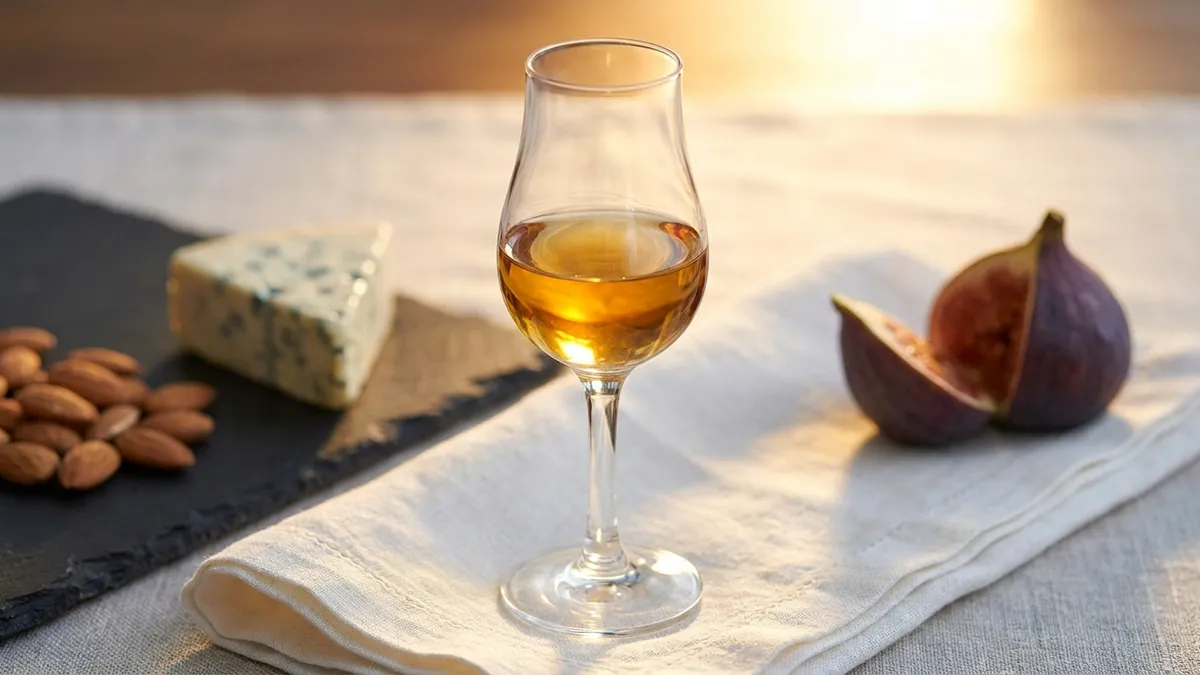
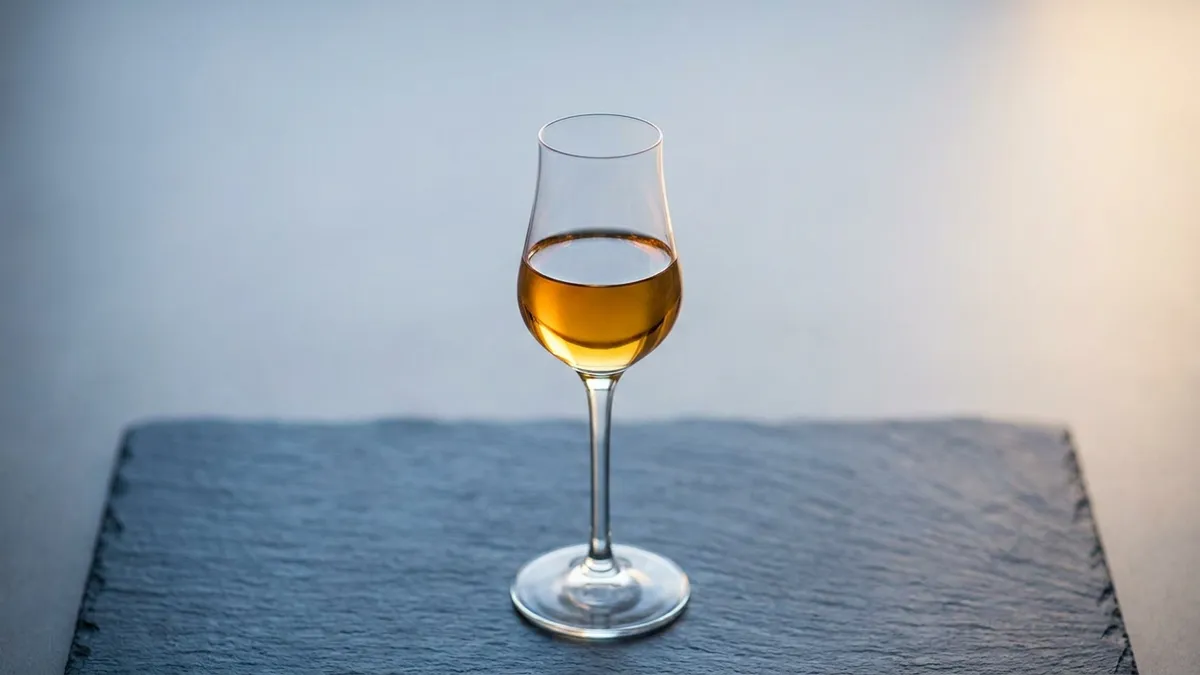
Use a smaller tulip-shaped glass — around 150-200ml total capacity. The narrower bowl concentrates the delicate aromatics without flooding your nose with alcohol or sugar volatiles. A standard Bordeaux glass with a 1-ounce pour leaves the wine hiding at the bottom of a vast empty bowl. A copita, a sherry tulip, or a small ISO tasting glass all work across the whole sweet-wine spectrum. The shape question is unpacked in does wine glass shape affect taste — for dessert wine, the answer is yes, more than usual.
The Four Families of Dessert Wine
A dessert wine's family is the single most useful piece of context before tasting. Each family produces a recognizable signature that anchors the whole tasting note.
Family 1: Late-Harvest and Botrytized Wines
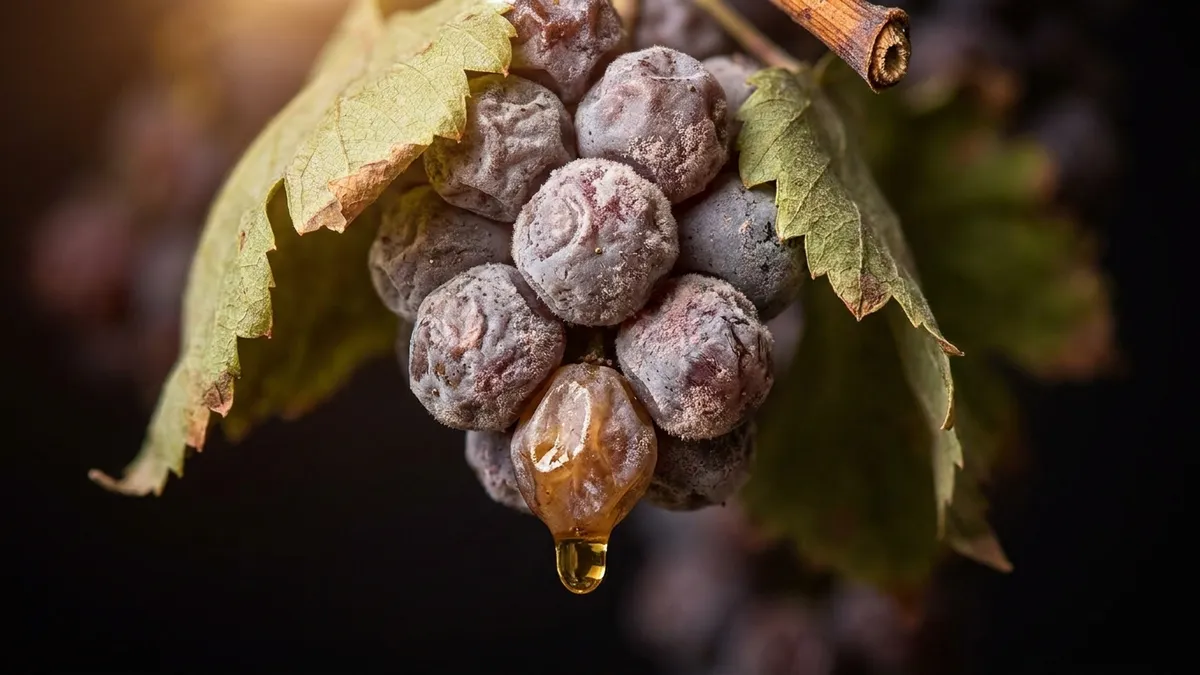
Made from grapes left on the vine well past normal harvest, often affected by noble rot (Botrytis cinerea — a beneficial fungus that punctures the grape, evaporates water, and concentrates everything inside). The category covers Sauternes from Bordeaux, German Auslese through Trockenbeerenauslese, Tokaji Aszú from Hungary, Selection de Grains Nobles from Alsace, and Monbazillac from southwest France.
The signature — honey, dried apricot, saffron, candied orange peel, marmalade. Botrytized wines often carry a distinctive spicy-medicinal note that experienced tasters call "botrytis spice." The body is rich and viscous, but bright acid keeps the wine from feeling syrupy.
What to look for — the saffron-honey marker. If it's there, you're tasting noble rot, not just late-harvest sugar.
Family 2: Ice Wine
Made from grapes frozen on the vine, harvested at -7°C or colder, and pressed while still frozen. The water stays in the press as ice; the concentrated sugar-acid solution drips out as wine. Canada (Niagara), Germany (Eiswein), and Austria are the main producers.
The signature — pure crystallized fruit. Tropical mango, lychee, peach, white flowers, sometimes a honey hint. Unlike botrytis wines, ice wine carries no oxidative or moldy character — it's clean, lifted, almost laser-cut. The acid is searing.
What to look for — the brightness. Ice wine should feel weightless on the palate despite the sugar. If it feels heavy, it's either over-warm or not very good ice wine.
Family 3: Passito and Vin Santo
Made by drying grapes on mats or in lofts for weeks to months before pressing — a technique called appassimento. The water evaporates, sugars and flavors concentrate, and the wine is fermented from raisin-like fruit. Vin Santo from Tuscany, Passito di Pantelleria from Sicily, Recioto della Valpolicella from Veneto, and Vin de Paille from the Jura are the classics.
The signature — caramel, roasted hazelnut, dried fig, toffee, honey. Most passito-style wines age oxidatively in small barrels, which adds a nutty, almost sherry-like complexity that distinguishes them from fresh late-harvest wines.
What to look for — the oxidative cue. If it tastes like fresh fruit, it's not finished aging. If it tastes like dried fruit and caramel, it's where it should be.
Family 4: Fortified Sweet Wines
Grape spirit added during fermentation to kill the yeast before all the sugar converts. Port, Banyuls, Maury, Rasteau, Maury, Vin Doux Naturel, Pedro Ximenez Sherry, Malmsey Madeira, and Marsala Dolce all live here. The full tasting protocol for fortified wines has its own how to taste fortified wine playbook — the dessert-wine version focuses on the sweet end of that family.
The signature — varies dramatically. Ruby and Vintage Port show concentrated black fruit, spice, and a warming finish. PX Sherry shows molasses, raisin, fig, and dark chocolate at residual sugar levels that can pass 400 g/L. Madeira shows cooked-fruit caramel and a startling acid spine that survives oxidation for decades.
What to look for — the alcohol heat behind the sugar. Fortified sweet wines run 17-22% alcohol; the heat should be present but not aggressive. If alcohol burns through the fruit, the wine is unbalanced or under-aged.
The Balance Test
Every dessert wine tasting comes down to one question: does the acid cut the sugar?
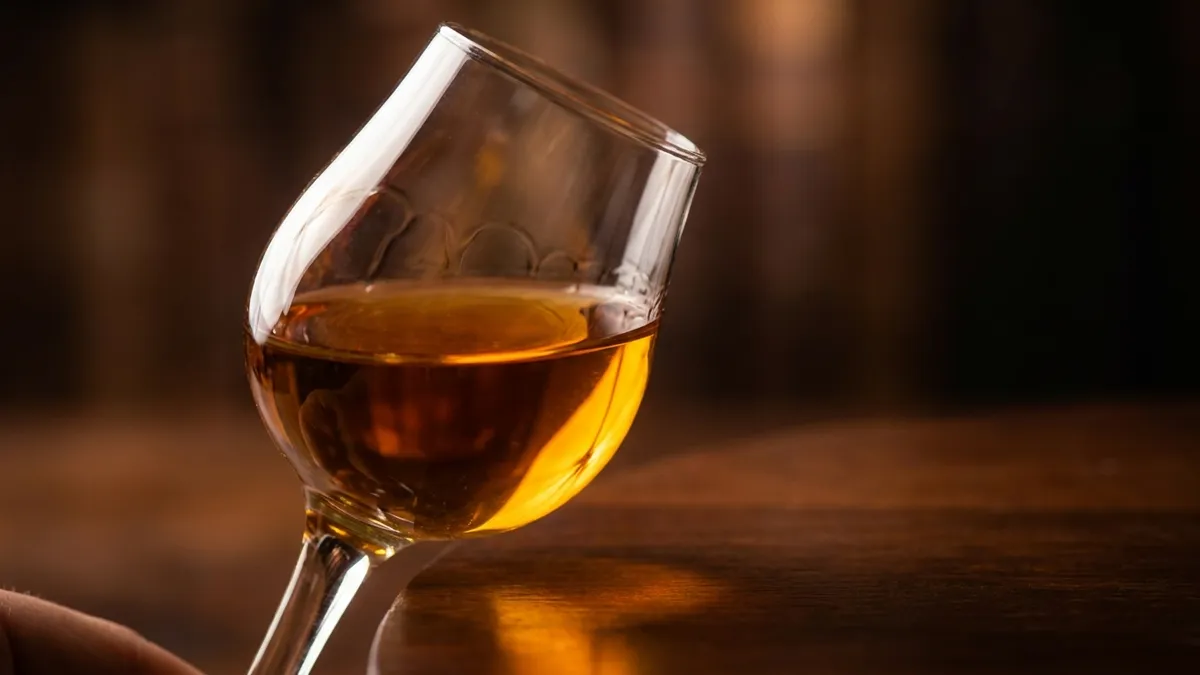
Sugar without acid feels heavy, sticky, and tiring. Acid without sugar feels sour and lean. The interaction between the two is what gives great dessert wine its lift. Run the balance test on every glass:
- Take a small sip and hold it for five seconds. Don't swallow yet.
- Note where the sweetness sits — tip of the tongue first, then sides.
- Wait for the acid signal — a tightening on the sides of the tongue, a tartness at the back.
- Swallow and pause. Count five seconds.
- Ask: does the finish leave your mouth feeling refreshed, or coated?
A balanced dessert wine leaves the palate clean and ready for the next sip. A cloying wine leaves a sticky film that needs water to wash away. The chemistry behind this is unpacked in what is wine acidity and wine balance explained — for dessert wine, the principle distills to one rule: high sugar demands high acid, no exceptions.
Pairing Dessert Wine With Food
Two pairing strategies work, and they pull in opposite directions.
Strategy 1: Savory Contrast
Pair sweet wine with salty, fatty, or umami-rich savory food. The contrast amplifies both elements — the wine tastes more layered, the food tastes more interesting. This is often where dessert wine shows its most dramatic side.
- Sauternes with blue cheese, foie gras, or aged Comté
- Tokaji Aszú with goose liver, salted nuts, or aged hard cheese
- PX Sherry drizzled over vanilla ice cream, or with very dark chocolate
- Vin Santo with biscotti dipped directly in the glass — the classic Tuscan ritual
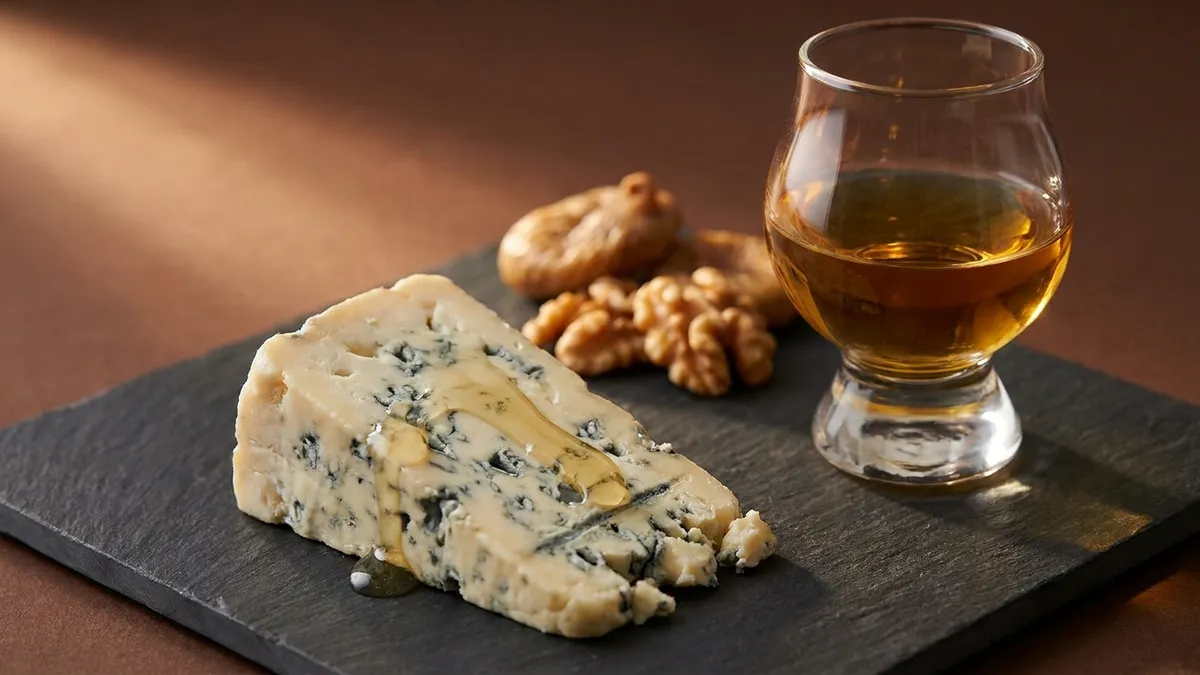
- Port with Stilton, walnuts, and dried fig
The blue-cheese-and-Sauternes pairing is the textbook example for a reason — the salt in the cheese cuts the sugar, the sugar in the wine softens the cheese's bite, and the acidity of both keeps the whole interaction fresh.
Strategy 2: Matched-Weight Desserts
When pairing with actual dessert, the rule is simple: the wine must be at least as sweet as the food. A sweeter food makes the wine taste thin and sour. A sweeter wine makes the food taste plain.
- A fruit tart with moderate sweetness pairs with late-harvest Riesling or Vouvray Moelleux
- A chocolate cake needs serious sugar — Port, Banyuls, or PX
- An almond biscotti pairs with Vin Santo
- A crème brûlée matches Sauternes or Tokaji
- A fresh fruit dessert with stone fruit pairs with ice wine
Detailed pairing logic by cacao percentage and dessert weight lives in the wine with chocolate and wine and food pairing guides.
Common Confusions to Avoid
A few persistent traps worth naming directly.
Sweet Does Not Mean Low Quality
Some of the most prestigious wines in the world are dessert wines. Tokaji was court wine to the European nobility for three centuries. Top Sauternes outprices most Bordeaux first growths. German TBA Riesling is among the most expensive German wine produced. The cultural bias toward dryness is a 20th-century shift, not a quality judgment. If you've been avoiding sweet wine, you've been skipping a category many sommeliers consider the apex of the entire wine world.
Oxidative Sweet vs Fresh Sweet Are Not the Same
A young Sauternes and a 30-year Vin Santo can both be described as "sweet" but taste like wines from different planets. Fresh sweet wines lead with fruit — apricot, peach, citrus, honey. Oxidatively aged sweet wines lead with caramel, hazelnut, walnut, dried fig, and a savory complexity called rancio (a desirable nutty-mushroomy character that develops with long oxidative aging). Knowing which style you're about to drink prepares your nose for what you'll find.
Higher Alcohol Doesn't Mean More Cloying
Counterintuitively, fortified sweet wines often feel less cloying than unfortified ones because the alcohol thins out the sugar perception on the palate. A 19% Maury can taste cleaner on the finish than a 12% off-dry Riesling with the same residual sugar. Alcohol is a structural element, not just a number on the label.
Age-Worthiness Varies Enormously Within the Category
Don't assume all dessert wine ages forever. Top Sauternes and Tokaji Aszú can hold for 50-100 years. German TBA Riesling can outlive most great red wine. But ice wine and fresh late-harvest styles often peak in 5-15 years and decline gracelessly past that. PX Sherry is typically released ready to drink and changes little after that. Check the producer's notes or ask the shop staff — there is no single rule for the whole family.
Building Sweet-Wine Tasting Confidence
Three bottles, three methods, one evening. Buy a late-harvest Riesling, a Sauternes or Monbazillac, and a Tawny Port. Pour 1 ounce of each into matching tulip glasses at the right temperature. Run the balance test on each. Note the family signatures — fruit lift on the Riesling, honey and saffron on the Sauternes, caramel and oxidation on the Port. By the end you'll have three reference points that anchor every dessert wine you taste afterwards.
If you've already worked through the broader how to taste wine and develop your wine palate basics, dessert wine is the natural next horizon. The skills transfer cleanly — the difference is the small pour, the temperature window, and the balance test.
The Sommy app structures sweet-wine tasting practice with reference samples, calibrated sweetness levels, and side-by-side comparisons across the four families. The same balance test is built into every guided session, so the muscle memory builds without you having to think about it.
Sommelier tip: if a dessert wine starts to taste tiring after three sips, it's not your palate — it's the wine. Great sweet wine makes you want the next sip more, not less. The balance test is the gatekeeper.
For structured practice that builds dessert-wine intuition through real reference wines and progressive comparison flights, Sommy offers courses that cover the full sweetness spectrum alongside the rest of the tasting curriculum. Most beginners skip the sweet-wine section entirely; the ones who don't end up with a meaningfully more complete palate.
Frequently Asked Questions
How do you taste dessert wine properly?
Pour 1-2 ounces into a smaller tulip glass at 8-12°C. Smell first for honey, dried fruit, citrus peel, or oxidative caramel. Take a small sip and hold it for five seconds. Read sweetness on the tip of the tongue and acidity on the sides. Ask whether the acid cuts the sugar — that is the balance test. Wait between sips so palate fatigue does not blunt every wine that follows.
What temperature should dessert wine be served at?
Most dessert wine shows best at 8-12°C — cooler than red wine, slightly warmer than a bone-dry white. Cold tightens the sugar and lifts the acid, which is exactly what most sweet wines need. Ice wine and fresh late-harvest styles can go a little colder, around 6-8°C. Oxidatively aged sweet wines like Vin Santo or aged Tokaji prefer 12-14°C so the nutty complexity opens up.
Why does dessert wine taste cloying sometimes?
Cloying happens when sugar arrives without enough acid to balance it. Without bright acidity, the sweetness sits on the palate, coats the tongue, and feels heavy after a few sips. Great dessert wines — Sauternes, Tokaji Aszú, ice wine, German TBA — all carry searing acid behind the sugar. Cheaper sweet wines often miss this balance, which is why they feel tiring rather than refreshing.
Should you pair dessert wine with dessert or with savory food?
Both work, but the rules are different. With dessert, the wine must be at least as sweet as the food, or the food will make the wine taste thin and sour. With savory food, sweet wine pairs by contrast — Sauternes with blue cheese or foie gras, Tokaji with goose liver, Vin Santo with roasted nuts. Savory pairings often show off dessert wine more dramatically than the dessert pairings themselves.
How small should the pour be for dessert wine?
One to two ounces — about a third of a normal wine pour. The high sugar concentration and elevated alcohol (often 12-15% on table-style sweet wines, 17-20% on fortified) make a little go a long way. Smaller pours also let you taste several styles in one sitting without palate fatigue. Most dessert wines are sold in 375ml half bottles for exactly this reason.
Does dessert wine age well?
It varies dramatically by style. Top Sauternes, Tokaji Aszú, German TBA, and vintage Madeira can age 30 to 100+ years, deepening into honey, dried apricot, caramel, and saffron. Ice wine and fresh late-harvest styles peak earlier, often in 5-15 years, and are usually best young when their fruit is brightest. PX Sherry and Vin Santo are typically released ready to drink.
Is sweet wine lower quality than dry wine?
No — and this is one of the most persistent myths in wine. Some of the world's most expensive and historically prestigious wines are dessert wines. Tokaji was the favored wine of European royalty for three centuries. Top Sauternes outprices most Bordeaux first growths. The bias toward dryness is a 20th-century shift, not a quality judgment. Sweet wines simply require different tasting skills to appreciate.
What glass should you use for dessert wine?
Use a smaller tulip-shaped glass — around 150-200ml capacity — rather than a full Bordeaux or Burgundy stem. The narrower bowl concentrates the delicate aromatics without flooding your nose with alcohol or sugar volatiles. Pour only enough to cover the base, around 60-90ml. Many sherry copitas, dessert-wine glasses, and small ISO tasting glasses work well across the whole sweet-wine spectrum.
Sommy Team
LinkedInFounder & Wine Educator
The Sommy Team is building the world's most approachable wine education app, helping beginners develop real tasting skills through structured courses and AI-guided practice.