Cabernet Sauvignon: The King of Red Grapes Explained

By the Sommy Team — AI-assisted, human-edited.
Updated Apr 29, 2026
Contents (10)
- Why Cabernet Sauvignon Earns the Crown
- Cabernet Sauvignon, in 100 Words
- A Grape Born by Accident: The 1996 DNA Discovery
- Where Cabernet Sauvignon Grows Best
- What Cabernet Sauvignon Actually Tastes Like
- Oak and the Cabernet Tradition
- Food Pairing: Why Steak and Cabernet Are Inseparable
- How Cabernet Sauvignon Ages
- Reading the Label and Setting Expectations
- Build a Cabernet Reference in Your Palate
TL;DR
Cabernet Sauvignon is the world's most planted red grape — a natural cross of Cabernet Franc and Sauvignon Blanc with thick skins, firm tannin, and signature blackcurrant and cedar aromas. It thrives in Bordeaux's Left Bank, Napa Valley, Coonawarra, Maipo, and Stellenbosch, ages thirty years or more, and pairs famously with steak.
Why Cabernet Sauvignon Earns the Crown
If wine had a monarchy, Cabernet Sauvignon would wear the crown. It is the most planted wine grape on earth, the structural backbone of Bordeaux's most famous wines, and the variety that built Napa Valley's reputation in a single afternoon at the 1976 Judgment of Paris. The cab sauv label sells more bottles globally than any other red.
This cabernet sauvignon wine guide explains where the grape came from, where it grows best, what it actually tastes like, why it has such a long aging curve, and how to pair it at the table. Whether you are buying your first bottle of Cabernet or trying to make sense of why a Pauillac and a Napa example feel so different, the framework below gives you the structural map.
Cabernet Sauvignon, in 100 Words
Cabernet Sauvignon is the world's most planted red grape and the unofficial king of reds. DNA testing at UC Davis in 1996 proved it is a natural cross of Cabernet Franc and Sauvignon Blanc that occurred spontaneously in southwestern France, probably in the 17th century. The grape produces deep ruby-purple wines with very firm tannin, high acidity, full body, and 13.5 to 15 percent alcohol. Signature aromas include blackcurrant, cedar, graphite, mint, and green bell pepper when under-ripe. Star regions are Bordeaux's Left Bank, Napa Valley, Coonawarra, Maipo, and Stellenbosch. Top examples cellar 30 years or more.
A Grape Born by Accident: The 1996 DNA Discovery
For most of its history, Cabernet Sauvignon's parentage was a mystery. Wine historians had theories. Vineyard records hinted at family connections. But nobody knew for certain where the grape had actually come from until a team of researchers led by Carole Meredith at the University of California, Davis applied DNA fingerprinting techniques to wine grapes in the mid-1990s.
In 1996, the result was published. Cabernet Sauvignon is a natural hybrid of two completely different varieties — Cabernet Franc (a red grape) and Sauvignon Blanc (a white grape) — that crossed by chance in a southwestern French vineyard, almost certainly in Bordeaux, probably in the 17th century. No human breeder planned it. A bee or a stray pollen grain did the work, and the seedling that survived turned out to be one of the most successful grape varieties in agricultural history.
The genetic accident explains a lot. Cabernet Sauvignon shows the dark fruit and herbal notes of its red parent and the high acidity and pyrazine-driven green pepper note of its white parent. It is, in a literal sense, the offspring of a red and a white grape — and you can taste both sides of the family in every glass. For a deeper look at the parent grape, see our Cabernet Franc wine guide.
Where Cabernet Sauvignon Grows Best
Cabernet Sauvignon is a late-ripening grape — it needs a long, warm growing season to fully mature its sugars, tannins, and aromatic compounds. In cool climates with short summers, the grape often fails to ripen and produces wines dominated by under-ripe green-pepper notes. In warm climates with reliable sun, the grape excels.
That climate requirement narrows the world map of great Cabernet down to a handful of regions where the variety has earned a reputation for producing wines that age, that travel, and that command premium prices.
Bordeaux Left Bank, France
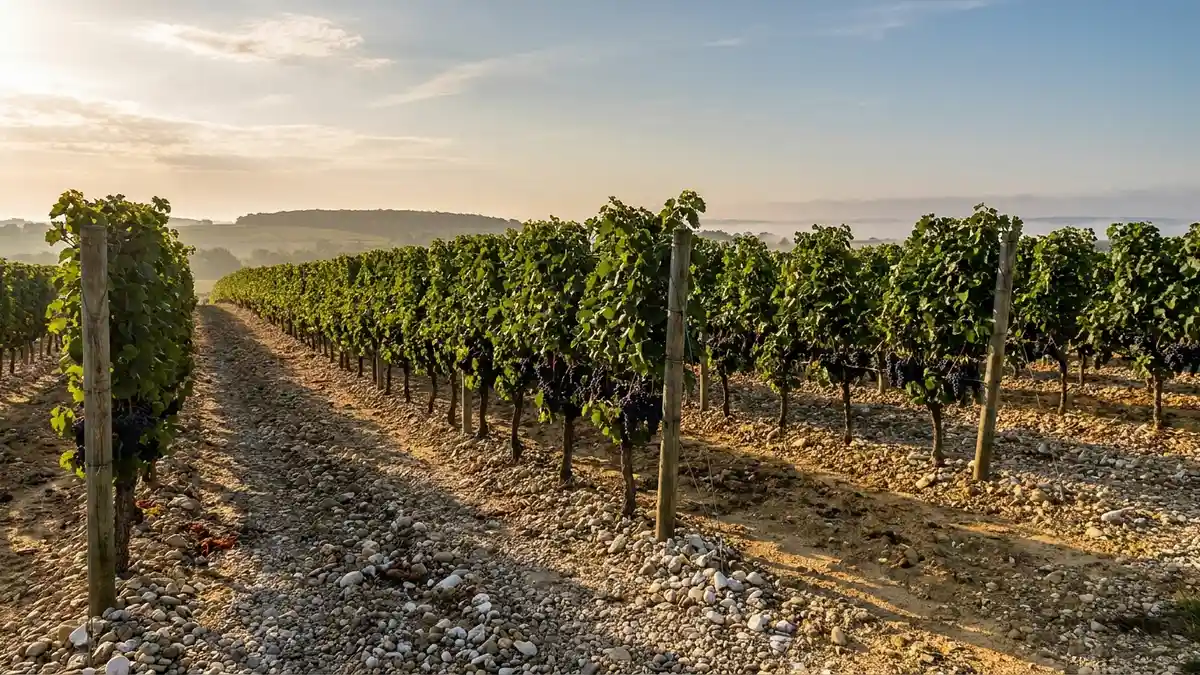
The spiritual home. Cabernet Sauvignon is the primary blending grape of Bordeaux's Left Bank — the gravelly soils on the western side of the Gironde estuary that include the appellations of Médoc, Pauillac, Saint-Estèphe, Saint-Julien, and Margaux. Left Bank blends typically run 60 to 80 percent Cabernet Sauvignon, with Merlot and small amounts of Cabernet Franc, Petit Verdot, and Malbec rounding out the recipe.
The gravel beds drain quickly, force the vine roots to dig deep, and reflect heat back onto the grape clusters during the long Atlantic-influenced growing season. The resulting wines are firm, structured, and built to age — austere when young, transcendent at 20 to 40 years. For a broader regional picture, see our guide to French wine regions.
Napa Valley, California
Napa Valley made Cabernet Sauvignon famous outside Europe. Unlike Bordeaux, where the grape almost always blends with others, Napa Cabernet is frequently bottled as 100 percent varietal or with only token additions of Merlot or Petit Verdot. The warm Mediterranean climate produces riper, fruitier, more powerful wines than the Left Bank — bigger blackcurrant, more vanilla from new American or French oak, higher alcohol, and richer texture.
The 30-mile stretch from Carneros in the south to Calistoga in the north contains 16 distinct AVAs, each producing a recognizably different style of Cabernet. For more on the region's geography, see our Napa Valley wine guide.
Coonawarra, Australia
Coonawarra is a small strip of South Australia famous for one thing: a streak of bright red terra rossa soil sitting over a base of limestone. The combination — iron-rich topsoil that warms quickly, cool limestone underneath that holds water — produces Cabernet with intense dark fruit, a distinctive eucalyptus note, and elegant structure. Coonawarra Cabernet is often described as the closest Australian analog to top Bordeaux.
Maipo Valley, Chile
Chile's Maipo Valley sits in the foothills of the Andes just south of Santiago. The combination of warm days, cool mountain nights, and dry summers produces ripe but balanced Cabernet at extremely competitive prices. The wines often show a signature minty or herbal note alongside the blackcurrant fruit.
Stellenbosch, South Africa
Stellenbosch is the heart of South African red wine production and the country's strongest Cabernet region. The wines tend toward a smoky, slightly savory style with firm tannin and good aging potential — distinctive within the global Cabernet family.
Ningxia, China
The newest name on this list is Ningxia, in China's high desert at the foot of the Helan Mountains, where Cabernet Sauvignon is the dominant grape and the wines are ripe, structured, and oak-framed. It is the fastest-rising Cabernet frontier in the world — our Chinese wine guide covers the region, its grapes, and why growers there bury their vines every winter.
What Cabernet Sauvignon Actually Tastes Like
The structural and flavor signature of Cabernet Sauvignon is one of the most recognizable in all of wine. Once you have tasted the grape three or four times alongside its peers, you will identify it almost instantly in a blind setting.
Color and Appearance
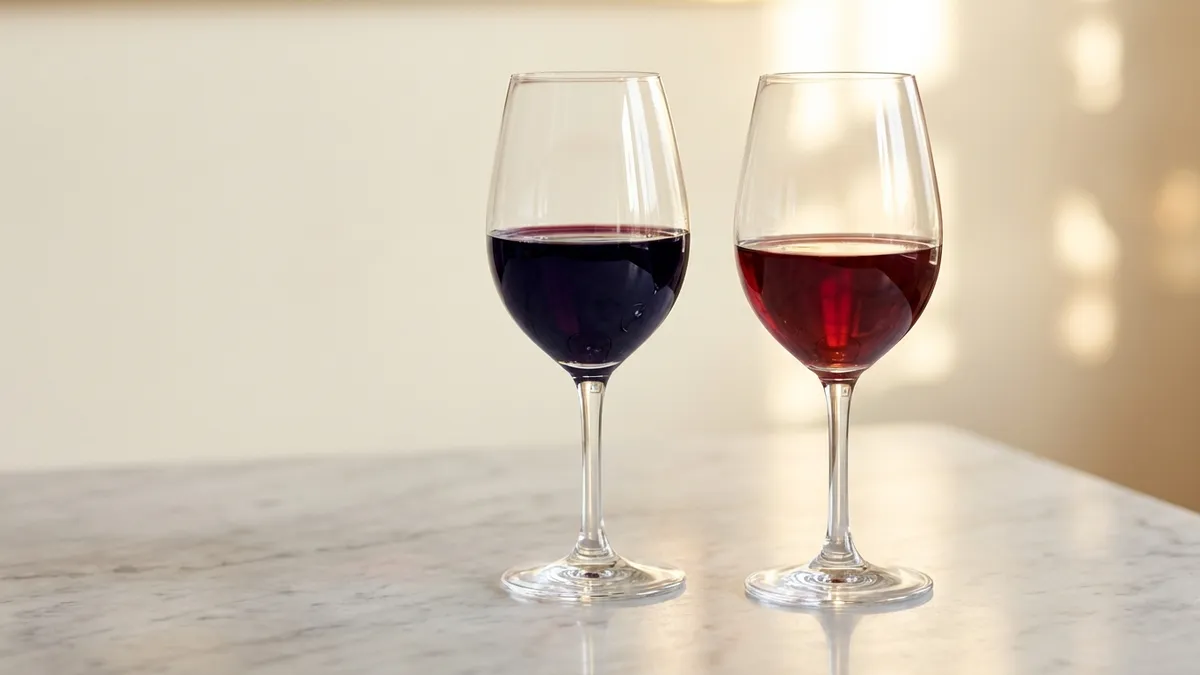
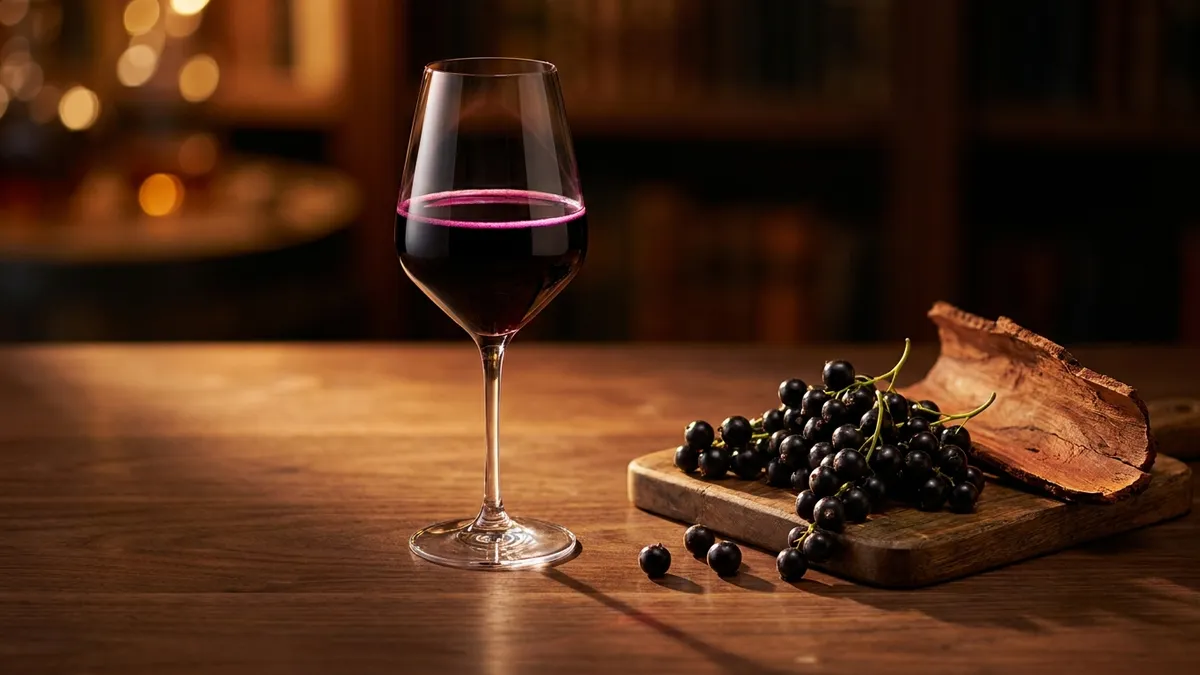
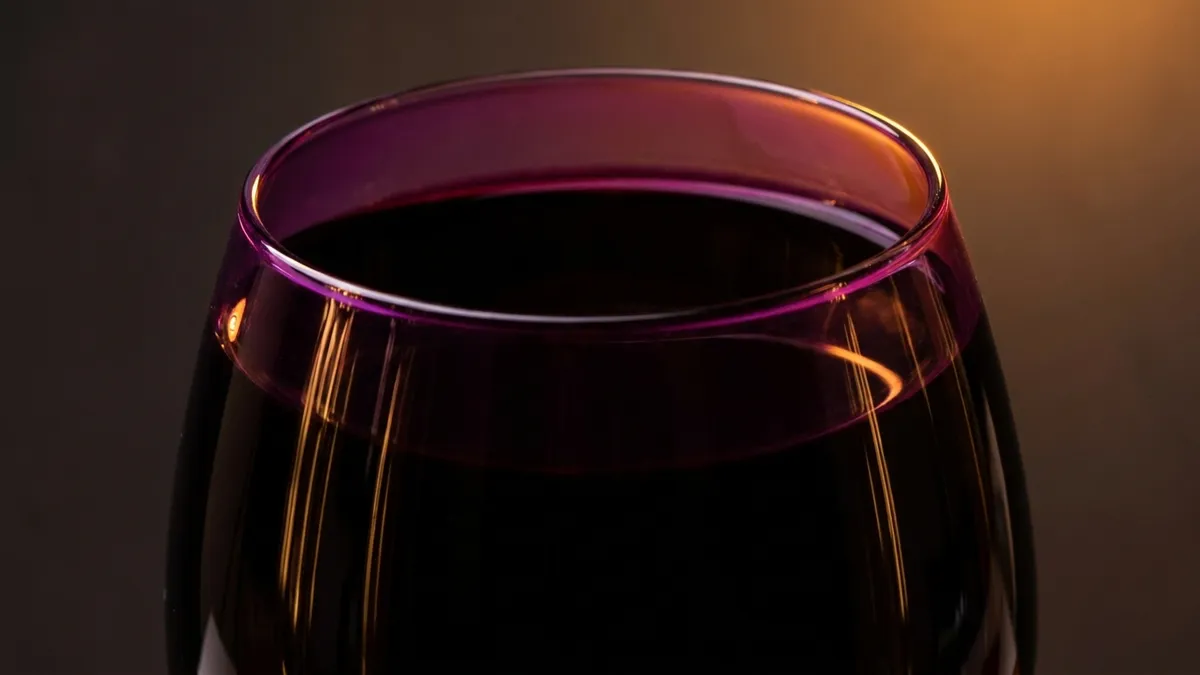
Deep ruby-purple, often almost opaque in the core, with a violet or magenta rim when young. As the wine ages, the color shifts toward garnet and finally toward brick at the rim. Cabernet's color depth comes from the grape's thick skins and high anthocyanin content.
Aroma Signature
- Primary fruit: blackcurrant (cassis), black cherry, blackberry, dark plum
- Herbal and mineral: cedar, tobacco, graphite (pencil lead), mint, eucalyptus, green bell pepper (when under-ripe)
- Oak markers: vanilla, toast, coffee, chocolate, sweet spice
- Aged tertiary: leather, cigar box, dried fig, truffle, forest floor
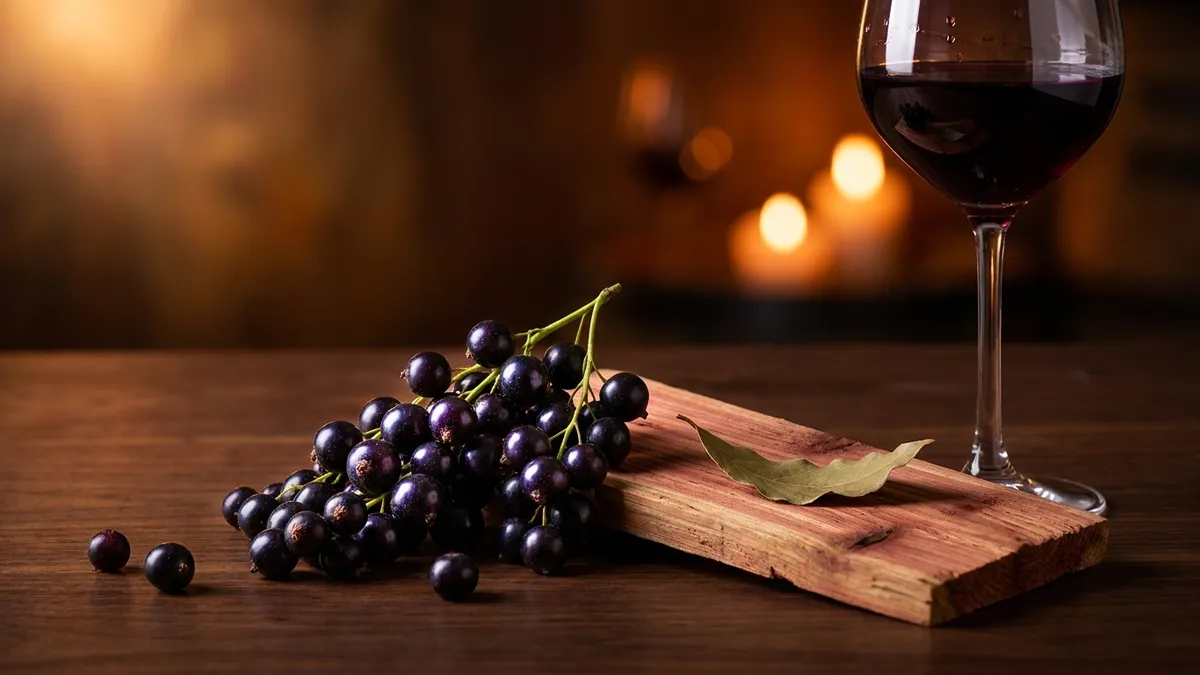
The single most diagnostic note is blackcurrant — the cassis aroma that is so consistent across regions and producers that it has become the grape's universal fingerprint. If you smell cassis in a red wine before anything else, the odds are very high that you are drinking Cabernet Sauvignon.
Structure on the Palate
Cabernet Sauvignon is built on very firm tannin — the drying, gripping sensation that comes from compounds extracted out of the grape's thick skins during fermentation. Young Cabernet can feel almost aggressive on the gums, with a grippy finish that takes years to soften. The tannin works alongside high acidity and full body to give the wine its backbone and aging potential. Alcohol typically lands between 13.5 and 15 percent depending on climate.
For a deeper look at how tannin, acidity, and body interact, see understanding tannins, acidity, and body. To practice picking Cabernet's structure out of a glass, the how to taste red wine walkthrough breaks the process down step by step.
Cabernet Sauvignon vs Cabernet Franc
Side by side, Cabernet Franc shows the family DNA at a lower volume — lighter color, gentler tannin, less alcohol, more red fruit and violet, often a stronger green pepper note. Cabernet Sauvignon is darker, fuller, more tannic, and more imposing in every dimension. Cabernet Franc is the elegant older relative; Cabernet Sauvignon is the powerful descendant.
Cabernet Sauvignon vs Merlot
The most common comparison most beginners encounter. Cabernet has higher tannin, higher acidity, darker fruit, and longer aging potential. Merlot has softer tannin, lower acidity, plummier fruit, and a rounder, more immediately approachable feel. Together they make Bordeaux blends; apart they are the two most planted red grapes in the world. The full breakdown lives in our Cabernet Sauvignon vs Merlot comparison.
Oak and the Cabernet Tradition
Almost every quality Cabernet Sauvignon spends time in oak barrels — usually French oak, sometimes American, occasionally a mix. Oak does three things to Cabernet that the grape cannot do for itself.
First, it adds aromatic complexity: vanilla and sweet spice from compounds in the wood, toast and smoke from the barrel-charring process, and coconut or dill in the case of American oak. Second, it allows controlled oxygen exchange through the porous wood, which softens the harshest tannin edges over 12 to 24 months of aging. Third, it adds a small amount of additional tannin from the wood itself, integrating with the grape's natural tannin to build a more complex structure.
Top Bordeaux Left Bank wines and high-end Napa Cabernets typically age in 100 percent new French oak barrels — the most expensive and most flavor-active type — for 18 to 24 months. Mid-tier wines use a mix of new and used oak. Entry-level wines use mostly used oak or even oak chips for the same flavor effect at a lower cost. For more on how oak shapes flavor, see our oak flavors in wine tasting guide.
Food Pairing: Why Steak and Cabernet Are Inseparable
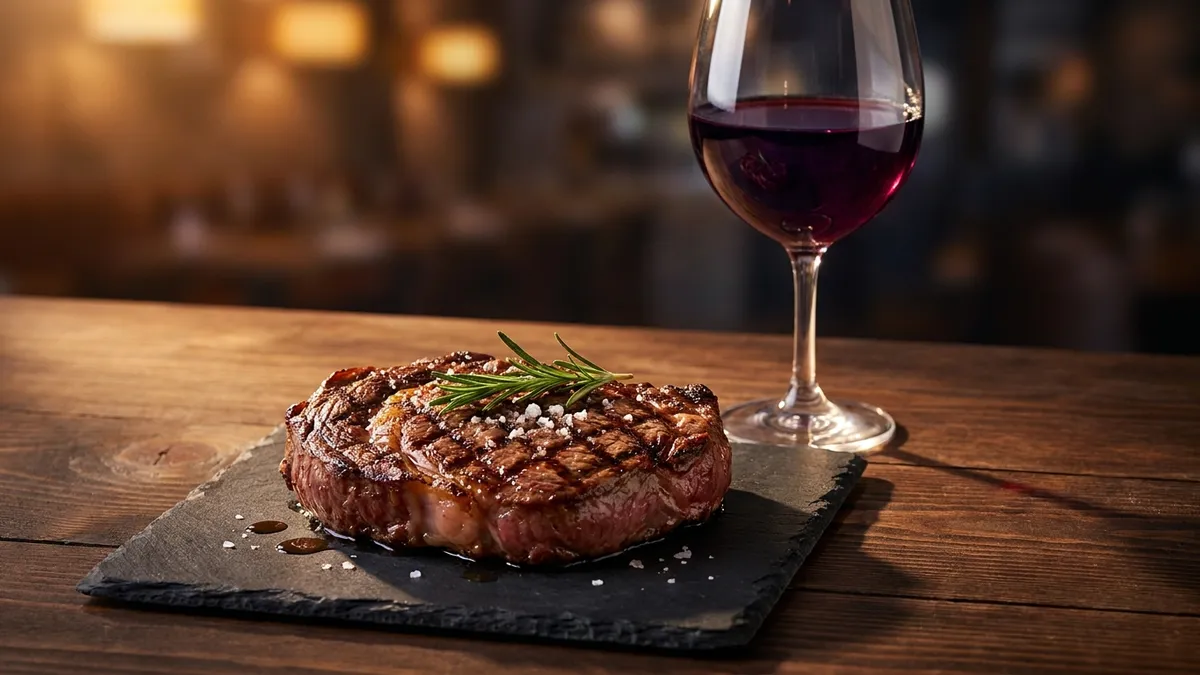
The iconic Cabernet Sauvignon pairing is grilled steak, and the chemistry behind that match is one of the cleanest examples of food and wine working together. Cabernet's high tannin binds with the protein and fat in the meat, softening the wine's grip and amplifying the meat's savory depth. The wine's high acidity cuts the richness. The dark fruit and cedar notes echo the char from the grill.
For a deeper look at this specific match, see our wine with steak guide.
Beyond steak, Cabernet Sauvignon works beautifully with:
- Lamb chops and rack of lamb — the cedar and herbal notes mirror the herbs commonly used in lamb prep
- Braised short ribs and beef stew — full body matches heavy richness
- Aged hard cheeses like aged cheddar, Manchego, Parmigiano-Reggiano — tannin and salt amplify each other
- Mushroom risotto and dishes with truffle — earthy notes resonate
- Dark chocolate (70 percent and up) — tannin meets tannin in a virtuous cycle
Avoid pairing Cabernet with delicate fish, raw seafood, lightly seasoned poultry, and most green vegetables — the wine's structure will steamroll over anything that does not have its own weight and richness.
How Cabernet Sauvignon Ages
Cabernet Sauvignon ages longer than any other mainstream red variety. The combination of very firm tannin, high acidity, and high phenolic concentration gives the wine the structural support to evolve gracefully across decades.
A rough aging trajectory for top-quality Cabernet:
- Years 0 to 5: tight, grippy, primary fruit dominant, oak still prominent. Often austere.
- Years 5 to 15: tannin begins to soften, primary fruit deepens, secondary aromas emerge — leather, cedar, tobacco, dried herbs.
- Years 15 to 30: the wine enters peak maturity — tertiary aromas like cigar box, dried fig, truffle, and forest floor dominate. Tannin feels velvety. Acidity remains, holding the structure together.
- Years 30 and beyond: only the very best examples. The fruit fades into dried-flower and earth notes. The wine tastes more like an old library than a vineyard.
Everyday Cabernet in the 15 to 25 dollar range is not designed for this trajectory. It is built to drink within 5 to 8 years of vintage. The aging curve is reserved for classified Bordeaux Left Bank wines and high-end Napa Cabernet that have the structural concentration to support decades in bottle. Sommy walks beginners through the difference between drink-now and cellar-worthy reds inside its tasting courses.
Reading the Label and Setting Expectations
A few practical signals that tell you what kind of Cabernet Sauvignon is in front of you on the shelf:
- Bordeaux Left Bank appellations (Pauillac, Saint-Julien, Saint-Estèphe, Margaux, Médoc) — Cabernet-dominant blends, austere when young, age-worthy
- Napa Valley label — usually 100 percent Cabernet or close, riper and more powerful, oak-driven
- Coonawarra — terra rossa style, eucalyptus note, structured
- Maipo or Chile label at lower price — friendly, fruit-forward, often a herbal or minty note
- California appellation (broader than Napa) — usually softer, fruit-forward, drink-now style
- Reserve or Gran Reserva designations — typically more oak time and higher concentration, designed for longer aging
Cabernet Sauvignon shows up under different names in different blends. Meritage is the New World term for a Bordeaux-style blend. Super Tuscan wines from coastal Tuscany often blend Cabernet Sauvignon with Sangiovese and Merlot. The grape is a global citizen — but the structural core stays consistent everywhere it travels.
Build a Cabernet Reference in Your Palate
The best way to learn Cabernet Sauvignon is to taste it across regions, side by side, with a framework that helps you separate climate from grape. A Pauillac, a Napa, a Coonawarra, and a Maipo Cabernet poured into identical glasses will teach you more about wine in 30 minutes than a textbook can teach you in 30 days. Sommy's structured tasting courses build exactly this kind of reference library — guided tastings that walk you through the signature aromas, the tannin grip, and the regional differences with real-time feedback at each step. Visit sommy.wine to start working through the grape-by-grape catalog and build a working palate one variety at a time.
Frequently Asked Questions
What does Cabernet Sauvignon taste like?
Cabernet Sauvignon shows blackcurrant (cassis), black cherry, and dark plum on the nose, joined by cedar, tobacco, graphite, and dried herbs. Cool-climate versions add green bell pepper or mint. Oak adds vanilla, toast, and chocolate. The palate is firm and high in tannin, with high acidity and a long finish that grips the gums and lingers for many seconds.
Where does Cabernet Sauvignon come from?
Cabernet Sauvignon originated in southwestern France, almost certainly in the Bordeaux region. DNA testing in 1996 by researchers at UC Davis confirmed that the grape is a natural cross between Cabernet Franc and Sauvignon Blanc, two pre-existing varieties that hybridized spontaneously in a vineyard, probably in the 17th century. Bordeaux remains its spiritual home today.
Why is Cabernet Sauvignon called the king of red grapes?
Cabernet Sauvignon is the most planted wine grape in the world, the dominant red of Bordeaux's Left Bank, the engine behind Napa Valley's reputation, and the grape that ages the longest of any mainstream variety. Its combination of structure, longevity, and global adaptability has earned it the unofficial title across wine regions on every continent.
Is Cabernet Sauvignon a dry wine?
Yes. Cabernet Sauvignon is almost always vinified to full dryness, meaning fermentation converts virtually all grape sugar into alcohol. Any sweet impression you taste comes from ripe fruit flavor, glycerol from high alcohol, or vanilla from oak — not residual sugar. A typical bottle has under 4 grams of sugar per liter, well below the dry threshold.
What food pairs best with Cabernet Sauvignon?
Grilled steak is the iconic pairing — high tannin binds with fat and protein, softening the wine and amplifying the meat. Cabernet also works with rack of lamb, braised short ribs, hard aged cheeses like Manchego or Parmigiano, mushroom dishes, and dark chocolate. Avoid delicate fish, raw seafood, and lightly seasoned poultry, which the wine will overwhelm.
How long can Cabernet Sauvignon age?
Quality Cabernet Sauvignon from top regions can age 20 to 50 years under proper storage. Classified Bordeaux Left Bank wines and high-end Napa Cabernets often hit their peak between 15 and 30 years. Everyday bottles in the 15 to 25 dollar range are built for drinking within 5 to 8 years of vintage. Tannin and acidity drive the aging curve.
What is the difference between Cabernet Sauvignon and Cabernet Franc?
Cabernet Franc is the parent of Cabernet Sauvignon and shares part of the family flavor — red fruit, herb, and graphite — but at a lighter, leaner scale. Cabernet Franc has thinner skins, lower tannin, less alcohol, and often a stronger green pepper or violet note. Cabernet Sauvignon is darker, fuller, and structurally more imposing in nearly every comparison.
What alcohol level is normal for Cabernet Sauvignon?
Most Cabernet Sauvignon falls between 13.5 and 15 percent alcohol by volume. Cool-climate Bordeaux Left Bank wines often sit at 13.5 to 14 percent. Warm-climate Napa Valley, Coonawarra, and Maipo Cabernets tend toward 14.5 to 15 percent because the grape ripens late and accumulates more sugar in long, sunny growing seasons before harvest.
Sommy Team
LinkedInFounder & Wine Educator
The Sommy Team is building the world's most approachable wine education app, helping beginners develop real tasting skills through structured courses and AI-guided practice.