Wine Awards and Medals: How Much Do They Really Mean?

By the Sommy Team — AI-assisted, human-edited.
Updated Sep 24, 2026
Contents (8)
- What Wine Awards and Medals Mean, in One Paragraph
- What Do Gold, Silver and Bronze Medals Actually Mean?
- Medal, Critic Score or Star Rating: Which Should You Trust?
- Should You Buy a Wine Because of the Medal Sticker?
- Are Wine Medals Reliable? What the Research Says
- Why Do So Many Wines Win Medals?
- What Did the Judgment of Paris Prove About Blind Tasting?
- How Should a Medal Change Your Choice Tonight?
TL;DR
A wine medal means a blind panel scored that wine above a set mark on one day. In a study of 13 US competitions, 84% of wines that won gold somewhere won nothing at another show. Use a medal to break a tie between unfamiliar bottles, then check it against your own blind tasting.
A wine medal means one panel of judges liked one wine on one day, and the same gold-medal wine often wins nothing at the next show. That is the core of wine awards and medals meaning: a sticker is a real signal with a lot of noise around it. In a study of 13 US competitions, 84% of wines that won gold somewhere left another show with no award at all. The sticker still helps, because serious competitions taste blind. Its best job is breaking a tie between two bottles you know nothing about.
What Wine Awards and Medals Mean, in One Paragraph
A wine medal records that a competition panel, tasting without seeing the label, scored a wine above a set mark within its category. Tiers such as bronze, silver, gold and double gold are thresholds, so many wines in one class can share a gold. At one large international show, about 33% of entries win a medal, and wineries pay to enter, around 200 euros for a first wine. Research across 13 US competitions found that chance plays a large part in who wins gold. A medal shows one panel liked the wine. It does not rank it against the shelf or predict your taste.
What Do Gold, Silver and Bronze Medals Actually Mean?
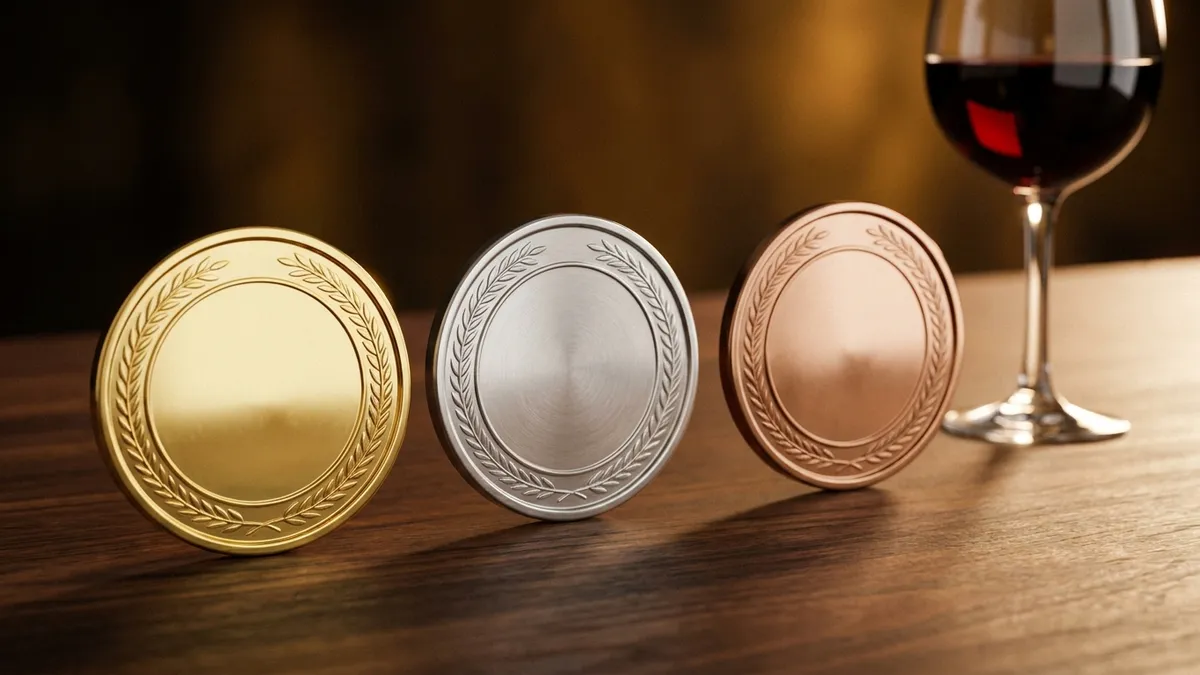
A medal tier says a panel scored the wine above a set mark within its category, and many wines can share the same tier. Competitions group entries by style, grape, region or price, then award bronze, silver, gold and sometimes double gold to individual wines inside each class. There is no single winner in a tier.
That is why a busy class can produce a long list of golds. Most competitions judge by blind tasting: the wines are poured from covered or coded bottles, so the judges never see the label, the producer or the price. Blind tasting removes the pull of a famous name, which is the main reason a medal from a serious show means anything.
Formats vary, so the same word can mean different things:
- Medal tiers: bronze, silver, gold and double gold, each a score threshold that any number of wines can clear.
- Coloured ribbons: used by some competitions in place of medals, and several wines can receive the same ribbon.
- Ordinal ranking: wines are placed first, second, third and so on, so each placement has one winner.
- Best in Class and trophies: a narrower award given to the top wine of a category or of a show.
A Best in Class or trophy is the rarest prize on a bottle, because only one wine per class can hold it. A plain gold is a threshold, and a trophy is a ranking.
Medal, Critic Score or Star Rating: Which Should You Trust?
Trust each for a different job: a medal says a blind panel found no faults and liked the wine, a critic score is one named taster's verdict, and a star rating is a crowd's average. Shelf tags often print all three at once, so check which one a number or sticker belongs to.
A critic's score is usually given out of 100 or out of 20, and it comes with a written tasting note that describes the style. The note is the useful part. A score of 92 tells you a critic liked the wine; "lean, high acidity, lemon and chalk" tells you whether you will. Our guide to wine ratings explained walks through how the points scales work and where they inflate.
| Signal | Who tastes | What it measures | Blind? | How to use it at the shelf |
|---|---|---|---|---|
| Competition medal | A panel of trade judges | Whether the wine clears a score bar in its category | Yes, at serious shows | Tie-breaker between two unfamiliar bottles at the same price |
| Trophy or Best in Class | The same panel, re-tasting the top wines | The single top wine of a class | Yes | Worth a closer look in a style you are learning |
| Critic score (points) | One named critic or publication | That critic's view of quality, plus a written note | Varies by critic | Read the tasting note; follow a critic whose notes match your taste |
| Crowd star rating | App users | How much everyday drinkers liked it | No | Good for spotting duds; weak for styles outside the mainstream |
Inside a style you already know, a critic's tasting note beats a medal. The note names acidity, oak and fruit, which matches the wine to bottles you liked before. How judges score a glass in the first place is covered in our guide to wine judging criteria.
Should You Buy a Wine Because of the Medal Sticker?
Buy on a sticker only when it names the competition, the year and the tier, and only to break a tie between two wines you know nothing about. A medal belongs to the wine that was entered: one vintage, from one producer, judged once.
Read the sticker before the price. A useful sticker carries three details, and a missing one lowers its value:
- The competition's name, so you know which panel tasted it.
- The year, which should match the vintage (the harvest year) printed on the label.
- The tier, because a silver and a trophy sit far apart.
If a sticker gives no competition name or year, treat the bottle as unmedalled. If the sticker's year differs from the bottle's vintage, ignore it, because the wine inside is a different harvest from the one the judges tasted. The how to read a wine label guide shows where the vintage sits on labels from different countries.
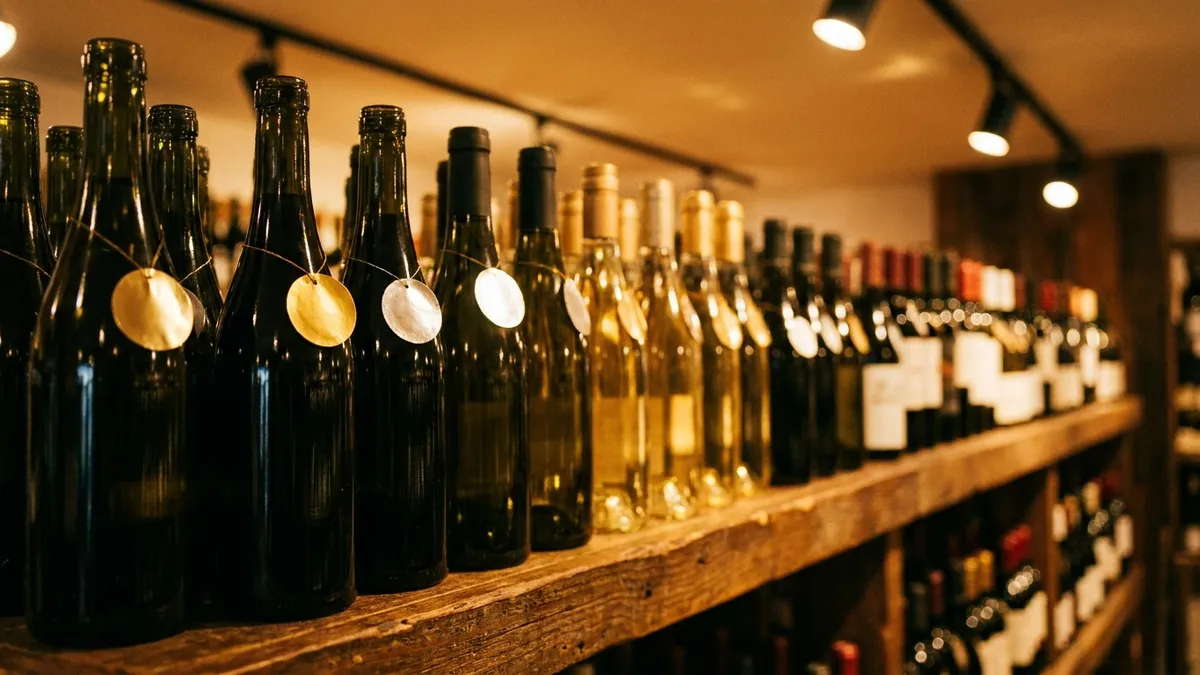
A medal earns the most weight in a category you have never tasted. Faced with twelve bottles of an unfamiliar grape at the same price, a blind panel's approval is a fair way to cut the list to two. In a style you already know, your own notes and a trusted shop assistant beat any sticker; the wine shop guide covers how to ask. A medal also says nothing about value, and the link between cost and taste is weaker than labels suggest, as the wine price versus quality research shows.
Are Wine Medals Reliable? What the Research Says
Less reliable than the gold colour suggests: of 2,440 wines entered in more than three US competitions, 47% won gold somewhere, and 84% of those same wines won no award somewhere else. Robert Hodgson, a retired professor and winery owner, published that finding in the Journal of Wine Economics in 2009.
His study covered more than 4,000 wines entered in 13 US competitions. He concluded that winning gold at one show was statistically independent of winning gold at another. In plain terms, a gold at competition A did not make a gold at competition B more likely. His reading was that chance plays a large part in who takes home gold.
The judges explain much of the gap. Hodgson tracked about 170 judges at the California State Fair wine competition from 2005 to 2012. Some flights (a set of wines tasted in one sitting) secretly included the same wine poured more than once. Under his consistency criteria, fewer than 6% of judges earned an acceptable rating.
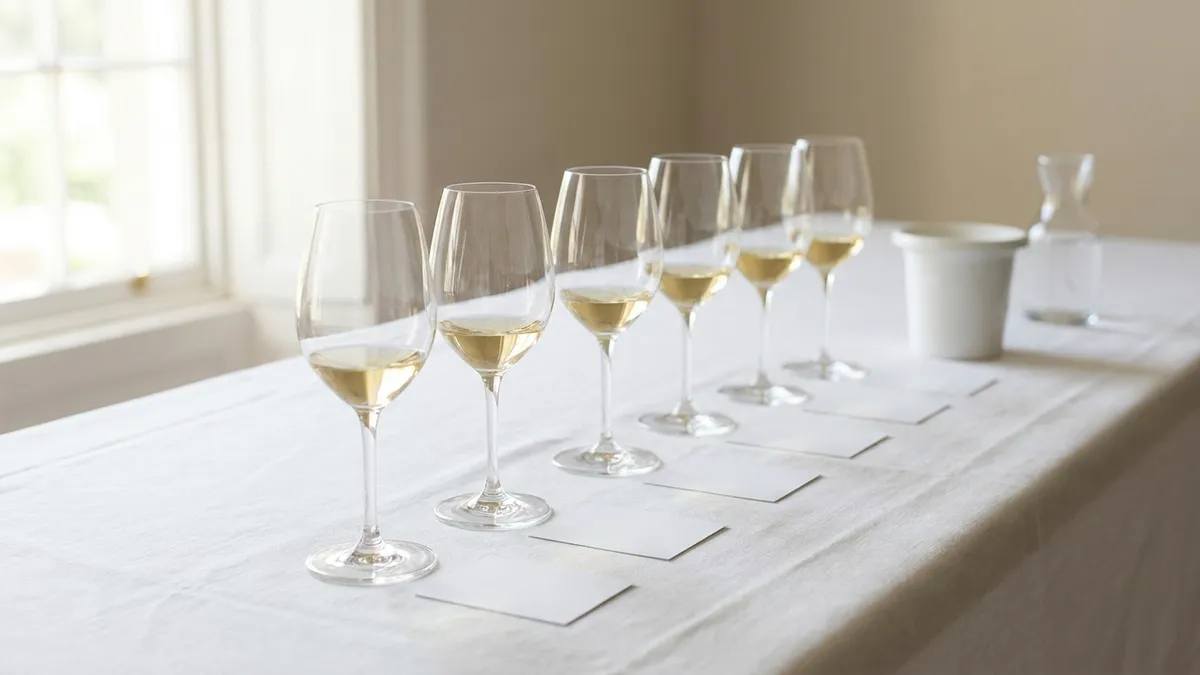
Among judges who took part in more than three competitions, about 80% had scored the same wine anywhere from below bronze to gold or better. Panel talk moved scores too. When judges discussed their marks before settling them, they tended to raise their own score, often by a large margin.
None of this proves any single medal wrong. A gold medal records a good day in front of one panel, not a permanent rank. Tasting dozens of wines in a row blurs any palate, a problem our piece on why experts disagree about wine examines from the critic's side.
Why Do So Many Wines Win Medals?
Because medals are thresholds, the entries are chosen by the wineries, and the competition is a business paid by the entrants. Every wine that clears the bar in a class wins, so the number of medals grows with the number of entries.
The figures from one large international show make the model visible. The Concours Mondial de Bruxelles states that about 33% of participating wines receive a medal, and that the share varies by session. Its entry fee is roughly 200 euros for the first wine, falling for further samples. After results are published, winners order official medal stickers from their account with the competition.
Self-selection adds to the count. A winery enters the wines it expects to do well and keeps weaker ones at home, so the field is stronger than an average shelf. A medal rate of one in three therefore measures a pre-filtered group.
Critics of the system argue that competition results "may be misleading and should not be relied upon as a measure of quality." Supporters answer that competitions have improved wine quality in many countries, because producers who enter get blind feedback on faults. Both points hold. A medal from a blind, well-run show is a real filter for clean, correct wine, and a weak guide to which bottle is best.
What Did the Judgment of Paris Prove About Blind Tasting?
It proved that a label changes how experts taste, which is why serious competitions now pour blind. On May 24, 1976, a blind tasting in Paris set California wines against top French wines. Eleven professionals took part, and only the nine French judges' scores counted.
A 1973 California Chardonnay scored 132 points against 126.5 for the best French white. In the reds, a 1973 California Cabernet Sauvignon scored 127.5 against 126 for a leading Bordeaux. A 30th-anniversary rematch in 2006, held in Napa and London, again put California wines at the top.
The lesson for your shelf is about unfamiliar regions. A blind panel rewards what is in the glass, so a medal can flag a good wine from a place with no famous name. That was the original purpose of the International Wine Challenge, launched in 1984 to see how English wines fared against wines from other countries. The Napa Valley wine guide picks up what happened to California after Paris.
How Should a Medal Change Your Choice Tonight?
Let a medal narrow the shelf, then let your own blind comparison decide. A medal answers one question, whether a panel on one day found the wine clean and good. Your own glass answers the rest: whether its acidity, fruit and weight suit the food and the evening you have planned.
If two bottles share the same grape and price, buy one with a medal and one without, and taste them blind at home. Wrap each bottle in foil, have someone pour, and note which glass you prefer before you unwrap. The blind wine tasting tips guide covers how to set it up, and the beginners' buying hub lists what else to check at the shelf.

The Sommy app at sommy.wine has a Wine 101 course that builds the tasting words you need to explain why one glass won. Pick up a medal bottle and a plain bottle of the same grape on the way home, and taste them blind tonight.
Sources
- Hodgson (2009), An Analysis of the Concordance Among 13 U.S. Wine Competitions, Journal of Wine Economics
- Hodgson (2017), 2008 Revisited: judge reliability at the California State Fair, 2005 to 2012 (AAWE abstract)
- Concours Mondial de Bruxelles: Frequently asked questions (fees, medal rate, stickers)
- Wine competition
- Judgment of Paris (wine)
Frequently Asked Questions
What do gold, silver and bronze wine medals mean?
Each tier means a panel of judges, tasting blind, scored the wine above a set mark within its category. Tiers are thresholds, so dozens of wines in one category can share a gold. Top prizes such as Best in Class or a trophy are narrower and harder to win. Some competitions have dropped bronze altogether, so silver can be the entry tier.
Are wine competition medals trustworthy?
Partly. A medal from a blind-tasted competition tells you the wine was clean and liked by one panel on one day. Research by Robert Hodgson found that of 2,440 wines entered in more than three US competitions, 84% of the gold winners also won no award elsewhere. Treat a medal as one noisy vote, useful for narrowing choices.
What is the difference between a wine medal and a 90-point score?
A medal comes from a competition panel tasting blind within a category, and many wines can share each tier. A points score comes from one named critic or publication, usually out of 100, and arrives with a written tasting note. The note tells you more about style than the number, so read it before trusting either signal.
What does double gold mean on a wine?
Double gold is a tier above gold used by some competitions, and each show defines it in its own rules. It still ranks a wine against a threshold within its category, and several wines can win it in one class. Check the competition name and year on the sticker before giving it extra weight.
Should I buy wine because it has a medal sticker?
Use the sticker as a tie-breaker, never as the reason. A medal is most useful when two bottles in a style you do not know sit at the same price. Check that the sticker names the competition, the year and the tier, and that the vintage matches the bottle. A sticker with none of those details carries no information.
Why do so many wines have medals?
Medals are thresholds, so every wine that clears the bar wins one, and wineries choose which wines to enter. At one large international competition, about 33% of entries receive a medal. Wineries pay to enter, around 200 euros for a first wine at that show, and they can then order official stickers from the competition.
Sommy Team
LinkedInFounder & Wine Educator
The Sommy Team is building the world's most approachable wine education app, helping beginners develop real tasting skills through structured courses and AI-guided practice.