Wine Conversation Starters That Never Sound Snobby
By the Sommy Team — AI-assisted, human-edited.
Updated Oct 1, 2026
Contents (9)
- What Makes a Good Wine Conversation Starter, in One Paragraph?
- Which Wine Conversation Starters Work at the Table?
- How Do You Describe a Wine Without Sounding Pretentious?
- What Do You Say When You Know Nothing About Wine?
- What Should You Ask at a Wine Shop or Restaurant?
- What Can You Ask at a Winery Tasting Room?
- What Do You Say When a Friend Brings a Bottle?
- How Do You Handle the Wine Snob at the Table?
- Which Wine Myths Come Up, and How Do You Answer Them?
TL;DR
The wine conversation starters that work are questions anyone can answer: what a wine reminds someone of, what they would eat with it, why they chose it. Describe what the wine does in plain words, spit freely at tasting rooms, and answer the tongue map and 'corked' myths with one calm fact.
The best wine conversation starters are questions about what someone tastes, remembers or likes, because those hand the other person the floor instead of testing them. Nobody can get "what does this remind you of?" wrong. Facts about grapes and vintages close a conversation down; a question about the glass in front of everyone opens it up.
What Makes a Good Wine Conversation Starter, in One Paragraph?
A good wine conversation starter asks the other person what they notice or like, so anyone at the table can answer it without knowing a single grape name. It works at dinner, in a shop or at a winery because it is about the glass in front of everyone. Pair it with plain description: say whether the wine is light or heavy, tart or soft, and name one smell in everyday words. When someone lectures, ask them to be specific. When a myth comes up, answer with one calm fact and move on.
Which Wine Conversation Starters Work at the Table?
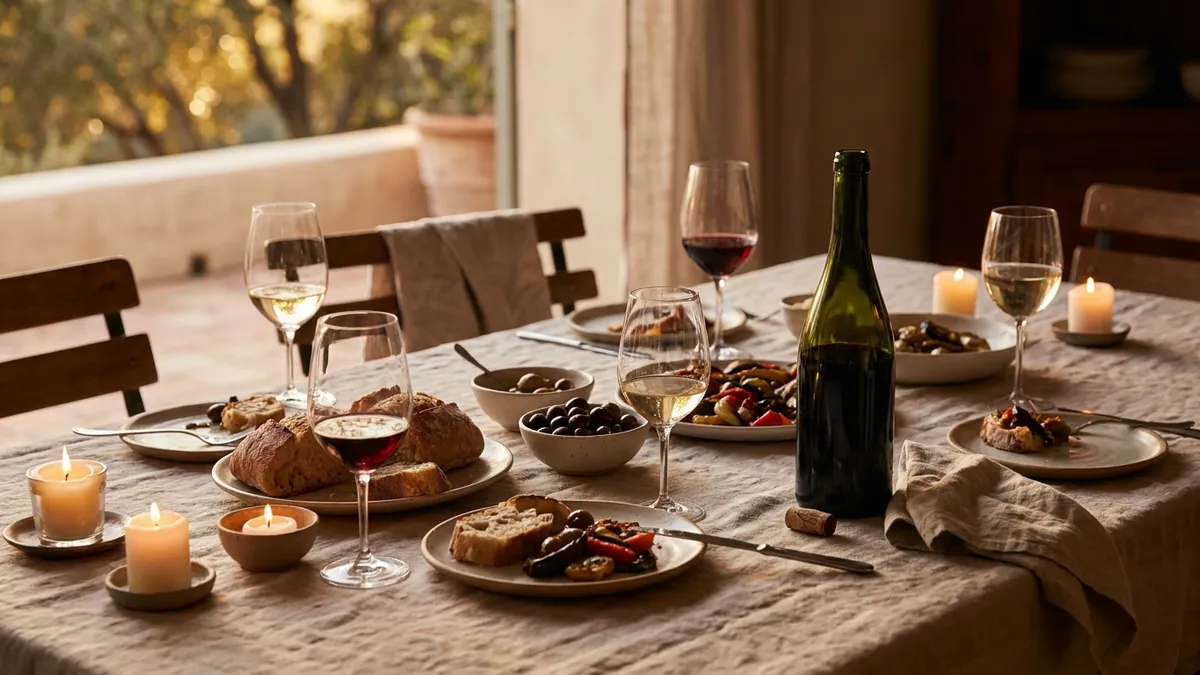
Questions about memory, preference and food work best, because nobody can get them wrong and everyone at the table already has an answer. Each of these six invites a story, a habit or a reaction to the food, and none needs a grape name:
- "What does this remind you of?" It pulls out a memory, a place or a food, and those are better stories than tasting notes.
- "Would you drink this with dinner or on its own?" It gets people talking about weight and food without any jargon.
- "Is this the kind of wine you usually pick?" It reveals taste, and people like explaining their habits.
- "What made you choose this one?" Ask it of whoever bought the bottle. Everyone has a reason, even if it was the label.
- "Does it taste different with the food?" Salt, fat and acid change a wine within one bite, so people almost always notice something.
- "What's the best wine you've had on a holiday?" It moves the talk away from the glass and toward people.
If someone names a flavour, ask where they have tasted it before. "Cherry" becomes the cherry tree in a grandmother's garden, and the conversation has a second act. If someone shrugs and says "it's just nice", ask what they would change about it: sweeter, lighter, colder. Small comparisons are easier to answer than open ones.
How Do You Describe a Wine Without Sounding Pretentious?
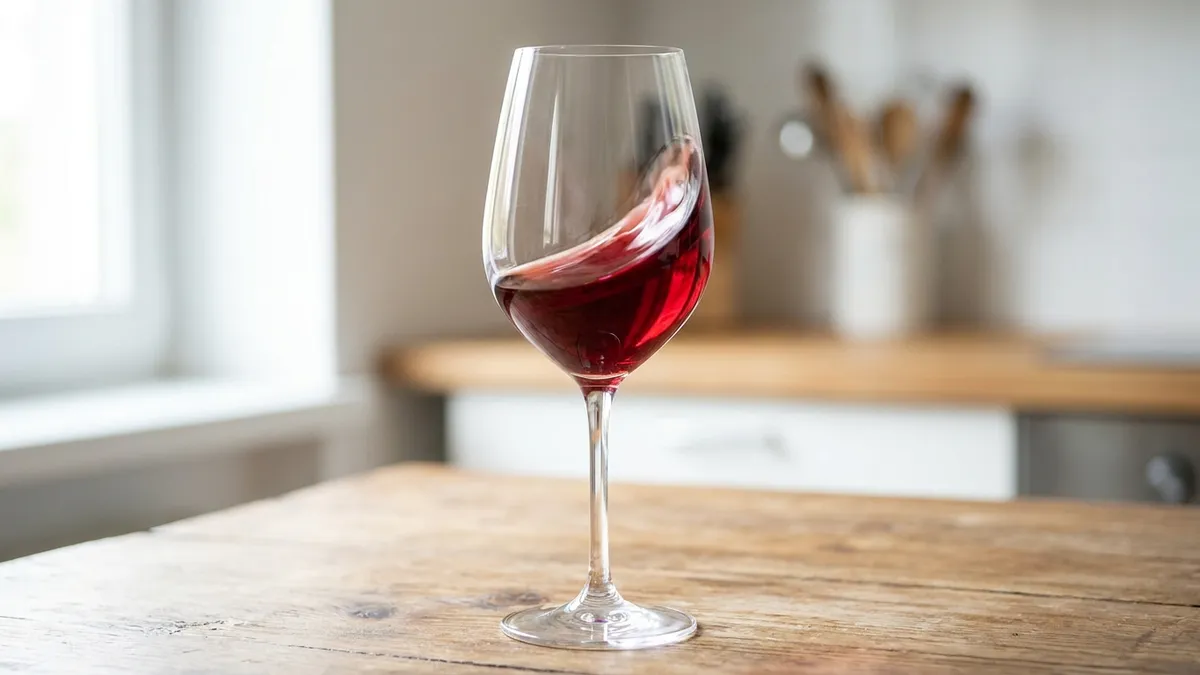
Describe what the wine does in your mouth in plain words, then pass the question on. Structure comes first because everyone at the table feels it the same way: weight, tartness and grip on the gums. Smells come second, and one plain smell in everyday words beats five borrowed from a magazine.
| Instead of | Say this | Why it lands |
|---|---|---|
| Notes of cassis and graphite on the mid-palate | It smells like blackcurrant jam to me. What do you get? | One everyday smell, then a question that hands over the floor |
| Firm, well-integrated tannins | It dries my gums a bit. Is it too much for you? | Describes a feeling everyone can check in their own mouth |
| Racy acidity with real tension | It's really tart, it makes my mouth water | Plain words for the same thing, and a test anyone can repeat |
| A fine expression of its terroir | Do you know where it's from? | Turns a lecture into a story the other person may know |
| It's a bit closed | It doesn't smell of much yet. Shall we try it again in ten minutes? | Says what is missing and offers a simple plan |
| Correct for the vintage | Is this one older or younger than the last bottle? | Invites a comparison instead of a verdict |
Plain words are what professionals use too. The Wine & Spirit Education Trust (WSET) teaches its Systematic Approach to Tasting on its wine courses from Level 2 up, so tasters describe wine in a logical, consistent order with plain, checkable terms. The wine tasting vocabulary cheat sheet lists the everyday words that cover most glasses, and how to describe wine turns them into short notes.
What Do You Say When You Know Nothing About Wine?
Say one thing you notice, then ask what the other person notices. Wine tasting is usually taught as five steps: see, swirl, sniff, sip, savor. Each step gives a beginner something to do while thinking, and one thing to say.
Swirling has a purpose. It exposes the wine to more oxygen and releases more aroma molecules, so the sniff after a swirl has more in it. Hold the glass by the stem so your hand does not warm the wine. After the sip, keep the wine in your mouth for a few seconds before swallowing, so it reaches all of your taste buds.
Four words carry most beginner talk:
- Dry means no sugar you can taste. Fruity is not the same as sweet.
- Acidity is the tartness that makes your mouth water.
- Tannin is the drying grip on your gums, mostly in red wine.
- Body is weight in the mouth, like skimmed versus whole milk.
"This feels light and quite tart" is a complete, correct opinion. The how to swirl wine guide shows the motion without spilling.
What Should You Ask at a Wine Shop or Restaurant?
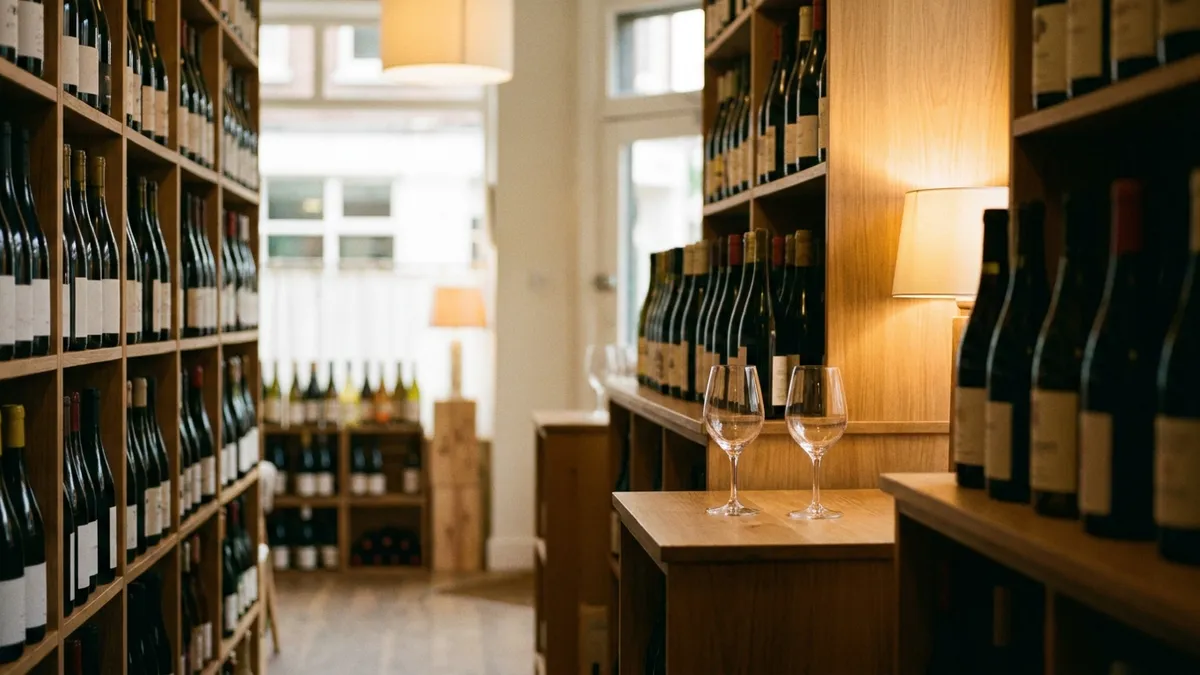
Tell the staff what you like, what is for dinner and the budget, then ask which bottle they would pick. "I like soft reds, we're having roast chicken, around $20. What would you open?" gives a good shop assistant everything needed.
Asking what the staff drink at home works too, because it gets their real favourite instead of the bottle with the biggest stack.
Restaurants add one ritual. If the server pours a small taste, it is a check for a fault, not a vote on whether you like the wine. Sniff, sip, nod, and the table is served. For guidance on a long list without pointing at prices, ask "which of these is the lightest red?" or "which white would you drink with the fish?" A question about style gets a useful answer at any budget.
If the list is confusing, point at two lines and ask how they differ. The how to order wine at a restaurant guide covers the full sequence, and the wine shop guide explains how shops lay out their shelves. More buying basics sit in the beginners and buying hub.
What Can You Ask at a Winery Tasting Room?
Ask about the place and the people who made the wine, and spit freely. Spitting at a winery is standard practice and is not considered rude, even in front of the winemaker or owner. The spittoon on the counter is there to be used. If you are tasting more than a few wines, spit most of them.
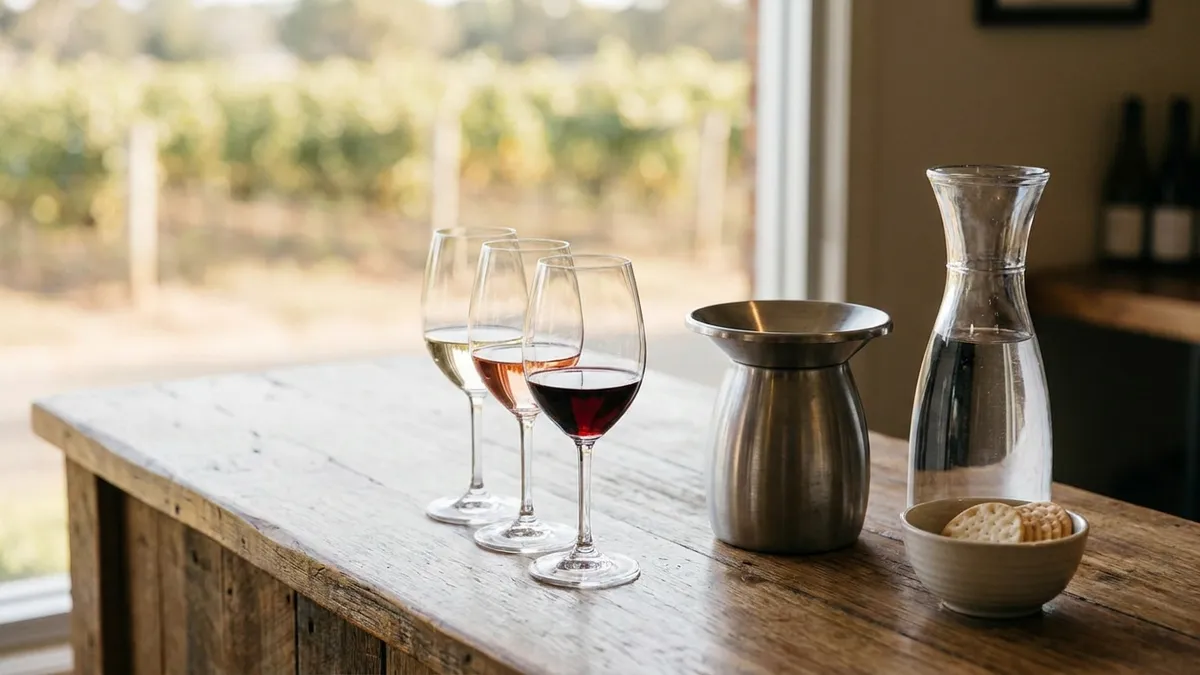
The best questions in a tasting room are ones only the host can answer:
- "What did the weather do this year?"
- "Which of these do you drink at home?"
- "Is there one the visitors usually skip that you love?"
- "What would you cook with this one?"
Each gets a story from someone who was in the vineyard, which a score never does. The how to spit wine guide shows how to do it neatly, and wine tasting at wineries covers booking, pacing and buying.
What Do You Say When a Friend Brings a Bottle?
Ask why they chose it. A present of wine almost always has a reason behind it: a trip, a shop owner who recommended it, a grape they discovered or simply a label they liked. That one question thanks them and starts a conversation in the same line.
If you do not like the wine, name one true thing it does and ask about it. "It's really dry, is that the style you like?" is true and kind. "Hmm, interesting" is neither. Then pour a little less and move on; nobody needs a verdict on a present.
How Do You Handle the Wine Snob at the Table?
Ask them to be specific. "What made you guess that grape?" or "where do you get the leather?" invites a real answer. Most performance fades once it has to point at something in the glass, and people who know a lot usually turn out to be generous teachers when asked plainly.
If the lecture keeps going, change the subject to the food or the person. "Does it work with the lamb?" brings everyone else back in. The wine tasting without snobbery guide covers the habits worth keeping and the ones worth dropping.
Which Wine Myths Come Up, and How Do You Answer Them?
Four come up again and again: the tongue map, "it's corked", sulfites and serving temperature. One calm fact handles each, and the fact usually leads to a better question than the myth did, such as smelling the glass together or tasting it again warmer.
The tongue map
Someone will say sweet is tasted at the tip and bitter at the back. Every taste can be sensed across all regions of the tongue, not in separate zones, though some parts are a little more sensitive to certain tastes. The idea still persists in wine tasting, so expect it.
"It's corked"
Cork taint comes mostly from a compound called TCA, and it smells musty, mouldy and earthy, like a damp cellar or wet cardboard, with the fruit masked. Other faults are often blamed on the cork by mistake. An oxidised wine, one damaged by too much air, smells of cooked fruit and walnuts instead. If a wine smells like a damp cellar, say "I think this might be corked" and ask someone else to smell it. The how to tell if wine is corked guide runs the smell test.
Sulfites
Sulfites occur naturally in all wine to some degree, so "this one has no sulfites" is rarely true. The sulfites in wine explainer covers labels and levels.
Temperature
Cold wine shows more acidity and tannin and less smell; warmer wine shows less acidity and tannin and more smell. If a red tastes harsh and hollow, let it warm in the glass for ten minutes and taste again together. That is a better conversation than any argument. The wine myths debunked list covers a dozen more.
The Sommy app at sommy.wine has a Wine 101 course and an AI-guided tasting mode: photograph the label and it walks you through look, smell and taste. Pour a glass for a friend tonight, then ask "what does this remind you of?" before saying a word about it yourself.
Sources
Frequently Asked Questions
What are good questions to ask about wine at a dinner party?
Ask questions nobody can get wrong. 'What does this remind you of?', 'Would you drink this with dinner or on its own?' and 'Is this the kind of wine you usually pick?' all invite a personal answer instead of a test. If someone names a flavour, ask where they have tasted it before. That turns a one-word answer into a story.
What do you say about wine when you know nothing about it?
Say one plain thing you notice, then ask what the other person notices. Tart, soft, light, heavy, dry and drying are all real tasting words. Swirling and sniffing the glass first gives you a few seconds to think, and swirling exposes the wine to oxygen and releases more aroma, so there is more to notice when you sniff.
Is it rude to spit out wine at a tasting?
No. Spitting is standard at wineries and tastings, and it is not considered rude even in front of the winemaker or owner. Professionals spit so they can taste many wines and still judge the last one clearly. Use the spittoon or bucket on the counter, and pour out what is left in the glass if you do not want to finish it.
Is it rude to say you don't like a wine?
Saying 'I hate this' is rude; describing it honestly is not. Name one true thing the wine does, such as 'it's really tart' or 'it dries my mouth out', then ask what the other person likes about it. You learn something about the wine, and the person who chose it gets to explain the choice.
How do you describe wine without sounding pretentious?
Describe what the wine does before what it smells of. Say whether it is light or heavy, tart or soft, and whether it dries your gums. Then name one smell in everyday words, like lemon or strawberry jam, and pass the question on. Long lists of rare fruits and minerals are what make wine talk sound like a performance.
What is the tongue map, and is it true?
The tongue map claims that sweet is tasted at the tip and bitter at the back, each in its own zone. It is a myth. Every taste can be sensed across all regions of the tongue, though some parts are a little more sensitive to certain tastes. The idea still turns up in wine tasting, so expect to hear it.
Sommy Team
LinkedInFounder & Wine Educator
The Sommy Team is building the world's most approachable wine education app, helping beginners develop real tasting skills through structured courses and AI-guided practice.