Wine Tasting at Wineries: Etiquette, Tips, and What to Expect

By the Sommy Team — AI-assisted, human-edited.
Updated Apr 16, 2026
Contents (11)
TL;DR
Visiting a winery for the first time is simpler than it looks. Book two to four weeks ahead, eat a real breakfast, dress in layers, and plan only two stops for a first day. Use the spit bucket freely, ask one honest question per wine, and hosts will teach you more than any book.
TLDR
Visiting a winery for the first time can feel intimidating — the counter, the pours, the hosts who know everything. It's simpler than it looks. Book ahead, eat breakfast, dress in layers, spit or dump whenever you need to, and ask one question per wine. Staff want you to learn. Most tasting rooms welcome curious beginners over silent experts.
What Actually Happens at a Winery Tasting
A tasting at a working winery usually runs 45 to 90 minutes. You sit or stand at a bar, a host pours four to six wines, and you discuss each one for a few minutes. The pace is controlled — you will not get overwhelmed. Wine tasting at wineries tips mostly come down to one principle: the experience is designed around learning, not drinking.
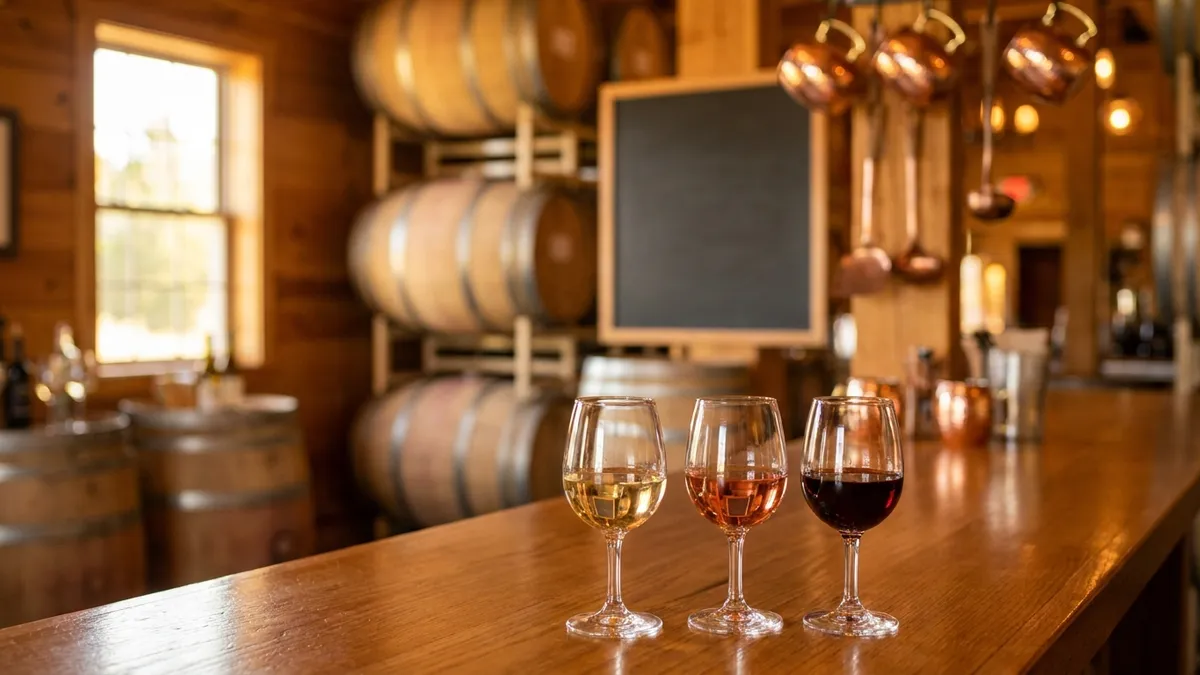
Most tastings follow a logical order. Whites before reds. Light before heavy. Dry before sweet. The host walks through each wine's grape, region, and winemaking choices. You're expected to swirl, smell, sip, and talk about what you notice.
You are not expected to be an expert. You are expected to be curious.
Pours are small — usually 1 to 2 ounces each. Six pours across 75 minutes works out to about one glass of wine total. Still, that adds up across three winery visits in a day, which is why spitting matters (more on that below).
Before You Go
Book ahead
Drop-ins used to be the norm. They are increasingly not. Small estates often require reservations, and many popular wineries cap their daily visitors. Booking also matters for you — a reserved tasting usually means a dedicated host, better wines, and a calmer pace.
Two to four weeks ahead is ideal in busy regions. One week works in quieter seasons. Same-day is a gamble.
Eat a real breakfast
This is the single most useful piece of advice on this page. An empty stomach turns a 1-ounce pour into a head rush by wine number three. Eat protein and carbs before your first stop. Bring snacks for the car.
Most wineries do not serve food. A few sell cheese boards or have a picnic area. Plan accordingly.
Dress in layers
Tasting rooms are cold. Cellars are colder. Outdoor vineyard walks are warm. A light jacket, comfortable shoes, and pockets for a notebook cover every case. Skip strong perfume or cologne — it interferes with your nose and with everyone else's.
Plan your route
Two winery visits in a day is the sweet spot for first-timers. Three is the maximum for most people. Four is masochism. Drive times between wineries add up fast in rural regions, and you still need lunch.
Map your stops before you leave. Bookend the day with the one you're most excited about — start with it while your palate is fresh, or finish with it as a reward.
At the Tasting Counter
How the first pour works
Your host will greet you, confirm your booking, and introduce the lineup. The first pour is usually a white — often a sparkling or a light aromatic variety. Take a moment before you drink.
- Hold the glass by the stem — not the bowl. Warm hands change the wine.
- Look at the color against the white counter or a napkin.
- Swirl the wine gently to release aromas.
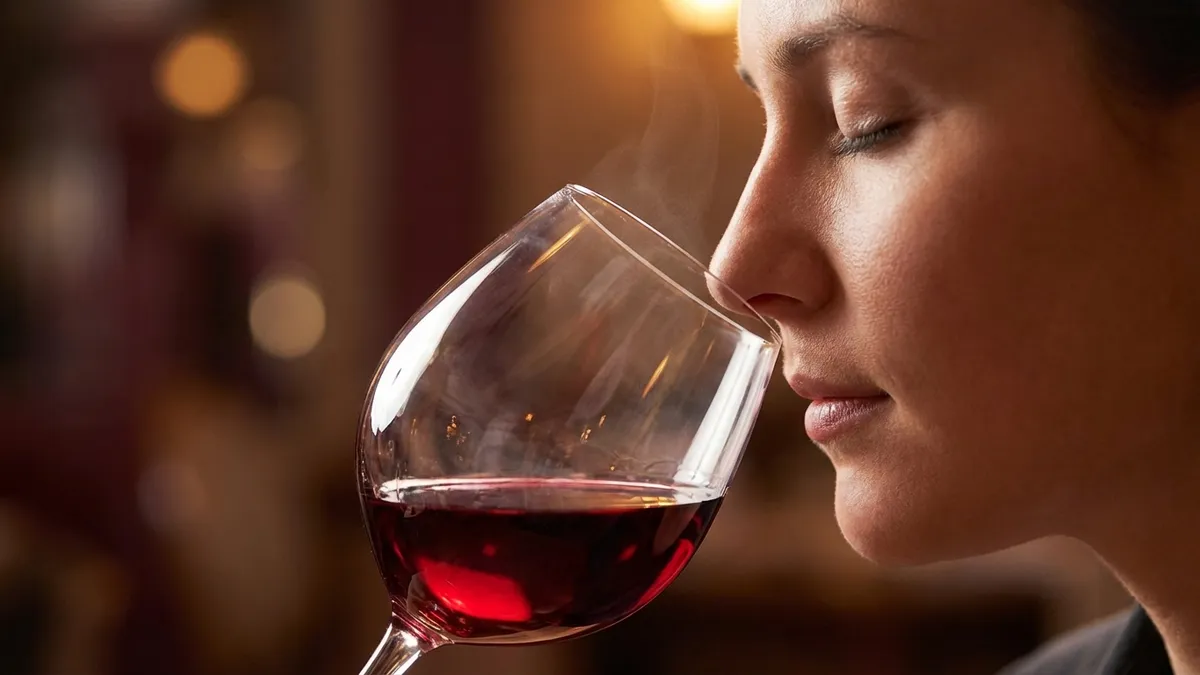
- Smell it. Actually smell it — nose in the glass, deep inhale.
- Sip, hold the wine on your tongue for a few seconds, then swallow or spit.
- Think about what you just tasted.
That sequence is the whole ritual. If you want more on it, our how to taste wine guide walks through each step in detail.
How to talk about the wine
You are not being quizzed. Hosts ask "what do you think?" because they want conversation, not a tasting note from a textbook. Honest answers work fine:
- "This reminds me of green apple."
- "It's much lighter than I expected."
- "I don't love the bitterness at the end."
Those are all useful things to say. The host will meet you at your level and offer context — the grape, the fermentation method, the vintage. That is where learning happens.
Avoid faking knowledge. Every tasting room host can tell within ten seconds if someone is performing expertise, and they stop teaching the moment they notice. Ask real questions and you'll get real answers.
One question per wine
A good rhythm is one question per wine. Examples that work:
- "What grape is this?"
- "How was this aged?"
- "Why is this one more expensive than the last?"
- "Would you pair this with anything?"
- "What should I notice that I probably missed?"
Questions give the host a chance to share something interesting without feeling like a monologue. By the sixth wine, you'll have learned more about winemaking than any weekend YouTube session.
The Spit Bucket Is Your Friend
Every tasting counter has a spit bucket — sometimes called a dump bucket. It's there for two reasons: to spit out wine you've sampled, and to dump wine you don't want to finish. Both are completely normal and expected.
First-timers often feel awkward about it. The host does not. Spitting is the signal that you're there to taste seriously, not to drink cheaply. Everyone — including the host, the winemaker, and every critic in the room — spits during professional tastings.
You do not have to spit to be polite. You do have to pace yourself. If you're visiting more than one winery, spitting at least half your pours is the only way to stay functional for the second and third stop. For a full guide to doing this cleanly, see how to spit at a wine tasting.
Dumping is separate. If you don't like a wine — or you've had enough of it — pour the rest into the bucket. The host will not be offended. Finishing every pour on a six-wine flight is how people end their day asleep in the car.
Etiquette That Actually Matters
Do
- Arrive five minutes early, not thirty.
- Turn your phone to silent.
- Taste each wine even if you're sure you won't like it.
- Ask about buying a bottle if you genuinely liked something.
- Tip if the tasting was exceptional and tipping is customary in that country.
- Thank the host by name.
Don't
- Treat the tasting fee as an all-you-can-drink ticket.
- Bring outside food or drink into the tasting room.
- Wear strong perfume, cologne, or scented lotion.
- Compare every wine loudly to what you drank at the last stop.
- Photograph other guests without asking.
- Argue with the host about a wine's flaws. You can dislike it and move on.
On tipping
Tipping practice varies wildly by country. In the United States, a 10 to 20 percent tip on the tasting fee is common when service was personal or the host went above and beyond. In most of Europe, tipping is not expected at all. In Australia and New Zealand, it's rare. When in doubt, ask the reservation agent when you book — nobody will fault you for checking.
Pacing Across Multiple Wineries
The math catches people off guard. Six pours of 1 ounce each is 6 ounces, or about a glass and a half of wine. Do that across three winery visits and you're at nearly a full bottle of wine consumed by a single person in one afternoon. That is too much by any measure.
Three tools keep a multi-stop day from becoming a disaster:
- Water between wines. Every tasting room has it. Drink a full glass between each wine and between each winery.
- Lunch in the middle. Anchor the day with a real meal between stops one and two. Sandwiches, a picnic, a restaurant — anything that puts food in you before the second tasting starts.
- Spit or dump at least half. By stop three, this should be most of your pours. Nobody cares. The host at the third stop cares less than the host at the first.
A designated driver is not optional if you're tasting at multiple wineries. Tasting rooms in wine regions are spaced out, with narrow rural roads between them. Hire a driver, book a tour with transportation included, or take turns with a friend. Do not drive yourself from tasting to tasting.
Buying Wine You Liked
Most wineries sell their wine on-site, often at prices you won't find at retail. If a wine moved you, buy a bottle — or join the winery's wine club if you visit from out of region and want it shipped. No pressure either way. Hosts are trained not to push, and most will not even mention buying unless you do first.
Sommelier note: If you loved something but aren't sure about the bottle price, ask if the winery offers tastings to go or smaller formats. Many offer half bottles, and some will sell a single glass's worth in a sealed stopper.
Two warnings. Shipping rules vary by country and US state — some states block direct-to-consumer wine shipping entirely. Ask before you commit. And pricing in the tasting room is rarely a deal compared to retail for the most common bottles. You pay for provenance and access to small-production wines that never leave the estate, not for a discount.
What If You're a Complete Beginner?
Most tasting rooms are built for beginners. Hosts spend their days with people who cannot pronounce Gewürztraminer, cannot tell Chardonnay from Sauvignon Blanc, and have never swirled a glass before. None of that is a problem.
A few tactics that help:
- Arrive with one question prepared: "I'm pretty new to wine — where should I start?" That single sentence resets the tasting to your level.
- Ask the host to describe what they personally love about each wine. You'll learn more from a host's genuine enthusiasm than from any textbook.
- Take notes. A short phrase per wine — "smells like fresh lemon" — is enough to remember the experience.
- Forget about ratings. Your palate matters more than anyone else's.
If you're building your baseline before visiting, develop your wine palate covers the habits that make every tasting more rewarding. Apps like Sommy walk you through the fundamentals step by step so the tasting-room language stops feeling foreign.
FAQ
Do I need to tip at a winery?
In the US, a 10 to 20 percent tip on the tasting fee is appreciated when the service was personal or the host stayed late. In most of Europe, Australia, and New Zealand, tipping is not expected. Ask the reservation team when you book if you're unsure.
How much does a winery tasting usually cost?
Typical tasting fees range from 15 to 50 US dollars per person at most estates, and up to 100 or more at flagship or limited-production wineries. Many estates waive the fee if you buy a certain number of bottles.
Can I bring kids to a winery?
Most wineries welcome children, especially estates with outdoor grounds or picnic areas. Some do not allow children under 12 inside the tasting room itself. Always check ahead — policies vary by property and by country.
Should I really spit out the wine?
Yes — especially if you're visiting more than one winery in a day. Hosts expect it. Spitting out at least half your pours is the single best way to stay clear-headed, pace your palate, and still enjoy the wines.
How many wineries can I visit in a day?
Two is the sweet spot for first-timers. Three is manageable with a driver, lunch in the middle, and a serious spitting habit. Four or more means you will not actually remember anything about the later stops.
What do I wear to a winery tasting?
Smart-casual works almost everywhere. Comfortable shoes for vineyard walks, a light jacket for cold cellars, and no strong scents. Skip flip-flops at working wineries where cellars have wet concrete floors.
Can I buy wine at the tasting room and ship it home?
Often yes, but shipping laws vary. In the US, some states block direct-to-consumer wine shipping entirely. Internationally, customs and duty rules apply. Ask the winery before you pay — they know their shipping options better than any general guide.
The Bottom Line
Winery tastings are a conversation, not a performance. Book ahead, eat first, pace yourself, and ask real questions. The spit bucket exists for a reason. Two stops beats four. A host who likes you will teach you more in an hour than a stack of books.
Ready to tune up the palate you'll bring to the tasting counter? Sommy turns your next tasting into a guided learning session with short daily lessons that build real recall over time.
Frequently Asked Questions
Do I need to tip at a winery?
In the United States, a ten to twenty percent tip on the tasting fee is appreciated when the service was personal or the host stayed late. In most of Europe, Australia, and New Zealand, tipping is not expected. When in doubt, ask the reservation team when you book — checking ahead is normal and nobody will fault you for it.
How much does a winery tasting usually cost?
Typical tasting fees range from fifteen to fifty US dollars per person at most estates, and up to one hundred or more at flagship or limited-production wineries. Many estates waive the fee if you buy a certain number of bottles. Reserve-level tastings cost more and usually include rarer pours and a dedicated host.
Should I really spit out the wine?
Yes, especially if you are visiting more than one winery in a day. Hosts expect it. Every professional taster spits. Spitting at least half your pours is the best way to stay clear-headed, pace your palate, and still enjoy the later stops. The spit bucket sits on the counter for this exact reason.
How many wineries can I visit in a day?
Two is the sweet spot for first-timers. Three is manageable with a designated driver, a real lunch between stops, and a serious spitting habit. Four or more usually means you will not remember anything about the later visits. Travel time between rural wineries also adds up fast and eats into each tasting.
What should I wear to a winery tasting?
Smart-casual works almost everywhere. Bring comfortable shoes for vineyard walks, a light jacket for cold cellars, and skip strong perfume or cologne — scent interferes with your nose and everyone else's. Avoid flip-flops at working wineries where cellars have wet concrete floors that can be slippery.
Do I need a reservation or can I walk in?
Book ahead. Drop-ins used to be the norm and increasingly are not. Small estates often require reservations, and popular wineries cap their daily visitors. Booking also benefits you: a reserved tasting usually means a dedicated host, better wines, and a calmer pace. Two to four weeks ahead is ideal in busy regions.
Can I ship the wine I buy at the tasting room home?
Often yes, but shipping laws vary. In the US, some states block direct-to-consumer wine shipping entirely. Internationally, customs and duty rules apply. Ask the winery before you pay — they know their shipping options better than any general guide and can tell you whether your address qualifies.
What if I am a complete beginner and know nothing about wine?
Hosts spend their days with beginners who cannot pronounce Gewürztraminer or tell Chardonnay from Sauvignon Blanc. That is not a problem. Arrive with one honest opener: 'I am pretty new to wine — where should I start?' That single sentence resets the tasting to your level and invites real teaching.
Sommy Team
LinkedInFounder & Wine Educator
The Sommy Team is building the world's most approachable wine education app, helping beginners develop real tasting skills through structured courses and AI-guided practice.