Wine Aroma vs Bouquet: What Is the Difference?

By the Sommy Team — AI-assisted, human-edited.
Updated Apr 29, 2026
Contents (11)
- TLDR
- Aroma vs Bouquet, in 90 Seconds
- Why the Two Words Even Exist
- Aroma: What the Grape Gives You
- Bouquet: What Time and the Cellar Give You
- A Simple Framework: Grape, Cellar, or Bottle?
- A Practical Side-by-Side: Young Pinot Noir vs Aged Pinot Noir
- Where the Line Blurs
- Modern Tasting Vocabulary: Why Most Pros Skip the Word
- Common Mistakes Beginners Make With These Two Words
- Practice Beats Theory
TL;DR
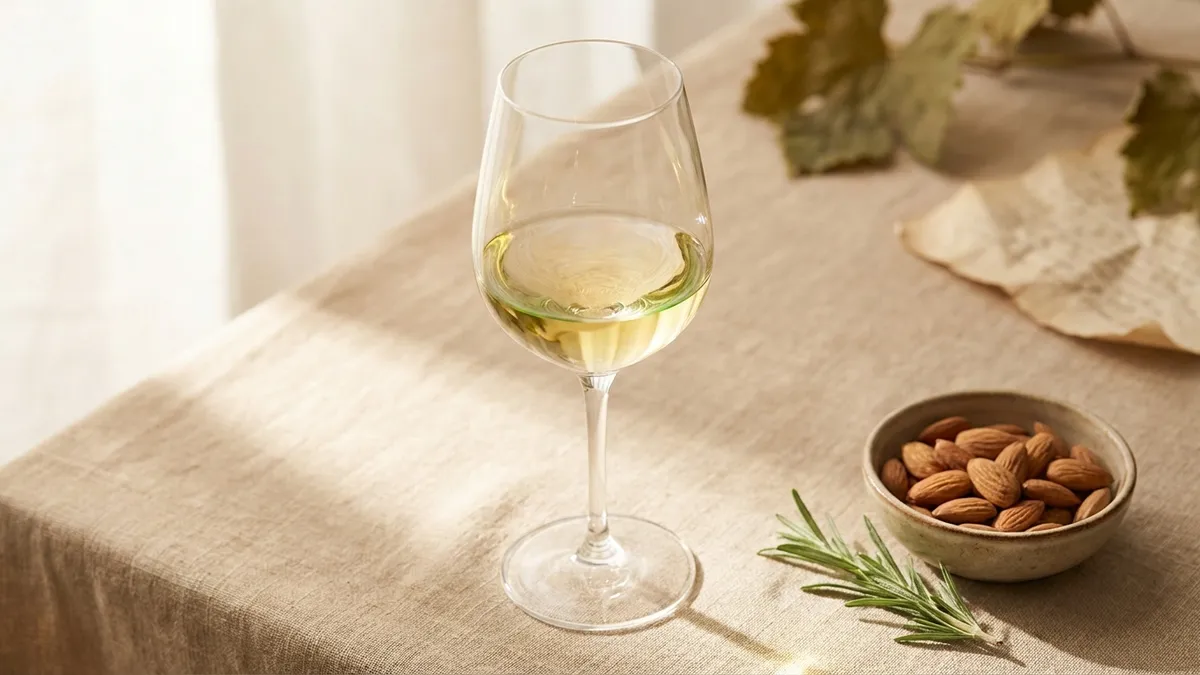
Wine aroma vs bouquet is a question of origin. Aroma usually means primary smells from the grape — fresh fruit, flowers, herbs. Bouquet refers to the secondary and tertiary smells that develop during fermentation and aging — yeast, leather, tobacco, dried fruit. A young Sauvignon Blanc has aroma. An aged Bordeaux has bouquet.
TLDR
Wine aroma vs bouquet is a question of origin. Aroma usually means primary smells from the grape — fresh fruit, flowers, herbs. Bouquet refers to the secondary and tertiary smells that develop during fermentation and aging — yeast, leather, tobacco, dried fruit. A young Sauvignon Blanc has aroma. An aged Bordeaux has bouquet.
Aroma vs Bouquet, in 90 Seconds
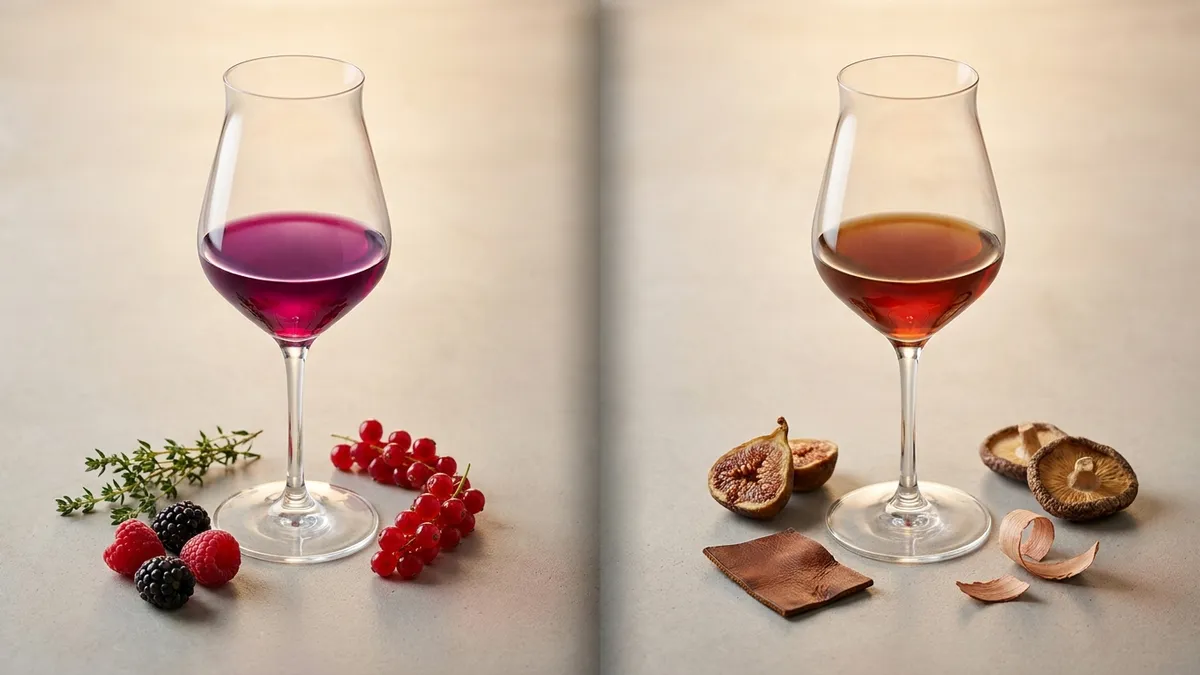
The phrase wine aroma vs bouquet describes two different points in a wine's life. Aroma is the smell that comes directly from the grape — fresh red cherry in young Pinot Noir, gooseberry and passion fruit in Marlborough Sauvignon Blanc, lime and green apple in young Riesling. Bouquet is the smell that develops later, first during fermentation and oak aging — yeast, butter, vanilla, smoke — and then much more dramatically during years in the bottle, when leather, tobacco, mushroom, dried fig, and forest floor slowly emerge. A one-year-old wine is almost pure aroma. A 20-year-old Barolo is almost pure bouquet. Knowing which category each smell belongs to tells you most of what you need to know about how the bottle was made and how old it is.
Why the Two Words Even Exist
Most beginners use aroma and bouquet interchangeably, and most everyday English speakers do too. The distinction came from a specific tradition — French academic enology of the mid-20th century, especially the work of Émile Peynaud (the Bordeaux professor often called the father of modern winemaking) and a generation of writers like Hugh Johnson and Jancis Robinson who codified his vocabulary in English.
In that tradition, the two words point at very different things. Aroma is what the grape gives you. Bouquet is what time and the cellar give you on top. The split exists because the smells genuinely come from different places — different molecules, formed at different stages, doing different things. Naming them with one word loses information.
The reason most beginners conflate the two is simple. English uses "aroma" loosely for any pleasant smell, and "bouquet" most often for a bunch of flowers. Neither word carries an obvious technical meaning out of context. Once you know the framework, the line between them becomes easy to see, and you start hearing the difference in how experienced tasters talk.
Aroma: What the Grape Gives You
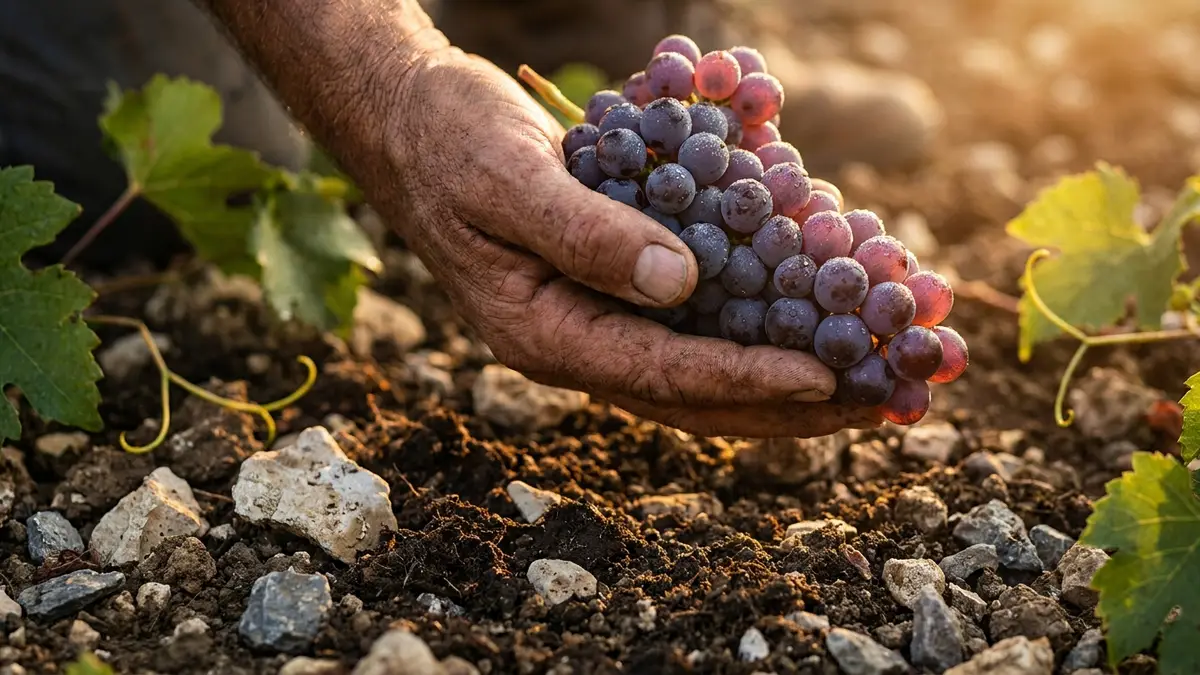
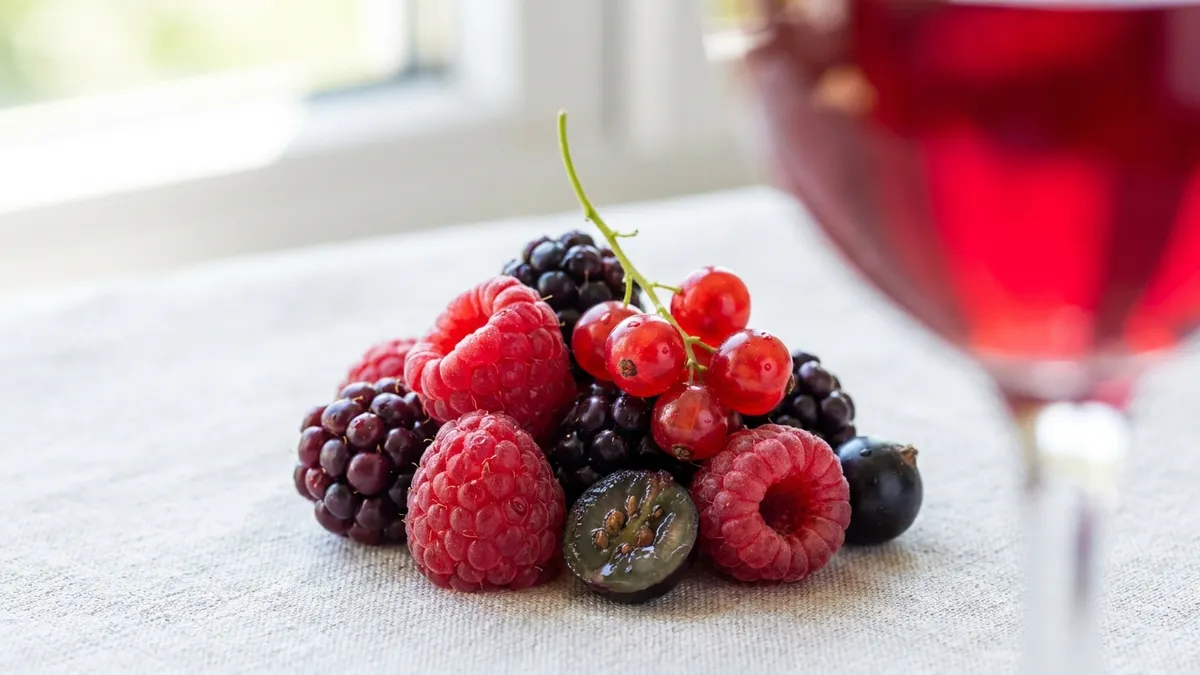
Primary aromas are the smells that come from the grape itself. They are present at harvest, survive fermentation in some form, and dominate the nose of any young wine. Imagine smelling a bowl of the raw fruit — the notes that come through clearly are the grape's primary contribution.
Each grape variety has a fingerprint of primary aromas built into its DNA. Riesling smells of lime and green apple. Cabernet Sauvignon smells of blackcurrant and green bell pepper. Gewürztraminer smells of lychee and rose. These are not accidents — specific aromatic compounds in the grape produce them reliably.
Primary aromas group into a few familiar families:
- Fruit — red fruit (cherry, raspberry, strawberry), black fruit (blackberry, plum), citrus (lemon, lime, grapefruit), tropical (pineapple, mango, passion fruit), stone fruit (peach, apricot)
- Floral — rose, violet, jasmine, orange blossom, elderflower, honeysuckle
- Herbal — fresh grass, mint, eucalyptus, dill, bell pepper, tomato leaf
- Spice — black pepper (especially in Syrah), white pepper, anise
- Mineral — wet stone, flint, chalk, oyster shell
A good test for whether a smell is a primary aroma: imagine the fresh ingredient at a farmers' market. If you can picture a pile of fresh raspberries, fresh mint, or fresh grapefruit, you are almost certainly tasting aroma rather than bouquet.
For a deeper walk through the categories, see our breakdown of primary, secondary, and tertiary aromas and the visual map in our wine aroma wheel guide.
Bouquet: What Time and the Cellar Give You
If aroma is the grape speaking, bouquet is everything that happens to the wine after it is picked. Bouquet has two layers — fermentation-side and aging-side — and the difference between them matters.
Secondary Bouquet: From the Cellar
Secondary aromas form during fermentation and the months immediately after. They are the fingerprint of the winemaker's choices, not the grape's. The biggest sources are:
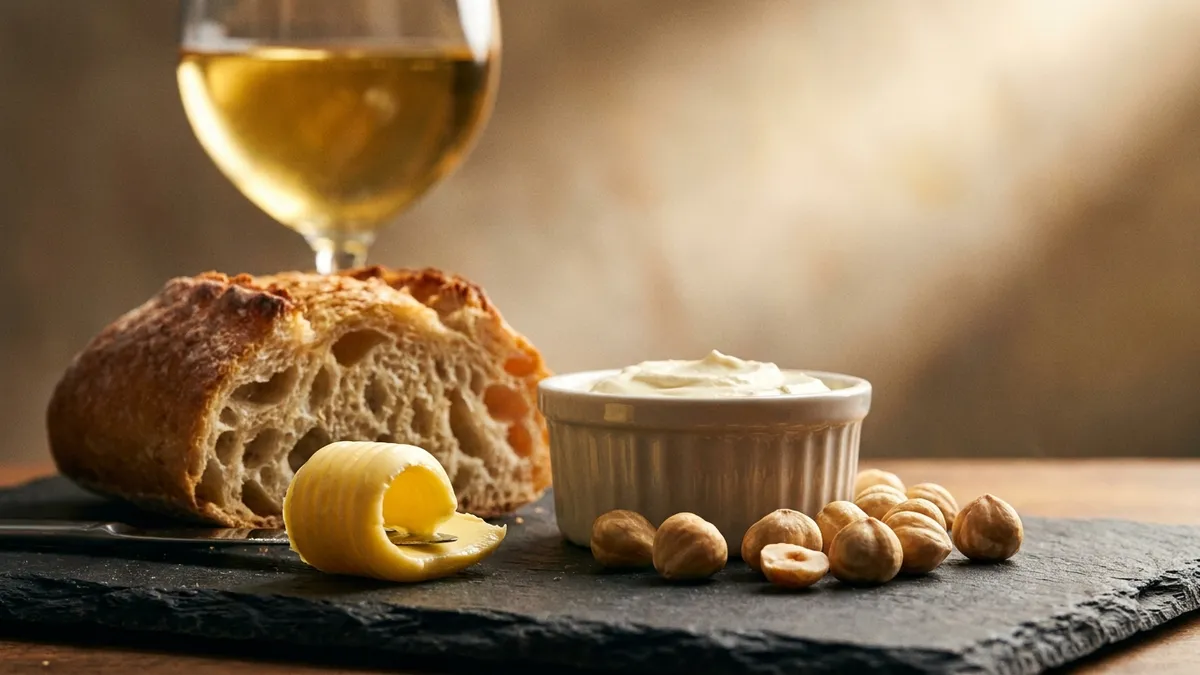
- Lees aging — bread, brioche, biscuit, toasted nut, fresh dough (especially in traditional-method sparkling and white Burgundy)
- Malolactic fermentation — butter, cream, yogurt, hazelnut (most common in oaked Chardonnay and many reds)
- Oak — vanilla, coconut, clove, toast, smoke, cedar, coffee bean
- Yeast strain choices — banana, pear drop, fresh-cut flowers in some young whites
A buttery California Chardonnay or a yeasty vintage Champagne shows secondary bouquet prominently. None of those smells were in the grape. They came out of barrels, tanks, and yeast cells.
Tertiary Bouquet: From Bottle Age
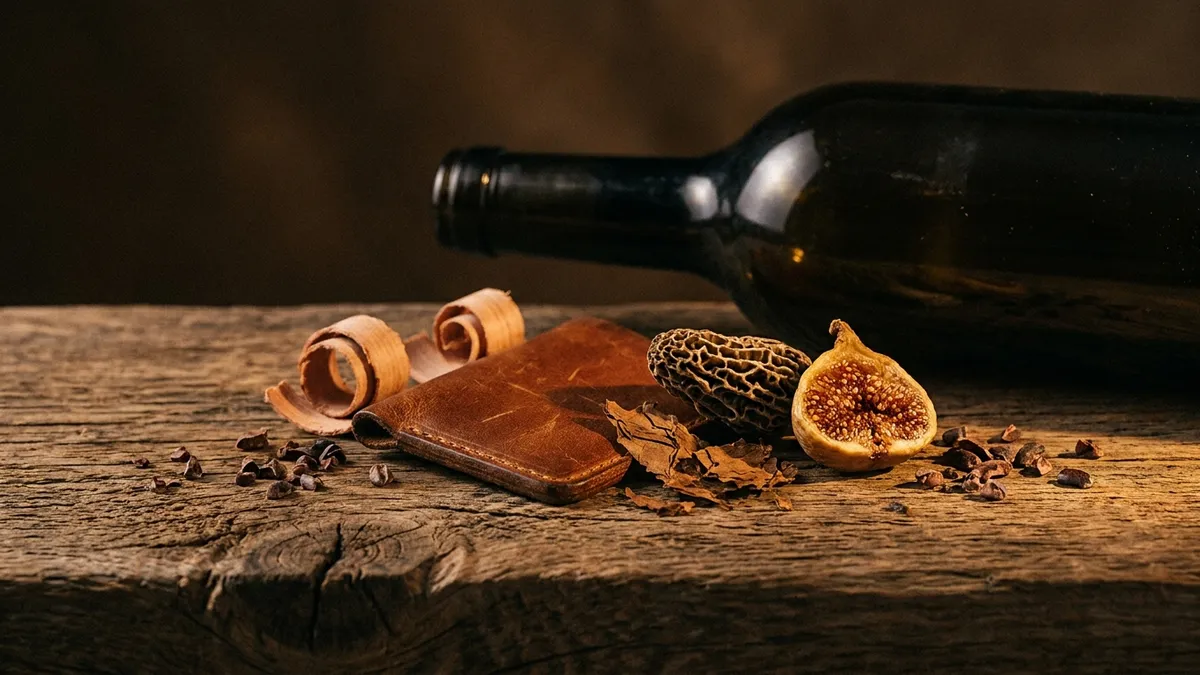
Tertiary aromas are the most dramatic transformation in a wine's life and the original meaning of the word bouquet in the strict French sense. They develop slowly over years of bottle aging, as the wine's chemistry evolves in the absence of oxygen. Common tertiary notes include:
- Wood-derived evolution — cedar, sandalwood, pencil shavings (oak vanilla fading into something darker and drier)
- Oxidative — hazelnut, almond, dried apricot, sherry, caramel, honey
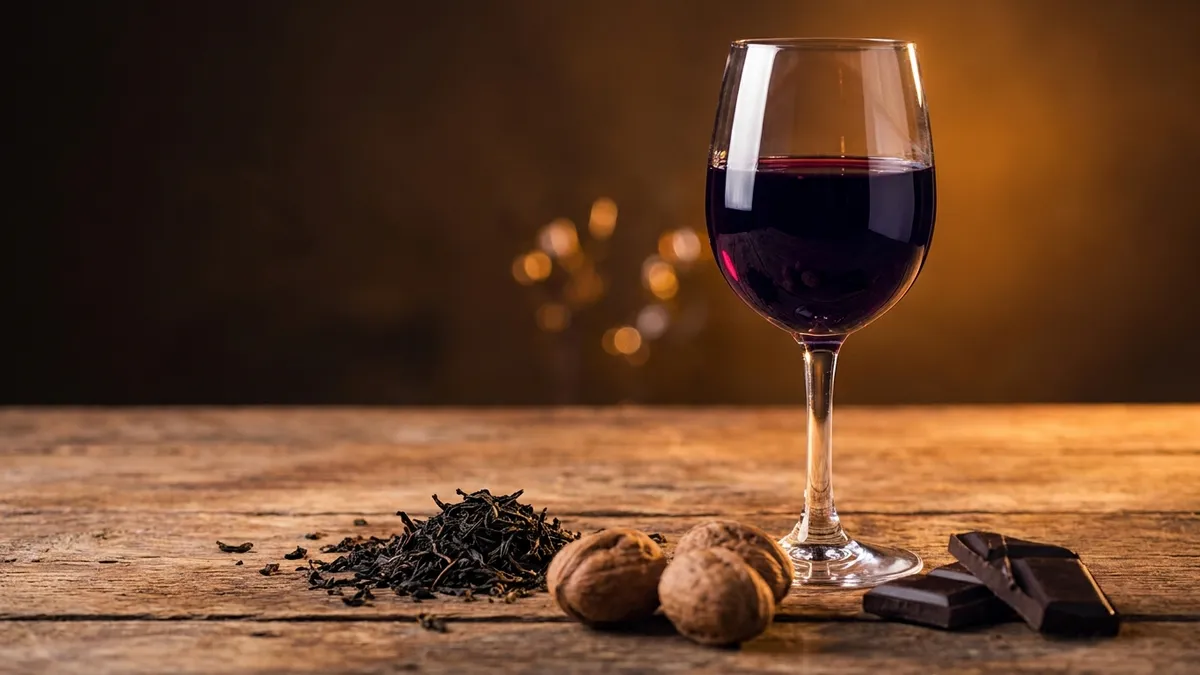
- Reductive and meaty — leather, tobacco, forest floor, truffle, mushroom, game
- Dried fruit — raisin, prune, fig, dried cherry
- Petrol — the famous note in mature Riesling, from a molecule called TDN
A 20-year-old Bordeaux smells almost nothing like a one-year-old one. The young blackcurrant and graphite have faded into cedar, leather, tobacco, dried fig, and mushroom. That slow, patient transformation is why aged wine is such a different experience from young wine, and why the strict Peynaud school reserved bouquet for exactly this stage.
A Simple Framework: Grape, Cellar, or Bottle?
The cleanest way to think about every smell in your glass is to ask one question: did this come from the grape, the cellar, or the bottle? That single question maps directly to aroma, secondary bouquet, and tertiary bouquet.
- Fresh strawberry on the nose of a young Beaujolais? Grape — aroma.
- Buttered toast on the nose of an oaked white Burgundy? Cellar — secondary bouquet.
- Forest floor on the nose of an aged Barolo? Bottle — tertiary bouquet.
Tagging each smell as you find it sounds tedious, but it becomes automatic within a dozen wines. After a month of practice, you will catch yourself thinking "that vanilla is oak, not grape" without effort. That is the moment your tasting vocabulary stops being a list of words and becomes a real diagnostic tool.
For a structured way to walk through this on every glass, our guide to how to describe wine lays out the four-part tasting note that bakes the framework directly into how you write notes.
A Practical Side-by-Side: Young Pinot Noir vs Aged Pinot Noir
The fastest way to feel the aroma vs bouquet split is to smell two wines made from the same grape at very different ages, side by side. Pinot Noir works beautifully because it shows clear evolution and is widely available across price points.
Find a one-to-two-year-old village-level Burgundy or a young Oregon Pinot Noir, and a 10-plus-year-old bottle of the same general style. Pour both. Smell each gently in the order described in our guide to how to smell wine and write three words for each glass.
Typical results:
- Young Pinot Noir — fresh red cherry, raspberry, violet, sometimes a hint of vanilla or smoke from oak. Almost pure aroma with a thin secondary layer.
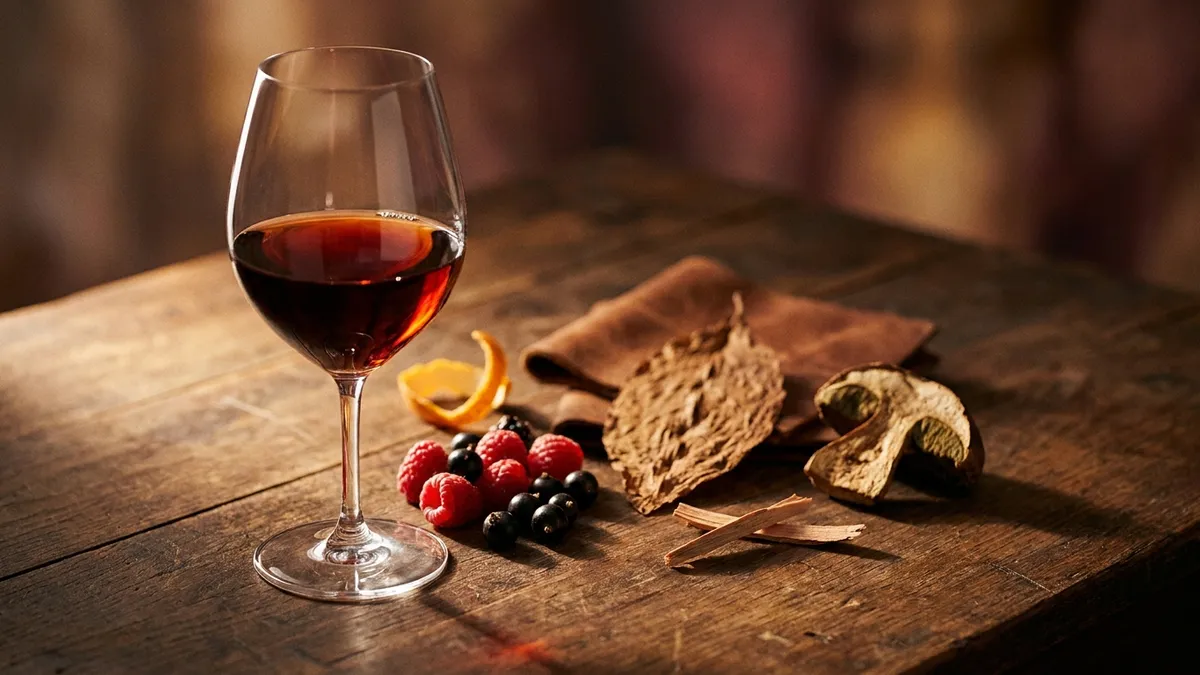
- Aged Pinot Noir — dried cherry, leather, mushroom, forest floor, cedar, soft spice. Mostly bouquet, with the original red fruit faded into a dried, savory echo.
That contrast is the entire framework in one tasting. Try the same exercise with two Rieslings, two Cabernet Sauvignons, or two Chardonnays — the mechanism is the same in every grape, just with different signature tertiary notes.
The Sommy app includes structured paired-tasting drills like this one, with prompts for what to look for on each nose and how to compare them. Working through a few of them is the fastest way to lock the vocabulary into your head.
Where the Line Blurs
The aroma-versus-bouquet model is clean for most of the wine world, but a few styles deliberately scramble the categories. They are worth knowing about because they explain a lot of "what am I even smelling?" moments.
Amphora and clay-vessel wines. Wines fermented and aged in unglazed clay (qvevri in Georgia, tinajas in Spain) often pick up earthy, slightly oxidative notes that look tertiary but appear within months. The vessel is doing what bottle age would normally do, just much faster.
Oxidative whites. Fino Sherry, Manzanilla, Vin Jaune from the Jura, and traditional Tokaji Szamorodni develop pronounced nutty, briny, almost sourdough notes through deliberate exposure to oxygen under a layer of yeast called flor. The smells read tertiary but are produced in the cellar rather than in the bottle.
Traditional-method sparkling. Champagne, Cava, Franciacorta, and high-end English sparkling spend years on lees in the bottle before disgorgement. They show heavy secondary bouquet — brioche, toasted almond, lemon curd — long before they would qualify as old.
Heavily oxidized reds. Old Tawny Port, Madeira, and Rancio-style wines collapse the model entirely. By the time you smell them, primary fruit is essentially gone, and what remains is pure cellar-driven oxidation. The category labels still work, but the proportions are extreme.
In all of these styles, the underlying framework still holds — every smell came from the grape, the cellar, or the bottle. The unusual part is just which mechanism dominates.
Modern Tasting Vocabulary: Why Most Pros Skip the Word
If you take a WSET course or watch a Master Sommelier exam today, you will rarely hear the word bouquet. The modern convention, used in most professional tasting curricula, is to call everything aromas and split them into three categories by origin: primary, secondary, tertiary.
The reason is precision. The classic aroma vs bouquet split made sense in mid-20th-century French wine, where most quality bottles were red, oak-aged, and built to mature for decades. It is less useful for modern wine, where most bottles are young, where many whites are unoaked, and where styles like natural wine and orange wine break the old templates entirely. The three-category model handles all of them cleanly.
Both vocabularies describe the same smells. You can use whichever feels natural — there is no wrong answer in casual conversation. The reason to lean on the modern version in your own tasting notes is that it forces you to name where the smell came from rather than just whether it is fresh or aged.
For the standard sequence professionals use to write all of this down on every wine, see our breakdown of the WSET systematic tasting approach and our cheat sheet of the wine tasting vocabulary you actually need.
Common Mistakes Beginners Make With These Two Words
A few habits trip up almost everyone new to the framework. Catching them early saves a lot of confused tasting notes.
- Calling oak bouquet aroma. Vanilla, smoke, and cedar from a barrel are not in the grape. They are bouquet, even in a one-year-old wine.
- Calling fermentation notes aroma. Yeast, brioche, and butter belong on the bouquet side. They came from the cellar, not the vine.
- Calling old wine "more aromatic." What old wine has more of is bouquet, not aroma. The original aroma has usually faded by the time the tertiary character peaks.
- Using bouquet for any pleasant smell. Bouquet has a specific meaning. Treating it as a synonym for "nice nose" loses the whole reason the word was introduced.
- Ignoring the question of origin altogether. The point of the framework is not the words — it is the question they encode: where did this smell come from? Skip the question and you lose the diagnostic power.
For a wider list of tasting traps to avoid as you build the habit, see our guide to common wine tasting mistakes.
Practice Beats Theory
Reading about aroma versus bouquet will get you to the starting line. The vocabulary only sticks when you smell a real wine and force yourself to tag each note to a source. The good news is that the practice loop is short — pour, sniff, name, ask whether the smell came from the grape, the cellar, or the bottle. Twenty bottles of deliberate practice and the framework becomes instinctive.
Pair the loop with a structured aroma reference. The develop your wine palate guide has a set of at-home drills for building a personal aroma library, and the wine glossary is a quick lookup for any term you run into mid-tasting and want to double-check.
The Sommy app builds the same loop directly into its tasting practice. Each guided session prompts you to name the aroma, classify its origin, and compare your notes to a calibrated reference, so you build the grape-cellar-bottle reflex without having to invent the structure yourself. Visit sommy.wine to try a few sessions and see how fast the categories start clicking into place.
The whole point of the wine aroma vs bouquet split is to give you a sharper question to ask of every glass you smell. Once you start asking it, the wine starts answering — and a vocabulary that used to feel intimidating becomes a clear, structured tool you actually own.
Frequently Asked Questions
What is the difference between wine aroma and bouquet?
Aroma describes the smells that come directly from the grape — fresh fruit, flowers, herbs, and minerals. Bouquet describes the smells that develop later, through fermentation and aging in barrel and bottle. A young, unaged wine has aroma but no real bouquet. An older wine layers bouquet — leather, tobacco, dried fruit, mushroom — on top of whatever fresh aroma remains.
Did the meaning of bouquet change over time?
Yes. The classic French school led by Émile Peynaud reserved bouquet strictly for tertiary smells that emerged after years of bottle aging. Modern English-language usage is looser, often grouping fermentation notes into bouquet too. Most contemporary tasting curricula now skip the term entirely and use primary, secondary, and tertiary aromas instead, which removes the ambiguity altogether.
Does every wine have a bouquet?
No. Bouquet only develops with time. Wines designed to drink young — fresh rosés, light whites, fruity reds — finish their lives without ever forming a real bouquet. They stay on aroma. Bouquet is the reward of long, patient aging in serious bottles, and most wines in the world are not made for that path.
How do I tell aroma from bouquet in a single glass?
Ask one question with each smell you find: did this come from the grape, the cellar, or the bottle? Fresh fruit, fresh flowers, and fresh herbs point to aroma. Yeast, butter, oak, and lees suggest fermentation-side bouquet. Leather, tobacco, mushroom, dried fig, and forest floor are aging bouquet. Tagging each smell to its source quickly becomes second nature.
Can a young wine have any bouquet at all?
Slightly, on the secondary side. Wines with extended lees contact, malolactic fermentation, or generous oak start showing fermentation-derived bouquet within months — bread, butter, vanilla, smoke. True tertiary bouquet from bottle aging takes five years or more. Most young wines are 80 to 90 percent aroma, with a thin secondary layer from the cellar.
Is bouquet a positive thing or a sign of an old wine?
It is a positive thing in wines built to age, and a fault in wines that were not. A 20-year-old Barolo with leather and rose petal bouquet is at its peak. A two-year-old supermarket Pinot Grigio that smells like dried hay and cardboard is oxidized, not bouqueted. Context decides whether the same set of notes is glory or decline.
How do oxidative wines like Sherry fit the aroma vs bouquet model?
Oxidative wines blur the line on purpose. Fino Sherry, Vin Jaune, and Tokaji Szamorodni develop pronounced nutty, briny, and savory notes through deliberate oxidation under flor or in open cask. The smells look tertiary, but they appear during aging in the cellar rather than in the bottle. Most tasters classify them as a special secondary-tertiary hybrid.
Should I still use the word bouquet when describing wine?
It is fine in casual conversation, especially for old wines. In structured tasting notes — WSET, the Court of Master Sommeliers, professional reviews — the modern convention is to skip bouquet and use primary, secondary, and tertiary aromas instead. Both vocabularies describe the same smells. The newer one is just clearer about where each smell came from.
Sommy Team
LinkedInFounder & Wine Educator
The Sommy Team is building the world's most approachable wine education app, helping beginners develop real tasting skills through structured courses and AI-guided practice.