Wine Acidity Explained: How to Taste It and Why It Matters

By the Sommy Team — AI-assisted, human-edited.
Updated Apr 29, 2026
Contents (12)
- Why Acidity Decides Everything in the Glass
- Wine Acidity, in 90 Seconds
- The Four Acids Doing the Work
- How to Taste Acidity at Home
- Climate Decides Everything
- The Vocabulary Sommeliers Use
- Tartrate Crystals: The Acid You Can See
- Why Acidity Changes the Whole Wine
- Acidity at the Table
- The Balance Question
- What Acidity Actually Predicts
- The Takeaway
TL;DR
Wine acidity is the tart, mouthwatering quality created by tartaric, malic, lactic, and citric acids in the grape. It governs freshness, food pairing, aging potential, and how sweet or full a wine feels. Cool climates preserve acid, warm climates burn it off, and the best wines balance acid against sugar, tannin, and alcohol rather than maxing any one of them.
Why Acidity Decides Everything in the Glass
Wine acidity is the single structural element that separates a glass that invites another sip from one you push aside after a few minutes. It is the tang on the front of your tongue, the flood of saliva after you swallow, and the lift that keeps fruit from feeling heavy. Strip acidity out of a wine and even great fruit collapses into something dull and tiring.
This is why winemakers obsess over harvest timing down to a single afternoon. Pick too early and the acid screams over the fruit. Pick too late and the acid evaporates into syrupy alcohol. The narrow window in between is where balance lives, and balance is what every wine on a serious list is reaching for.
Acidity also happens to be the easiest structural element for beginners to learn. Tannin takes calibration, body takes context, sweetness can hide. But acid speaks directly to your salivary glands. Once you know what to feel for, you cannot unfeel it.
Wine Acidity, in 90 Seconds
Wine acidity is the sour, mouthwatering quality produced by four organic acids in the grape — tartaric (the dominant one, unique to grapes), malic (the green-apple sharpness), lactic (the softer dairy tang from secondary fermentation), and citric (a small citrus accent in whites). You feel acid as a tang at the sides of the tongue and a flood of saliva that lasts ten to thirty seconds after a sip. Cool climates preserve acid, warm climates burn it off into sugar, and winemakers in hot regions sometimes add tartaric back to compensate. High-acid wines like Mosel Riesling and Champagne sit around pH 3.0. Low-acid warm-climate Chardonnay or Zinfandel hovers near pH 3.7. Acid governs freshness, food pairing, aging potential, and how sweet or full the wine feels — too much and the glass is sharp, too little and it falls flat.
The Four Acids Doing the Work
Most wine reviews talk about acidity as if it were one thing. It is not. Four different acids contribute, each with its own fingerprint on the palate.
Tartaric Acid — The Dominant One
Tartaric acid is the acid most responsible for wine's structural backbone. It is unusual in nature — found in significant amounts only in grapes — and it survives fermentation almost untouched. Tartaric acid feels firm and clean. When winemakers in warm climates "acidify" a wine, this is the acid they add.
Malic Acid — The Green Apple Bite
Malic acid is the sharp, crunchy sourness you taste when you bite into an under-ripe Granny Smith. It is high in cool-climate grapes and drops as fruit ripens. In wine, malic gives a piercing, almost edgy character. Many reds and some whites convert it to lactic acid through malolactic fermentation (a secondary process where bacteria swap sharper malic for rounder lactic acid), which we cover in our guide to what malolactic fermentation actually does.
Lactic Acid — The Softer Tang
Lactic acid is the same acid that gives yogurt and sour cream their tang. It tastes rounder and creamier than malic. Wines that go through full malolactic fermentation — most reds and oaked Chardonnay — show this softer profile, which is why they feel more textured and less sharp than their unoaked counterparts.
Citric Acid — The Small Bright Note
Citric acid appears in tiny amounts and contributes a flash of citrus zing, mostly in whites. It is rarely the headline acid but plays a supporting role in lifted, aromatic wines.
How to Taste Acidity at Home
You do not need a lab. Your tongue and your salivary glands are the only instruments required.
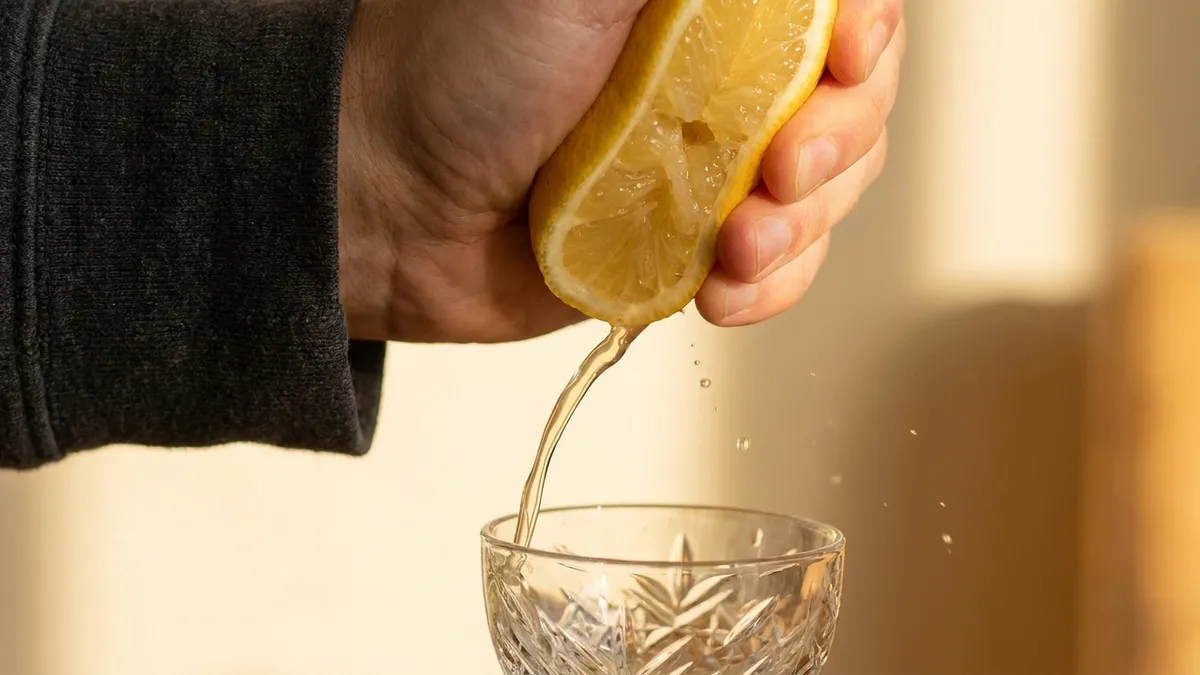
Pour a wine you suspect runs high in acid — a Sauvignon Blanc, a young Riesling, a Champagne — and a wine you suspect runs low — a warm-climate Viognier, a ripe Zinfandel, an oaky Chardonnay. Taste them side by side and pay attention to one thing only: how much your mouth waters after you swallow.
The Three Sensations to Notice
Three things happen when acid hits your palate. Track each one separately.
- Mouthwatering. Salivation kicks in within a second or two and continues after you swallow. Time it. More than fifteen seconds means high acid. Less than five seconds means low acid. This is the most reliable signal.
- Tang. A sour bite at the front and sides of the tongue, sharper than fruit flavor, almost metallic at extremes. High-acid wines feel "zippy" or "racy" here.
- Lift. A sense that the wine moves rather than sits, refreshing the palate instead of coating it. Low-acid wines feel heavy and stuck. High-acid wines feel like they are still moving after you swallow.
If you want a structured way to build this skill, our guide to how to develop your wine palate walks through the calibration drills sommeliers use to lock these sensations in.
Climate Decides Everything
The most reliable predictor of how acidic a wine will taste is not the grape variety. It is where the grapes grew.
Acid in grapes is highest at the start of ripening and drops every warm day until harvest. The grape is essentially trading acid for sugar as it sits in the sun. A cool, slow growing season preserves more acid because the trade-off never accelerates. A hot, sunny one burns it off.
This is why the Mosel Valley in Germany, the Loire in France, and the cool corners of New Zealand produce some of the most electric high-acid wines on earth. The growing season is short, the sun is weak, and the grapes hold onto their acid through harvest. Warm regions like inland California, southern Spain, and southeastern Australia produce wines with naturally lower acid, which is why so many of them are acidified in the cellar.
A simple frame:
- High acid (pH 3.0 to 3.2). Mosel Riesling, vintage Champagne, Chablis, Sancerre, Sangiovese, Nebbiolo, Barbera.
- Medium acid (pH 3.3 to 3.5). Most table wines, including oaked Chardonnay, Pinot Noir, Tempranillo, Bordeaux blends.
- Low acid (pH 3.6 to 3.8). Warm-climate Chardonnay, ripe Merlot, Zinfandel, Grenache, Gewürztraminer.
The same grape behaves completely differently across climates. A side-by-side of two Chardonnays — one from Chablis, one from Napa — is one of the fastest education moments in wine. Our Chardonnay vs Sauvignon Blanc comparison digs further into how climate splits styles even within the same variety.
The Vocabulary Sommeliers Use
When tasting notes describe acidity, the language is surprisingly precise. Each word carries a specific meaning.
- Bright. Lively, well-integrated acid that gives the wine energy. A compliment.
- Crisp. Clean and refreshing without aggression. The default praise for a high-acid white.
- Racy. Pronounced, drives the wine forward. Often used for great Riesling.
- Tart. Noticeable sourness, can be positive in moderation.
- Sharp. Acid that feels aggressive or out of balance. Borderline criticism.
- Sour. Imbalanced, where acid dominates fruit. Negative.
- Flabby. Acid too low for the wine's body. Heavy and dull.
- Flat. Lifeless, no perceived acid at all. Worst case.
Memorizing these terms takes a few weeks of practice. Our wine tasting vocabulary cheat sheet lays out the full descriptor system used in serious tasting notes, and the Sommy app drills you on each one through real wine examples.
Tartrate Crystals: The Acid You Can See
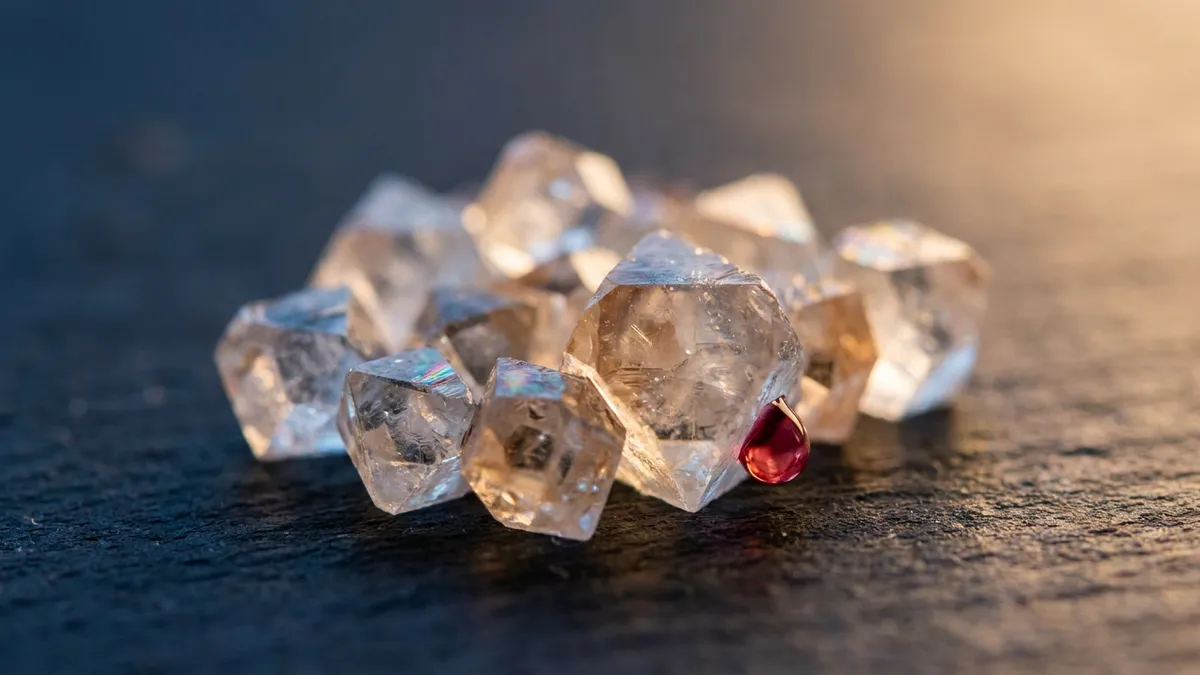
Open a bottle of high-acid white that has been stored cold and you sometimes find tiny clear or pinkish flakes on the underside of the cork or settled at the bottom. These are tartrate crystals — also called wine diamonds — and they are pure crystallized tartaric acid that precipitated out of solution when the wine got cold.
They are harmless, tasteless, and arguably a quality signal. A wine with high enough natural acid to throw crystals tends to be a wine with structure built to age. Producers can prevent crystals by chilling wine before bottling and filtering the solids out, but many serious producers skip that step because it strips other things from the wine alongside the tartrates.
If you find them in your glass, do not panic. Decant slowly off the sediment and drink the wine.
Why Acidity Changes the Whole Wine
Acidity does not sit alone. It interacts with every other element in the glass — sugar, tannin, alcohol, body — and the interactions are where the magic happens.
Acid Versus Sweetness
Sweet wine without acid is candy. Sweet wine with high acid is one of the great categories in the world. The acid pulls against the sugar, creating a tension that makes the wine feel balanced rather than cloying. This is the engine behind German Riesling Spätlese, Sauternes, Tokaji, and ice wine. The same chemistry, run without the acid backbone, would taste sticky and one-dimensional. We unpack this further in our guide to Riesling, the king of acid-and-sugar tension.
Acid Versus Body
A full-bodied wine with low acid feels lumbering. A full-bodied wine with high acid feels structured and alive. Acid is what keeps weight from becoming heaviness. The world's longest-lived wines — top Burgundy, vintage Champagne, Barolo — all combine notable body with high acid for exactly this reason.
Acid Versus Tannin
In red wine, acid and tannin work together to create what tasters call structure. Tannin grips the cheeks. Acid waters the mouth. Together they balance against rich fruit and create a finish that pulls you back for another sip. This is the foundation of how to read a serious red wine, and it is one of the first frameworks taught in how to taste wine like a sommelier.
Acid in Sparkling Wine
The high acid of base wine for Champagne (sparkling wine made by traditional method in the Champagne region of France) is the reason the finished bottle does not taste sweet, even though most non-vintage cuvées contain six to twelve grams of residual sugar from the dosage. The acid masks the sugar perfectly. For a fuller comparison of how three sparkling styles handle acidity, our Champagne vs Prosecco vs Cava breakdown lays out the differences.

Acidity at the Table
This is where acidity stops being abstract and starts being useful. Acid is the single most important variable for food pairing — more decisive than tannin, body, or sweetness.
High-Acid Wines With Rich Food
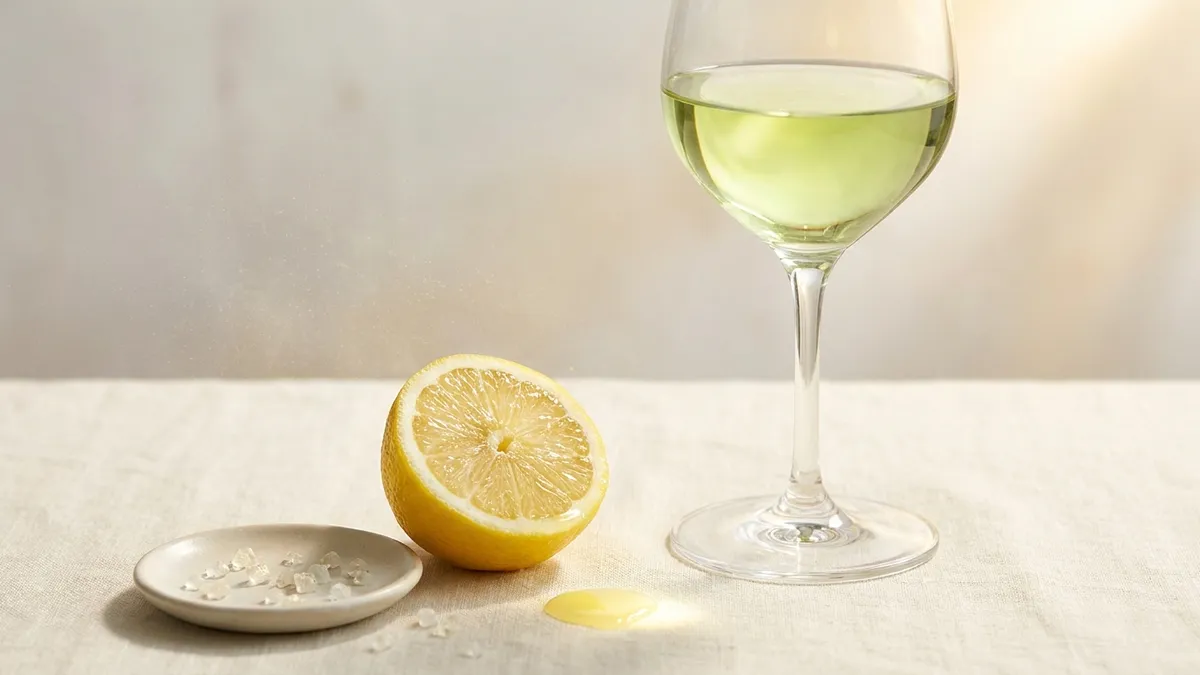
The pairing rule is simple. Acid cuts richness. A high-acid wine acts like a squeeze of lemon on the dish, refreshing the palate between bites and stopping fat from building up into fatigue.
- Fatty cheeses like aged cheddar or triple-cream Brie pair beautifully with high-acid whites.
- Fried foods of any kind — fried chicken, tempura, calamari — work with Champagne, Cava, or crisp Sauvignon Blanc.
- Vinaigrette-dressed salads match acid for acid with a Sancerre or a Vermentino.
- Tomato-based dishes mirror their own high acid against a Sangiovese, Barbera, or Chianti Classico.
Low-Acid Wines With Mellower Food
Low-acid wines pair best with food that does not need cutting through. Cream-based pasta, butter-poached lobster, soft cheeses, and gentle roasts let a softer wine show its texture without fighting the dish for attention.
The Sommy app builds these pairing instincts through structured tastings that teach you to feel acid in a wine and predict how it will behave at the table. You can also explore the glossary of structural terms that anchors every Sommy course.
The Balance Question
A common beginner mistake is to treat high acid as automatically good. It is not. The goal is balance, not maximum.
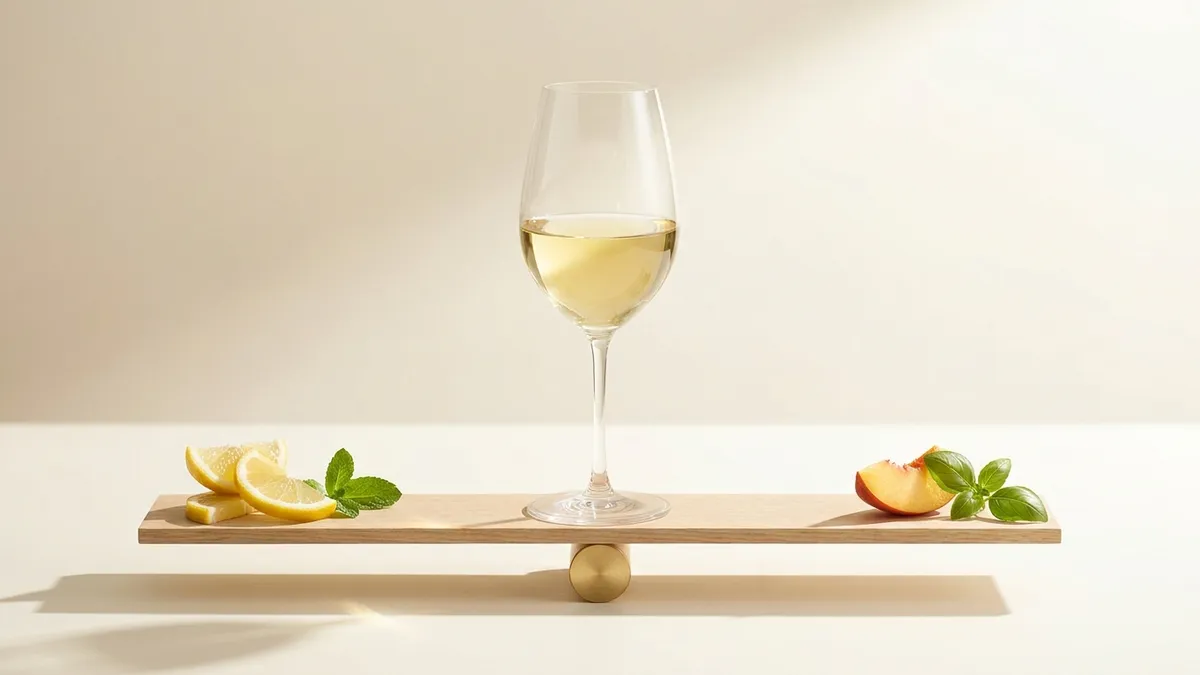
The best wines integrate acid against sugar, tannin, alcohol, and body so that no single element dominates. A bone-dry, high-acid wine without enough fruit feels skeletal. A high-acid sweet wine without enough sugar feels sour. A high-acid red without enough tannin or fruit feels thin and tart.
When you start tasting, calibrate against extremes first — a Mosel Riesling and a warm-climate Viognier — and then learn to recognize the middle ground where most great wines actually live. Once your palate locks onto the mouthwatering signal, you can taste any wine and place its acid level within seconds.
What Acidity Actually Predicts
Once you can feel acid clearly, you can predict three things about a wine before reading the label.
Aging potential. Acid is a natural preservative. High-acid wines age longer because the acid slows oxidation and gives the wine's other elements time to integrate. A flabby low-acid wine will not survive a decade in a cellar no matter how expensive it was.
Food friendliness. A high-acid wine has more pairing range than a low-acid one. It can sit next to almost any cuisine without crashing.
Style integrity. Wines built around acid — Riesling, Champagne, Sangiovese, Pinot Noir — depend on it for their identity. A Riesling without acid is not really Riesling. Acid is the spine that makes the variety recognizable.
If you want to keep building this kind of structural intuition, the Sommy Wine Coach app walks you through guided tastings that teach you to identify acid, tannin, body, and sweetness on the same wines you would taste at home — turning vague impressions into a vocabulary you can actually use.
The Takeaway
Wine acidity is not a number to memorize. It is a sensation to learn. Pour two wines from opposite climates, focus on how long your mouth keeps watering, and the entire concept clicks within minutes. From that one calibration, you can start tasting any wine and feel where the acid sits — high, medium, or low — and that single signal unlocks food pairing, aging predictions, and the language sommeliers use to describe what they are sensing.
Acid is the spine of every wine that matters. Without it, even great fruit collapses. With it, even modest wines come alive. Train your palate to recognize it and you will never look at a glass the same way again.
Frequently Asked Questions
What does wine acidity actually taste like?
Wine acidity tastes like a sour tang at the front and sides of the tongue, followed by a flood of saliva that lasts ten to thirty seconds after you swallow. Think of biting into a green apple or squeezing fresh lemon into water — that puckering, mouthwatering sensation is acidity. The longer your mouth keeps watering, the higher the acid level.
How do you measure acidity in wine?
Winemakers measure acidity two ways. Total acidity reports grams per liter of acid in the wine, typically between 5 and 9 g/L. pH measures how strong that acid feels on the palate, usually between 3.0 and 3.8. Lower pH means a sharper, more aggressive acid sensation. A Mosel Riesling at pH 3.0 tastes far more electric than a Napa Cabernet at pH 3.7, even when total acidity numbers are similar.
Which wines have the highest acidity?
The most acidic wines on earth include German Riesling Kabinett from the Mosel, vintage Champagne, Chablis, Muscadet, and New Zealand Sauvignon Blanc among whites. Among reds, Sangiovese from Chianti, Nebbiolo from Barolo, Barbera, and cool-climate Pinot Noir lead the pack. All four climates share one thing — short, cool growing seasons that preserve grape acid before sugar takes over.
Why do warm-climate wines have lower acidity?
As grapes ripen in heat, they convert their natural acids into sugar. The warmer the season, the more acid burns off and the more alcohol the wine ends up with. This is why a Chardonnay from sun-baked inland California tastes rounder and softer than the same grape grown in chilly Chablis, where the sun never gets strong enough to strip the acid out.
What are tartrate crystals on the cork?
Tartrate crystals — sometimes called wine diamonds — are tiny clear or pinkish flakes that form when tartaric acid in the wine precipitates out at cold temperatures. They are completely harmless, tasteless, and a sign that the wine had naturally high acidity to begin with. They appear on the underside of corks or settle at the bottom of bottles, especially with high-acid whites and Champagnes stored cold.
Can a wine have too much acidity?
Yes. A wine with acid out of balance tastes sharp, sour, and cheek-numbing — every sip feels aggressive instead of refreshing. The opposite problem is just as bad. Wines with too little acid feel flabby, heavy, and lifeless, like fruit juice gone warm. Great wine sits in the middle, where the acid lifts the fruit without dominating it.
How does acidity affect food pairing?
High-acid wines cut through fat, cream, and richness like a squeeze of lemon on a heavy dish. Champagne with fried chicken, Sauvignon Blanc with goat cheese, Chianti with tomato pasta — those pairings work because the wine's acid resets the palate between bites. Low-acid wines pair better with mellower, less fatty food because there is nothing on the wine side to push back against richness.
Does sweetness mask acidity in wine?
Sweetness softens the perception of acid even when the chemistry stays the same. A bone-dry Riesling with 8 g/L total acidity tastes razor-sharp, while a Riesling Spätlese with the same acid plus residual sugar tastes balanced and creamy. Winemakers use this trick deliberately — high acid is what keeps sweet wines from tasting cloying, and high sugar is what keeps screaming acid in check.
Sommy Team
LinkedInFounder & Wine Educator
The Sommy Team is building the world's most approachable wine education app, helping beginners develop real tasting skills through structured courses and AI-guided practice.