Wine Body Explained: Light, Medium, and Full-Bodied Wines

By the Sommy Team — AI-assisted, human-edited.
Updated Apr 29, 2026
Contents (13)
- A Sip of Cream, A Sip of Water
- Wine Body, in 90 Seconds
- What Body Actually Is on Your Palate
- The Three Categories of Wine Body
- What Creates Wine Body
- The Climate Effect on Body
- Body, Tannin, Acidity: The Structural Triangle
- How to Train Your Body Detection
- The Legs Myth, Quickly Debunked
- Body and Pairing: The One Rule That Always Works
- Common Confusions About Body
- Building Body Awareness Into Every Glass
- The Bottom Line on Wine Body
TL;DR
Wine body is the weight and viscosity of wine in your mouth, ranging from light (skim milk) to medium (whole milk) to full (heavy cream). Body is created mainly by alcohol, glycerol, sugar, tannin, and extract. Use the milk analogy to feel it, then match wine body to food weight for confident, balanced pairings every time.
A Sip of Cream, A Sip of Water
Pour a glass of skim milk and a glass of heavy cream side by side. Same color. Same temperature. Same liquid form. But take a sip of each and the difference is unmistakable — one slips across your tongue and disappears, the other coats your mouth and lingers like a glove. That difference is wine body at work, and it is one of the most powerful sensations to learn in your tasting practice.
Wine body is not about flavor. It is about weight. The way a wine feels physically as it sits on your palate. Some wines feel airy, almost watery. Others feel oily, dense, and substantial. Most fall somewhere in between. Once you can feel where a wine sits on that spectrum, food pairing becomes intuitive, and you stop guessing whether a bottle will work for the meal in front of you.
This guide walks through the full light-medium-full spectrum, the chemistry that creates body, the climate effects that shape it, and the pairing logic that makes body one of the most useful tools in your wine vocabulary.
Wine Body, in 90 Seconds
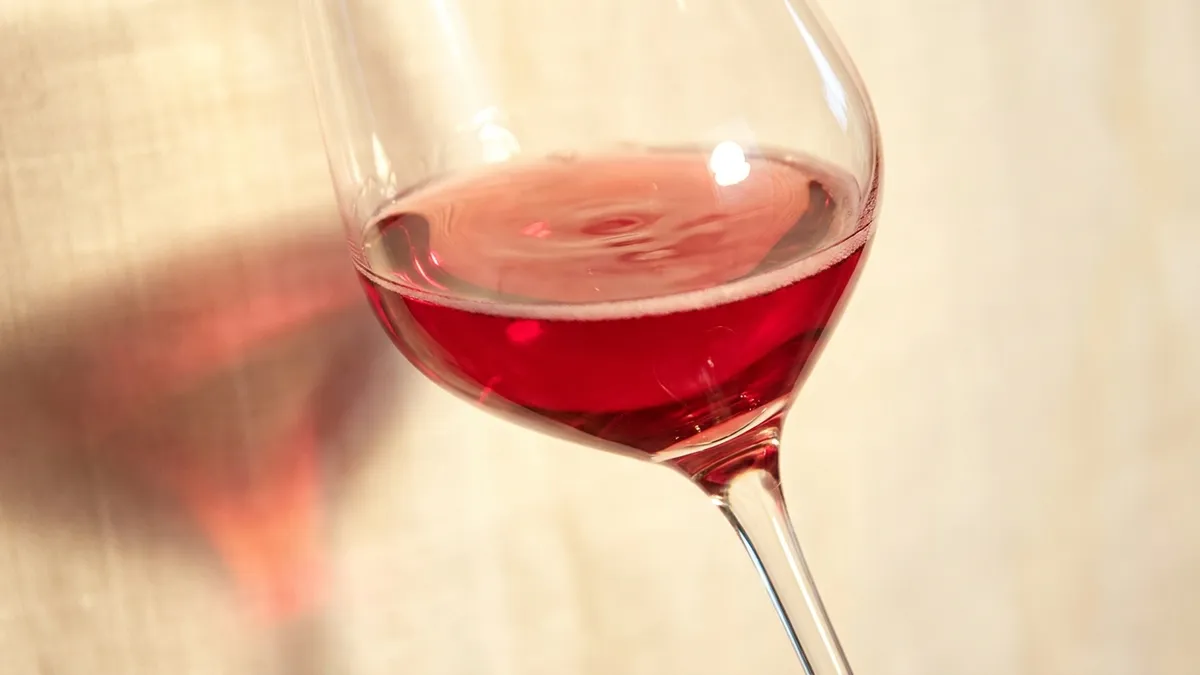
Wine body is the weight and viscosity wine has in your mouth — its physical presence on the palate. Think of it on a three-step scale. Light-bodied wines feel like skim milk, thin and refreshing. Medium-bodied wines feel like whole milk, rounder and more substantial. Full-bodied wines feel like heavy cream, rich and coating.
What creates body is mostly chemistry. Alcohol is the single biggest driver — a 14.5 percent wine almost always feels heavier than a 12 percent one. Glycerol (a fermentation byproduct), residual sugar, tannin in reds, and extract (dissolved solids from skins and pulp) all add to the sensation. Climate amplifies the effect — warm regions yield fuller wines, cool regions yield lighter ones.
Body matters because it drives pairing logic. Match wine weight to food weight and the meal balances. Mismatch it and one side erases the other. That is the entire foundation of confident, structured wine and food matching.
What Body Actually Is on Your Palate
Body is a textural property, not a flavor. You cannot taste body the way you taste cherry or pepper — you feel it. Specifically, you feel it as weight, thickness, and viscosity on your tongue, gums, and the roof of your mouth.
The easiest way to isolate the sensation is to drink water immediately before sipping wine. Water becomes your zero-line baseline. Anything heavier than water has body. The further the wine drifts from that watery baseline, the fuller the body.
Some tasters find body easier to feel by closing their eyes. Cutting the visual channel sharpens the tactile one, which is exactly what professional tasters often do during structural assessment. Try it once — you will be surprised how much easier weight is to detect when you are not also processing the color of the wine.
The Three Categories of Wine Body
Light-Bodied Wines
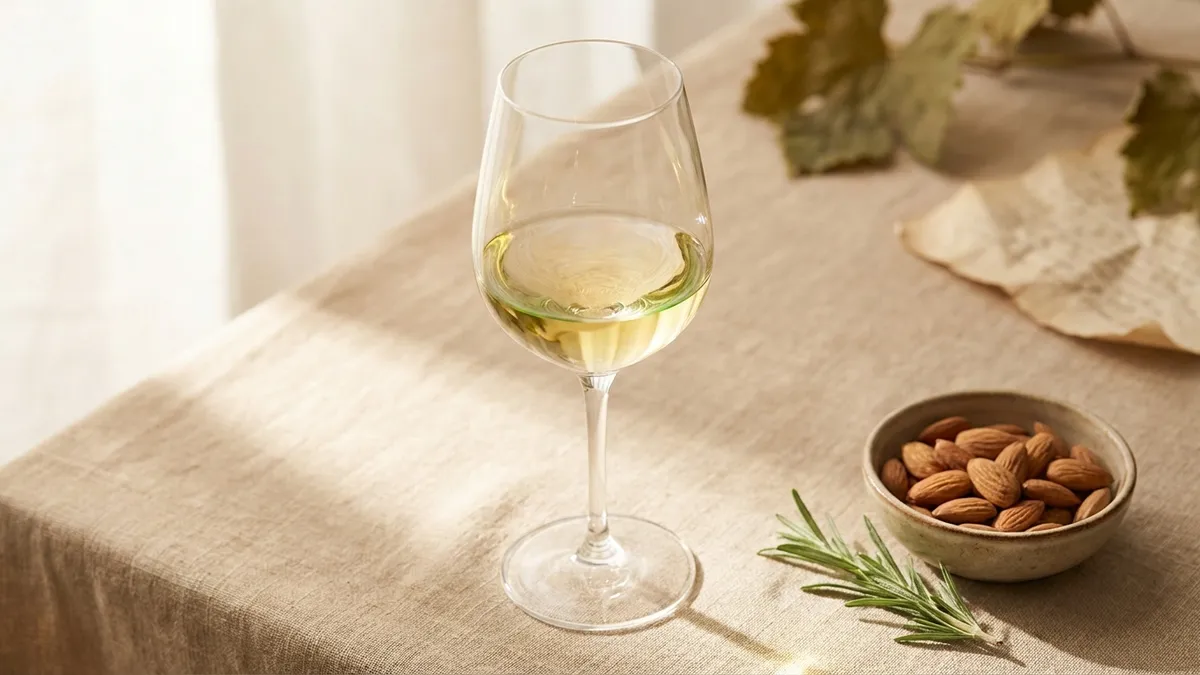
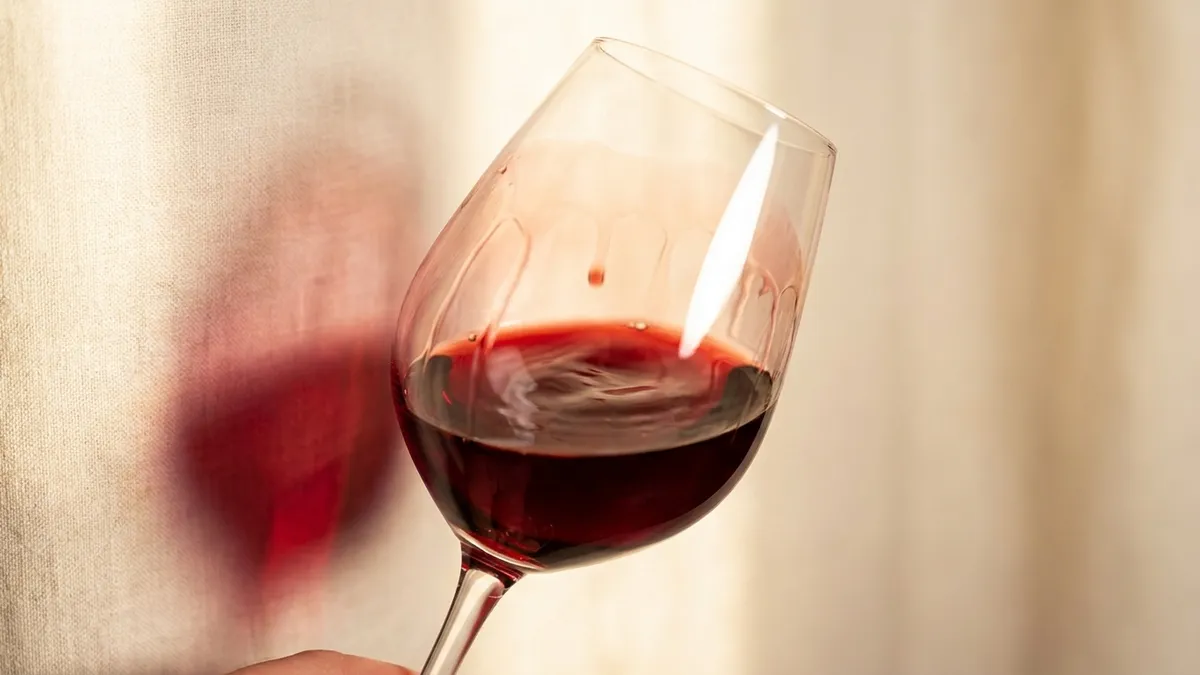
Light-bodied wines feel airy, crisp, and refreshing. They glide across the palate without leaving much trace. Alcohol is usually under 12.5 percent, tannin (in reds) is minimal, and the wine often has bright acidity that adds to the sense of lightness.
Common light-bodied whites:
- Vinho Verde
- Pinot Grigio (Italian style)
- German Riesling Kabinett
- Albariño
- Muscadet
- Moscato d'Asti
Common light-bodied reds:
- Beaujolais (Gamay)
- Young Pinot Noir from cool climates
- Trousseau
- Schiava
- Frappato
These wines work beautifully on warm afternoons, with delicate fish, with sushi, or as aperitifs. They reward attention without demanding it. A great light-bodied wine is not "watery" — it can have intense flavor and serious complexity. It just delivers all of that without weight.
Medium-Bodied Wines
Medium-bodied wines have presence without heaviness. They feel substantial on the palate, hold their flavor through the mid-palate, and finish cleanly without coating your mouth. Alcohol typically falls between 12.5 and 14 percent. Most everyday table wines live here, which is why this is the broadest category.
Common medium-bodied whites:
- Sauvignon Blanc
- Dry Chenin Blanc
- Unoaked Chardonnay
- Grüner Veltliner
- Pinot Gris (Alsace style)
Common medium-bodied reds:
- Sangiovese (Chianti)
- Tempranillo (Rioja)
- Merlot
- Bordeaux blends
- Most dry rosés
Medium-bodied wines are the safest bet for mixed dinner tables. They can swing toward lighter dishes (roasted chicken, charcuterie, soft cheese) or step up to heartier ones (mushroom pasta, pork, lamb chops) without disappearing or overwhelming. If you are pouring for a group with no menu in mind, medium body almost always works. The Sommy app's tasting practice walks you through assessing body alongside acidity and tannin so you can place a wine on this spectrum within a few sips.
Full-Bodied Wines
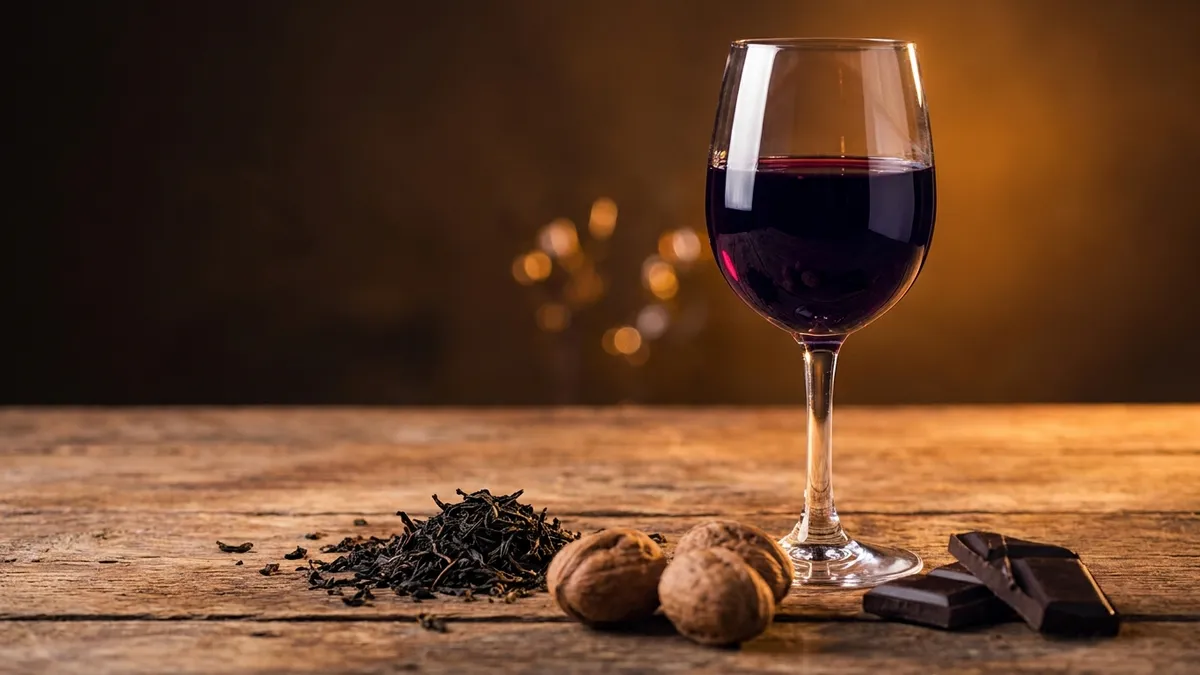
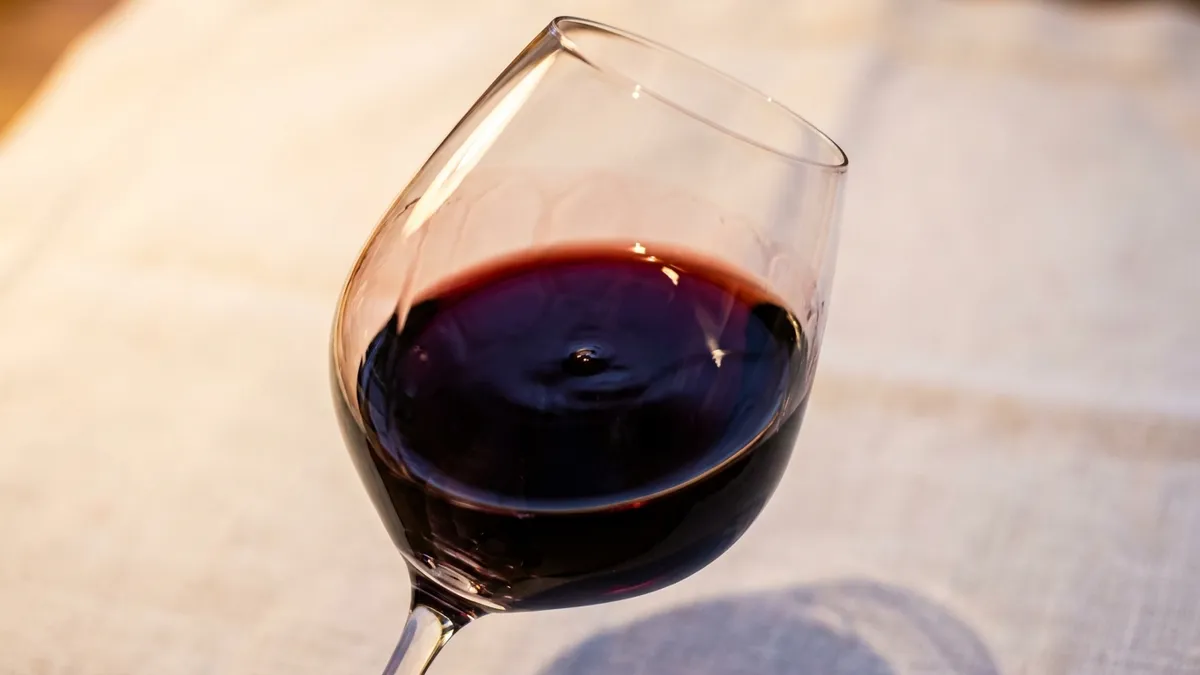
Full-bodied wines feel rich, heavy, and mouth-coating. They have power, concentration, and a presence that lingers after you swallow. Alcohol usually sits at 14 percent or higher. In reds, tannin often adds chewy structural weight. In whites, oak aging contributes creamy texture and density.
Common full-bodied whites:
- Oaked Chardonnay
- Viognier
- White Rhône blends (Marsanne and Roussanne)
Common full-bodied reds:
- Cabernet Sauvignon
- Syrah and Shiraz
- Malbec (especially from warm climates)
- Zinfandel
- Most Argentine reds
Fortified full-bodied styles:
- Tawny Port
- Oloroso Sherry
- Madeira
Full-bodied wines need food that can match their weight. Grilled red meat, braised short ribs, aged hard cheese, rich tomato-based pasta, smoked barbecue. Pour a Cabernet Sauvignon next to a green salad and the wine flattens the food into invisibility. Pour the same wine with a ribeye and both elements amplify each other.
What Creates Wine Body
Five chemical components determine where a wine sits on the body spectrum. Knowing them helps you predict body before you even open the bottle.
Alcohol
Alcohol is the single largest contributor to body. Alcohol is denser than water and slightly viscous, which adds weight and a warming sensation. Higher alcohol equals fuller body, almost as a direct relationship. Our alcohol in wine by type guide breaks down typical ABV ranges so you can read a label like a body-prediction tool.
Glycerol
Glycerol is a natural fermentation byproduct — a sweet, oily, viscous compound produced when yeast ferments grape sugar. It contributes to body without contributing flavor. Wines from very ripe grapes or affected by botrytis (noble rot) tend to have higher glycerol levels and a noticeably fuller, almost slick mouthfeel.
Residual Sugar
Residual sugar is grape sugar left unfermented in the finished wine. Sugar is physically thick and adds substantial body and viscosity. A bone-dry Riesling at 12 percent feels lighter than an off-dry Riesling at the same alcohol, because the off-dry version's sugar adds weight. Sweet dessert wines can feel enormous on the palate even when their alcohol is moderate.
Tannin
In red wines, tannins — the drying, gripping compounds extracted from grape skins, seeds, and oak — add textural weight. A tannic wine feels firmer and more substantial than a low-tannin wine at the same alcohol. This is why high-tannin grapes like Cabernet Sauvignon and Nebbiolo tend toward fuller body, while low-tannin grapes like Pinot Noir tend toward lighter body. For a deeper look at how tannin builds structure, our understanding tannins, acidity, and body guide shows how the three pillars work together.
Extract
Extract refers to the dissolved solids that remain in wine after the water and alcohol evaporate — phenolics, minerals, pigments, and trace compounds from skins and pulp. Higher extract means more "stuff" suspended in the wine, which translates to more body and concentration. Old-vine wines and low-yield wines tend to have higher extract because the available nutrients are concentrated into fewer berries.
The Climate Effect on Body
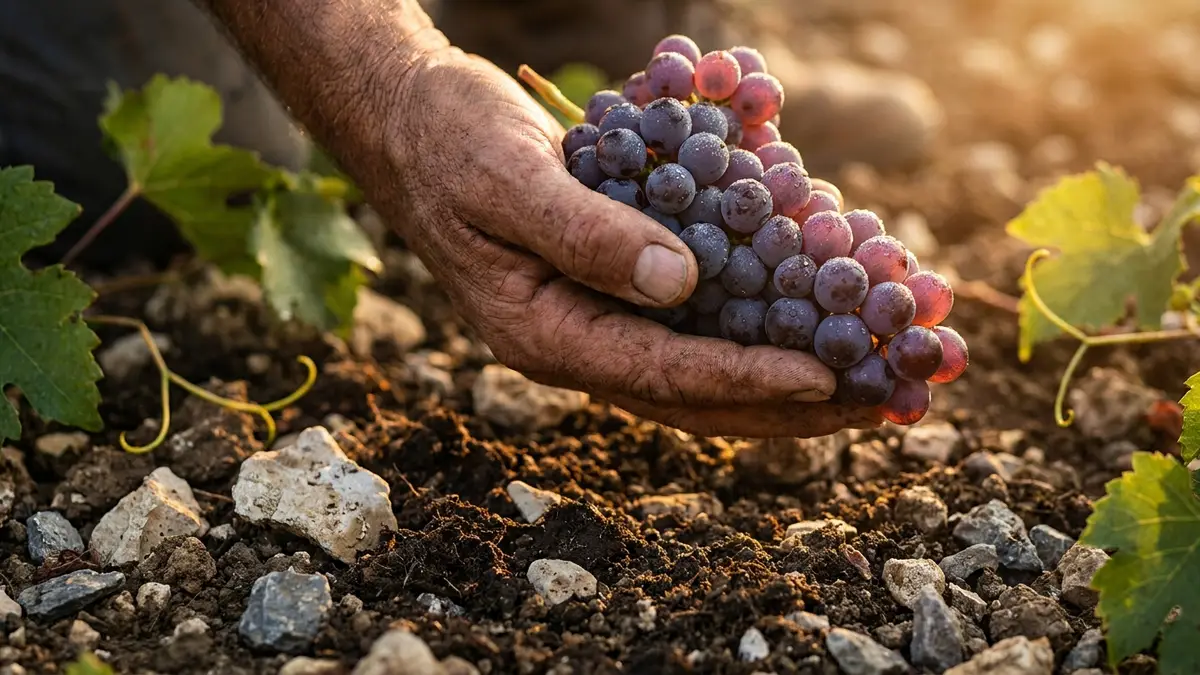
Climate is the most powerful natural lever on wine body. The reason is simple: warmth ripens grapes, ripeness creates sugar, sugar ferments into alcohol, and alcohol drives body.
- Cool climates (northern France, Mosel, parts of New Zealand, coastal Oregon) yield grapes with lower sugar and higher acidity. Wines tend to feel lighter, leaner, and more vertical on the palate.
- Warm climates (Napa, Barossa, Mendoza, southern Italy) ripen grapes to higher sugar, producing higher alcohol and fuller-bodied wines with rounder textures and lower acidity.
The same grape variety can produce dramatically different body in different climates. A cool-climate Burgundy Pinot Noir may feel light to medium. A warm-climate California Pinot from the same vintage can feel medium to nearly full. Our guide to Pinot Noir walks through these regional contrasts in detail.
Vintage variation works the same way on a smaller scale. A hot vintage in a normally moderate region produces fuller wines than a cool vintage in the same place. Two bottles from the same vineyard, two years apart, can sit in different body categories.
Body, Tannin, Acidity: The Structural Triangle
Body is one of three structural pillars in wine. The other two are acidity and tannin (in reds). All three interact constantly, and understanding their relationship is what separates a casual taster from someone who can read a wine.
High acidity makes a wine feel lighter and brighter, even at higher alcohol. High tannin makes a red feel firmer and more substantial. A great wine balances all three so no single pillar dominates. Our wine balance explained guide unpacks how this triangle works in practice.
When you notice a wine "feels heavy and flat," the issue is usually low acidity propping up high body. When you notice a wine "feels lean and angular," the issue is high acidity outpacing modest body. Body alone is neither the goal nor the problem — balance with acid and tannin is.
How to Train Your Body Detection
The fastest way to build body awareness is comparison tasting. Open two wines from opposite ends of the spectrum at the same time and taste them alternately, paying attention only to weight.
Easy starter pairs:
- Vinho Verde versus Amarone
- Beaujolais versus Cabernet Sauvignon
- Unoaked Chablis versus oaked Napa Chardonnay
- Pinot Grigio versus Viognier
The contrast is immediate and unambiguous. Once your palate has registered the difference, you can place every subsequent wine on the spectrum without conscious effort. Body becomes a reflex, not a calculation.
A second exercise — pour the same wine still and sparkling. Bubbles add a perception of lightness even when underlying body is identical. The exercise teaches you to separate body from carbonation, a useful distinction when assessing sparkling and pet-nat styles.
For a full glossary of every term you might encounter while tasting structurally, our wine tasting vocabulary cheat sheet collects the language in one place.
The Legs Myth, Quickly Debunked
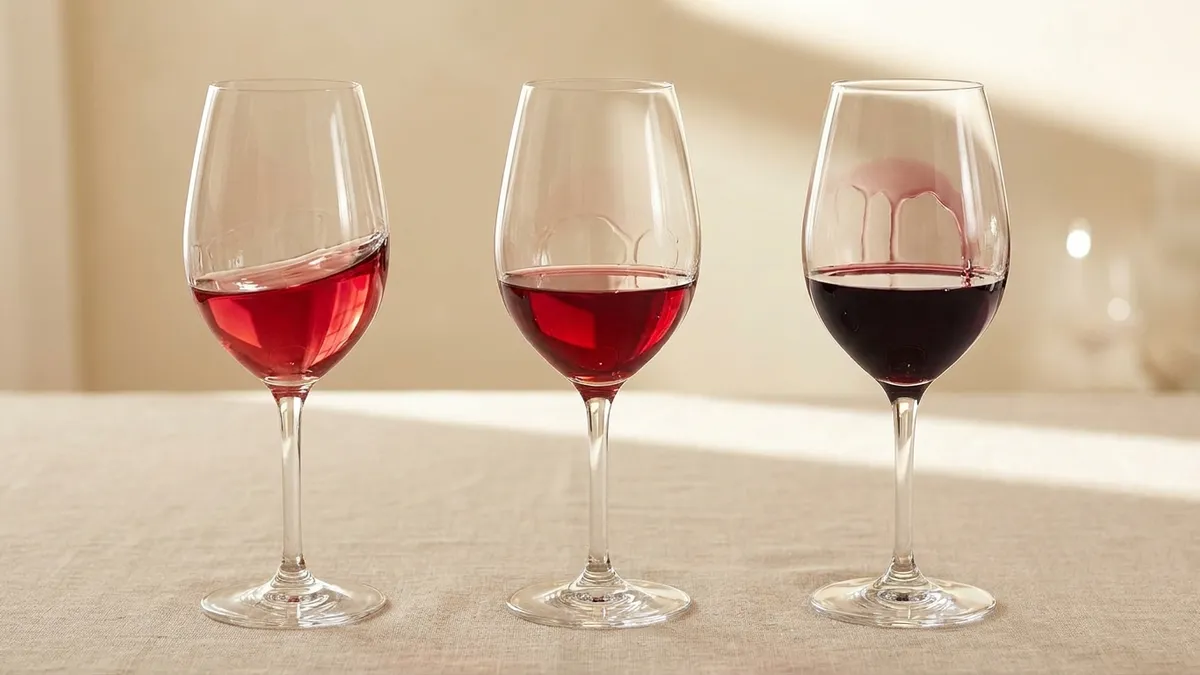
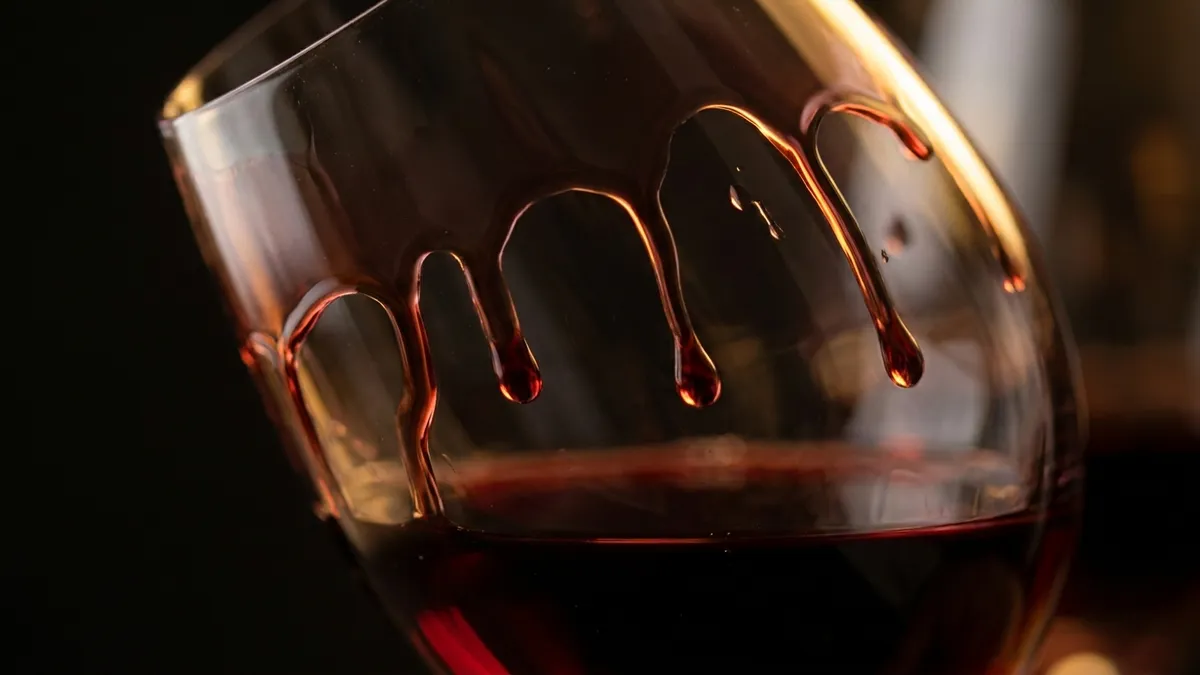
After you swirl a glass of wine and stop, you will see streaks running down the inside — sometimes called "legs" or "tears." Many casual drinkers treat thicker legs as a quality marker. They are not.
Legs are caused by the Marangoni effect — alcohol evaporating from the wine surface faster than water, which creates a difference in surface tension that pulls liquid up the glass walls. Thicker, slower legs indicate higher alcohol or sugar, which generally correlate with fuller body. That is all they tell you. They say nothing about quality, age, or balance.
Treat legs as a useful pre-tasting body preview. Do not treat them as a verdict on the wine.
Body and Pairing: The One Rule That Always Works
The most reliable wine pairing rule in existence: match the body of the wine to the weight of the food.
- Light food, light wine — sushi with Albariño; goat cheese salad with Vinho Verde
- Medium food, medium wine — roast chicken with Sangiovese; pasta with Tempranillo
- Heavy food, heavy wine — steak with Cabernet Sauvignon; barbecue with Zinfandel
When weights mismatch, one side erases the other. A delicate Pinot Grigio next to a beef stew vanishes — you taste only the stew. A Barossa Shiraz next to a green salad obliterates the salad — you taste only the wine. Body matching is the single most practical wine skill you can carry into a restaurant or a home dinner.
Body also affects glassware, serving temperature, and ageing potential. Full-bodied wines need larger bowls to release aromatics. Lighter reds want a slightly cooler serving temperature than fuller reds. And in general, fuller-bodied wines with more tannin and extract age longer than lighter ones — though this is not a rule, just a tendency.
Common Confusions About Body
"Heavy means high quality." Untrue. A perfectly made light Riesling is no less accomplished than a powerful Cabernet — they are different styles. Some of the world's most celebrated wines are medium-bodied at most. Quality is balance, complexity, and length, not weight.
"Light means watery." Also untrue. Light-bodied wines can carry intense flavor, impressive aromatic complexity, and serious mineral character. "Light" describes weight, not flavor concentration. A great Mosel Riesling can have laser-bright fruit and razor-thin body simultaneously.
"Tannic always means heavy." Mostly but not always. Soft-tannin wines like aged Burgundy can feel medium even with significant tannin presence. Tannin quality matters as much as quantity.
"Fortified is always full-bodied." False. Fino Sherry sits at around 15 percent alcohol but feels lean, dry, and almost weightless because of its dryness and oxidative style. Fortification raises alcohol, but body still depends on sugar, glycerol, and extract.
"Color predicts body." Roughly. Deeper-colored reds tend toward fuller body because skin contact extracts both pigment and tannin, but exceptions abound. Nebbiolo produces pale wines with significant body and grip. Gamay can be deep-colored yet light.
For a broader pass on tasting myths and where intuition leads beginners astray, see our wine myths debunked collection.
Building Body Awareness Into Every Glass
The best way to lock in body assessment is to make it a habit. Every time you pour a glass, ask three questions before considering anything else:
- Compared to water, how heavy does this feel?
- Where does it sit — closer to skim milk, whole milk, or heavy cream?
- Does the body match what I would expect from the alcohol on the label?
That three-question routine takes ten seconds and trains your palate faster than any amount of theory. Combined with regular practice tasting from how to develop your wine palate, body becomes a sense you carry permanently.
The Sommy app builds body assessment into structured tasting exercises, letting you rate body on a one-to-five scale alongside acidity, tannin, sweetness, and aromatic complexity. Over time, the scale becomes intuitive, and your evaluations align with how a sommelier would describe the same wine. For a complete reference, browse our wine tasting glossary for every related term.
The Bottom Line on Wine Body
Wine body is the textural backbone of every glass — the weight, the viscosity, the physical presence on the palate. Once you can feel it, you can pair it. Once you can pair it, you stop guessing about food and wine matches. And once you stop guessing, every meal gets a little better.
The light-medium-full spectrum is not a hierarchy. There is no "best" body — only the right body for the moment, the food, the season, and the mood. Train the sense, trust it, and let it guide what you reach for. That is the sommelier's quiet superpower, and it is fully available to anyone willing to pay attention to a few sips of wine and a glass of milk.
Frequently Asked Questions
What is wine body in simple terms?
Wine body is the weight, thickness, and viscosity of a wine in your mouth — essentially how heavy or light it feels on the palate. It is a textural sensation, not a flavor. The simplest analogy: light-bodied wines feel like skim milk, medium-bodied wines feel like whole milk, and full-bodied wines feel like heavy cream.
How do you tell the body of a wine?
Take a sip and hold it on your tongue for three seconds. Compare the sensation to drinking water. If it feels nearly the same, the wine is light-bodied. If it feels noticeably heavier and coats your tongue, it is medium-bodied. If it feels rich, oily, and lingers after you swallow, it is full-bodied. Alcohol percentage on the label is also a strong predictor.
Does high alcohol always mean full body?
Usually but not always. Alcohol is the single biggest driver of body, so a 14.5 percent wine almost always feels fuller than a 12 percent wine. However, a high-acid, low-extract wine can feel medium-bodied even at higher alcohol because the brightness offsets the weight. Some 14.5 percent Sauvignon Blancs feel medium, while many 13 percent Cabernet Sauvignons already feel full.
Are red wines always heavier than white wines?
No. A light Pinot Noir or Gamay feels lighter than an oaked Chardonnay or a warm-climate Viognier. Color does not determine body — alcohol, tannin, sugar, and extract do. Red wines often feel heavier because tannin adds structure, but plenty of whites outweigh plenty of reds.
Do wine legs tell you about body?
Partly. Legs (the streaks running down the glass after you swirl) are caused by the Marangoni effect — alcohol evaporating faster than water. Thicker, slower legs indicate higher alcohol or sugar, which usually correlate with fuller body. But legs are an imperfect signal, not a quality marker. Plenty of full-bodied wines show thin legs, and vice versa.
Does climate affect wine body?
Strongly. Warm climates ripen grapes to higher sugar levels, which ferment into higher alcohol and produce fuller-bodied wines. Cool climates yield lower sugar, higher acidity, and lighter-bodied wines. The same grape variety grown in Burgundy versus California will show very different body — cool versus warm reshapes the entire structural feel.
How does body affect food pairing?
Match wine body to food weight. Light wines suit light food (fish, salad, fresh cheese). Medium wines pair with roasted chicken, pasta, soft cheeses, and charcuterie. Full wines stand up to red meat, aged cheeses, rich pastas, and barbecue. A mismatched pairing — heavy wine with delicate food, or vice versa — leaves one element disappearing into the other.
Does body indicate wine quality?
No. Body is a stylistic property, not a quality indicator. A light, vibrant Mosel Riesling can be every bit as accomplished as a powerful Napa Cabernet. Quality is about balance, complexity, and length — not weight. Heavy does not mean better.
Sommy Team
LinkedInFounder & Wine Educator
The Sommy Team is building the world's most approachable wine education app, helping beginners develop real tasting skills through structured courses and AI-guided practice.