Blind vs Sighted Tasting: How Labels Bias Your Perception
By the Sommy Team — AI-assisted, human-edited.
Updated Apr 29, 2026
Contents (11)
- Blind vs Sighted Tasting in 60 Seconds
- Why This Matters More Than You Think
- What Blind and Sighted Tasting Actually Are
- How Labels Distort Perception: Five Biases
- Three Famous Studies That Proved Label Bias Is Real
- When to Use Blind vs Sighted Tasting
- The Hybrid Approach: Blind First, Reveal Second
- A Simple At-Home Experiment
- Why Wine Competitions and Sommelier Exams Use Blind Format
- The Mindset Shift
- Build the Habit
TL;DR
Blind vs sighted wine tasting produces measurably different ratings of the same wine. Hiding the label removes price, region, and brand bias, which can shift scores by up to thirty percent. Sighted tasting adds story and context but inflates perceived quality. Use blind for honest evaluation, sighted for enjoyment, and combine both for the fastest learning.
Blind vs Sighted Tasting in 60 Seconds
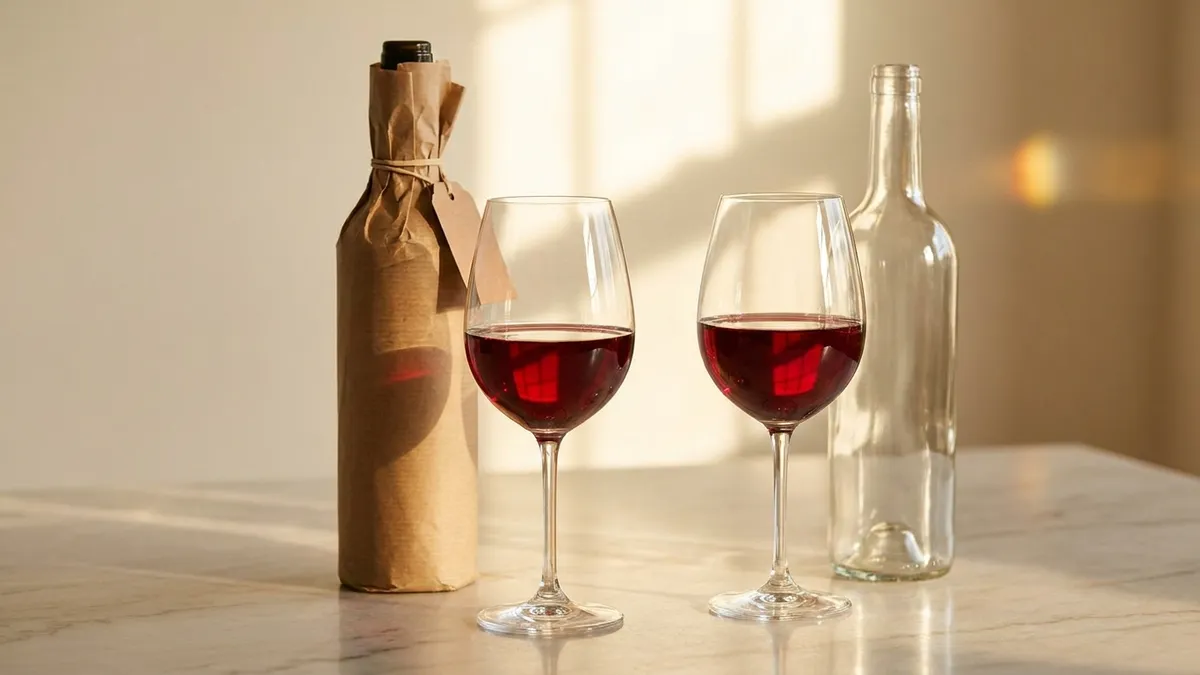
Blind tasting vs sighted is the difference between judging the wine and judging the package. In blind tasting, the label is hidden — by a paper bag, a foil cover, or a numbered glass — so your senses work alone. In sighted tasting, you see the producer, region, vintage, and price before the wine touches your tongue, and your brain folds all of that into perception. Three famous studies (Brochet 2001, Goldstein 2008, Plassmann 2008) show the gap can shift quality scores by up to thirty percent on the same wine. Blind tasting gives you an honest read. Sighted tasting gives you context, story, and pairing logic. The fastest learners use both: pour blind first, reveal second, compare your two sets of notes.
Why This Matters More Than You Think
Most beginners assume their palate is a neutral measuring instrument. It is not. Your brain is a prediction engine that blends every visible cue — the weight of the bottle, the gold foil, the price written on the shelf tag, the name of a famous appellation — into the signal coming from your tongue and nose. The wine has not changed. Your perception of it has.
For a friendly home setting, the bias is mostly harmless. For a sommelier exam, a competition, or a serious comparison between two wines, the bias is the entire problem. Blind vs sighted wine tasting exists as a structured way to switch the bias on and off depending on what you actually want to learn.
This guide walks through the three landmark studies that proved label bias is real and measurable, the specific cognitive biases that distort perception, when each format is the right tool, the hybrid blind-then-reveal protocol that produces the fastest palate growth, and how home tasters can run a controlled experiment on themselves tonight.
What Blind and Sighted Tasting Actually Are
Sighted tasting is the default mode for almost everyone. You buy a bottle, look at the label, pour, sniff, sip. Every visual cue from the package — region, producer, price, vintage, even the typography — is part of the experience.
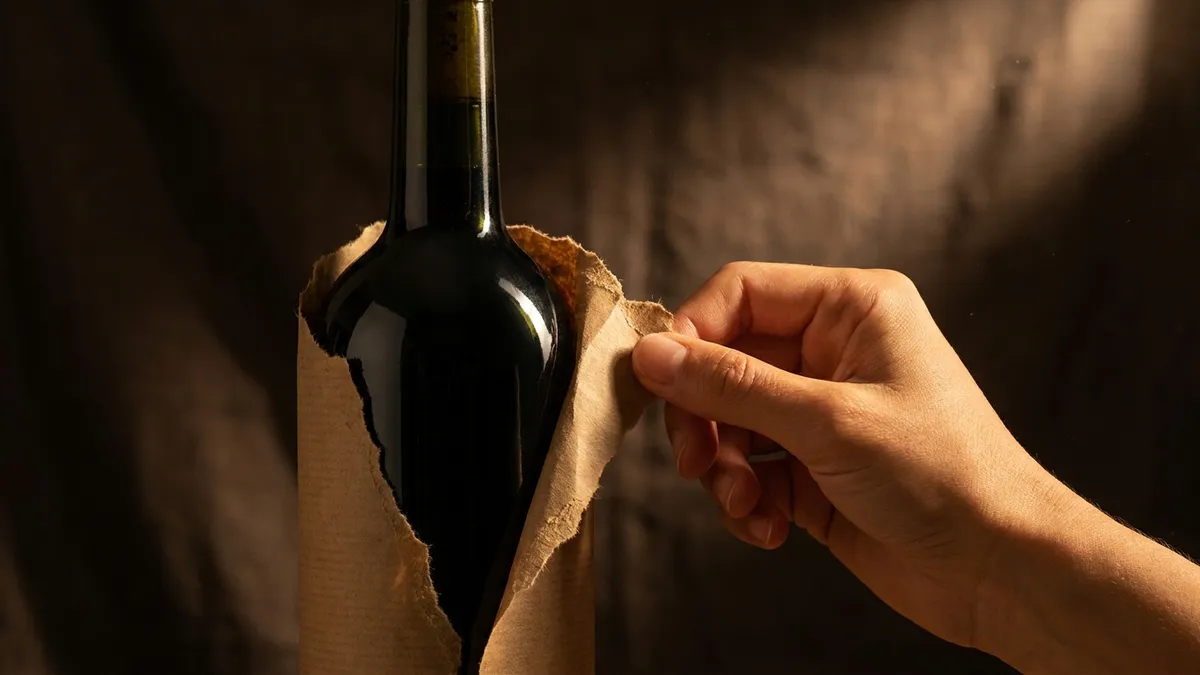
Blind tasting removes those cues. The bottle is bagged, foil-wrapped, or hidden behind a screen, and the taster works only with what is in the glass: appearance, aroma, structure, flavor, finish. For a fuller breakdown of how to actually run a session, see our guide to blind wine tasting tips — that article focuses on hosting and logistics. This one focuses on the cognitive science behind why the format matters.
There are two further variants worth knowing:
- Single-blind — the taster knows the broad category (e.g., "three Cabernet Sauvignons") but not which specific bottle is which.
- Double-blind — no information at all. The wine could be any grape, any region, any vintage. Used in sommelier certifications and the most rigorous comparison tests.
How Labels Distort Perception: Five Biases
Cognitive psychologists have catalogued the specific biases that fire when you see a wine label. Each one nudges perception in a predictable direction.
1. Price Bias
A higher price tag raises perceived quality and pleasure even when the wine is identical. The mechanism is automatic — the brain treats price as a signal of quality, and that signal modulates reward circuitry before conscious tasting begins.
2. Region Halo
A famous appellation triggers expectations of structure, depth, and complexity. The same Pinot Noir labeled "Burgundy Grand Cru" will read more elegant than when labeled "California table wine" to most tasters, regardless of what is actually in the glass. Region halos work for well-known countries too — French wines benefit, Argentinian wines often suffer from prestige bias even when the quality is comparable.
3. Producer Familiarity
A name you recognize gets a small but reliable bonus. Familiarity tilts the brain toward "I have liked this before, so I will like this now," which shows up as a higher score independent of the wine's actual current state.
4. Color Bias
Visual color overrides aroma analysis. We taste with our eyes first, and the brain trusts color to set the aroma category before the nose has a chance to disagree. This is the bias that the Brochet experiment exploited so famously.
5. Expectation Bias
Once you predict a wine will be a certain way, you taste in the direction of the prediction. If a friend pours a glass and says "this is a beautifully aged Bordeaux," you will look for tobacco, cedar, and leather — and find them, even if the wine is a young Argentine Malbec.
These biases are not character flaws. They are how perception works in every domain. The point is not to eliminate them — that is impossible — but to know when to switch them off.
Three Famous Studies That Proved Label Bias Is Real
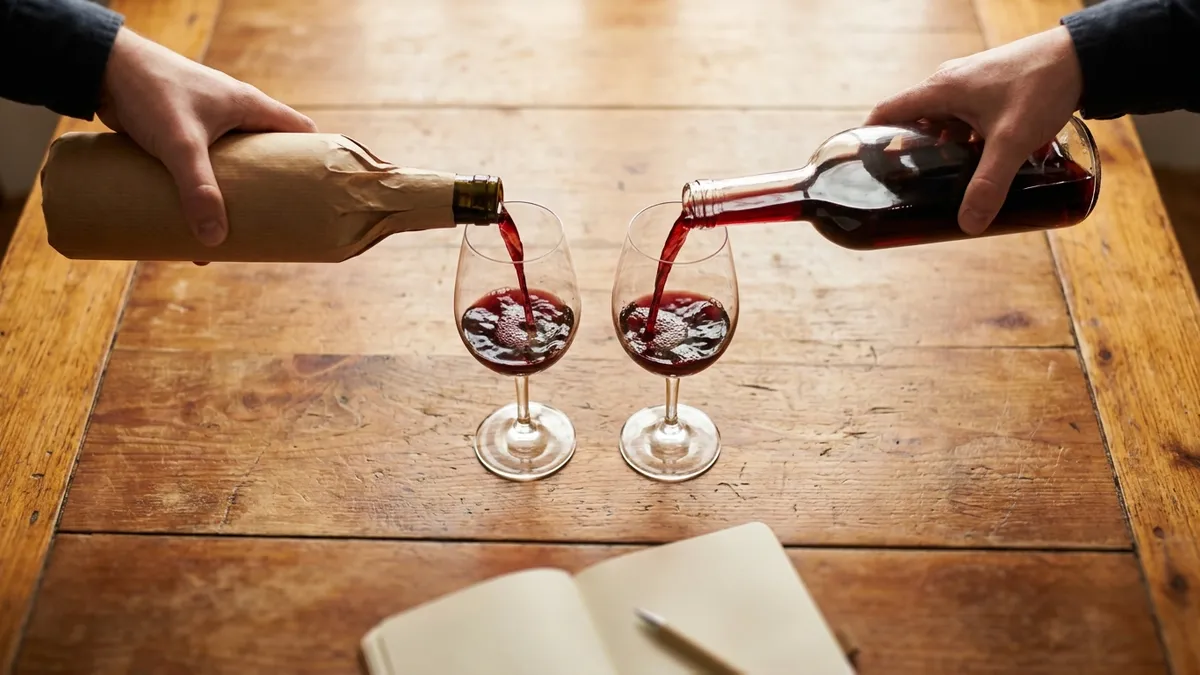
The blind-vs-sighted gap is not folklore. It has been measured in controlled experiments by serious researchers. Three studies in particular shaped the modern understanding.
Brochet 2001: The Red Food Coloring Experiment
In 2001, Frédéric Brochet of the University of Bordeaux gave fifty-four oenology students a glass of white wine that had been dyed red with an odorless, tasteless food coloring. The students described it with classic red-wine descriptors — cherry, tobacco, crushed red fruit, leather — instead of the citrus, stone fruit, and tropical notes a white wine would normally produce. Even the trained palates were fooled by the color cue. The experiment is now a standard reference for how visual signals override aroma analysis.
In a companion experiment, Brochet served the same mid-tier Bordeaux to expert tasters in two bottles — one labeled "grand cru," one labeled "table wine." The grand cru received praise for complexity, length, and balance. The table wine was described as flat and short. The wine was identical.
Goldstein 2008: Price Does Not Predict Pleasure
In 2008, economists Robin Goldstein, Johan Almenberg, and colleagues analyzed data from over six thousand blind tastings spanning hundreds of wines and a wide price range. With the labels hidden, the correlation between price and rating was statistically zero — and slightly negative for non-experts, meaning untrained drinkers actually rated more expensive wines slightly lower on average. Once the labels were visible, the correlation flipped strongly positive. Price drove perception, not the wine in the glass.
Plassmann 2008: Brain Scans Show the Bias
That same year, Hilke Plassmann, John O'Doherty, and colleagues at Caltech ran an fMRI study while subjects tasted the same wine labeled at different prices ($10, $35, $45, $90). The medial orbitofrontal cortex — a brain region tied to pleasure and reward — lit up more strongly when the price was higher, even though the wine never changed. The bias was not just verbal self-report. It was visible in neural activity. The label literally changed how the brain processed the taste signal.
The combined message of the three studies: label information is not a contaminant you can willpower away. It rewires perception at a neural level.
When to Use Blind vs Sighted Tasting
Each format is the right tool for a specific job. Choosing well saves time and frustration.
Use Blind Tasting When You Want To
- Compare two wines honestly. Side-by-side comparisons are where label bias does the most damage. Hide both labels and the comparison becomes meaningful. For a structured method, see our guide to how to compare two wines.
- Calibrate your palate to a grape or region. Blind sessions force you to recognize structural and aromatic patterns without the crutch of the label.
- Judge a competition or rate quality fairly. Every major wine award uses blind formats for exactly this reason.
- Test how price affects your enjoyment. Pour a $15 wine and a $50 wine blind. Most home tasters discover the gap is much smaller than the price suggests.
- Run a sommelier deduction exercise. Working through the deductive wine tasting method only works when the label is hidden.
Use Sighted Tasting When You Want To
- Enjoy the experience. A wine's story — the producer, the vintage's weather, the village — enriches a meal in a way blind tasting cannot.
- Pair with food. Knowing the region guides pairing logic. A Loire Sauvignon Blanc and a Marlborough Sauvignon Blanc match different dishes despite sharing a grape.
- Build vocabulary as a beginner. Reference points are easier to remember when you can attach them to a name. Most beginners benefit from sighted tasting first to build the wine tasting vocabulary cheat sheet before progressing to blind work.
- Buy with intent. When you are choosing a bottle for a specific purpose, the label is doing exactly the job it was designed to do.
The two formats are not in competition. They serve different goals and reinforce each other.
The Hybrid Approach: Blind First, Reveal Second
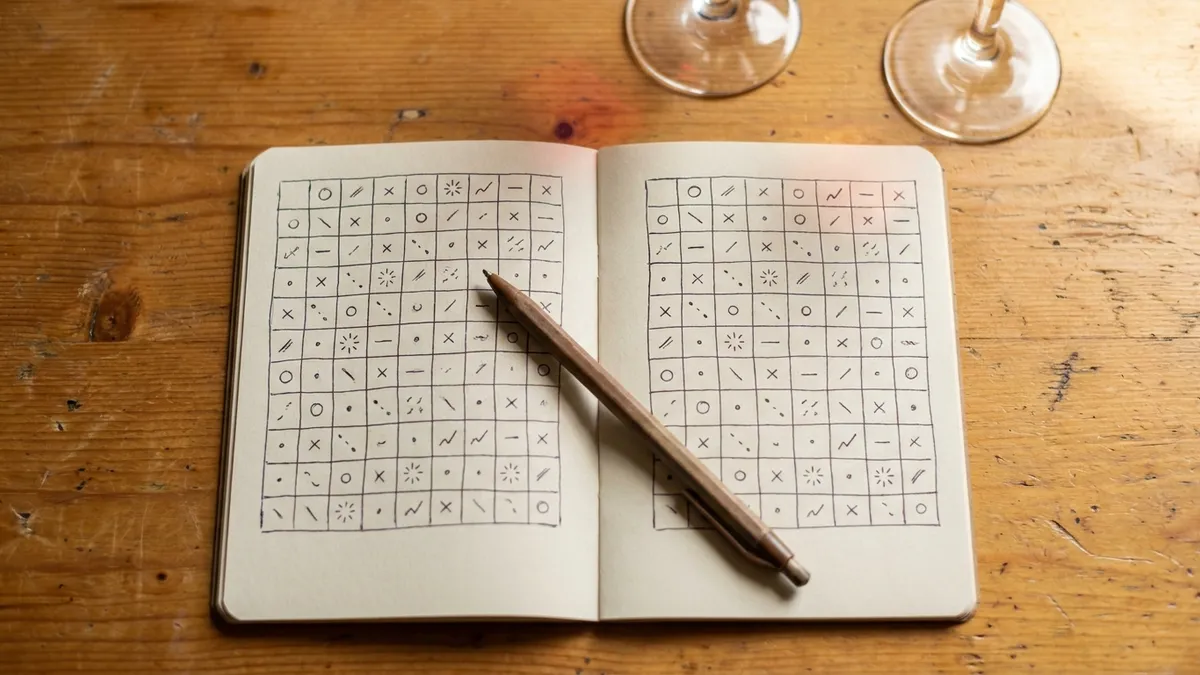
The fastest way to grow a palate is the blind-then-reveal protocol. The structure is simple.
- Pour the wine into a numbered glass from a bagged or hidden bottle.
- Taste blind. Write structured notes — appearance, nose, palate, finish — using a wine tasting notes template so the format stays consistent.
- Make a guess about grape, region, and price range.
- Reveal the bottle.
- Taste again with the label visible. Note any flavor or quality you only "find" after the reveal.
- Compare the two sets of notes.
The gap between your blind notes and your sighted notes is the most useful piece of information in the entire session. It shows you exactly where label bias steered you — usually toward more enthusiasm and less critical analysis once the famous name appeared. Over time, that gap closes as your blind palate catches up to your sighted one.
This protocol pairs naturally with the broader skill of developing your wine palate and works alongside the common wine tasting mistakes checklist that beginners often need.
A Simple At-Home Experiment
You can run a controlled label-bias experiment on yourself in about twenty minutes. The setup looks like this.
- Pick two wines — one inexpensive, one in a higher price tier, ideally same grape, same vintage range.
- Bag both bottles with brown paper. Number the bags 1 and 2.
- Have someone else pour. Taste both, write notes, and rate each on a 1-to-10 enjoyment scale.
- Reveal the bottles. Re-taste each with the label visible and re-score.
- Compare your blind scores to your sighted scores.
Most home tasters discover that the cheaper wine scored close to or even above the expensive one when the labels were hidden. Once the labels appear, the expensive wine "tastes better" — sometimes dramatically so. The wine did not change. The expectation did.
The Sommy app includes guided tasting modes that walk you through this kind of structured comparison and track how your blind and sighted notes diverge over time. It is the closest thing to a calibrated mirror for your palate that you can use at home.
Why Wine Competitions and Sommelier Exams Use Blind Format
Every serious tasting evaluation — Decanter World Wine Awards, the Court of Master Sommeliers exam, the WSET Diploma blind tasting paper — pours wine from numbered, foil-covered bottles into identical glasses. The format is mandatory because the alternative produces unreliable results.
Without blind protocols, contests would systematically favor famous producers, prestigious regions, and high-priced wines regardless of what is in the glass. Blind formats keep the comparison honest. They are also extraordinarily humbling — even Master Sommeliers regularly miss grape varieties on double-blind exams, which is part of why the certification is so respected. The format is a leveler.
For home tasters, the lesson is the same: if you actually want to know which of two wines you prefer, blind is the only format that gives you a clean answer.
The Mindset Shift
Beginners sometimes hear about label bias and conclude that sighted tasting is "wrong" and blind tasting is "right." That is the wrong frame. Both formats produce real, valid experiences — they just answer different questions.
Sighted tasting answers: how much did I enjoy this wine in this context? That is a real and important question. The label, the price, the story, and the company are part of the answer, and pretending otherwise is its own kind of denial.
Blind tasting answers: what is actually in the glass, independent of context? Also a real question, and the only one that produces honest comparisons or reliable competition results.
Treating the two as rivals misses the point. They are complementary lenses on the same liquid. The skilled taster knows when to switch lenses and never confuses one answer for the other.
Build the Habit
A single blind tasting reveals how much label bias is operating inside your perception. A regular practice of blind sessions, blind-then-reveal comparisons, and honest sighted tastings builds a palate that is both informed and grounded. You learn to enjoy a wine for its story when story is the point and to evaluate a wine on its merits when honest assessment matters.
Visit sommy.wine to start practicing structured tasting with the Sommy app. Built-in blind and sighted modes, side-by-side comparison tools, and a journal that tracks how your perception shifts across formats turn the abstract idea of label bias into a concrete skill you can measure and improve over weeks rather than years.
Frequently Asked Questions
What is the difference between blind and sighted wine tasting?
Blind wine tasting hides the label so the taster judges only what is in the glass. Sighted tasting lets the taster see the producer, region, vintage, and price before evaluating. The same wine can score very differently in the two formats because the brain blends label information into perception. Blind isolates the wine; sighted isolates the experience.
Why do labels bias how a wine tastes?
Your brain treats taste as a prediction problem. Visual cues such as price, region, and producer trigger expectations that modulate the signal from your tongue and nose before you consciously notice. Neuroimaging studies show that high price tags raise activity in reward centers even when the wine is identical. Labels do not change the wine, but they change what your brain decides the wine tastes like.
What did the 2001 Brochet experiment prove?
Frédéric Brochet served fifty-four oenology students a white wine that had been dyed red with odorless food coloring. Tasters described it using classic red-wine descriptors — cherry, tobacco, leather — instead of the citrus and tropical notes a white wine would normally produce. The experiment showed that visual color overrides aroma analysis even among trained palates.
Does a higher price tag really make wine taste better?
It changes perceived pleasure but not blind quality. Plassmann and colleagues showed in 2008 that the same wine rated more enjoyable when labeled at ninety dollars than at ten, with brain activity in pleasure centers rising in step with the price tag. Goldstein's 2008 meta-study of over six thousand blind tastings found no positive correlation between price and rating once the label was hidden.
Should beginners start with blind or sighted tasting?
Start with sighted to build vocabulary and reference points, then add blind sessions once you can describe structure confidently. Sighted tasting teaches you what a Sauvignon Blanc or a Pinot Noir is supposed to feel like. Blind tasting tests whether you can recognize those signals without the label propping you up. The hybrid approach builds skill faster than either method alone.
What is the hybrid blind-then-reveal method?
Pour the wine in a covered or numbered glass, taste and write notes blind, then reveal the bottle and re-taste. The first pass gives you an honest read on structure and aroma. The second pass shows where context shifted your perception — usually toward more pleasure and less critical analysis. Comparing the two notes is one of the fastest ways to calibrate your palate.
Why do wine competitions use blind tasting?
Judging contests use blind tasting because label visibility distorts scoring. Famous producers, prestigious regions, and high prices all bias judges upward, which would make competitions a popularity contest rather than a quality assessment. Blind formats keep the comparison honest. Most major wine awards pour from numbered, bagged bottles into identical glasses for the same reason.
Can sighted tasting ever be more useful than blind?
Yes — for enjoyment, education, and food pairing. Knowing the producer's story, the vintage's weather, and the region's tradition enriches the experience and makes the wine memorable. Sighted tasting is also better for pairing decisions because regional context guides which dishes work. Blind tasting is the calibration tool; sighted tasting is where the meaning lives.
Sommy Team
LinkedInFounder & Wine Educator
The Sommy Team is building the world's most approachable wine education app, helping beginners develop real tasting skills through structured courses and AI-guided practice.