How to Detect Reduction in Wine: Struck Match, Rubber, and Fixes

By the Sommy Team — AI-assisted, human-edited.
Updated Apr 29, 2026
Contents (10)
- When Your Wine Smells Like a Struck Match
- Reduction in Wine, in 110 Words
- What Reduction Actually Is
- The Reduction Spectrum, From Feature to Fault
- Why Modern Wines Show Reduction More Often
- How to Fix Reduction in Wine
- Telling Reduction Apart From Other Faults
- When Reduction Is Praised — The Burgundy Question
- A Practical Triage for Reduction at the Table
- Building the Reflex
TL;DR
Reduction in wine is a sulfur smell ranging from a mild struck match — often praised in Burgundy whites — to severe rotten egg, rubber, or cooked cabbage that signals a fault. Mild reduction blows off with aggressive aeration, a copper coin, or fifteen minutes in a decanter. Severe reduction does not, and cork taint never does.
When Your Wine Smells Like a Struck Match
Pull a cork — or unscrew a cap — pour a glass, and instead of fruit you get a sharp whiff of sulfur. A flintiness like a struck match. Maybe burnt rubber. Maybe, in the worst cases, rotten egg. That is reduction in wine, and the smell sits somewhere between fascinating and revolting depending on how much of it ends up in your glass. The wine reduction smell is one of the most misunderstood notes in tasting because it can be a celebrated stylistic feature in one bottle and a clear fault in the next.
Reduction comes from sulfur compounds accumulating during winemaking — hydrogen sulfide, mercaptans, and dimethyl sulfide. These molecules build up when wine is kept in low-oxygen environments, which is exactly how modern producers protect freshness. The result is a spectrum of smells ranging from elegant flintiness in Burgundian whites to outright sewage in poorly handled bottles. Knowing the spectrum, the fixes, and how to tell reduction apart from other faults turns a confusing aroma into useful information.
This guide walks through what reduction is, the full smell spectrum from feature to fault, why winemaking choices cause it, the three reliable fixes, and how to distinguish reduction from cork taint and other faults that can confuse beginners. Reduction is only one of the three things a sulfur smell in wine can signal — the others are added sulfur dioxide and cork taint — so if you are not yet sure which you are smelling, start with that broader guide.
Reduction in Wine, in 110 Words
Reduction in wine is the accumulation of sulfur-containing compounds in a low-oxygen environment during winemaking, ageing, or bottle storage. The signature aromas, from mild to severe, are: struck match (flinty, often liked in Burgundy whites and Champagne), burnt rubber (excessive, the line into fault), rotten egg (severe hydrogen sulfide), and cooked cabbage or cauliflower (intense dimethyl sulfide). Mild reduction is a stylistic feature; severe reduction is a fault. Three fixes work: aggressive aeration in a decanter for fifteen minutes, dropping a clean copper coin into the glass to bind the sulfur, or warming the wine slightly. Reduction blows off with air. Cork taint does not. That single test tells you which fault you are facing.
What Reduction Actually Is
The chemistry is simpler than the name suggests. Reduction is the opposite of oxidation. Wine has two enemies that pull in opposite directions. Too much oxygen turns fresh fruit into bruised apple and sherry — that is oxidation, covered in the wine faults by smell guide. Too little oxygen lets sulfur compounds accumulate — that is reduction.
The three families of compounds responsible are:
- Hydrogen sulfide (H2S) — the rotten-egg smell, the most severe form of reduction.
- Mercaptans — sulfur-bearing thiols that smell of garlic, onion, burnt rubber, or rubber bands. These are harder to remove than H2S.
- Dimethyl sulfide (DMS) — smells of cooked cabbage, cauliflower, canned corn, or asparagus. At very low levels DMS can add complexity. At high levels it is unpleasant.
A trace of certain sulfur compounds also produces the struck match or flinty note that defines a particular style of premium white wine. The aroma chemistry overlaps with what beginners would call a fault, but in trace amounts it reads as elegance. Volume changes everything.
The Reduction Spectrum, From Feature to Fault
Reduction is not binary. It runs along a smell intensity scale that maps roughly onto a quality judgment.
Mild — The Struck Match
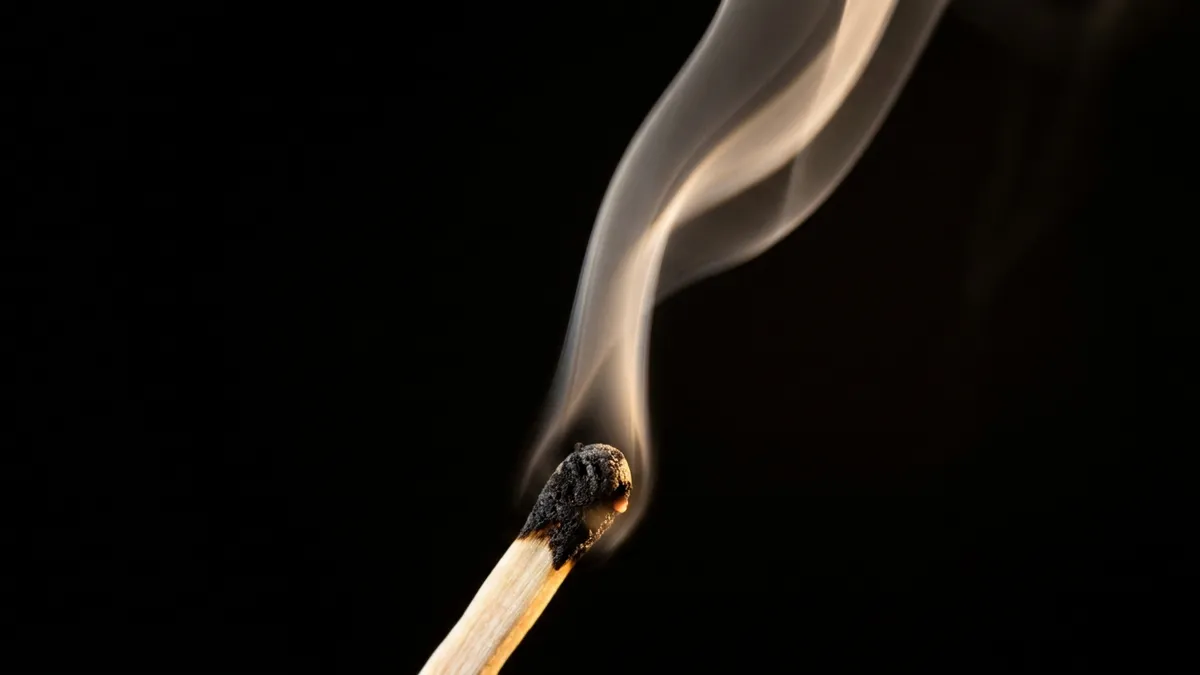
A faint flintiness, like a freshly struck match held a few centimetres from the nose. In some bottles it reads as gunflint or wet stone. This is the celebrated end of the spectrum. Top white Burgundy producers spend enormous effort to coax this note out of Chardonnay because it adds tension and lift. Champagne producers chase it for the same reason. A wine with mild struck-match reduction often improves with five to ten minutes of air, the note settling back into a complex savory layer underneath the fruit.
Moderate — Burnt Rubber
When the flintiness deepens into burnt rubber, rubber band, or scorched hair, the wine has crossed from stylistic feature into questionable territory. Some old-school red wines can carry a faint rubbery edge as part of regional character, but in most modern bottlings this signals more reduction than the producer intended. Aeration sometimes pulls it back into the savory complexity range. Sometimes it does not.
Severe — Rotten Egg
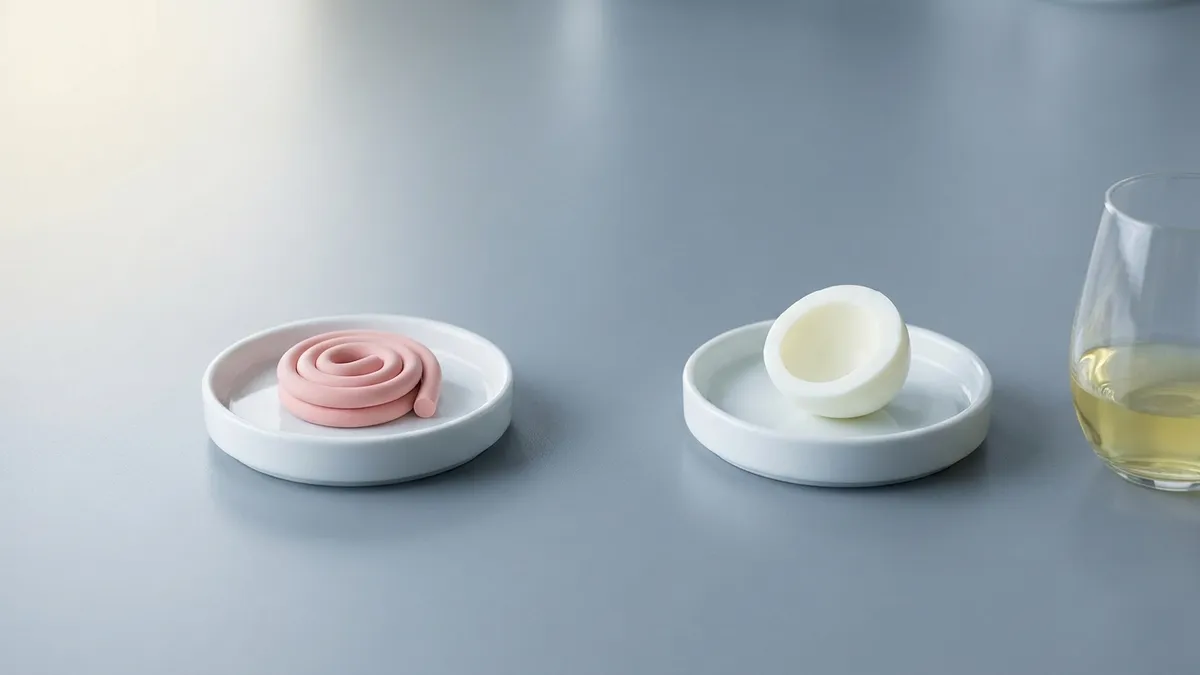
A clear rotten egg or sulfur smell means hydrogen sulfide is present at levels well above what normal palates tolerate. This is a fault. The fruit is gone or buried, and the wine smells like the worst chemistry-class memory you have. H2S is one of the more treatable forms of reduction with copper, but a wine that opens with strong rotten-egg notes is rarely going to deliver pleasure even after aggressive intervention.
Intense — Cooked Cabbage
The far end of the spectrum is cooked cabbage, cauliflower, canned corn, or boiled onion. This is dimethyl sulfide and its relatives at high concentration. DMS is harder to remove than H2S because it does not respond to copper. A wine with strong DMS reduction is almost always finished — the bottle was kept in too low an oxygen environment for too long, and the damage is done.
Why Modern Wines Show Reduction More Often
If reduction is so common, why do beginners mostly first encounter it in newer vintages and screw-cap bottles? The answer sits in winemaking technology.
Twenty years ago, oxygen exposure during winemaking and bottle ageing was much higher. Cork let in trace oxygen for years. Tanks and barrels breathed. Sulfur dioxide additions were generous. Wines softened and oxidized early but rarely showed reduction.
Today the priority has flipped. Producers protect freshness by:
- Using inert gases like nitrogen and argon to blanket wines during winemaking.
- Lowering sulfur dioxide additions to please the natural-wine market.
- Sealing tanks tightly to prevent any oxidation.
- Bottling under screw caps with very low oxygen transmission rates.
Each step protects fruit. Each step also makes reduction more likely. The combination of screw cap plus low SO2 is the most common modern recipe for trapped reduction.
How to Fix Reduction in Wine
Mild and moderate reduction usually responds to one of three home fixes. Severe reduction does not. Try them in order.
1. Aggressive Aeration
This is the simplest fix and works for most struck-match and mild rubber notes.
- Pour the wine into a decanter — any clear glass vessel with a wide base works.
- Splash-decant by holding the bottle high and letting the wine fall in with deliberate aeration.
- Swirl violently for thirty seconds. Not the gentle swirl used in tasting — a real, aggressive agitation that splashes wine up the sides of the decanter.
- Wait fifteen minutes.
- Pour a fresh glass and re-evaluate.
If the struck-match or rubber note has faded and fruit has emerged, you were dealing with mild reduction and the wine is now drinkable. If the smell is unchanged or worse, the reduction is severe and probably will not recover. For more on what aeration does and does not do, the decanting guide covers the underlying mechanism in depth.
2. The Copper Coin Trick
This is the wine-bar trick that surprises everyone the first time they see it work.
Copper metal binds sulfur compounds, particularly hydrogen sulfide and mercaptans, pulling them out of solution as solid copper sulfide that drops to the bottom of the glass. Industrial winemakers add tiny amounts of copper sulfate to fix reduction at the cellar. You can do the same thing at the table with a clean copper coin.
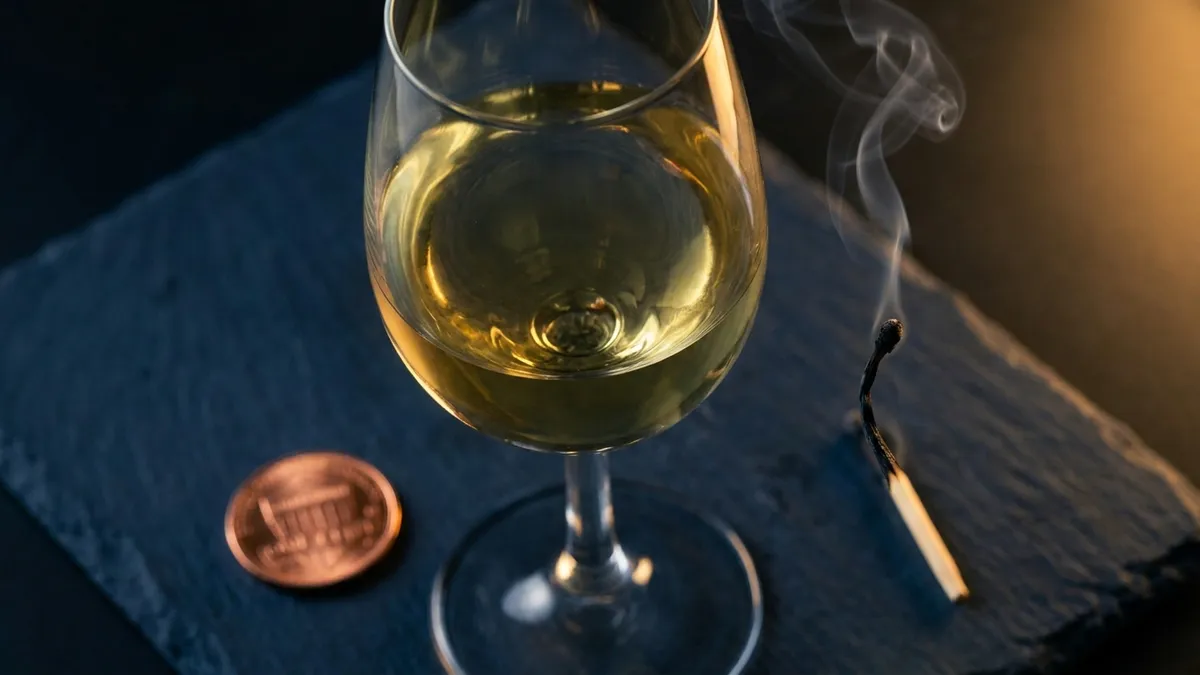
- Find a clean copper penny or a small piece of copper wire.
- Drop it into the glass.
- Stir for about thirty seconds, then let the coin sit at the bottom for another minute.
- Pour the wine off into a clean glass, leaving the coin and any sediment behind.
- Smell.
The improvement is sometimes dramatic. The technique works best on hydrogen sulfide and mercaptan reduction. It does not help with dimethyl sulfide, so cooked-cabbage notes will persist. Always use clean copper — a tarnished or dirty coin can introduce other off-flavours.

3. Warm the Wine Slightly
Cold suppresses volatile compounds — both desirable aromatics and undesirable ones. A wine straight from a cold cellar can read as more reduced than it actually is. Letting it warm to its proper serving temperature sometimes resolves a perceived reduction problem entirely. Refer to the wine serving temperature chart for the right range by style. Five extra minutes of warming, paired with a swirl, is the gentlest fix and the right first move when you suspect reduction is mild.
Telling Reduction Apart From Other Faults
The three faults that beginners most often confuse with reduction are cork taint, oxidation, and brettanomyces. Each has a different fingerprint and a different test.
Reduction vs Cork Taint
This is the single most useful distinction in fault recognition. Both reduction and cork taint can dull the fruit and present an off-note that overrides the wine's character. The test is air.
- Reduction blows off with aeration. Vigorous swirling, a decanter, or fifteen minutes of patience often resolves it.
- Cork taint does not. TCA, the molecule responsible, is not volatile in a way that aeration removes. The wet-cardboard, musty-basement smell will be exactly the same after thirty minutes in a decanter as it was on opening. Sometimes it gets worse as fruit fades and the TCA stands out more.
The smells themselves are also distinct. Reduction is sharp and sulfurous — matches, eggs, rubber. Cork taint is damp and mouldy — wet basement, soggy newspaper, an attic that has been closed for a decade. For a deeper look at TCA specifically, the guide on how to tell if wine is corked covers the cork-taint signature in detail.
Reduction vs Oxidation
These are direct opposites in winemaking but can both rob a wine of its expected character. Oxidation smells of bruised apple, sherry, roasted nuts, and honeyed dried fruit. Reduction smells of struck match, rubber, eggs, and cabbage. Color is also a clue — oxidized whites turn deep gold or amber, while reduced wines often look exactly the right color. The two faults pull in opposite directions and rarely coexist in the same bottle.
Reduction vs Brettanomyces
Both can present a savory, funky edge that beginners struggle to name. Brettanomyces — covered in the wine flaws vs faults breakdown — produces barnyard, sweaty leather, and Band-Aid smells. Brett is animal and organic. Reduction is mineral and chemical. The two rarely overlap, and once you have met each one once or twice, the fingerprints stop crossing.
When Reduction Is Praised — The Burgundy Question
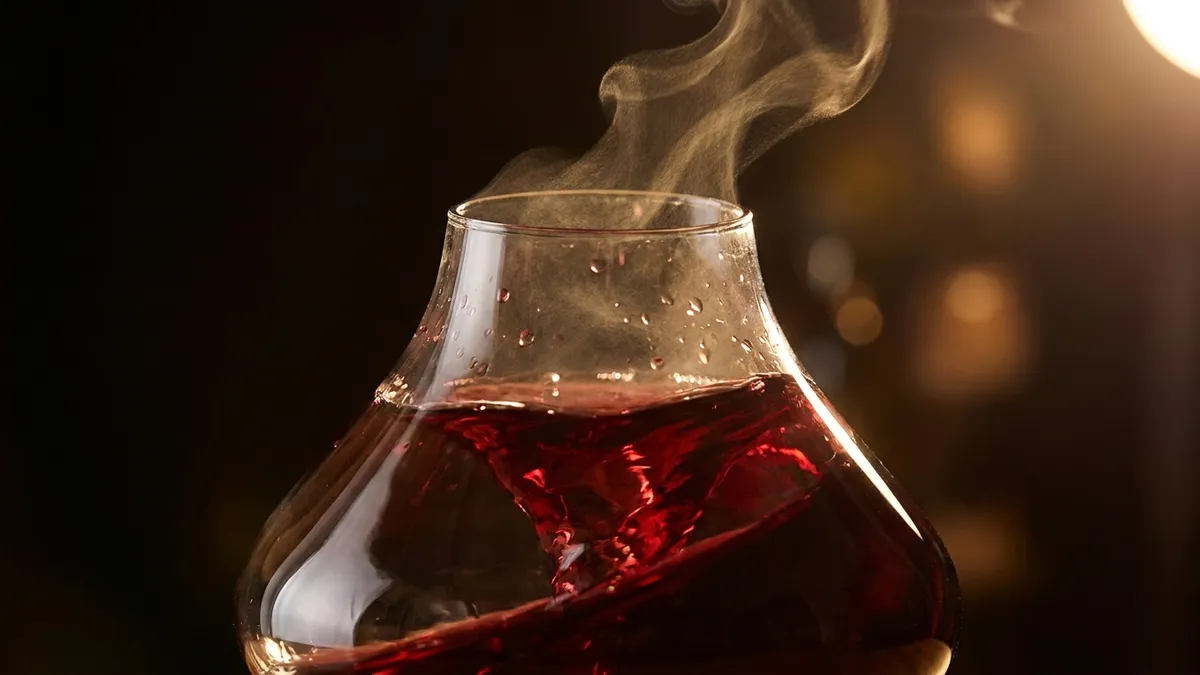
Some of the most expensive white wines in the world deliberately court a struck-match aroma. Premium white Burgundy, certain Champagne styles, top Loire Chenin Blanc, and Australian Chardonnay made in a flinty modern style all chase the same trace-level reduction note. The producers call it flintiness or gunflint or, in French, pierre à fusil. At the right level it adds tension and structural snap that pure fruit cannot deliver alone.
The lesson is that reduction is not automatically bad. The judgement depends on volume and balance. A faint struck-match note over generous fruit reads as electric and complex. The same note shouting over flattened fruit reads as a fault. The threshold is personal and sometimes contested between tasters.
To get more comfortable with the spectrum, taste two contrasting wines side by side — one made under deliberately oxidative conditions and one under reductive. The oxidative vs reductive winemaking taste guide walks through the contrast in detail.
A Practical Triage for Reduction at the Table
Here is the routine to run any time you suspect reduction in a glass.
- Pour a small amount and take two short sniffs. Identify the off-note: matches, rubber, egg, or cabbage?
- Swirl aggressively for thirty seconds. Take two more sniffs. Has it faded?
- If yes, mild reduction — the wine is now drinkable. Keep going.
- If no, splash-decant the rest of the bottle and wait fifteen minutes. Re-evaluate.
- If still present, try the copper coin trick. Stir for thirty seconds, pour off, smell.
- If the smell remains after all three fixes, the reduction is severe or the wine is faulty. Pour it out and open another.
Building this kind of nose-driven triage takes practice on real bottles. The Sommy app's aroma-recognition lessons include sulfur compound drills that calibrate your nose against named reference smells, so the difference between a struck match, burnt rubber, and rotten egg becomes second nature rather than a guessing game. That kind of structured repetition is also the foundation of the smell wine framework that the broader tasting method depends on.
Building the Reflex
Reduction sits in the same beginner-difficulty bracket as the other big faults — confusing on first encounter, obvious once you have met it twice. Memorize the four signature smells (struck match, rubber, rotten egg, cabbage), remember that air is the test that separates mild from severe, and keep the copper-coin trick in your back pocket for the times when aeration alone is not enough. Within a few months of deliberate practice, you will catch reduction in the first ten seconds and know exactly how to respond.
The broader tasting framework — color, aroma, palate, finish — sharpens every time you add a new fault to the toolkit. To round out the rest of the picture, work through how to taste wine, the common wine tasting mistakes guide, and the wine aroma wheel cheat sheet, which together cover the same nose-first methodology used here. Visit sommy.wine to start working through guided fault-recognition exercises and learn to put name to every off-note in seconds.
Frequently Asked Questions
What does reduction in wine smell like?
Reduction in wine smells like a struck match at the mild end, then moves through burnt rubber, rotten egg, cooked cabbage, garlic skin, and boiled onion as it gets more severe. The mild flinty struck-match note is often a stylistic feature in Burgundy whites and Champagne. The heavier rubber and egg notes are a fault. All of these come from sulfur compounds — hydrogen sulfide, mercaptans, and dimethyl sulfide — that build up when wine is kept in low-oxygen conditions.
Is reduction in wine always a fault?
No. A faint struck-match or flinty note is praised in many top white Burgundies, Champagne, and modern Chardonnay made under reductive conditions. Producers chase that aroma deliberately. The line between feature and fault is volume. Trace reduction adds complexity and lift. Heavy reduction — burnt rubber, rotten egg, cooked cabbage — strips the fruit and signals that the wine has been kept away from oxygen too long. Most tasters call it a fault when reduction dominates everything else.
How do you fix reduction in wine?
Aggressive aeration solves most mild reduction. Pour the wine into a decanter, swirl violently for thirty seconds, and wait fifteen minutes. If the struck-match note fades and fruit emerges, the wine was reduced and is now drinkable. A copper coin dropped into the glass and stirred for thirty seconds also works because copper binds sulfur compounds and pulls them out of solution. Severe reduction cannot be fully fixed, only softened slightly.
What causes reduction in wine?
Reduction is caused by sulfur compounds accumulating in low-oxygen conditions. Modern winemaking uses inert gases, tightly sealed tanks, and low sulfur dioxide levels to protect freshness, which is excellent for clean fruit but can trap sulfides. Screw-cap closures with very low oxygen transmission rates make this more common, since natural cork lets in trace oxygen that would otherwise blow off mild reduction. Lees contact and certain yeast strains also increase the risk.
How do you tell reduction apart from cork taint?
Air is the test. Reduction blows off with aeration, sometimes within ten minutes. Cork taint, caused by the chemical TCA, does not. If you swirl an opened wine vigorously, walk away for fifteen minutes, and the off-note has faded while fruit appears, it was reduction. If the wet-cardboard, musty-basement smell remains exactly the same or worsens, it is cork taint. Reduction also has a sharp sulfur edge — matches, eggs — while cork taint has a damp, mouldy edge.
Why do screw-cap wines smell of struck match more often?
Screw-cap closures with tin liners have very low oxygen transmission rates, so any sulfur compounds that form during winemaking stay trapped in the bottle. Natural cork lets in trace oxygen over months of bottle age, which gradually oxidizes mild reduction into harmless compounds. Producers using screw caps now often add slightly more controlled oxygen exposure during winemaking or use liners with higher oxygen permeability to compensate. A struck-match note on opening a screw-cap wine is common and usually blows off.
Does decanting always fix wine reduction smell?
Decanting fixes mild reduction reliably and severe reduction rarely. The technique matters. A gentle pour into a decanter is not enough. Splash-decant by holding the bottle high and pouring with deliberate aeration, then swirl the decanter aggressively for thirty seconds, then wait. Mild struck-match and rubber notes typically fade within ten to fifteen minutes. If the smell deepens into rotten egg or persists past thirty minutes of aeration, the wine is faulty and decanting will not save it.
Can a copper coin really fix wine reduction?
Yes, for mild cases. Copper metal binds with sulfur compounds, especially hydrogen sulfide and mercaptans, pulling them out of solution as solid copper sulfide that drops to the bottom of the glass. Use a clean copper penny or copper wire, drop it in, stir for about thirty seconds, then taste. The technique is well-established in winemaking, where copper sulfate is used industrially for the same reason. Always use clean copper and pour off the wine without the coin before drinking.
Sommy Team
LinkedInFounder & Wine Educator
The Sommy Team is building the world's most approachable wine education app, helping beginners develop real tasting skills through structured courses and AI-guided practice.