Ripe vs Green Fruit in Wine: What the Fruit Character Tells You

By the Sommy Team — AI-assisted, human-edited.
Updated Apr 29, 2026
Contents (7)
TL;DR
Wine fruit character lives on a four-tier spectrum: green, fresh, ripe, and jammy. Each tier tells you about climate, harvest timing, and grape variety. Green notes signal cool sites or under-ripe fruit. Fresh and ripe notes mark balanced harvests. Jammy and cooked fruit point to warm climates or extended hang time on the vine.
TLDR
Wine fruit character lives on a four-tier spectrum: green, fresh, ripe, and jammy. Each tier tells you about climate, harvest timing, and grape variety. Green notes signal cool sites or under-ripe fruit. Fresh and ripe notes mark balanced harvests. Jammy and cooked fruit point to warm climates or extended hang time on the vine.
What Ripe vs Green Fruit Wine Tells You, in 100 Words
Ripe fruit wine smells of plump, slightly cooked, sometimes dried fruit — blackberry jam, fig, raisin, prune in warm-climate Cabernet or Australian Shiraz. Fresh fruit smells juicy and pure — ripe blackberry, plum, peach in moderate climates. Green fruit wine smells unripe and herbaceous — green bell pepper, jalapeño, fresh tomato leaf, cut grass in cool sites or under-ripe harvests. Three forces drive where a wine lands on the spectrum: climate, harvest timing, and grape variety. Tannin maturity follows the same arc. Once you can place a wine on the ripeness ladder, the glass starts telling you about region, vintage, and quality intent.
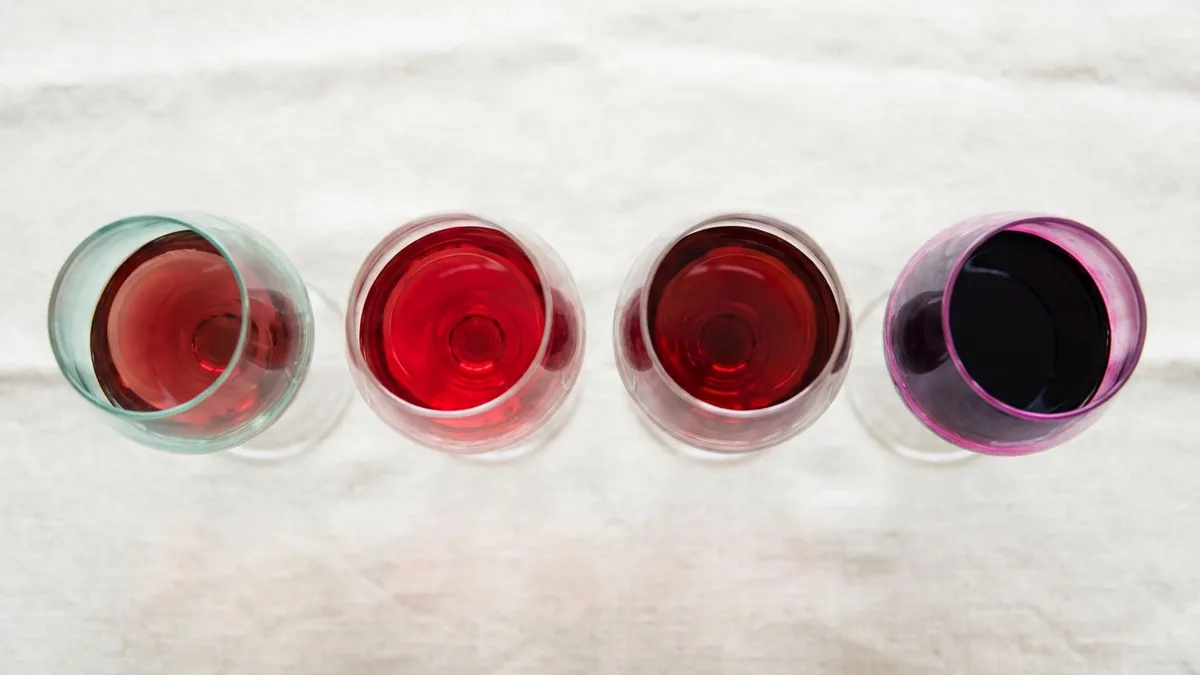
The Four Tiers of Wine Fruit Character
Most professional tasting frameworks split fruit character into a continuous ripeness ladder. The exact wording varies — WSET uses under-ripe, ripe, and over-ripe as the broad bands — but four tiers cover the full range a beginner needs to recognize.
Tier 1: Green Fruit (Under-ripe)
Green fruit means the grape did not finish ripening before harvest, or the variety is one that holds onto green compounds even at full maturity. The aromas are sharp, herbaceous, and unmistakable once you know them.
In red wines:
- Green bell pepper — the signature pyrazine note, dominant in cool-climate Cabernet Sauvignon and Cabernet Franc
- Jalapeño — a sharper version of the same compound family
- Fresh tomato leaf — common in cool-vintage Cabernet and some Loire reds
- Eucalyptus and mint — borderline cases, sometimes counted as green, sometimes as herbal
In white wines:
- Cut grass and grassiness — classic Sauvignon Blanc marker
- Green apple skin — under-ripe Chardonnay, cool-climate Pinot Grigio
- Lime peel and gooseberry — Marlborough Sauvignon Blanc at full intensity
- Fennel and anise — Vermentino, some Grüner Veltliner
A green note is not automatically bad. It is the heart of cool-climate Sauvignon Blanc, a defining feature of Loire Cabernet Franc, and a deliberate stylistic choice in many fresh, food-friendly reds. The question is always whether the green character is integrated with ripe fruit underneath, or whether it sits alone with no fruit support.
Tier 2: Fresh Fruit (Just Ripe)
Fresh fruit is the sweet spot for many tasters. The grape reached full ripeness, the fruit reads as juicy and pure, and there is no jammy or stewed character. If you imagine biting into a perfectly ripe summer berry, that is the reference point.
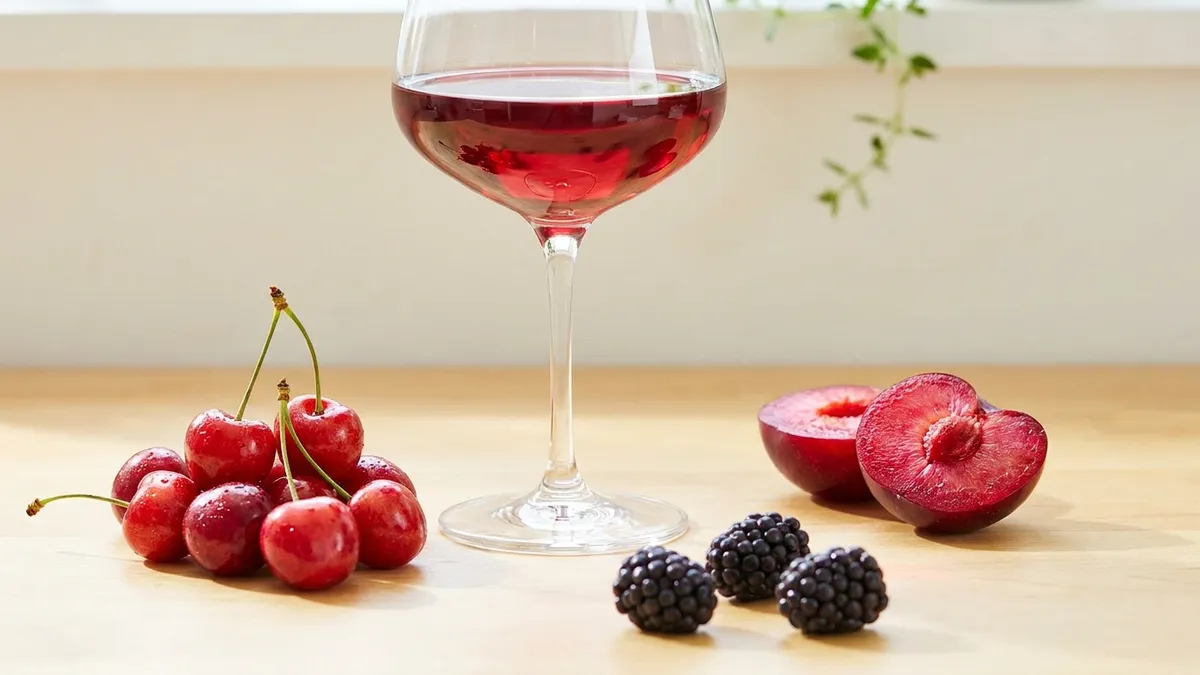
In red wines, fresh fruit shows as ripe red cherry, ripe raspberry, ripe blackberry, ripe plum. In whites, it shows as ripe lemon, ripe peach, ripe apple, ripe pear. The word ripe modifies the fruit but does not push it into cooked territory.
Fresh fruit dominates moderate climates: Bordeaux in a balanced vintage, Burgundy Pinot Noir, northern Rhône Syrah, German Pinot Gris, white Burgundy. The aromas suggest a grape you could pick off the vine and eat without modification.
Tier 3: Ripe Fruit (Fully Ripe)
Ripe fruit pushes one tier further. The grape has hung on the vine longer, the sugar has risen, and the aromas move from juicy and pure to plump and slightly cooked. Ripe fruit is still recognizable as the original fruit — but now it smells closer to a baked tart than a fresh berry.
Red ripe fruit notes include baked black cherry, stewed plum, ripe blackberry, ripe black currant, slight prune. White ripe fruit notes include baked apple, poached pear, stewed peach, candied citrus.
Ripe fruit dominates warm-climate moderate sites: Napa Valley Cabernet, Mendoza Malbec at moderate altitude, Australian Shiraz from cooler subregions, Sicilian Nero d'Avola. The wines are richer than fresh-fruited counterparts and often carry slightly higher alcohol and softer acidity.
Tier 4: Jammy and Cooked Fruit (Over-ripe)
Jammy fruit is the warm-climate extreme. The grape has hung even longer, sugar has climbed further, water has evaporated from the berry, and the aromas reach into preserve and dried-fruit territory.
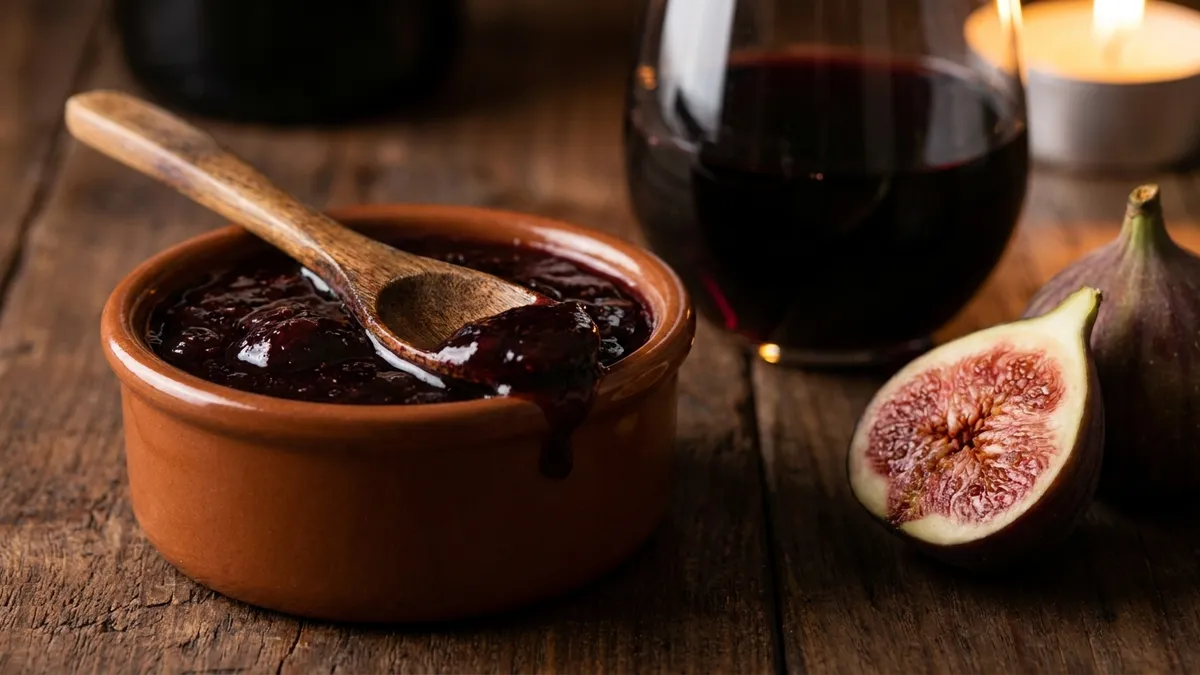
Red jammy notes include blackberry jam, blueberry compote, fig, raisin, prune, dried cherry. White over-ripe notes include dried apricot, candied pineapple, marmalade, honeyed apple.
Jammy fruit shows up in Barossa Valley Shiraz, Lodi Zinfandel, hot-vintage Châteauneuf-du-Pape, late-harvest Mendoza Malbec, very ripe Amarone. Some drinkers love the lush, sweet-fruited style. Others find it one-note. Quality at this end of the spectrum depends on whether acidity and tannin keep the jam structured or whether the wine collapses into flabbiness.
What the Fruit Character Reveals About the Wine
Once a wine sits clearly in one of these four tiers, the glass starts answering bigger questions.
Climate
Climate is the single biggest driver of fruit ripeness. Warm sites push fruit toward the ripe and jammy end. Cool sites hold it at green and fresh. The same grape grown in two different climates produces noticeably different fruit character.
A Sauvignon Blanc from Sancerre in the Loire Valley sits firmly in the green-to-fresh range — flint, grass, gooseberry, lime. The same grape from Marlborough reads as fresh-to-ripe with intensified passion fruit and tropical notes. Move it to warm Chile and the fruit becomes pineapple and ripe melon.
For a deeper look at how climate shapes a wine's overall personality, see new world vs old world tasting style — the ripeness spectrum is at the heart of that distinction.
Vintage
Even within a single region, vintage matters. A cool, wet growing season at a normally moderate site can produce a green-character vintage where most wines fall to tier 1. A hot, dry season can push the same wines into tier 3 or 4.
Top regions track vintage variation closely. Bordeaux's classic "tannic, structured" vintages are often the cooler ones with leaner, fresher fruit. The "lush, opulent" vintages tend to be warmer with riper fruit. Neither is objectively better — they make different wines.
Harvest Timing
Two producers in the same village in the same vintage can pick on different dates and produce wines on different tiers. Earlier picking preserves acidity and fresh fruit, sometimes at the cost of a touch of green character. Later picking pushes fruit toward riper, fuller territory at the cost of acid bite.
This is one of the most important winemaker choices, and it shows up clearly in the glass. A producer chasing freshness picks earlier. A producer chasing power picks later.
Grape Variety
Some grapes hold green character almost regardless of climate. Cabernet Sauvignon and Cabernet Franc carry pyrazines that only break down with strong sun exposure — that is why even warm-climate Cabernet often shows a faint green-pepper edge. Sauvignon Blanc keeps grassy and herbaceous notes through any climate.
Other grapes shed green character early. Grenache, Zinfandel, and Malbec all move quickly into ripe-and-jammy territory and rarely show under-ripe greenness even from cooler sites.
The noble grapes guide covers each major variety's natural ripeness tendencies in more depth.
How to Train Your Palate on the Ripeness Spectrum
Recognizing the four tiers is a sensory skill, not a trivia exercise. The fastest way to build it is to anchor each tier to a specific real-world reference smell.
Build a Reference Shelf
Pick up these items at a grocery store and smell them back to back:
- A fresh green bell pepper, sliced open — the textbook tier 1 anchor
- A handful of fresh-cut grass — another tier 1 anchor
- A fresh raspberry or blackberry — the tier 2 anchor
- A ripe peach or plum — another tier 2 anchor
- A jar of blackberry jam — the tier 3 anchor
- A dried fig and a prune — the tier 4 anchor
Smell each one with your eyes closed. Memorize the difference between fresh raspberry and raspberry jam. The gap between those two is the gap between tier 2 and tier 3.
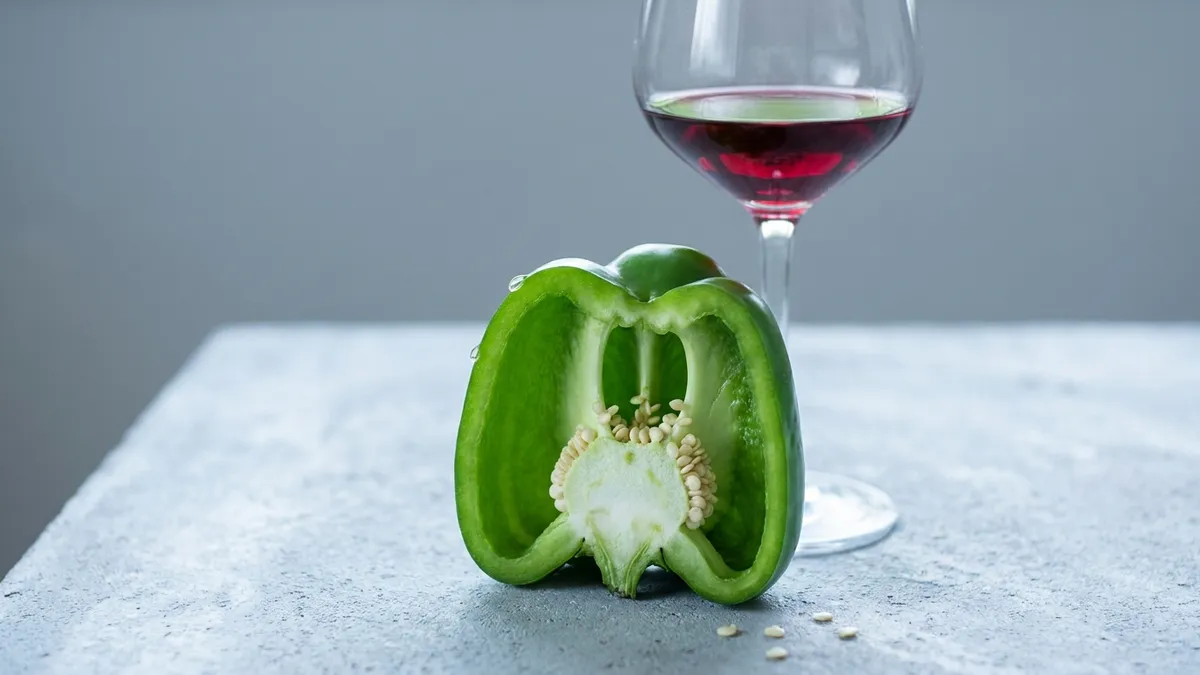
The Sommy app's olfactory reference kit recommends a similar shelf for general aroma training, and the same logic applies to ripeness specifically.
Taste Wines Side by Side
Reading about the spectrum is not the same as tasting it. The fastest learning loop is paired tastings designed to highlight the gap between two tiers.
Useful pairings to try:
- A Loire Cabernet Franc next to a Napa Cabernet Sauvignon — green vs ripe
- A Sancerre Sauvignon Blanc next to a Marlborough Sauvignon Blanc — fresh-green vs fresh-tropical
- A Burgundy Pinot Noir next to a Sonoma Pinot Noir — fresh vs ripe
- A northern Rhône Syrah next to a Barossa Shiraz — fresh-spicy vs ripe-jammy
For more on how to structure these comparisons, our guide to how to compare two wines walks through the side-by-side tasting workflow step by step.
Use the Sommy App for Guided Practice
The Sommy app lets you log fruit ripeness directly in your tasting notes, then surfaces patterns over time — which regions you reach for, which ripeness tiers you favor, where your palate is sharpest. Combined with the AI-guided tasting flow, the spectrum stops feeling abstract and becomes a useful filter for picking your next bottle.
For a fuller practice routine, see how we recommend you develop your wine palate over time — ripeness recognition slots neatly into that broader skill set.
Common Confusions to Avoid
Two pairs of concepts trip up beginners more than any others.
Oak vs Ripe Fruit
Heavily oaked wines often read as "rich and ripe" because oak adds vanilla, baking spice, and toast. Those notes can fool the nose into reading the underlying fruit as riper than it is. A modestly ripe Chardonnay drowned in new oak smells lush and almost tropical from the wrapper, even though the grape itself was tier 2.
The test: try to mentally subtract the oak character. Take away the vanilla and toast. What does the fruit smell like underneath? If it is pure fresh apple and lemon, the wine is tier 2 with heavy secondary character on top. If it is baked apple and stewed pineapple, the fruit really is in tier 3.
For more on this distinction, the guide to primary, secondary, tertiary aromas covers how oak and other winemaking choices layer on top of grape character.
Green Tannin vs Green Fruit
Green fruit is an aroma. Green tannin is a texture. A wine can have ripe fruit on the nose but green, harsh tannin on the palate — that combination usually points to fully ripe pulp paired with under-ripe skins, stems, or seeds, often from a vintage where the producer was rushed.
A wine can also have green fruit on the nose with smooth, ripe tannin — a classic profile for cool-climate Cabernet Franc, where pyrazine-driven herbal notes sit on top of well-managed extraction.
Treating ripeness as two separate axes — fruit aroma ripeness and tannin ripeness — gives you a much more precise read on a wine. For the point where green pepper or cut grass becomes a fault, see herbaceous green wine faults. Our guide to understanding tannins, acidity, and body goes deeper on the texture side of that question.
Fresh-Fruited vs Watery
Some wines from cool sites or under-ripe vintages read as light and lean rather than green. There is no green pepper, but there is also no real fruit weight — the wine feels watery and unfinished. This is different from a deliberately fresh-fruited style where ripe fruit is concentrated even at lower alcohol.
The clue is the depth of fruit character. A high-quality fresh-fruited wine has clear, focused, ripe fruit even at modest alcohol. A watery under-ripe wine has thin fruit that fades quickly on the palate.
Putting It All Together
Once the four tiers click, the next bottle you open starts telling you a story before you reach the back label. A whiff of green pepper signals cool climate or early picking. Bright juicy plum says moderate climate, balanced vintage. Stewed black fruit and a touch of fig point to a warm site or a late harvest. Full jam and prune put you in hot-climate territory.
That signal is one of the most useful pieces of information you can pull from a glass. Combined with structure cues like acidity, tannin, and alcohol — covered in what is wine body — fruit character lets you reverse-engineer climate, vintage, and producer style without ever looking at the label.
To keep building that skill, the Sommy app at https://sommy.wine/ walks beginners through structured tastings that tag each wine on the ripeness spectrum, then quizzes the patterns back over time. The four tiers become second nature faster than most tasters expect.
Frequently Asked Questions
What does ripe vs green fruit mean in wine?
Ripe fruit means the grape reached full physiological maturity and the resulting wine smells of plump, sweet, sometimes cooked fruit like ripe blackberry, fig, or jam. Green fruit means the grape was harvested under-ripe or grown in a cool site, producing herbaceous notes like green bell pepper, jalapeño, fresh-cut grass, or tomato leaf. Both can be intentional or accidental depending on the producer and the vintage.
Is green fruit character a fault in wine?
Not always. In Sauvignon Blanc from Marlborough or the Loire Valley, green notes like grass and bell pepper are signature character and a sign of quality. In a warm-climate Cabernet that should taste of ripe blackcurrant, the same green pepper note signals under-ripe fruit and is treated as a flaw. Context decides whether green is celebrated or criticized.
Why does some Cabernet taste like green bell pepper?
Cabernet Sauvignon contains pyrazines, aromatic compounds that smell strongly of green bell pepper and only break down when the grape ripens fully under sunlight. Cool vintages, shaded canopies, or early harvests leave high pyrazine levels in the finished wine. Warm sites with long hang time burn the pyrazines off, leaving pure ripe black fruit.
What's the difference between fresh fruit and ripe fruit in wine?
Fresh fruit smells juicy and pure, like a grape you would eat off the vine — fresh blackberry, fresh plum, fresh peach. Ripe fruit moves further along the spectrum into plump, slightly cooked territory — baked blackberry, ripe black plum, stewed peach. Fresh fruit dominates moderate climates and balanced vintages. Ripe fruit shows up in warmer sites and longer hang times.
Does jammy fruit mean a wine is high quality?
Jammy fruit signals warm-climate origin and extended ripening, not quality on its own. Many drinkers love the lush, sweet-fruited style of warm-climate Shiraz, Zinfandel, or Argentine Malbec. Other tasters find jammy character one-note and prefer fresher styles. Quality depends on whether the rest of the wine — acidity, tannin, length — keeps the jam in balance.
How do I train my palate to tell ripe from green fruit?
Build a small reference shelf. Smell a fresh green bell pepper, a fresh raspberry, a jar of blackberry jam, and a dried fig back to back. Each one is a marker on the ripeness spectrum. Then taste a cool-climate Cabernet next to a warm-climate Shiraz and notice which markers show up. Repeated paired tastings rewire the palate faster than reading descriptors.
Is green tannin the same thing as green fruit?
No. Green fruit refers to aroma — bell pepper, grass, herb. Green tannin refers to texture — a harsh, drying, bitter grip on the gums caused by under-ripe grape skins, stems, and seeds. A wine can have ripe fruit but green tannin, or green fruit with smooth tannin. Separating the two helps you describe what you taste with more precision.
What climate produces the ripest fruit character in wine?
Warm-to-hot climates with long, dry growing seasons produce the most concentrated ripe and jammy fruit. Think Barossa Valley Shiraz, Mendoza Malbec, Lodi Zinfandel, and Napa Valley Cabernet. Cool climates like the Loire Valley, Mosel, and Marlborough sit at the green-to-fresh end of the spectrum. Moderate climates fall in between and often produce the most balanced expressions.
Sommy Team
LinkedInFounder & Wine Educator
The Sommy Team is building the world's most approachable wine education app, helping beginners develop real tasting skills through structured courses and AI-guided practice.