Wine Tasting for Introverts: How to Enjoy Without the Pressure

By the Sommy Team — AI-assisted, human-edited.
Updated Apr 29, 2026
Contents (11)
- TLDR
- What Wine Tasting for Introverts Actually Looks Like
- The Introvert Advantage in Wine
- A Solo Wine Tasting Routine That Works
- When Group Events Are Worth Tolerating
- Finding Quiet Wine Spaces
- Online Communities for Introvert Wine Lovers
- Building Confidence for the Times You Do Go Public
- A Sommy-Shaped Practice for Introvert Tasters
- A Twelve-Week Introvert Practice Plan
- The Bottom Line
TL;DR
Wine tasting for introverts works best as a quiet, depth-first practice. Skip loud bars and group small talk. Build a weekly solo ritual with one bottle, a journal, and thirty minutes of attention. Add small structured tastings with one or two trusted friends, and use online courses, journals, and asynchronous communities instead of crowded events.
TLDR
Wine tasting for introverts works best as a quiet, depth-first practice. Skip loud bars and group small talk. Build a weekly solo ritual with one bottle, a journal, and thirty minutes of attention. Add small structured tastings with one or two trusted friends, and use online courses, journals, and asynchronous communities instead of crowded events.
What Wine Tasting for Introverts Actually Looks Like
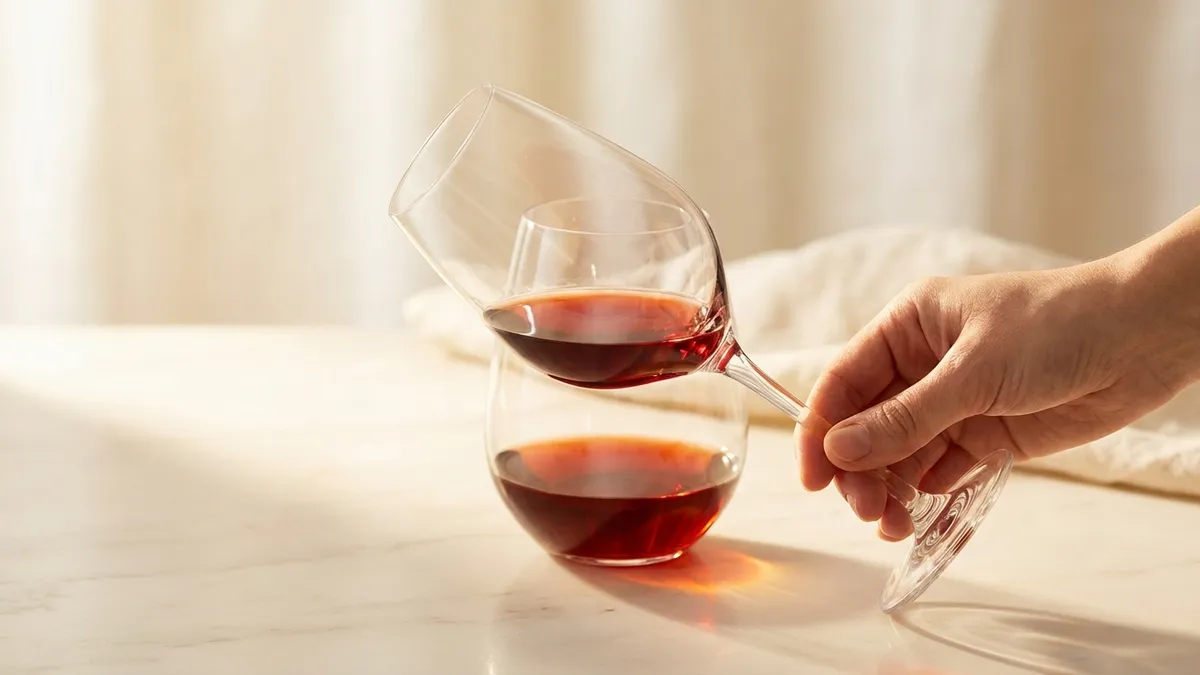
Introvert-friendly wine tasting prioritizes solo or one-to-one deep practice over loud group events. The core ritual is small: one bottle, thirty minutes of writing, a quiet table. Add a monthly comparative tasting with one or two trusted friends. Lean on online courses, journals, and asynchronous wine forums instead of crowded wine bars. Take written notes rather than spoken descriptors, taste at home before going out so you have prior context, and skip the cocktail-party "what do you taste?" small talk. Deepen instead through reflection, journaling, and structured study. Build wine knowledge through depth, not socializing — and you will quietly outpace people who taste louder.
The Introvert Advantage in Wine
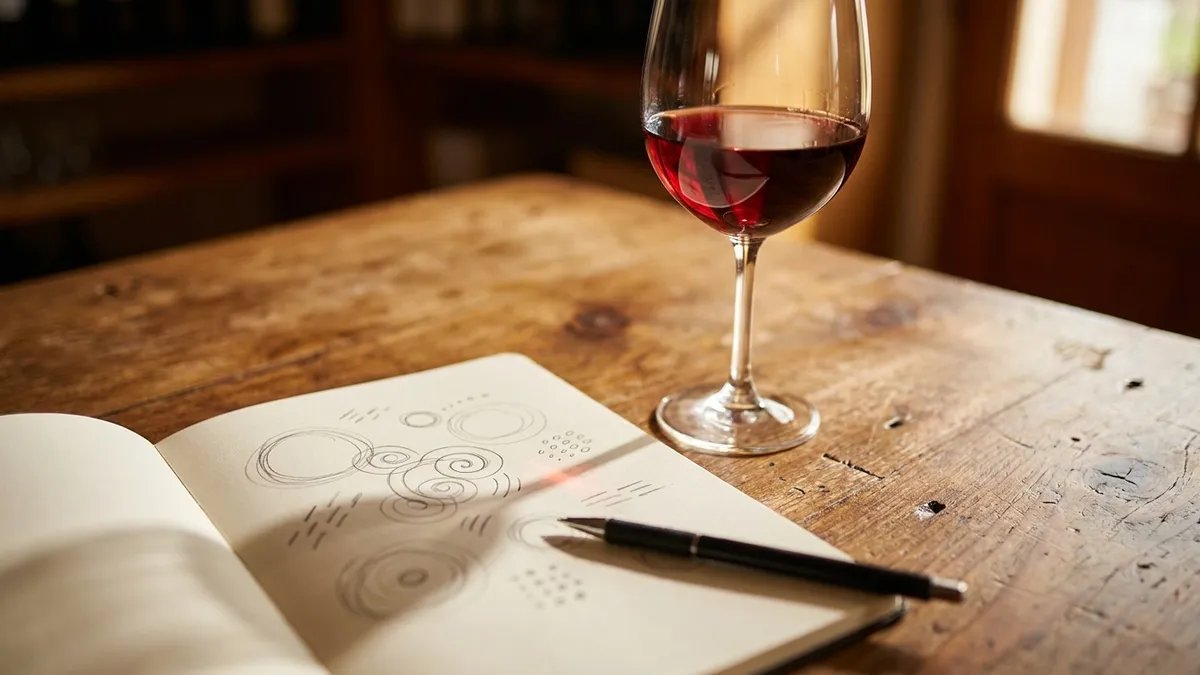
Wine tasting is often pitched as a social activity — group flights, loud cellar tours, dinner parties where you are expected to describe a glass on demand. That framing is misleading. The actual skill of tasting rewards introvert traits more than extrovert ones.
Focus Over Volume
Identifying aromas, comparing structure, and remembering how one wine differs from another are tasks of slow attention. They reward a person who can sit with a glass for ten minutes without checking a phone. Introverts, on average, find that easier than extroverts.
Written Reflection Over Verbal Improvisation
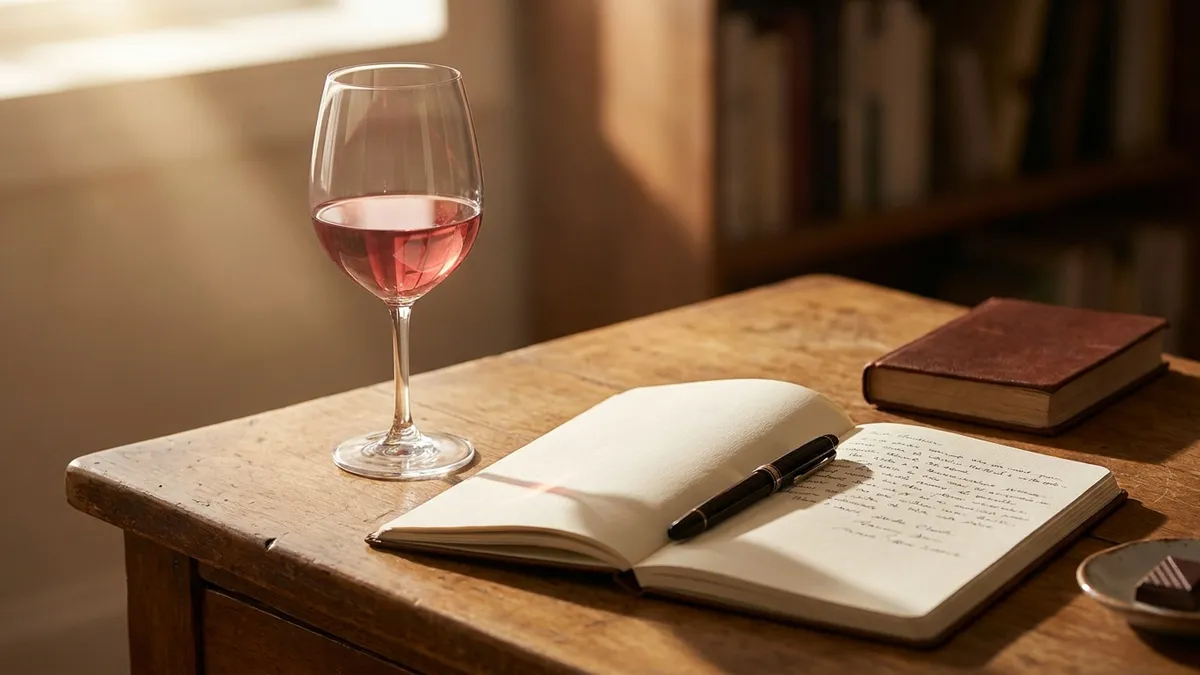
Most beginner tasters who freeze at "what do you taste?" do fine when given a notebook. Writing slows the pace, removes the audience, and makes specificity easier. The aromas you struggle to call out at a dinner table appear cleanly on paper at home. Our wine tasting journal tips guide explains the five-field template that turns scattered impressions into a useful record.
Depth Over Breadth
Group tastings tend to produce shallow descriptions because nobody has time to dwell. A solo session with one bottle, on the other hand, lets you re-pour at the twenty-minute mark and notice how the aromas opened. That kind of layered observation is where palate memory is actually built.
Pattern Recognition Over Performance
Wine knowledge compounds. Twelve months of weekly solo practice produces a real palate — the ability to spot a cool-climate Chardonnay or a young Nebbiolo by structure alone. People who only taste in groups often miss this entirely, because the social layer hides the tasting from itself.
You do not need to like crowded events to get good at wine. You need a glass, a notebook, and thirty quiet minutes a week.
A Solo Wine Tasting Routine That Works
The core practice is small enough to fit into any week. The shape is more important than the duration.
The Weekly Bottle Session
One bottle. One evening. Thirty minutes of attention.
- Pour at the right temperature. Whites at 8 to 13 °C, reds at 15 to 17 °C. Take the bottle out of the fridge fifteen minutes early or put it in fifteen minutes early, depending on the style. The wine serving temperature chart goes deeper.
- Sit at a table with a notebook open. Phone face-down. No background chatter. The point of solo tasting is the absence of inputs that compete with the wine.
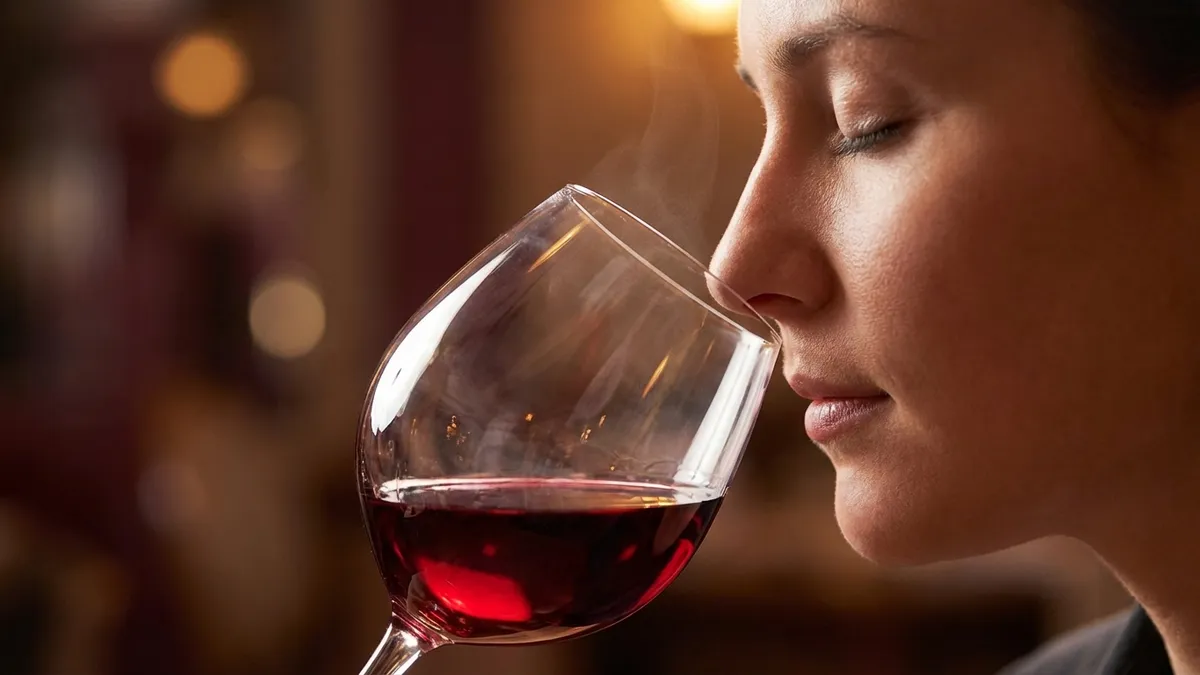
- Look, smell, sip slowly. Three slow sips, ten minutes apart. Note what changed between the first and the third. Wines that taste tight at minute one often bloom at minute twenty.
- Write five fields. Date and context, identity (grape, region, vintage), structure on a one-to-five scale (acidity, tannin, body, sweetness), three honest descriptors, gut score with one sentence of why.
- Stop. Two minutes of writing is enough. Long, flowery prose is noise. Plain words and one-to-five numbers compound into real knowledge.
That is the entire practice. People who run it for a year quietly outpace people who attend twice as many events. Our develop your wine palate post lays out a deliberate four-week version of the same ritual if you want a starter plan.
The Comparative Solo Tasting
Once a month, pour two or three small samples side by side. Two grapes from one region, or one grape from two regions. The same evening, the same table, the same notebook. Comparison is where structural memory grows. A solo Chardonnay tasting that puts a cool-climate sample next to a warm-climate one teaches more in forty minutes than ten random Chardonnays drunk over a year. The chardonnay vs sauvignon blanc and cabernet sauvignon vs merlot guides each suggest a sensible solo pairing.
The Re-Taste Habit
Twice a year, re-taste a wine you scored highly six months ago. Compare the new score to the old one. If it shifted, ask why — your palate, the bottle, the night, or all three. This is the single fastest known way to sharpen recall, and it does not require another person in the room. Our wine memory training guide covers the full re-taste protocol.
When Group Events Are Worth Tolerating
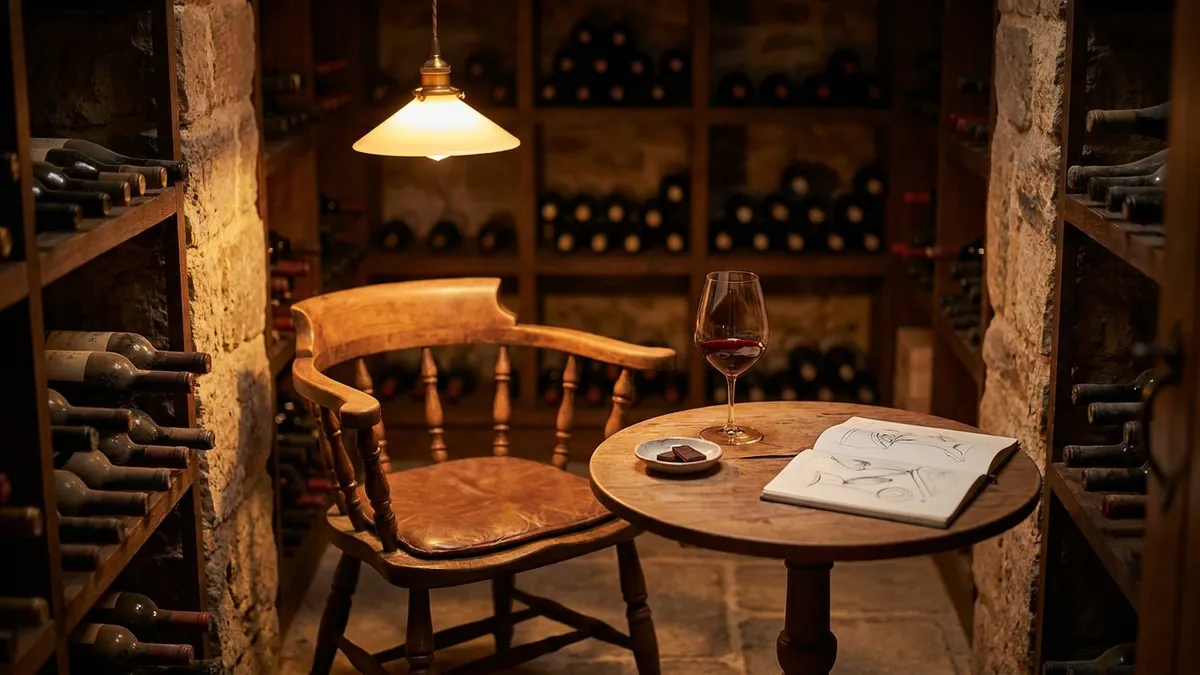
Some group tastings genuinely add value. The trick is being selective and prepared.
Master Classes and Structured Flights
A master class with a teacher walking through six wines is structurally different from a casual tasting party. The room is quiet, the focus is on the glass, and you are not expected to perform. These events are introvert-friendly by design. If the description includes the words guided, blind, or comparative, it is probably worth attending.
Comparative Tastings With One or Two Friends
A small home tasting with one or two trusted friends is the second category worth saying yes to. Pour two wines, taste in silence for the first three minutes, then share one descriptor each. The structure does the social work for you. The wine tasting party guide and horizontal wine tasting post describe formats that scale to two or three people.
Winery Visits in the Off-Season
A winery visit on a weekday afternoon is one of the most introvert-friendly wine experiences available. Small group, often just you and the cellar host, focused on the wine, with permission to take notes and ask precise questions. Avoid weekend bus tours and harvest weekends. The wine tasting at wineries guide explains how to time a visit.
What to Skip
Crowded wine bars, large tasting festivals, and events billed as speed tasting or meet the winemaker mixers rarely teach you anything about the wine. You leave tired and your notes are unusable. Saying no is not anti-social — it is editorial.
Finding Quiet Wine Spaces
Even introverts go out occasionally. The trick is choosing rooms designed for attention, not noise.
Wine Shops With a Tasting Bar
A neighborhood wine shop with a small tasting bar is often the calmest room available at four on a Tuesday afternoon. The staff have time to talk. The customers are one or two at a time. You can taste two or three wines, ask one specific question, write a quick note, and leave in twenty minutes — a category of wine experience introverts often miss because the word tasting triggers an image of a crowded event.
Restaurants With Sommeliers
A good restaurant with a real sommelier is a one-to-one tasting in disguise. Tell the sommelier what you usually drink and what you are eating. Ask one specific question — which wine on this list has the highest acidity? — and you have just had a structured tasting masquerading as dinner. The wine tasting etiquette guide covers the social shape.
Off-Hours Wine Education
Many wine schools offer weekday-afternoon classes that draw quieter crowds than evening or weekend sessions. A six-week structured course with twelve students and a teacher is fundamentally different from a Saturday-night drop-in tasting. Pick the calmer slot.
Online Communities for Introvert Wine Lovers
Asynchronous learning is where introverts have a real edge. The format suits the temperament.
Self-Paced Courses
A good self-paced course lets you watch a fifteen-minute lesson, pause, taste a wine to confirm what you just learned, write a few notes, and move on. No live cohort, no chat box, no pressure to perform. Look for courses that include downloadable tasting templates and journaling prompts rather than only live discussion sessions.
Wine Apps With Structured Practice
A guided tasting app structures the same five-field journal entry described above into a tap-through interface. The Sommy app prompts you for color, aroma, palate structure, and a written summary in a fixed shape, then lets you review your tastings as a searchable archive. The advantage for introverts is that the app does the social scaffolding silently — you never have to explain your descriptors out loud, and you build a real personal palate map at your own pace. Our best wine education apps 2026 guide compares the major options.
Forums, Newsletters, and Comment Threads
Asynchronous community spaces — wine subreddits, niche newsletters, regional forums — let you contribute in writing, on your own schedule, with time to draft a thoughtful response. The social layer is real, but the latency is generous. A comment posted Tuesday morning gets the same reception as one posted Sunday midnight. A live tasting room gives you a two-second response window instead.
Pen Pals and Tasting Partners
The most underrated introvert wine practice is a written exchange with one tasting partner. Each of you commits to one bottle a week, writes a short note, and trades notes by email or chat. The friendship is built around shared attention rather than shared talking — exactly the architecture introverts thrive on.
Building Confidence for the Times You Do Go Public
Even with a depth-first practice, you will occasionally end up at a dinner where wine comes up. A few quiet habits make those moments comfortable.
Have One Region You Know Well
Pick one wine region and study it for three months — the italian wine guide, french wine regions, or german wine regions post is enough to start. Read, taste comparatively, journal your impressions. The result is one specific area where you can speak with real depth. When wine comes up at a dinner, you have a quiet anchor — I have been working through Mosel Riesling this season — that carries more weight than a stranger's twenty rehearsed adjectives.
Have a Default Order
Walking into a restaurant with a wine list is hard for introverts because the choice is loaded with social meaning. The fix is a default. Know your usual style — a dry rosé, a crisp white with food, a soft red under fifteen percent alcohol — and order it. Confidence at a wine list comes from having a default, not from memorizing the list.
Use the Notebook as a Social Anchor
If you find yourself at a tasting event you cannot escape, take out a small notebook. Most people will leave you alone when they see you writing. The notebook signals attention, not antisocial behavior. A quiet, focused taster is often the most respected person in a crowded room — even though that taster is doing the thing extroverts find most uncomfortable, which is sitting alone with a glass and a pen.
Practice the One-Sentence Answer
When someone asks what does it taste like?, the introvert answer is one specific sentence. Cherry and pencil shavings, soft tannin, a bit short on the finish. That is a complete tasting. You do not owe anyone a paragraph. The how to describe wine post and the wine tasting vocabulary cheat sheet both build out the kitchen-word list that powers this kind of plain answer.
A Sommy-Shaped Practice for Introvert Tasters
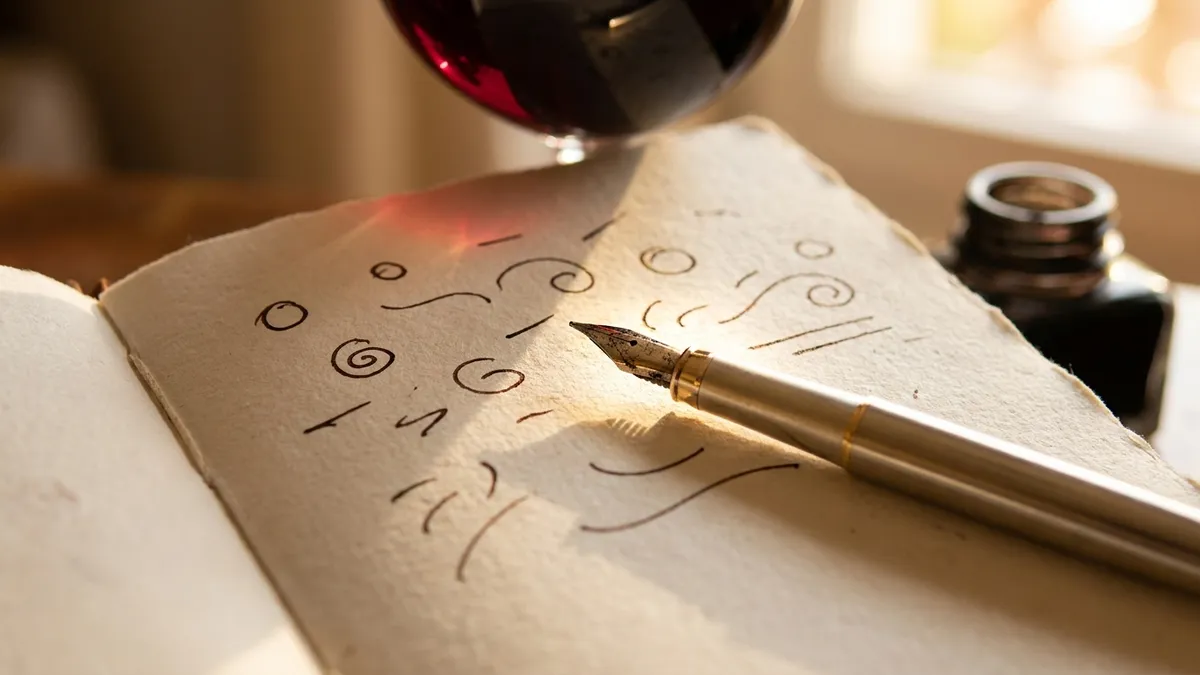
The Sommy app was designed around exactly this kind of quiet, depth-first practice. Each tasting is structured into the same five-field shape — color, aroma, palate, free-text notes, gut score — so the format does the work that small talk does in a group setting. The app pulls out specific aromas through a tap-through guide rather than asking you to describe a wine out loud, and reviews are private by default.
For introvert learners, that combination — structured solo practice plus a searchable written archive — replaces the social layer that group tastings provide for extroverts. The app is the room, the prompts are the conversation, and the journal is the record. The home page at sommy.wine walks through the full shape.
A Twelve-Week Introvert Practice Plan
If you want a concrete starter, this is the version many introvert tasters settle into.
- Weeks 1 to 4. One bottle a week, solo, with the five-field journal. Pick four common grape varieties — Chardonnay, Sauvignon Blanc, Pinot Noir, Cabernet Sauvignon. The pinot noir guide is a good start.
- Weeks 5 to 8. Add one comparative solo tasting per month. Two wines side by side. Same grape, two regions, or two grapes, one region.
- Weeks 9 to 12. Add one small structured tasting with one or two trusted friends. Three wines, silent first three minutes, then one descriptor each.
- End of month three. Re-read the journal. Note the patterns. The wines you keep scoring high have something in common — a structural signature you can now look for in any new bottle.
Twelve weeks of this routine produces a palate most people never develop in a lifetime of party tasting — built quietly, mostly at home, in a way that an introvert finds restful rather than draining.
Sommelier note: The single most important habit in introvert wine practice is the weekly review. Fifteen quiet minutes re-reading your last ten entries does more for your palate than three group events. The journal teaches you. The crowd does not.
The Bottom Line
Wine tasting for introverts is not a watered-down version of the social activity — it is the version that produces the most learning. A weekly bottle session, a five-field journal, occasional small-group structured tastings, and asynchronous community spaces will build a real palate quietly and reliably. Skip the loud rooms. Trust the slow practice. The depth shows up around entry fifty, and from there the curve only steepens.
Frequently Asked Questions
Can introverts actually become great at wine tasting without going to events?
Yes, and often faster than extroverts. Wine tasting rewards focused, repeated attention more than social fluency. A weekly solo session with one bottle and a journal builds aroma recognition and structural memory at a steady pace, while group tastings tend to produce shallow, performative descriptions. Most professional sommeliers do the bulk of their real practice alone, with a notebook and a few reference samples on a quiet table.
Where should an introvert practice wine tasting if not at wine bars?
Practice at home. A small, well-lit corner of a kitchen or living room with a tulip glass, a notebook, and a single bottle is enough. The home environment lets you taste at the right temperature, take real notes without performing, and re-pour a sample twenty minutes later to see how the wine evolves. That kind of slow attention is impossible in a noisy bar with strangers.
Are there online wine tasting courses that work well for introverts?
Yes. Self-paced online courses, guided tasting apps, and structured video series are ideal for introvert learners — they let you pause, replay, and re-taste without an audience. Look for courses that include written exercises and journaling prompts rather than only live group sessions. Asynchronous communities and forums add the social layer at a comfortable distance, on your own schedule, with time to write a thoughtful response.
How do I handle a wine tasting event when I cannot avoid it?
Arrive early, taste the first two wines before the crowd thickens, and use a small notebook as a polite anchor — most people will leave you alone when they see you taking notes. Pick one or two wines to study seriously rather than trying to taste everything. If the room becomes too loud, step outside between flights. Quality of attention beats quantity of glasses tasted every time.
How do I write tasting notes if I find spoken descriptors hard?
Writing is often easier than speaking for introvert tasters because it removes the audience. Use a simple five-field template — date and context, identity, structure on a one-to-five scale, three honest descriptors, and a gut score with one sentence of why. The format does the social work for you. Two minutes per entry is enough, and after fifty entries the patterns in your own palate become impossible to miss.
Are there small-group wine tastings that suit introverts better?
Comparative tastings with one or two trusted friends are ideal. Pour two or three wines side by side, agree to taste in silence for the first three minutes, then share one descriptor each. The structure gives the gathering a shape that does not depend on small talk. Master classes and structured flights with a teacher also work well because the focus is on the wine, not the room.
How do I build wine confidence as an introvert without faking extroversion?
Build confidence through depth, not performance. Pick three grape varieties or one region and study them deeply — read, taste comparatively, journal your impressions, and re-taste after a month. Specific knowledge held quietly is more credible than wide knowledge held loudly. When the topic comes up at a dinner, your one careful sentence about Riesling will carry more weight than a stranger's twenty rehearsed adjectives.
Sommy Team
LinkedInFounder & Wine Educator
The Sommy Team is building the world's most approachable wine education app, helping beginners develop real tasting skills through structured courses and AI-guided practice.