How to Taste Natural Wine: Adjusting Your Expectations

By the Sommy Team — AI-assisted, human-edited.
Updated Apr 29, 2026
Contents (10)
- The Bottle That Looks Cloudy and Smells a Little Strange
- How to Taste Natural Wine, in One Paragraph
- What Looks Different in the Glass
- What Smells Different on the Nose
- What Feels Different on the Palate
- Serving Natural Wine
- The Natural-Wine Bar Context
- Common Confusions, Settled
- A Practical Tasting Routine for Natural Wine
- Why the Approach Matters
TL;DR
Natural wine asks you to recalibrate, not relearn. Expect cloudy or hazy pours, mild brett or volatile lift, light reduction that blows off, sometimes a fizzy pet-nat surprise, and bright primary fruit over polish. Judge each bottle against the natural-wine norm, not the conventional one. Mousiness still means a real fault.
The Bottle That Looks Cloudy and Smells a Little Strange
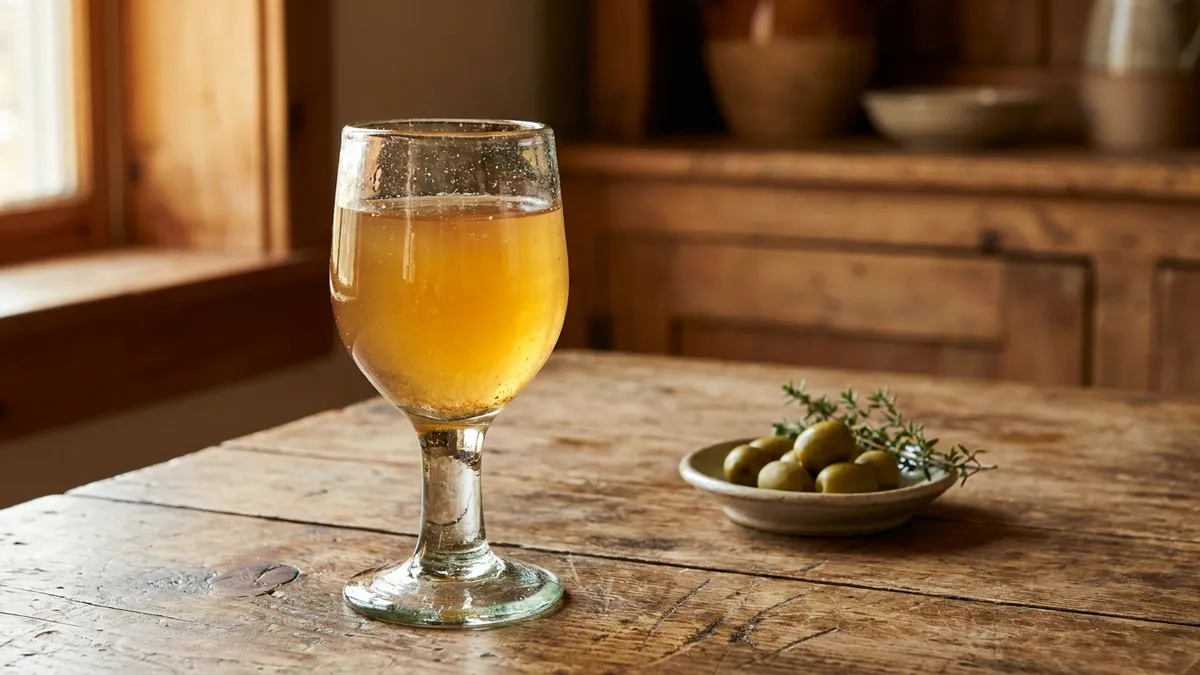
Pour a glass from a hand-labelled bottle at a wine bar and the picture is unfamiliar. The wine is hazy, or even outright cloudy. There is a faint funky lift on the nose, maybe a whisper of cider or struck match. The fruit is bright but the polish is missing. Half the table loves it. Half the table thinks the wine is broken.
This guide explains how to taste natural wine — wines made with low or no added sulfites, native yeast, no filtration, and organically farmed grapes — and how to adjust the expectations conventional wine has trained into you. Natural wines are not better or worse than conventional ones. They are different, and judging them against the wrong reference points is the fastest way to dismiss bottles that have a lot to say.
The full picture of what natural wine is, how it differs from organic and biodynamic, and the styles that fall under the umbrella lives in natural wine explained. This piece picks up where that one leaves off and works on the tasting side.
How to Taste Natural Wine, in One Paragraph
Natural wines need an adjusted tasting approach because the rules of polish do not apply. Expect a cloudy or hazy pour from unfiltered, unfined production. Expect a wider band of acceptable funk on the nose — mild brett leather, light volatile lift, soft reduction that blows off with air. Expect occasional pet-nat fizziness in wines that look still on the label. Expect lower acid stability, sometimes some bottle variation, and very expressive primary fruit. Drop the demand for crystal clarity and silky texture. Judge each glass against the natural-wine norm rather than the conventional benchmark, embrace volatility and freshness over smoothness, and remember that mousiness is still a real fault. Some natural wines lean hard into funk; others taste indistinguishable from cleanly made conventional wines.
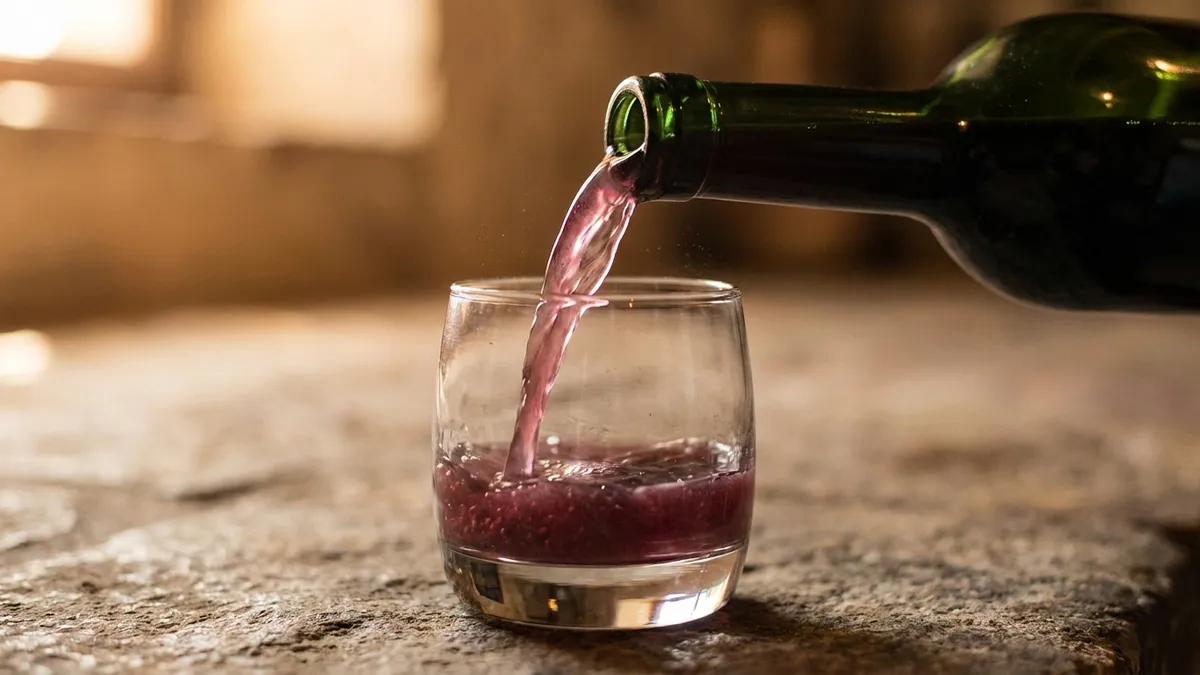
What Looks Different in the Glass
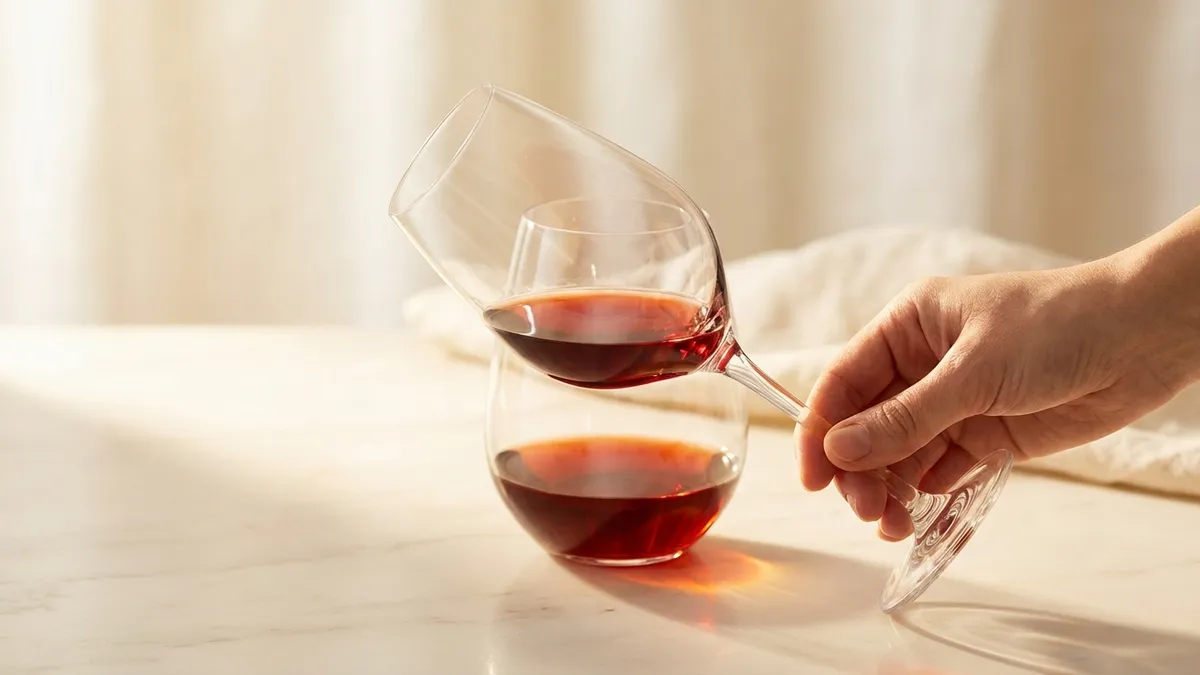
Sight is where the recalibration starts. Conventional wine training puts a premium on clarity. A textbook tasting note rewards bright, polished, brilliant wines and flags hazy ones as suspect. Natural wine flips that priority on its head.
Cloudiness Is Intentional, Not a Fault
Most natural wines are unfiltered and unfined, meaning the producer has chosen not to strip out yeast cells and grape solids before bottling. Filtration removes texture, savoury character, and microscopic particles that contribute to mouthfeel. Skipping it leaves a wine that reads as hazy, milky, or even cloudy depending on how aggressively unfiltered it is.
A useful rule: turbidity alone is not a fault. Pair the haze with what you smell and taste, and judge the whole. The broader vocabulary for reading clarity, sediment, and rim colour is in the wine appearance guide, and the deeper wine color and age piece explains why some natural wines look more orange or brown than their age would suggest.
Sediment, Crust, and a Soft Spritz
Unfiltered bottles sometimes drop a small amount of sediment over time. Pour gently and leave the last centimetre in the bottle if you want to avoid the gritty pour. Some natural still wines also carry a soft prickle of dissolved CO2 — not full sparkle, but a light fizz on the tongue that comes from incomplete malolactic fermentation. That spritz is in style for many low-intervention reds and whites.
Pet-Nat Looks Like Nothing You Have Tasted
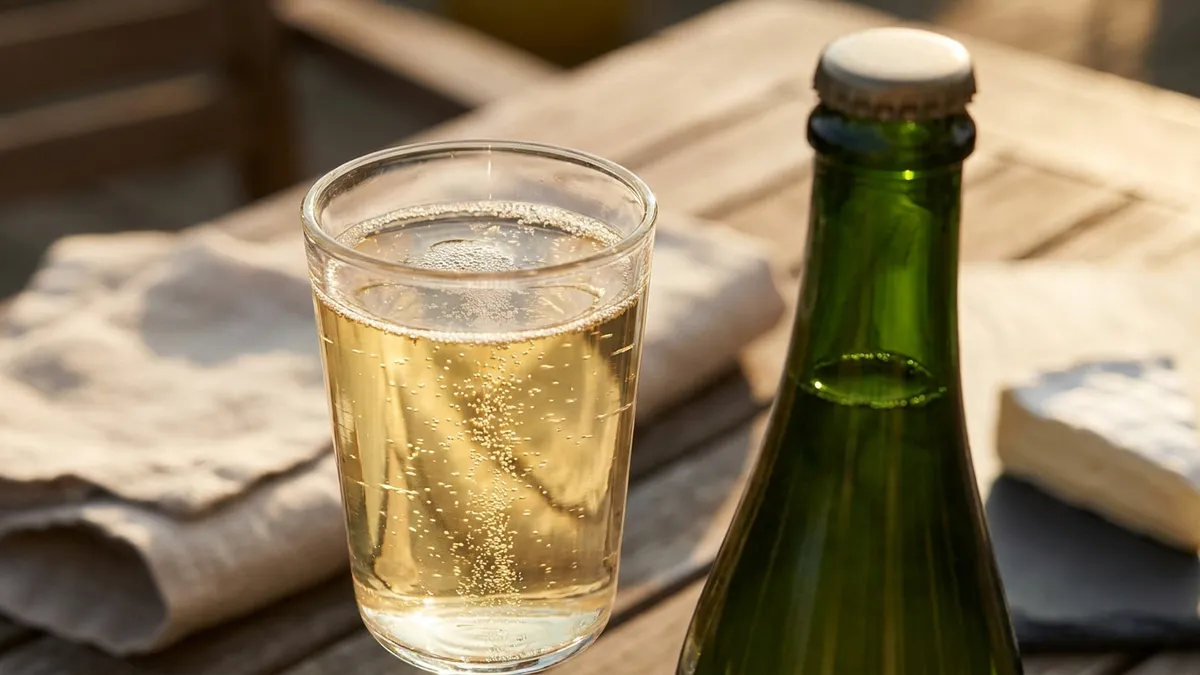
If the bottle is pet-nat — short for pétillant naturel, naturally sparkling — expect a hazy pour, a low to medium fizz, and often a yeasty cloud that shifts as the wine sits in the glass. The crown cap and unfiltered character are signatures of the style. Pet-nat is one of the most playful corners of natural wine, and the bubbles come from the wine's own incomplete fermentation rather than added sugar and yeast.
What Smells Different on the Nose
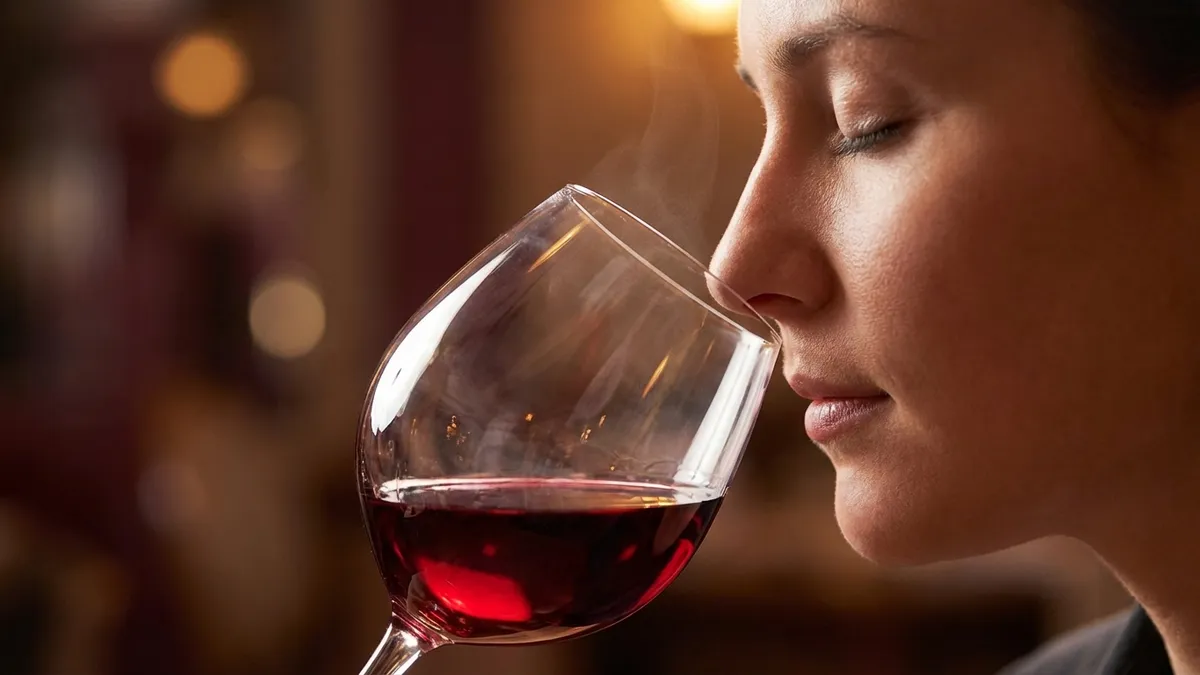
The aromatic profile of natural wine sits inside a wider band than conventional wine. Some bottles smell crisp, varietal, and entirely clean. Others lean into a savoury funk that takes a few sips to settle into. Calibration is everything.
In-Style Funk vs Real Fault
The same molecules that show up as flaws in old-world wines often appear in natural wines, sometimes a little louder. The line between wine flaws and faults is dose-dependent — a feature in trace amounts, a defect when it buries the fruit. The full framework lives in wine flaws vs faults and the how to identify wine faults by smell drills.
For natural wine specifically, the most common in-style notes are:
- Mild brett — a savoury leather, smoke, or stable note that adds complexity. A whisper is in style. A wine that smells more of barnyard than grape has crossed into fault territory.
- Light volatile acidity — a high-toned aromatic lift, a touch of cider or balsamic. A whiff is welcome. A nose-stinging vinegar dominance is a fault.
- Soft reduction — struck match, flint, sometimes a brief whiff of rubber that disappears with a swirl. If twenty minutes of air clears it, the wine is fine. If it deepens, send it back.
- Gentle oxidation — a soft nutty edge in an older bottle. Acceptable. A young wine that already smells of bruised apple and sherry is broken.
The mistake beginners make is treating any of those notes as automatic flaws. The mistake natural-wine evangelists make is excusing every off-note as character. The honest read is in the middle — calibrate against fresh primary fruit, and ask whether the off-note is adding to the wine or replacing it.
Mousiness Is Always a Fault
There is one note that does not get a dose-dependent pass: mousiness. It tastes like stale popcorn, mouse cage, or sour milk and builds on the palate seconds after you swallow rather than on the nose. It is famously common in low-sulfite natural wines, and some fans of the style tolerate it. Wine science and most sommeliers do not. A mousy bottle is broken, regardless of how natural the producer.
If a wine smells fine on the nose but a stale, drying, almost cardboardy note builds in the back of your mouth between sips, you are tasting mousiness. Set the glass aside and try another bottle.
What Feels Different on the Palate
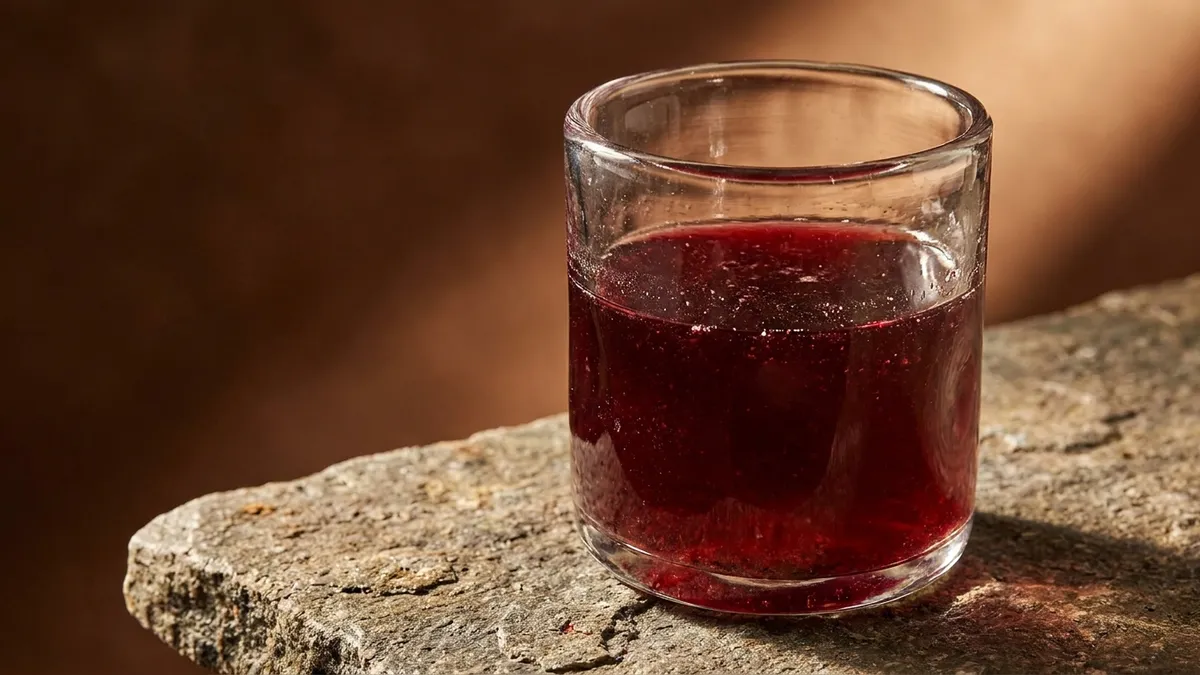
The structural framework you already use — acidity, tannin, body, alcohol, finish — still works on natural wine. The numbers just sit in different places, and a few extra textures show up. For the basic vocabulary, see the understanding tannins, acidity, body guide.
Brighter Acid, Lighter Body, More Texture
Most natural wines lead with acidity rather than ripeness. Lower picking dates, native yeast fermentation, and gentle handling tend to preserve fresh primary fruit and a lifted, energetic mouthfeel. Body is often a notch lighter than the same grape grown conventionally, especially in reds, where many natural producers chase juicy, gulpable wines rather than dense extraction.
Texture is where natural wine often surprises. Unfiltered yeast lees give a soft creaminess to whites. Skin-contact whites — the orange wine family — bring a tannic grip that conventional whites do not have. Light spritz from residual CO2 adds a refreshing prickle.
Fruit Character Reads Different
Without acid adjustment, residual sugar tweaks, or oak spice to lean on, natural wines tend to taste honestly of their vintage. A cool year shows greener, more herbal fruit. A warm year shows riper, juicier fruit. The primary, secondary, and tertiary aromas framework still applies, but the primary layer is doing more of the work and the oak-driven secondary layer is often dialled right down.
Finish Often Comes Quicker
Polish takes time and intervention. A long, glossy finish in a conventional wine often relies on careful blending, oak ageing, and fining. Many natural wines finish quicker and more abruptly, with a clean snap rather than a slow fade. That is a stylistic choice, not a flaw. The wine finish meaning guide explains why finish length and finish quality are not the same thing.
Lower Acid Stability and Some Bottle Variation
Lower sulfite levels mean less protection over time. Two bottles from the same case can show small differences depending on storage. A natural wine that sat in a warm shop for a week may taste a notch oxidative even when the rest of the case is clean. This is part of the style — natural wine rewards careful storage and reasonably quick drinking — but it is worth being honest about. If you suspect a poorly stored bottle, the wine expectations vs reality guide is a useful sanity check.
Serving Natural Wine
Temperature does more for natural wine than almost any other variable. Most low-intervention reds taste better with a light chill. Most natural whites and rosés benefit from being a few degrees warmer than fridge-cold. Pet-nat needs to be properly cold to keep the bubbles tight and the funk in check.
The general rule:
- Light natural reds — Gamay, Trousseau, Pineau d'Aunis, lighter Pinot Noir — at around 14 to 16 °C, a quick fridge stop before pouring.
- Fuller natural reds — Syrah, Nebbiolo, Mencía — at around 16 to 18 °C, slightly cooler than warm room temperature.
- Natural whites and rosés — fridge for an hour, then five minutes on the counter before pouring.
- Orange wines — slightly warmer than whites, around 12 to 14 °C, to let the tannins and texture show.
- Pet-nat — fridge until the moment of opening, like sparkling wine.
For the broader logic, see the wine serving temperature chart and the deeper how temperature affects wine taste guide. A small temperature change can move a natural wine from oddly volatile to refreshing in three minutes.
The Natural-Wine Bar Context
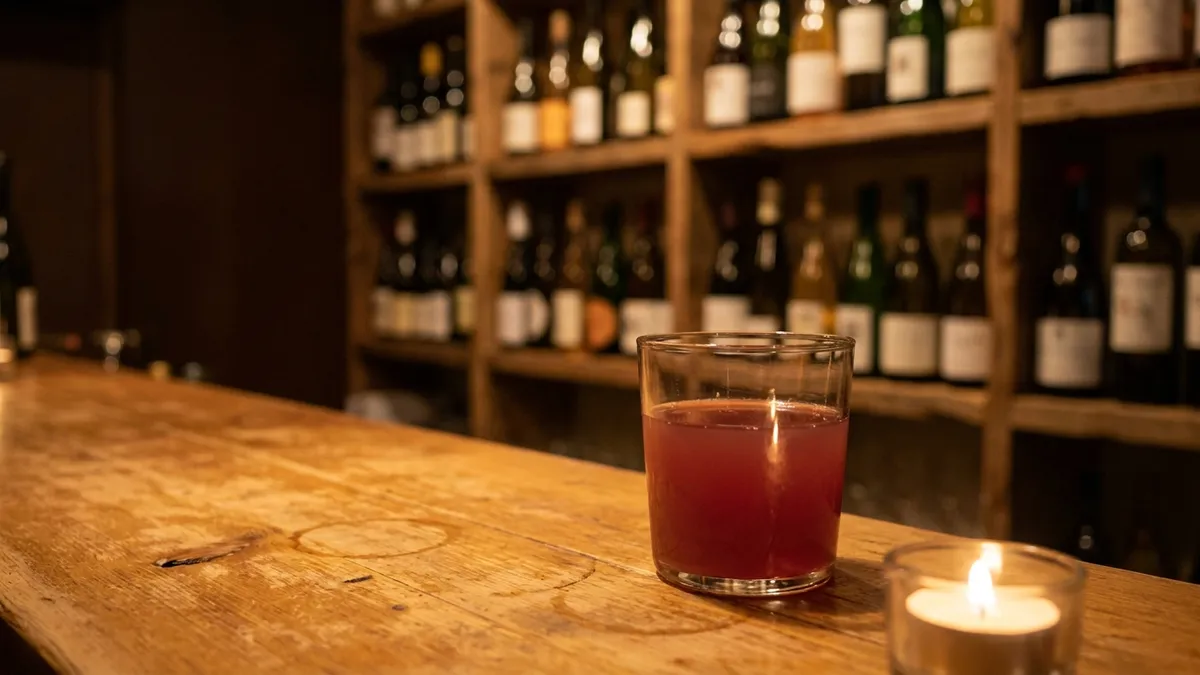
Natural wine lives in its own venues — cosy, low-key bars with a tight by-the-glass list, hand-written labels behind the counter, and staff who actively want to talk about the bottles. The context shapes the tasting experience.
Two practical tips:
- Order by-the-glass first. Natural wines vary more than conventional ones, and one glass tells you more than reading three labels.
- Ask the staff for the orientation. "How does this producer compare to a conventional Loire Chenin?" is a much better question than "is this dry?" The staff are calibrated for the style and can guide you toward bottles that match your taste rather than away from them.
A good natural-wine bar is one of the most welcoming environments in the wine world. The drinkers are usually less hung up on prestige and more interested in flavour. If a bottle does not click for you, say so without apology — that is a normal conversation, not a snobbish one.
Common Confusions, Settled
A short cheat sheet of the calls beginners get wrong most often.
- "It is cloudy, so it must be off." No — most natural wines are unfiltered and intentionally hazy. Cloudiness alone is not a fault.
- "It smells funky, so it must be brett-faulty." Maybe — only when the funk dominates the fruit. A trace of leather or struck match is in style.
- "It has bubbles, so it must be ruined." Probably not — light spritz from incomplete malolactic fermentation is normal in low-intervention still wines.
- "It tastes lighter than expected, so it is weak." No — many natural producers chase lower extraction and fresher fruit on purpose.
- "It is a natural wine, so the rules of fault do not apply." Wrong — mousiness, hard oxidation in young wine, TCA, and heat damage are still faults.
- "It tastes funky on day one, so it must be broken." Wait — many natural wines open up dramatically with twenty minutes of air or a quick decant.
For the full beginner-friendly approach to building confidence rather than confusion, work through the wine tasting without snobbery and common wine tasting mistakes guides.
A Practical Tasting Routine for Natural Wine
A simple routine that works for any low-intervention bottle, adapted from the broader how to taste wine framework.
- Look — note the colour and the clarity. Hazy is fine; brown in a young wine is suspect.
- Swirl and smell — note the fruit first, then the savoury notes second. Ask whether the fruit is present or buried.
- Sip and chew — note the acidity, the texture, and any spritz. Run the air through the wine for retronasal aroma, the same way you would in how to smell wine.
- Wait and re-taste — give the glass five minutes. Many natural wines change dramatically with air. A swirl can clear a reductive note in seconds.
- Decide — does the off-note sit alongside the fruit, or has it eaten the fruit? If alongside, you have a flaw and a feature. If it has eaten the fruit, you have a fault.
The Sommy app's aroma-recognition drills include natural-wine reference samples — mild brett, light volatile lift, soft reduction — so the calibration becomes a reflex rather than a guess. A few weeks of structured practice with named reference smells changes the question from "is this wine off?" to "how much of this is the producer's choice?"
Natural wine asks for a wider band of acceptable character on the nose, a softer benchmark for clarity in the glass, and the same hard line as any wine on real faults like mousiness and TCA.
Why the Approach Matters
If you taste natural wine against a conventional benchmark, you will reject most of the category and miss out on some of the most exciting bottles being made today. If you taste conventional wine through a natural-wine lens, you will dismiss the polish that took the producer decades to build. Both readings are wrong because they apply the wrong norm to the wrong wine.
The skill is calibration. Hold each bottle to its own intent. A natural wine from a low-intervention producer is trying to express grape, place, and vintage with as little intervention as possible — and should be judged on that aim. A conventional wine from a precision-minded estate is trying to deliver a polished, consistent expression year after year — and should be judged on that aim. Neither aim is inherently better.
To put the framework into structured practice with guided drills and full tastings across both worlds, visit sommy.wine and work through the natural-wine and fault-recognition lessons inside the app. Pair the work with the develop your wine palate and how to describe wine guides, and the natural-wine shelf at your local shop stops being intimidating and starts being a playground.
Frequently Asked Questions
How is tasting natural wine different from tasting conventional wine?
The framework is the same — sight, smell, palate, finish — but the reference points shift. Cloudiness is not a flaw, mild funk and lifted volatile aromas are often in style, light fizz can show up in still wines, and you should judge each bottle against the natural-wine norm rather than a polished conventional benchmark. The five-step tasting habit still applies, just with a wider band of acceptable character.
Is cloudy natural wine faulty?
No. Natural wines are usually unfiltered and unfined, so a hazy or even cloudy pour is intentional. The suspended yeast cells and grape solids carry texture and savory character that filtration would strip out. Cloudiness only suggests a problem if it comes with mousiness, hard oxidation, or vinegar-sharp volatile acidity. A hazy glass alone is just an honest unfiltered wine doing its job.
What does natural wine actually taste like?
Most natural wines lead with bright primary fruit, expressive acidity, and lighter body than their conventional counterparts. Some carry a savory funk from native yeast or trace brett, a light spritz from incomplete malolactic fermentation, or a soft reductive lift that resolves with a swirl. The polish you might expect from a heavily filtered conventional wine is replaced with energy, texture, and vintage character.
Should natural wine be served chilled?
A light chill helps almost any natural wine, including reds. Lower-alcohol low-intervention reds like Gamay, Trousseau, and Pineau d'Aunis show better at around 14 to 16 degrees Celsius rather than warm room temperature, where the volatile aromas can read as overripe. Whites and rosés go in the fridge as usual. Pet-nat needs to be properly cold to keep the bubbles tight and the funk in check.
What is mousiness and is it acceptable in natural wine?
Mousiness is a real fault, not a stylistic feature. It tastes like stale popcorn, sour milk, or wet mouse cage and builds in the back of the palate seconds after you swallow. It comes from microbial spoilage in low-sulfite environments, which is why it appears most often in natural wines. Some natural-wine fans tolerate it, but the consensus across wine science and sommeliers is that a mousy bottle is broken.
How do you tell in-style funk from a real fault in natural wine?
Run the dose-and-context check. A whisper of brett, light volatile lift, or struck-match reduction that sits alongside fresh fruit is in-style. The same notes are faults when they bury the fruit and the wine no longer tastes like its grape or place. Mousiness, hard oxidation in a young wine, TCA cork taint, and heat damage are always faults regardless of how natural the bottle is.
Why does natural wine vary bottle to bottle?
Lower sulfite levels, no filtration, native yeast fermentation, and minimal cellar control all leave more room for vintage and bottle variation. Two bottles from the same case can show slightly different aromatic profiles depending on storage and time on the shelf. This is part of the style rather than a defect, but it does mean natural wine rewards careful storage and reasonably quick drinking.
Are pet-nat and orange wine considered natural wine?
Most are. Pet-nat is a sparkling wine made by bottling before fermentation finishes, so the bubbles come from the wine itself. Orange wine is a white made with extended skin contact, so it has tannic grip and amber colour. Both styles sit comfortably inside the natural-wine world, although the categories overlap rather than match exactly. A conventional producer can also make a pet-nat or orange wine with more intervention.
Sommy Team
LinkedInFounder & Wine Educator
The Sommy Team is building the world's most approachable wine education app, helping beginners develop real tasting skills through structured courses and AI-guided practice.