Wine Phenolics: What They Are and How They Affect Taste

By the Sommy Team — AI-assisted, human-edited.
Updated Apr 29, 2026
Contents (9)
- The Hidden Architecture of Every Glass
- What Are Wine Phenolics, in 100 Words
- Where Phenolics Come From
- The Five Phenolic Families That Matter
- How Phenolics Affect Taste
- How Aging Transforms Phenolics
- Winemaking Decisions That Shape Phenolic Extraction
- Why This Matters for the Way You Taste
- A Quick Tasting Exercise
TL;DR
Wine phenolics are plant-derived molecules from grape skins, seeds, stems, and oak that drive color, tannin, mouthfeel, age potential, and complexity. The main families — anthocyanins, tannins, flavonols, stilbenes, and phenolic acids — make red wine red, give wines structure, and shape how they evolve over years in the bottle.
The Hidden Architecture of Every Glass
If wine were a building, phenolics would be the steel frame. They are invisible to the casual sipper, but they hold up everything you actually taste: the color in the glass, the grip on your gums, the savory depth of an aged red, the way a wine softens over a decade in the cellar. Wine phenolics — also called polyphenols — are the chemistry that turns grape juice into wine with structure and personality.
Most beginners only meet phenolics through one branch of the family: tannins. That is a fair starting point, but it is also a small corner of a much bigger picture. Phenolics are an entire molecular tribe, and learning the rest of it explains why a young Malbec is opaque purple, why an old Barolo has an orange rim, why oak aging tastes the way it does, and why the same grape can become a 5-year wine or a 30-year wine depending on how those compounds behave.
This guide breaks down what phenolic compounds actually are, who the main players are, how each family affects taste, and how winemakers control them from harvest through bottle age.
What Are Wine Phenolics, in 100 Words
Wine phenolics are a large family of plant-derived molecules extracted from grape skins, seeds, stems, and oak barrels. They include anthocyanins (the pigments that make red wine red), tannins and proanthocyanidins (the structural backbone behind grip and aging), flavonols (yellow pigments that show up in whites), stilbenes like resveratrol (small antioxidant molecules), and phenolic acids (low-level bitterness and complexity). Together they make red wine red, give wines structure and grip, drive aging chemistry through polymerization, and bring savory complexity. Whites carry roughly ten times less total phenolic content than reds because their skins are removed before fermentation.
Where Phenolics Come From
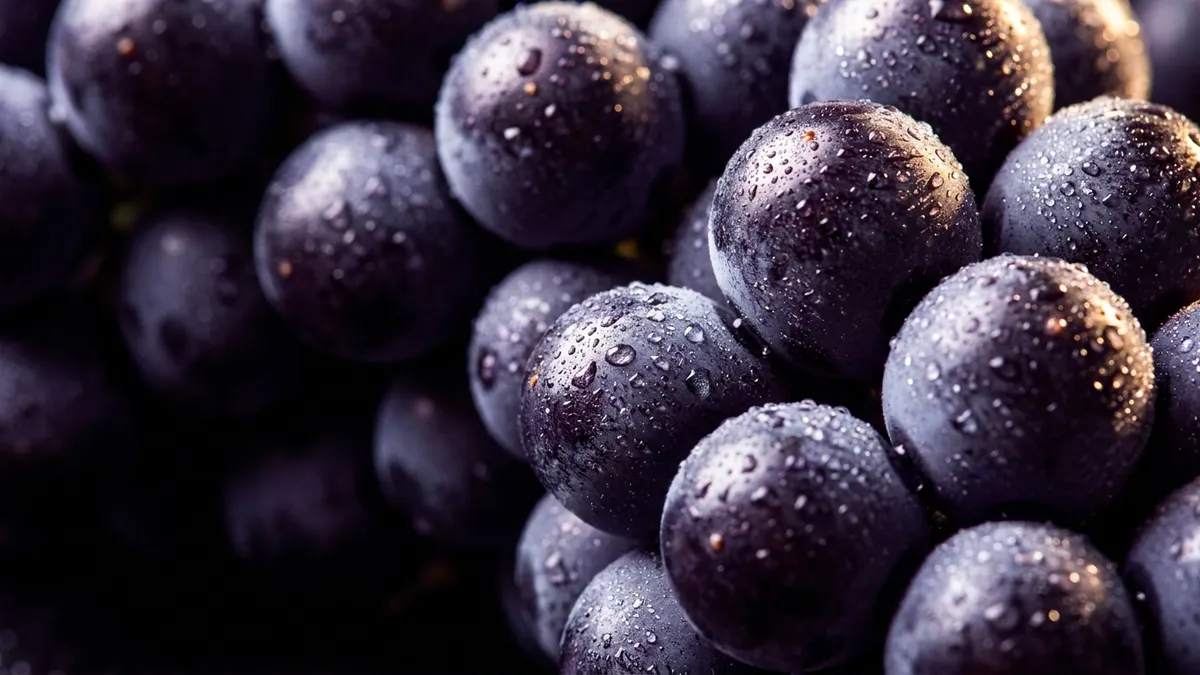
Phenolics are not added — they are extracted. Every gram of color, tannin, and flavor compound in your glass started its life inside a grape or a wooden stave.
Grape Skins
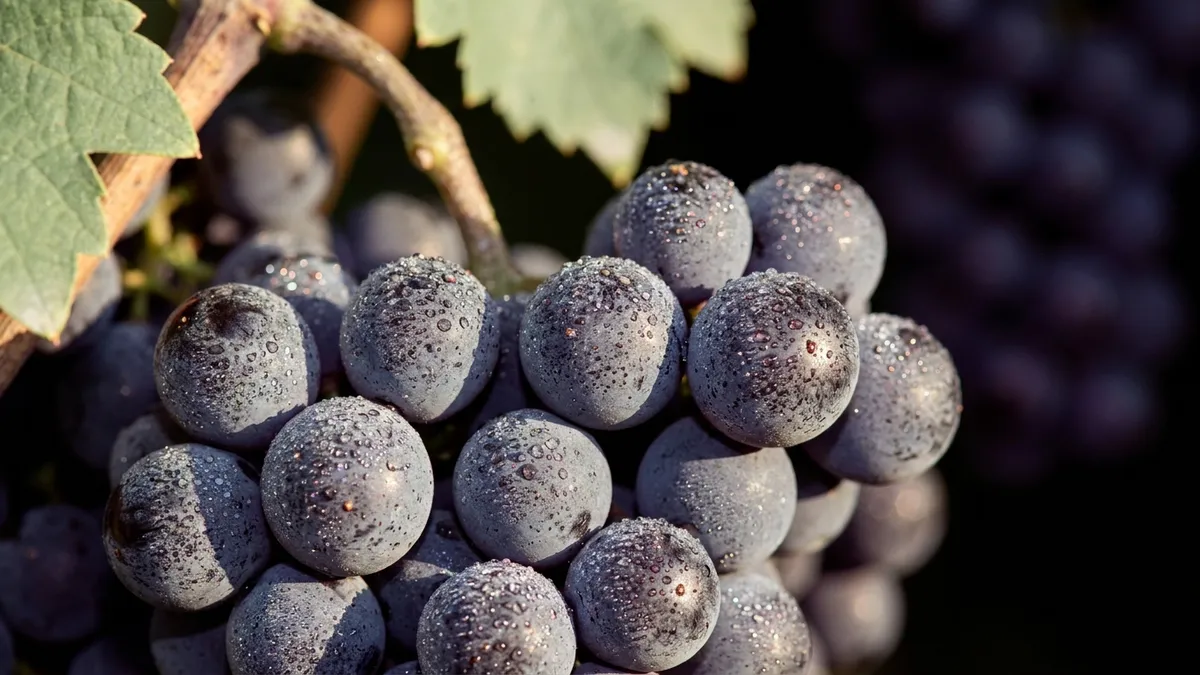
The skin is the richest source. It holds the pigments, most of the tannins, and a long list of aroma precursors. The thicker and darker the skin, the more phenolics there are to extract. Cabernet Sauvignon, Tannat, and Petit Verdot all have famously thick skins. Pinot Noir's skin is thin, which is why even a long maceration produces a relatively pale, lower-tannin wine.
Grape Seeds
Seeds carry tannins too, but theirs tend to be greener, harsher, and more bitter than skin tannins. Winemakers manage extraction carefully — high temperature and high alcohol pull seed tannin into the wine, and over-extraction produces a hard, drying mouthfeel. The trick is to get the smooth skin tannin without the rough seed tannin.
Grape Stems
Stems are optional. Some winemakers ferment with whole clusters intact — stems and all — to add structural grip and savory, herbal notes. Others remove every stem before crushing. Whole-cluster fermentation can lift aromatics and add backbone, but underripe stems contribute green, vegetal flavors most drinkers find unpleasant.
Oak Barrels
Oak is the second great source of phenolics, contributing ellagitannins — a class distinct from grape tannins. New barrels donate the most; older barrels donate less. Oak phenolics deliver fine-grained grip plus the familiar vanilla, clove, toast, and coconut notes of barrel-aged wines. They also act as oxygen mediators during slow barrel aging, helping integrate everything else.
Cool Detail: Whites Have Phenolics Too
Even a stainless-steel-fermented Sauvignon Blanc carries a low background of phenolics — flavonols, hydroxycinnamic acids, traces of catechins. The amounts are small, but they shape the slight pithy bitterness on the finish and the wine's subtle structural backbone. Skin-contact whites and orange wines push this to extremes, fermenting white grapes on their skins and producing amber wines with visible tannin grip.
The Five Phenolic Families That Matter
Phenolic chemistry runs deep, but five subfamilies cover almost everything you taste in a glass.
Anthocyanins — the Pigment Family
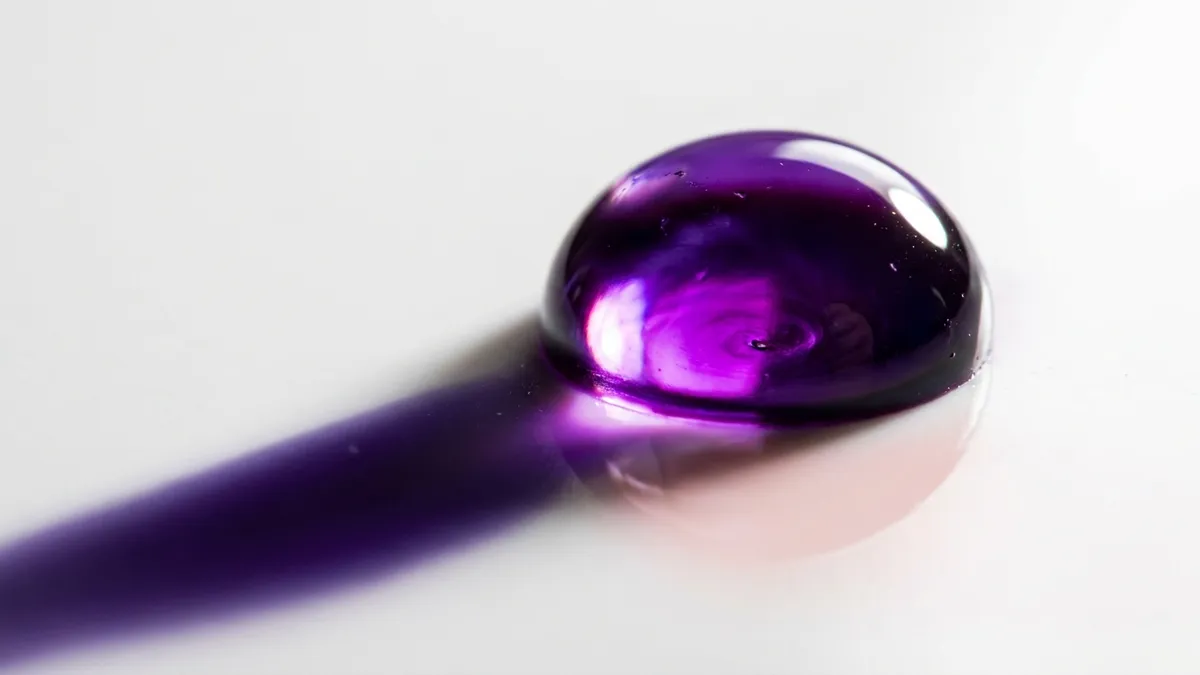
Anthocyanins are the molecules responsible for red wine's color. They are concentrated in dark grape skins and shift hue based on the wine's pH. At low pH (high acidity), they appear bright red and purple. At higher pH, they shift toward blue and grey.
Young red wines are loaded with free anthocyanins, which is why Malbec, Syrah, and Cabernet Sauvignon look opaque and inky in their first years. With age, anthocyanins bind to tannins to form stable pigment-tannin polymers — different molecules with different colors. This is why an old red develops a brick or orange rim while the core fades. The bright purple is literally being chemically dismantled and rebuilt as something more terra-cotta.
For a deeper look at how this plays out visually, the wine color guide walks through what each hue actually means in the glass.
Tannins — the Mouthfeel Family
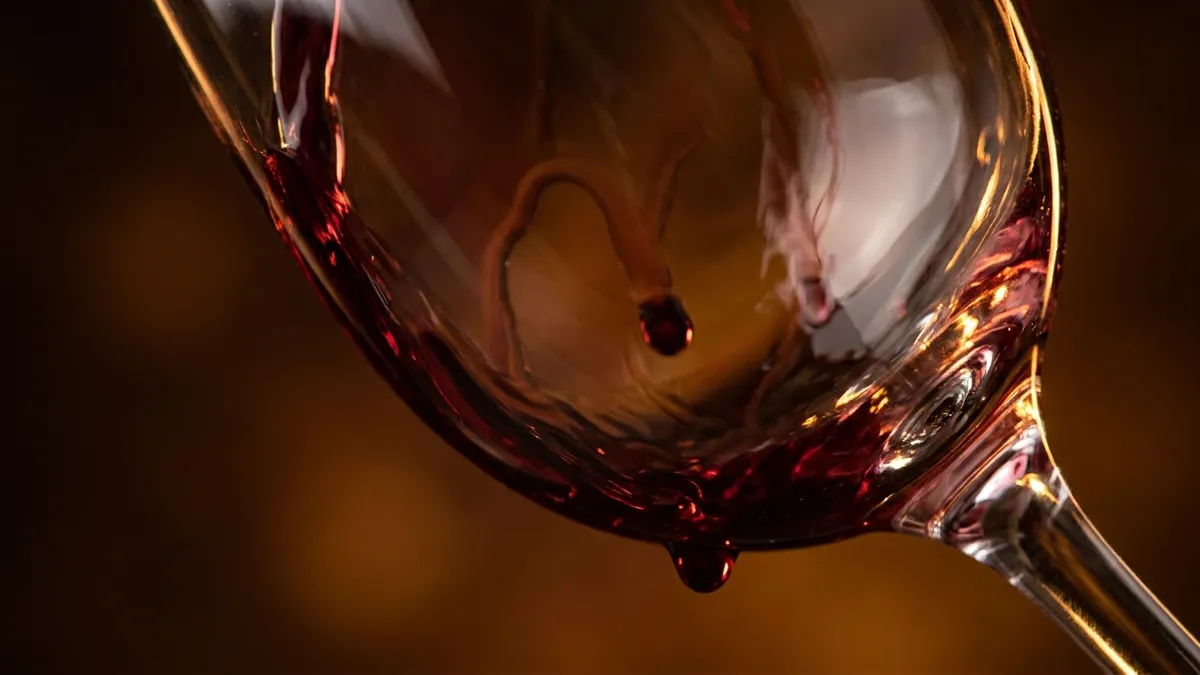
Tannins are the most famous phenolics because they are the easiest to feel. They bind to salivary proteins, drying out your gums and cheeks and creating that gripping, almost-cotton-mouth sensation. Technically they are proanthocyanidins — chains of smaller flavanol units like catechin and epicatechin linked together.
Tannin chain length matters. Short chains feel harsh and aggressive. Longer chains feel fuller and rounder. With time in barrel and bottle, tannins polymerize into even longer chains and eventually fall out as sediment. That is why young tannic reds feel grippy and mature ones feel velvety.
For an isolated tour of the tannin subfamily — including how to feel them on your palate and how to manage them in pairings — see what are tannins. For the broader structural picture, the tannins, acidity, and body guide shows how tannins interact with the rest of a wine's framework. Sommy's tasting flow asks for a tannin grip rating on every red, which is a quick way to start calibrating where each wine sits on the spectrum.
Flavonols — the Yellow Family
Flavonols are pale yellow pigments — quercetin, kaempferol, myricetin — that exist in both red and white grapes. They are the main color compounds in white wine. Sun exposure on the vineyard side increases flavonol production, which is why grapes from sun-drenched canopies often produce more golden-toned wines.
In reds, flavonols play a supporting role in color and act as co-pigments that stabilize anthocyanins, helping wines hold their hue longer.
Stilbenes — the Antioxidant Family
Stilbenes include resveratrol, the compound that made wine briefly famous as a health drink. Resveratrol is produced by grape skins as a defense response against fungal infection, so it is more abundant in grapes from cooler, damper climates and from organic vineyards where fungal pressure is higher.
Stilbenes contribute almost nothing to taste. Their relevance is biochemical — antioxidant activity that has been studied for cardiovascular and longevity research. The amounts in a glass of wine are modest, and the alcohol it comes with offsets much of the benefit.
Phenolic Acids — the Background Layer
Phenolic acids like caftaric acid, coutaric acid, and gallic acid sit in low concentrations across both reds and whites. They contribute mild bitterness, react with oxygen during aging, and seed many of the secondary flavor compounds that emerge later. They are the unsung middle layer of phenolic complexity — quiet on their own but essential for the wine's evolution.
How Phenolics Affect Taste
Knowing the families is one thing. Feeling them in the glass is another. Here is how each shows up on the palate.
Color and Saturation
Anthocyanins do almost all the visual work. The deeper and bluer the color, the higher the anthocyanin extraction. Pale rim with translucent core suggests less extraction or older wine where pigments have polymerized out. Flavonols handle the gold and amber tones in whites — minimal in young, oxidatively-protected whites and pronounced in skin-contact, oxidative, or aged ones.
Astringency and Grip
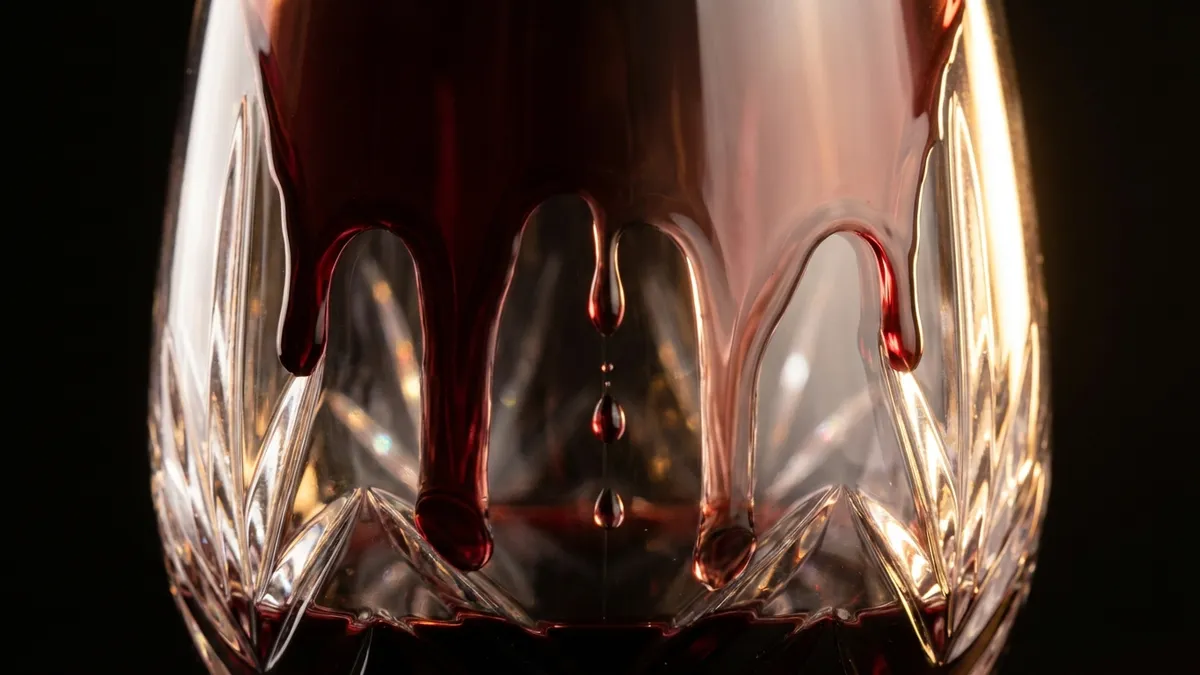
This is the tannin signature. Press your tongue to the roof of your mouth after a sip — if your gums feel dry and your saliva feels bound up, you have just experienced tannin chemistry firsthand. Riper, longer-chain tannins feel rounder. Greener, shorter-chain tannins feel sharper.
Bitterness
Phenolic acids and certain seed tannins deliver bitterness, especially on the back of the tongue and the finish. A small amount adds depth; too much makes the wine feel harsh. Bitterness and astringency are not the same — one is a taste, the other is a tactile sensation — but phenolics are responsible for both.
Body and Texture
Phenolics add weight and viscosity. A heavily extracted red feels denser and more coating than a lightly extracted one made from the same grape. This is part of what makes wine body feel like more than just an alcohol-driven sensation.
Savory Complexity
As wine ages, phenolics drive the slow shift from primary fruit toward tertiary aromas — leather, tobacco, dried fig, forest floor. That complexity is largely a phenolic story: long polymerization reactions producing new compounds while the original fruit fades.
How Aging Transforms Phenolics
Phenolics are not static. From the moment a wine is bottled, they keep reacting — slowly, but constantly.
Color Shifts
Free anthocyanins gradually bind to tannins to form polymeric pigments. These are more color-stable but shift the hue from purple toward red, then brick, then tawny. The orange rim on a 20-year-old Bordeaux is the visual signature of this reaction, finished.
Tannin Softening
Small tannin molecules link into longer chains. These polymers are too large to bind salivary proteins as efficiently, so the same wine that gripped your gums at year three feels silky at year fifteen. Eventually the polymers grow heavy enough to fall out as sediment — the dark crust on the side of an aged red bottle.
Aroma Evolution
Phenolic acids react with alcohol and oxygen to form esters and other compounds that drive the development of tertiary aromas. This is why an old wine smells nothing like the same young wine — the aromatic profile has been chemically rewritten.
Winemaking Decisions That Shape Phenolic Extraction
Every winemaker is a phenolic manager. The choices made between harvest and bottling decide which phenolics end up in the wine and in what proportions.
Cold Soak
Crushed grapes are held cold — sometimes for several days — before fermentation begins. This pre-fermentation maceration extracts color and softer aroma compounds without pulling much harsh tannin from seeds, since alcohol is the main solvent for seed tannin. Pinot Noir producers especially favor this technique.
Punch-Down and Pump-Over
During fermentation, the cap of skins floats on top of the juice. Punch-down physically pushes the cap into the liquid; pump-over sprays juice over the top of the cap. Both techniques control how aggressively phenolics are extracted. Frequent, vigorous extraction yields denser, more tannic wine. Gentle, infrequent extraction yields softer wine with less grip.
Extended Maceration
Some red winemakers leave the juice on its skins for weeks after fermentation finishes. This is called extended maceration. It extracts very long-chain tannins that feel surprisingly smooth, and it stabilizes color through pigment-tannin polymerization. Done well, it produces structured, age-worthy reds. Done poorly, it produces hard, drying wines.
Whole-Cluster Fermentation
Including stems pulls in stem-derived tannins and aromatic precursors. Pinot Noir and Syrah producers often use partial whole-cluster — say 30% — to add lift and structure without overwhelming the wine with green character.
Oak Aging
The barrel choice — French versus American oak, new versus used, light toast versus heavy toast — directly tunes the ellagitannin and aromatic compound profile. Heavy new oak donates more phenolics and more vanilla-toast character. Older neutral oak donates almost none, allowing the fruit to lead.
For a friendlier overview of what oak does to taste, see what does oaked mean.
Why This Matters for the Way You Taste
You do not need to memorize molecular names to taste better. But knowing that a wine's grip, color, and aging behavior all come from the same chemical family changes how you interpret what is in your glass.
When you tilt a young red and see opaque purple, you are looking at a high anthocyanin load. When you swirl an older red and watch sediment shimmer at the bottom, you are looking at the polymer endpoint of that same pigment. When a tannic Cabernet softens after a decade, you are tasting the long, slow polymerization of catechin and epicatechin units. The whole story is one continuous reaction.
The Sommy app's structured tasting prompts you to evaluate color intensity, rim shift, and tannin grip in turn — exactly the cues that map back to phenolic content and behavior. Practicing those observations on a few wines a week builds the kind of sensory memory that turns abstract chemistry into instinct. To see how this fits into a full tasting routine, the how to taste wine guide walks through the structured method end-to-end.
A Quick Tasting Exercise
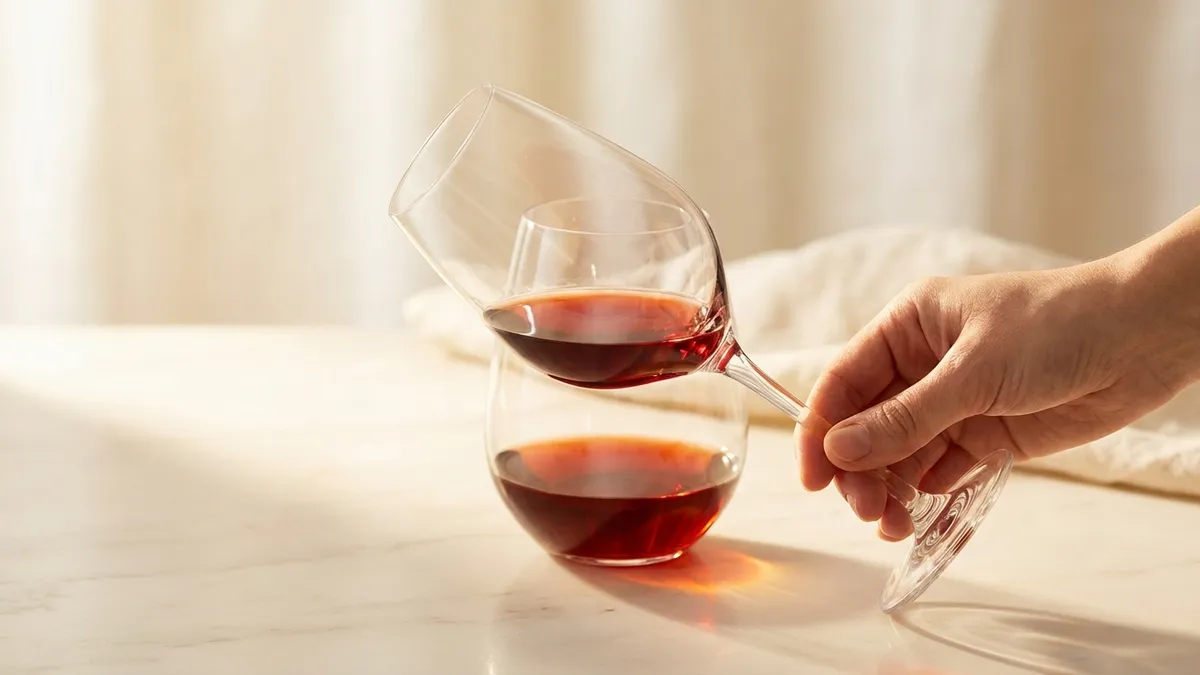
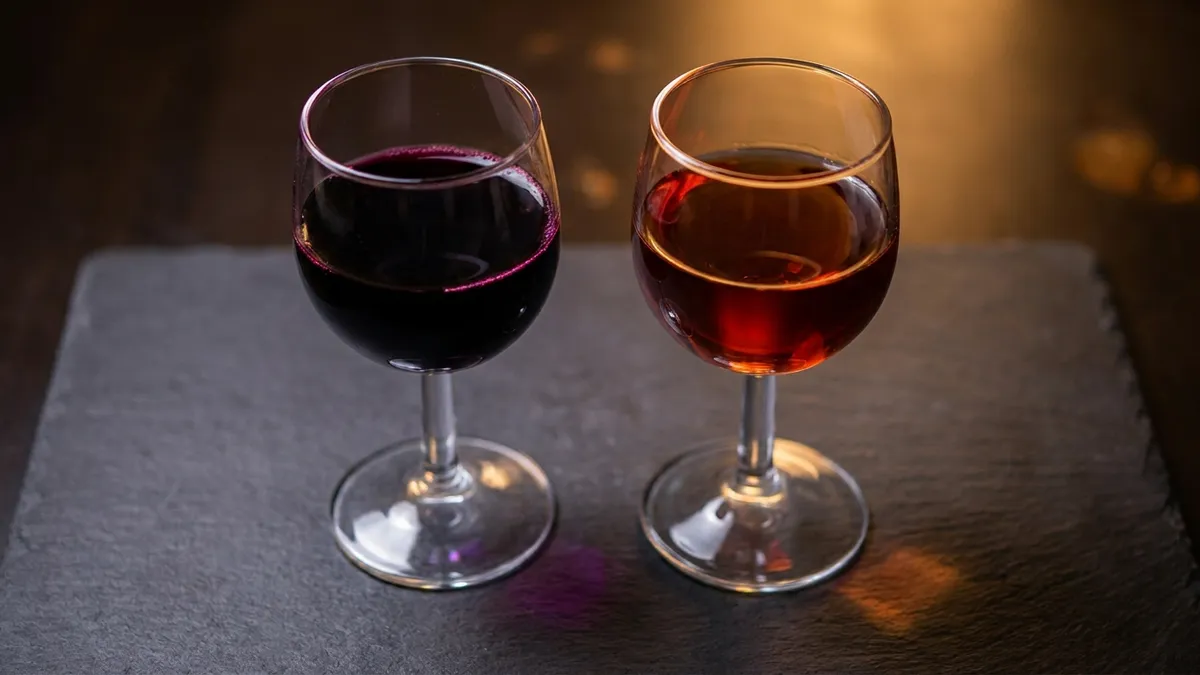
Open two reds — a young, dark-fruited variety like Malbec or Syrah, and an older or naturally lighter variety like aged Rioja or Pinot Noir. Pour both, tilt against a white background, and look at the rim. Notice how the young wine's rim is tight, purple, and saturated, while the older or lighter wine shows orange, brick, or simply less density.
Now sip each one and feel the gums. The young, extracted wine grips harder; the lighter or older wine glides. Same molecular family, very different stages of life. That direct sensory comparison teaches phenolics in a single tasting better than any textbook.
For a structured way to log what you observe — and connect it back to the underlying chemistry — head to sommy.wine and let the app guide your next tasting through color, structure, and finish.
Phenolics are not glamorous on a label, but they are the reason wine is more than fermented juice. Every interesting visual, every textural choice, every transformation that happens in a cellar over decades — it traces back to this molecular family doing its slow, patient work.
Frequently Asked Questions
What exactly are wine phenolics?
Wine phenolics, also called polyphenols, are a large family of plant compounds extracted from grape skins, seeds, stems, and oak barrels. They include anthocyanins, tannins, flavonols, stilbenes, and phenolic acids. Together they shape a wine's color, bitterness, astringency, mouthfeel, and capacity to age gracefully in the bottle.
Why do red wines have more phenolics than whites?
Red winemaking ferments juice with skins, seeds, and sometimes stems for days or weeks, extracting heavy doses of pigment and tannin. White winemaking usually removes skins immediately, so very few phenolics make it into the wine. Reds typically carry around ten times the total phenolic content of standard whites.
Are wine phenolics good for you?
Phenolics are antioxidants, and stilbenes like resveratrol have been studied for cardiovascular benefits. The amounts in a normal glass are modest, and alcohol offsets much of the upside. Phenolics are interesting from a nutritional angle, but wine should never be treated as a health supplement.
What is the difference between tannins and other phenolics?
Tannins are one specific subfamily of phenolics — the larger, polymerized ones that bind to salivary proteins and create astringency. Anthocyanins handle color, flavonols add yellow tones, stilbenes provide antioxidant activity, and phenolic acids contribute small amounts of bitterness. All are phenolics, but only tannins create that drying grip.
How do phenolics change as wine ages?
Anthocyanins bind with tannins to form stable pigment-tannin polymers, shifting color from purple toward brick. Free tannins polymerize into longer chains that feel softer and silkier. Eventually these polymers grow heavy enough to fall out as sediment. The wine becomes paler, smoother, and more savory over years.
Does oak add phenolics to wine?
Yes. Oak barrels release ellagitannins, a different class of phenolic than grape tannins. They contribute fine-grained grip plus toasted, vanilla, and clove notes from the barrel staves. Oak phenolics also act as oxygen mediators, helping the wine integrate and stabilize during barrel aging.
Can you taste phenolics in white wine?
Yes, though far more subtly. Skin-contact whites and orange wines carry visible tannin and amber color from extended phenolic extraction. Even classic whites show traces in pith-like bitterness on the finish or a slight grip from oak aging. Whites simply work with smaller doses of the same molecules.
Sommy Team
LinkedInFounder & Wine Educator
The Sommy Team is building the world's most approachable wine education app, helping beginners develop real tasting skills through structured courses and AI-guided practice.