What Does "Grippy" Mean in Wine? Tannin Texture Explained

By the Sommy Team — AI-assisted, human-edited.
Updated Apr 29, 2026
Contents (12)
- What Does Grippy Mean in Wine
- Grippy Wine, in 100 Words
- Where Grippy Sits on the Tannin Texture Scale
- How to Feel Grippy in Your Mouth
- Which Grapes Make Grippy Wines
- When Grippy Is a Virtue
- When Grippy Is a Flaw
- How to Soften a Grippy Wine
- Grippy vs Other Wine Sensations
- Why Grippy Evolves With Age
- A Working Vocabulary for Grippy Tannin
- Reading Grip Trains the Whole Palate
TL;DR
Grippy wine describes the noticeable, drying, slightly chewy hold tannins leave on your cheeks, gums, and back of teeth. Strong grip belongs to young Nebbiolo, Cabernet Sauvignon, Tannat, Aglianico, Sagrantino, and Petit Verdot. Mild grip lives in Merlot, Pinot Noir, and light Beaujolais. Grip is a texture rating, not a flavor.
What Does Grippy Mean in Wine
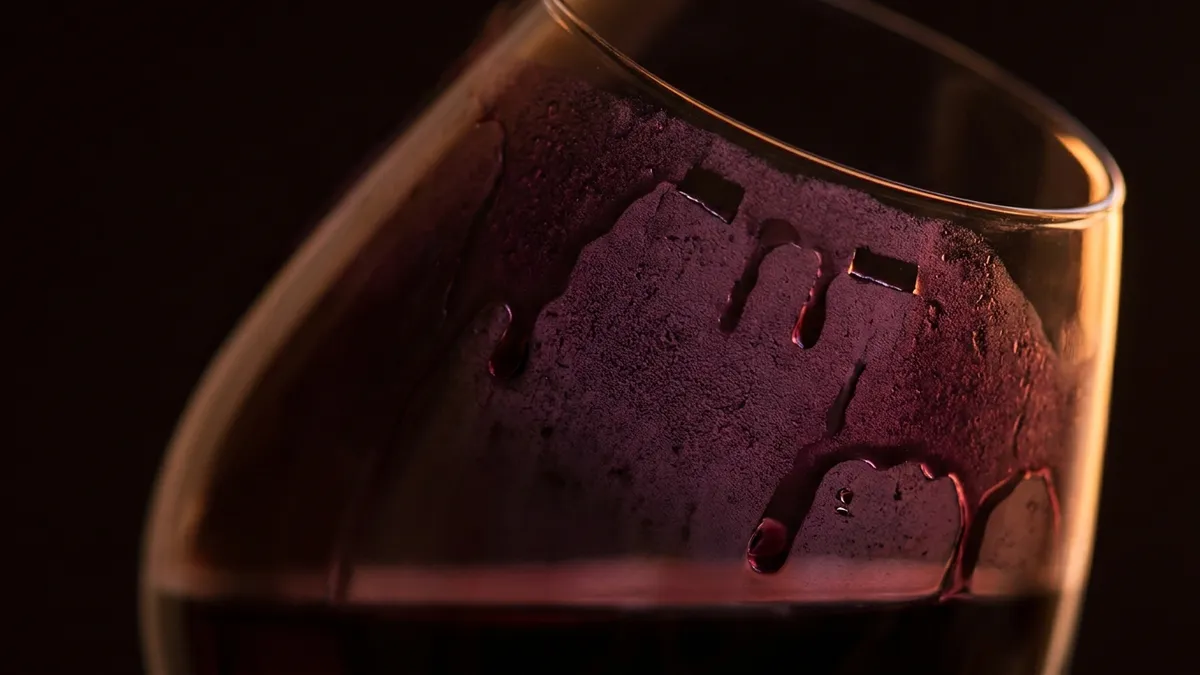
If you have ever swallowed a sip of young red wine and felt your gums tighten and a soft chalky hold settle across the inside of your cheeks, you have just met grippy wine. The word shows up in tasting notes constantly — "firm, grippy tannins," "a grippy young Cabernet" — and most beginners nod along without knowing exactly what is being described.
The grippy wine meaning is specific. Grippy describes a particular intensity and quality of tannin texture — clearly noticeable, drying, slightly chewy, with a hold that lingers on the soft tissue of the mouth. It is a tactile rating, not a flavor. It sits at one defined point on a wider scale of tannin textures, between firm and coarse.
Grippy Wine, in 100 Words
A grippy tannin is the noticeable, drying, slightly chewy tactile sensation that wine tannins leave on your cheeks, gums, and the back of your teeth. Strong grip belongs to young Nebbiolo, Cabernet Sauvignon, Tannat, Aglianico, Sagrantino, and Petit Verdot. Mild grip lives in Merlot, Pinot Noir, and light Beaujolais. Grip is not bitterness — different mechanism. Grip is not acid pucker — different muscle group. Grip is a texture rating on a scale that runs silky, fine-grained, firm, grippy, coarse, aggressive. Aging softens grip through tannin polymerization. Food softens grip too — fat and protein bind tannins.
Where Grippy Sits on the Tannin Texture Scale
Beginners often treat tannin as a single dial — more or less. Sommeliers treat it as two readings at once: how much tannin is there, and what does it feel like. The "what does it feel like" axis is where the word grippy lives.
Read from softest to roughest, the standard tannin texture scale goes:
- Silky — fine, barely perceptible, glides across the palate (aged Pinot Noir)
- Fine-grained — clearly present but smooth and well-integrated (good Merlot, polished Bordeaux)
- Firm — noticeable structural backbone without aggressive drying (quality Cabernet Sauvignon at peak)
- Grippy — clearly noticeable hold, drying, slightly chewy, the wine is gripping back (young Nebbiolo, young Cabernet)
- Chewy — dense and mouth-coating, demands attention, takes effort to taste through (young Mourvèdre, young Sagrantino)
- Coarse — rough-edged, sandpaper-like, less integrated (poorly handled tannin or cheap extractive winemaking)
- Aggressive / harsh — punishing, hollow, unpleasant — almost always a flaw (over-extracted or unripe wines)
Grippy is the word people reach for when a wine has real tannin presence — clearly above firm — but has not yet crossed into coarse or harsh. It needs a quality modifier ("polished, grippy," "harsh, grippy") to land cleanly.
For the underlying mechanism, see our guides to what are tannins and understanding tannins, acidity, and body.
How to Feel Grippy in Your Mouth
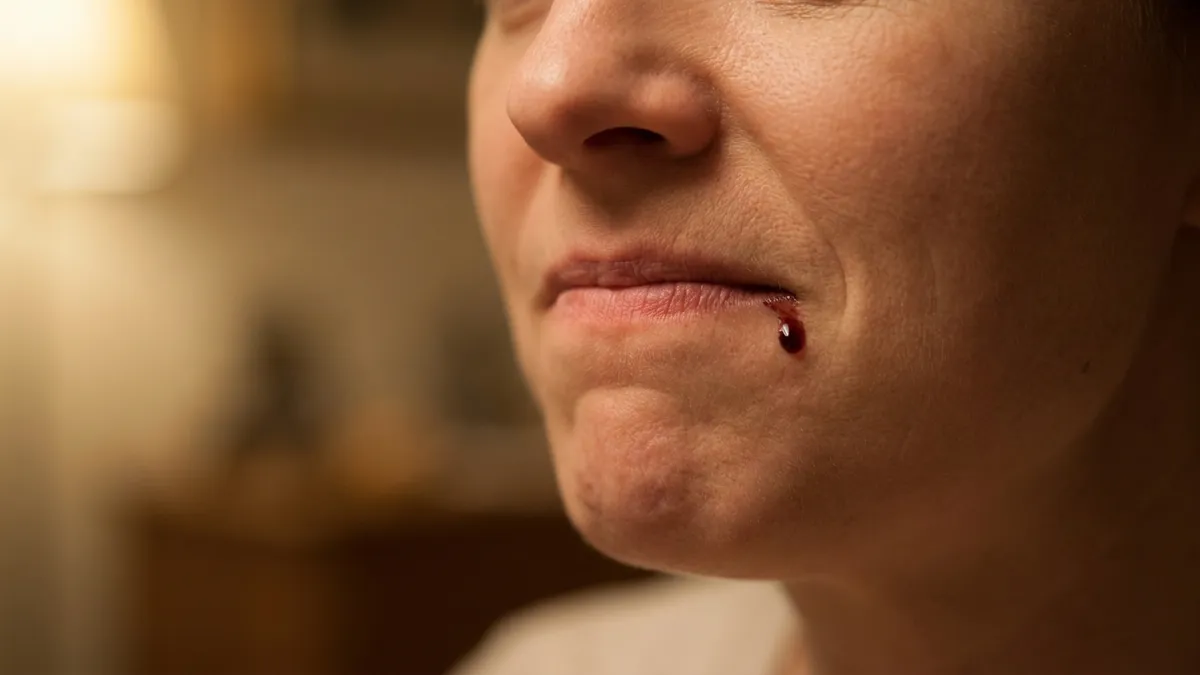
The reliable test is the cheek-and-gum check. Take a sip, hold it on your palate for three seconds, swallow or spit, then run your tongue along the inside of your cheeks and press it against your front gums. Read texture, not flavor.
You are reading three zones:
- The cheeks — smooth and lubricated, or tightening and puckering inward?
- The gums — glide, or catch on a chalky, sandpaper surface?
- The back of the teeth — clean, or a faint dusty hold?
If two or three zones report drying, chewy, slightly rough — that is grippy. Barely-there sensation means silky to firm. Mouth-coating or genuinely harsh means chewy or coarse.
Because the mechanism is mechanical, grip builds across multiple sips. The third sip of a young Bordeaux feels grippier than the first — saliva production cannot keep up with tannin binding.
Which Grapes Make Grippy Wines
Grip is overwhelmingly a function of grape variety. Skin thickness, seed-to-juice ratio, and the natural concentration of proanthocyanidins in the skins determine how much grip the finished wine carries before the winemaker does anything.
Strong Grip — Built for Aging
- Nebbiolo — the textbook grippy grape. Pale ruby color but ferocious skin tannin. Young Barolo and Barbaresco can grip the gums for thirty seconds after a sip.
- Cabernet Sauvignon — thick skins, generous fruit to balance the structure, the global benchmark for firm-to-grippy young red.
- Tannat — literally named for its tannin. Madiran's signature grape, often the grippiest commercially available wine.
- Aglianico — southern Italy's structured red. Volcanic-soil grown, intense skin tannin, ages magnificently.
- Sagrantino — Umbria's heroic grape, regularly clocking the highest measured tannin levels of any commercial wine.
- Petit Verdot — a blending grape used specifically because it brings dense, grippy structure to a blend.
- Mourvèdre — chewy, savory, dense. Grip with an earthy, meaty complexion.
Medium Grip — Approachable Now
- Syrah / Shiraz — peppery wines with medium grip, varying with climate and oak treatment
- Sangiovese — cherry-driven, high-acid, medium grip — the structural skeleton of Chianti
- Tempranillo — leather and tobacco notes with moderate grip
- Malbec — plush despite the deep color; soft-to-medium grip with ripe fruit
Mild Grip — Built for Easy Drinking
- Merlot — softer, rounder, plummy; grip is fine-grained at most
- Pinot Noir — silky to barely-grippy, even at higher tannin levels the texture stays elegant
- Gamay — juicy and fresh, grip almost vanishes (light Beaujolais)
- Grenache — warm, ripe, soft; grip is gentle even at higher concentrations
For deeper variety-specific reads, see the Cabernet Sauvignon vs Merlot comparison and the standalone Pinot Noir guide.
When Grippy Is a Virtue
Grippy is praise when the wine is built on it. Three contexts make grip a feature rather than a problem.
Structural Wines That Need Grip
A great young Barolo without grip is not a great young Barolo — it is a flat one. The grip is the architecture. It defines the wine's shape and gives the fruit something to push against.
Wines that genuinely need grip in youth: Barolo and Barbaresco, classed-growth Bordeaux, Brunello di Montalcino, top-tier Napa Cabernet, Madiran, Aglianico del Vulture, Sagrantino di Montefalco. These wines are made to age ten to thirty years, and their tannin is the engine of that aging.
Pairing With Rich Protein
Grip becomes a feature in your mouth the moment food enters the picture. Tannins are protein-binders. When you eat steak, the meat proteins coat your palate. When you sip a grippy red, the tannins target those food proteins instead of your saliva proteins. The wine feels smoother. The fat in the steak feels less heavy. Both win.
This is the chemistry behind classic pairings — see our guides on wine with steak and wine and cheese pairing for the practical applications, and how food changes wine taste for the broader logic.
Aging Potential as a Buying Signal
A grippy young wine is a wine with a future. Tannin acts as a natural antioxidant, protecting fruit and aroma while the molecules slowly polymerize and drop out as sediment. A wine with no grip in youth is a wine to drink soon — which is why collectors actively seek young wines that grip the palate.
When Grippy Is a Flaw
Grip is a problem when it shows up in the wrong company. Three patterns flag a flaw rather than a feature.
Green, Stemmy Grip
If a wine grips the gums but tastes vegetal, leafy, or stem-like at the back of the mouth, the grapes were probably underripe. Unripe methoxypyrazines — the compounds behind green bell pepper notes — taste bitter and bring an unpleasant bite that compounds the grip. The grip itself feels harsh rather than structured because the seed tannins were not ready and the skin tannins were not fully formed. This is not a wine that softens with age; it is a wine that was made too early.
Hollow Grip
A wine where the grip is intense but the fruit fails to keep pace — short mid-palate, fast-fading aromatics, bitter finish — is unbalanced. As the tannins soften with age, there will be no fruit left underneath. Sommeliers call this a hollow wine, common in over-extracted budget reds pushed for color and tannin without enough quality fruit to back the structure up.
Coarse, Sandpaper Grip
When the texture crosses from grippy into coarse — actively rough, sandpaper-like, unintegrated — the winemaking is at fault. Over-extraction, crushing seeds during pressing, or aggressive new-oak treatment can all produce coarse tannin that grates rather than grips. This is a quality failure, not a stylistic choice.
For a wider read on the difference between flaws and faults, see wine flaws vs faults and how to identify wine faults by smell.
How to Soften a Grippy Wine
Three reliable interventions, ordered from fastest to slowest.
Aerate
Decant the wine. Pour it into a wide-bottomed vessel and let it sit for 30 minutes to two hours. Oxygen contact accelerates the reactions that bind tannins into larger chains, dropping perceived grip. For very young, very grippy wines, two to three hours of decanting can be transformative. See does decanting change wine flavor.
Pair With Food
Fat and protein bind tannins before they reach saliva. A bite of marbled steak, a wedge of aged hard cheese, a slice of duck breast — any rich protein source — calms grip dramatically. This is why traditional pairing rules send tannic reds to the meat course. The mechanism is not folklore; it is direct competitive binding.
Age the Bottle
The slowest but most complete softening is bottle age. Across years, tannin molecules undergo polymerization — they bond into longer chains until they exceed solubility and fall out as sediment. The dissolved tannin pool shrinks. Grip fades. A 15-year-old Barolo grips dramatically less than the same wine at three years.
Not every grippy wine ages well. The wine needs enough fruit concentration and acidity to remain interesting once the tannins drop out. See tasting young vs aged wine for the full evolution map.
Grippy vs Other Wine Sensations
A few overlapping concepts cause beginners to over-use the word grippy. Worth pulling them apart.
- Grippy is not bitter. Bitterness is a basic taste at the back of the tongue, riding on different receptors entirely. A wine can grip the cheeks without tasting bitter, and a wine can taste bitter without producing any grip. See our deep guide on wine astringency vs bitterness for the full pull-apart.
- Grippy is not acid pucker. High acidity makes your mouth water, your jaw flinch slightly, and a sour zing run along the sides of the tongue. Grip is the opposite — your mouth feels drier, not wetter. The two muscles, salivary and tactile, do different things. For more on acidity perception, see what is wine acidity.
- Grippy is not dry. "Dry" in wine means low residual sugar — a chemistry fact about the bottle. Grippy is a tactile sensation. A dry wine can be silky or grippy. An off-dry wine can be silky or grippy. They are unrelated readings. See what does dry wine mean.
- Grippy is not heavy or full-bodied. Body is a weight perception — how thick the wine feels on the tongue. Grip is a friction perception — how rough the texture feels. A light-bodied wine like Nebbiolo can be very grippy. A full-bodied wine like a soft Merlot can have minimal grip. See what is wine body.
For broader vocabulary work, the wine tasting vocabulary cheat sheet collects every texture and flavor term in one reference, and how to describe wine walks through the structure of a complete tasting note.
Why Grippy Evolves With Age
Grip is one of the most reliable change indicators in cellaring. A young, grippy wine has tannin molecules circulating as small-to-medium polymers, fully dissolved. As the bottle rests, those polymers bond into larger chains until they are too heavy to stay in solution and precipitate as sediment. The dissolved tannin pool shrinks year by year.
Grip decreases steadily across the first decade, drops more sharply between years 10 and 20, and is largely resolved by year 25 to 30 in long-aging wines. A young Barolo at three years feels like chewing on a two-by-four; the same wine at fifteen years feels silky and refined. Buy grippy now, drink silky later.
The Sommy app builds tannin texture calibration directly into its tasting drills — guided exercises that train you to map what you feel onto the silky-to-coarse vocabulary. Visit sommy.wine to try the practice mode that walks you through grip reading on a flight of structured reds.
A Working Vocabulary for Grippy Tannin
Once you can identify grip, the next move is describing its quality. A few useful pairs:
- Polished and grippy — clearly present but well-integrated, no rough edges. Praise.
- Firm and grippy — structural, controlled, age-worthy. Praise.
- Chewy and grippy — dense, mouth-coating, demands attention. Praised in Sagrantino and Mourvèdre.
- Green and grippy — unripe, vegetal, harsh. A flaw.
- Hollow and grippy — structure without fruit. A flaw.
- Coarse and grippy — rough-edged, unintegrated, aggressive. A quality failure.
Never let "grippy" stand alone in a tasting note. The pair tells the reader whether the grip is a feature or a problem and what the wine will become with time.
For wider context, see wine structure explained, wine balance explained, and wine mouthfeel explained.
Reading Grip Trains the Whole Palate
Once grippy stops being a vague compliment and becomes a specific texture rating, every other tannin descriptor — silky, fine-grained, firm, chewy, coarse — slots into a usable scale. Tasting notes start to mean something. Aging decisions get sharper. Pairing choices get easier. The next time someone calls a young Cabernet grippy, you will know exactly what they felt, why the grapes produced it, when it will fade, and which dinner brings it into balance.
Grip is one position on a scale, not a verdict. Used precisely, it is one of the most useful words in the wine vocabulary.
Frequently Asked Questions
What does it mean when a wine is described as grippy?
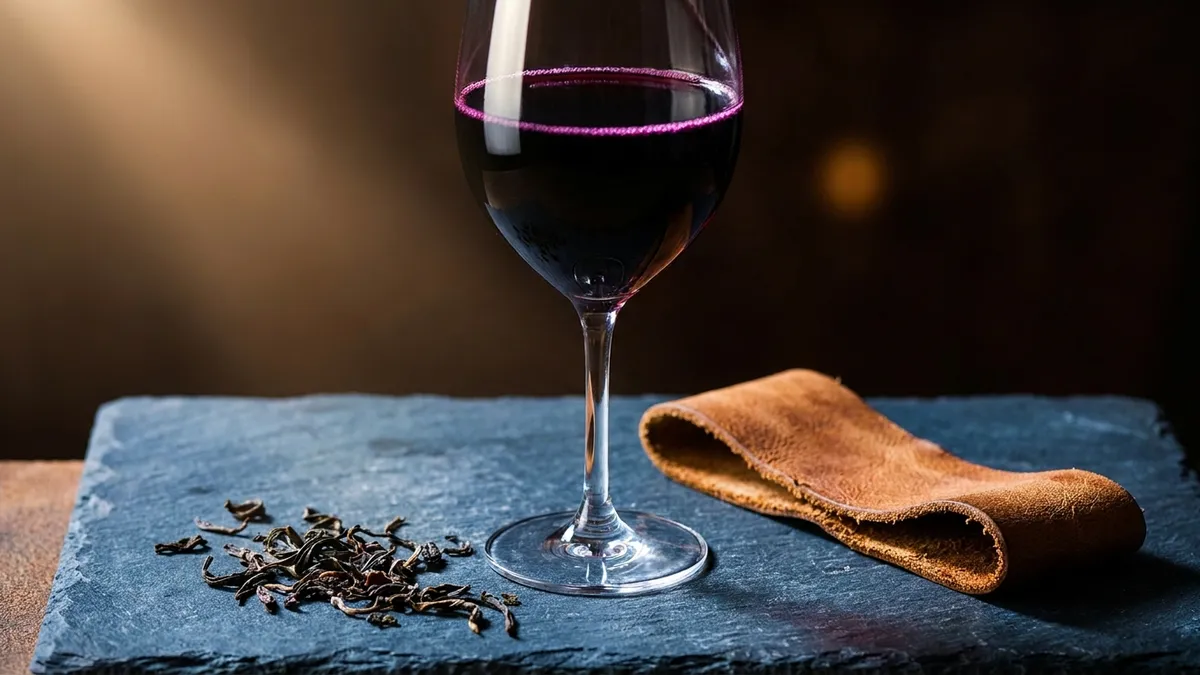
Grippy means the wine's tannins are creating a clearly noticeable, drying, slightly chewy hold on the inside of your cheeks, your gums, and the back of your teeth. It is a tactile texture rather than a flavor. A grippy wine feels like it is gently pulling at the soft tissue of your mouth, similar to over-steeped black tea. The sensation is normal in young red wines and is one specific point on a wider tannin texture scale that runs from silky to coarse.
Is grippy wine a good or bad thing?
It depends on the style and the moment. Grippy is a virtue in young, structured reds built for aging — Nebbiolo, Cabernet Sauvignon, Aglianico, Sagrantino, and Tannat all show grip in youth and soften beautifully with bottle time. Grippy paired with rich protein is also a classic feature. Grippy becomes a flaw when the grip feels harsh, hollow, or green — meaning the grapes were unripe, the seeds were over-extracted, or the fruit cannot keep pace with the structure.
Is grippy the same as bitter or astringent?
No. Grippy describes a specific texture intensity on the cheeks and gums. Astringency is the broader tactile mechanism — tannins binding saliva proteins so your mouth feels dry. Bitterness is a basic taste detected at the back of the tongue. A wine can be grippy without being bitter, and bitter without being grippy. Grip is one position on a tannin texture scale; bitterness sits in a different sensory channel entirely.
Which grape varieties are most grippy?
The grippiest grapes in classic wine are young Nebbiolo, Cabernet Sauvignon, Tannat, Aglianico, Sagrantino, Petit Verdot, and Mourvèdre. These grapes have thick skins, abundant skin tannins, and structural fruit that supports long aging. Medium-grippy grapes include Syrah, Sangiovese, Tempranillo, and Malbec. Low-grip grapes include Pinot Noir, Gamay, Grenache, and most rosé and white wines, where skin contact is minimal or absent.
How do you soften a grippy wine?
Three reliable interventions. First, decant — exposure to oxygen accelerates tannin softening, with 30 to 60 minutes in a decanter making a clear difference on a young, tannic red. Second, pair with fatty protein — fat and protein bind tannins before they reach your saliva, so a grippy Cabernet calms dramatically alongside steak or aged hard cheese. Third, age — bottle time turns grippy young wines into supple aged ones through tannin polymerization.
Does grippy mean the wine is unripe or flawed?
Not by itself. A polished, fully ripe young wine can be intensely grippy and still taste of generous fruit — that is the classic profile of a great young Barolo or Brunello. Grip becomes a sign of unripeness when it is paired with green, vegetal, or stemmy notes; a hollow mid-palate; or a finish that fades into dryness without aroma. Ripe grip feels structured. Unripe grip feels harsh. The two are easy to separate once you know what to feel for.
Why does the same wine feel less grippy on the second night?
Two reasons. The wine has been exposed to oxygen for hours, which accelerates the reactions that soften tannins by encouraging them to bond into larger chains. And your palate is no longer reading the wine fresh — your saliva chemistry, your last meal, and your expectations all shift the read. A young, tannic red often shows its best the day after opening, which is why decanting works as a compressed version of the same effect.
How do sommeliers grade tannin grip?
Most professional vocabularies use a scale that runs roughly silky, fine-grained, firm, grippy, coarse, and aggressive — moving from low intensity and refinement at the top to high intensity and roughness at the bottom. Grippy sits in the middle-to-upper range, signaling clear texture and structure without yet crossing into coarse or harsh territory. Quality matters as much as quantity — a polished grippy tannin is praise, while coarse grippy tannin is a critique.
Sommy Team
LinkedInFounder & Wine Educator
The Sommy Team is building the world's most approachable wine education app, helping beginners develop real tasting skills through structured courses and AI-guided practice.