Furmint: Hungary's Royal Grape from Tokaj

By the Sommy Team — AI-assisted, human-edited.
Updated Apr 29, 2026
Contents (11)
TL;DR
Furmint is Hungary's flagship white grape and the heart of legendary Tokaji Aszú dessert wine. It produces high-acid wines with quince, apple, honey, smoke, and saline minerality from volcanic loess soils. Two main expressions exist — steely dry Tokaji Furmint and botrytis-affected sweet Aszú, measured in puttonyos. Tokaj was classified in 1737, predating Bordeaux by over a century.
When King Louis XIV of France called it "the wine of kings, and the king of wines," he was talking about Tokaji Aszú — the legendary sweet wine from northeastern Hungary made primarily from a grape called Furmint. For three centuries, furmint wine tokaji was the most expensive and prestigious wine in Europe, served at every major royal court from Versailles to St. Petersburg. Today, after decades of recovery from communist-era neglect, Furmint is making one of the great comebacks in wine — both as the soul of historic Aszú and as a serious dry white that rivals top white Burgundy for structure and aging potential.
Furmint and Tokaji Wine, in 100 Words
Furmint is Hungary's flagship white grape and the dominant variety in the Tokaj region. It is a late-ripening, high-acid grape that produces two main wine styles: bone-dry Tokaji Furmint with quince, apple, honey, smoke, chamomile, and saline minerality at 12 to 14 percent alcohol, and the famous Tokaji Aszú, a botrytis-affected sweet wine measured on a puttonyos sweetness scale of 3 to 6. The Tokaj region was officially classified in 1737, predating Bordeaux's 1855 classification by 118 years — making it the world's first classified wine region.
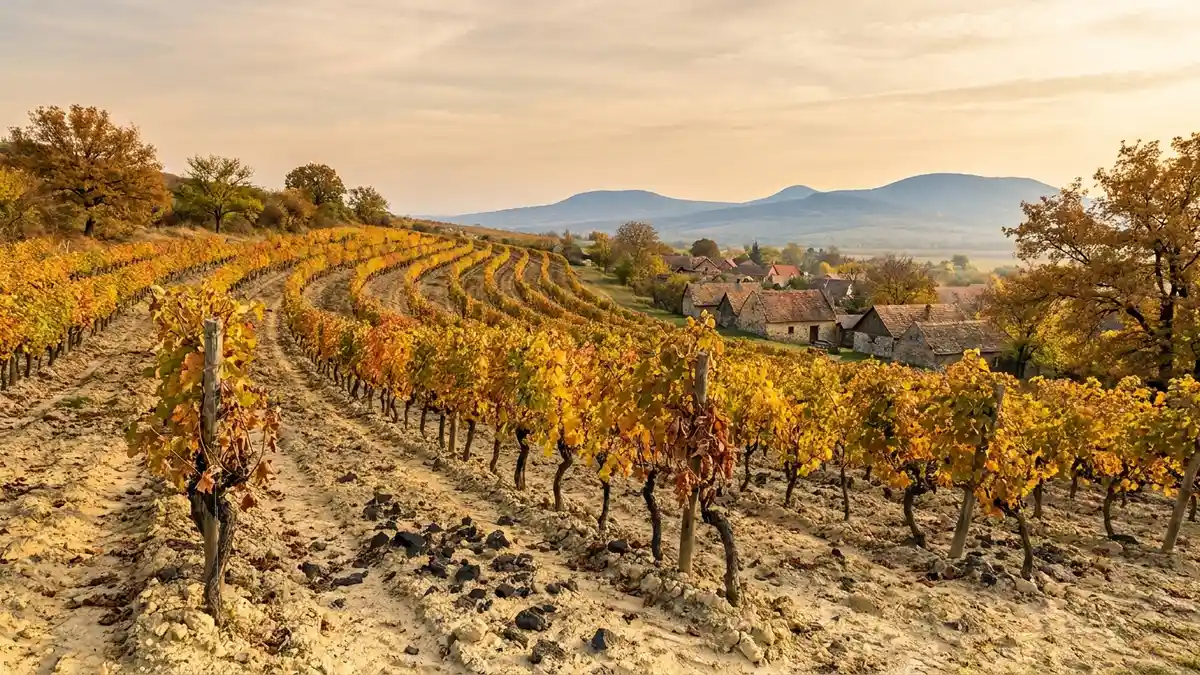
The Royal History of Tokaji
Tokaji's story begins not with a king but with a Calvinist priest named Máté Szepsi Laczkó, who in 1631 first documented the deliberate use of botrytized grapes to make sweet wine. Within a few decades, Tokaji Aszú had become the most prized wine in Europe.
By the 1700s, every major royal court — Versailles, Vienna, St. Petersburg, Warsaw — kept cellars of Tokaji as both a beverage and a status symbol. Louis XIV's famous quote crowned the wine; Tsar Peter the Great stationed a permanent garrison of Cossacks in Tokaj to guarantee uninterrupted shipments to the Russian court.
The region's vineyards were formally classified by royal decree in 1737, ranking individual sites into first, second, and third growths. This makes Tokaj the world's oldest classified wine region — predating Bordeaux's 1855 classification by 118 years and predating the more famous Burgundy climat system in its modern form.
The 20th century was less kind. Two world wars, the loss of the Russian export market after 1917, and four decades of communist-era state production from 1948 to 1989 nearly destroyed the region's reputation. Yields were inflated, quality crashed, and the wine became a cheap export commodity. The recovery began in 1989 with the fall of communism and continues today.
What Furmint Tastes Like
Furmint's natural character is shaped by three things: late ripening, very high acidity, and an extraordinary ability to channel volcanic terroir into the glass.
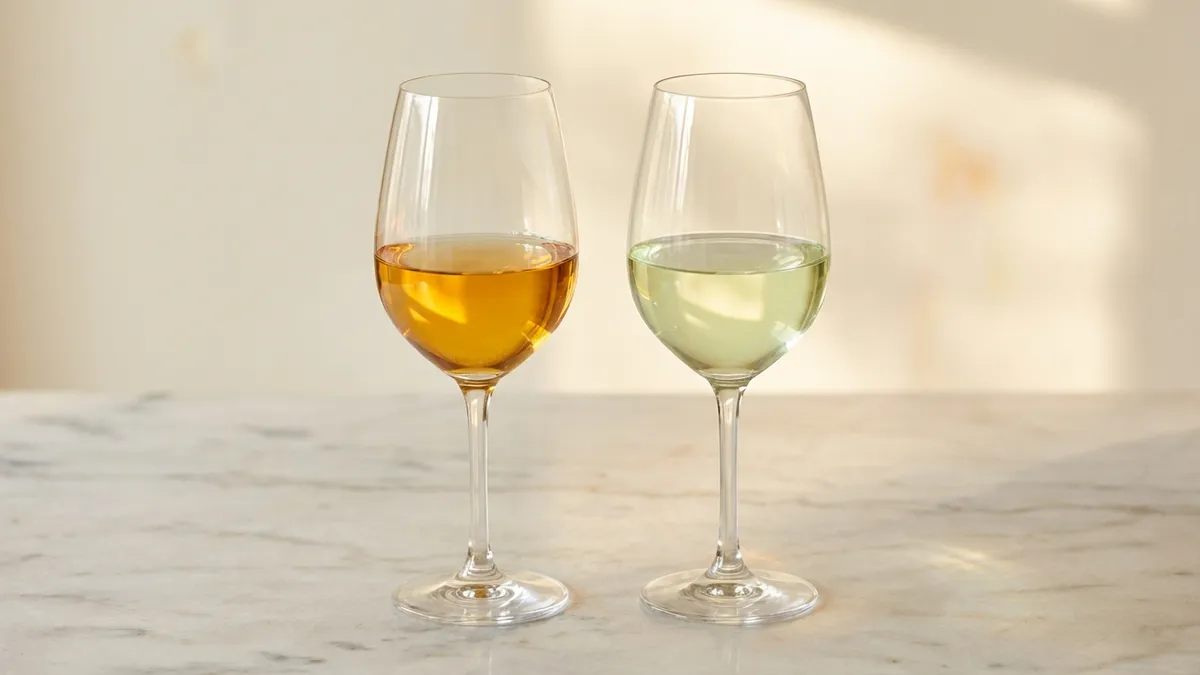
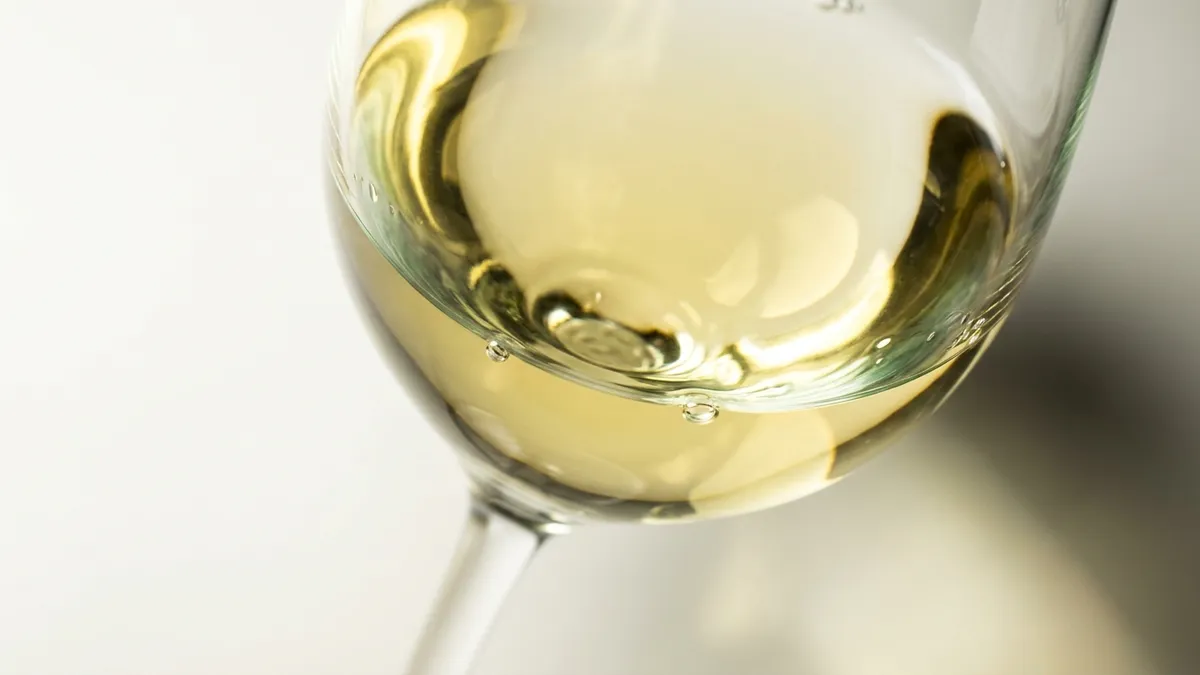
Dry Furmint typically shows pale to medium gold color and a profile that runs:
- Fruit — green apple, quince, pear, lemon zest, white peach in warmer years
- Floral and herbal — chamomile, lime blossom, dried herbs
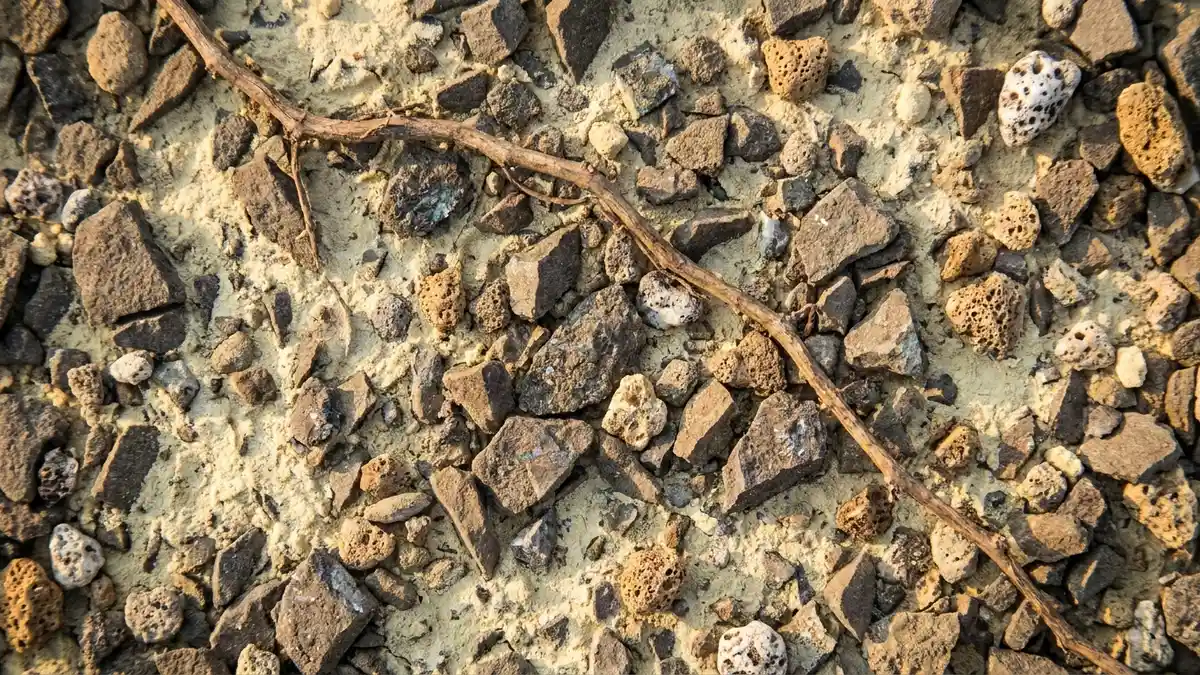
- Minerality — smoke, flint, wet stone, distinct salinity from volcanic loess soils
- Texture — high acid (think Riesling-level), medium body, often with a faintly waxy or honeyed undertone even when fully dry
Alcohol generally lands between 12 and 14 percent. The wine ages well — 5 to 10 years for good bottles, 15 to 25 years for top single-vineyard examples.
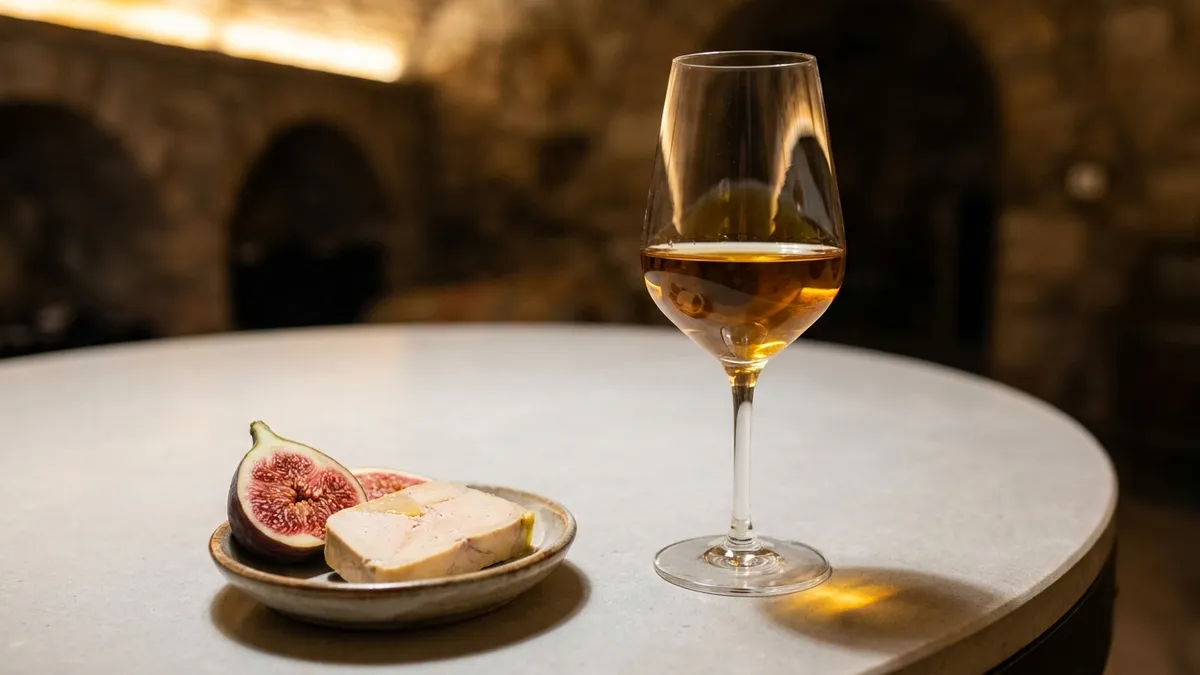
Tokaji Aszú is a different beast. The sweet style shows amber to deep gold colour with aromas of orange marmalade, dried apricot, candied orange peel, honey, saffron, tobacco, and the unmistakable "botrytis spice" — a sweet earthy note from the noble rot fungus. The palate is intensely sweet but lifted by Furmint's electric acidity, which prevents any cloying sensation. The finish is famously long — sommeliers measure great Aszú in minutes, not seconds.
Understanding what wine length really means is one of the best ways to evaluate Tokaji Aszú objectively.
How Tokaji Aszú Is Made
The production of Tokaji Aszú is one of the most labor-intensive processes in winemaking. The Tokaj region's geography — flanked by the Tisza and Bodrog rivers and warmed by autumn sun — creates near-perfect conditions for noble rot (Botrytis cinerea), a beneficial fungus that punctures grape skins and concentrates sugars, acids, and flavors over several weeks.
Pickers walk the vineyards multiple times during harvest, selecting only the individual berries that have reached the ideal stage of botrytis shrivel. These shriveled grapes are called aszú berries. A single picker might harvest only a few kilograms of aszú berries per day.
The traditional production method works like this:
- Aszú berries are mashed into a thick paste called aszú dough
- The dough is added to a barrel of dry base wine made from non-botrytized Furmint
- The wine and dough macerate together for 24 to 48 hours, extracting sugar, flavor, and the distinctive botrytis spice
- The wine is then fermented slowly — sometimes for years — in small 136-litre Hungarian oak barrels called gönci
- Aging continues in barrel for a legal minimum of 18 months, often much longer
The sweetness is measured in puttonyos — historically the number of 25-kilogram baskets (putts) of aszú dough added per gönci barrel. The scale runs 3, 4, 5, 6 puttonyos with the rare and almost mythical Aszú Eszencia at the top. Modern Tokaji Aszú regulations require a minimum of 120 grams per liter of residual sugar, but top examples often exceed 200 to 300 grams per liter.
For a deeper look at the broader category these wines belong to, see our dessert wine guide.
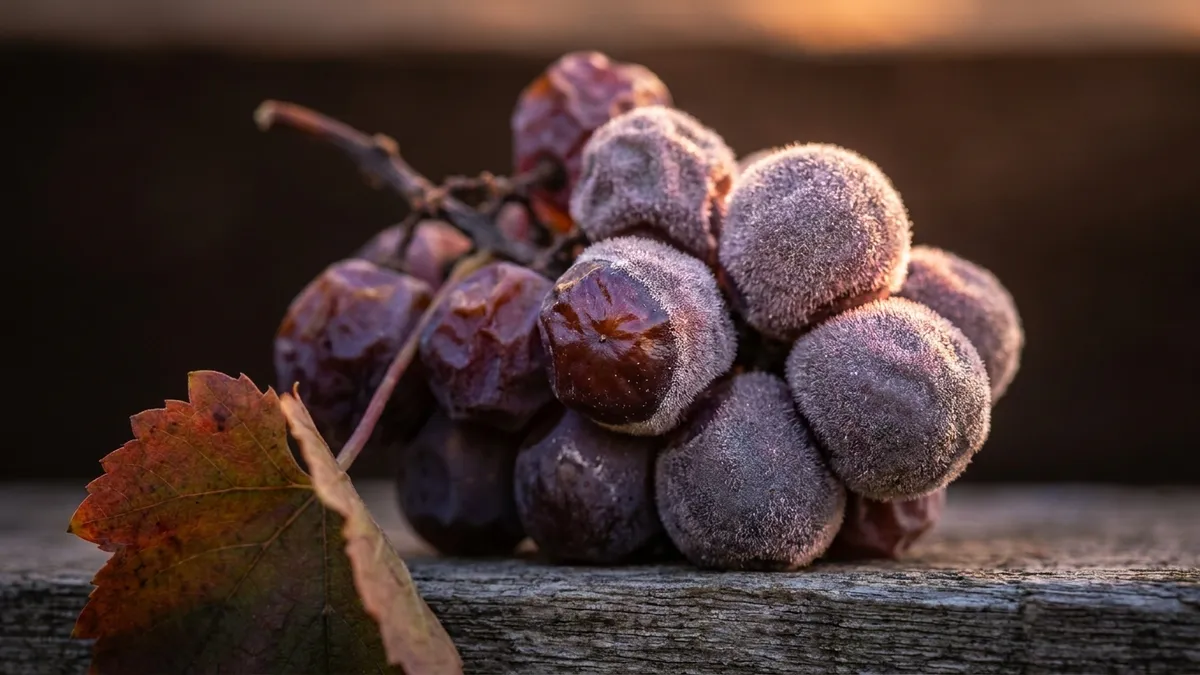
Eszencia: The Mythical Wine
At the very top of the Tokaji hierarchy sits Eszencia (also spelled Essencia or Esszencia), the free-run juice that drips from aszú berries under their own weight before pressing. Eszencia can contain over 600 grams per liter of residual sugar — essentially honey with a backbone of acidity.
Fermentation is so slow at these sugar levels that Eszencia often takes years to reach even 4 or 5 percent alcohol, and some bottlings never finish fermenting at all. The wine is sold by the spoonful in luxury hotels rather than by the glass. It can age for centuries; bottles from the 1700s have been opened and found vibrant.
The Dry Furmint Renaissance
The story of dry Furmint is the story of post-communist Hungary. After 1989, a new generation of winemakers — many trained abroad in Burgundy, Bordeaux, and California — began to ask whether Furmint's high acidity, mineral expression, and late-ripening profile could produce world-class dry whites.
The answer was yes. Dry Tokaji Furmint emerged in the 1990s and 2000s as Hungary's serious dry white. Stylistically it sits between bone-dry Riesling and white Burgundy:
- Higher acid than Chardonnay
- More mineral than Chenin Blanc
- More body than Riesling
- A distinctive smoky, saline character from Tokaj's loess and volcanic soils
Many dry Furmints see partial fermentation or aging in large neutral oak (older Hungarian or Austrian barrels), which adds a faintly toasty texture without imposing oak flavor. Others ferment entirely in stainless steel for maximum mineral purity.
For tasters who already enjoy understanding tannins, acidity, and body in red wines, dry Furmint is one of the best whites for studying acidity and mineral expression in isolation.
Somló: Furmint's Volcanic Cousin
Beyond Tokaj, the most distinctive Furmint comes from Somló — a single dormant volcano rising abruptly from the western Hungarian plain. Somló is among the smallest classified wine regions in the world, with around 800 hectares planted on the volcanic slopes.
Somló Furmint is an entirely different proposition from Tokaj Furmint. The basalt and tuff soils produce wines of extreme mineral intensity — austere, structured, almost severe in their youth, requiring 5 to 10 years of bottle age to soften. The local Hungarian saying calls Somló wines "vőlegény borok" (groom's wines) because newlyweds were said to drink them on their wedding night to ensure male offspring.
Whether or not the folklore holds, Somló produces some of Hungary's most distinctive whites. The smoky, struck-flint character on top of Furmint's natural acidity makes it a fascinating study in how soil affects wine taste.
Tokaj's Other Grapes
Furmint is the dominant grape of Tokaj at roughly 60 to 70 percent of plantings, but the region permits and uses several other varieties:
- Hárslevelű ("linden leaf") — Furmint's traditional blending partner; aromatic with linden flower, honey, and apricot. Slightly lower acid and rounder than Furmint
- Sárga Muskotály (Yellow Muscat) — small plantings used for aromatic lift in Aszú blends
- Zéta — a Furmint-Bouvier crossing with thinner skins that botrytizes easily
- Kabar and Kővérszőlő — rare local varieties also permitted for Aszú
Tokaji Aszú is most commonly a blend of Furmint and Hárslevelű, with smaller proportions of Muscat. Single-variety Tokaji Furmint (dry or sweet) has become more common since the 1990s as winemakers explore the grape's solo expression.
Food Pairing with Furmint
Tokaji Aszú is one of the great food wines despite its sweetness. The combination of intense sugar with high acidity creates pairings that few other wines can match:
- Foie gras — the textbook pairing; the wine's sweetness and acid both cut and complement the liver's richness
- Blue cheese — Roquefort, Stilton, or Hungarian sheep's milk blue all work
- Fruit-based desserts — apricot tart, peach cobbler, crème brûlée
- Pâté and terrines — sweetness balances earthy umami
- Aged hard cheeses — particularly aged Gouda or Comté
Dry Furmint is far more versatile and rewards careful pairing:
- Grilled or roasted fish — particularly oily fish like salmon or trout
- Roast pork or pork schnitzel — the acid cuts through fat
- Hungarian paprika dishes — chicken paprikash, gulyás, lecsó
- Lemon-dressed salads with goat cheese
- Manchego, comté, and aged hard cheeses
- Wiener schnitzel with cucumber salad
The general rule with food and wine pairing holds: match the wine's intensity to the food's intensity, and use acidity to cut richness. Both styles of Furmint excel at this.
Aging Trajectory
Few wines age as gracefully as Tokaji Aszú. The combination of intense residual sugar, high acidity, and oxidative barrel aging produces a wine that often improves for 30 to 50 years and can survive intact for over a century. As Aszú ages, the youthful apricot and honey character gives way to nuttier, more savory notes — toasted hazelnut, dried fig, leather, tobacco, soy sauce-like umami in very old bottles.
Dry Furmint also ages well, though not as legendarily. A good village-level dry Furmint develops over 3 to 7 years; top single-vineyard wines from Tokaj or Somló can evolve for 15 to 25 years, gaining honeyed, waxy, and increasingly mineral complexity.
Tasting young versus aged wine side by side is one of the best educational exercises with Furmint, as the grape changes more dramatically than most whites over time.
Building a Furmint Education
Three bottles will give you a strong introduction to the variety:
- A dry Tokaji Furmint — to taste the grape's mineral, high-acid backbone in its purest form
- A 5 puttonyos Tokaji Aszú — to experience the iconic sweet style at a balanced sweetness level
- A Somló Furmint — to taste the same grape on volcanic basalt rather than loess
Tasting these side by side reveals how dramatically site shapes a single variety. The same grape can produce a steely, lemon-driven dry white, a chamomile-and-stone dry from volcanic soil, and one of the world's great dessert wines.
The Sommy app's structured tasting modules walk through aroma identification, acidity assessment, and sweetness calibration — exactly the skills that help newcomers recognize what makes Furmint special. The grape's unusual combination of high acid, late ripening, and pronounced mineral character makes it one of the best whites for training your palate on terroir expression.
For tasters ready to explore Hungary further, Sommy covers the full sweep of European wine traditions in its course library, from the famous regions of France and Italy to lesser-known but historically significant origins like Tokaj.
Sommelier tip: When tasting Tokaji Aszú, ignore the sweetness for the first sip and focus on the acidity. If the wine feels lifted and fresh rather than heavy, it is well made. The greatest Aszú wines feel almost weightless on the palate despite carrying 200 grams of sugar per liter — a paradox that no other dessert wine quite achieves.
Frequently Asked Questions
What is Furmint wine?
Furmint is a white grape variety native to Hungary and the dominant grape of the Tokaj region. It produces wines across two main styles: steely dry whites with quince, apple, and saline minerality, and the famous Tokaji Aszú, a botrytis-affected sweet wine made from noble-rot grapes. Furmint is known for its naturally high acidity, late ripening, and remarkable ability to express volcanic terroir.
What does Tokaji wine taste like?
Tokaji Aszú tastes intensely sweet but lifted by searing acidity that prevents any cloying sensation. Expect orange marmalade, dried apricot, honey, quince paste, candied citrus peel, and botrytis spice with hints of saffron and tobacco. Dry Tokaji Furmint is a different animal — bone dry, mineral, with green apple, lemon zest, chamomile, smoke, and a saline finish from volcanic loess soils.
What does puttonyos mean on a Tokaji label?
Puttonyos is the traditional sweetness scale for Tokaji Aszú, originally counting the baskets (putts) of botrytized grape paste added to a barrel of base wine. The scale runs 3, 4, 5, 6, with rare Aszú Eszencia at the top. Modern Aszú must contain a minimum of 120 grams of residual sugar per liter, with higher puttonyos numbers indicating progressively sweeter and more concentrated wines.
Is Furmint always sweet?
No. Since the 1990s, dry Furmint has emerged as a serious style, especially from Tokaj and the volcanic Somló region. Dry Furmint typically shows 12 to 14 percent alcohol, bone-dry residual sugar, electric acidity, and pronounced mineral character. The sweet Tokaji Aszú style is iconic, but dry Furmint is what most contemporary Hungarian winemakers focus on today.
How long can Tokaji Aszú age?
Tokaji Aszú is among the longest-lived wines in existence. The combination of intense sweetness, high acidity, and long oxidative aging in small barrels (called gönci) creates a wine that can easily evolve for 50 years and the finest bottles for over a century. Bottles from the 1800s have been opened and found vibrant. Aszú is one of the few wines that can outlive the people who make it.
What food pairs with Furmint?
Sweet Tokaji Aszú is the classic match for foie gras, blue cheese, and fruit-based desserts like apricot tart or crème brûlée. It also pairs beautifully with aged hard cheeses and pâté. Dry Furmint is a remarkable food wine — try it with grilled fish, roast pork, manchego, lemon-dressed salads, schnitzel, paprika dishes, and almost anything you would pair with a top white Burgundy or dry Riesling.
Where is Furmint grown?
Furmint is grown almost exclusively in Hungary, with the largest plantings in Tokaj in the northeast. Smaller but significant plantings exist in Somló (a single volcanic hill in western Hungary), Eger, and Balaton. Outside Hungary, Furmint appears in tiny quantities in Slovakia (which shares the Tokaj region across the border), Slovenia (where it is called Šipon), and a handful of experimental plantings in Austria, Australia, and the United States.
Why is Tokaj called the world's first classified wine region?
Tokaj's vineyards were officially classified by royal decree in 1737, ranking individual sites by quality — predating the famous 1855 Bordeaux classification by 118 years. Three earlier informal classifications in the 1700s also existed. This makes Tokaj the oldest formally classified wine region in the world and the first to legally tie wine quality to specific vineyard origin, a concept that became foundational to modern fine wine.
Sommy Team
LinkedInFounder & Wine Educator
The Sommy Team is building the world's most approachable wine education app, helping beginners develop real tasting skills through structured courses and AI-guided practice.