Chenin Blanc: The Most Versatile White Grape in the World

By the Sommy Team — AI-assisted, human-edited.
Updated Apr 29, 2026
Contents (10)
- What Chenin Blanc Is, in 100 Words
- Why Chenin Blanc Is the Most Versatile White Grape
- The Five Styles of Chenin Blanc
- Loire Valley: The Benchmark
- South Africa: The Volume King
- France vs South Africa: The Stylistic Divide
- Food Pairing: Versatility = Pairing Power
- Aging Potential
- Value: The Best-Kept Secret in White Wine
- Getting Started with Chenin Blanc
TL;DR
Chenin Blanc is the most versatile white grape in the world, producing dry, off-dry, sweet, sparkling, and oxidative styles from the same vineyard. The Loire Valley sets the benchmark and South Africa grows the largest plantings as Steen. Expect green apple, quince, honey, chamomile, and wool fat with high acidity that keeps even sweet versions feeling balanced and alive.
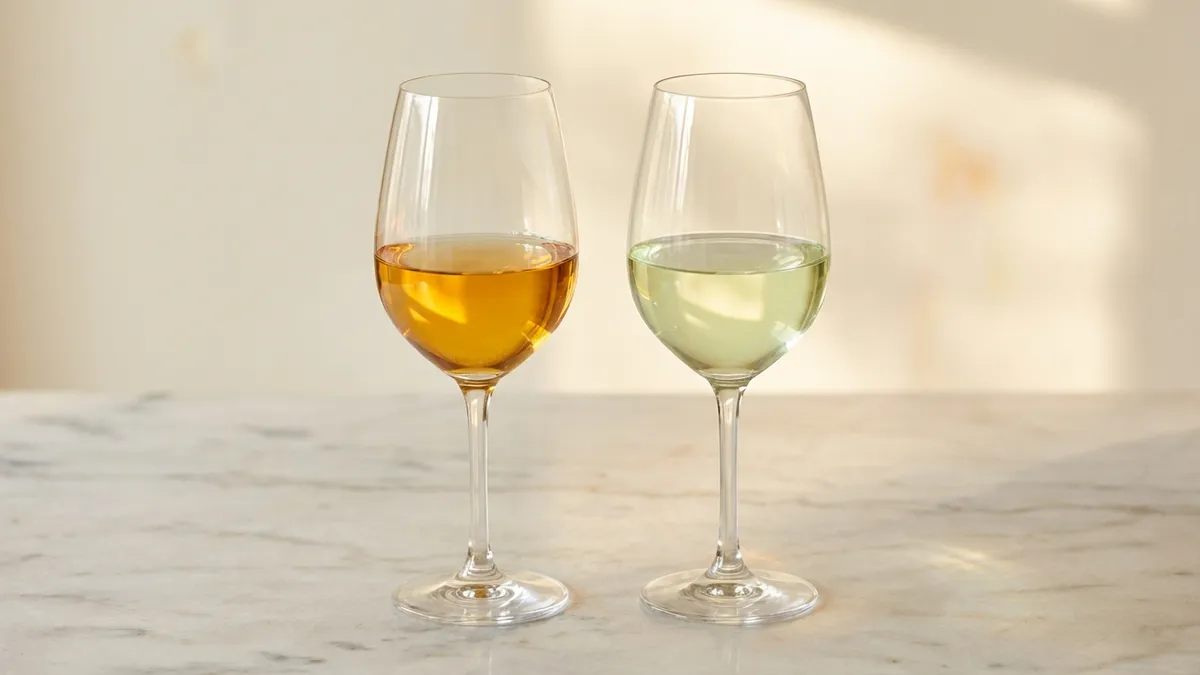
Chenin Blanc is the most versatile white grape in the world. No other variety produces every major wine style — bone dry, off-dry, lusciously sweet, traditional-method sparkling, and even oxidative — often from the same vineyard, in the same vintage, with only the harvest date and the winemaker's intent separating them. While Riesling is its closest rival in flexibility, Chenin Blanc adds sparkling and oxidative styles to the menu, putting it in a category of one.
The grape has two great homes. The Loire Valley in France, where Chenin has been cultivated since at least the ninth century, sets the global benchmark. South Africa, where it arrived with Dutch settlers in the 1650s and is known locally as Steen, has more Chenin Blanc planted than any other country on Earth — roughly 18,000 hectares, more than the entire Loire Valley combined.
What Chenin Blanc Is, in 100 Words
Chenin Blanc is a white grape capable of bone-dry, off-dry, sweet, sparkling, and oxidative styles. Naturally high acid, thin skins, and a thick neutral structure mean the same vineyard can yield dry table wine or honeyed dessert wine depending on harvest timing and winemaker intent. Star regions are the Loire Valley in France (Vouvray, Savennieres, Anjou, Coteaux du Layon) and South Africa, where it is called Steen. Expect green apple, quince, honey, chamomile, beeswax, and a wet-wool wool-fat texture, with pronounced petrol notes after a decade of bottle age.
Why Chenin Blanc Is the Most Versatile White Grape
Three traits combine to give Chenin Blanc its unique range.
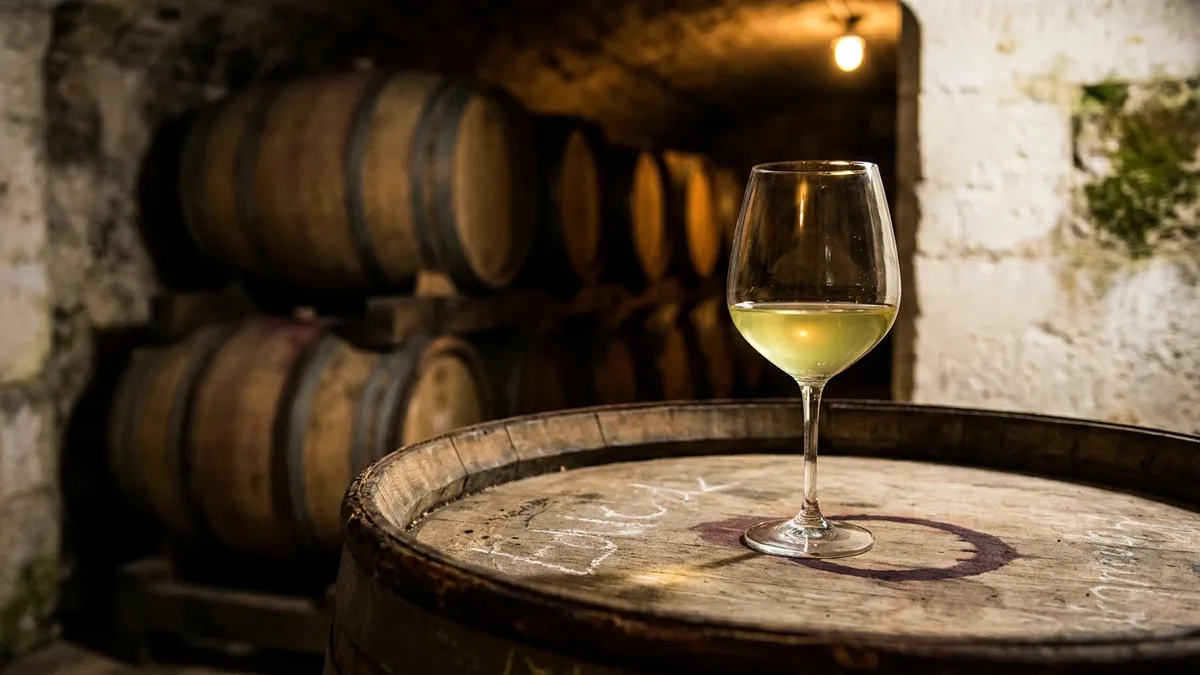
High natural acidity is the foundation. Chenin holds onto acidity even in warm vintages, which is what allows sweet versions to taste fresh rather than cloying and dry versions to feel taut and structured. Without that acidic spine, the sweet styles would collapse into syrup and the dry styles would be flabby.
Thin skins make Chenin susceptible to noble rot — the beneficial Botrytis cinerea fungus that shrivels berries on the vine, concentrating sugars and adding honey, apricot, and saffron flavors. This is the same fungus that creates Sauternes and great German Riesling Auslese, and it is what allows Chenin to produce some of the world's longest-lived dessert wines.
Late and uneven ripening means a single vineyard can be harvested in multiple passes — early-picked grapes for sparkling base wine, fully ripe grapes for dry whites, late-harvest grapes for sweet wines, and botrytised berries for the richest dessert styles. The grape gives the winemaker options that few other varieties offer.
The Five Styles of Chenin Blanc
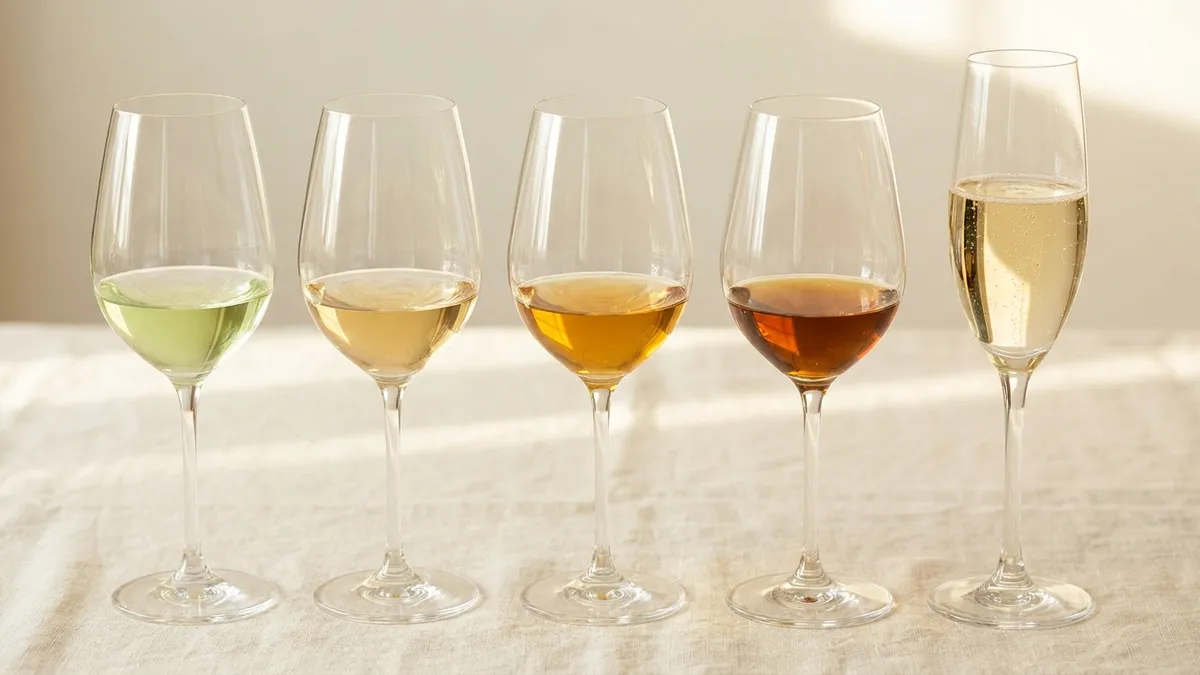
Understanding the five distinct style categories is the single most useful thing a beginner can learn about Chenin Blanc. Reading the label tells you what is in the bottle.
Dry Chenin Blanc
Bone-dry Chenin is the dominant modern style, especially in Savennieres, Vouvray sec, Anjou Blanc, and most South African Steen. Expect green apple, quince, pear, lemon zest, chamomile, and a faintly waxy or wool-fat texture. The best examples have a steely acidic drive and a chalky or saline mineral character that reflects the limestone and tuffeau (a soft, porous limestone unique to the Loire) soils.
Dry Savennieres in particular is one of the most underrated white wines in the world — structured, mineral, and capable of aging 25 years or more. South Africa's old bush-vine Chenin from the Swartland and Stellenbosch has emerged in the last two decades as a serious rival.
Off-Dry Chenin Blanc (Demi-Sec)
Off-dry Chenin, labeled demi-sec in the Loire, often has roughly 10 to 25 grams per liter of residual sugar (sugar left after fermentation). Vouvray demi-sec is the classic example. The sugar is present but the acidity balances it, so the wine feels lighter than its sweetness would suggest.
This is the style that handles spicy food best — the slight sweetness soothes capsaicin heat without amplifying it. For more on the science of food and wine matching, see our guide to how food changes wine taste.
Sweet Chenin Blanc (Moelleux and Doux)
The sweet Chenin Blanc category is one of the great glories of French wine. Moelleux (the French word for "marrowy" or richly soft) and doux (very sweet) wines from Coteaux du Layon, Bonnezeaux, Quarts de Chaume, and sweet Vouvray range from honeyed and concentrated to syrupy and unctuous.
The best are made from individually selected botrytised berries — the same painstaking process behind Sauternes and dessert wine classics. Expect honey, dried apricot, marmalade, candied citrus peel, and a saffron note from noble rot. Despite high sugar, the cutting acidity prevents these wines from feeling heavy.
Sparkling Chenin Blanc
Chenin Blanc is the principal grape behind Cremant de Loire and the sparkling versions of Vouvray and Saumur. Made by the traditional method (the same second-fermentation-in-bottle process used for Champagne), these sparkling wines deliver fine bubbles, green apple and brioche notes, and a price tag often half what comparable Champagne costs.
South Africa also produces traditional-method sparkling wine called Methode Cap Classique (MCC), with Chenin Blanc playing a leading role alongside Chardonnay and Pinot Noir.
Oxidative Chenin Blanc
A small but compelling category of Chenin is made in deliberately oxidative styles — aged under flor-like conditions or in old oak with extended lees contact. The wines develop nutty, almondine, beeswax-and-quince characters that bridge the gap between table wine and Sherry. For background on the technique, see oxidative versus reductive winemaking.
Loire Valley: The Benchmark
The Loire Valley grows Chenin Blanc on tuffeau limestone, schist, and clay soils across a dozen appellations. The cool climate forces slow ripening, preserves acidity, and allows for the late-season noble rot that makes the great sweet wines possible.
Vouvray
Vouvray is the most famous Chenin Blanc appellation. A single vineyard can produce Vouvray sec, demi-sec, moelleux, doux, and sparkling within the same vintage, depending on weather and the winemaker's choices. Reading a Vouvray label requires patience but rewards the effort. Cool, wet vintages favor sparkling and dry styles; warm, dry vintages favor sweet wines.
Savennieres
Savennieres in the Anjou region produces what many consider the most age-worthy dry Chenin Blanc on Earth. Schist and volcanic soils, south-facing slopes above the Loire river, and stubbornly low yields produce wines of extraordinary structure and minerality. A young Savennieres can feel austere and tightly wound. A 15-year-old Savennieres opens into honeyed, lanolin-rich complexity that few white wines anywhere can match.
Coteaux du Layon, Bonnezeaux, and Quarts de Chaume
The sweet wine appellations of Anjou produce some of France's longest-lived dessert wines. Bonnezeaux and Quarts de Chaume are tiny grand-cru-style appellations within Coteaux du Layon, with stricter rules and higher minimum sugar levels. Bottles from great vintages — 1947, 1959, 1990, 2005 — are still vibrant decades later.
Anjou Blanc and Saumur
Beyond the famous appellations, Anjou Blanc and Saumur produce excellent everyday dry Chenin Blanc that offers genuine value. These appellations have benefited from a generation of younger winemakers focused on lower yields and earlier picking for freshness.
South Africa: The Volume King
South Africa's relationship with Chenin Blanc is unique. The grape was planted in massive volumes during the twentieth century for brandy production and bulk wine, leaving the country with more Chenin Blanc than the rest of the world combined. For decades this produced unremarkable everyday wine. The last twenty years have changed that completely.
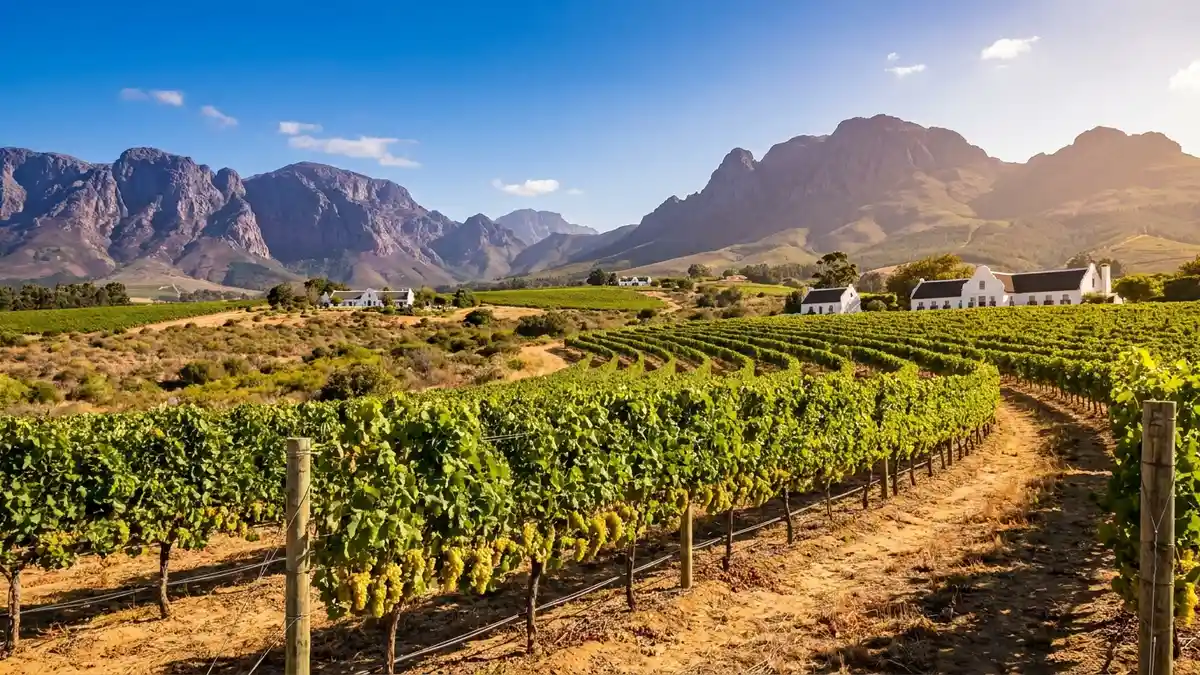
A new generation of South African winemakers has rediscovered the country's old bush-vine Chenin — gnarled, head-trained vines often 40 to 60 years old, dry-farmed on granite, schist, and decomposed shale soils in the Swartland, Stellenbosch, and Paarl. These low-yielding old vines produce concentrated, structured wines that rival the Loire while costing a fraction.
The South African style tends to be drier, riper, and more textured than the Loire — riper stone fruit and quince rather than green apple, with a beeswax richness underneath. Top examples are made with extended lees aging and partial old-oak fermentation, producing wines built for medium-term aging.
The country's broader South African wine industry has reorganized around quality-driven Chenin as a flagship category, and the grape is increasingly the calling card of premium South African white wine on export markets.
France vs South Africa: The Stylistic Divide
The two great Chenin Blanc countries produce wines with a clear stylistic divide.
Loire Chenin tends toward higher acidity, lower alcohol (often 11 to 13 percent), more obvious sweet-style production, and a cooler-climate flavor profile of green apple, quince, chalk, and chamomile. The acidity can feel piercing in young dry wines and slowly integrates over a decade or more.
South African Chenin tends toward riper fruit, higher alcohol (often 13 to 14.5 percent), almost exclusively dry styles, and a warmer-climate profile of yellow apple, ripe pear, beeswax, and dried herbs. The texture is often more obviously waxy or wool-fat-rich, especially from old bush vines.
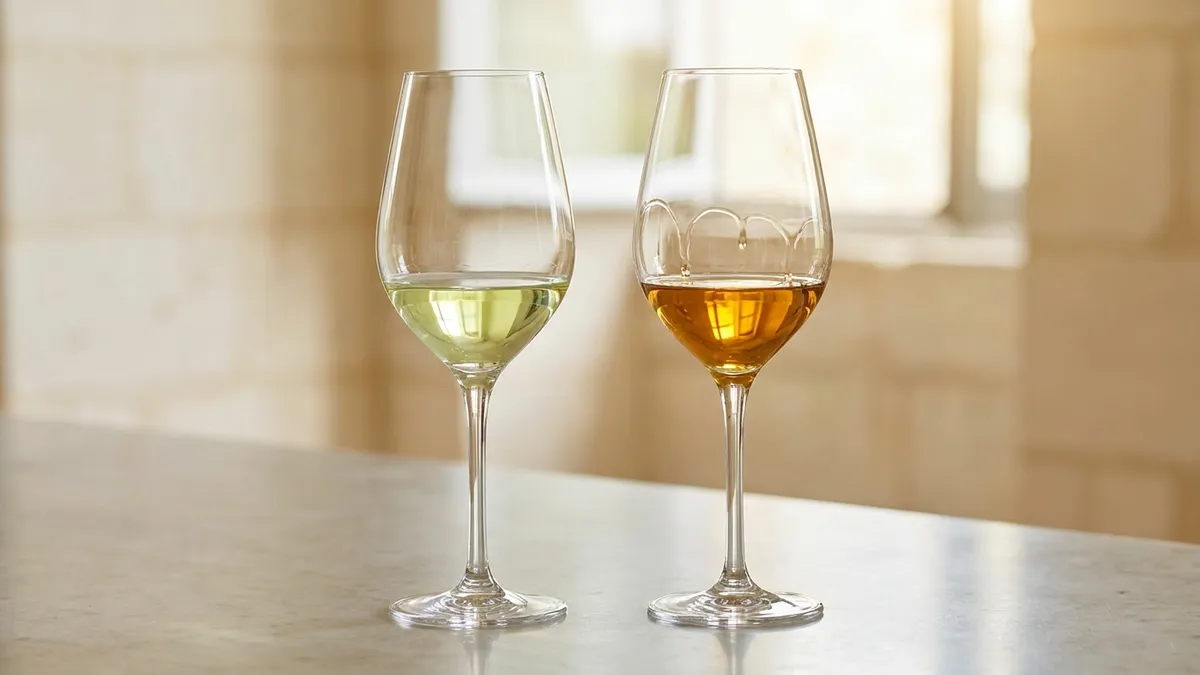
Neither style is "better" — they are different expressions of the same grape, shaped by climate, soil, and tradition. Tasting a Vouvray sec next to a Swartland Chenin is one of the best comparative tasting exercises for understanding how place changes a single variety.
Food Pairing: Versatility = Pairing Power
Because Chenin Blanc spans every style category, the food pairing options are enormous. The trick is matching the style to the dish.
- Dry Chenin — goat cheese (a classic Loire pairing), roast chicken, pork loin, oysters, sushi, white-flesh fish
- Off-dry Chenin — Thai and Vietnamese cuisine, charcuterie, soft cheeses, cured ham, Indian curries
- Sweet Chenin — blue cheese, foie gras, fruit tarts, creme brulee, almond pastries
- Sparkling Chenin — aperitif, oysters, sushi, fried foods, brunch
- Oxidative Chenin — aged hard cheese, almonds, olives, paella, dishes with sherry-reduction sauces
The combination of high acidity, optional residual sugar, and moderate alcohol gives Chenin a wider pairing range than almost any other white. For a structured approach to building food-wine intuition, see Sommy's wine and food pairing guide which walks through how acidity, sweetness, and body interact with what is on the plate.
Aging Potential
Chenin Blanc is one of the great age-worthy white grapes. Top sweet Chenin from the Loire — Bonnezeaux, Quarts de Chaume, sweet Vouvray, top Coteaux du Layon — can age for 50 years or more. Dry Savennieres regularly peaks between 10 and 25 years. Off-dry Vouvray often improves for 5 to 15 years. Even modest South African Chenin from old bush vines can develop interesting tertiary character over 8 to 10 years.
As Chenin ages, the primary fruit of green apple and quince gives way to honey, dried apricot, marmalade, lanolin, beeswax, and a distinctive petrol or wet-wool note that overlaps with aged Riesling. The acidity remains but softens. For more on how wines transform with bottle age, see our guide to tasting young versus aged wine.
Value: The Best-Kept Secret in White Wine
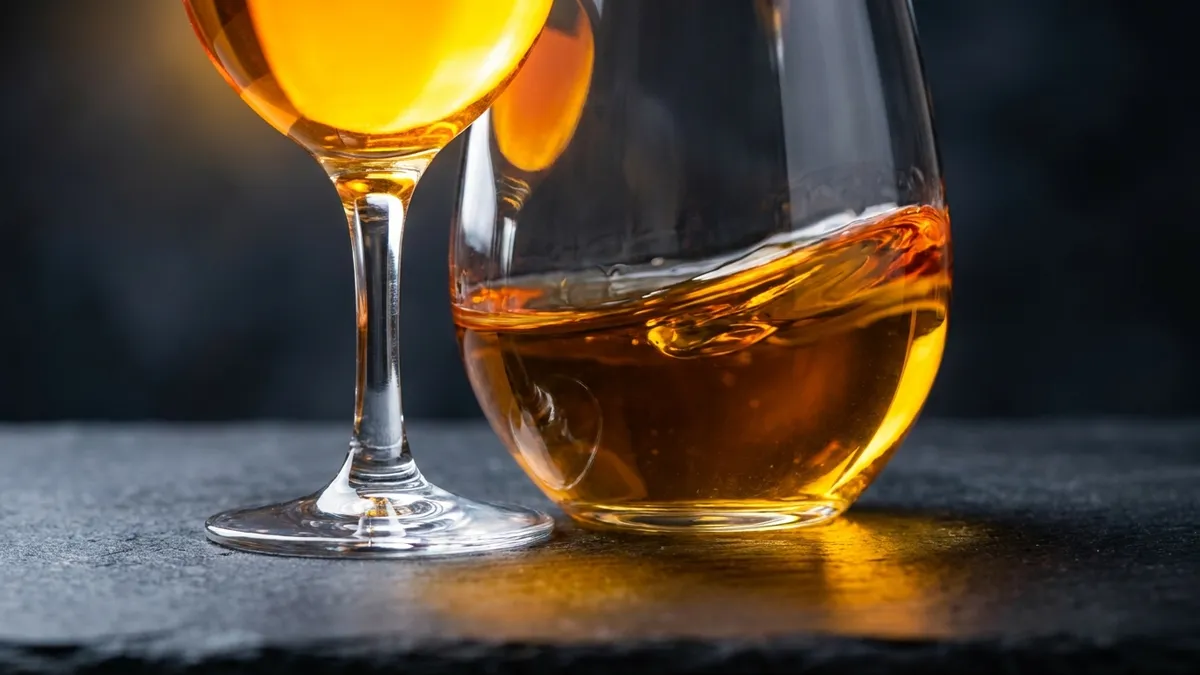
Chenin Blanc may be the single best value in white wine. Loire dry Chenin from Anjou or Saumur often costs 15 to 25 dollars for serious quality. South African old-vine Chenin from the Swartland and Stellenbosch frequently sells for 18 to 30 dollars while delivering complexity that would cost 50 to 80 dollars in Burgundy or Champagne.
Even the great sweet wines — Coteaux du Layon, Bonnezeaux — are typically a fraction of the price of comparable Sauternes. Top-tier Quarts de Chaume from acclaimed vintages remains the dessert-wine bargain of the wine world.
This value gap exists partly because Chenin Blanc is harder to recognize on a shelf than Chardonnay or Sauvignon Blanc, and partly because South Africa's volume legacy still pulls average prices down. For drinkers willing to learn the styles and read the labels, the reward is access to world-class wine at prices that have not caught up to the quality.
Getting Started with Chenin Blanc
For anyone new to the variety, start with three contrasting bottles tasted side by side. A dry Vouvray sec or Anjou Blanc shows the cool, mineral, green-apple expression of the Loire. A South African old-vine Chenin from the Swartland or Stellenbosch shows the riper, waxier, warmer-climate expression. An off-dry Vouvray demi-sec shows how the grape handles residual sugar without losing freshness.
If those three click, the next step is a sweet Coteaux du Layon and a dry Savennieres — the high and low points of the dry-to-sweet spectrum, both world-class.
The Sommy app includes guided tasting exercises that help build vocabulary for describing what you are finding in the glass. Chenin Blanc is an excellent grape to practice with because the stylistic range is so wide — even beginners can tell the difference between a dry and an off-dry example, or between a Loire and a South African expression. For technique, our how to taste white wine walkthrough covers the systematic approach.
Few grapes reward patience and curiosity the way Chenin Blanc does. Give it a careful tasting across two or three styles and a grape that most drinkers overlook will quietly become one of your favorites.
Frequently Asked Questions
Is Chenin Blanc sweet or dry?
Both, and everything in between. Chenin Blanc is the most stylistically flexible white grape on Earth, producing bone dry, off-dry, medium-sweet, dessert sweet, sparkling, and oxidative wines from the same vineyards. The label tells you the style. In the Loire, look for sec (dry), demi-sec (off-dry), moelleux (sweet), and doux (very sweet). South African Chenin is almost always dry.
What does Chenin Blanc taste like?
Young dry Chenin shows green apple, quince, pear, chamomile, and a faintly waxy or wool-fat texture. Off-dry and sweet versions add honey, marmalade, dried apricot, and beeswax. Aged Chenin develops a distinctive petrol or wet-wool note alongside honeyed richness. The defining trait across all styles is high natural acidity, which keeps the wine feeling fresh even at high sugar levels.
What is Steen?
Steen is the South African name for Chenin Blanc, which became the country's most planted variety after large-scale plantings in the twentieth century. South Africa still grows more Chenin Blanc than any other country, with roughly 18,000 hectares — more than the entire Loire Valley. Steen ranges from inexpensive everyday whites to age-worthy bush-vine wines from the Swartland and Stellenbosch.
Where is the best Chenin Blanc from?
The Loire Valley in France produces the world's benchmark Chenin Blanc across every style. Vouvray makes dry, off-dry, sweet, and sparkling versions. Savennieres produces some of the world's most structured dry whites. The sweet wines of Coteaux du Layon, Bonnezeaux, and Quarts de Chaume rank among France's greatest dessert wines. South Africa's Swartland and Stellenbosch are the leading New World regions.
How long can Chenin Blanc age?
Top sweet Chenin from the Loire can age for 50 years or more, rivaling Sauternes for longevity. Dry Savennieres often peaks between 10 and 25 years. Even modest off-dry Vouvray often improves for 5 to 10 years. The grape's high acidity and the natural sugar in sweet versions act as preservatives. Bottles from the 1947 vintage are still drinking well in tastings today.
What food pairs with Chenin Blanc?
Versatility is the point. Dry Chenin pairs with goat cheese, roast chicken, pork, and shellfish. Off-dry Chenin handles spicy Asian cuisine, charcuterie, and creamy cheeses. Sweet Chenin partners blue cheese, foie gras, and fruit-based desserts. Sparkling Chenin works as an aperitif or with appetizers. The high acidity cuts through fat and the optional sweetness soothes spice — few grapes match more dishes.
What is the difference between Chenin Blanc and Chardonnay?
Both are versatile white grapes, but Chenin keeps higher acidity and produces a wider range of sweetness levels, including world-class dessert wines. Chardonnay is more often oaked and tends toward apple, lemon, and butter flavors. Chenin leans toward quince, honey, chamomile, and wool fat with a steelier acidic spine. Chenin also makes more sparkling wine outside Champagne and ages with a distinctive petrol note rather than nutty oxidation.
Why is South African Chenin Blanc often inexpensive?
South Africa planted huge volumes of Chenin Blanc in the twentieth century for brandy production and bulk wine, leaving the country with massive Chenin acreage that still drives down prices today. The result is unusual value: well-made Chenin from old bush vines in the Swartland or Stellenbosch often costs a fraction of comparable Loire wines while delivering serious quality and complexity.
Sommy Team
LinkedInFounder & Wine Educator
The Sommy Team is building the world's most approachable wine education app, helping beginners develop real tasting skills through structured courses and AI-guided practice.