País (Mission) Grape: The Comeback of South America's Oldest Vine

By the Sommy Team — AI-assisted, human-edited.
Updated Jun 17, 2026
Contents (9)
- What Is País (Mission) Grape Wine?
- One Grape, Four Names: Listán Prieto, País, Mission, and Criolla Chica
- País Tasting Notes and Flavor Profile
- The Workhorse Centuries: País in Chilean History
- Where País Grows: Maule, Itata, and Bío Bío
- The Natural-Wine Revival: Pipeño, Light Reds, and Pét-Nat
- País vs. California Mission: The Same Grape, Two Destinies
- How to Drink and Pair País Wine
- Building Your País Tasting Skills
TL;DR
País, known as the Mission grape in North America, is Chile's oldest red variety — the Spanish grape Listán Prieto, carried by missionaries in the 1500s. Long dismissed as a bulk workhorse, its old dry-farmed bush vines now fuel a natural-wine revival of light, juicy, high-acid reds.
What Is País (Mission) Grape Wine?
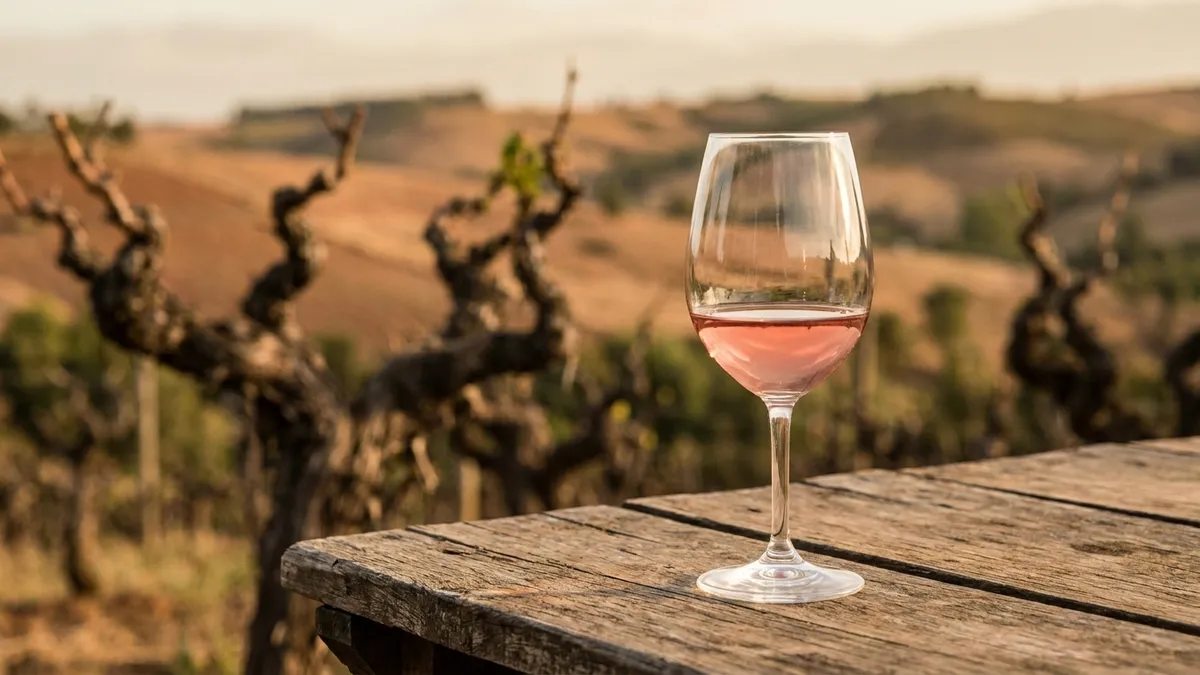
The País grape — known as the Mission grape in North America — is Chile's oldest and most historic red variety, planted since the 1500s when Spanish missionaries carried it across the Atlantic. The story of pais mission grape wine is the story of South America's first vine: a single grape, Listán Prieto, that spread from Spain through Mexico, California, Argentina, and Chile under four different names. For more than 400 years it was Chile's workhorse, covering tens of thousands of hectares of dry-farmed bush vines. Long dismissed as cheap bulk wine, País is now central to a natural-wine revival prizing its old vines, high acidity, and low alcohol.
One Grape, Four Names: Listán Prieto, País, Mission, and Criolla Chica
Few grapes carry as many aliases as this one, and untangling them reveals the whole history of wine in the Americas.
The grape's original home is Spain, where it is called Listán Prieto — an old, now nearly extinct variety from the Castilla-La Mancha region in the country's hot central plateau. In the 1500s, Spanish conquistadors and Catholic missionaries needed wine for Mass, so they planted vine cuttings wherever they settled. Listán Prieto traveled well and ripened reliably, which made it the default grape of colonial expansion.
As it spread, each region renamed it:
- País — the name in Chile, where it became the backbone of everyday wine for centuries.
- Mission — the name in California and Mexico, after the Franciscan missions that planted it along the historic mission trail.
- Criolla Chica — the name in Argentina, where it is one of the founding "Criolla" grapes (you can read more in the Argentina wine guide).
Sommelier tip: When a single grape collects this many local names, it is almost always because it arrived early and mattered to ordinary people. The everyday grapes get the local nicknames; the prestige imports keep their European labels.
This makes País one of the best examples of how a grape's identity travels. DNA profiling in the early 2000s confirmed that País, Mission, and Criolla Chica are genetically identical to Listán Prieto — a discovery that reframed a "humble" grape as a living artifact of colonial history. It also places País firmly among the oldest grape varieties still in commercial production in the New World.
País Tasting Notes and Flavor Profile
País is not a powerhouse, and that is the point. It is a light, bright, easygoing red that rewards drinkers who enjoy freshness over weight. Understanding its profile helps explain why it suited both 400 years of jug wine and today's natural-wine bars.
Structure
País leans on acidity rather than tannin, which sets it apart from most famous reds:
- Body: light to medium (2/5) · Acidity: high (4/5)
- Tannins: low and soft (2/5) · Alcohol: low to moderate, often 11–12.5%
Those soft tannins (the drying, gripping sensation in red wines) make País gentle and approachable, while the high acidity keeps it lively and refreshing. If bolder reds have ever felt harsh to you, País is an easy on-ramp. To understand how these elements interact in any wine, the guide to tannins, acidity, and body breaks down each one.
Aromas and Flavors
Typical aromas: cranberry, red cherry, pomegranate, dried herbs, wet earth, a hint of barnyard funk in natural styles.
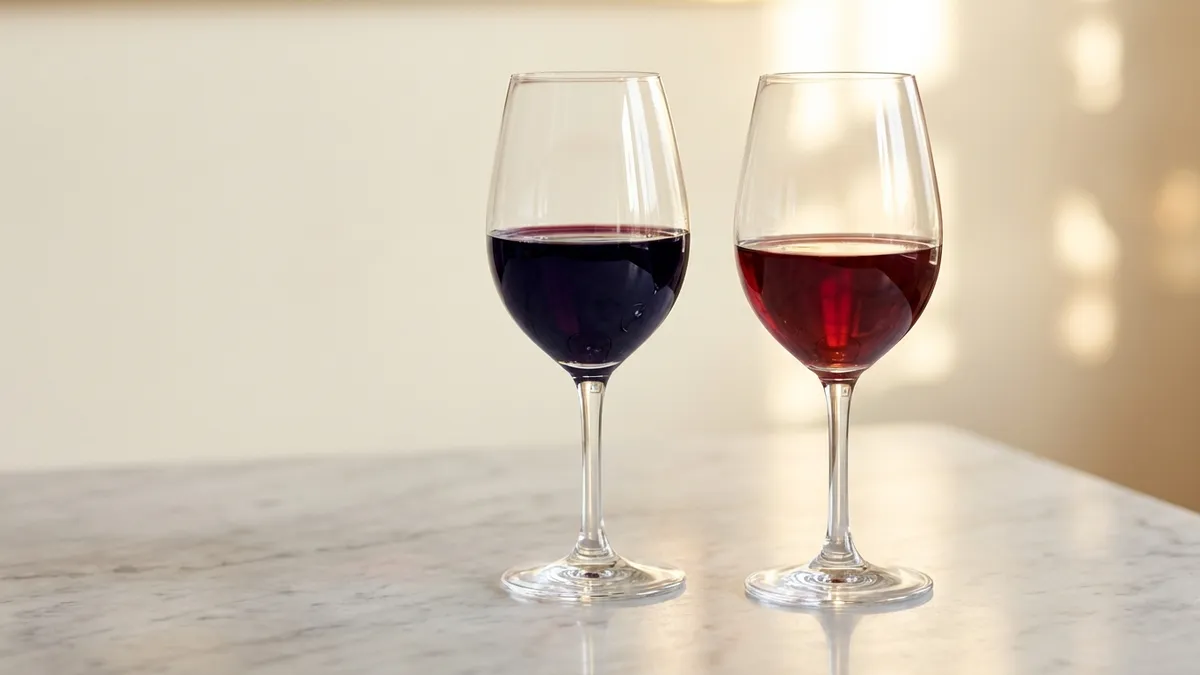
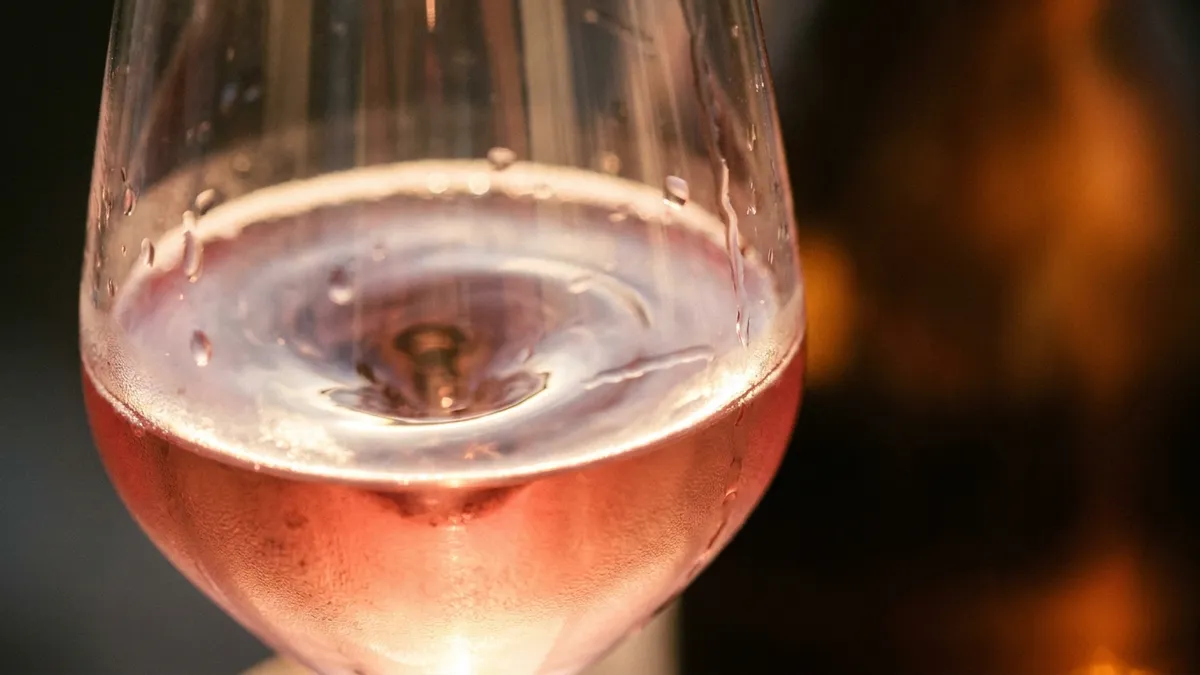
On the palate, País shows tart red fruit — think cranberry and sour cherry rather than ripe plum — wrapped in an earthy, rustic, faintly savory character. There is a wild, country quality to it that wine professionals often call "rustic," meaning honest and unpolished rather than flawed. The pale ruby color is genuinely light; hold a glass to the window and you can usually see straight through it.
Color in the Glass
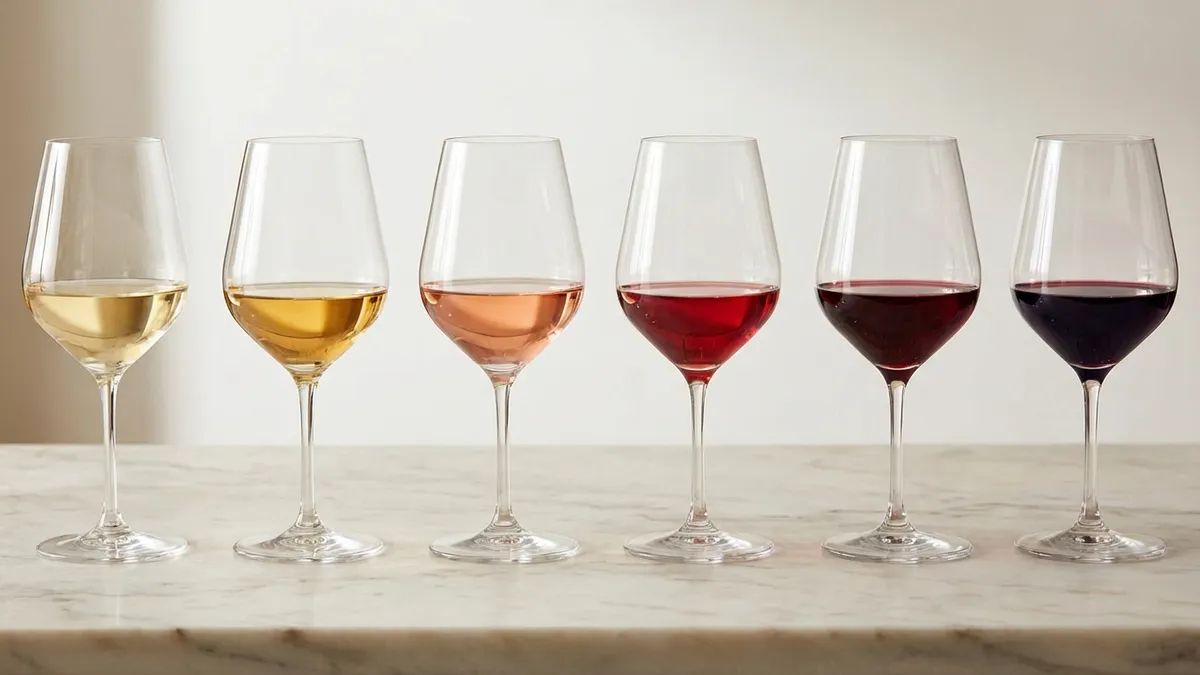
País shows a pale, translucent ruby that can drift toward a light garnet. This is a useful calibration point for anyone learning to read wine color: País demonstrates that a pale red is not necessarily a weak or faulty wine, just a low-pigment grape grown to express freshness. Practicing this kind of visual read is exactly the skill the how to taste wine walkthrough builds, and the Sommy app turns it into a step-by-step exercise with a color swatch grid.
The Workhorse Centuries: País in Chilean History
For most of its life in Chile, País was simply the grape. By the mid-twentieth century it dominated the vineyard map, planted across the south to supply oceans of inexpensive table wine (everyday, unpretentious wine made for drinking, not aging). Its hardiness was the appeal: it tolerates drought, grows on its own roots without irrigation, and produces a generous crop with little fuss.
That very success became its reputation problem. When Chile modernized its wine industry in the 1980s and 1990s, the focus shifted to international stars like Cabernet Sauvignon, Merlot, and Carmenère — grapes that sold on export markets. País was relegated to bulk blends, boxed wine, and grape concentrate. Plantings were pulled out, and the variety was treated as an embarrassing relic of an unsophisticated past.
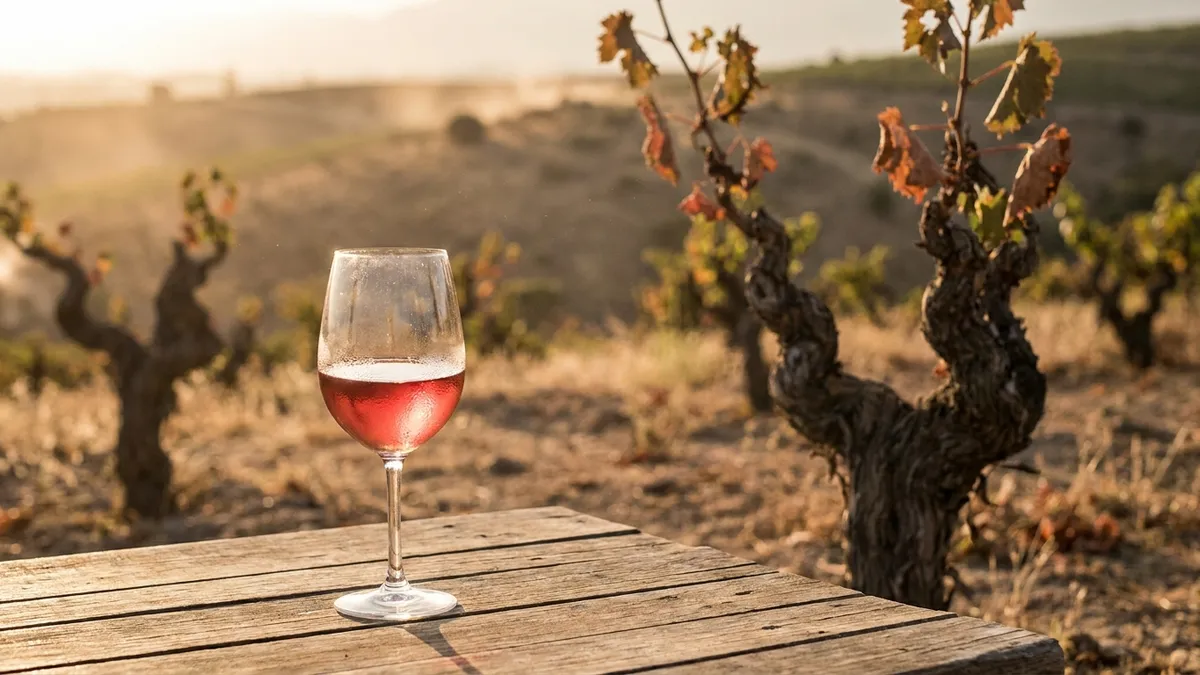
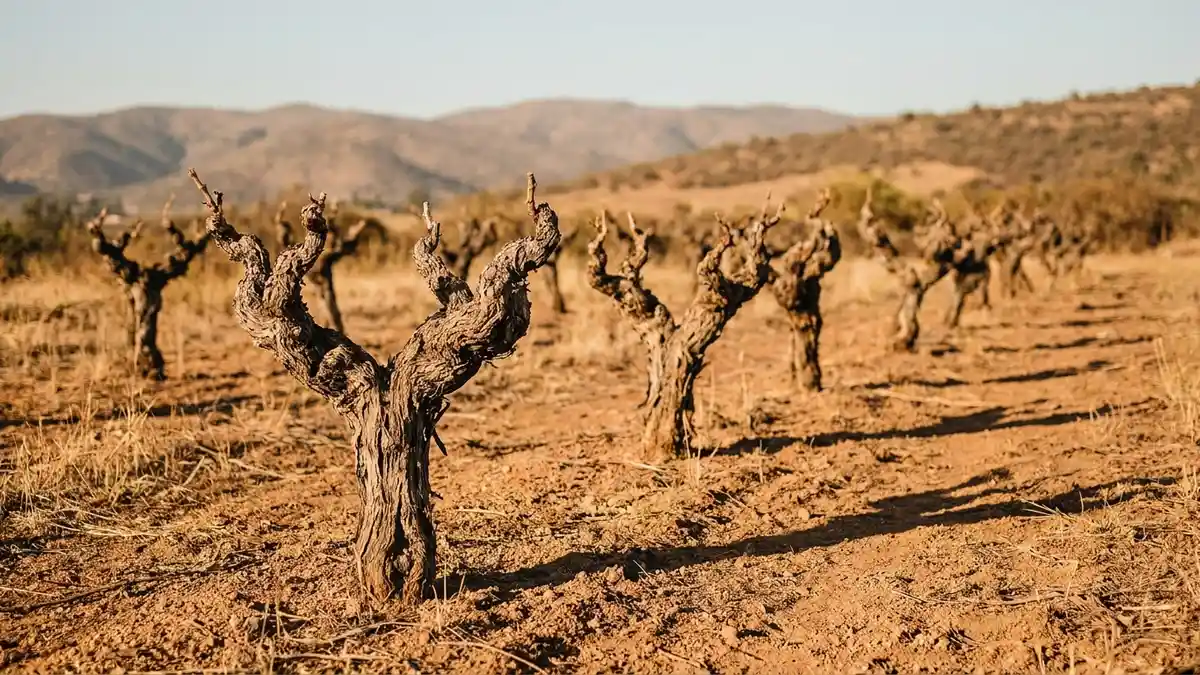
What survived this neglect turned out to be its salvation: thousands of hectares of very old, dry-farmed bush vines (free-standing, untrellised vines pruned into a low goblet shape). Because País was considered worthless, nobody bothered to replant these vineyards with trendier grapes. Some of these gnarled old vines are well over a century old, and a few may be among the oldest productive vines in the Americas.
Where País Grows: Maule, Itata, and Bío Bío
País is concentrated in southern Chile, far from the famous Maipo and Colchagua valleys near Santiago. The southern heartland gives País its character.
Maule Valley
The Maule Valley is the largest source of País and the engine of its revival. Its dry-farmed old vines grow on a mix of granite and clay soils in a climate cooled by influence from the Pacific. Maule's century-old País vineyards, tended by small family growers known as campesinos, are the raw material that natural winemakers now compete to source.
Itata Valley
The Itata Valley is one of Chile's oldest wine regions, with continuous vine-growing since the colonial era. Its granite-rich soils and cool, humid climate produce the most aromatic, mineral, and elegant expressions of País. Itata has become the spiritual home of the País renaissance, where the grape is treated with the seriousness once reserved for imported varieties.
Bío Bío Valley
The Bío Bío Valley sits even farther south, with a cooler, wetter, more marginal climate. País here is lighter and higher in acidity still, often destined for fresh, low-alcohol reds and sparkling wine. The challenging conditions concentrate the grape's nervy, bright personality.
The Natural-Wine Revival: Pipeño, Light Reds, and Pét-Nat
The turning point for País came when a new generation of winemakers looked at those neglected old vines and saw treasure rather than trash. The values of the natural-wine movement — old vines, dry farming, low alcohol, minimal intervention, high acidity — describe País almost perfectly.
The revival expresses País in several distinct styles:
- Pipeño — the traditional Chilean country red, fermented and aged in large beechwood barrels called pipas. Rustic, gulpable, and low in alcohol, pipeño is the grape's most historic form, reborn as a badge of honesty and place.
- Light, juicy reds — modern País made with whole-cluster fermentation and little to no oak, emphasizing crunchy red fruit, fresh acidity, and immediate drinkability. These are often served slightly chilled.
- Pét-nat — short for pétillant naturel, a lightly sparkling wine made by bottling the wine before fermentation finishes. País pét-nat is pale pink to light red, frothy, dry, and refreshing.
- Carbonic-macerated reds — a technique borrowed from Beaujolais that amplifies bright fruit and softens an already gentle tannin structure.
Across all of these, the common thread is freshness. País gives winemakers a way to make distinctly Chilean wine with a low carbon footprint, deep history, and a flavor that suits the way many people drink today. The grape that nearly vanished is now a signature of forward-looking Chilean wine.
País vs. California Mission: The Same Grape, Two Destinies
Because País and Mission are genetically identical, comparing them shows how the same vine took two very different paths in the Americas.
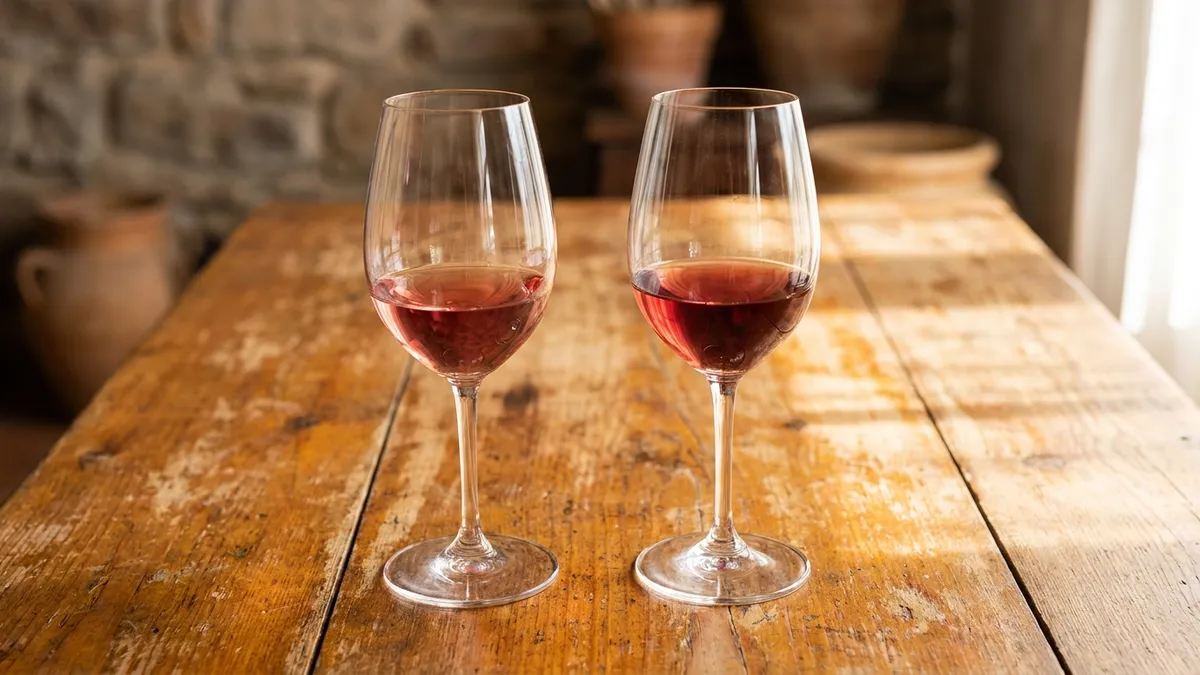
- País (Chile): Chile's most-planted historic red for centuries · today the centerpiece of a thriving natural-wine and pipeño revival · old dry-farmed bush vines in Maule, Itata, and Bío Bío · light, high-acid, juicy reds.
- Mission (California / Mexico): the first Vitis vinifera grape planted in California, by Franciscan missionaries from the 1700s · once the foundation of early Californian wine · now nearly extinct in California, surviving mostly as a historical curiosity and in a few sweet fortified Angelica wines · little commercial momentum.
The contrast is striking. In California, Mission was overtaken by international varieties and never found a second life. In Chile, the same grape found champions who reframed its rusticity as authenticity. País proves that a grape's fortune depends as much on culture and timing as on the wine in the glass.
Compared with the noble grapes — the small group of internationally celebrated varieties covered in the noble grapes guide — País sits at the opposite end of the prestige spectrum, yet it offers something the famous grapes cannot: an unbroken thread back to the very first wines made in the New World.
How to Drink and Pair País Wine
País is one of the most food-friendly and beginner-friendly reds available, precisely because it is light and bright rather than big and tannic.
Serving
- Temperature: serve slightly cool, 13–15°C (55–59°F), to highlight the fresh acidity and juicy fruit. A 20-minute chill in the fridge works well.
- Glassware: a standard red or all-purpose glass is fine; País needs no special treatment.
- Decanting: unnecessary. País is made to be opened and enjoyed, not aged for decades.
Food Pairings
Its high acidity and low tannin make País an unusually flexible partner at the table:
- Empanadas and charcuterie — the wine's acidity cuts through fatty, savory pastry and cured meat.
- Roast chicken and grilled vegetables — País echoes the rustic, smoky char without overwhelming lighter proteins.
- Tomato-based dishes — pasta, pizza, and stews; the bright acidity harmonizes with tomato's tang.
- Grilled fish and seafood stews — a chilled, light País can stand in for a white, especially with bolder fish.
Avoid pairing País with very rich, fatty cuts of red meat that call for grippy tannins — that is the job of a structured grape like Tempranillo or a warm, fruit-forward one like Grenache. País shines with simpler, everyday food, which is exactly what it was bred to accompany for 400 years.
Building Your País Tasting Skills
País is a rewarding grape to learn from because it teaches an important lesson early: a great wine experience is not about weight or power. Tasting a light, high-acid red trains you to notice acidity, freshness, and texture rather than relying on bold fruit and tannin to do the work.
Try pouring a País next to a heavier red and paying attention to how differently they feel in the mouth — the País will seem more vivid and refreshing, the heavier wine more dense and grippy. Putting words to that difference is the core skill that turns drinking into tasting.
The Sommy app guides you through this kind of structured comparison, helping you build a real tasting vocabulary one glass at a time. If you enjoy seeking out distinctive, off-the-beaten-path varieties, País belongs on the same list as the indigenous grapes worth trying — historic, characterful, and far more interesting than its old reputation ever suggested.
Sources
Frequently Asked Questions
What is the País grape?
País is a red wine grape and Chile's oldest variety, planted since the 1500s when Spanish missionaries brought it across the Atlantic. Genetically it is Listán Prieto, an old grape from Castilla-La Mancha in Spain. In North America the same grape is called Mission, and in Argentina it is known as Criolla Chica.
Is País the same as the Mission grape?
Yes. País, Mission, Criolla Chica, and Listán Prieto are all the same grape variety under different regional names. Listán Prieto is its original Spanish name. Spanish colonists and missionaries spread it through the Americas, where it became País in Chile, Mission in California and Mexico, and Criolla Chica in Argentina.
What does País wine taste like?
País is typically light to medium bodied with pale ruby color, high acidity, and soft, low tannins. Expect tart red fruit such as cranberry, red cherry, and pomegranate, plus an earthy, rustic, slightly savory edge. Natural-wine versions taste especially juicy and fresh, while older bulk styles can taste thin and rough.
What is pipeño?
Pipeño is a traditional Chilean country wine, historically made from País and fermented and stored in large beechwood barrels called pipas. It is rustic, gulpable, and low in alcohol, made for everyday drinking rather than cellaring. The natural-wine movement has revived pipeño as a fresh, honest expression of old-vine País.
Why is País making a comeback?
For decades País was used for cheap bulk wine and seen as old-fashioned. The natural-wine movement changed that by prizing its old, dry-farmed bush vines, high acidity, and low alcohol. Winemakers now craft light reds, pét-nats, and pipeño that are food-friendly and distinctive, giving Chile's most historic grape a fresh identity.
Where is País grown in Chile?
País is concentrated in southern Chile, especially the Maule, Itata, and Bío Bío valleys. These regions hold gnarled, dry-farmed bush vines, many of them very old, planted on granite and clay soils. Maule and Itata are the heartland of the País revival, where small growers tend century-old vineyards.
Is País a high-tannin or low-tannin wine?
País is a low-tannin red. Its tannins are soft and gentle, which makes it easy to drink young and approachable for beginners who find bolder reds harsh. The grape's defining structural feature is high acidity rather than grip, giving País a bright, refreshing quality more like a light-bodied red than a tannic one.
How should País wine be served?
Serve País slightly cool, around 13–15°C (55–59°F), to highlight its fresh acidity and juicy red fruit. A light chill suits both natural-wine and pipeño styles. País pairs well with simple, rustic food — grilled vegetables, empanadas, charcuterie, roast chicken, and tomato-based dishes — thanks to its bright acidity and light body.
Sommy Team
LinkedInFounder & Wine Educator
The Sommy Team is building the world's most approachable wine education app, helping beginners develop real tasting skills through structured courses and AI-guided practice.