Alentejo Wine Guide: Portugal's Sunny Southern Region

By the Sommy Team — AI-assisted, human-edited.
Updated Jun 17, 2026
Contents (9)
- What Is Alentejo Wine?
- Where Alentejo Sits: Heat, Space, and Cork Oaks
- The Signature Grapes and Wine Styles of Alentejo
- The Talha Tradition: Wine in Clay Amphorae
- How Alentejo Is Classified and Organized
- What Makes Alentejo Distinctive
- How a Beginner Should Start with Alentejo
- Alentejo Beyond the Bottle: Food and the Bigger Picture
- The Reward of Learning Alentejo
TL;DR
Alentejo is southern Portugal's hot, open plain, making ripe, generous, easy-drinking reds from Aragonez, Trincadeira, and Alicante Bouschet, plus rounded whites from Antão Vaz and Arinto. This Alentejo wine guide covers the climate, the grapes, the ancient talha clay-amphora tradition, and where a beginner should begin.
What Is Alentejo Wine?
This Alentejo wine guide begins with the easiest promise in Portuguese wine: if you want a red that is generous, smooth, and immediately likeable, Alentejo is where to look. Spread across the hot, open plains of southern Portugal — east and southeast of Lisbon, reaching toward Spain — Alentejo turns abundant sunshine into ripe, fruit-forward wines. The signature reds blend Aragonez (the local name for Tempranillo), Trincadeira, Alicante Bouschet, and Touriga Nacional, while the whites lean on Antão Vaz and Arinto. Add the ancient talha clay-amphora tradition and a landscape of cork-oak forests, and you have a region that is both deeply old and remarkably welcoming to newcomers.
Where Alentejo Sits: Heat, Space, and Cork Oaks
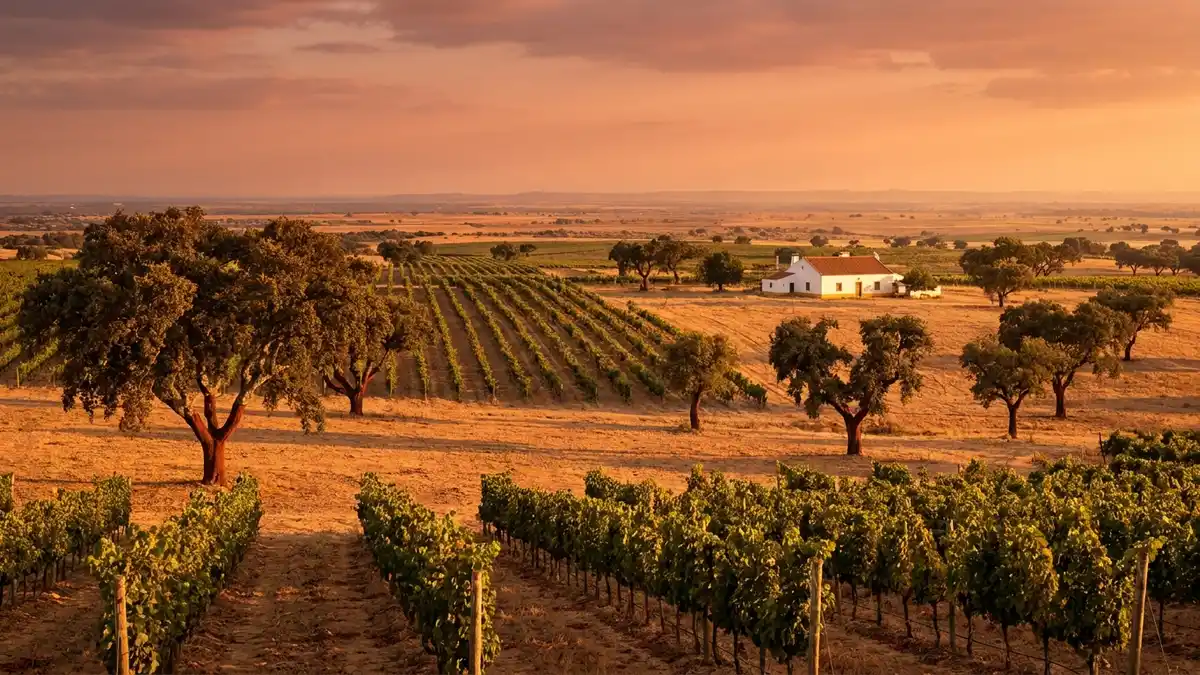
Alentejo is the great wide interior of southern Portugal. The name comes from além-Tejo — "beyond the Tejo" — the river that divides it from the country's center. It is one of the largest and most sparsely populated parts of Portugal, a sweep of golden plains and gentle hills rolling east toward the Spanish frontier.
The defining feature is the climate. Alentejo is hot, dry, and sun-soaked, with long summers and big swings between scorching days and cooler nights. That heat ripens grapes fully and reliably, which is the single biggest reason the wines taste the way they do: rich, round, and full of ripe fruit rather than sharp and lean.
The other signature of the land is the cork oak (sobreiro). Alentejo produces a large share of the world's cork, and the trees define the horizon — broad, twisted canopies shading the plain, their bark harvested in long curls every nine years. The same forests that cork the world's wine bottles share the soil with the vineyards themselves.
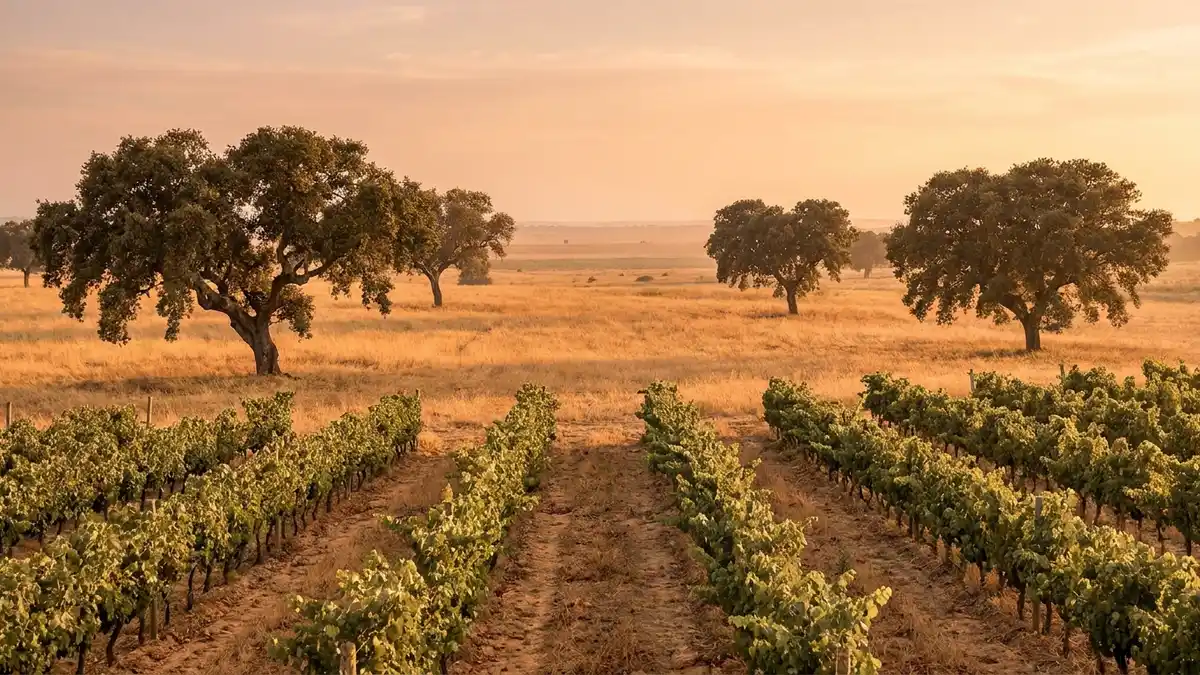
Soils across the region vary — granite, schist, limestone, and warm clay-rich loams — but the unifying force is sunlight. Where cooler regions fight to ripen fruit, Alentejo's challenge is the reverse: keeping freshness and balance under so much heat. The best producers manage this with careful site selection, higher-altitude plots, and night-time harvesting.
The Signature Grapes and Wine Styles of Alentejo
Portugal is a country of blends, and Alentejo is no exception. Most bottles combine several local grapes rather than spotlighting a single variety, which gives the wines balance and a layered, more-than-the-sum character. Knowing the handful of grapes below unlocks nearly every bottle on the shelf.
The Red Grapes That Define Alentejo
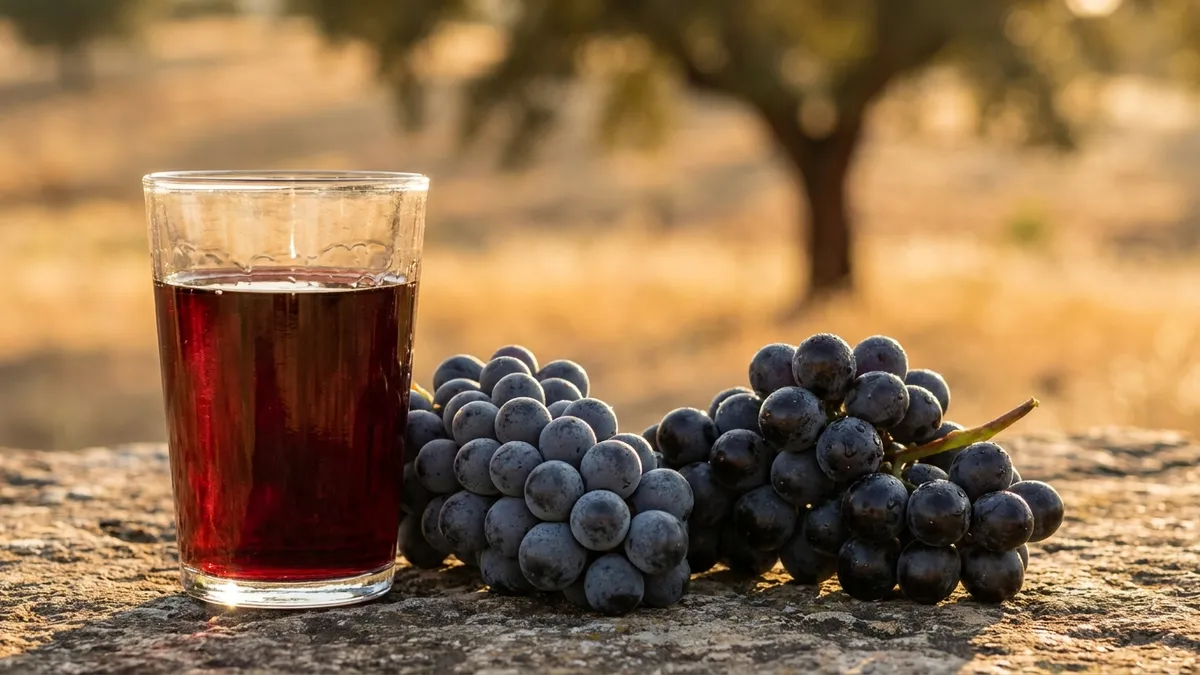
Alentejo's fame rests on its reds — deep in color, soft in tannin, and brimming with sun-ripened fruit. These are the four grapes to know:
- Aragonez: The Portuguese name for Tempranillo, Spain's noble red grape. In Alentejo's heat it makes plush, ripe wine with red and black cherry, plum, and a savory, leathery edge. Typical aromas: ripe cherry, plum, dried herbs, leather. Body: medium-to-full (4/5) · Acidity: medium (3/5) · Tannins: soft (2/5). To see how the same grape behaves elsewhere, our Tempranillo wine guide and our piece on the Tinta Roriz name it goes by in the Douro both follow the thread.
- Trincadeira: A spicy, aromatic local grape (also called Tinta Amarela) that adds lift and perfume to blends — blackberry, black pepper, and a wild herbal note. It can be tricky to ripen evenly, but in good hands it brings energy to Aragonez's roundness.
- Alicante Bouschet: A rarity among grapes — a teinturier, meaning its flesh is red, not just its skin. This gives intense, almost inky color and deep, brambly dark fruit. Alentejo treats Alicante Bouschet as a star rather than a workhorse, and it underpins many of the region's richest reds.
- Touriga Nacional: Portugal's most celebrated red grape, famous in Port, increasingly used in Alentejo for structure, floral aromatics (violet, bergamot), and a firmer backbone that helps premium reds age. It is the same grape that anchors the powerful wines of the Douro Valley.
The typical Alentejo red is medium-to-full bodied, low in harsh tannin, moderate in acidity, and generous with ripe dark and red fruit. It is one of the most beginner-friendly red styles anywhere — easy to like on the first sip, with no sharp edges to learn around.
The White Grapes and Rosé
Reds dominate, but Alentejo whites are gaining a following for their rounded, ripe-fruit charm:
- Antão Vaz: The region's flagship white grape, thriving in the heat. It gives full-bodied, golden whites with ripe stone fruit, tropical notes, and a waxy texture — often the backbone of serious Alentejo whites.
- Arinto: The freshness keeper. Arinto holds onto bright acidity even in hot vintages, adding lemony lift and structure. Blending it with Antão Vaz balances richness against zing — a classic Alentejo white partnership.
- Roupeiro (Síria): An aromatic everyday grape giving citrus and floral lift, common in lighter, early-drinking whites.
The whites range from crisp and refreshing to rich and textured, and the region also turns out soft, fruit-driven rosé from its red grapes — a summer staple on the plains.
The Talha Tradition: Wine in Clay Amphorae
The most distinctive thing about Alentejo is not a grape at all — it is a vessel. Vinho de Talha is wine fermented and aged in large clay amphorae called talhas, a practice that reaches back to Roman times and survives today as a protected, living tradition.
A talha is a tall, rounded clay jar, sometimes taller than a person, lined inside with a coat of pine resin or beeswax. Crushed grapes — skins, juice, and all — ferment directly inside the porous clay. The traditional ritual opens the talhas on St. Martin's Day in November, drawing the new wine straight from a tap near the base while the cap of skins acts as a natural filter.
The talha is a kind of time machine: a way of making wine that Romans would recognize, kept alive in the villages of southern Portugal.
Because clay breathes, talha wines develop a gently oxidative, textured character — earthy, savory, and a little rustic, with the grippy presence of long skin contact. They are unlike the polished, fruit-forward reds that dominate the modern region, and tasting one is a direct link to how wine was made thousands of years ago. If the history of ancient winemaking draws you in, our look at the oldest grape varieties traces the same deep roots from a different angle.
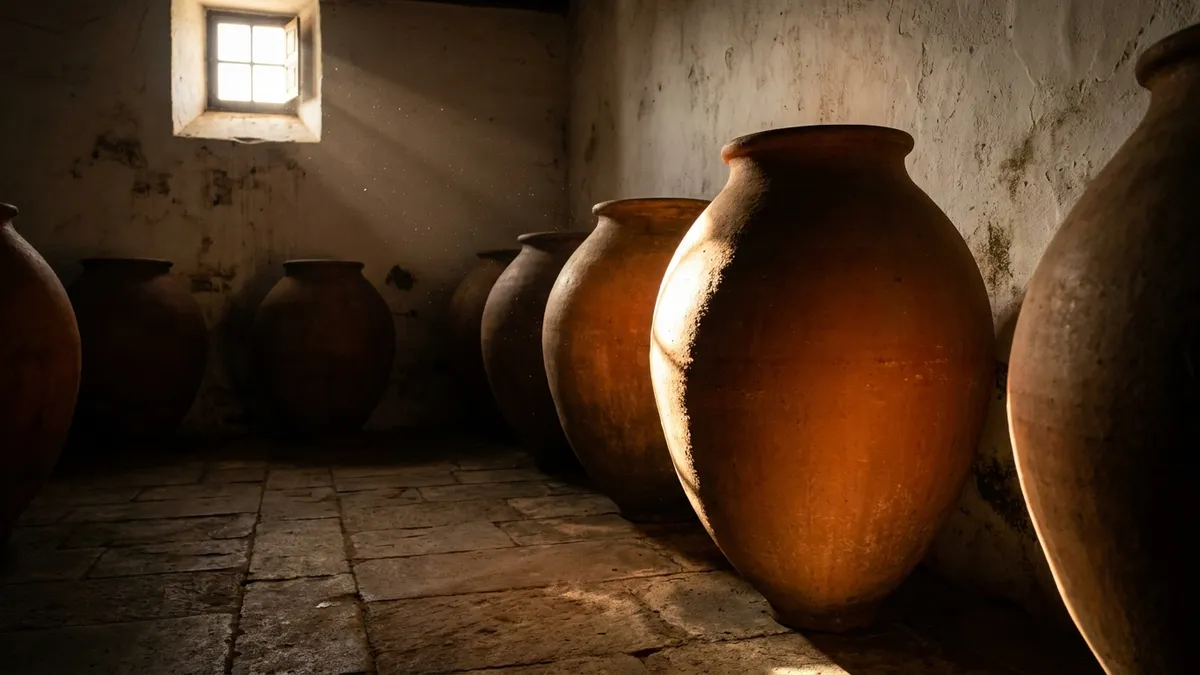
The talha tradition matters beyond nostalgia. It is part of why Alentejo feels distinct from the rest of Portugal — a region confident enough to modernize its everyday wines while protecting one of the oldest winemaking methods still in use anywhere.
How Alentejo Is Classified and Organized
Alentejo's labels are simpler than the cru ladders of France, but a little structure helps. Two terms appear most often:
- Alentejo DOC (Denominação de Origem Controlada): The top quality tier, restricted to defined sub-zones and stricter rules on grapes and yields. Within it sit eight historic sub-regions, each with its own character: Borba, Évora, Granja-Amareleja, Moura, Portalegre, Redondo, Reguengos, and Vidigueira. Portalegre, cooler and higher in the north, makes some of the region's freshest, most age-worthy wines; Vidigueira is a stronghold of the talha tradition.
- Vinho Regional Alentejano: A broader, more flexible category covering the wider area. It allows international grapes and creative blending, and it is where much of the region's reliable, well-priced everyday wine lives — often excellent value and a smart place for a beginner to start.
A third label to recognize is Vinho de Talha, the protected term for authentic clay-amphora wine, which can appear alongside the DOC. Beyond these, watch for Reserva on the bottle, which signals a riper, more concentrated, usually oak-aged wine held back longer before release.
Compared with the rigid hierarchies of some classic regions, Alentejo gives producers room to blend and experiment. That flexibility, paired with a warm climate, is exactly why the wines are so consistent and so easy to enjoy.
What Makes Alentejo Distinctive
A few qualities set Alentejo apart from Portugal's other great regions, and they are worth holding side by side:
- Alentejo vs the Douro Valley: Climate — hot and flat vs cool at altitude and steeply terraced · Style — soft, ripe, drink-young reds vs structured, age-worthy reds and Port · Mood — generous and immediate vs powerful and patient.
- Alentejo vs Vinho Verde: Region — hot southern plain vs cool, green, rainy northwest · Color focus — ripe reds vs crisp, sometimes lightly fizzy whites · Body — full and warming vs light and zesty.
- Alentejo reds vs cooler-climate reds: Tannins — soft and rounded vs firm and grippy · Fruit — ripe, jammy, dark vs fresher, redder, tarter · Best served — slightly cool to tame the warmth vs at standard room temperature.
The thread running through all of it is ripeness. Alentejo's sunshine is its identity. Where cooler regions chase structure and restraint, Alentejo offers warmth, roundness, and approachable fruit — a style that asks nothing of the drinker except to enjoy it.
This makes the region an unusually good teacher. Because the tannins are soft and the fruit is obvious, a beginner can taste an Alentejo red and clearly feel body (the weight and fullness of the wine on the palate) without being distracted by harsh structure. Our guide to tannins, acidity, and body explains exactly what to feel for. The Sommy app turns those sensations into guided practice, so the words for what you taste start to come naturally.
How a Beginner Should Start with Alentejo
You do not need to know all eight sub-regions to enjoy Alentejo. The smartest path is to taste a few accessible styles and pay attention to what the heat does to the fruit. Here is a practical order:
- Start with a Vinho Regional Alentejano red. A simple blend of Aragonez and Trincadeira is the cleanest possible introduction — soft, ripe, and easy, with no sharp edges to learn around. This is Alentejo's house style at a fair price.
- Step up to an Alentejo DOC red. A bottle from Reguengos, Borba, or Redondo shows more concentration and a clearer sense of place. Notice the deep color and the plush, low-tannin texture.
- Taste a white for contrast. An Antão Vaz blend with Arinto reveals the white side — rounder and riper than a northern Portuguese white, but still fresh enough to enjoy chilled on a warm day.
- Try a Vinho de Talha if you can find one. The earthy, oxidative, clay-amphora style is unlike anything in the modern range and connects you straight to ancient winemaking. It is a memorable lesson in how vessel shapes flavor.
- Build the tasting habit. Note the ripe dark fruit, the soft tannins, and the warming finish that mark these southern wines. Our guide to how to taste wine gives you the step-by-step method to slow down and name what you sense.
Sommy turns these comparisons into guided exercises — naming the aromas, scoring the structure, and building the vocabulary to describe what you sense in the glass. You can start practicing free at sommy.wine, then bring the method to your next bottle of Alentejo red.
Alentejo Beyond the Bottle: Food and the Bigger Picture
Alentejo wine is built for the region's hearty cuisine — slow-cooked pork, lamb, bread-thickened açorda soups, and rich game stews. The soft, ripe reds wrap around fatty, savory food beautifully, while the rounded whites match the region's seafood and olive-oil-rich dishes. These are wines made to be drunk at a table, not studied in silence.
The region also teaches a wider lesson that pays off across all of Portugal: that blending local grapes is the country's signature move. Where France often spotlights one grape per region, Portugal layers indigenous varieties for balance. Seeing how Aragonez plays a leading role here and a supporting one further north shows how flexible a single grape can be — and why the noble grapes every learner should know often hide behind local names.
If Alentejo's warmth wins you over, exploring Portugal's contrasts is the natural next step. The cool, terraced Douro Valley shows the country's powerful, age-worthy side, and the broader picture of how European regions organize their wines comes through in our guide to French wine regions. Each comparison sharpens what makes Alentejo's sunny, generous style its own.
The Reward of Learning Alentejo
Alentejo asks very little of a beginner and gives a great deal back. There is no maze of crus to memorize, no need to wait years for a wine to come around, and no harsh tannins to learn around. There is just sunshine in a glass — ripe, soft, and honest — anchored by a winemaking tradition thousands of years old.
Start with a simple blend, notice the ripe fruit and the gentle finish, and let the region's warmth do the rest. The Sommy app is built to make that habit stick — turning each bottle into a short, guided lesson so the next Alentejo you open is a little clearer than the last.
Sources
Frequently Asked Questions
What kind of wine is Alentejo known for?
Alentejo is best known for ripe, smooth, fruit-forward red wines built from local grapes like Aragonez, Trincadeira, and Alicante Bouschet, often blended with Touriga Nacional. The hot southern climate gives soft tannins and generous dark-fruit flavor, making these reds some of the most approachable and beginner-friendly wines in all of Portugal.
What grapes are used in Alentejo wine?
Alentejo reds lean on Aragonez (the Portuguese name for Tempranillo), Trincadeira, the deep-colored Alicante Bouschet, and Touriga Nacional. Whites are led by Antão Vaz and Arinto, sometimes with Roupeiro. Most bottles are blends rather than single varieties, which is the traditional Portuguese approach and gives each wine balance and complexity.
What is talha wine?
Talha wine is made in large clay amphorae called talhas, a fermentation tradition in Alentejo dating back to Roman times. Grapes ferment and rest in the porous clay vessels rather than in steel or oak, producing rustic, textured reds with a distinctive earthy, slightly oxidative character. Vinho de Talha is a protected term and a living link to ancient winemaking.
Is Alentejo wine good for beginners?
Yes. Alentejo reds are among the easiest red wines for a beginner to enjoy. The warm climate ripens grapes fully, so the wines are soft, round, and fruit-driven with low, gentle tannins and little harsh edge. They offer real character at fair prices, which makes them an ideal starting point for learning to taste red wine without intimidation.
Where is the Alentejo wine region?
Alentejo covers the large, sparsely populated interior of southern Portugal, east and southeast of Lisbon and stretching toward the Spanish border. It is a hot, flat-to-rolling plain dotted with cork-oak forests. The name means roughly beyond the Tejo, the river that separates it from central Portugal, and the region accounts for a major share of the country's wine.
How does Alentejo differ from the Douro Valley?
The Douro Valley is steep, cool at altitude, and famous for Port and powerful, structured reds grown on terraced schist slopes. Alentejo is the opposite — hot, open, and flat, producing softer, riper, more immediately drinkable reds. Douro wines reward patience and aging; Alentejo wines reward easy enjoyment young, often within a few years of the vintage.
What does Aragonez taste like in Alentejo?
In Alentejo's heat, Aragonez (Tempranillo) makes plush, ripe reds with red and black cherry, plum, and a savory, leathery edge. Body is medium to full, acidity is moderate, and tannins are soft and rounded. It is fuller and riper here than the same grape grown in cooler Spanish regions, trading structure for warmth and approachable fruit.
Should Alentejo red wine be aged or drunk young?
Most Alentejo reds are made to drink young, within two to four years of the vintage, when their ripe fruit is at its most vibrant. The soft tannins and moderate acidity mean they do not need long cellaring to become enjoyable. A small number of premium, oak-aged reservas can improve over several years, but everyday bottles are best opened soon.
Sommy Team
LinkedInFounder & Wine Educator
The Sommy Team is building the world's most approachable wine education app, helping beginners develop real tasting skills through structured courses and AI-guided practice.