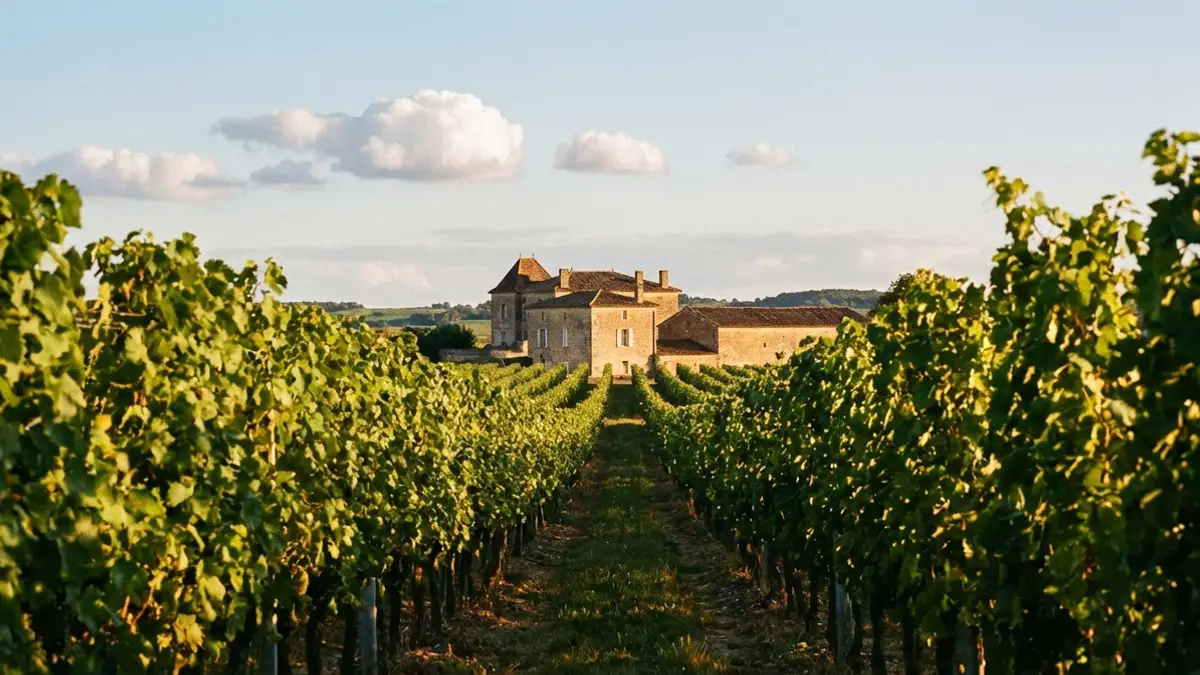
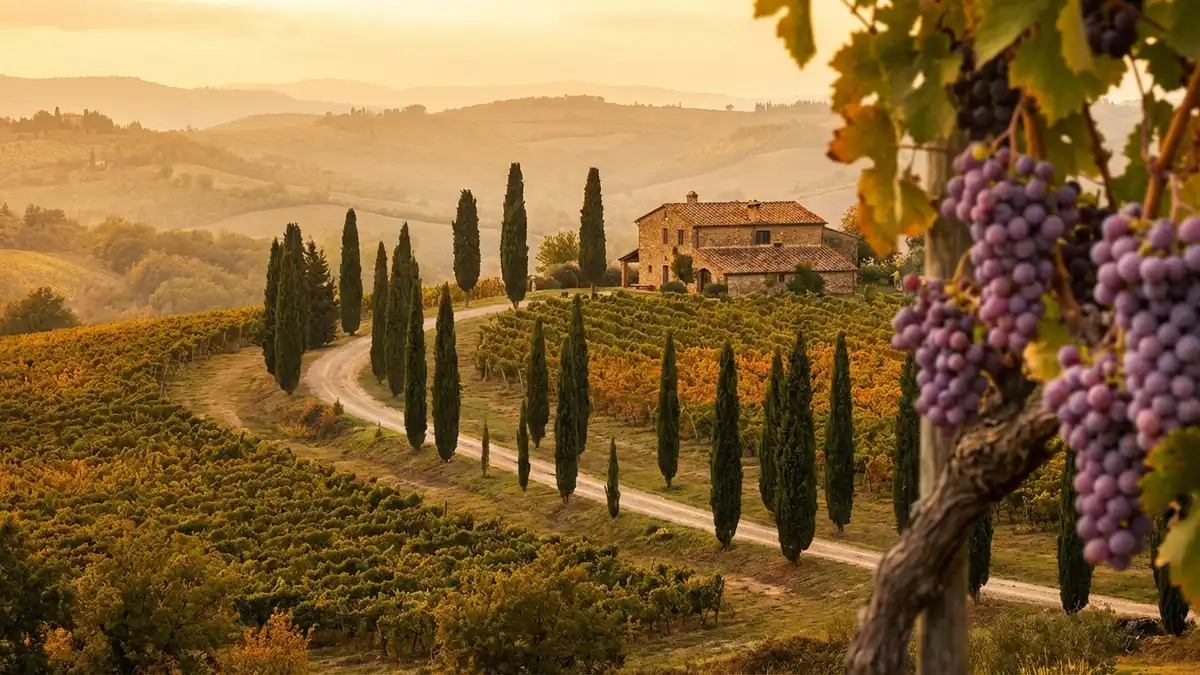
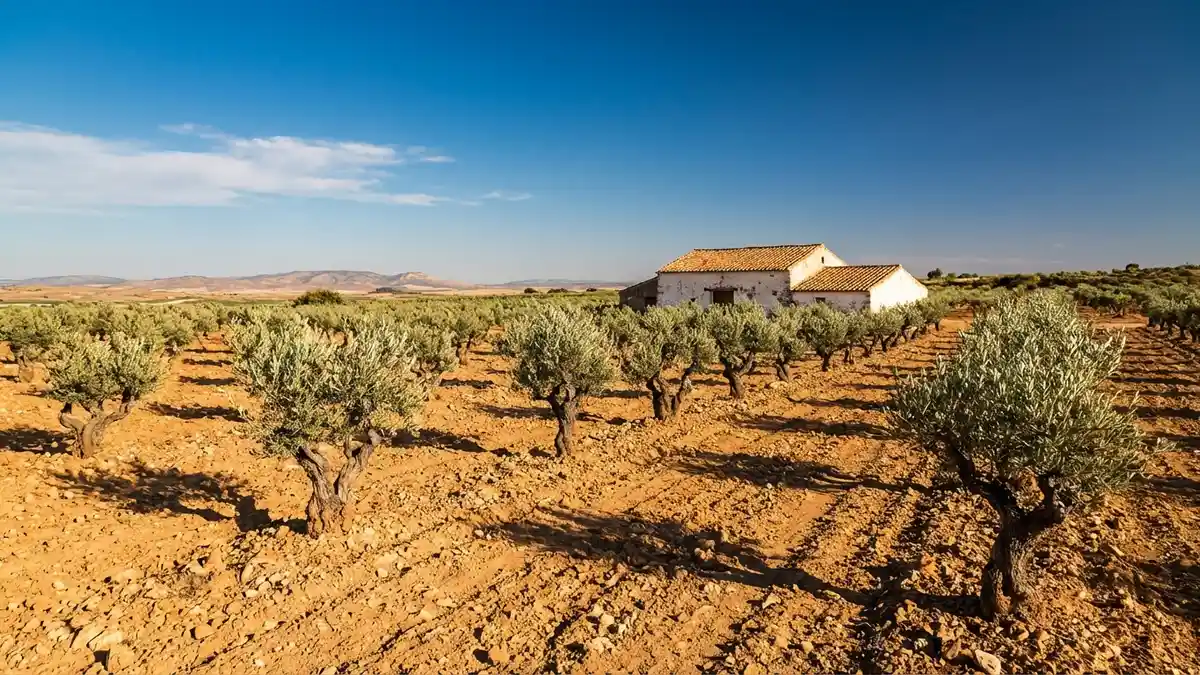
Croatian Wine Guide: Istria, Dalmatia, and Ancient Grapes

By the Sommy Team — AI-assisted, human-edited.
Updated Jun 17, 2026
Contents (10)
- What This Croatia Wine Guide Covers
- Two Climates, Two Wine Countries
- Continental Croatia: Graševina and the Crisp Inland Whites
- Istria: Malvazija Istarska and the Dark Red Teran
- Dalmatia: Plavac Mali, Pošip, and the Steep Coastal Crus
- The Zinfandel Homeland Story: Tracing a Grape Home
- How Croatian Wine Is Classified
- What Makes Croatian Wine Distinctive
- How a Beginner Should Start with Croatian Wine
- The Reward of Learning Croatian Wine
TL;DR
Croatia splits into a continental inland of crisp Graševina whites and a sun-baked Adriatic coast led by Istria's Malvazija and Teran and Dalmatia's powerful Plavac Mali and bright Pošip. This croatia wine guide also tells the story of how Zinfandel was traced home to a Croatian grape, and shows beginners where to start.
What This Croatia Wine Guide Covers
This croatia wine guide begins with the single fact that unlocks the whole country: Croatia is two wine worlds stitched together. Inland, a cool continental zone across Slavonia and the Croatian Uplands makes fresh, crisp whites led by Graševina. Along the warm Adriatic, a sun-baked coastal zone runs from Istria in the north — home to the aromatic white Malvazija Istarska and the dark, peppery red Teran — down through Dalmatia, where powerful Plavac Mali reds and bright Pošip whites rule, alongside the celebrated Dingač and Postup vineyard zones. Croatia is also where the grape behind California Zinfandel was finally traced home. Learn the two climates and a handful of native grapes, and the country opens up fast.
Two Climates, Two Wine Countries
Most wine countries have one defining climate. Croatia has two, and they barely speak the same language. Getting this split clear in your head is the fastest way to make sense of every bottle.
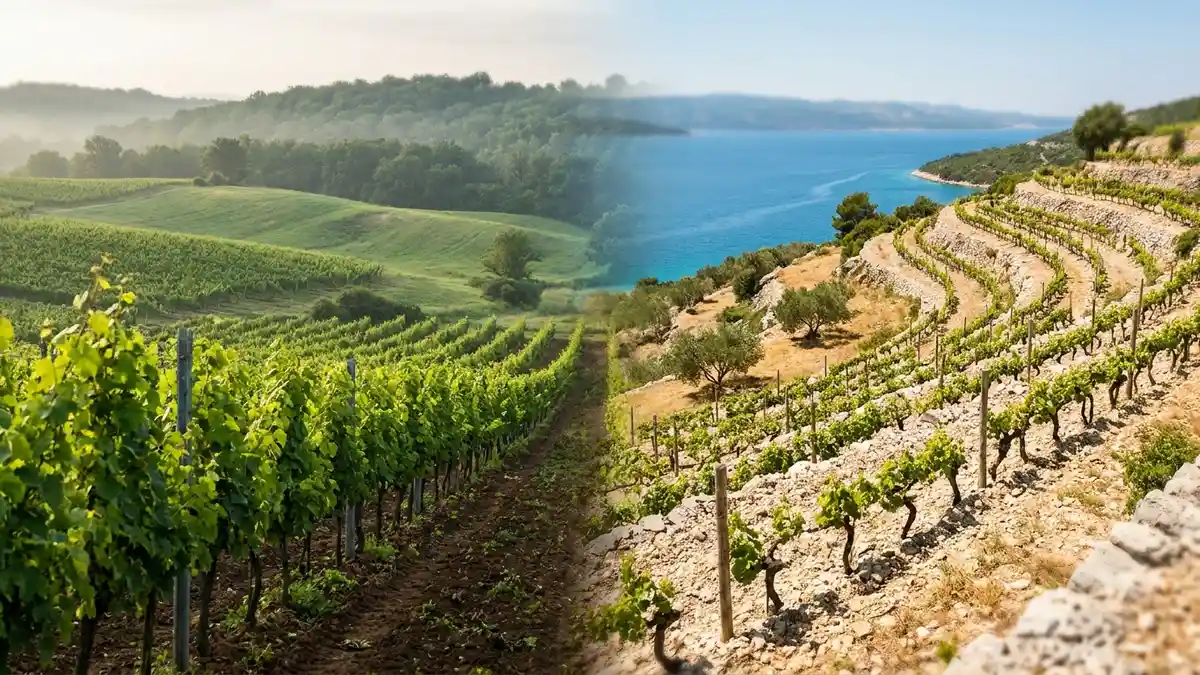
The continental interior sits inland, away from the sea, with cold winters and warm but short summers. Cooler air keeps acidity high and alcohol moderate, which favors white grapes and lean, food-friendly styles. The Adriatic coast, by contrast, is classic Mediterranean: long, hot, dry summers, intense sunlight bouncing off the sea and the white limestone, and steep slopes that ripen grapes to high sugar and high alcohol. That heat is why Croatia's most muscular reds all come from the coast.
This is terroir (the environment where grapes grow — soil, climate, altitude, sun exposure) at its most legible. The same country, two opposite climates, two opposite wine personalities. Sommy's tasting exercises lean on exactly this kind of contrast, training you to feel the difference between a cool-climate white and a sun-baked red rather than just read it on a label.
Continental Croatia: Graševina and the Crisp Inland Whites
Inland Croatia is the country's quiet workhorse, and its wines reward attention. The cooler climate here produces some of the freshest, most versatile whites in this part of Europe.
The undisputed king of the interior is Graševina — the same grape known as Welschriesling across Central Europe, and unrelated to true Riesling despite the name. It is Croatia's most-planted variety by a wide margin. The continental heartland of Slavonia, in the east, treats Graševina as its signature wine.
- Graševina: A versatile white that runs from bone-dry, citrus-and-green-apple fresh styles to richer, late-harvest and sweet versions. Typical aromas: green apple, pear, lemon, white flowers, and a touch of honey in riper bottlings. Body: light-to-medium (2-3/5) · Acidity: high (4/5) · Sweetness: usually dry (1/5). The dry style is a crisp, easy entry point to Croatian wine.
- Other inland whites: Slavonia and the surrounding uplands also grow international grapes such as Chardonnay, Sauvignon Blanc, and Pinot Blanc, plus aromatic varieties that thrive in the cool. These add range but Graševina remains the regional identity.
Slavonia is also famous for something you drink with rather than from: its prized Slavonian oak, used for wine barrels across Europe. The forests that supply that oak share the same cool continental climate that keeps the local whites so fresh.
If you want the bigger picture of how grapes like these fit into the wider family of pale wines, our overview of white grapes maps out the styles you will meet here and beyond.
Istria: Malvazija Istarska and the Dark Red Teran
Cross to the coast and the first major zone is Istria, the heart-shaped peninsula in Croatia's northwest. Istria has become one of the most exciting corners of European wine, built almost entirely on two native grapes.
Malvazija Istarska — Istria's Flagship White
Malvazija Istarska is Istria's calling card, and it is its own distinct grape rather than a cousin of the many other Malvasias scattered around the Mediterranean. It makes dry, characterful whites in two broad styles.
- Fresh, unoaked style: Zesty and bright, with green apple, white flowers, stone fruit, and a signature faint bitter-almond note on the finish. Body: medium (3/5) · Acidity: medium-to-high (3-4/5). This is the everyday face of Istria — crisp and food-loving.
- Skin-contact and oak-aged style: Fermented on the grape skins or aged in wood, gaining a deeper amber color, nutty and dried-herb complexity, and a fuller texture. These age-worthy versions show how much depth a single grape can hold.
Teran — Istria's Peppery Red
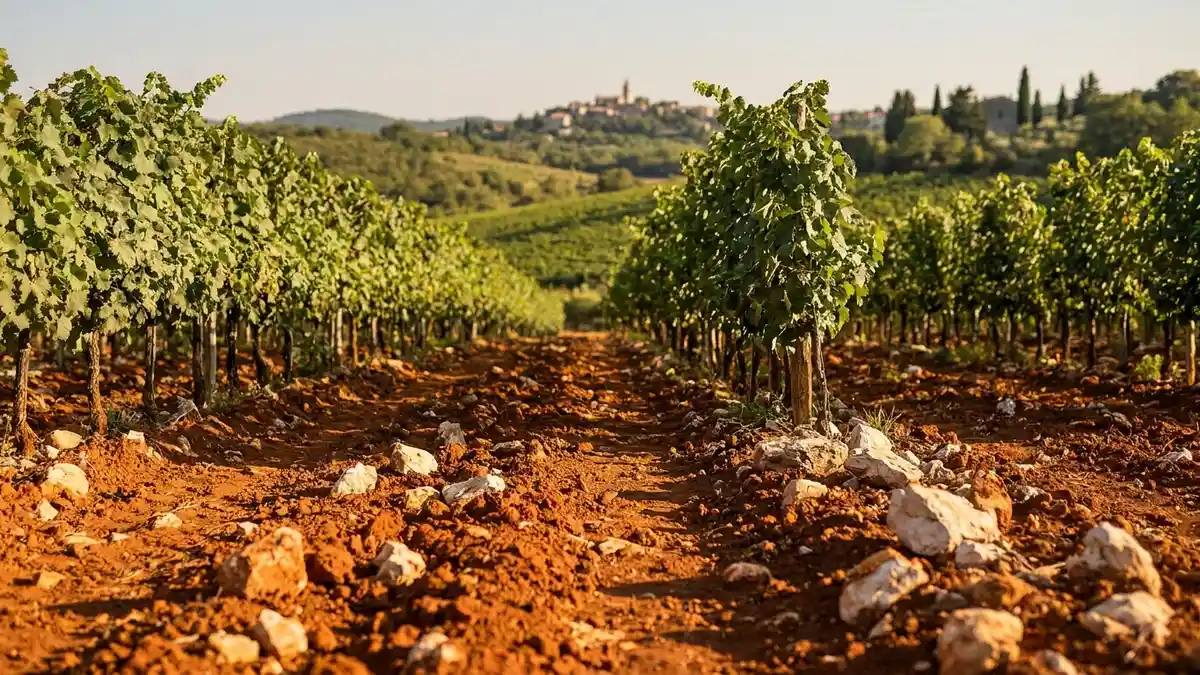
Istria's red signature is Teran, a deeply colored, high-acid grape grown on Istria's distinctive terra rossa (iron-rich red soils that give the region its name and stain the hills a rusty red). Teran makes bold, savory reds.
- Teran: Typical aromas: blackberry, sour cherry, black pepper, and iron-like minerality. Body: medium-to-full (3-4/5) · Acidity: high (4/5) · Tannins: medium-to-high (3-4/5). Its bracing acidity and dark fruit make it a natural partner for hearty, meaty food.
Dalmatia: Plavac Mali, Pošip, and the Steep Coastal Crus
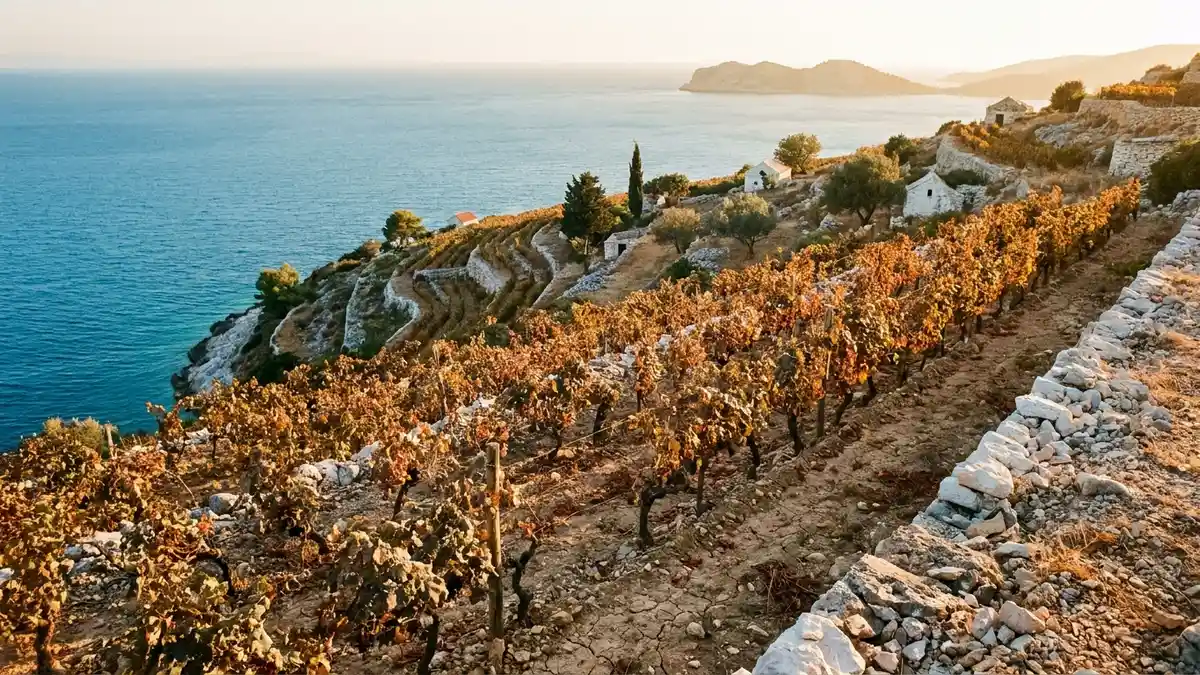
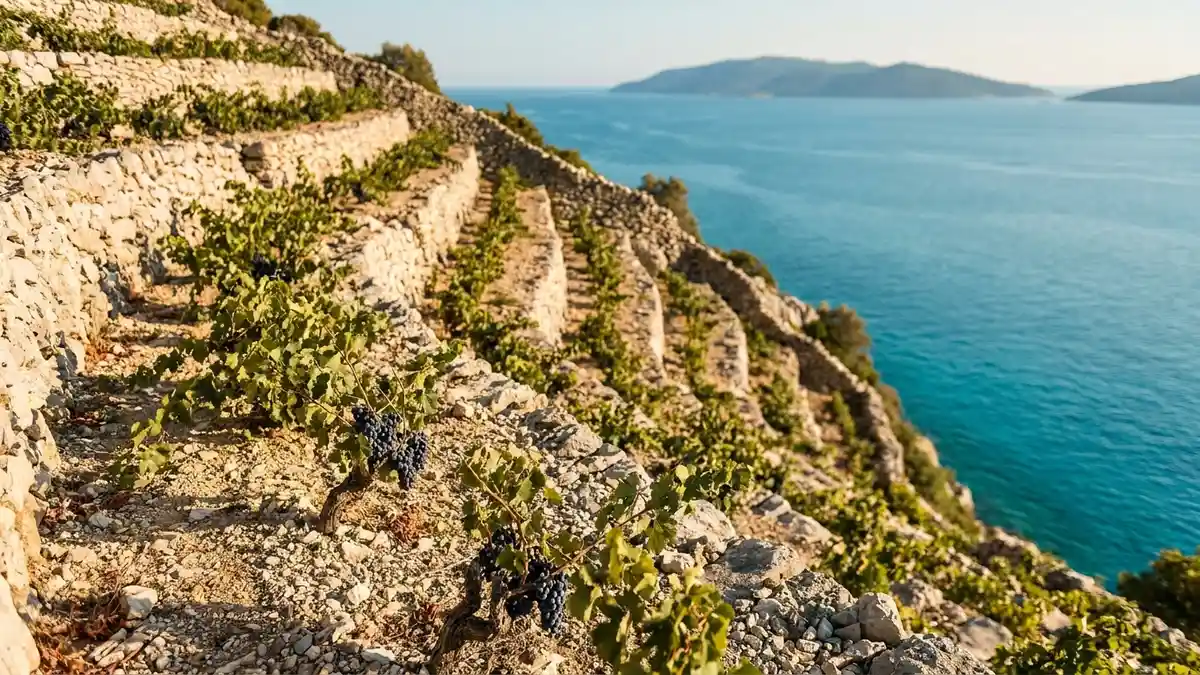
Travel south down the Adriatic and you reach Dalmatia, the long coastal strip of dramatic cliffs, islands, and some of the steepest vineyards in Europe. This is where Croatian wine turns powerful, and where its most famous bottles are made.
Plavac Mali — Dalmatia's Signature Red
Plavac Mali (the name means "little blue," for its small dark berries) is Croatia's flagship red grape. Grown on near-vertical slopes that trap heat from the sun, the sea, and the white limestone, it ripens to high sugar and makes deeply concentrated wine.
- Plavac Mali: Typical aromas: blackberry, dried plum, carob, black pepper, and dried Mediterranean herbs. Body: full (4-5/5) · Tannins: high (4/5) · Acidity: medium (3/5) · Alcohol: high. It is rich, structured, and unmistakably sun-baked. Our dedicated Plavac Mali guide goes deeper on this grape and its wines.
Dingač and Postup — Croatia's Coastal Crus
Plavac Mali reaches its peak in two protected vineyard zones on the Pelješac peninsula, both with protected geographic status that works much like a French cru.
- Dingač: A famously steep, south-facing slope plunging toward the sea. Vines bake in triple sunlight — direct sun, light reflected off the Adriatic, and heat radiating from the limestone. The wines are Croatia's most concentrated reds: dense, high in alcohol, and built to age.
- Postup: Neighboring Dingač, with similarly steep terraces and a slightly gentler profile. Also a protected zone for top-tier Plavac Mali.
Pošip and Dalmatia's Whites
Dalmatia is not all big reds. Pošip, originally from the island of Korčula, is the coast's standout white.
- Pošip: A medium-to-full-bodied white with typical aromas of ripe apricot, melon, citrus zest, dried herbs, and a saline coastal edge. Body: medium-to-full (3-4/5) · Acidity: medium-to-high (3-4/5). Fresh yet substantial, it is the perfect bright counterweight to Dalmatia's powerful reds.
- Other coastal whites: Grapes like Maraština and Grk add to the island repertoire, rounding out a coast rich in native varieties.
The Zinfandel Homeland Story: Tracing a Grape Home
Croatia holds one of wine's great detective stories, and it sits at the center of this croatia wine guide because it changed how the world saw the country.
For decades, Zinfandel was treated as California's own grape, and Italy's Primitivo as a separate variety. Then DNA profiling in the early 2000s, led by researchers at the University of Zagreb and the University of California, proved both were genetically identical — and traced them home to a nearly extinct old Dalmatian grape called Crljenak Kaštelanski, also known by the historic name Tribidrag.
The grape had almost disappeared in its homeland, surviving in just a handful of old vineyards along the coast near Split. Confirming it as the parent of both Zinfandel and Primitivo made Croatia the ancestral home of one of the world's most popular reds — and sparked a small revival of the grape under its old name.
The story matters beyond trivia. It shows how grapes travel, mutate, and pick up new identities as they cross borders. The same forces shape native varieties everywhere, and understanding them is its own skill. Our pieces on indigenous grapes worth trying and on grape mutations and sports carry that thread well beyond Croatia.
How Croatian Wine Is Classified
Croatia's labeling sits inside the EU wine system, so the framework will feel familiar if you have met other European regions. Two ideas cover most of what you need.
- Protected designation of origin: Wines tied to a defined area and made to its rules, the backbone of quality Croatian wine. Top sites like Dingač and Postup hold their own protected geographic status, recognizing specific steep coastal vineyards much as a French cru does.
- Quality tiers: Croatian labels climb from basic table wine up through quality wine (kvalitetno) to premium wine (vrhunsko), the highest everyday tier. The premium label points you toward the most carefully made bottles from the best sites.
You do not need to memorize the Croatian words. Knowing that a protected place name and a higher quality tier both signal more specific, more serious wine is enough to shop with confidence.
What Makes Croatian Wine Distinctive
A few things set Croatia apart from better-known wine countries, and they are worth holding onto.
- A treasury of native grapes: Croatia grows dozens of indigenous varieties — Graševina, Malvazija Istarska, Plavac Mali, Teran, Pošip, Tribidrag and more — that you will rarely find elsewhere. This is a country to explore precisely because it does not taste like everywhere else.
- Two climates in one nation: Few countries pivot so sharply from cool continental whites to Mediterranean coastal reds within a short drive. That contrast is a built-in tasting lesson.
- Extreme coastal terroir: The vertical, triple-sunlight slopes of Dingač are among the most demanding vineyards in Europe, and they produce reds of rare concentration.
- Deep history: Wine has been made here for over two thousand years, and the Zinfandel homeland discovery proved Croatia's vines carry genetics that shaped wine on the other side of the world.
Several of these native grapes also count among the lesser-known varieties every curious drinker should meet — a theme our guide to the noble grapes sets in context by contrasting the famous global few with the rich diversity of native bottlings like Croatia's.
How a Beginner Should Start with Croatian Wine
You do not need a rare Dingač or a hunt through specialist shops to understand Croatia. The smartest path is to taste across the two-climate split and pay attention to what changes. Here is a practical order.
- Begin with one bright coastal white. A dry Malvazija Istarska from Istria or a Pošip from Dalmatia shows the coast's fresh, aromatic side — citrus, stone fruit, and a saline lift.
- Add one bold coastal red. A Plavac Mali reveals the other face of the coast: full body, high tannins, dark fruit, and warm alcohol. Taste it after the white to feel the jump in weight.
- Then a crisp continental white. A dry Graševina from Slavonia brings the cooler inland style — leaner, higher in acidity, lighter on alcohol. Side by side with the coastal white, the two-climate split becomes obvious.
- Round it out with the Zinfandel link. If you already enjoy New World Zinfandel, a Croatian Plavac Mali or a rare Tribidrag bottling connects the family across the Atlantic.
- Build the tasting habit. Note color, acidity, tannin, and that sun-baked warmth that marks the coastal reds. Our guide to how to taste wine gives the step-by-step method, and understanding tannins, acidity, and body explains the structure that separates a lean Graševina from a powerful Plavac Mali.
Sommy turns these comparisons into guided exercises — naming the aromas, scoring the structure, and building the vocabulary to describe what you sense in the glass. You can start practicing free at sommy.wine, then bring the method to your next bottle from Istria or Dalmatia.
The Reward of Learning Croatian Wine
Croatia rewards curiosity like few wine countries. Its grapes are unfamiliar, its climates are opposite, and its great story — the homeland of Zinfandel — reaches all the way to California. None of that is decoration. It is a country built for tasting comparisons: cool against warm, white against red, native against international, ancestor against descendant.
Start small, taste in pairs, and let the two halves of the country reveal themselves one glass at a time. The Sommy app is built to make that habit stick — turning each bottle into a short, guided lesson so the next wine you open from Istria or Dalmatia is a little clearer than the last.
Sources
Frequently Asked Questions
What is Croatia's most famous wine grape?
Plavac Mali is Croatia's signature red, grown on steep Dalmatian coastal slopes and behind the prized Dingač and Postup zones. For whites, Graševina dominates the continental inland and Malvazija Istarska defines Istria. Plavac Mali also carries Croatia's biggest story, because it is a descendant of the same grape that became California Zinfandel.
Is Zinfandel really a Croatian grape?
Yes. DNA testing in the early 2000s matched California Zinfandel and Italian Primitivo to a rare old Croatian grape called Crljenak Kaštelanski, also known as Tribidrag, from the Dalmatian coast. The grape nearly vanished at home before researchers confirmed it as the original parent variety, making Croatia Zinfandel's ancestral homeland.
What does Plavac Mali wine taste like?
Plavac Mali is a full-bodied, deeply colored red with high tannins, ripe dark fruit such as blackberry and dried plum, plus notes of carob, pepper, and Mediterranean herbs. Coastal heat pushes alcohol high. The most concentrated examples come from the steep Dingač and Postup vineyards on the Pelješac peninsula.
What is the difference between continental and coastal Croatian wine?
Continental Croatia, inland in regions like Slavonia, has a cooler climate and makes fresh, crisp whites led by Graševina. Coastal Croatia, along the warm Adriatic, makes aromatic whites like Malvazija and Pošip plus powerful reds like Plavac Mali and Teran. The split mirrors the country's two very different climates.
What is Malvazija Istarska?
Malvazija Istarska is Istria's flagship white grape, unrelated to most other Malvasias. It makes dry, medium-bodied wines with green apple, white flowers, stone fruit, and a faint bitter-almond finish. Fresher styles are unoaked and zesty, while skin-contact and oak-aged versions add texture, nuttiness, and a deeper amber color.
How does Croatian wine classification work?
Croatia uses an EU-aligned system with protected designations of origin, plus quality tiers from table wine up through quality and premium wine. Top vineyard zones like Dingač and Postup hold protected geographic status, similar to a French cru, recognizing specific steep coastal sites that consistently produce the country's most concentrated reds.
Where should a beginner start with Croatian wine?
Start with one fresh white and one bold red. A dry Malvazija Istarska or a citrusy Pošip shows the coast's bright side, while a Plavac Mali shows its powerful red character. Add a crisp continental Graševina to taste the cooler inland style. Taste them side by side to feel Croatia's two-climate split.
Sommy Team
LinkedInFounder & Wine Educator
The Sommy Team is building the world's most approachable wine education app, helping beginners develop real tasting skills through structured courses and AI-guided practice.